Attractions and Places To See around Vallées-En-Champagne - Top 17
Attractions and places to see around Vallées-En-Champagne include a variety of historical sites, cultural landmarks, and natural features. Located in the Aisne department, this region is known for its vineyards and proximity to the Marne Valley. The area, formed from the merger of Baulne-en-Brie, La Chapelle-Monthodon, and Saint-Agnan, offers insights into local history and the Champagne heritage.
Best attractions and places to see around Vallées-En-Champagne
- The most popular attractions is Dormans Memorial 1914–1918, a historical site dedicated to the…
Last updated: July 2, 2026
Prieuré de Binson military cemetery
Highlight • Other
Translated by Google •
Tip by

Dormans Memorial 1914–1918
Highlight • Historical Site
In front of …
Translated by Google •
Tip by
Sign up now to discover places like this
Get recommendations on the best single tracks, peaks, & plenty of other exciting outdoor places.
Sign up for free
Dormans Military Cemetery
Highlight • Historical Site
Translated by Google •
Tip by

On the banks of the Marne
Highlight (Segment) • River
Translated by Google •
Tip by

Champagne Vineyards of the Montagne de Reims
Highlight • Structure
Translated by Google •
Tip by

Sign up for free to discover even more attractions around Vallées-En-Champagne.
Sign up for free
Already have an account?
Start today with a free account
Your next adventure awaits.
Login or Signup
Popular around Vallées-En-Champagne
Other adventures around Vallées-En-Champagne

Tips from the Community

In a brochure entitled "A Call for Peace, Because Peace Is Possible," Father Klaus Schäfer of the Pallottine Order (Societas Apostolatus Catholici), founded in the mid-19th century by Saint Vincent Pallotti, writes: "The large military cemeteries of the two World Wars, not only those located in France, clearly demonstrate that former enemies can become friends. After the two bloodbaths of these nations, there were no recriminations about who shot first, who was more guilty, who was more cruel... instead, there was a clean break and a genuine new beginning. For this reason, the large military cemeteries of the two World Wars are worthy of being declared World Heritage Sites. This is not to elevate war to the status of culture, but to show the world that even after such a bloody past, peace is possible. Europe has shown us: PEACE IS POSSIBLE. Former enemies can become friends, true friends." (Fr. Klaus Schäfer SAC)
0
0

Part of the Team Rynkeby Berlin tour in 2024. What a lovely place to have a break. 😍 And a sip. 😉
0
0

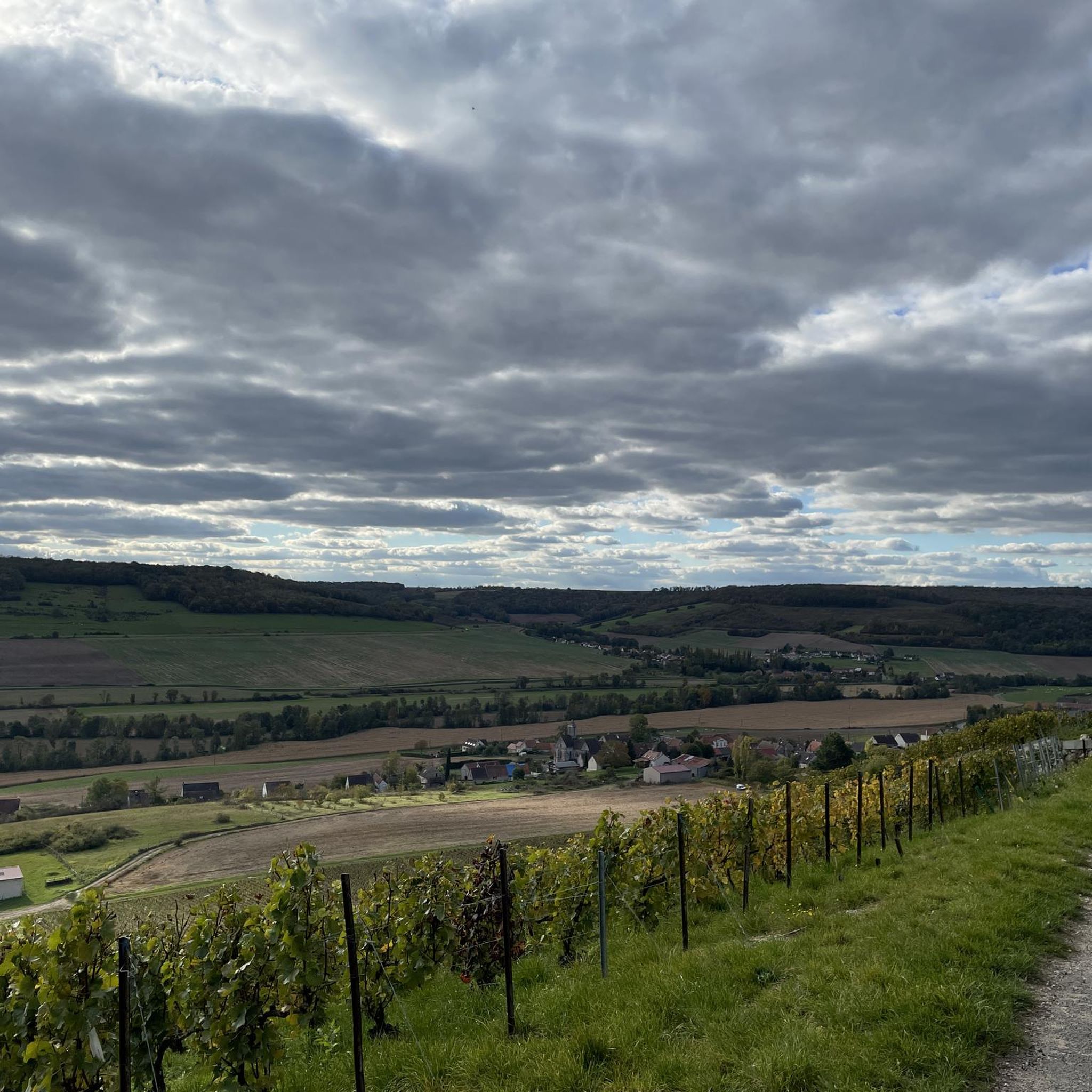
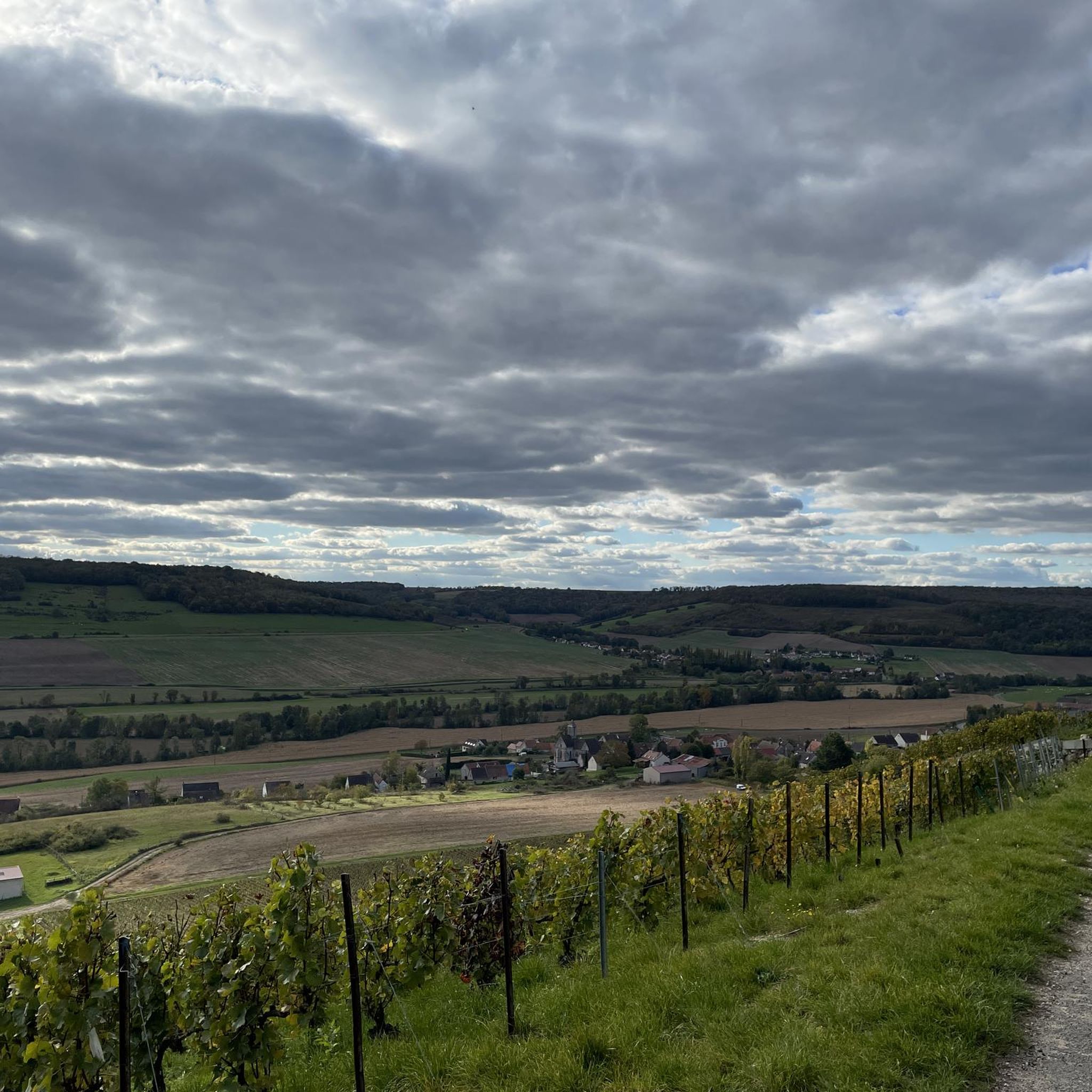
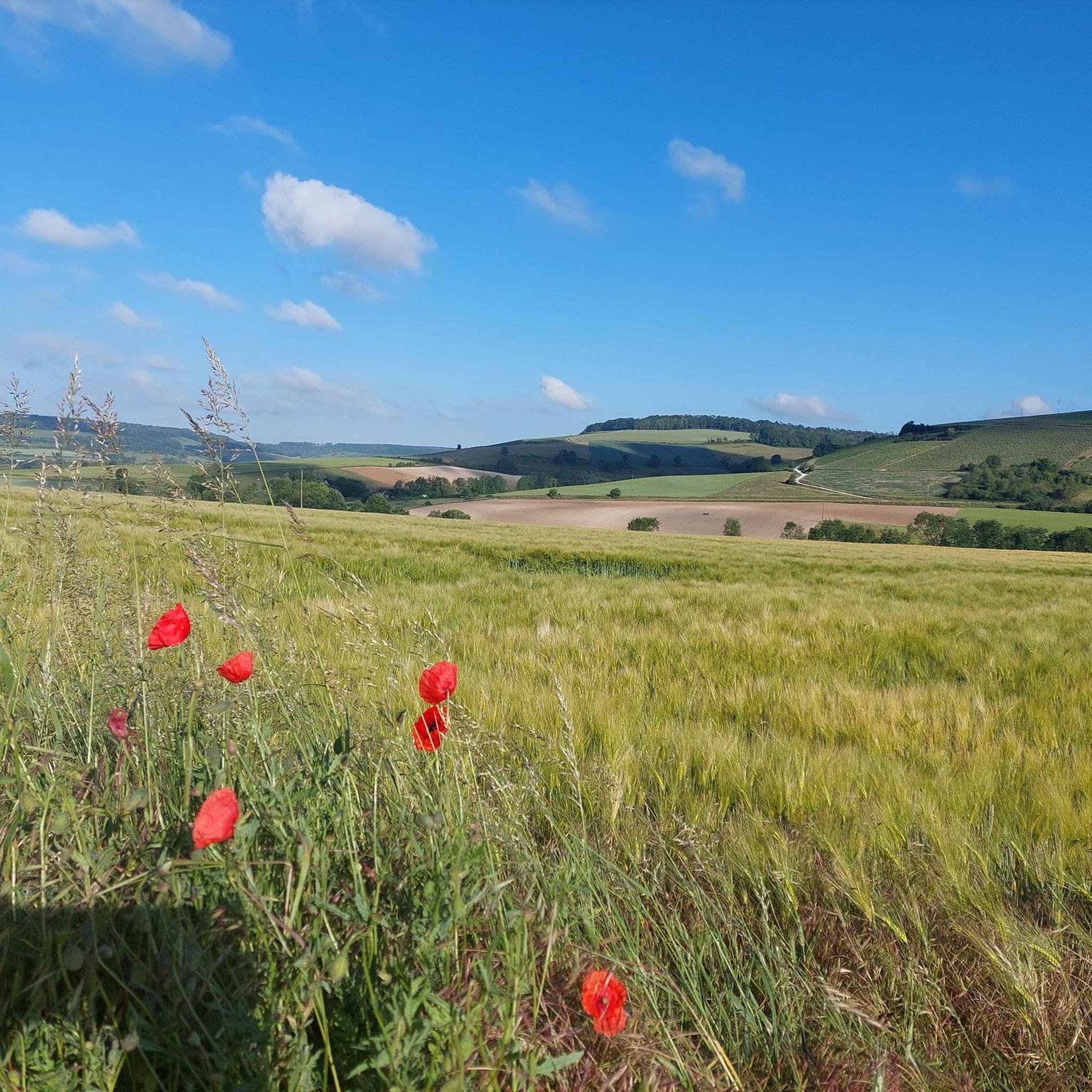
Beginning of the hillsides of the Champagne vineyard
0
0
As a memorial to the endless number of war dead, such a “Cimetiere militaire” – in German they are usually referred to as a “war cemetery” or “soldiers' cemetery” – is still very important today. "Now you, O Lord, let your servant depart in peace, as you said..." says the so-called "Song of Simeon" (Gospel of Luke chapter 2, verse 29). However, the many people buried here by no means died in peace, but rather became victims of war and an inhumane tyranny. The most important and at the same time enduring function of military or honorary cemeteries or war cemeteries is to keep the memory of this suffering alive and - every generation anew (!) - to remind us of the lasting preservation of peace.
1
0

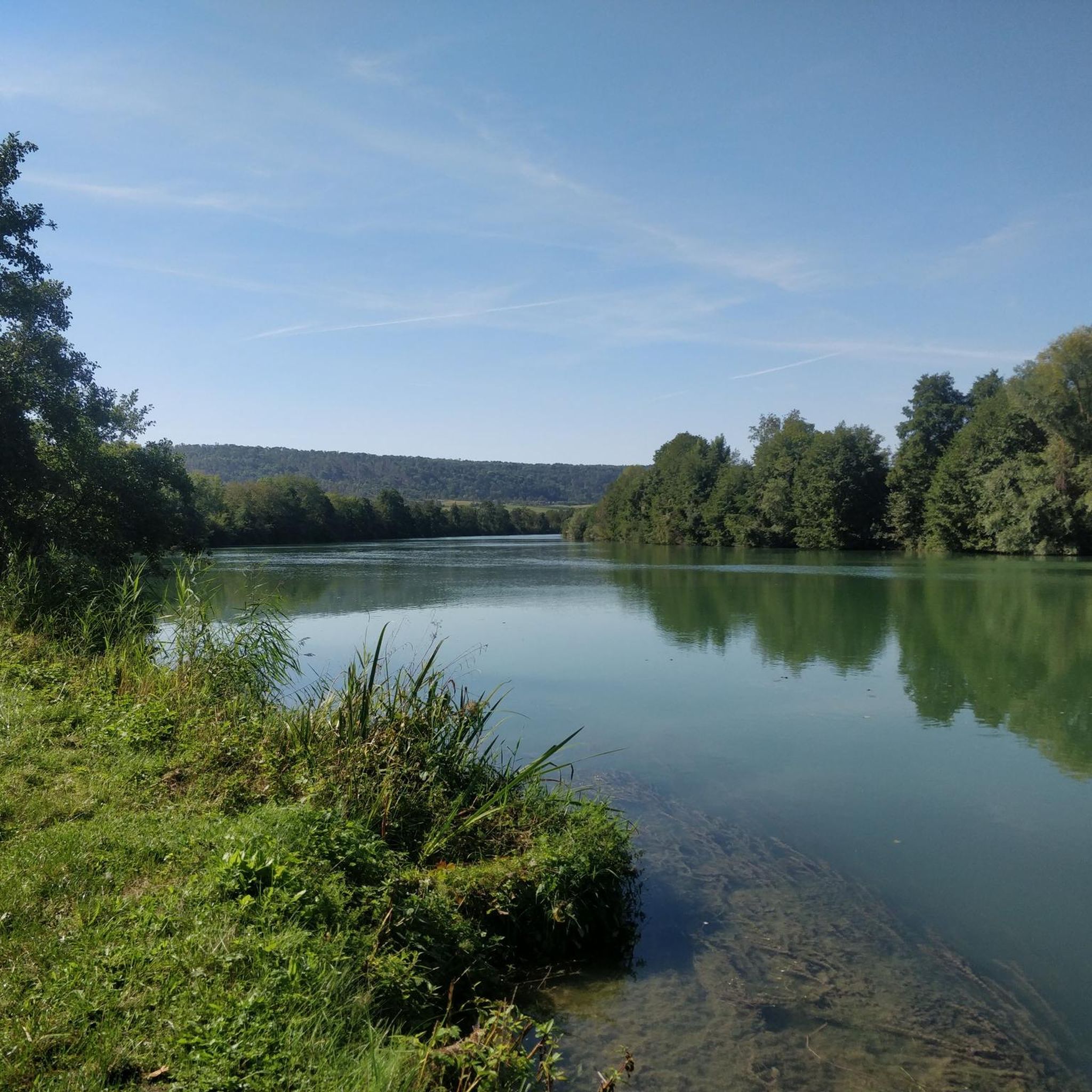
The Marne is the largest river in France. It has a length of 514 km. It is the main tributary of the Seine. Its name is integrated into that of four French departments. At this place the river is quite shallow and there is algae in the water
0
0

A touching, evocative place that, like so many in France, recalls the misery of the world wars (in this case the first).
1
0

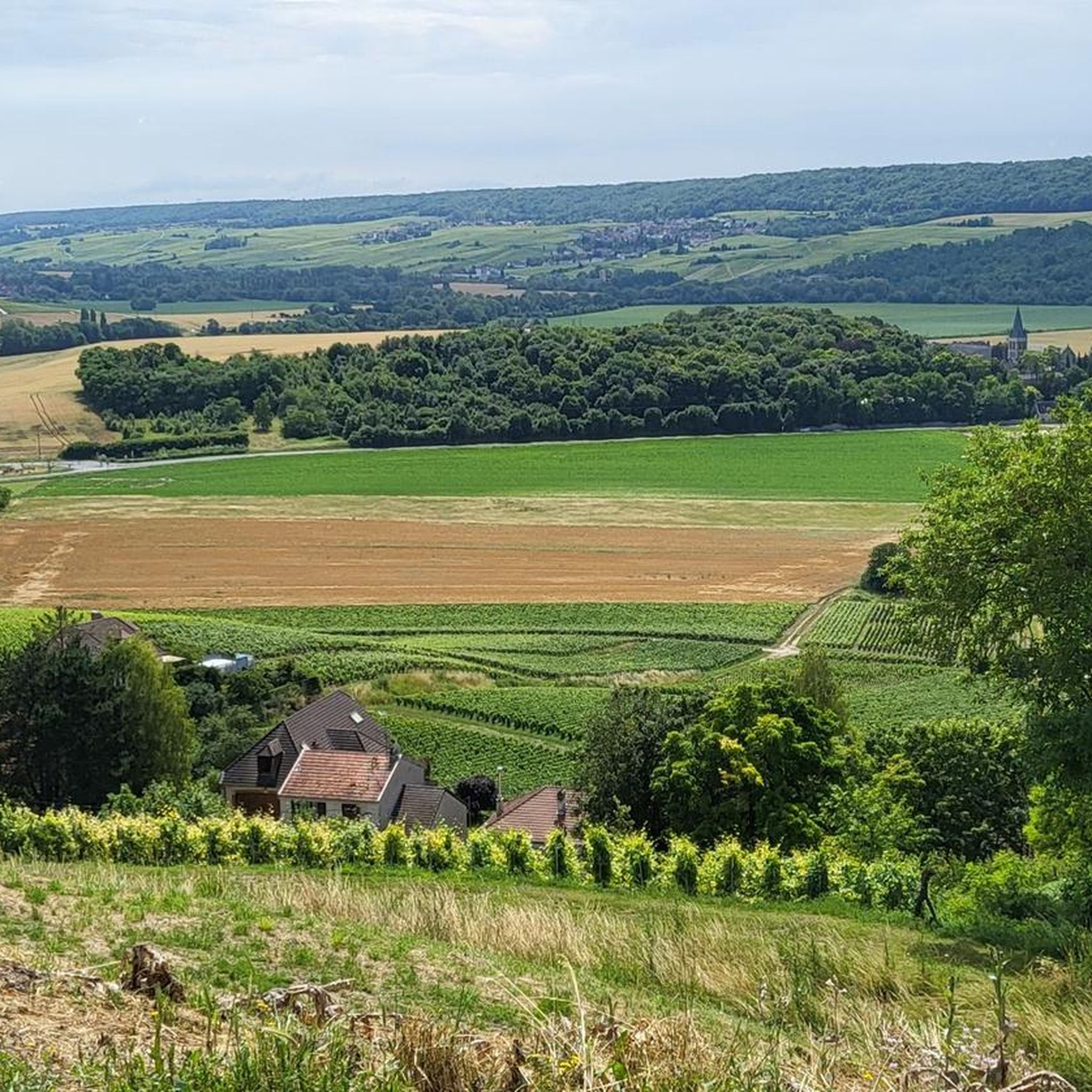
The monument is dedicated to the two battles of the Marne. The site was chosen by Marshal Foch. The ossuary contains the bones of 1,500 unknown soldiers. In front of the chapel you have a magnificent view of the Marne Valley.
5
0
More than 2,500 soldiers who fell during the spring offensive of 1918 are buried here. Originally they were distributed to various cemeteries in the surrounding communities, but by 1933 they were reburied in this central cemetery.
2
0
Frequently Asked Questions
What historical sites can I visit around Vallées-en-Champagne?
The region is rich in history, particularly related to the World Wars and local heritage. You can visit the Dormans Memorial 1914–1918, a significant site dedicated to the Battles of the Marne, featuring an ossuary. Other poignant historical sites include the Prieuré de Binson military cemetery and the Dormans Military Cemetery, both commemorating soldiers from the World Wars. Additionally, the area boasts historic churches like the 13th-century Church of the Nativity of the Virgin Mary in La Chapelle-Monthodon and the Saint-Barthélémy Church in Baulne-en-Brie, known for its unique crippled wood slat ceiling.
Where can I experience the Champagne heritage in the region?
Vallées-en-Champagne is at the heart of the Champagne region. You can explore the famous Champagne Vineyards of the Montagne de Reims, which offer stunning views and insight into the winemaking process. The entire region is steeped in Champagne culture, with opportunities to visit "Vignobles & Découvertes" labeled cellars and houses for tastings and tours. The scenic Route du Champagne also provides splendid viewpoints of the vineyards stretching towards Paris.
Are there any family-friendly attractions in Vallées-en-Champagne?
Yes, several attractions are suitable for families. The Dormans Military Cemetery is listed as family-friendly, offering a reflective historical experience. Another interesting spot is the Lavoir and Ceramic Art of 'Le Lion et l’Âne Chassant', located in a lovely park with apple trees, which is also considered family-friendly and part of 'The Fabulous Labyrinth'.
What natural landscapes and viewpoints can I discover?
The region is renowned for the preserved and unique landscapes of the Marne Valley. You can enjoy breathtaking panoramic views from Mont de Bonneil, a promontory along the Marne Valley trail, offering vistas of wooded hilltops and vine-planted slopes. The Champagne Vineyards of the Montagne de Reims also provide beautiful natural scenery and viewpoints.
What outdoor activities, like hiking, are available near Vallées-en-Champagne?
The area offers various outdoor activities, including hiking. You can find several routes, such as the 'Beautiful meadow path – Château de Condé loop' or the 'Saint-Eugène Church loop'. For more detailed hiking options and routes, you can explore the Hiking around Vallées-En-Champagne guide.
Can I go cycling around the attractions in Vallées-en-Champagne?
Absolutely! The region is excellent for cycling, especially through its scenic vineyards. Routes like the 'Town Hall – View to Champagne De Castellan loop' and the 'Marne Riverside, Reuil – Damery loop' offer diverse experiences. For a comprehensive list of cycling routes, including road cycling, check out the Cycling around Vallées-En-Champagne guide and the Road Cycling Routes around Vallées-En-Champagne guide.
What unique cultural points of interest are there besides the main historical sites?
Beyond the major historical landmarks, you can find charming local details like the washhouse representing the rooster and the fox, for which an explanatory booklet is available at the Tourist Office of Condé-en-Brie. The region's churches, such as the Saint-Agnan Church with its 12th to 16th-century architectural elements, also offer unique cultural insights.
What do visitors enjoy most about the attractions around Vallées-en-Champagne?
Visitors appreciate the blend of poignant historical reflection and the serene beauty of the Champagne vineyards. The military cemeteries, like the Dormans Military Cemetery, are often described as touching and evocative places that serve as important memorials. The scenic views from the vineyards, such as those at the Champagne Vineyards of the Montagne de Reims, are also highly enjoyed, providing lovely spots for breaks and appreciation of the landscape.
Are there any notable châteaux or castles nearby?
While not directly within Vallées-en-Champagne, the nearby Louis XIII château in Dormans is a significant landmark worth exploring. Its striking façade makes it a notable architectural site in the vicinity.
What is the best time of year to visit Vallées-en-Champagne?
The region is particularly beautiful during the warmer months, from spring to early autumn (April to October), when the vineyards are lush and green, and the weather is ideal for outdoor activities like hiking and cycling. This period also offers the best opportunities for vineyard tours and Champagne tastings.
Can I explore other Champagne towns from Vallées-en-Champagne?
Yes, Vallées-en-Champagne serves as an excellent base for exploring other renowned Champagne towns. You can easily visit nearby Château-Thierry and Épernay, which is considered the historic capital of Champagne. Additionally, the charming village of Hautvillers, often called one of the birthplaces of Champagne and home to Dom Pérignon's abbey, is also accessible.
Most popular routes around Vallées-En-Champagne

Get inspired with the komoot mobile app


Explore more
Still not found the Highlight you’re looking for? See guides of the top attractions in other regions:
