The best road cycling routes around Montcuq-En-Quercy-Blanc
4.4
(62)
1,563
riders
28
rides
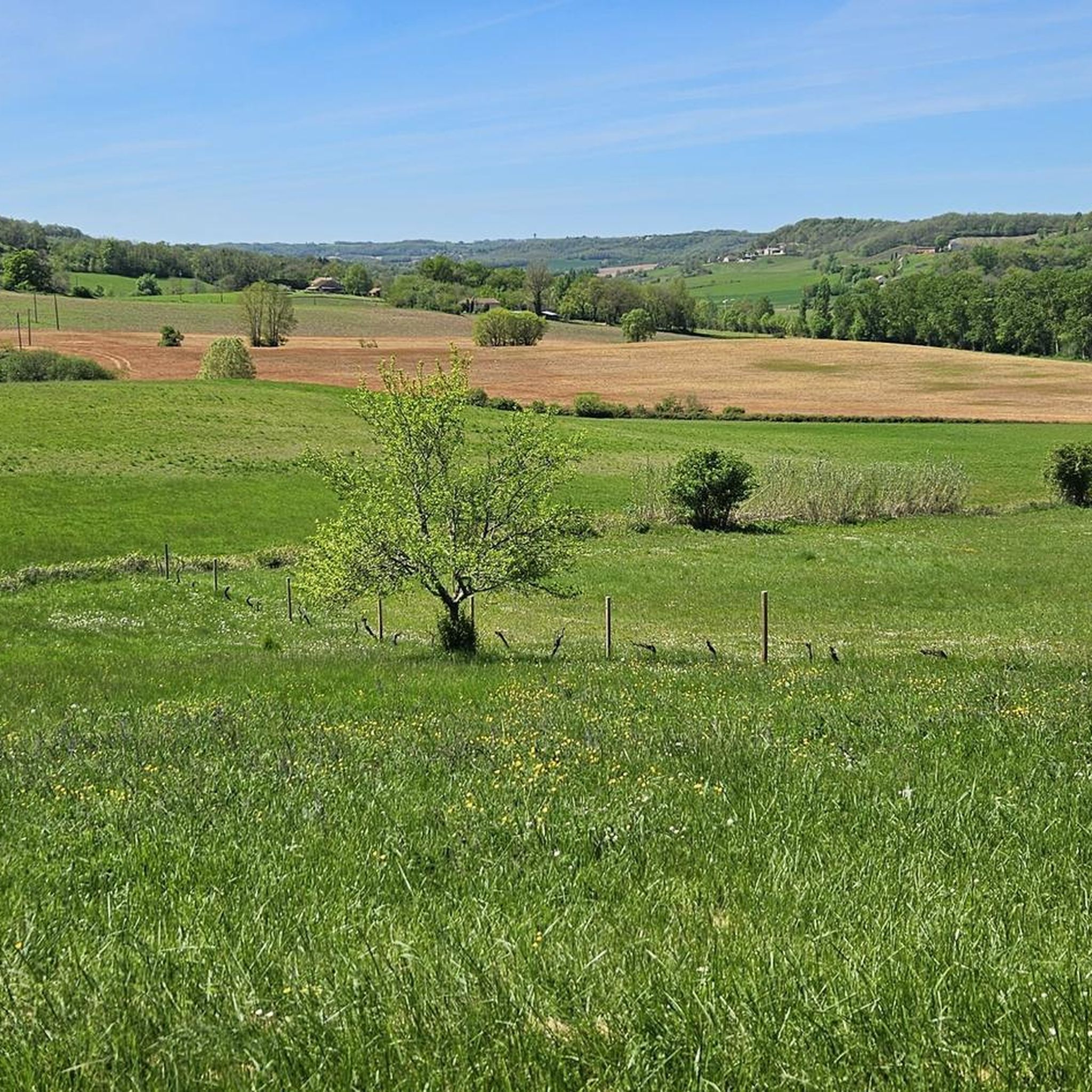
Road cycling around Montcuq-En-Quercy-Blanc features varied terrain characterized by its distinctive white, chalky limestone soil. The region includes challenging climbs and scenic trails, with the village itself perched on a hilltop offering diverse routes. This rural environment is marked by traditional stone huts, ancient chapels, and vineyards, providing a range of landscapes for road cyclists.
Best road cycling routes around Montcuq-En-Quercy-Blanc
- The most popular road cycling route is Lauzerte – Beautiful view loop from Montcuq, a 26.4 miles (42.5 km) trail that takes 2 hours 2 minutes to complete. This route offers views of the surrounding Quercy Blanc landscapes.
- Another top favourite among local road cyclists is Cabane – Montcuq Old Town loop from Valprionde, a moderate 35.0 miles (56.3 km) path. It passes through the medieval center of Montcuq and offers varied scenery.
- Local road cyclists also love the Saint vite – Mauroux church loop from Valprionde, a 36.6 miles (58.9 km) trail leading through the rural environment of Quercy Blanc, often completed in about 2 hours 48 minutes.
- Road cycling around Montcuq-En-Quercy-Blanc is defined by white limestone soil, hilltop villages, and vineyards. The network offers options for different ability levels, from easy paths to routes with significant elevation gain.
- The routes in Montcuq-En-Quercy-Blanc are highly rated by the komoot community with an average score of 4.5 stars from over 10 reviews. More than 300 road cyclists have used komoot to explore Montcuq-En-Quercy-Blanc's varied terrain.
Last updated: October 16, 2026
4.0
(1)
14
riders
42.4km
02:03
540m
540m
Moderate road ride. Good fitness required. Mostly well-paved surfaces and easy to ride.
13
riders
56.3km
02:26
510m
510m
Moderate road ride. Good fitness required. Mostly well-paved surfaces and easy to ride.

11
riders
140km
06:21
1,370m
1,370m
Hard road ride. Very good fitness required. Some segments of this route may be unpaved and difficult to ride.
8
riders
62.3km
02:53
720m
720m
Moderate road ride. Good fitness required. Mostly well-paved surfaces and easy to ride.
10
riders
31.7km
01:38
540m
540m
Moderate road ride. Good fitness required. Mostly well-paved surfaces and easy to ride.
Get access to more routes and recommendations from other explorers.
Already have an account?
Our route recommendations are based on thousands of hikes, rides, and runs completed by other people on komoot.
Start today with a free account
Your next adventure awaits.

Tips from the Community

The first bridge of Cabessut, called the "Pont Neuf", was built of stone in the 13th century by the consuls and clergy of the town. It originally had two defensive towers which were destroyed in 1816. The old stone bridge was demolished in the early 20th century (around 1906) to make way for a wider structure.
0
0
The Halle de Cahors (historically known as the Halle aux grains) is the heart and soul of Cahors' commercial life in the Lot department. This magnificent historic covered market is home to many artisans and food producers, offering the best of Quercy's local products.
1
0
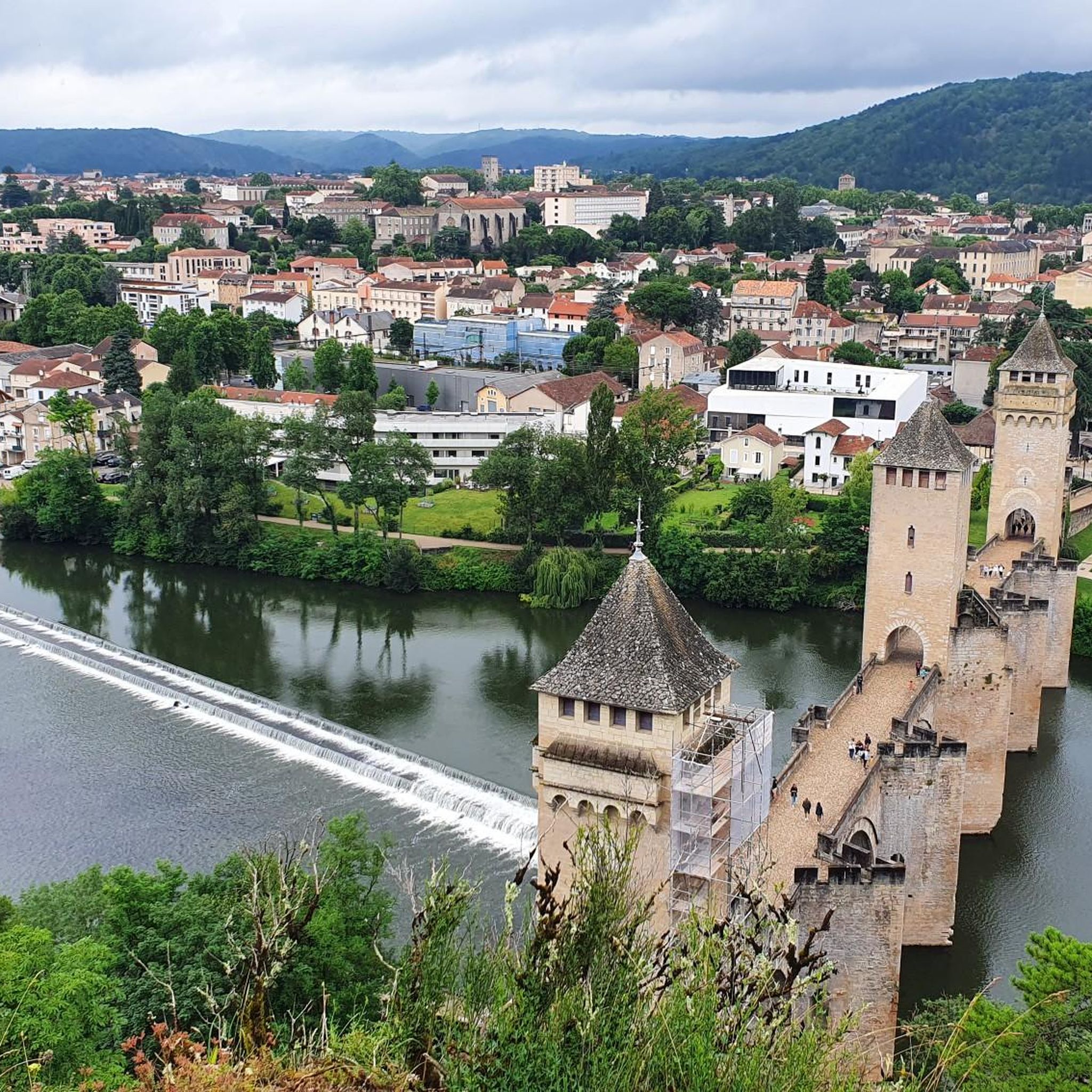
Pont Valentré is one of the few fortified medieval bridges remaining in the world. Its Gothic military architecture makes it a masterpiece of defense and engineering. 1308: The start of construction: The decision to build the bridge is made by the consuls of Cahors to secure the western access to the city and adapt to the flourishing trade. 1308-1378: An endless construction site: The work lasts nearly 70 years, slowed down by the Black Death and the Hundred Years' War. From this legendary slowness was born the famous legend of the Devil. 1879: The great restoration: Having become dilapidated, the bridge undergoes a major restoration led by architect Paul Gout (a student of Viollet-le-Duc). He chose to add the famous sculpture of the little devil on the central tower to immortalize the legend. 1998: Worldwide recognition: The bridge is inscribed on the UNESCO World Heritage list as part of the Routes of Santiago de Compostela.
0
0
Built at the end of the 13th century and remodelled in the 18th century following a fire in 1562, then again in 1881, the village church forms a single-nave stone vessel with a polygonal apse. The choir (Radiant Gothic) is covered. The stained glass windows, in very vivid colour ranges, depict the lives of Christ and Saint-Hilaire.
0
0
Montcuq is a superb medieval hilltop village with a rich heritage in the heart of Quercy Blanc: La Tour de Montcuq: A majestic 12th-century keep that proudly overlooks the village. Built between the late 12th and early 13th centuries under the authority of the Counts of Toulouse.Destruction of the castle: During the Albigensian Crusade and the treaties with the King of France, the local lord had to dismantle the ramparts. Only this keep survived.Particularities: It has a rectangular (or trapezoidal) shape and a square turret housing a unique spiral staircase. Scientifically, the name has nothing lewd about it: it comes from the Occitan Moncuc, which simply means a conical hill or a fortified hill.
0
0
The original building was completely destroyed by Protestants in the 16th century, during the Wars of Religion. The current church was completely rebuilt in 1890 in a neo-Gothic style very characteristic of that era. Despite its more recent exterior architecture, it houses and preserves precious and interesting Baroque furnishings.
0
0
Lauzerte is a magnificent medieval bastide from the 12th century perched on a rocky spur. Lauzerte is an unmissable and mythical stop for pilgrims on the Via Podensis (the route from Puy-en-Velay). Founded by the Count of Toulouse, this ancient strategic city features a checkerboard architecture typical of the bastides of the Southwest.
0
0
Lauzerte is a magnificent medieval bastide from the 12th century perched on a rocky outcrop. Lauzerte is an essential and mythical stop for pilgrims on the Via Podensis (the path from Le Puy-en-Velay). Founded by the Count of Toulouse, this ancient strategic town has a checkerboard architecture typical of the bastides of the Southwest.
0
0
Frequently Asked Questions
What kind of terrain can I expect when road cycling in Montcuq-En-Quercy-Blanc?
The region is characterized by its distinctive white, chalky limestone soil, known as "Quercy Blanc." You'll find a mix of challenging climbs and scenic trails, with the village itself perched on a hilltop. Routes often pass through diverse landscapes including fields of Quercy melons, lavender, sunflowers, vineyards, and traditional features like stone huts and ancient chapels.
How many road cycling routes are available around Montcuq-En-Quercy-Blanc?
There are over 20 road cycling routes available in the Montcuq-En-Quercy-Blanc area, catering to various skill levels. These routes offer a range of distances and elevation gains, from moderate paths to more challenging rides.
Are there any easy road cycling routes suitable for beginners in Montcuq-En-Quercy-Blanc?
Yes, while many routes are moderate, there is at least one easy road cycling route available. The network offers options for different ability levels, ensuring that beginners can also find suitable paths to explore the region's beautiful landscapes.
What are some notable landmarks or viewpoints I can see along the road cycling routes?
Many routes offer picturesque views of the surrounding Quercy Blanc landscapes. You might pass through the medieval center of Montcuq, see the 13th-century Montcuq Old Town, or enjoy panoramic vistas from viewpoints like Viewpoint historic Belaye. The region is also dotted with traditional features such as stone huts (gariottes) and ancient chapels.
What do other road cyclists enjoy most about cycling in Montcuq-En-Quercy-Blanc?
The area is highly rated by the komoot community, with an average score of 4.5 stars from over 10 reviews. Cyclists often praise the varied terrain, the charming rural environment, and the well-paved surfaces suitable for road biking. The scenic beauty, including vineyards and hilltop villages, is frequently highlighted.
Are there any longer road cycling routes for experienced cyclists?
Yes, for experienced cyclists looking for longer distances, routes like the Saint vite – Mauroux church loop from Valprionde cover nearly 60 km with significant elevation gain. Another option is the Bélaye viewpoint – Chambert Castle loop from Montcuq, which is also around 56 km.
What is the best time of year for road cycling in Montcuq-En-Quercy-Blanc?
Montcuq-En-Quercy-Blanc is an excellent destination for outdoor activities. The region's fields of lavender and sunflowers suggest pleasant conditions during late spring and summer. However, to avoid the warmest temperatures, spring and early autumn often provide ideal weather for road cycling, allowing you to enjoy the vibrant landscapes and vineyards comfortably.
Can I find circular road cycling routes in the area?
Yes, many of the road cycling routes around Montcuq-En-Quercy-Blanc are designed as loops. For example, the Lauzerte – Beautiful view loop from Montcuq and the Cabane – Montcuq Old Town loop from Valprionde are popular circular options that allow you to start and end in the same location.
Are there any specific attractions or villages to explore near the cycling routes?
Beyond Montcuq itself, which has a charming medieval center and a popular Sunday market, the region is close to other noteworthy destinations. You can visit Lauzerte, classified as a "Most Beautiful Village of France," or Cahors, known for its history and the UNESCO World Heritage site Pont Valentré. The Place des Cornières de Lauzerte is a notable highlight.
Where can I find more information about the Montcuq-En-Quercy-Blanc region for planning my trip?
For additional information about the region, including local events and services, you can visit the official tourism website for the Lot department: tourisme-lot.com. This can help with planning accommodation or finding local amenities for cyclists.
Are there routes that pass through vineyards or offer opportunities to see local produce?
Absolutely. The region is known for its vineyards producing AOC Coteaux du Quercy wines, and routes often traverse areas with fields of Quercy melons, lavender, and sunflowers. You'll experience the agricultural beauty of the area firsthand while cycling.
What is the typical elevation gain on road cycling routes in Montcuq-En-Quercy-Blanc?
The elevation gain varies across routes, reflecting the region's hilly terrain. For instance, a moderate route like the Mauroux church – La capelle cabanac loop from Valprionde involves over 640 meters of ascent, while others can have more or less, depending on the specific path chosen.
Most popular routes around Montcuq-En-Quercy-Blanc
Most popular attractions around Montcuq-En-Quercy-Blanc

Get inspired with the komoot mobile app


Explore more
Browse the best Road cycling routes in other regions.
