Top 7 Castles around Cherbourg-En-Cotentin
Best castles around Cherbourg-En-Cotentin offer a glimpse into the rich history of this coastal region in Normandy. The area is characterized by its strategic location on the Cotentin peninsula, which has shaped its historical significance and architectural heritage. Visitors can explore a variety of historical structures, from fortified manors to elegant châteaux, often set amidst notable gardens. These sites reflect centuries of regional development and provide insight into local culture and past events.
Best castles around Cherbourg-En-Cotentin
- The most popular…
Last updated: October 4, 2026
Ravalets Castle
Highlight • Castle
Translated by Google •
Tip by

Manoir du Dur-Écu
Highlight • Castle
Translated by Google •
Tip by

Sign up now to discover places like this
Get recommendations on the best single tracks, peaks, & plenty of other exciting outdoor places.
Inthéville Manor
Highlight • Castle
Translated by Google •
Tip by

Vauville
Highlight • Settlement
Translated by Google •
Tip by

Vauville, its castle and its remarkable gardens
Highlight • Castle
Translated by Google •
Tip by
Sign up for free to discover even more castles around Cherbourg-En-Cotentin.
Already have an account?
Start today with a free account
Your next adventure awaits.
Popular around Cherbourg-En-Cotentin
Hike from Cotentin to Mont-Saint-Michel in Normandy – GR 223 (part two)
From pink granite to the Opal Coast — cycle France’s la Vélomaritime
Hiking in the footsteps of writer Sylvain Tesson – 3 days in Normandy’s Cotentin
Coastlines of the English Channel — Tour de Manche
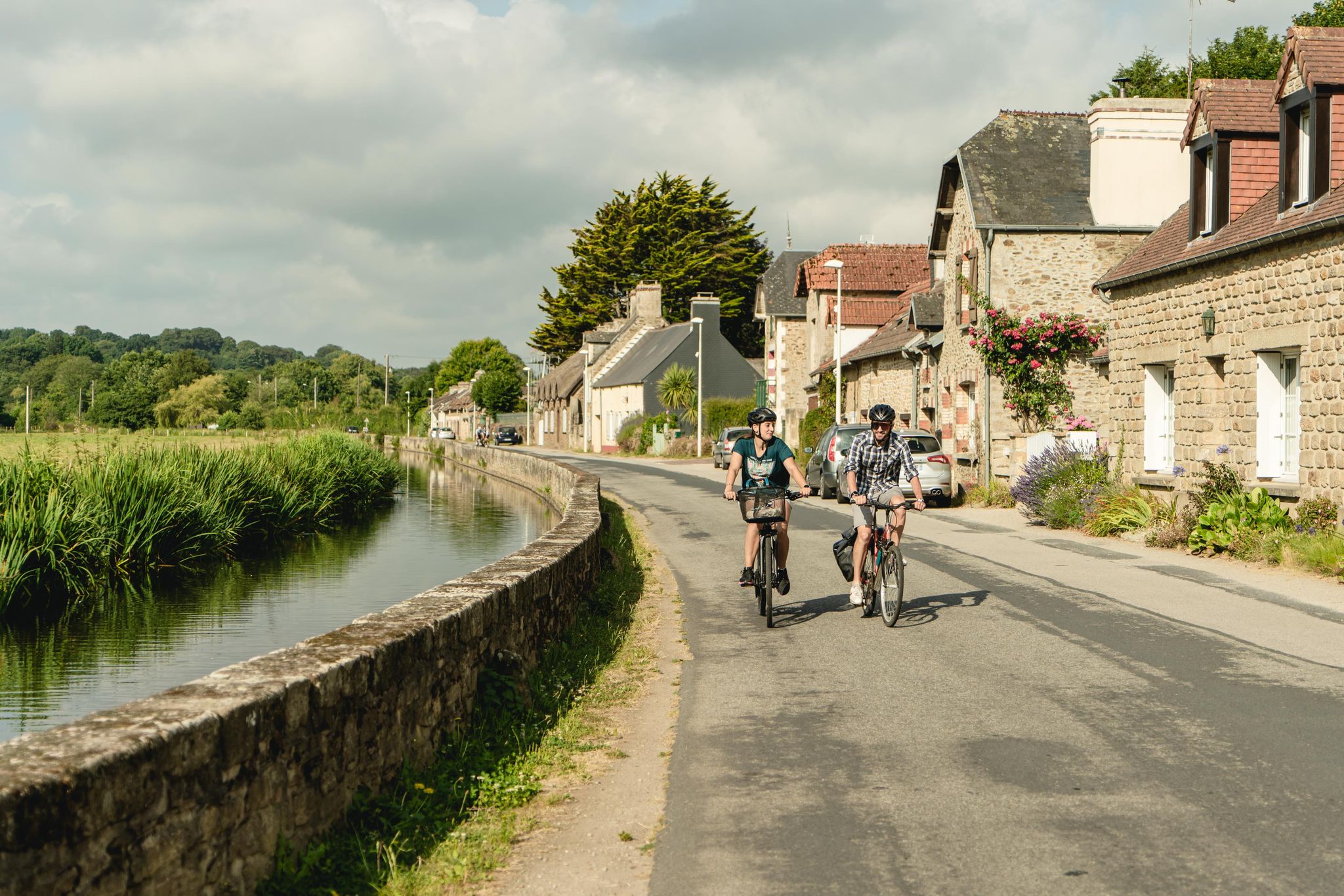
Tour du Cotentin en suivant la Vélomaritime®

Boucles cyclosportives dans le Cotentin
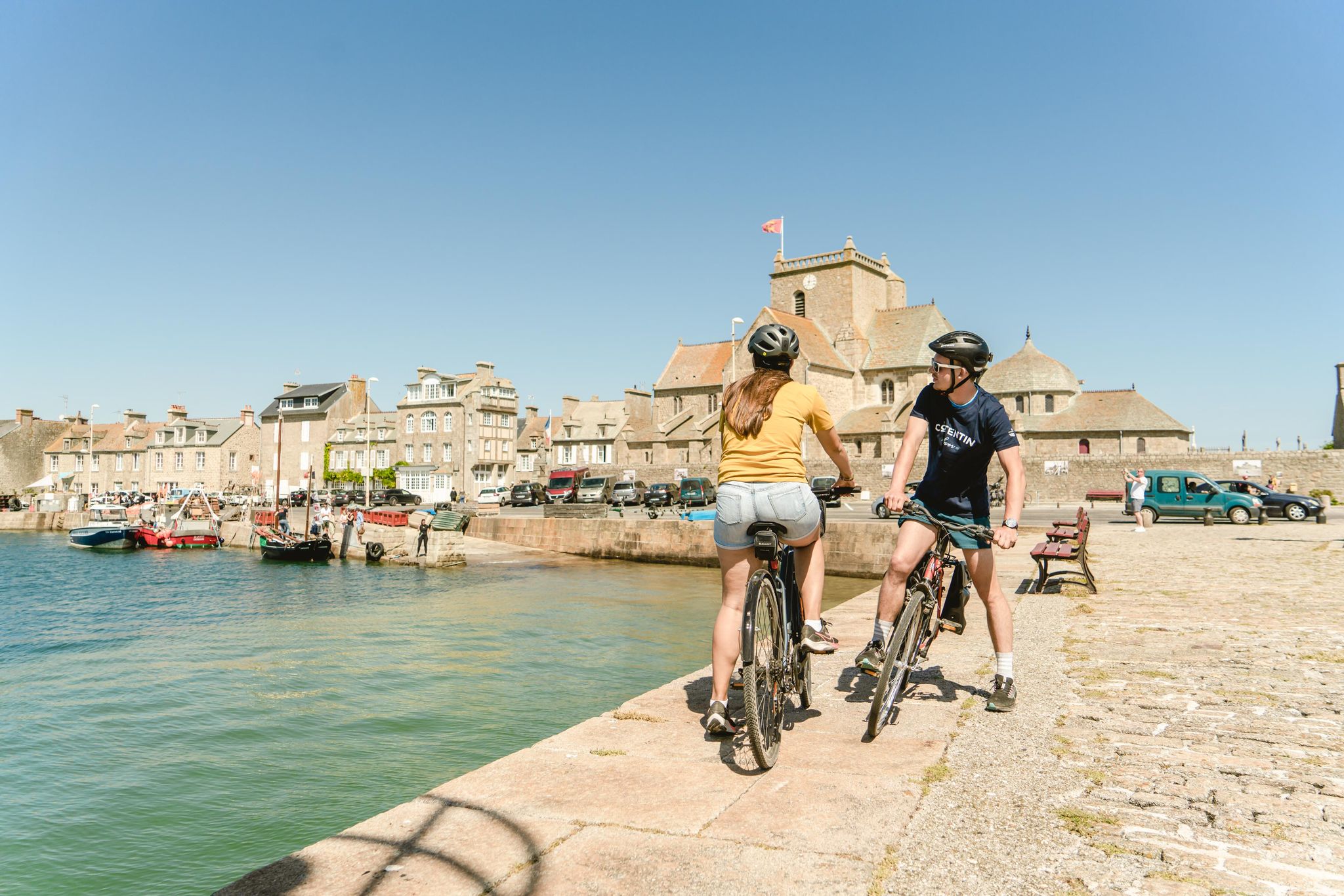
Boucles vélo loisirs du Cotentin
Running Trails around Cherbourg-En-Cotentin
Road Cycling Routes around Cherbourg-En-Cotentin
Cycling around Cherbourg-En-Cotentin
Other adventures around Cherbourg-En-Cotentin


Tips from the Community

magnificent castle near Cherbourg
0
0


A very beautiful castle to admire from all sides.
0
0

Château des Ravalets, also known as Château de Tourlaville, is a magnificent castle located in Tourlaville, a commune attached to Cherbourg-en-Cotentin, in the Manche department of Normandy. This Renaissance-style castle is one of the architectural gems of the region and is definitely worth a visit. Points of Interest: Renaissance Architecture: Built between 1562 and 1575 by Jean II de Ravalet, the castle is a fine example of French Renaissance architecture. It is distinguished by its elegant facades, mullioned windows, and turrets that give a unique charm to the building. The castle has been remarkably well preserved and restored, allowing visitors to appreciate the original architectural details, such as stone sculptures and monumental fireplaces. History and Legends: The castle is also known for the tragic story of Jean II de Ravalet's children, Marguerite and Julien, who were sentenced to death in 1603 for alleged incest. Their story has inspired many legends and is part of the region's collective memory. Over the centuries, the castle has had various owners and has witnessed many historical events, making it a place full of history. Why visit the Château des Ravalets? Architectural Heritage: The castle is an exceptional example of Renaissance architecture in Normandy, offering a fascinating insight into the history and art of this period. Natural and Landscape Setting: The castle's remarkable gardens offer a great opportunity to walk and relax in a historic and green setting. Historical Richness: Between local legends and the tumultuous history of its former owners, the Château des Ravalets is a place full of mysteries and captivating anecdotes. In short, the Château des Ravalets is a must-see destination for anyone interested in history, architecture or simply the beauty of Normandy's historic gardens.
1
0

Imposing manor house, made up of ten buildings with three mills and a dovecote, for architecture and history buffs, it is worth the detour!
1
0

Castle from the 12th century. More info at: https://www.jardin-vauville.fr/
0
0

It was rebuilt in the 16th century on older foundations, in a stronghold cited in the 14th century. It consists of ten buildings, including three mills, and a granite and blue stone dovecote with 2,000 balls. Its raison d'être is its positioning on the edge of the old royal path leading to the Hague, where this path moves away from the strike to climb the first cliffs. The legend attributes its name to a warlike episode during which William the Conqueror would have had his life saved by Robert Le Fort who protected him with his shield (it was then said a shield) Source: Wikimanche
1
0
More information at https://www.durecu.com/
0
0
Frequently Asked Questions
Which castles around Cherbourg-En-Cotentin are known for their gardens?
Several castles in the region boast remarkable gardens. The Château des Ravalet features an expansive "Remarkable Garden" with various styles, open year-round for free. The Château de Nacqueville is celebrated for its romantic English-style park, also classified as a "Jardin remarquable." Additionally, Vauville, its castle and its remarkable gardens offers a 4-hectare garden with over 1,200 plant species, and the Vauville Botanical Garden is a privately owned botanical garden with over 1,000 different plants from the Southern Hemisphere.
Are there family-friendly castles to visit near Cherbourg-En-Cotentin?
Yes, the region offers several family-friendly options. The Château des Ravalet is very kid-friendly, with picnic areas and playgrounds within its extensive park. The gardens at Vauville, its castle and its remarkable gardens are also suitable for families, and the nearby Vauville Botanical Garden includes an animal farm, making it an engaging visit for children.
What historical significance do the castles around Cherbourg-En-Cotentin hold?
The castles and manors in the region reflect centuries of history. The Manoir du Dur-Écu, for instance, is a fortified manor dating back to the 14th century, rebuilt in the 16th century, showcasing Renaissance architectural style. The Inthéville Manor is an old fortified residence from the 13th century, remodeled multiple times, representing large seigniorial agricultural estates. While the original Château de Cherbourg no longer stands, its legacy as a crucial medieval fortress is deeply embedded in the city's history.
Can I visit the interiors of these castles?
Access to castle interiors varies. The Château des Ravalet is only occasionally open for visitors, typically on specific heritage days, though its gardens are freely accessible. The Manoir du Dur-Écu's interior is generally not open to the public, but its courtyards can be visited from July to September, often with guided tours during European Heritage Days. Many other sites, like Inthéville Manor, are private properties, best appreciated from the exterior or during specific events.
Are there any castles with free entry in the Cherbourg-En-Cotentin area?
Yes, the gardens of the Château des Ravalet offer free entry and are open to the public year-round. While the château itself has limited access, its extensive park provides a beautiful and free experience. The park surrounding the Château de Querqueville, which now serves as the town hall, is also open to the public for walks.
What outdoor activities can I do near these castles?
The region around Cherbourg-En-Cotentin offers various outdoor activities. You can find numerous hiking routes, such as the 'Ravalets Castle – Ravalet Castle loop from Tourlaville,' which is a moderate hike. For cycling enthusiasts, there are routes like 'Cap Levi, Barfleur and the château des Ravalet— loop from Cherbourg.' Mountain biking trails are also available, including the 'Mill Valley – Panoramic view loop from Cherbourg.' You can explore more options in the hiking guide, cycling guide, and MTB guide for Cherbourg-En-Cotentin.
What do visitors enjoy most about the castles in Cherbourg-En-Cotentin?
Visitors particularly appreciate the blend of historical architecture and natural beauty. The tranquil atmosphere of the gardens, like those at Château de Nacqueville, and the intriguing histories of sites such as the Manoir du Dur-Écu are frequently highlighted. The opportunity for peaceful strolls and the diverse flora also receive high praise from the komoot community.
Are there any lesser-known or 'hidden gem' castles worth visiting?
While not entirely hidden, the Inthéville Manor in Fermanville is a less frequented but historically rich fortified residence from the 15th century, built with distinctive pink granite. It offers a glimpse into regional architectural styles and large seigniorial agricultural estates, making it a point of interest for those seeking a deeper historical exploration beyond the more prominent sites.
What is the best time of year to visit the castles and their gardens?
The warmer half of the year, typically from spring through early autumn, is ideal for visiting the castles, especially for enjoying their gardens. Many gardens, like the English-style park at Château de Nacqueville, are generally open during this period when flowers are in bloom and the weather is pleasant for outdoor exploration. The Château des Ravalet gardens are open year-round, but are most vibrant in spring and summer.
Are there any castles that offer accommodation?
Yes, the Manoir du Dur-Écu in Urville-Nacqueville offers gîtes (holiday cottages) for accommodation, providing a unique opportunity to stay within a historical setting. This allows visitors to experience the tranquil setting by the sea and the historical architecture more intimately.
Can I find cafes or pubs near the castles?
While specific cafes or pubs directly adjacent to every castle are not always guaranteed, the castles are generally located within or near towns and villages where you can find dining options. For example, the Château des Ravalet is within Cherbourg-en-Cotentin, offering many amenities. Similarly, areas around Vauville and other villages will have local establishments.
Which castle offers the most diverse plant species in its gardens?
The Vauville, its castle and its remarkable gardens and the adjacent Vauville Botanical Garden are particularly noted for their botanical diversity. The botanical garden alone houses over 1,000 different plants from the Southern Hemispheres, benefiting from the warm Gulf Stream, while the castle's garden features over 1,200 plant species, many from the Southern Hemisphere.
Most popular routes around Cherbourg-En-Cotentin
Most popular attractions around Cherbourg-En-Cotentin

Get inspired with the komoot mobile app


Explore more
Looking for the best castles somewhere else? Discover other guides around Cherbourg-En-Cotentin:
