Attractions and Places To See around Le Montsaugeonnais - Top 17
Best attractions and places to see around Le Montsaugeonnais include historical villages, scenic waterways, and unique natural formations. This commune in the Haute-Marne department of France offers a blend of historical heritage and natural beauty. The region features a revitalized wine industry and a landscape shaped by its strategic position on a hill and the Canal entre Champagne et Bourgogne. Visitors can explore a variety of landmarks and natural features within this area.
Best attractions and places to see around Le Montsaugeonnais
- The most popular attractions is Canal between Champagne and Burgundy, a canal that extends over 224 kilometers, connecting the navigable networks of the Seine and the Rhône. It features impressive engineering, including tunnels and aqueducts, traversing peaceful landscapes.
- Another must-see spot is Lac de Villegusien, a lake. This reservoir lake was built on the course of the Vingeanne and has an area of 1.99 km².
- Visitors also love The Escargots of Cohons, a man-made monument. This historical site features stone structures and terraces from a former garden, including the "smallest of the Snails" surrounded by a maze of boxwood.
- Le Montsaugeonnais is known for its historical sites, natural landscapes, and waterways. Visitors can explore historical villages, scenic waterways, and unique natural formations.
- The attractions around Le Montsaugeonnais are appreciated by the komoot community, with more than 40 upvotes and over 10 photos shared.
Last updated: July 1, 2026
Canal between Champagne and Burgundy
Highlight • River
Translated by Google •
Tip by

The Escargots of Cohons
Highlight • Monument
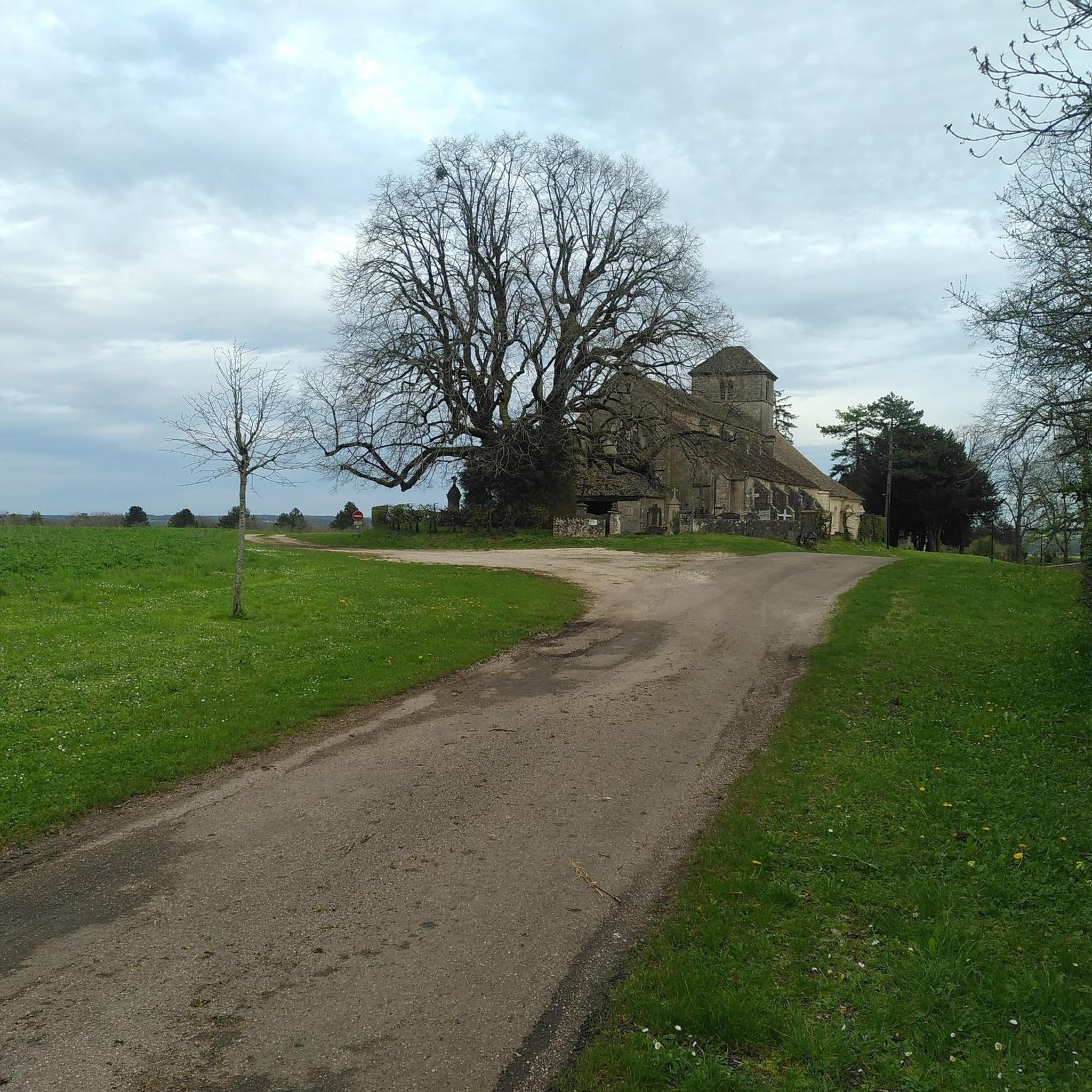
The two buyers, Nicolas Daguin former mayor of Langres? 1795-97? (Lahie for half) and Mr. François Bertrand-Poinsot lawyer in Langres and Charles-Michel Poinsot his brother-in-law (Lahie for the other half and Champ Bresson), immediately had their estates transformed into English gardens, thanks to the laborers of Cohons who extract and transport the stone. In Lahie, Nicolas Daguin had the terraces overhanging the village laid out, planted two magnificent cedars there (topped during the 1999 storm), installed stone benches, fitted out the "house of billiards" (recently disappeared) in a crevice of the cliff, and had the smallest of the Snails created on the edge of the plateau, surrounded by a maze of boxwood.
Translated by Google •
Tip by

Sign up now to discover places like this
Get recommendations on the best single tracks, peaks, & plenty of other exciting outdoor places.
Sign up for free
Lac de Villegusien
Highlight • Lake
Translated by Google •
Tip by
Silière Garden
Highlight • Other
Translated by Google •
Tip by

Gorges de la Vingeanne
Highlight (Segment) • Gorge
Translated by Google •
Tip by
Sign up for free to discover even more attractions around Le Montsaugeonnais.
Sign up for free
Already have an account?
Start today with a free account
Your next adventure awaits.
Login or Signup


Tips from the Community

This castle from 1659 belongs to the French castle heritage.
2
0

The Jardin de Silière in Cohons was created in 1661, the same year as Versailles, and features a symmetrical design with water features, boxwood, yew, hornbeam and lime trees. You can also walk along a small stream with waterfalls and a tuff formation, which is labeled as a "Remarkable Tree Cluster". The garden is open to the public from May 1 to November 11, and offers guided tours and special events.
3
0
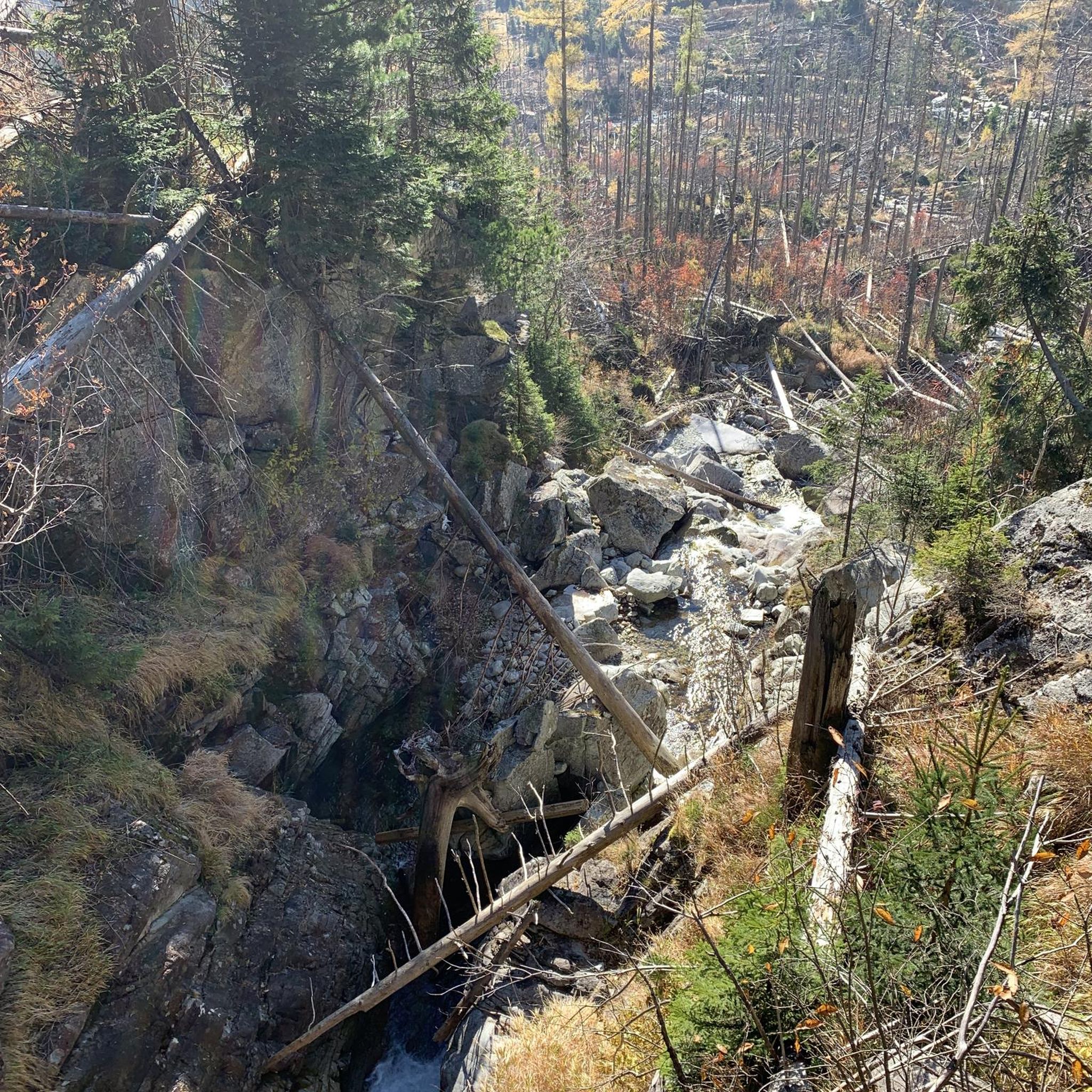
The Gorges de la Vingeanne are a canyon carved out by the Vingeanne river in the Haute-Marne department in France. This site is part of the Natura 2000 network, which aims to protect biodiversity and natural habitats.
4
0

The garden, now gone, came from part of the former episcopal domain of Cohons, made up of the vast forest of Champ Bresson (where we are) and that of Lahie overlooking the village (on the other side de la route), which was sold as national property on April 26, 1808 at the end of the Revolution. The two buyers, Nicolas Daguin former mayor of Langres? 1795-97? (Lahie for half) and Mr. François Bertrand-Poinsot lawyer in Langres and Charles-Michel Poinsot his brother-in-law (Lahie for the other half and Champ Bresson), immediately had their estates transformed into English gardens, thanks to the laborers of Cohons who extract and transport the stone. In Lahie, Nicolas Daguin had the terraces overhanging the village laid out, planted two magnificent cedars there (topped during the 1999 storm), installed stone benches, fitted out the "house of billiards" (recently disappeared) in a crevice of the cliff, and had the smallest of the Snails created on the edge of the plateau, surrounded by a maze of boxwood.
1
0

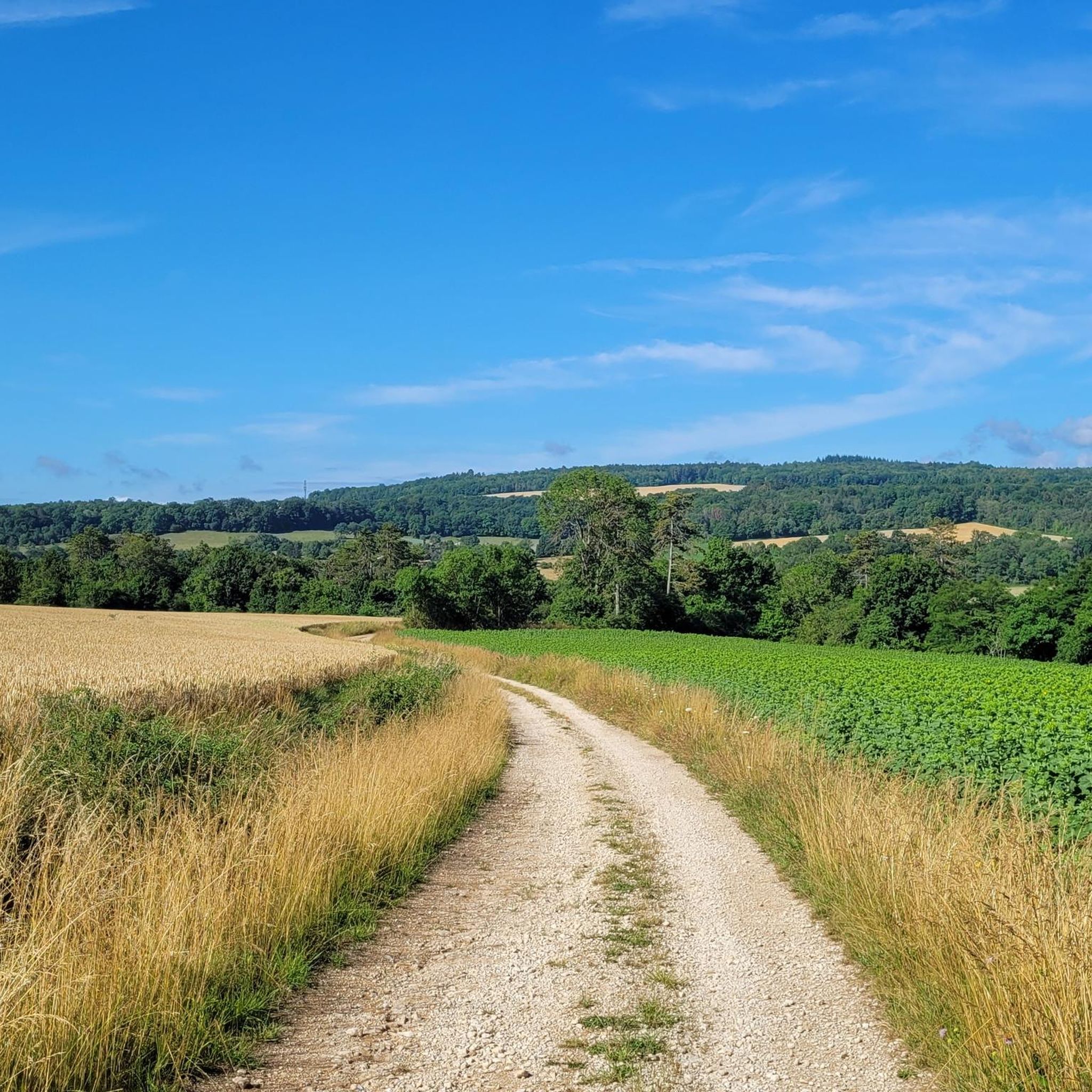
Take a detour every now and then to switch the scenery
2
0

A very nice way. The numerous locks and the associated houses of the smugglers are particularly worth seeing.
3
1

Opened to traffic in 1907, the canal between Champagne and Burgundy (formerly the Marne-Saône canal) extends over 224 kilometers between Vitry-le-François and Marcilly-sur-Saône. It provides the river connection between the navigable networks of the Seine and the Rhône. It required major works: fixed bridges, swing bridges, footbridges, aqueduct, but also tunnels and artificial lakes for its water supply. He requested the digging of a 4,821 meter tunnel (fourth river tunnel in France) which passes some 50 meters under the church of Balesmes as well as the construction of the 4 lakes of the Pays de Langres. The landscapes crossed as well as its calm make it one of the most beautiful canals in France.
5
1
This very beautiful lake is one of those reservoir lakes built on the course of the Vingeanne at the very beginning of the last century. The town located on its shore is called Villegusien-le-Lac!
0
0
Frequently Asked Questions
What natural features can I explore in Le Montsaugeonnais?
Le Montsaugeonnais offers several beautiful natural features. You can explore the Canal between Champagne and Burgundy, known for its peaceful landscapes and impressive engineering. Another highlight is Lac de Villegusien, a reservoir lake perfect for enjoying the water. The area also features the scenic Gorges de la Vingeanne, a canyon carved by the Vingeanne river, which is part of the Natura 2000 network.
What historical sites and cultural landmarks are there in Le Montsaugeonnais?
The region is rich in history. The village of Montsaugeon itself boasts the 12th/13th-century Notre-Dame-de-la-Nativité Church, the historic Old Halls (Les Halles de Montsaugeon) built in 1762, and a 15th-century Medieval Gateway, all recognized as Historical Monuments. You can also visit the 11th/12th-century Saint-Piat Church in Prauthoy and the Saint-Symphorien Church in Vaux-sous-Aubigny, which dates back to the 12th and 13th centuries.
Are there family-friendly activities or attractions in Le Montsaugeonnais?
Yes, families can enjoy several activities. The Lac de Villegusien is categorized as family-friendly, offering a great spot for lakeside enjoyment. Additionally, "L'Aventure Montsaugeonnaise" is an educational and recreational trail in the National Forest Park, designed as an interactive treasure hunt to discover the area's heritage, suitable for all ages.
What outdoor activities can I do near these attractions?
Le Montsaugeonnais is well-suited for outdoor enthusiasts. You can find numerous routes for cycling, mountain biking, and road cycling. For example, there are several MTB trails around Le Montsaugeonnais, including the "Lake Mouche – Tufière de Saint-Ciergues loop." Gravel biking options like the "Ferme du Fossé – The Ignon at Is-sur-Tille loop" are also available. Road cyclists can enjoy routes such as the "Lake Villegusien – Lac de Villegusien loop." You can find more details on these activities and routes on the respective guide pages for MTB Trails, Gravel Biking, and Road Cycling Routes.
Can I visit the Montsaugeonnais vineyard?
Yes, the Montsaugeonnais region has a revitalized wine industry. The Muid Montsaugeonnais vineyard spans about 13-14 hectares and produces organic wines, including white, red, rosé, and sparkling varieties. A tasting cellar is available in Vaux-sous-Aubigny for visitors to sample the local produce.
What is special about the Canal entre Champagne et Bourgogne?
The Canal between Champagne and Burgundy is a significant waterway, extending over 224 kilometers and connecting the navigable networks of the Seine and the Rhône. It features impressive engineering, including fixed bridges, swing bridges, aqueducts, and tunnels, notably one of France's longest river tunnels under Balesmes. Its peaceful landscapes make it one of France's most beautiful canals, offering great opportunities for cycling and walking along its banks.
What are The Escargots of Cohons?
The Escargots of Cohons are a unique man-made monument. This historical site features stone structures and terraces from a former garden, including the "smallest of the Snails" surrounded by a maze of boxwood. It's a fascinating glimpse into 19th-century landscape design and local history.
Are there any unique gardens to visit in the area?
Yes, the Silière Garden in Cohons is a notable attraction. Created in 1661, the same year as Versailles, it features a symmetrical design with water features, boxwood, yew, hornbeam, and lime trees. You can also walk along a small stream with waterfalls and a tuff formation, which is labeled as a "Remarkable Tree Cluster." The garden is open to the public from May 1 to November 11.
What do visitors enjoy most about the attractions in Le Montsaugeonnais?
Visitors particularly appreciate the blend of historical heritage and natural beauty. The peaceful landscapes along the Canal between Champagne and Burgundy are often highlighted, as are the unique historical sites like the Escargots of Cohons. The area's charm comes from its strategic position on Montsaugeon Hill and the opportunities for outdoor activities amidst scenic surroundings.
Can I visit Prauthoy Castle?
Prauthoy Castle, built between the 16th and 19th centuries, once belonged to the family of philosopher Denis Diderot. While it now functions as a luxury hotel, its grounds feature a 19th-century artificial cave and a 16th-century cellar, which may be accessible depending on the hotel's policies or special events.
When is the best time to visit Le Montsaugeonnais?
The region is beautiful year-round, but spring and summer offer ideal conditions for outdoor activities like hiking and cycling, with pleasant weather for exploring the vineyards and natural sites. Spring is particularly lovely for seeing daffodils in Montanson wood. The Silière Garden is open from May to November.
Are there easy walking trails near Le Montsaugeonnais attractions?
Yes, the region offers various walking opportunities. The peaceful towpaths along the Canal between Champagne and Burgundy provide relatively flat and easy walks. Additionally, a specific hiking circuit, "Les trois communes du Montsaugeonnais," allows visitors to explore the villages and vineyards, including Montanson wood, with varying levels of difficulty.
Most popular routes around Le Montsaugeonnais

Get inspired with the komoot mobile app


Explore more
Still not found the Highlight you’re looking for? See guides of the top attractions in other regions:
