Attractions and Places To See around Palmas-D'Aveyron - Top 20
Best attractions and places to see around Palmas-D'Aveyron include a blend of historical architecture, natural landscapes, and cultural heritage in the Aveyron department of Occitanie, France. The commune, formed by the merger of Coussergues, Cruéjouls, and Palmas, is characterized by its rivers, the Aveyron and Dourdou, and significant geological formations. Visitors can explore ancient structures, religious sites, and impressive natural monuments. The area offers a variety of points of interest for those seeking historical and natural exploration.
Best attractions and…
Last updated: June 22, 2026
Bozouls Canyon
Highlight • Canyon
Translated by Google •
Tip by

Saint-Jean-Baptiste Church of Espalion
Highlight • Religious Site
Translated by Google •
Tip by

Sign up now to discover places like this
Get recommendations on the best single tracks, peaks, & plenty of other exciting outdoor places.
Sign up for free
Espalion
Highlight • Settlement
Translated by Google •
Tip by

Diver Statue and Musée du Scaphandre, Espalion
Highlight • Monument
Translated by Google •
Tip by

Saint-Côme d'Olt
Highlight • Settlement
Translated by Google •
Tip by
Sign up for free to discover even more attractions around Palmas-D'Aveyron.
Sign up for free
Already have an account?
Start today with a free account
Your next adventure awaits.
Login or Signup
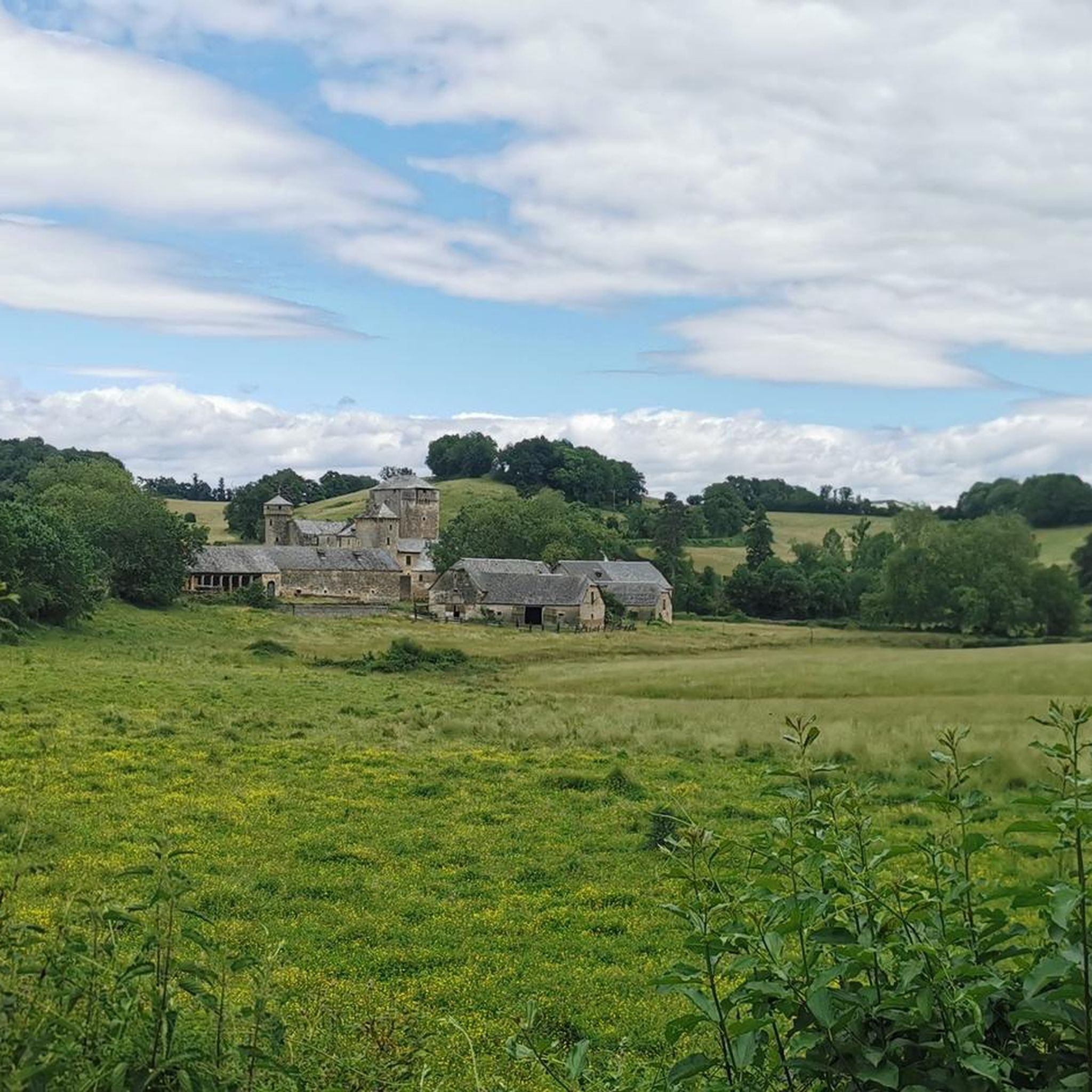
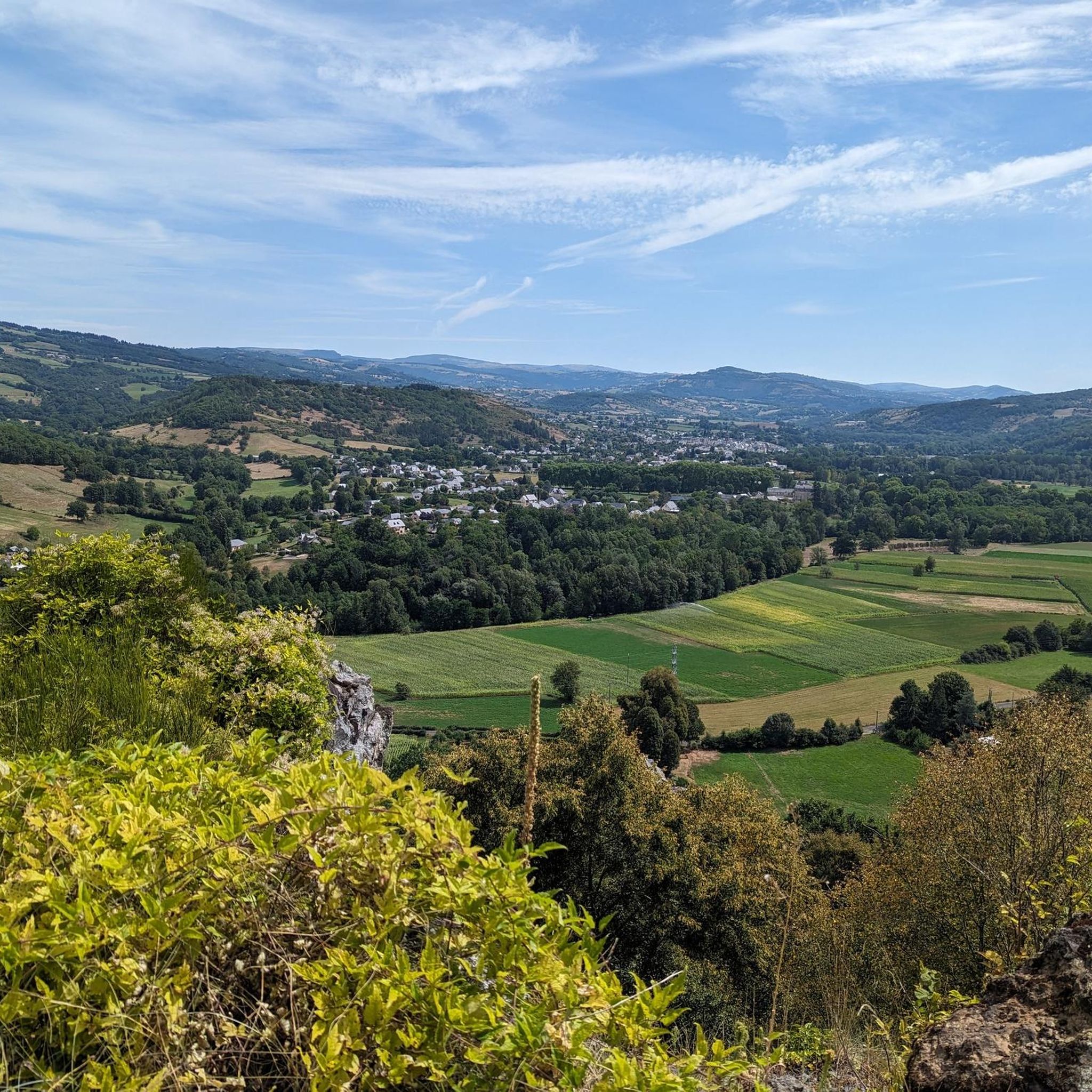
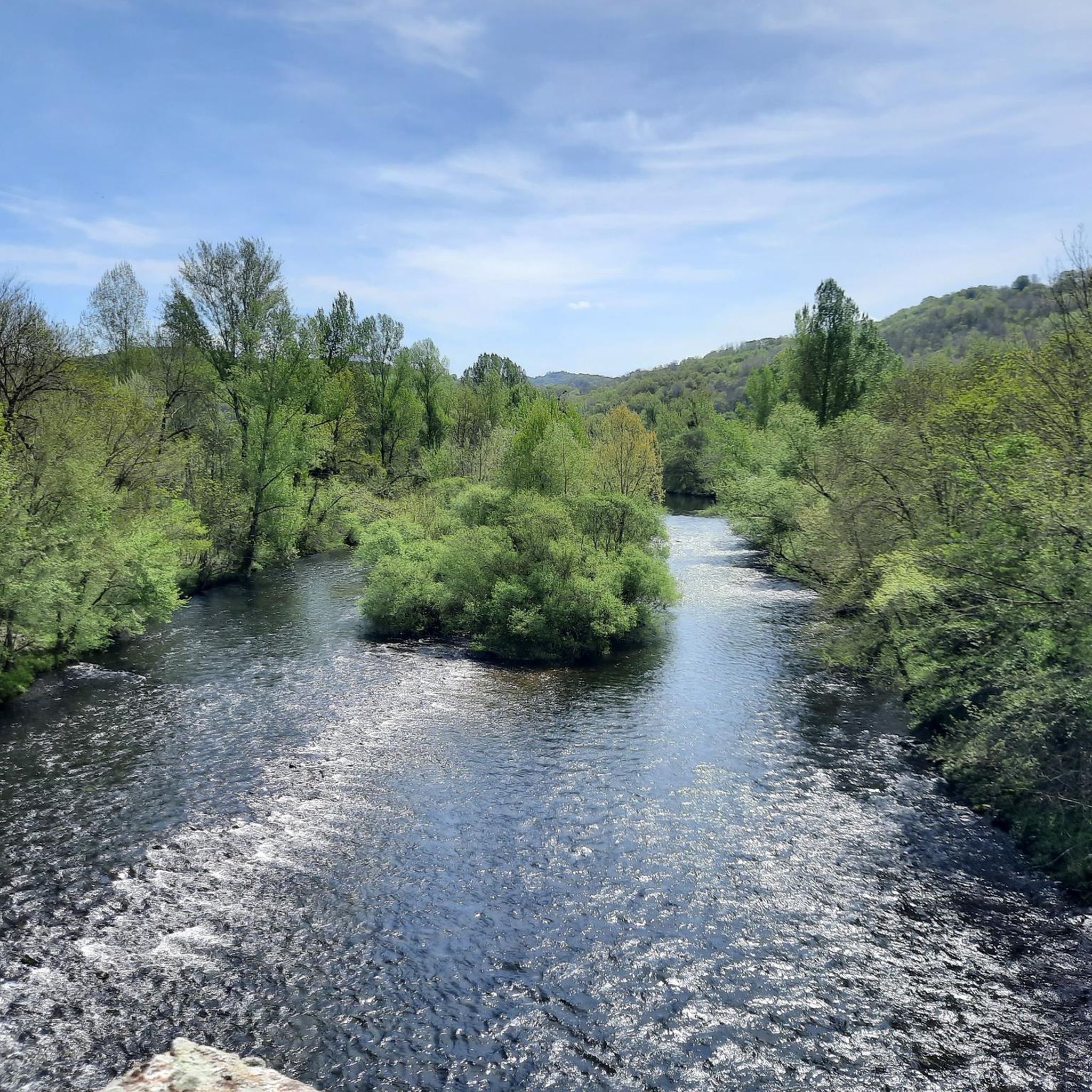
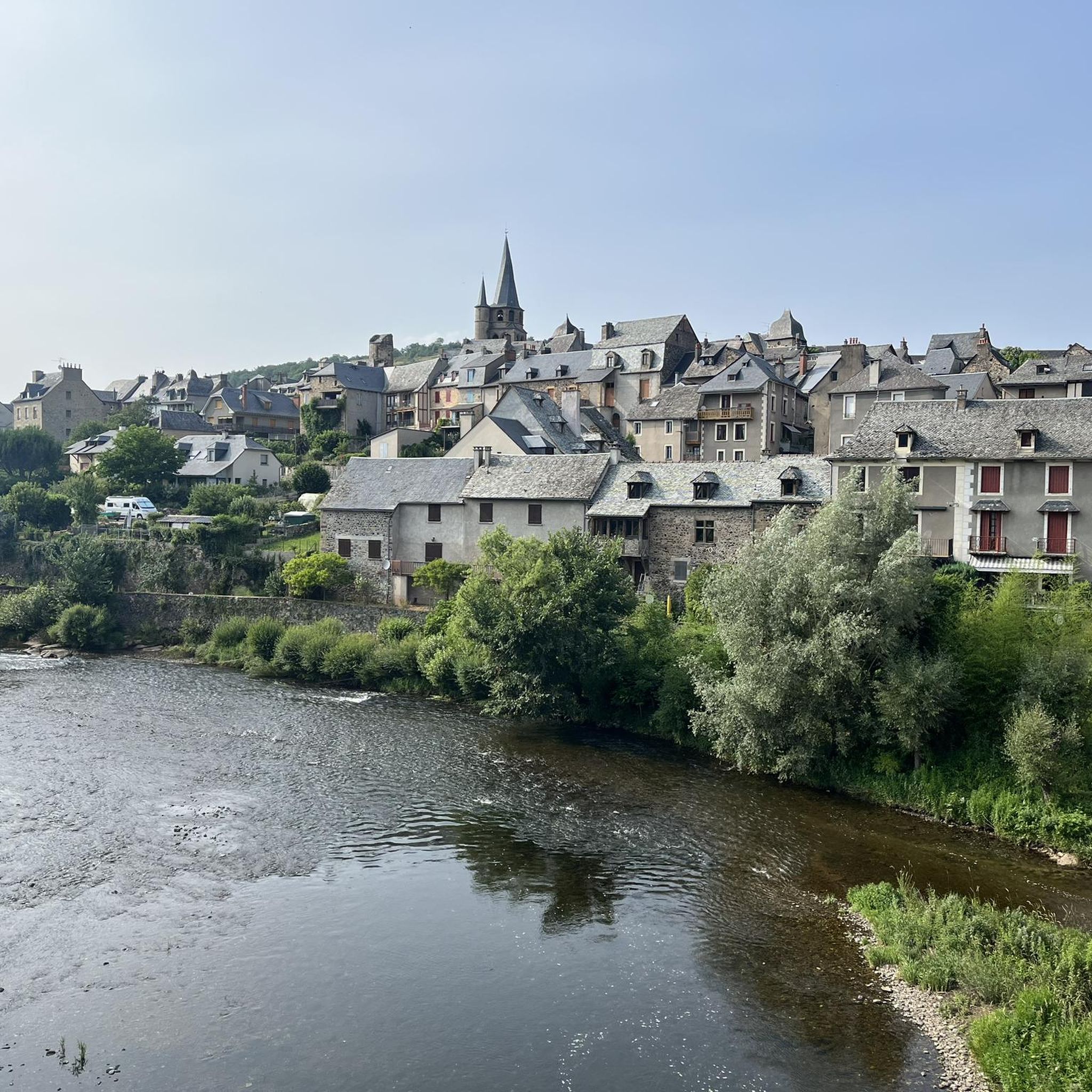
Tips from the Community

Very very beautiful village, the hole, an unusual discovery. The perfect must-see!
0
1

The Bozouls hole is an impressive canyon. It was formed by the passage of the Dourdou for millennia. The limestone rock has eroded to give birth to this horseshoe-shaped circus.
2
0

The Bozouls canyon, also called "Bozouls hole" is 400 meters in diameter and 100 meters deep! It is a natural circus in the shape of a horseshoe dug into the limestone by the Dourdou. It is discovered by many small paths.
2
0

Located on the edge of the river, this village offers a rather unexpected discovery. The village is located more than 200 kilometers from the nearest coast, but it is here that the famous Rouquayrol & Denayrouze regulator was designed, at the origin of the regulator which now equips all divers in the world. The diving suit museum is located in the Saint Jean-Baptiste church. With its red stone façade in the neo-Gothic style, a visit to this atypical museum is a must. A statue of a diver who sometimes has his feet in the water, depending on the flooding of the river, is nearby.
0
0
Saint-Côme d'Olt is on the list of the most beautiful villages in France. This title is well deserved. The medieval heart of the village is superb. It is made up of houses forming a protective circle around its magnificent tort church (with its twisted bell tower) as well as around its castle. The latter is flanked by two towers. These towers, built around 1366, had a double storey of defense. Its south facade, of the Renaissance type, was unfortunately transformed to serve as a religious boarding school during the 19th century.
1
0

Very beautiful village where it is good to take a break.
0
2

Saint John the Baptist (Saint Jean Baptiste), to whom this church in Espalion is dedicated, is - like Saint Joseph - a man on the threshold from the Old to the New Testament. His parents are Zacharias and Elisabeth. After the announcement of God's incarnation, the Mother of God visits her relative Elisabeth, who will give birth to a son in her old age, John the Baptist. He is half a year older than Jesus and is considered his forerunner/pioneer. He lives in the desert, preaches repentance from sins to the Jewish population and baptizes them in the Jordan. Jesus also comes there to be baptized, and is filled with the Holy Spirit who descends on him from heaven. The feast day of Saint John the Baptist (Jean Baptiste) in the saints' calendar is on June 24th, exactly half a year before 'Holy Eve'.
5
1
Frequently Asked Questions
What historical and religious sites can I visit near Palmas-D'Aveyron?
The region is rich in history. You can explore the Saint Cosmas and Saint Damian Church in Saint-Côme-d'Olt, known for its spiral tower roof and 16th-century Gothic architecture. Another significant religious site is the Saint-Jean-Baptiste Church of Espalion, a neo-Gothic church built in 1883. Beyond these, the area features several other historic churches like the St. Vincent de Palmas church and the St. Lawrence Cruéjols church, along with remnants of ancient castles and Roman relics.
Are there any unique natural attractions to see?
Absolutely. The most prominent natural attraction is the Bozouls Canyon, also known as the 'Bozouls hole'. This impressive geological formation is a 400-meter-diameter, 100-meter-deep horseshoe-shaped canyon carved by the Dourdou River. Within the canyon, you can also find the Gourg d'Enfer Waterfall, whose flow varies with rainfall.
What kind of outdoor activities are available around Palmas-D'Aveyron?
The area offers diverse outdoor activities. You can find numerous trails for cycling and walking around the Bozouls Canyon. For more structured activities, there are several running, gravel biking, and road cycling routes. For instance, you can explore routes like the 'Palmas d'Aveyron loop' for running, or the 'Gourg d'Enfer Waterfall – Bozouls Canyon loop' for gravel biking. You can find more details on these activities in the Running Trails around Palmas-D'Aveyron, Gravel biking around Palmas-D'Aveyron, and Road Cycling Routes around Palmas-D'Aveyron guides.
Are there any family-friendly attractions in the area?
Yes, several attractions are suitable for families. The Diver Statue and Musée du Scaphandre, Espalion offers a unique and educational experience, commemorating the invention of modern diving equipment. The Saint-Jean-Baptiste Church of Espalion is also considered family-friendly, providing a glimpse into local history and architecture.
What is Espalion known for?
Espalion is a charming town in the Lot Valley, known for its historical significance and picturesque setting. It features old tanner houses, a Gothic bridge from the 13th and 14th centuries (the Vieux Pont), and the impressive Diver Statue and Musée du Scaphandre, which celebrates the town's unexpected connection to diving history.
Can I find any 'Most Beautiful Villages in France' nearby?
Yes, Palmas-D'Aveyron is conveniently located near several villages classified among 'Les Plus Beaux Villages de France'. One such village is Saint-Côme-d'Olt, where you can find the Saint Cosmas and Saint Damian Church. These villages offer picturesque settings and additional historical sites to explore.
What are some lesser-known historical gems in the commune?
Beyond the main highlights, Palmas-D'Aveyron holds several hidden historical gems. These include the 16th-century bridge of Palmas, which was once a toll bridge across the Aveyron, and various elements of rural heritage such as communal ovens, washhouses, and fountains. You can also find ancient Roman relics and prehistoric sites like Puech Briounas and Luke's dolmen.
What are the main rivers in the Palmas-D'Aveyron area?
The commune of Palmas-D'Aveyron is drained by two significant rivers: the Aveyron and the Dourdou. The Dourdou River is particularly notable for carving out the impressive Bozouls Canyon.
Is there a good time of year to visit for outdoor activities?
While specific recommendations for Palmas-D'Aveyron are not detailed, the Aveyron department generally offers pleasant conditions for outdoor activities like hiking and cycling during spring, early summer, and early autumn. These periods typically provide milder temperatures and beautiful natural scenery.
What kind of historical structures can be found in the villages forming Palmas-D'Aveyron?
The villages that merged to form Palmas-D'Aveyron each contribute to the commune's rich historical tapestry. In Coussergues, you'll find an atypical feudal castle and a church with Romanesque elements. Cruéjouls boasts another unique feudal castle with four imposing round towers. Additionally, remnants of the ancient castle of the bishops from the 13th to 15th centuries are present, alongside the fortified village structures of Coussergues from the 15th and 16th centuries.
What is the significance of the Diver Statue in Espalion?
The Diver Statue and Musée du Scaphandre in Espalion commemorates the invention of the Rouquayrol & Denayrouze regulator. This device was foundational to modern diving equipment, making Espalion an unexpected but significant site in the history of underwater exploration, despite being far from the coast.
Are there any geological points of interest besides Bozouls Canyon?
Yes, in addition to the impressive Bozouls Canyon, the region features a volcanic rock slide. This natural monument showcases a scree of basaltic rocks and offers scenic views over Saint-Côme-d'Olt and the Lot Valley, providing another fascinating geological insight into the area.
Most popular routes around Palmas-D'Aveyron
Most popular attractions around Palmas-D'Aveyron

Get inspired with the komoot mobile app


Explore more
Still not found the Highlight you’re looking for? See guides of the top attractions in other regions:
