Top 20 Lakes in Southern Finland
Lakes in Southern Finland are a defining feature of the region's landscape, shaped by glacial activity. These freshwater bodies are central to Finnish culture and offer diverse recreational opportunities. The Finnish Lakeland, Europe's largest lake district, provides a tranquil escape with space and silence. The region's lakes offer opportunities for nature enthusiasts, from water activities to cultural experiences.
Best lakes in Southern Finland
- The most popular lakes is Mustalampi Picnic Shelter, a facilities highlight that offers a well-equipped barbecue area in a beautiful location. It is a popular picnic spot right on the shore of Lake Mustalampi, with toilets and wood supplies available.
- Another must-see spot is Kallahdenniemi Beach, a beach highlight. This shallow sand beach is located at the tip of the Kallahdenniemi foreland, offering dressing rooms, showers, toilet facilities, a volleyball court, a play area, and a kiosk.
- Visitors also love Karinsalmi Suspension Bridge over Lake Päijänne, a bridge offering lake views. This bridge is part of a popular cycling and driving route between Lahti and Jyväskylä, known for its clear waters and island-dotted views along the Pulkkilanharju nature trail.
- Southern Finland is known for large freshwater lakes like Saimaa and Päijänne, clear-water wilderness lakes such as Iso-Melkutin, and culturally significant lakes like Tuusulanjärvi. The region offers a variety of lakes to see and explore, from vast open waters to smaller, secluded spots.
- The lakes in Southern Finland are appreciated by the komoot community, with more than 200 upvotes and over 50 photos shared across various highlights.
Last updated: August 25, 2026
Mustalampi Picnic Shelter
Highlight • Rest Area
Translated by Google •
Tip by

Kallahdenniemi Beach
Highlight • Beach
Tip by

Sign up now to discover places like this
Get recommendations on the best single tracks, peaks, & plenty of other exciting outdoor places.
Sign up for free
Häme Castle
Highlight • Castle
Translated by Google •
Tip by

Aurinkolahti Beach
Highlight • Beach
You can see the water temperature and blue-green algae information of the swimming beach in summer in the ulkoliikunta.fi map service. Lifeguards supervise the beach during the beach season.
The beach has outdoor showers, changing rooms, toilets and a cafe. There is also a channel for light water traffic from Uimaranta, which can be accessed by canoe, kayak or paddle board.
Arrival: There is a large parking area and an INVA parking lot near the beach. In addition to this, you can get to the beach with public and city bikes.
Additional information about the place
Lifeguards
Services: cloakroom, outdoor shower, toilet, cafe, ice cream kiosk, outdoor gym, paddle board rental, light water transport channel
Source and more information about Helsinki Swimming Beaches here: liikunta.hel.fi
Tip by

Bisajärvi Camping Area
Highlight • Rest Area
Tip by

Island Själö / Seili
Highlight • Settlement
ostern.fi
M/s Östern has two restaurants onboard with full licensing for serving alcoholic beverages. The upper passenger lounge and the sun deck of the ferry offer a unique view of the archipelago. M/s Östern has a capacity for 146 passengers and 15 cars. Only if you're travelling by bus, book your ferry trip in advance.
Tip by
Säynäslahdenpuro Stormwater Wetlands
Highlight • Natural
Tip by
Fiskträsk Picnic Area
Highlight • Rest Area
Tip by
Hietaranta Beach
Highlight • Beach
Tip by

Iso Kallahti Beach
Highlight • Beach
You can see the water quality, temperature and blue-green algae information of the swimming beach in the summer in the ulkoliikunta.fi map service. Lifeguards supervise the beach during the beach season.
On the beach, in addition to a cloakroom, shower and toilet, you will find a volleyball court, a playground and the restaurant Maining nearby.
Arrival: The beach does not have its own parking area. However, you can get to the beach by e.g. public or city bikes.
Lifeguards available
Services: cloakroom, shower, toilet, volleyball court, restaurant and playground.
Source and more information about swimming beaches here: liikunta.hel.fi
Tip by
Sign up for free to discover even more lakes in Southern Finland.
Sign up for free
Already have an account?
Start today with a free account
Your next adventure awaits.
Login or Signup
Popular around Southern Finland
NorthCape4000 – 12 days from Lake Garda to the North Cape
Bikepacking the finest gravel in South-West Finland
Naples to North Cape — Two friends, one purpose and many scoops of ice-cream
Cape to Cape Challenge – 18,000km in 73 days
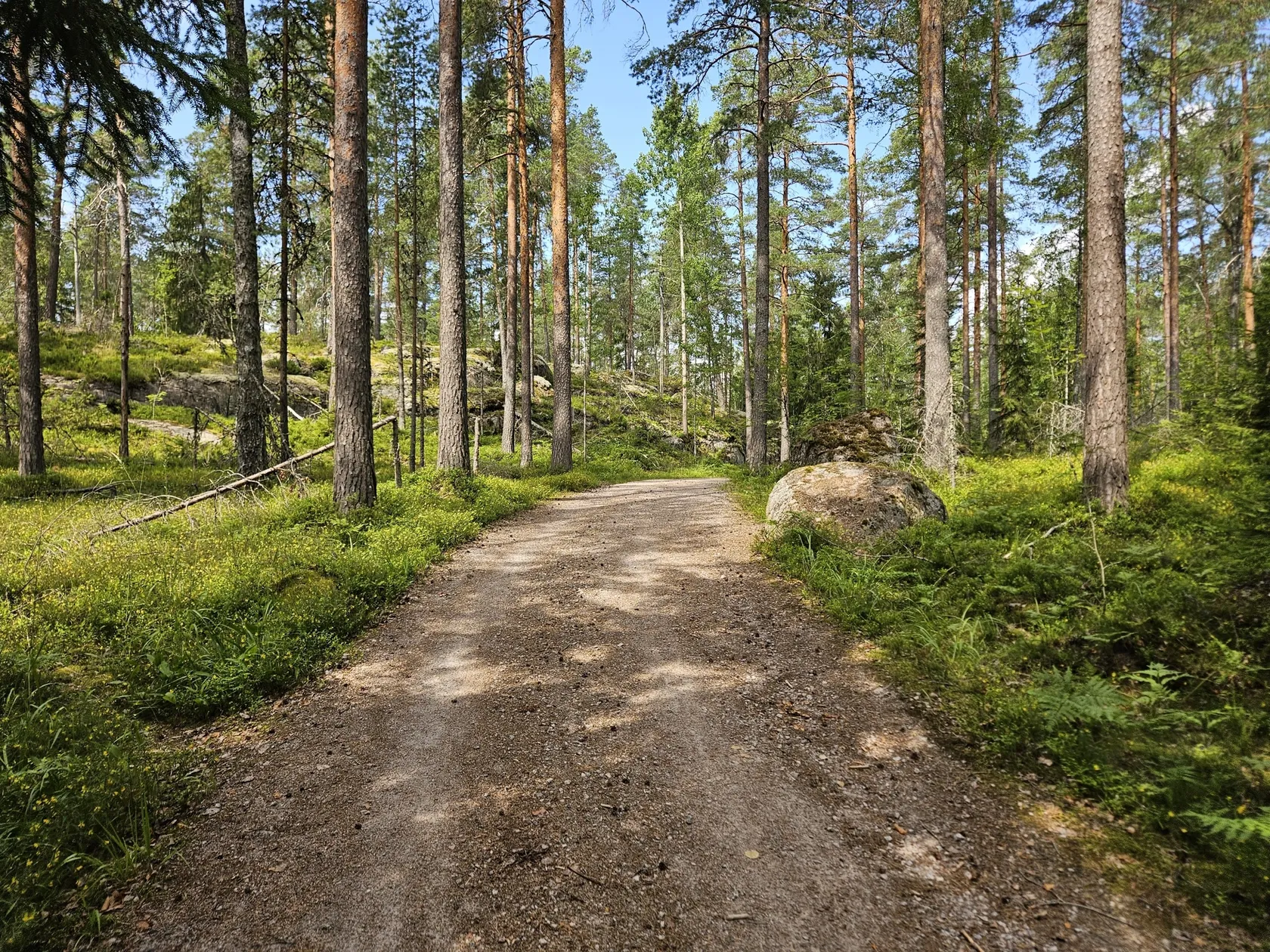
Forest frame – Nuuksio National Park overnighter
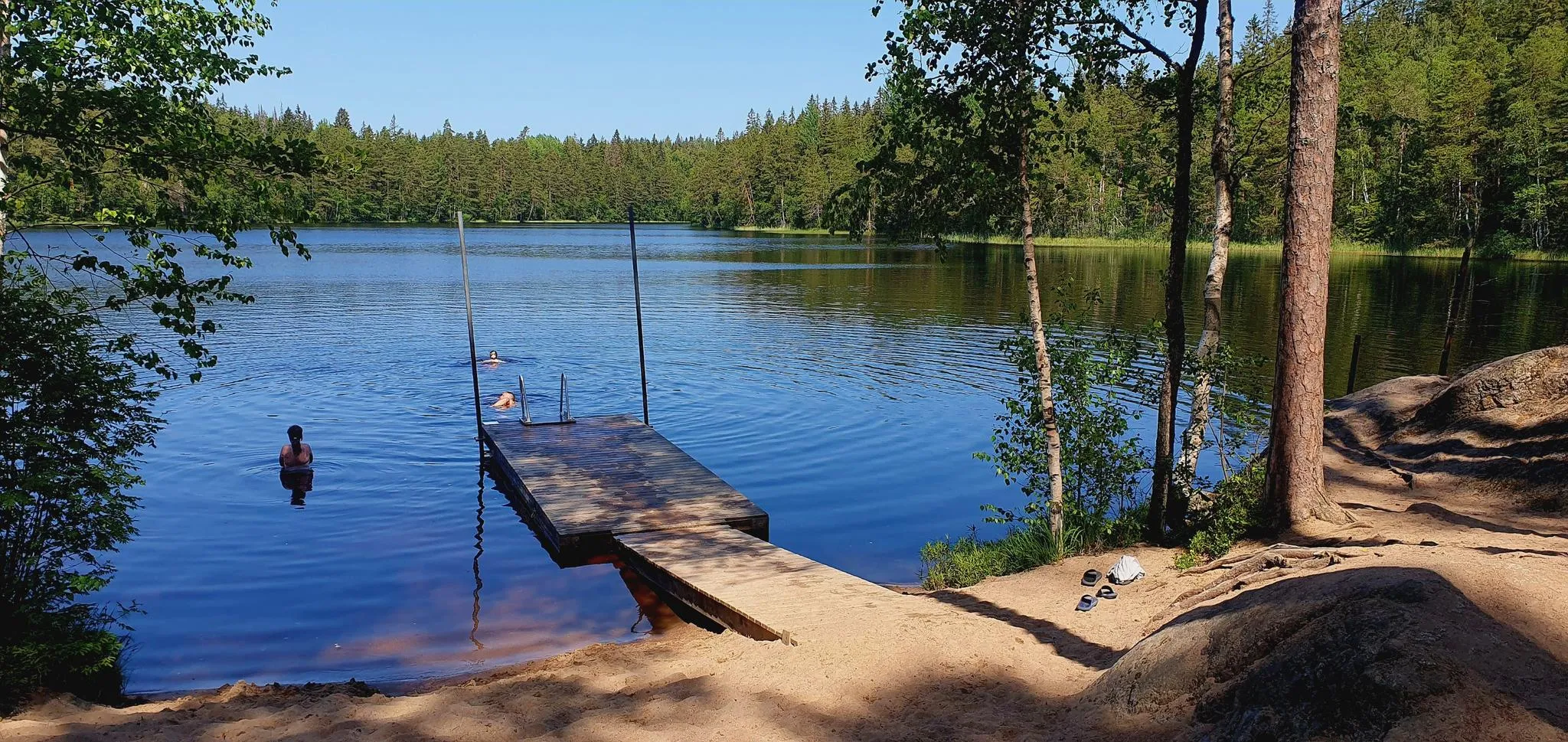
Urban escape route – Ring G
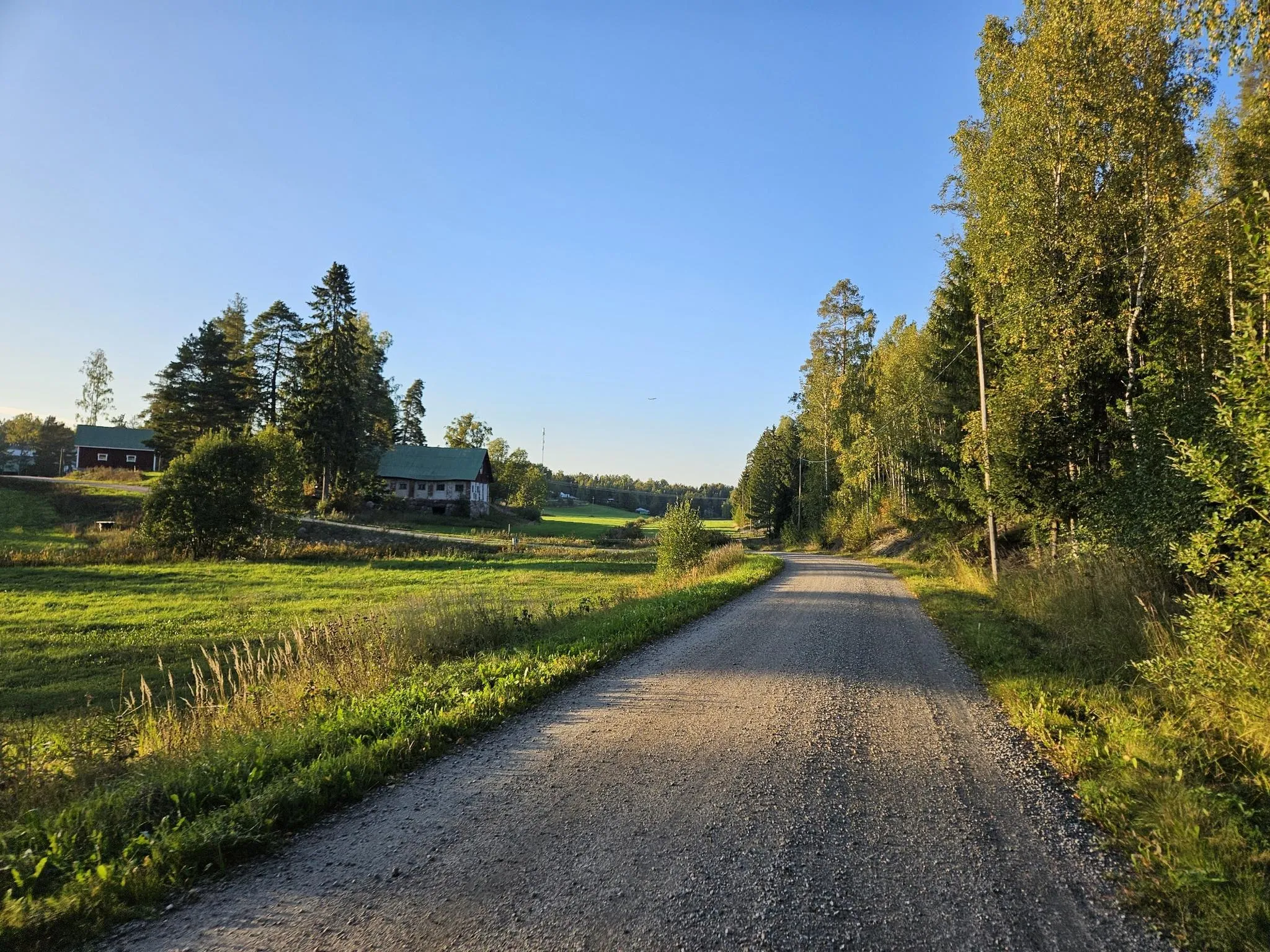
Forestbound – Sipoonkorpi National Park Overnighter
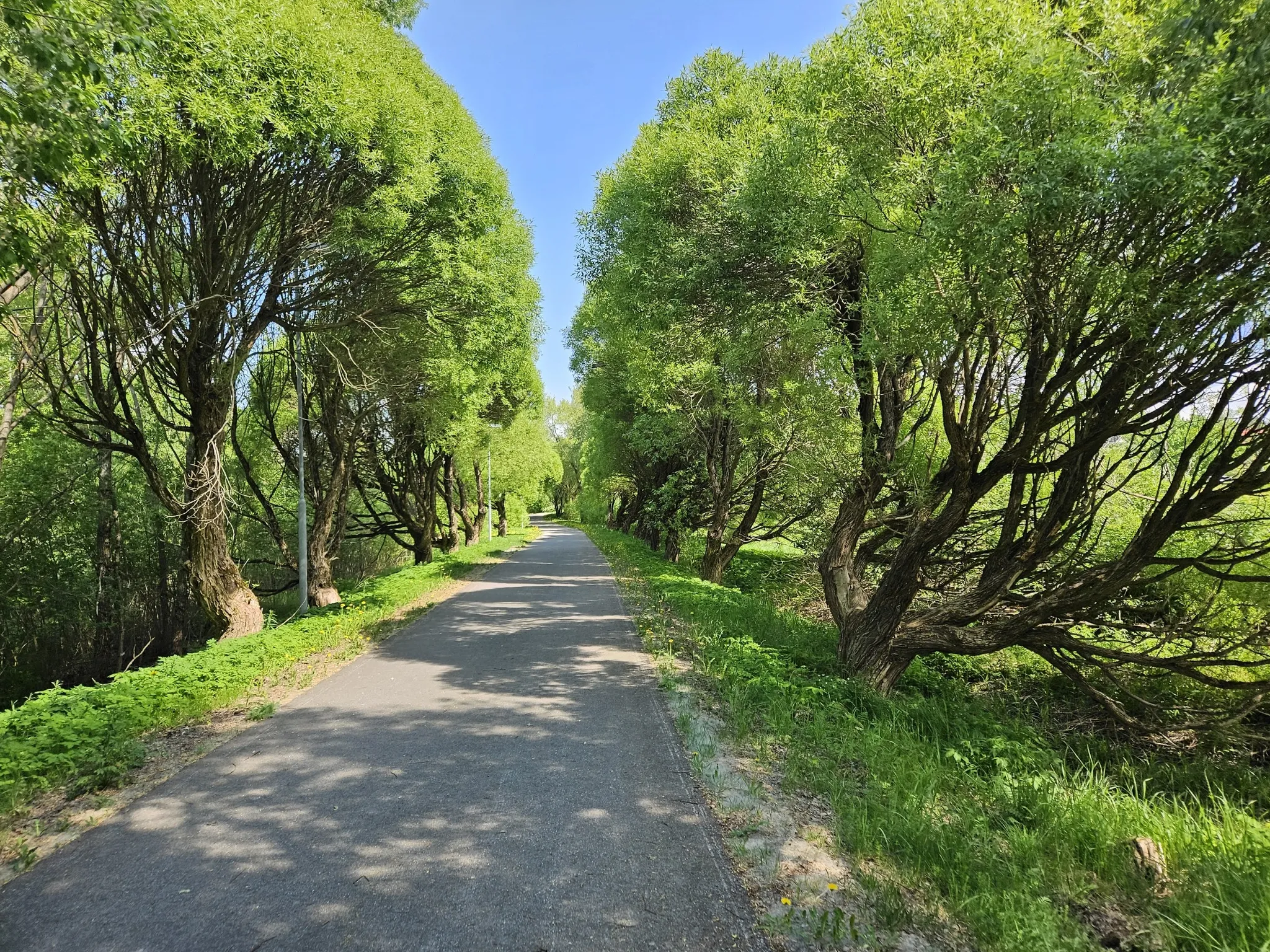
Between lakes and the sea – Western Uusimaa Loop
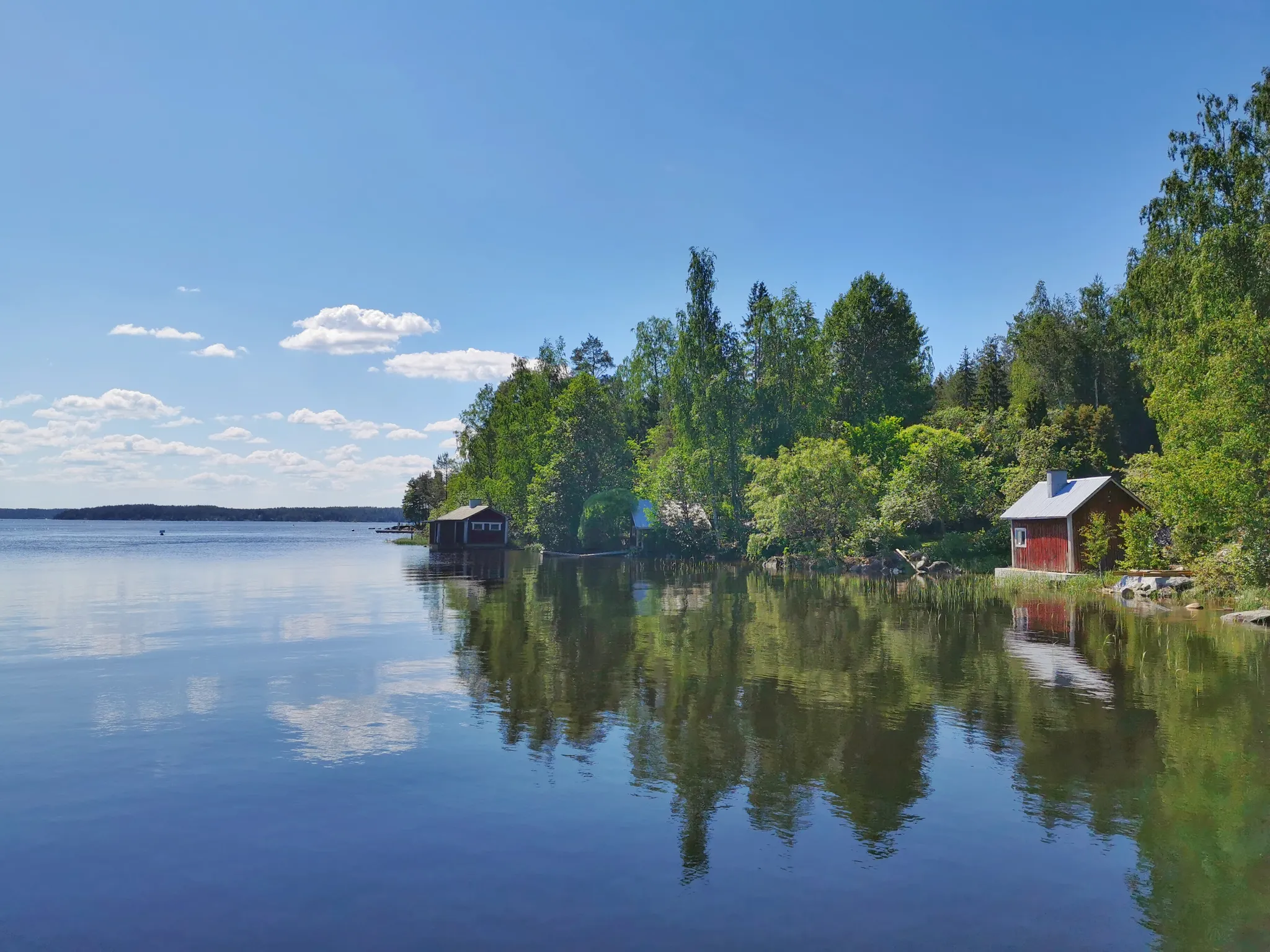
Discovering Finland's lakeland – Lake Saimaa loop from Lappeenranta
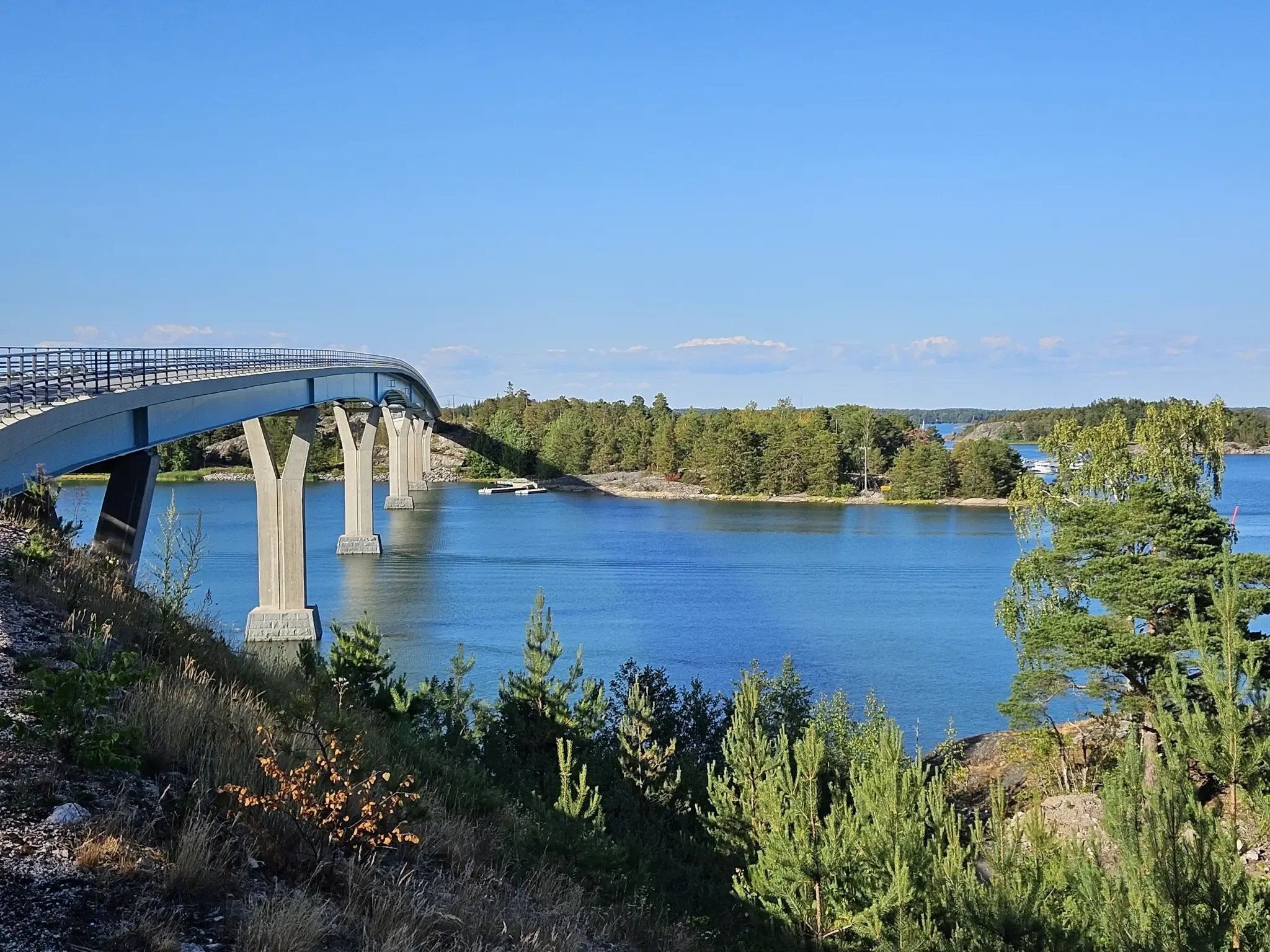
From Salo to the Archipelago sea – Finland's Coastal Route
Other adventures in Southern Finland


Tips from the Community

the sudden depth area in the middle is great if you just actually want to swim instead of first having to wade for ages before it gets deeper, just follow the warning signs
0
0

Kallahdenniemi Beach is a stunning shallow beach on the Kallahti Peninsula foreland. It is a very family-friendly beach with lifeguard supervision, dressing rooms, showers, and toilets, along with a nearby car park for easy access. It is a beautiful beach in the summer or winter.
0
0

Diverse vegetation is also resilient and adapts to changes in land-use and variation in weather conditions. The extent of the services that wetlands provide to people depend on wetland design and well-being, as well as on land-use within the contributing watershed and weather dependent pollutant loads. Constructed wetlands typically consist of a flow dissipating and heavy sediment settling inlet pond, a vast shallow emergent plant covered wetland, and a sediment settling outlet pond. The Säynäslanhdenpuro Wetland consists of three parallel research wetlands with flow and pollutant load monitoring facilitating outlet dams.
0
0
A stormwater wetland is a constructed transitional landscape between water and dry land. Wetlands are natural water detention and purification landscapes. Constructed wetlands are thus established to compensate for challenges to water environment brought about by land-use change. Urban wetlands dissipate and detain runoff thereby preventing flooding and drought extremes. Water quality is mitigated through sediment settling, and purification of soluble pollutants by wetland plants, microbes and soils. Diversity of plants and their associated microbes is a key element in purifying urban waters.
0
0
Land-use change in urban areas from natural to impervious surfaces such as roofs, paved yards and asphalt roads prevents water infiltration and storage within the watershed. Runoff travels quickly over impervious surfaces collecting and carrying everything from surfaces to catch basins and sewers. Impacts visible at the storm sewer outlets to urban streams include flooding, drought and erosion. Depending on land-use within the watershed, runoff carries harmful substances such as nutrients, heavy met- als, oils and rubbish. The receiving water body suffers from habitat degradation while the impervious and drained watershed often experiences draught and heat.
0
0
Hietaranta beach is the most popular beach in Helsinki, especially in warm weather. The full length of the beach is monitored, and the swimming area is marked with red and yellow flags and buoys. Sudden drops in the swimming area are indicated by yellow warning signs. The main building located in the middle of the beach has toilets, changing rooms, a restaurant and a watch tower. There are also several beach volleyball courts, an outdoor gym and outdoor exercise equipment for independent training. The beach is monitored throughout the swimming season.
0
0
The cooking shelter, lean-to shelter, firewood shed and dry toilet at the Fiskträsk rest area which is located slightly east of the trail on the shore of Fiskträsk Lake. There is also a campfire site in connection with the lean-to shelter. There is a camping area next to the cooking shelter. There are duckboards on the wet sections of the Fiskträsk Trail. There are no campsites outside Fiskträsk.
0
0

I managed on the path with tyres ment for asphalt. Partly path has big stones and roots of the trees on the way but mostly route is enjoyable with bicycle. By The Lake of Bisa there are wooden bences built right near the water, where you can eat your picnic or just enjoy the view. Also next to the lake is a rocky hill. On the top of the hill is cooking shelter, where you clime up along built stairs. The view is beautifull, over the lake area.
0
0
Frequently Asked Questions
What are some unique natural features to explore around Southern Finland's lakes?
Southern Finland's lakes offer diverse natural features. You can find the labyrinthine network of islands and forested shores of Lake Saimaa, home to the endangered Saimaa ringed seal. Lake Päijänne, the deepest lake in Finland, features the scenic Pulkkilanharju area with the Karinsalmi Suspension Bridge offering breathtaking views. Iso-Melkutin is known for its exceptionally clear waters, while Sääksjärvi boasts crystal-clear water filtering through fine sand and a beautiful pine ridge.
Are there any particularly clear lakes for swimming or diving in Southern Finland?
Yes, several lakes in Southern Finland are renowned for their clarity. Iso-Melkutin is a prime destination for swimming, snorkeling, and scuba diving, with visibility typically ranging from 4 to 8 meters. Sääksjärvi is also known for its crystal-clear water and fine sand beaches, making it ideal for swimming. Sonnanen is another exceptionally clear lake, popular for freediving.
Which lakes are best for kayaking or boating in Southern Finland?
Lake Saimaa, with its vast and intricate water system, is an iconic destination for kayaking, boating, and sightseeing cruises. Lake Päijänne also offers excellent opportunities for slow sailing, boat rides, or canoe trips, especially within Päijänne National Park. For a smaller, more intimate experience, Iso-Melkutin is popular for stand-up paddleboarding due to its clear waters.
What cultural or historical sites can be found near the lakes in Southern Finland?
Lake Tuusulanjärvi is rich in cultural history, having attracted a vibrant artist community during the Finnish National Romantic era. Visitors can explore museums like Ainola, the former home of composer Jean Sibelius, in the region. Historic towns like Savonlinna, famous for its medieval castle, are located along the shores of Lake Saimaa, providing cultural experiences alongside natural beauty. The Island Själö / Seili is another notable historical site.
When is the best time to visit the lakes in Southern Finland?
The best time to visit the lakes in Southern Finland largely depends on the activities you plan. Summer (June-August) is ideal for swimming, boating, hiking, and enjoying the long daylight hours. Spring and autumn offer beautiful scenery for walking and cycling, with fewer crowds. While winter offers unique experiences like ice skating or cross-country skiing on frozen lakes, many water activities are not possible.
Are there family-friendly lakes or beaches in Southern Finland?
Absolutely. Sääksjärvi is particularly family-friendly, with its shallow waters and the beautiful Sääksin uimaranta beach offering a café, diving platform, and volleyball fields during summer. Kallahdenniemi Beach in Helsinki is another excellent option, featuring shallow waters, dressing rooms, showers, a play area, and a kiosk. Iso Kallahti Beach and Aurinkolahti Beach also offer family-friendly facilities.
Are there accessible paths or facilities near the lakes for visitors with mobility needs?
Yes, some lake areas in Southern Finland offer accessible facilities. For instance, Kallahdenniemi Beach has an accessible parking space and facilities. While not all trails are fully accessible, efforts are made in popular areas to provide amenities. Always check specific location details for the most up-to-date accessibility information.
What kind of hiking trails can I find around Southern Finland's lakes?
You can find a variety of hiking trails around Southern Finland's lakes. For example, Iso-Melkutin features a 7.1 km hiking path around the lake with campfire places. The Seittelinreitti trail around Lake Tuusulanjärvi is suitable for walking and cycling. For more options, you can explore various hiking guides, including Waterfall hikes in Southern Finland and Easy hikes in Southern Finland, which feature routes near lakes and natural areas.
Are there cycling routes around the lakes in Southern Finland?
Yes, cycling is a popular activity around Southern Finland's lakes. The Karinsalmi Suspension Bridge over Lake Päijänne is part of a popular cycling route. The Seittelinreitti trail around Lake Tuusulanjärvi is also suitable for cycling. For more detailed routes, check out the Cycling in Southern Finland guide, which includes tours around Lake Tuusula and other lake areas.
Where can I find camping or picnic facilities near the lakes?
Many lakes in Southern Finland offer excellent camping and picnic facilities. Mustalampi Picnic Shelter provides a well-equipped barbecue area with toilets and wood supplies. Fiskträsk Picnic Area in Sipoonkorpi National Park offers picnic tables, public toilets, shelters, and a designated camping area. Bisajärvi Camping Area is another designated spot with toilet facilities and a fireplace.
What makes Lake Saimaa a significant destination in Southern Finland?
Lake Saimaa is Finland's largest lake and the fourth largest natural freshwater lake in Europe. It's significant for its vast, intricate water system, labyrinthine network of islands, and forested shores. It's also the only habitat for the endangered Saimaa ringed seal. Beyond its natural beauty, historic towns like Lappeenranta and Savonlinna are located along its shores, offering cultural experiences. You can find more information about Saimaa on Visit Mikkeli's website.
Are there any lakes near Helsinki that are easy to access for a day trip?
Yes, Lake Tuusulanjärvi is conveniently located just a short distance from Helsinki-Vantaa airport, making it easily accessible for a day trip. It offers cultural attractions and a peaceful trail for walking and cycling. Additionally, Kallahdenniemi Beach is located within Helsinki, providing a beautiful lakeside escape close to the city.
What activities are popular around Lake Päijänne?
Lake Päijänne, Finland's second-largest lake, is popular for a variety of activities. Its long shores are ideal for swimming, boating, and summer cottage retreats. Päijänne National Park offers opportunities for exploring unspoiled wilderness through slow sailing, boat rides, or canoe trips. The Karinsalmi Suspension Bridge area is also popular for cycling and enjoying scenic views.
Most popular routes in Southern Finland
Most popular attractions in Southern Finland

Get inspired with the komoot mobile app


Explore more
Still not found your perfect lake in Southern Finland? Check out the guides of these regions to see even more beautiful places.
