Attractions and Places To See around Campo Maior - Top 20
Best attractions and places to see around Campo Maior, a town in Portugal's Alentejo region, offer a blend of historical, cultural, and natural sites. Situated near the Spanish border, the area is characterized by its strategic past and a landscape featuring plains and reservoirs. Visitors can explore ancient fortifications, significant religious buildings, and cultural museums. The region provides opportunities to discover both Portuguese heritage and nearby Spanish historical landmarks.
Best attractions and places to see around Campo Maior
- The most popular attractions is Puente de Palmas, a bridge that spans the Guadiana River in Badajoz, Spain. This Herrerian-style bridge, completed in 1596, is 585 meters long and features 32 arches.
- Another must-see spot is Plaza Alta, a historical site in Badajoz known for its architecture and Moorish arches. This square served as a central hub for markets since the Middle Ages.
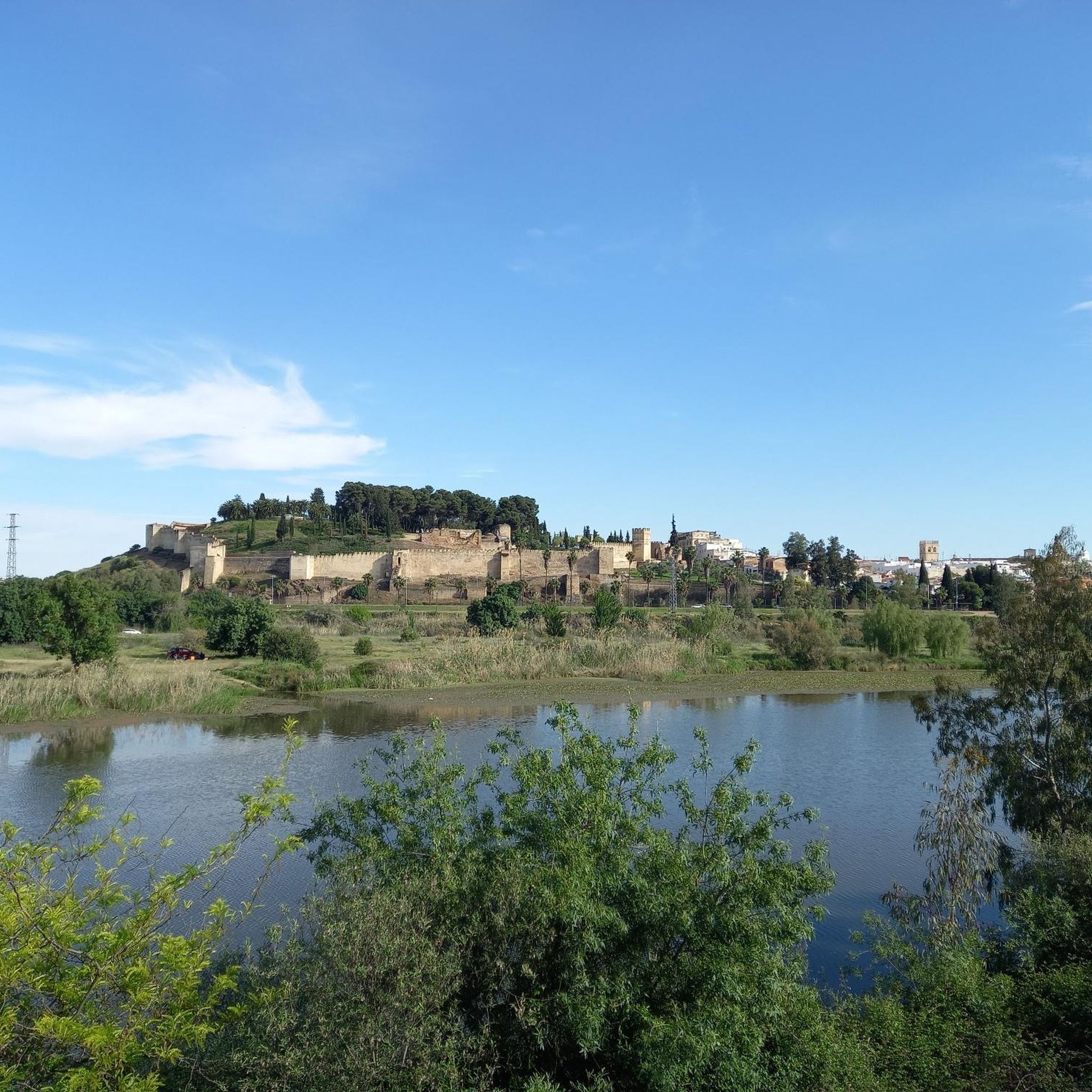
- Visitors also love Alcazaba of Badajoz, a castle located on the highest part of Badajoz. Originally built in 875, its current configuration largely dates from 12th-century Almohad reforms.
- Campo Maior is known for its historical sites, cultural attractions, and natural features. Visitors can explore ancient castles, religious buildings, and museums, alongside reservoirs and prehistoric settlements.
- The attractions around Campo Maior are appreciated by the komoot community, with more than 30 upvotes and 15 photos.
Last updated: July 2, 2026
Plaza Alta
Highlight • Historical Site
Translated by Google •
Tip by

Puente de Palmas
Highlight • Bridge
Translated by Google •
Tip by
Sign up now to discover places like this
Get recommendations on the best single tracks, peaks, & plenty of other exciting outdoor places.
Sign up for free
Capela dos Ossos de Campo Maior
Highlight • Religious Site
This chapel is closely linked to an unmissable historical episode: the explosion of the castle warehouse by a lightning strike, after which half of the village was destroyed, counting 316 dead and about 2 thousand wounded according to local records.
Popular legend has it that the chapel was decorated with the bones of those who died in the explosion. Through the restoration process and the anthropological and archaeological survey, it has been established that the bones inside the chapel show no signs of violent impact, meaning that this legend will have no lasting basis.
The chapel's bones are believed to have come from the graveyard of the Mother Church, which was completely redesigned when the village was rebuilt after the explosion.
In fact, only many scattered bones were identified during the archaeological excavation of the cemetery to promote accessibility to the Mother Church. The absence of long bones and skulls seems to indicate that this area of the burial chamber surrounding the church was encased.
……
Translated by Google •
Tip by

Puerta de Palmas
Highlight • Monument
Translated by Google •
Tip by
Alcazaba of Badajoz
Highlight • Castle
Translated by Google •
Tip by
Sign up for free to discover even more attractions around Campo Maior.
Sign up for free
Already have an account?
Start today with a free account
Your next adventure awaits.
Login or Signup


Tips from the Community

The Puerta de Palmas is the most iconic monument in Badajoz and served as the main entrance to the fortified city for centuries.
1
0
A beautiful square of medieval origin, renovated between the 17th and 18th centuries.
0
1

If you pass through Badajoz, you shouldn't miss visiting at least its Puerta de Palmas, its Alcazaba, and its cathedral.
1
0

I have done all three. Thanks, colleagues.
1
0

The Palmas Bridge is the oldest bridge in Badajoz, situated over the Guadiana River. It was built in 1596 during the reign of Philip II, although it was built on a previous bridge dating from 1460. This Herrerian-style bridge is 585 metres long and has 32 arches. Over the centuries, the bridge has undergone several repairs due to flooding of the river. At one end of the bridge is the Puerta de Palmas, one of the main entrances to the city in times past, and at the other end, a hornwork built in the 17th century to protect the bridgehead.
6
0

While you're here, you should definitely take a look at the two towers.
1
0
The Plaza Alta in the city of Badajoz was its nerve center for a long time, especially when the area of the Alcazaba began to become too small. This square also stands out, in addition to its history, for its excellent architecture, and among all its elements, its arches stand out, which served as shelter for lots of stalls during the markets that were held since the Middle Ages.
10
1

Because of its aesthetic uniqueness, the Capela dos Ossos de Campo Maior is one of the most important and original examples of Christian funerary art in Portugal. Little is known of the construction of the Bones Chapel itself, which was probably promoted around 1766 by the Confraria das Almas de Campo Maior. This chapel is closely linked to an unmissable historical episode: the explosion of the castle warehouse by a lightning strike, after which half of the village was destroyed, counting 316 dead and about 2 thousand wounded according to local records. Popular legend has it that the chapel was decorated with the bones of those who died in the explosion. Through the restoration process and the anthropological and archaeological survey, it has been established that the bones inside the chapel show no signs of violent impact, meaning that this legend will have no lasting basis. The chapel's bones are believed to have come from the graveyard of the Mother Church, which was completely redesigned when the village was rebuilt after the explosion. In fact, only many scattered bones were identified during the archaeological excavation of the cemetery to promote accessibility to the Mother Church. The absence of long bones and skulls seems to indicate that this area of the burial chamber surrounding the church was encased. ……
5
0
Frequently Asked Questions
What historical sites can I visit in Campo Maior?
Campo Maior is rich in history. You can explore the imposing medieval Campo Maior Castle, a national monument offering panoramic views. Don't miss the Capela dos Ossos de Campo Maior, a unique bone chapel. Other significant sites include the 17th-century Igreja Matriz de Nossa Senhora da Espectação, the Igreja de São João Baptista, and the historic Praça da República with its 1740 pillory.
Are there any unique cultural attractions in Campo Maior?
Yes, Campo Maior offers several unique cultural experiences. The Delta Coffee Museum, located nearby in Ouguela, showcases the region's significant coffee industry. You can also visit the Religious Art Museum within the Igreja de São João Baptista, the Lagar Museum for olive oil production history, and the Open Museum of Campo Maior, which covers the area's history from prehistory to the present.
What is the significance of the Capela dos Ossos in Campo Maior?
The Capela dos Ossos de Campo Maior is a fascinating and somewhat unsettling site. It's an annex to the Igreja Matriz de Nossa Senhora da Espectação, paneled with human bones. While popular legend links the bones to a devastating 1732 gunpowder explosion, archaeological findings suggest they likely came from the Mother Church's graveyard during its post-explosion redesign. It stands as one of Portugal's most important examples of Christian funerary art.
What natural attractions are there around Campo Maior?
The area around Campo Maior features rolling natural landscapes, particularly around the Caia and Abrilongo Dams. The Caia reservoir, about 5 km from Campo Maior, is the largest in the Portalegre district and is ideal for water sports or relaxation. You can also visit the Muro Dam, the largest surviving Roman dam south of the Tagus River in Portugal.
Are there opportunities for outdoor activities like hiking or cycling near Campo Maior?
Absolutely. The region around Campo Maior provides excellent opportunities for outdoor activities. You can find various hiking trails, cycling routes, and MTB trails. These routes often take you through scenic landscapes, including those around the Caia reservoir and the historic defenses of Campo Maior.
Where can I find hiking trails around Campo Maior?
For hiking enthusiasts, there are several trails available. A popular option is the 'Defenses of Campo Maior Trail,' which is a moderate 7.6 km route. You can also explore trails around the Guadiana River, such as the 'Badajoz – circular by the Guadiana Park and the Puente de Palmas' (10.7 km, moderate). For more options, check out the hiking guide for Campo Maior.
Are there any prehistoric sites to explore near Campo Maior?
Yes, west of Campo Maior, you can visit the Povoado Pré-Histórico de Santa Vitória. This prehistoric village dates from the first half of the 3rd millennium BC, offering a glimpse into ancient settlements with archaeological evidence of defensive walls, ditches, and huts.
Are there family-friendly attractions in Campo Maior?
Many of the historical sites are suitable for families. The Puente de Palmas and Plaza Alta in nearby Badajoz are marked as family-friendly. The Alcazaba of Badajoz, a historic castle, also welcomes families. Exploring the Campo Maior Castle and its grounds can be an engaging activity for all ages.
When is the best time to visit Campo Maior?
A particularly vibrant time to visit Campo Maior is in September for the Festas do Povo (Flower Festival). This unique festival, recognized by UNESCO, transforms the town with streets decorated in thousands of paper flowers. The 'Casa das Flores' (House of Flowers) and the 'Jardim de Papel' (Paper Garden) event in August offer insights into this tradition. Otherwise, spring and autumn offer pleasant weather for exploring historical sites and engaging in outdoor activities.
Are there any interesting nearby villages to visit from Campo Maior?
Just 8 kilometers away, the charming walled village of Ouguela is worth a visit. Perched on a cliff overlooking the Abrilongo river, it offers a glimpse into Portuguese history with its well-preserved medieval castle, Governor's House, and Cistern. Ouguela also provides access to rural hiking trails.
What do visitors enjoy the most about Campo Maior and its surroundings?
Visitors appreciate the rich historical tapestry, from ancient fortifications like the Alcazaba of Badajoz to unique religious sites like the Capela dos Ossos de Campo Maior. The blend of Portuguese heritage and nearby Spanish landmarks, such as the Puente de Palmas and Plaza Alta, is highly valued. The opportunities for outdoor activities amidst the natural landscapes, especially around the dams and reservoirs, also receive positive feedback.
Most popular routes around Campo Maior
Most popular attractions around Campo Maior

Get inspired with the komoot mobile app


Explore more
Still not found the Highlight you’re looking for? See guides of the top attractions in other regions:
