The best walks and hikes around Boticas
4.6
(38)
217
hikers
13
hikes
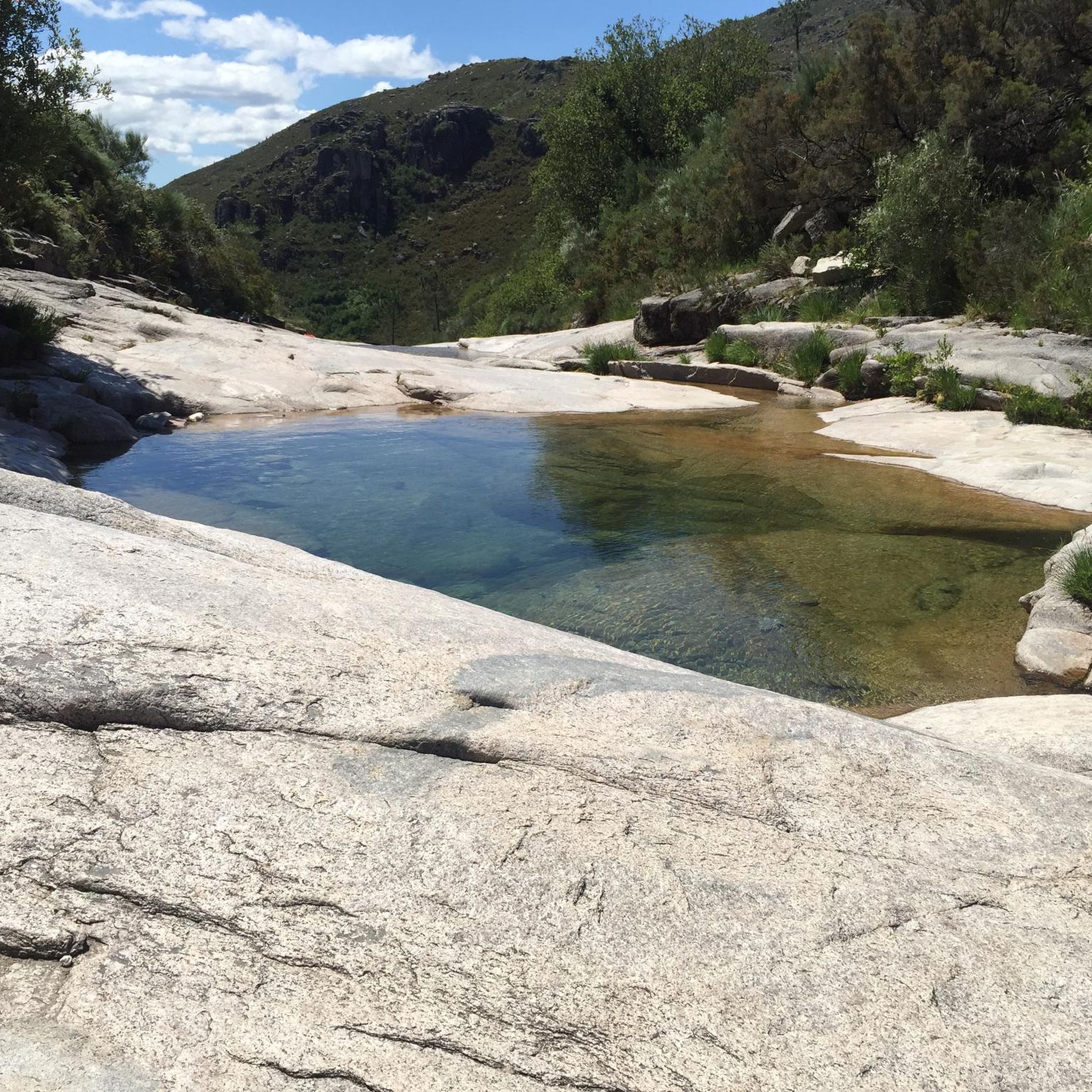
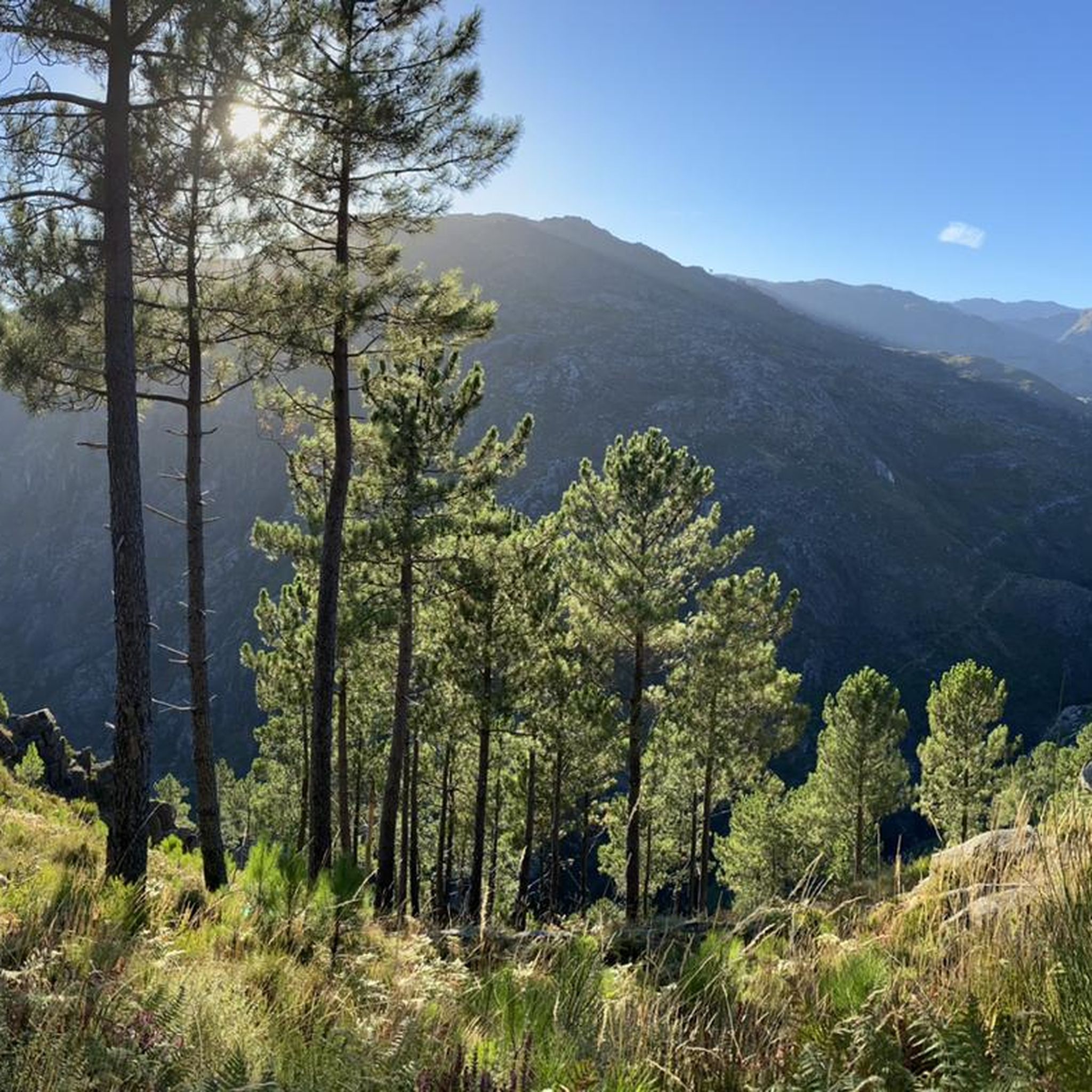
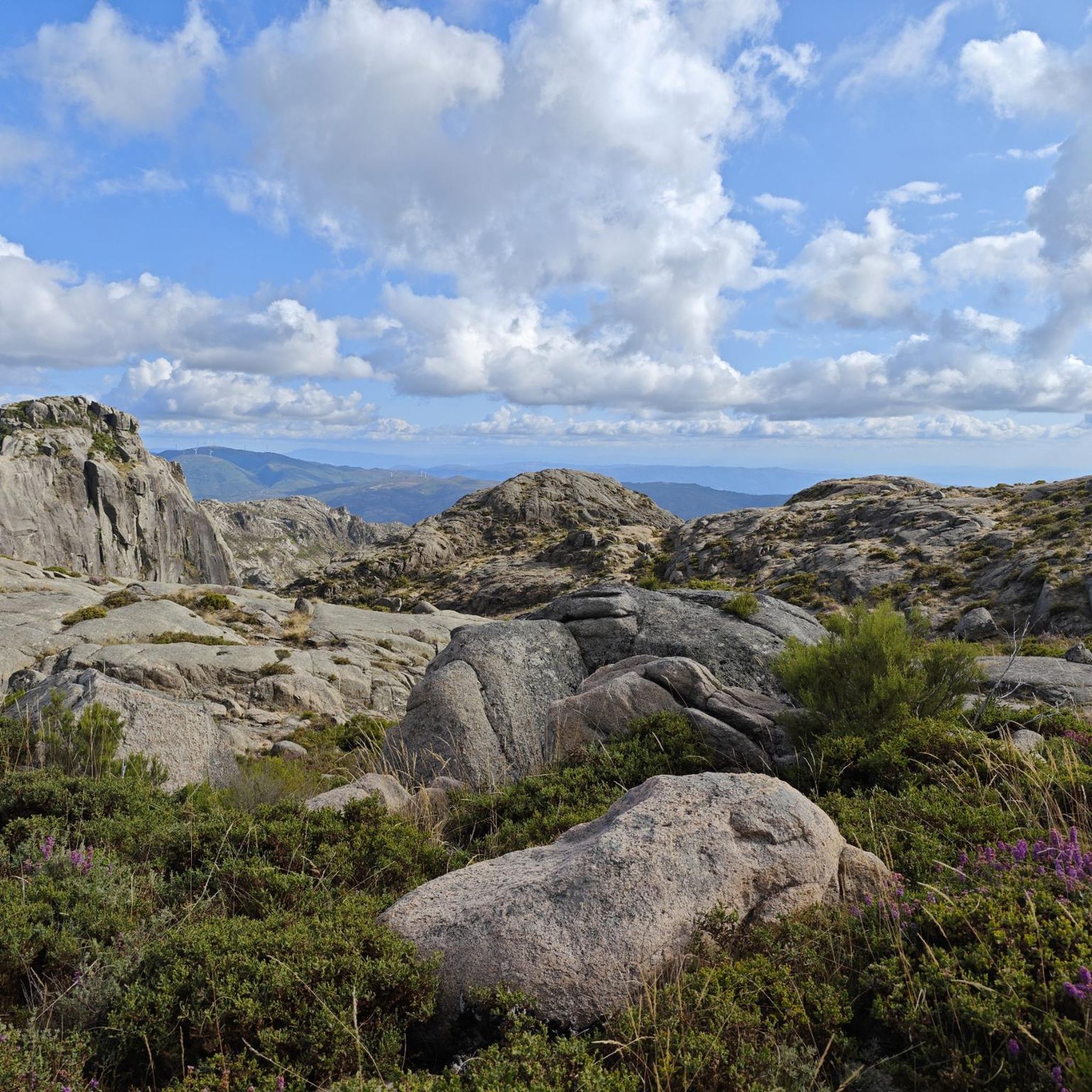
Hiking around Boticas, located in Portugal's Trás-os-Montes region, offers diverse landscapes for outdoor exploration. The area is characterized by the scenic Beça River, extensive riparian forests, and natural vegetation dominated by oak and shrub formations. Dedicated conservation efforts preserve habitats rich in flora and fauna, providing varied terrain for hikers.
Best hiking trails around Boticas
- The most popular hiking route is Poço das Relvas Waterfall loop from Formigueiro, a 7.3 miles (11.7 km) trail that takes 3 hours 40…
Last updated: June 28, 2026
4.4
(7)
33
hikers
11.7km
03:41
450m
450m
Moderate hike. Good fitness required. Easily-accessible paths. Suitable for all skill levels.
4.5
(2)
37
hikers
Easy hike. Great for any fitness level. Easily-accessible paths. Suitable for all skill levels.

Sign up for free
4.3
(3)
13
hikers
13.2km
03:43
270m
270m
Moderate hike. Good fitness required. Easily-accessible paths. Suitable for all skill levels.
5.0
(1)
10
hikers
5.21km
01:38
210m
210m
Easy hike. Great for any fitness level. Easily-accessible paths. Suitable for all skill levels.
15
hikers
10.2km
02:57
270m
270m
Moderate hike. Good fitness required. Easily-accessible paths. Suitable for all skill levels.
Get access to more routes and recommendations from other explorers.
Sign up for free
Already have an account?
Our route recommendations are based on thousands of hikes, rides, and runs completed by other people on komoot.
Start today with a free account
Your next adventure awaits.
Login or Signup
Tips from the Community

The Bridge of Trajan (often simply called the Roman Bridge) is, without a doubt, the most important monument in Chaves. It is worth visiting because it is not just an "old stone bridge"; it is a masterpiece of engineering that defines the city's identity. Here are the 4 main reasons why: 1. Walking on 2,000 Years of History This is one of the best-preserved Roman bridges in the entire Iberian Peninsula. It was built between the late 1st and early 2nd century AD, during the reign of Emperor Trajan. The Feeling: Crossing it on foot (cars are forbidden) means you are literally walking on the same stones as Roman legions, medieval merchants, and Napoleonic troops. It is an instant trip back in time. 2. Engineering that Defies Time It is worth looking closely at the structure to understand why it is still standing. The Tâmega River is known for its violent floods, yet the bridge has withstood them for two millennia. The Secret: If you go down to the riverbank, notice the cutwaters (the triangular structures at the base of the pillars). They were designed to "cut" the force of the water and prevent the bridge from collapsing. It is a live lesson in ancient architecture. 3. The Stones that "Speak" (Milestones) In the middle of the bridge, you will find two cylindrical stone columns (milestones) with Latin inscriptions. One of them is particularly important: the "Padrão dos Povos" (Standard of the Peoples). The inscription lists the 10 local tribes of the region (the "Aquiflavienses") who contributed to the construction of the bridge. It is a historical document carved in stone that has survived to this day. 4. The Photogenic Scenery The bridge connects the historic center to the Madalena neighborhood and is set within a beautiful public garden (Jardim do Tabolado). It is the perfect spot to watch the sunset, seeing the reflection of the arches in the water with the Castle of Chaves dominating the landscape high above. Visitor Tip: After crossing the bridge coming from the historic center, turn left and walk along the landscaped riverbanks. There are stepping stones (pedras poldras) nearby in the water that allow you to see the grandeur of Trajan's Bridge from an impressive low angle.
2
0

The 140 metre-long Ponte Trajano (Trajan Bridge) in Chaves in the Trás-os-Montes region of north eastern Portugal dates from the reign of the Emperor Trajan (53-117) in the early second century AD. The Emperor Trajan was known as a great promoter of public works including the Trajan Forum and Trajan Column in Rome.
6
0
The Roman Bridge of Chaves, also known as Trajan's Bridge, is located over the River Tâmega and was built between the end of the 1st century and the beginning of the 2nd century. Along with the development of the thermal baths, it constitutes one of the best Roman legacies of the ancient Águas Flávias, which still stands today, withstanding historic floods and the strong currents of the river. Approximately one hundred and fifty metres long and with a dozen visible arches, the works carried out in the 1930s covered some of the arches and others were still buried in the construction of the houses built there and overlooking the river.[citation needed] In 2008 it became a pedestrian bridge.
6
0

This stone arch bridge is also called Trajan's Bridge.
4
1


Building Built in the late 1940s
1
0

A nice place, with a lot of everyday life. Not a tourist destination, at least not outside the main season.
4
1
Frequently Asked Questions
How many hiking trails are there in Boticas?
There are over 10 hiking trails around Boticas, offering a variety of experiences for different skill levels. The komoot community has explored 13 routes in the area.
Are there easy hiking trails suitable for beginners or families in Boticas?
Yes, Boticas offers several easy trails perfect for beginners or families. For example, the Miradouro Peneda-Gerês – Miradouro Vidago Palace loop from Oura is an easy 5.2 km route that takes about 1 hour 38 minutes to complete. Another accessible option is the Chaves Thermal Spring loop from Chaves, a 7.1 km trail with minimal elevation gain.
What kind of natural landscapes can I expect to see while hiking in Boticas?
Hiking in Boticas offers diverse natural landscapes, including the tranquil Beça River, extensive riparian forests, and natural vegetation dominated by oak and shrub formations. The region prioritizes the preservation of its natural habitats, allowing hikers to immerse themselves in a thriving ecosystem rich in flora and fauna.
Are there any hiking trails in Boticas that feature waterfalls?
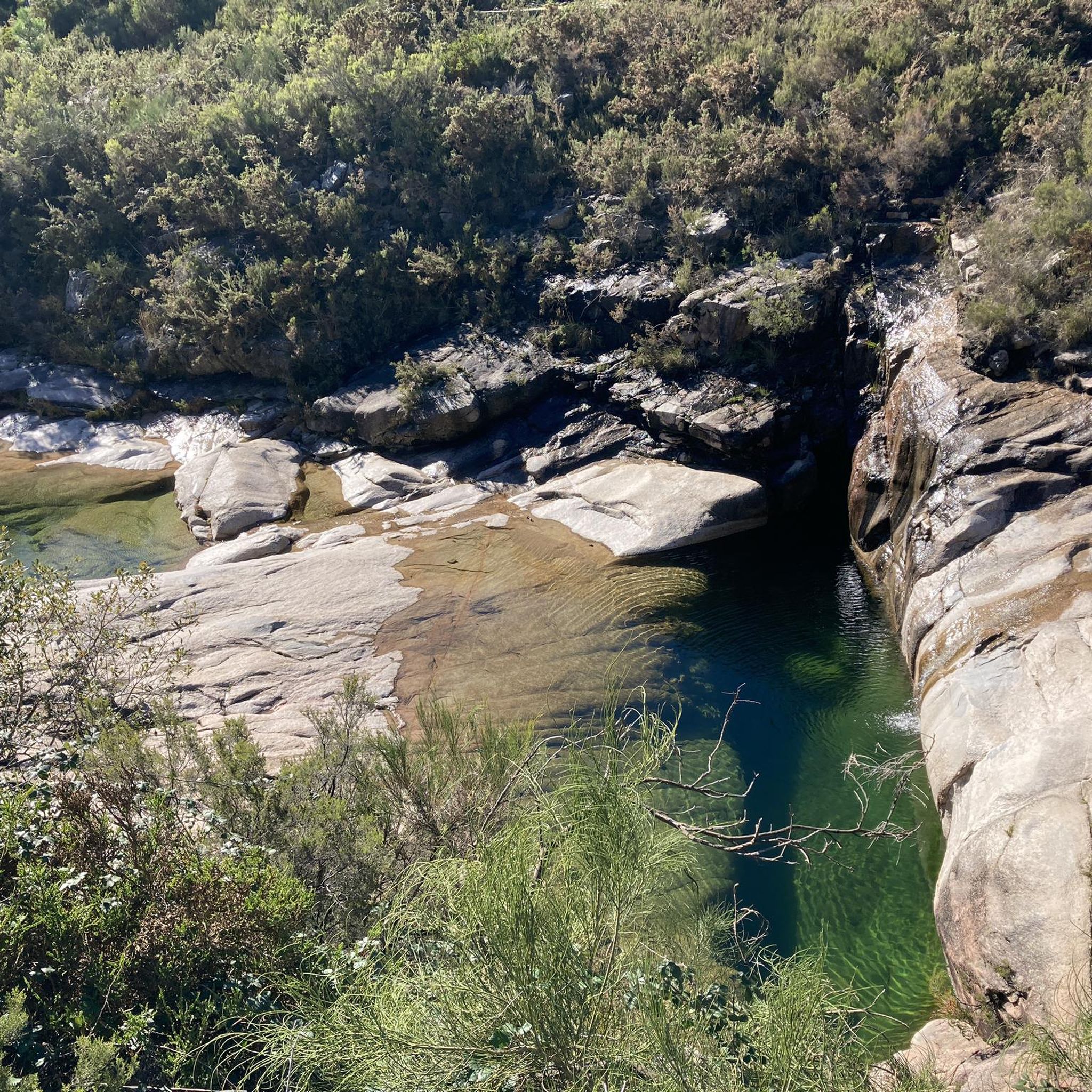
Yes, you can find trails that lead to beautiful waterfalls. The Poço das Relvas Waterfall loop from Formigueiro is a popular moderate route, approximately 11.7 km long, specifically featuring a waterfall and varied forest paths.
What are some interesting historical or cultural landmarks to see near the hiking trails?
Beyond the natural beauty, the region around Boticas has historical and cultural points of interest. You can explore the Chaves Old Town or visit the Trajan Bridge (Chaves Roman Bridge). The Castro de Carvalhelhos loop from Vilar specifically explores historical sites and offers views of the surrounding countryside.
Can I bring my dog on the hiking trails in Boticas?
Many trails in Boticas are suitable for dogs, especially those in natural, less crowded areas. However, it's always recommended to keep your dog on a leash, respect local wildlife, and clean up after your pet. Check specific trail regulations if you plan to enter protected areas.
What is the best time of year to go hiking in Boticas?
The best time to hike in Boticas is generally during spring (April to June) and autumn (September to October) when the weather is mild and the landscapes are particularly vibrant. Summers can be hot, while winters are cooler and can be wet, though still suitable for hiking if properly prepared.
Are there circular hiking routes available in Boticas?
Yes, many of the hiking routes in Boticas are circular, allowing you to start and end at the same point. Examples include the Poço das Relvas Waterfall loop from Formigueiro and the Foundry – Minas da Borralha loop from Borralha, which takes you through former mining areas and natural woodlands.
What do other hikers say about the trails in Boticas?
The hiking trails in Boticas are highly regarded by the komoot community, with an average rating of 4.7 out of 5 stars from over 30 reviews. Hikers often praise the well-maintained paths, the serene natural beauty, and the diverse scenery, from riverside paths to historical sites.
Are there any trails that explore the region's mining history?
Yes, the region has a history of mining, and some trails incorporate this heritage. The Foundry – Minas da Borralha loop from Borralha is a 10.1 km trail that leads through former mining areas, offering a unique blend of natural beauty and historical insight.
Is public transport available to reach the hiking trailheads in Boticas?
While Boticas is a rural area, some local bus services connect the main towns and villages. However, direct public transport to specific trailheads might be limited. It's advisable to check local bus schedules in advance or consider driving to access the starting points of the trails.
Most popular attractions around Boticas

Get inspired with the komoot mobile app


Explore more
Browse the best Hikes in other regions.
