Attractions and Places To See around Torre De Moncorvo - Top 20
Best attractions and places to see around Torre De Moncorvo include a variety of historical landmarks, natural landscapes, and cultural sites. Located in northern Portugal, the region is bordered by the Douro River to the south, the Serra do Reboredo, and the Sabor Lakes to the north. This area provides a blend of historical significance and natural beauty, with numerous viewpoints and ancient structures. Visitors can explore its rich heritage and diverse outdoor environments.
Best attractions and places to see around Torre De Moncorvo
- The most popular attractions is Côa Museum, a historical site located where the Douro and Côa rivers meet. This museum, one of the largest in Portugal, offers insights into the Paleolithic art of the Côa Valley, the largest open-air museum of its kind globally.
- Another must-see spot is Barca d'Alva, a settlement known for its landscapes and tranquility on the banks of the Douro River. This small Portuguese village was historically significant as a border station with Spain and is a docking point for river cruise ships.
- Visitors also love Ponte Almirante Sarmento Rodrigues, a bridge notable for its six curvilinear polygonal arches. Built in 1955, this structure spans the Douro River and is considered an example of bridge engineering from its period.
- Torre De Moncorvo is known for its historical sites, natural viewpoints, and cultural heritage. The region offers a variety of attractions, from ancient churches and museums to scenic river landscapes and mountain vistas.
- The attractions around Torre De Moncorvo are appreciated by the komoot community, with more than 10 upvotes and 9 photos shared by visitors.
Last updated: June 24, 2026
Côa Museum
Highlight • Historical Site
Translated by Google •
Tip by

Ponte Almirante Sarmento Rodrigues
Highlight • Bridge
Translated by Google •
Tip by
Sign up now to discover places like this
Get recommendations on the best single tracks, peaks, & plenty of other exciting outdoor places.
Sign up for free
Barca d'Alva
Highlight • Settlement
Translated by Google •
Tip by
Monument to Agostinho da Silva in Barca d’Alva
Highlight • Monument
The sculpture represents Agostinho da Silva sitting on a bench, in life size, and is located in the open-air amphitheater of the river port of Barca d’Alva. This place allows visitors to sit next to the figure of the philosopher, offering a space for reflection and contemplation of the landscape.
Translated by Google •
Tip by
Vega Terrón River Pier and Railway Bridge
Highlight • Bridge
Translated by Google •
Tip by
Sign up for free to discover even more attractions around Torre De Moncorvo.
Sign up for free
Already have an account?
Start today with a free account
Your next adventure awaits.
Login or Signup
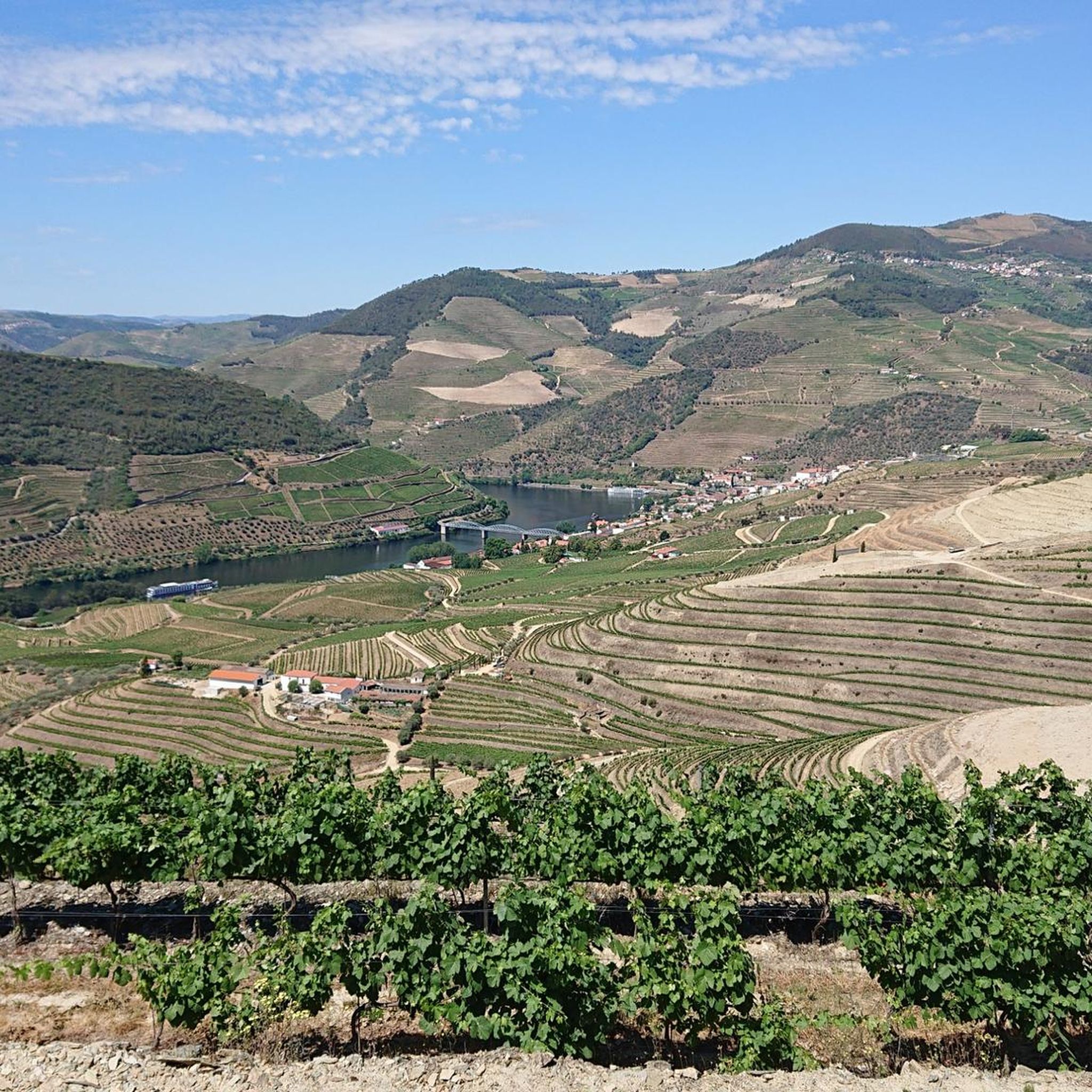
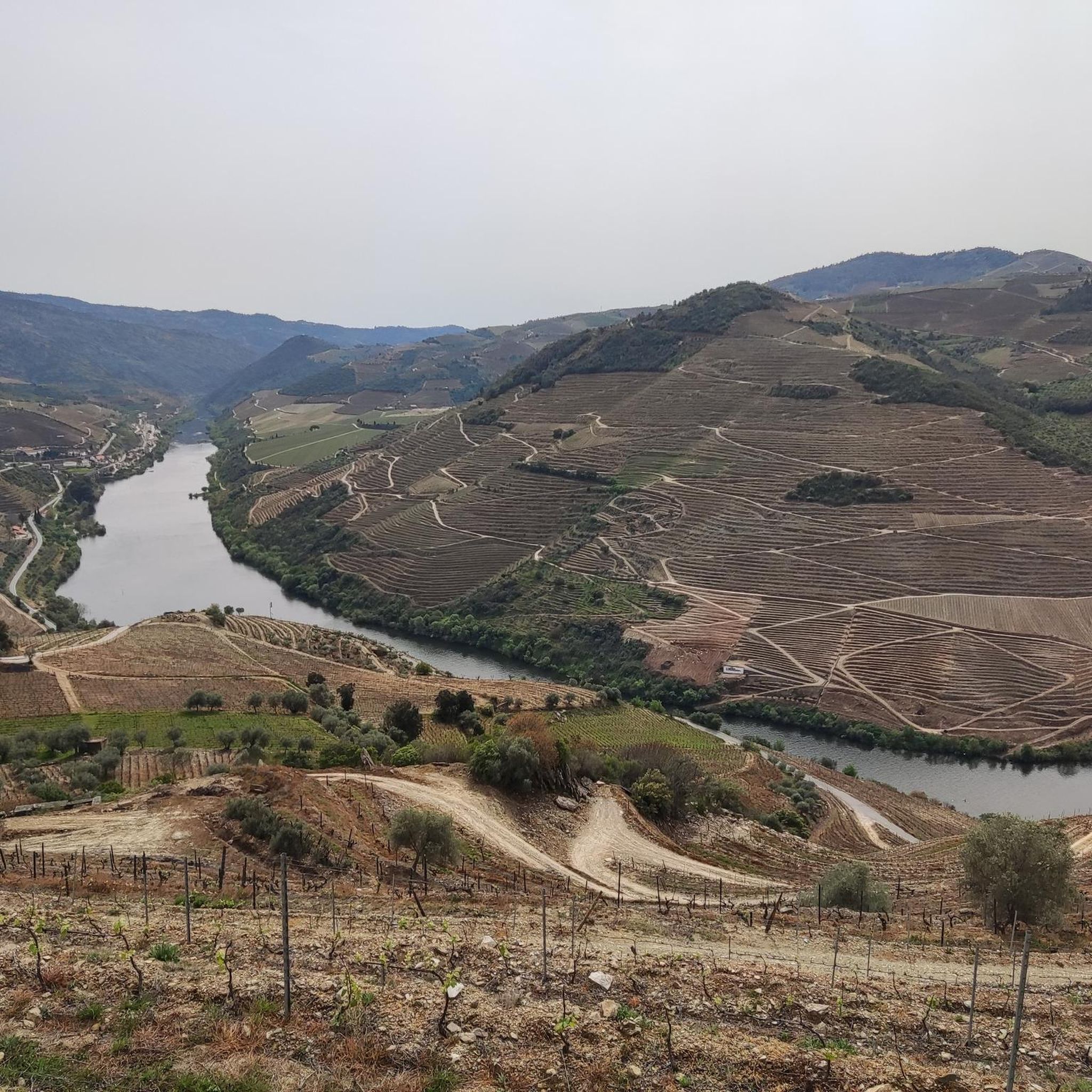
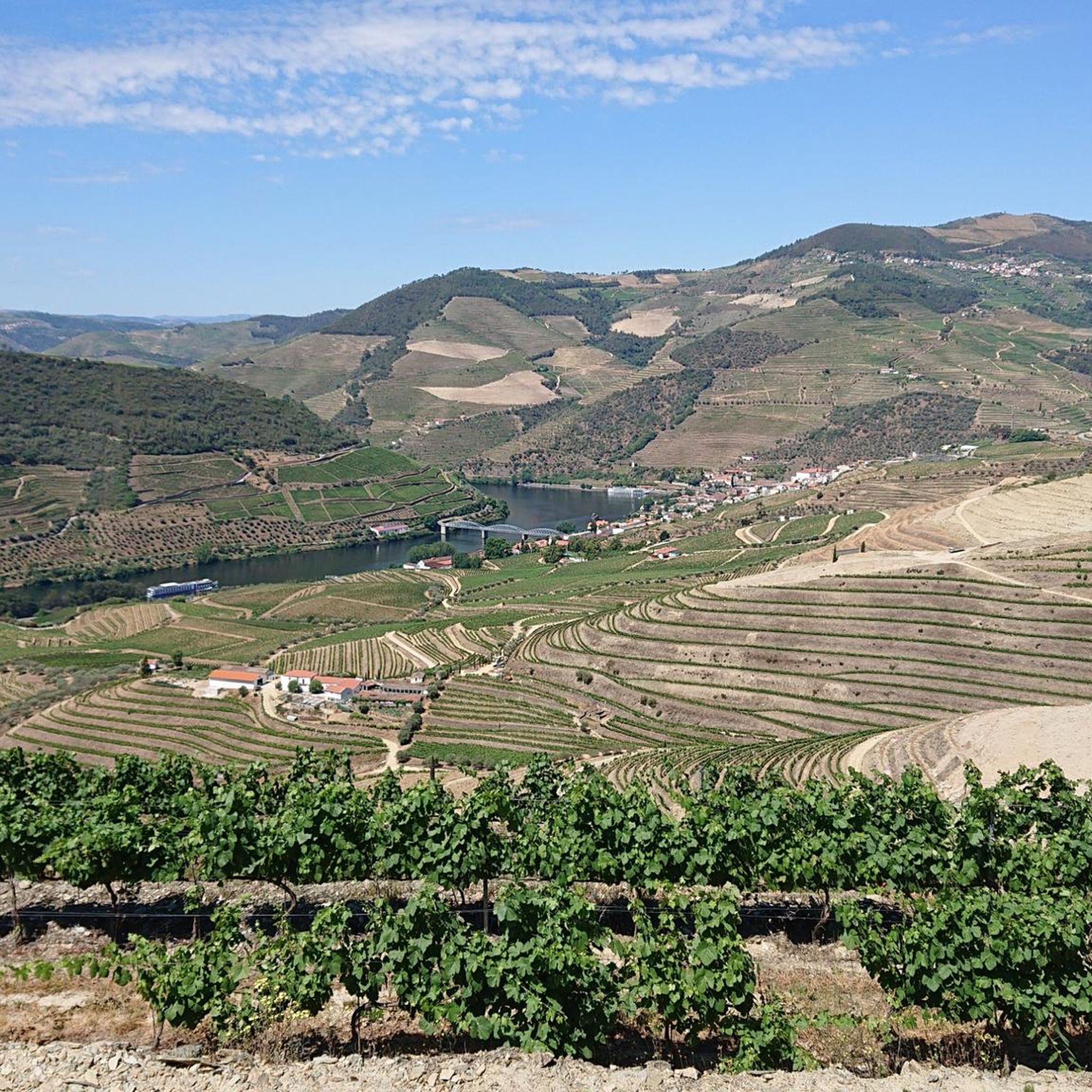
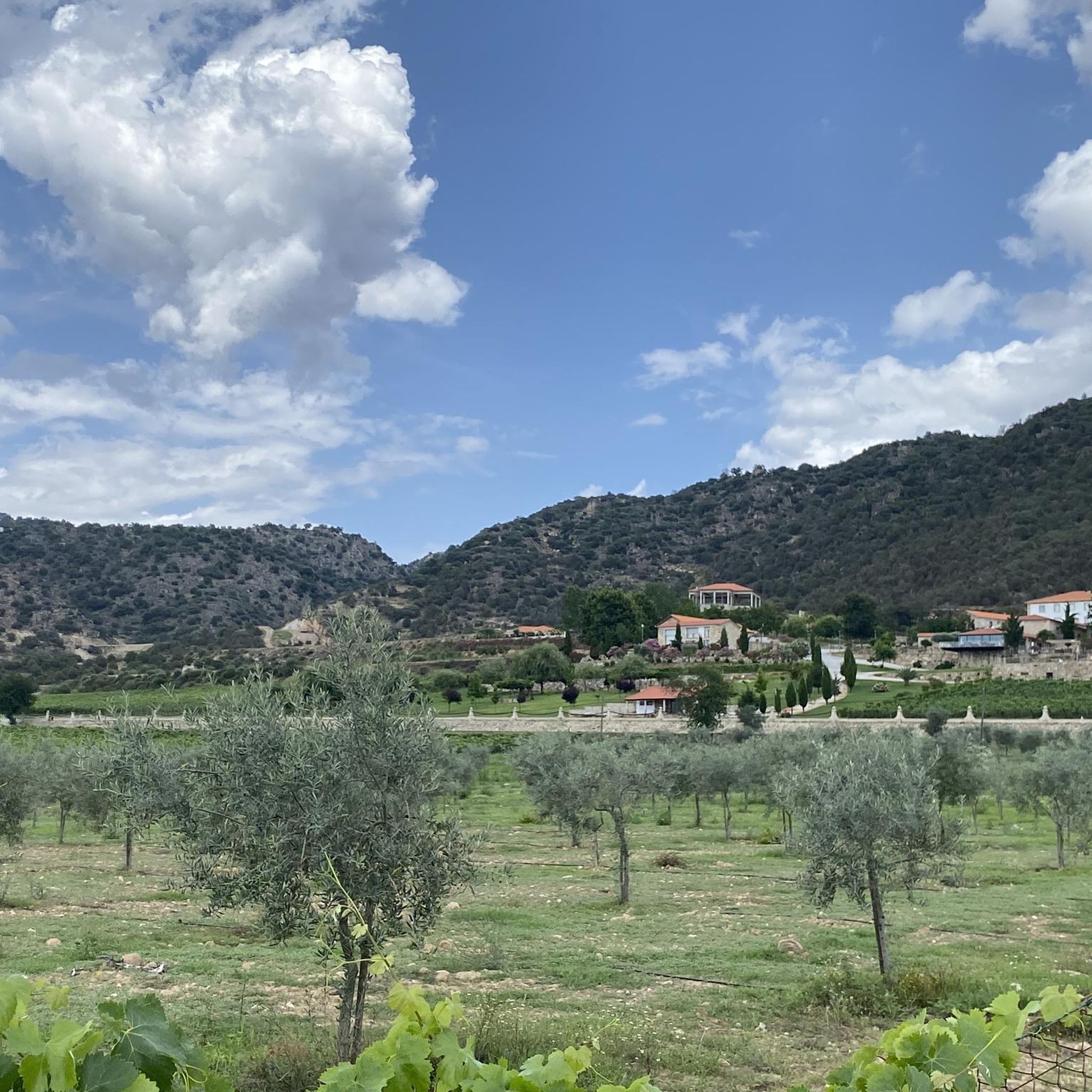
Tips from the Community

The bridge was designed and built in 1955 by the renowned Portuguese engineer Edgar Cardoso. It is considered the first motorway bridge in the Portuguese section of the Douro River and is a concrete arch bridge with a length of approximately 300 meters. It is named after the Portuguese naval officer and colonial administrator Almirante Manuel Maria Sarmento Rodrigues, who served as governor of Guinea and Mozambique under the Salazar dictatorship and later became Minister of Colonies.
1
0

From a distance, the building resembles a large outcrop emerging from the ground, and its facade is composed of mineral pigments in concrete, mimicking the natural irregularities of the region's metamorphic rocks. The Côa Museum does not replace a visit to the rock art sites in the Côa Valley Archaeological Park, but it is a gateway that allows visitors to discover the artistic richness of the Côa and Douro valleys. Furthermore, the museum houses the largest library in Portugal dedicated to rock art. 😊
12
0
The bridge is notable for its six curvilinear polygonal arches, with a total length of 232 metres. In 1973, it was named after Admiral Sarmento Rodrigues, a prominent Portuguese politician and military man. The structure is an outstanding example of bridge engineering of the period and remains an important landmark in the region.
9
0
The monument to Professor Agostinho da Silva in Barca d’Alva is a beautiful sculpture created by the sculptor Eugénio Macedo. This monument pays tribute to Agostinho da Silva, a prominent Portuguese philosopher, poet and essayist. The sculpture represents Agostinho da Silva sitting on a bench, in life size, and is located in the open-air amphitheater of the river port of Barca d’Alva. This place allows visitors to sit next to the figure of the philosopher, offering a space for reflection and contemplation of the landscape.
10
0
Barca d’Alva is a charming destination! This small Portuguese village is located on the banks of the Douro River and is known for its stunning landscapes and tranquility.
11
0

Very interesting when cruise ships dock. There's also a restaurant and an information center for children. The ticket office for the Camino del Hierro is also located there.
2
0
The bridge connects Spain and Portugal. Thanks to the EU you can easily walk across it 🙂
1
0
A small town in Portugal right on the border with Spain. You can cross the border on foot. This is where the river cruise ships dock on the Duero.
2
1
Frequently Asked Questions
What historical landmarks can I visit in Torre de Moncorvo?
Torre de Moncorvo is rich in history. You can explore the Historic Center, including the Praça Francisco Meireles and its Filipino Fountain. Remnants of the medieval past are visible at the Torre de Moncorvo Castle and Castle Museum, with sections of defensive walls and three original gates like the Porta da Vila. Other significant sites include the Casa da Roda dos Expostos (Foundlings' House) and the Pillory of Torre de Moncorvo. Don't miss the Côa Museum, which offers insights into Paleolithic art, and the historic settlement of Barca d'Alva, a former border station on the Douro River.
What natural attractions can I explore around Torre de Moncorvo?
The region boasts stunning natural landscapes. The Serra do Reboredo offers several scenic viewpoints, such as Santa Leocádia, Fraga do Facho, and Fraga do Cão, providing panoramic vistas of the Vilariça Valley and the Douro and Sabor rivers. The Sabor Lakes, formed by the Baixo Sabor Dam, are another highlight, with viewpoints like São Lourenço and Talegre. The Douro River itself has picturesque lookout points, including Santa Bárbara and Barca Velha, offering views of the UNESCO World Heritage Alto Douro Wine Region. You can also visit the Foz do Sabor River Beach where the Sabor meets the Douro.
Where are the best viewpoints to enjoy the landscapes around Torre de Moncorvo?
For breathtaking views, head to the Serra do Reboredo, where you'll find the Santa Leocádia Viewpoint, Fraga do Facho Viewpoint, and Fraga do Cão Viewpoint, offering expansive panoramas. Along the Sabor Lakes, don't miss the São Lourenço Viewpoint and Swing, Póvoa Viewpoint, and Talegre Viewpoint and Cork Oak Swing. The Douro River also provides stunning vistas from Santa Bárbara Viewpoint and Barca Velha Viewpoint, perfect for appreciating the vineyard landscapes.
Are there family-friendly attractions or activities in Torre de Moncorvo?
Yes, several attractions are suitable for families. The Côa Museum is family-friendly and provides an engaging way to learn about ancient art. The settlement of Barca d'Alva, with its tranquil river setting, is also a pleasant spot for families. Additionally, the Vega Terrón River Pier and Railway Bridge offers a restaurant and an information center for children, making it a good stop. The Sabor Ecotrail is a paved path suitable for walking or cycling with children, offering scenic views.
What cultural sites are there in Torre de Moncorvo?
Torre de Moncorvo has a rich cultural and religious heritage. The Mother Church of Torre de Moncorvo (Igreja Matriz), also known as the Basilica Menor de Nossa Senhora da Assunção, is a National Monument and the largest religious temple in Trás-os-Montes, housing a sacred art museum. The 16th-century Church of Mercy (Igreja da Misericórdia) also hosts a Museum of Sacred Art and a Photography Museum. The ancient Church of James the Great in Adeganha, dating back to the 12th century, is another National Monument. For local history, visit the Iron Museum and Moncorvo Region Museum, or the Centro de Estudos Judaicos. The Lagar Comunitário da Cera in Felgueiras offers a unique ethnographic experience.
What outdoor activities can I do near these attractions?
The region around Torre de Moncorvo is excellent for outdoor activities. You can enjoy cycling with various routes available, such as those found in the Cycling around Torre De Moncorvo guide or the Road Cycling Routes around Torre De Moncorvo guide. Mountain biking enthusiasts can find trails in the MTB Trails around Torre De Moncorvo guide. The Sabor Ecotrail is a paved path perfect for walking or cycling along the Sabor River, offering beautiful views. The Foz do Sabor River Beach is ideal for a refreshing dip.
Are there any easy walking trails suitable for all abilities?
Yes, the Sabor Ecotrail is a paved pedestrian and cycling path along a deactivated railway line, making it an excellent option for an easy walk. It offers beautiful views over the Douro River, Torre de Moncorvo, the Sabor Valley, and the Serra do Reboredo, and is generally suitable for all abilities, including families. While many cycling routes are rated moderate to difficult, this ecotrail provides a more relaxed option.
When is the best time to visit Torre de Moncorvo?
The best time to visit Torre de Moncorvo depends on your interests. For outdoor activities like hiking and cycling, spring (April-May) and autumn (September-October) offer pleasant temperatures. If you're interested in cultural events, the Almond Blossom Festival in late February and early March is a particularly beautiful time to visit, celebrating the region's vast almond orchards. Summer can be hot, but it's ideal for enjoying river beaches like Foz do Sabor.
Are there any wheelchair-accessible attractions?
Yes, some attractions in the region offer wheelchair accessibility. The Ponte Almirante Sarmento Rodrigues, a notable bridge over the Douro, is generally accessible. The Monument to Agostinho da Silva in Barca d’Alva is also listed as wheelchair-accessible, allowing visitors to approach the sculpture. While not all sites are fully accessible, these provide options for visitors with mobility needs.
What is the <a href="https://www.komoot.com/highlight/4768487" target="_blank" rel="noopener">Côa Museum</a> about?
The Côa Museum, one of the largest in Portugal, is located where the Douro and Côa rivers meet. It provides deep insights into the Paleolithic art of the Côa Valley, which is the largest open-air museum of its kind globally. The museum's design is inspired by the natural landscape, resembling a large outcrop. It serves as a gateway to understanding the artistic richness of the Côa and Douro valleys and houses Portugal's largest library dedicated to rock art.
What is special about <a href="https://www.komoot.com/highlight/5282884" target="_blank" rel="noopener">Barca d'Alva</a>?
Barca d'Alva is a charming Portuguese village situated on the banks of the Douro River, known for its stunning landscapes and tranquility. Historically, it was a significant border station with Spain for the Porto - Salamanca railway line. Today, it serves as a docking point for river cruise ships and offers a peaceful atmosphere, making it a popular spot for visitors to enjoy the river and cross the border on foot.
What local traditions or events can I experience in Torre de Moncorvo?
Torre de Moncorvo is famous for its local gastronomy, particularly the traditional "covered almond of Moncorvo." A highlight of the region's cultural calendar is the Almond Blossom Festival, held in late February and early March. This vibrant festival celebrates the vast almond orchards that blanket the landscape, offering a beautiful spectacle of white and pink blossoms and a chance to experience local traditions.
Most popular attractions around Torre De Moncorvo

Get inspired with the komoot mobile app


Explore more
Still not found the Highlight you’re looking for? See guides of the top attractions in other regions:
