Attractions and Places To See around Melgaço - Top 20
Best attractions and places to see around Melgaço include a rich blend of historical, cultural, and natural sites. Situated in northern Portugal along the Minho River, Melgaço serves as a gateway to the Peneda-Gerês National Park. The region is known for its historical landmarks, diverse landscapes, and the renowned Alvarinho wine. Visitors can explore ancient castles, traditional villages, and scenic river valleys.
Best attractions and places to see around Melgaço
- The most popular attractions is Soajo Granaries, traditional stone…
Last updated: June 22, 2026
Sanctuary of Nossa Senhora da Peneda
Highlight • Religious Site
It is located in the parish of Gavieira, municipality of Arcos de Valdevez, within the Peneda-Gerês National Park, about 150 …
Translated by Google •
Tip by

Soajo Granaries
Highlight • Monument
Tip by

Sign up now to discover places like this
Get recommendations on the best single tracks, peaks, & plenty of other exciting outdoor places.
Sign up for free
Castro Laboreiro Castle
Highlight • Castle
Translated by Google •
Tip by

Espigueiros of Lindoso
Highlight • Monument
Translated by Google •
Tip by

Bico do Patelo
Highlight • Natural Monument
Translated by Google •
Tip by

Sign up for free to discover even more attractions around Melgaço.
Sign up for free
Already have an account?
Start today with a free account
Your next adventure awaits.
Login or Signup
Tips from the Community

A very interesting location with all the traditional granaries ("esquigueiros") clustered together on a large rock. The view from here is also very beautiful.
1
1

The Espigueiros of Soajo are one of the most iconic symbols of northern Portugal and the Peneda-Gerês National Park. They are traditional granaries built of stone and wood, designed to store corn and other grains. They are raised on pillars with "mouse stones" (circular slabs) to prevent rodents from entering. They are covered with gabled roofs and topped with crosses, reflecting the religious influence on rural life.
1
0
Sanctuary of Our Lady of Peneda, located in northern Portugal: It is located in the parish of Gavieira, municipality of Arcos de Valdevez, within the Peneda-Gerês National Park, about 150 km from Porto. [pt.wikipedia.org], [danielasan...araujo.com] It is built over a cave beneath a granite massif known as Penedo da Meadinha, in a spectacular location bordering a deep valley.
3
0

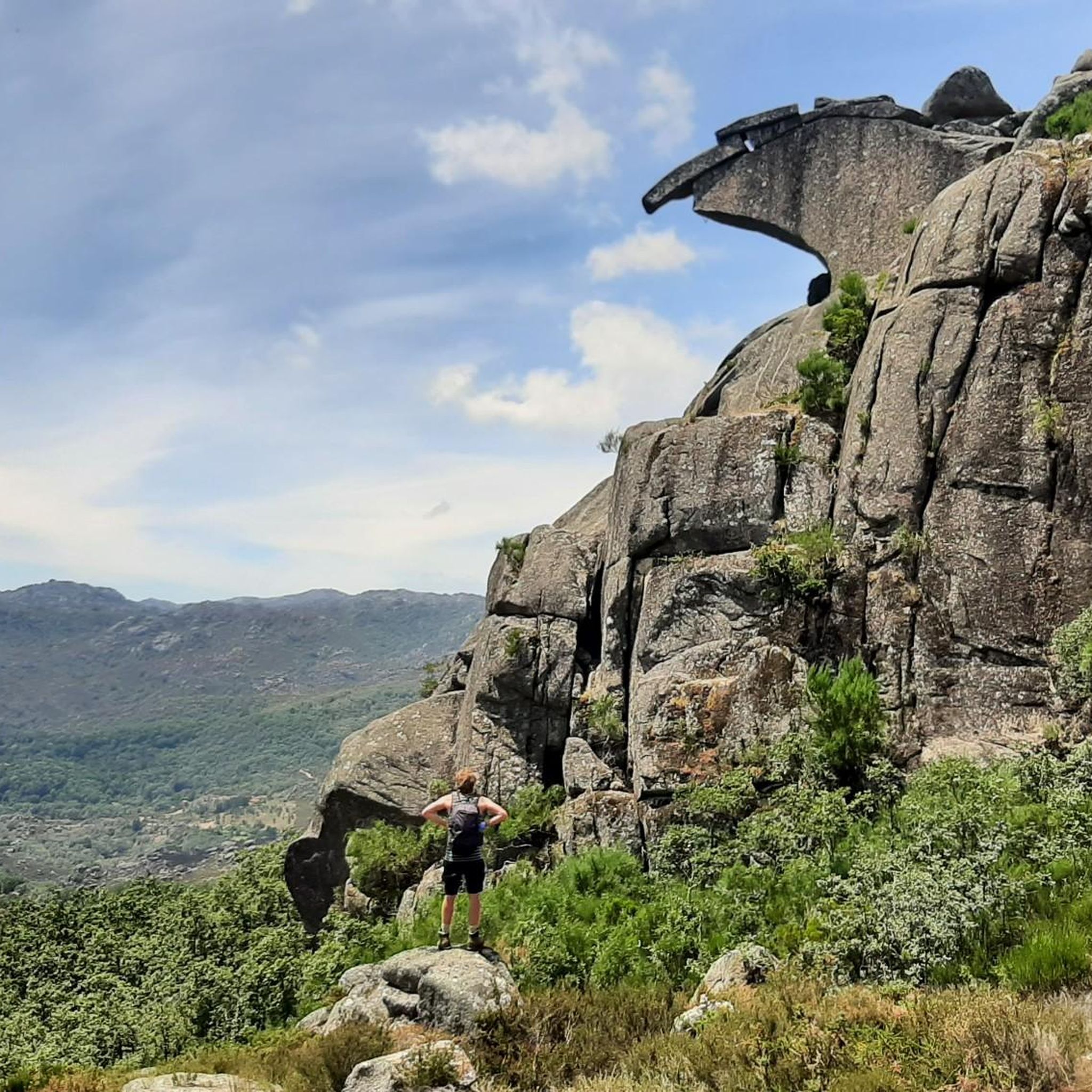
Bico do Patelo, literally "Patelo’s Beak," is a striking granite rock formation in Peneda-Gerês National Park. Its bold shape rises above the surrounding hills, catching the eye from different points along the PR3 Castrejo trail. As you approach, the unusual form makes it a natural landmark and one of the memorable sights of the hike.
0
0

Concentración de horreos worthy of visiting
0
0

These storage facilities are truly unique. The sheer number of storage facilities in one location is also impressive.
0
0

These are the ruins of a Romanesque castle with a walled enclosure around a central tower with a cistern, located on the top of an isolated hill at 1,033 meters (3,389 feet) above the Minho and Lima rivers. It has an oval plan oriented north-south. The main entrance is the Porta do Sol, which opens to the east, while the Gate of Traitors, the Porta do Sapo, is located at the other end. The exit is well-maintained and normal for its location.
0
0

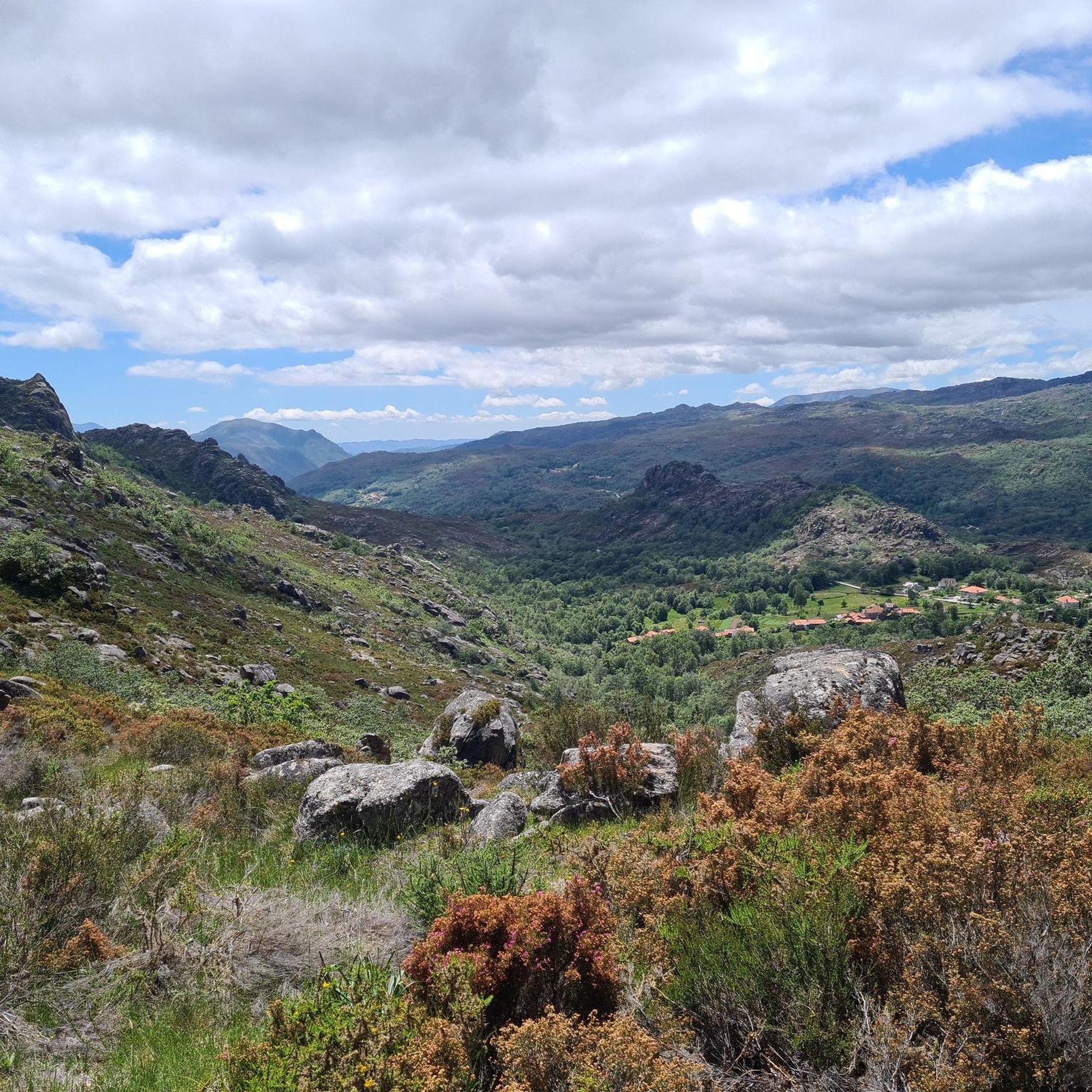
Built on a granite hill over 1,000 metres above sea level, the castle dominates the Laboreiro River valley, offering spectacular views of the surrounding landscape. Its origins are ancient, probably dating back to Roman or pre-Roman times, but the current structure mainly reflects medieval modifications and extensions, particularly during the Reconquista and the formation of the Kingdom of Portugal. The castle, although now in ruins, still preserves its defensive walls, part of the watchtower and the main gate, elements that testify to its strategic importance in controlling the borders. It is a symbol of the history and resistance of the region, and its isolated and wild location adds to its charm.
0
0
Frequently Asked Questions
What historical sites can I explore in Melgaço?
Melgaço offers a rich history to explore. You can visit the ruins of Castro Laboreiro Castle, which provides spectacular views of the Laboreiro River valley. The town also features the historic Melgaço Castle, dating back to the 12th century, and the 12th-century Melgaço Mother Church (Igreja Matriz de Melgaço) in the historic center. Don't miss the Old Bridge of Castro Laboreiro, a medieval-style bridge over the Laboreiro River.
Are there any natural features or viewpoints worth visiting near Melgaço?
Yes, the region around Melgaço is rich in natural beauty. The Peneda-Gerês National Park, accessible from Melgaço, offers stunning landscapes and waterfalls like Rodeiro Waterfall and Cascata do Laboreiro. For panoramic views, the ruins of Castro Laboreiro Castle are situated on a hill overlooking the Laboreiro River valley. The Fiães Hilltops also provide excellent vistas of the area.
What cultural experiences can I find in Melgaço?
Melgaço is known for its cultural offerings, especially its renowned Alvarinho wine. You can visit the Solar do Alvarinho for wine tastings and to learn about the region's viticulture. The Melgaço Cinema Museum (Museu de Cinema de Melgaço Jean Loup Passek) and the Memory and Border Space (Espaço Memória e Fronteira) offer insights into local heritage and art. The Melgaço Museums Network provides a comprehensive cultural experience.
What outdoor activities are available around Melgaço?
The area around Melgaço is ideal for outdoor enthusiasts. You can explore numerous hiking trails within the Peneda-Gerês National Park, such as the Lamas de Mouro Interpretive Trail. The Minho River is a popular spot for adventure sports like rafting, canyoning, and canoeing. For more structured routes, you can find various hiking trails, MTB trails, and running routes around Melgaço.
Are there any family-friendly attractions in the Melgaço area?
Families can enjoy several attractions around Melgaço. The Soajo Granaries are a unique historical site where children can marvel at the traditional stone structures. The Peneda-Gerês National Park offers accessible areas like the Lamas de Mouro Gate, which has an information center and a natural swimming pool in summer, perfect for a family day out. Exploring the historic center of Melgaço and its castle also provides an engaging experience.
What is the best time of year to visit Melgaço for outdoor activities?
The best time to visit Melgaço for outdoor activities is typically during the spring (April to June) and early autumn (September to October). During these periods, the weather is generally mild and pleasant, making it ideal for hiking, cycling, and exploring the national park without the intense heat of summer or the heavier rains of winter.
Where can I find unique traditional architecture in the region?
For unique traditional architecture, you must visit the Soajo Granaries. These iconic stone structures, known as 'espigueiros,' were historically used to store corn and are raised on pillars with 'mouse stones' to prevent rodents. Another example is the traditional village of Branda da Aveleira in the Peneda mountains, showcasing the local way of life.
Are there any religious monuments or sanctuaries to visit?
Yes, the region is home to significant religious sites. The Sanctuary of Nossa Senhora da Peneda is a majestic sanctuary built over a cave within the Peneda-Gerês National Park, featuring a grand staircase with statues. Other notable religious monuments include the Convent of Fiães (Igreja de Fiães) and the Romanesque Church of Paderne.
Can I experience the local wine culture in Melgaço?
Absolutely. Melgaço is a key part of the Vinho Verde wine route and is particularly famous for its Alvarinho grape. The Solar do Alvarinho is the central place to experience the local wine culture, offering tastings and insights into the production of this renowned wine. The surrounding landscape is covered in vineyards, making for scenic drives and walks.
What are some lesser-known but interesting places to see in Melgaço?
Beyond the main attractions, consider visiting Cevide, a tiny border village where Portugal begins, marked by Marco No. 1. The Archaeological Ruins of Praça da República in the historic center offer a glimpse into Melgaço's past beneath the modern town. For relaxation, the Melgaço Thermal Spa (Termas do Peso) is known for its healing waters.
What do visitors enjoy most about the attractions around Melgaço?
Visitors particularly enjoy the blend of historical significance and natural beauty. The panoramic views from sites like Castro Laboreiro Castle are highly appreciated. The unique architecture of the Soajo Granaries and the spiritual atmosphere of the Sanctuary of Nossa Senhora da Peneda are also frequently highlighted. The opportunity to engage with nature in the Peneda-Gerês National Park and the charm of the Minho River are also big draws.
Most popular attractions around Melgaço

Get inspired with the komoot mobile app


Explore more
Still not found the Highlight you’re looking for? See guides of the top attractions in other regions:
