The best road cycling routes around Vizela
4.6
(36)
2,252
riders
23
rides
Road cycling around Vizela offers diverse terrain characterized by rolling hills, the meandering Vizela River, and varied landscapes. The region provides a mix of mostly paved surfaces and challenging routes with significant elevation gains. Cyclists can navigate through areas featuring hilly vistas, granite outcrops, and scenic riverbanks. This geography supports a range of road cycling experiences for different skill levels.
Best road cycling routes around Vizela
- The most popular road cycling route is Along the Leça River – Casa do…
Last updated: October 19, 2026
4.5
(4)
101
riders
60.8km
02:57
790m
790m
Moderate road ride. Good fitness required. Mostly well-paved surfaces and easy to ride.
5.0
(2)
90
riders
78.8km
03:38
850m
850m
Moderate road ride. Good fitness required. Mostly well-paved surfaces and easy to ride.

22
riders
43.6km
01:56
430m
430m
Moderate road ride. Good fitness required. Mostly well-paved surfaces and easy to ride.
26
riders
151km
08:30
3,070m
3,070m
Hard road ride. Very good fitness required. Mostly well-paved surfaces and easy to ride.
14
riders
81.4km
04:03
1,150m
1,150m
Hard road ride. Very good fitness required. Mostly well-paved surfaces and easy to ride.
Get access to more routes and recommendations from other explorers.
Already have an account?
Our route recommendations are based on thousands of hikes, rides, and runs completed by other people on komoot.
Start today with a free account
Your next adventure awaits.
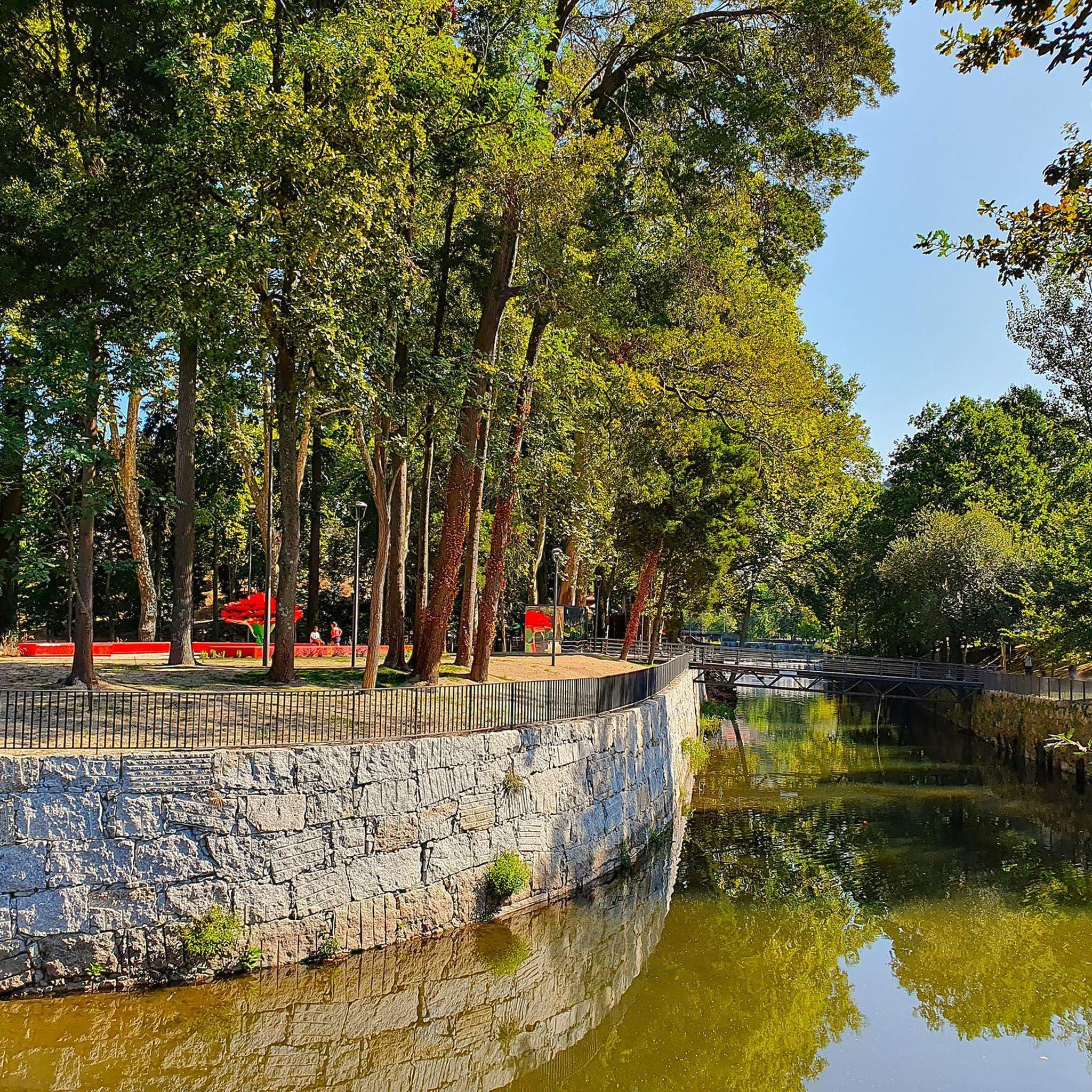
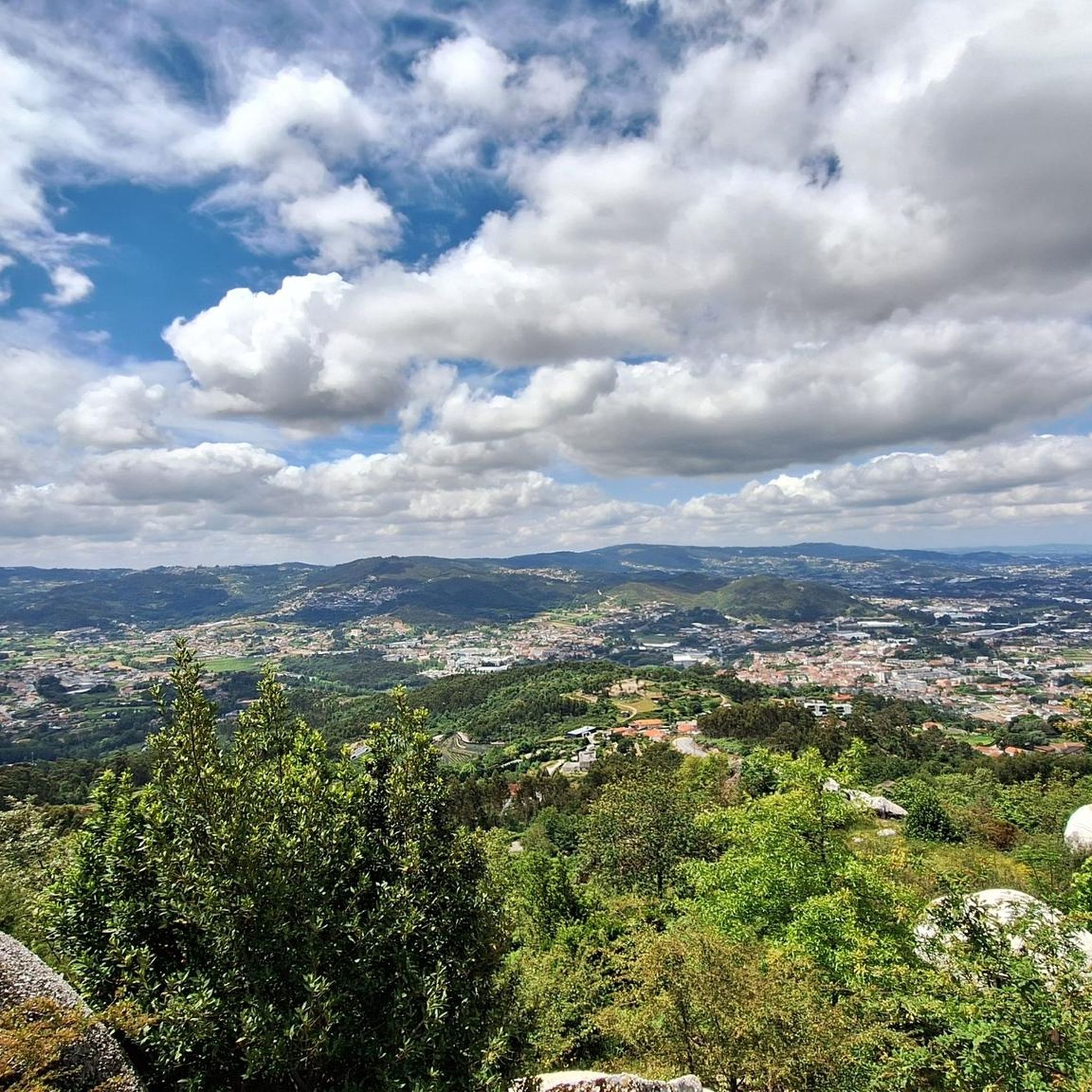
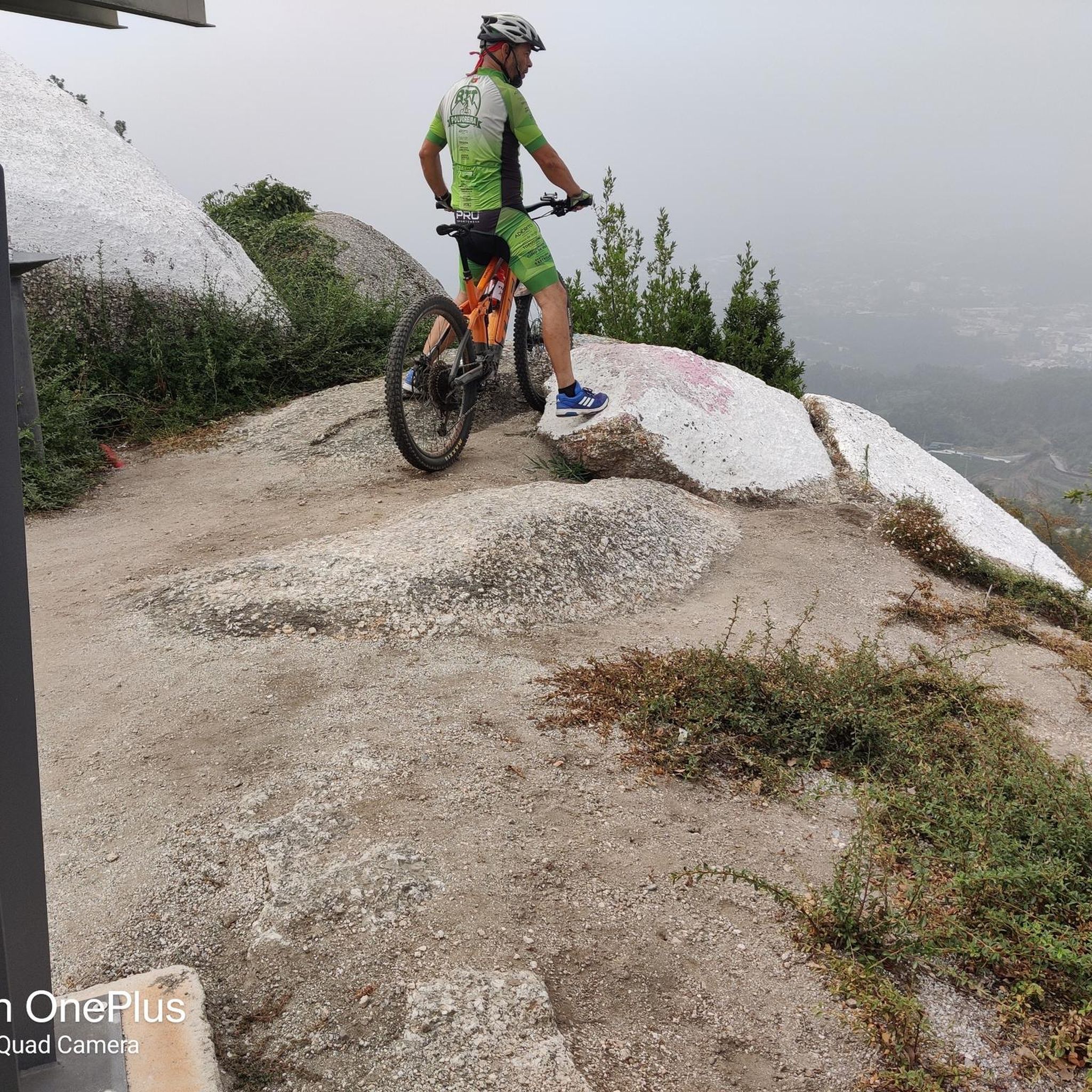
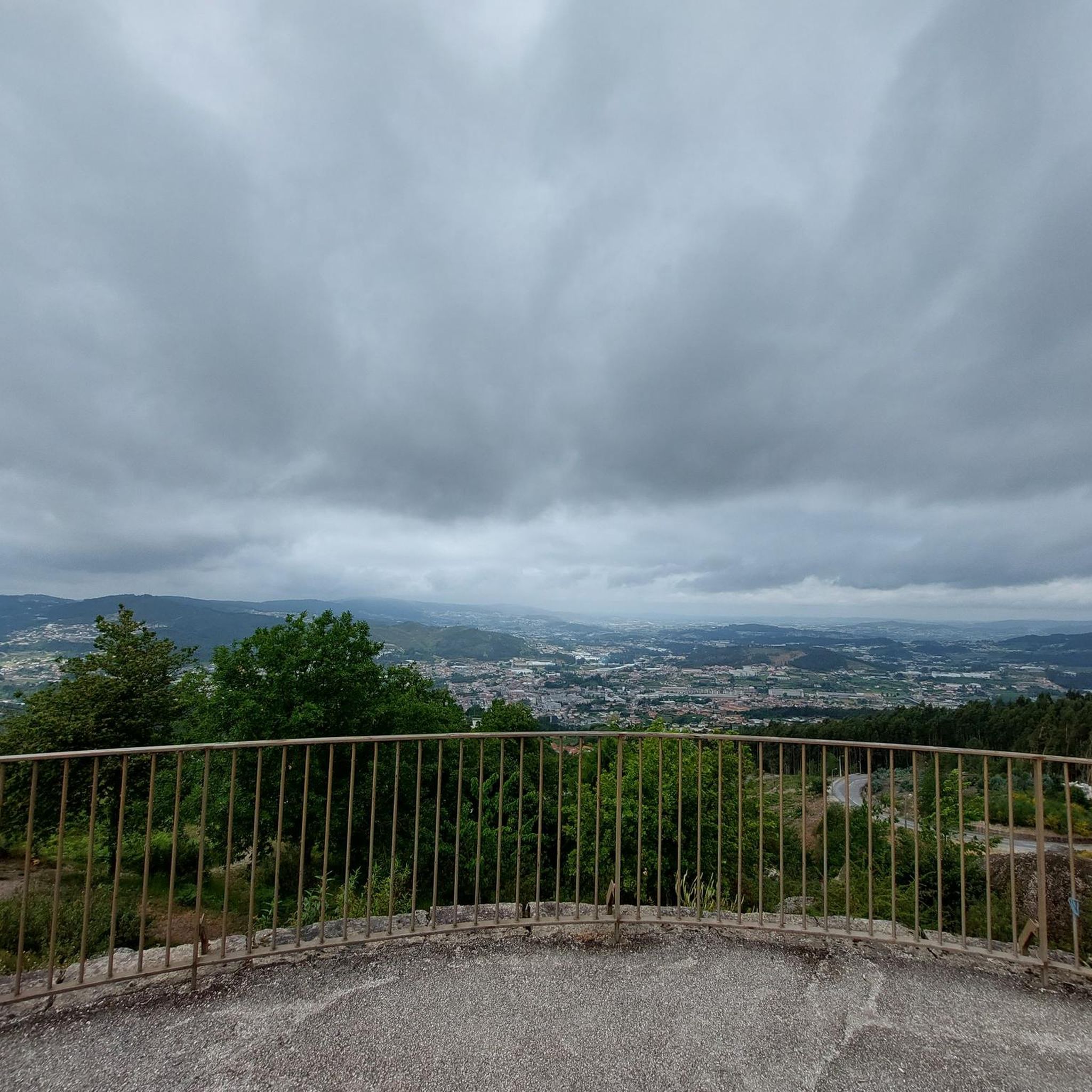
Tips from the Community

Nice bike path, nice asphalt. Fairly wide, but only in a few spots is the vegetation recovering. Recommended 👍
1
0

The Cathedral of Braga, the oldest archdiocese in Portugal
3
0

The Cathedral of Braga (Portuguese: Sé de Braga) is one of the most important monuments in the city of Braga in the north of Portugal. As the seat of the Archbishop of Braga, it is the oldest cathedral in Portugal and is one of the most important buildings in the country due to its history and artistic significance[1]. It offers a rich mix of architectural and artistic styles.
1
0

The Cathedral of Braga (Portuguese: Sé de Braga) is one of the most important monuments in the city of Braga in the north of Portugal. As the seat of the Archbishop of Braga, it is the oldest cathedral in Portugal and is one of the most important buildings in the country due to its history and artistic significance[1]. It offers a rich mix of architectural and artistic styles.
3
1

Yet another C13 Romanesque gem with sweeping vistas to the Rio Ovelha valley and the A4 motorway. Until 1455 it formed a part of a small female Benedictine complex. The original design of the church has been almost entirely preserved, despite some later alterations. https://www.rotadoromanico.com/en/Monuments/church-of-saint-mary-of-gondar/
0
0

Braga Cathedral (Portuguese: Sé de Braga) is one of the most important architectural monuments in the city of Braga in northern Portugal. As the seat of the Archbishop of Braga, it is the oldest cathedral in Portugal and, due to its history and artistic significance, is one of the most important buildings in the country. It offers a rich blend of architectural and artistic styles. Source: Wikipedia
2
1

According to tradition, the diocese of Braga dates back to the 3rd century, although historical confirmation dates back to 400. This makes it one of the oldest dioceses on the Iberian Peninsula. It is considered the center of the Christianization of Gallaecia, as the region in northwestern Spain and northern Portugal was called. When Rome's power was dismantled by invading Germanic tribes, Braga became the capital of the Kingdom of the Suebi from 409 to 584. Through the influence of Bishop Martin of Dumio, the Suebi converted to Catholicism around 550. Martin of Dumio had come to Gallaecia at this time and first founded a monastery in Dumio near Braga. He became Bishop of Dumio in 556 and finally Bishop of Braga in 562. However, the Suebi kingdom fell under Visigothic control and was incorporated into the Visigothic Empire in 585. Braga's importance subsequently declined. After the Moorish conquest of the Iberian Peninsula from 711 to 719, Braga lost its bishopric in 716. As a result of the Reconquista, the Christian reconquest, the Diocese of Braga was re-established around 1070. Bishop Dom Pedro, bishop of the diocese from 1071 to 1091 and the first archbishop, had a cathedral built, which was consecrated in 1089 by Bernard of Toledo. At that time, however, only the eastern chapels were finished. The present cathedral was built on the site of an older religious building, possibly an earlier cathedral. Despite the restoration of the Diocese of Braga, the city never managed to regain its former importance. Next to Toledo, which was declared the new metropolis by Urban II and was the residence of the Kingdom of Castile from 1087 and remained the capital of Spain until 1561, there was no room for Braga as a metropolis. Since Bishop Dom Pedro had himself awarded the pallium by Antipope Clement III in 1091, the former capital of Braga continued to decline in importance. Bishop Dom Pedro was deposed and banished to a monastery. From 1093 onwards, the County of Portugal was ruled by Count Henry of Burgundy, who, together with Bishop Geraldo de Moissac, persuaded the Pope to reinstate Braga as an archbishopric in 1107. Construction work on the cathedral resumed and continued until the mid-13th century. The building, constructed in the 12th century, was designed in the Burgundian Romanesque style of the Abbey Church of Cluny and influenced the construction of many churches and monasteries in Portugal. The cathedral was frequently altered in the following centuries. Today, it features a mixture of different architectural styles, including Romanesque, Gothic, Baroque, and Manueline. In 1905, Pope Pius X granted the cathedral the additional title of minor basilica. Source: Wikipedia
8
3

The Sé de Braga Cathedral is one of the most important architectural monuments in the city of Bragal. As the seat of the Archbishop of Braga, it is the oldest cathedral in Portugal and is one of the most important buildings in the country due to its history and artistic significance. According to tradition, the diocese of Braga dates back to the 3rd century.
4
3
Frequently Asked Questions
How many road cycling routes are available around Vizela?
There are over 20 road cycling routes around Vizela, offering diverse terrain for various skill levels. The komoot community has explored these routes over 900 times, highlighting the region's appeal for cyclists.
What are the different difficulty levels for road cycling routes in Vizela?
Vizela offers a range of road cycling experiences, from easy routes to moderate and difficult paths. The region's diverse terrain, with rolling hills and significant elevation gains, ensures options for all skill levels, whether you're looking for a casual ride or a strenuous workout.
Are there any family-friendly road cycling options in Vizela?
While many road cycling routes in Vizela feature significant elevation changes, the region also offers more relaxed options. The Along the Leça River – Casa do Leão loop from Vizela, for example, offers scenic views along the river, which might be suitable for families comfortable with moderate distances. Additionally, the 'Ciclovia da Margem Ribeirinha' (Riverside Cycle Path) provides a green space along the Vizela River, suitable for more relaxed cycling in certain sections.
What kind of natural features and landscapes can I expect to see while road cycling in Vizela?
Road cycling in Vizela will take you through diverse landscapes, including rolling hills, the meandering Vizela River, and areas with tall, coniferous hills capped with granite outcrops. You'll encounter scenic riverbanks, and routes often lead to fantastic panoramic views over Vizela from elevated points like the Santuário de São Bento das Peras.
Are there any historical landmarks or attractions along the road cycling routes in Vizela?
Yes, many routes in Vizela pass by or lead to significant cultural and historical sites. You might encounter the historic Roman Bridge of Vizela, a national monument, or pass by hilltop sanctuaries. For example, the Vizela Castle – Along the Leça River loop from Vizela passes historic landmarks. Other notable attractions in the wider region include the Palace of the Dukes of Braganza and Vizela Castle.
What is the best time of year for road cycling in Vizela?
Vizela's climate is generally favorable for cycling. While specific recommendations depend on personal preference, spring and autumn typically offer pleasant temperatures and beautiful scenery, with colorful trees in autumn. Summers can be warm, and winters mild, making cycling enjoyable for much of the year.
Are there any circular road cycling routes in Vizela?
Yes, many of the road cycling routes around Vizela are designed as loops, allowing you to start and finish in the same location. Examples include the Monte do Lijó – Bolinhol de Vizela loop from Vizela and the Monte da Senhora da Assunção – Vizela Castle loop from Vizela, offering convenient circular journeys.
Where can I find parking for road cycling routes in Vizela?
Vizela's commitment to urban mobility planning means that parking options are generally available. The Vizela Thermal Park, a popular starting point for several routes, offers a convenient location with amenities. Many routes also start directly from Vizela, where public parking can be found.
What do other road cyclists enjoy most about road cycling in Vizela?
The road cycling routes in Vizela are highly rated by the komoot community, with an average score of 4.6 stars. Cyclists often praise the diverse terrain, the scenic views along the Vizela River, and the challenging climbs that reward with panoramic vistas. The variety of routes caters to both casual riders and those seeking a more strenuous workout.
Are there any cafes or places to rest along the road cycling routes?
Yes, the Vizela Thermal Park, a historic spa town, is a great starting point and offers a pleasant environment with mature trees and cafes along the river, perfect for a pre-ride coffee or post-ride refreshment. Many routes also pass through or near towns and villages where you can find local establishments.
Can I expect challenging climbs on the road cycling routes in Vizela?
Absolutely. Vizela is known for its rolling hills and routes with significant elevation gains. Destinations like the Santuário de São Bento das Peras offer challenging climbs that reward cyclists with fantastic panoramic views. For example, the Statue of Saint James – Vizela Castle loop from Vizela features over 1000 meters of elevation gain.
Most popular attractions around Vizela

Get inspired with the komoot mobile app


Explore more
Browse the best Road cycling routes in other regions.
