The best road cycling routes around Pinhel
4.8
(6)
807
riders
16
rides
Road cycling around Pinhel, located in Portugal's Guarda District, features diverse landscapes with significant elevation changes. The region is characterized by prominent mountain ridges like Serra da Marofa, which reaches 977 meters, offering challenging climbs and descents. Cyclists can also explore routes near the tranquil Rio Côa and through areas bordering the Douro International Natural Park and Côa Valley, providing varied terrain and scenic views. This topography makes Pinhel suitable for road cyclists seeking both demanding rides and routes with…
Last updated: July 11, 2026
24
riders
82.0km
03:43
910m
910m
Hard road ride. Very good fitness required. Mostly well-paved surfaces and easy to ride.
5.0
(1)
17
riders
78.4km
03:41
930m
930m
Hard road ride. Very good fitness required. Mostly well-paved surfaces and easy to ride.

Sign up for free
13
riders
79.5km
04:13
1,210m
1,210m
Hard road ride. Very good fitness required. Some segments of this route may be unpaved and difficult to ride.
7
riders
66.4km
03:27
1,160m
1,160m
Hard road ride. Very good fitness required. Some segments of this route may be unpaved and difficult to ride.
10
riders
46.4km
02:30
910m
910m
Hard road ride. Very good fitness required. Mostly well-paved surfaces and easy to ride.
Get access to more routes and recommendations from other explorers.
Sign up for free
Already have an account?
Our route recommendations are based on thousands of hikes, rides, and runs completed by other people on komoot.
Start today with a free account
Your next adventure awaits.
Login or Signup
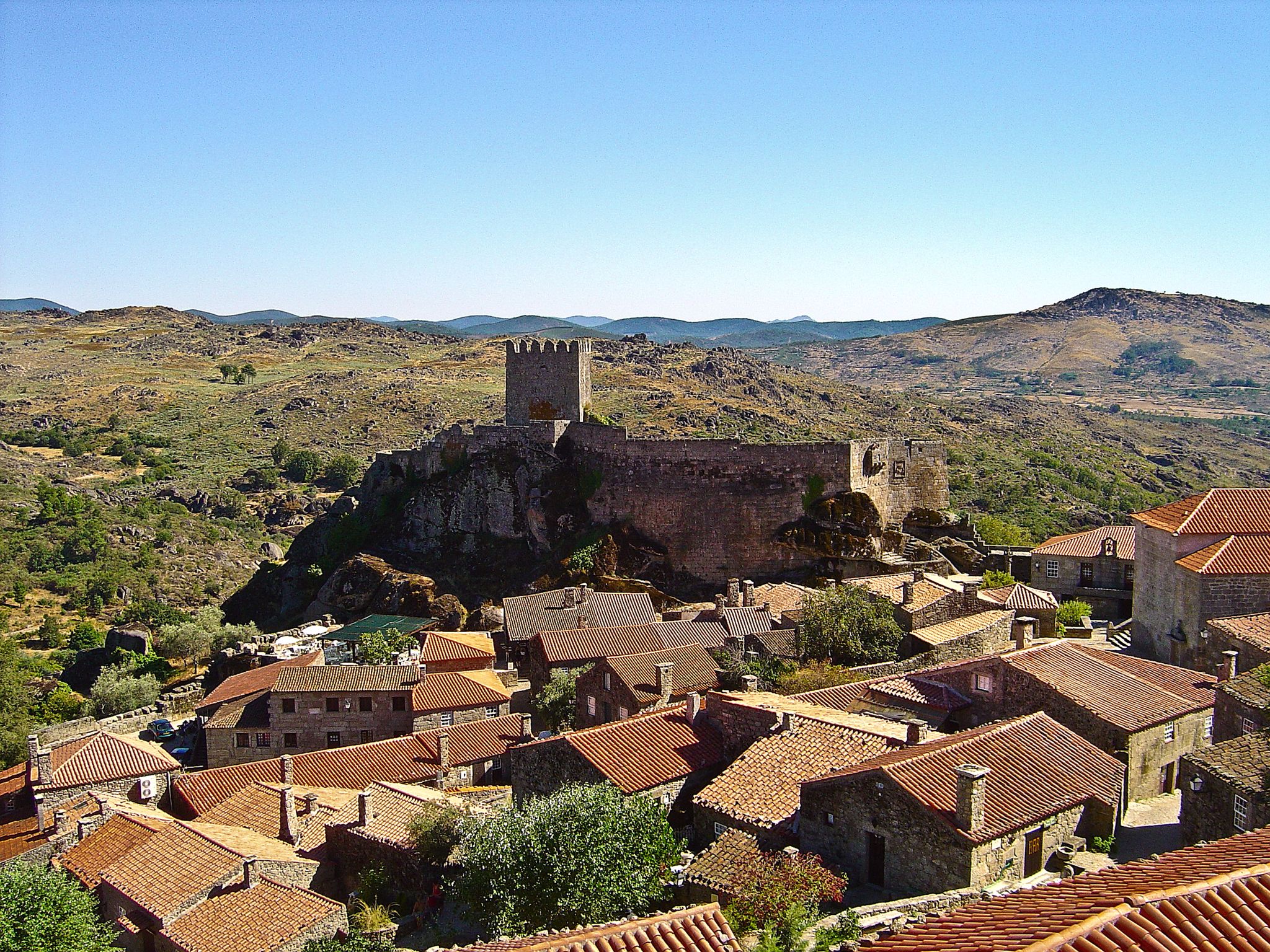
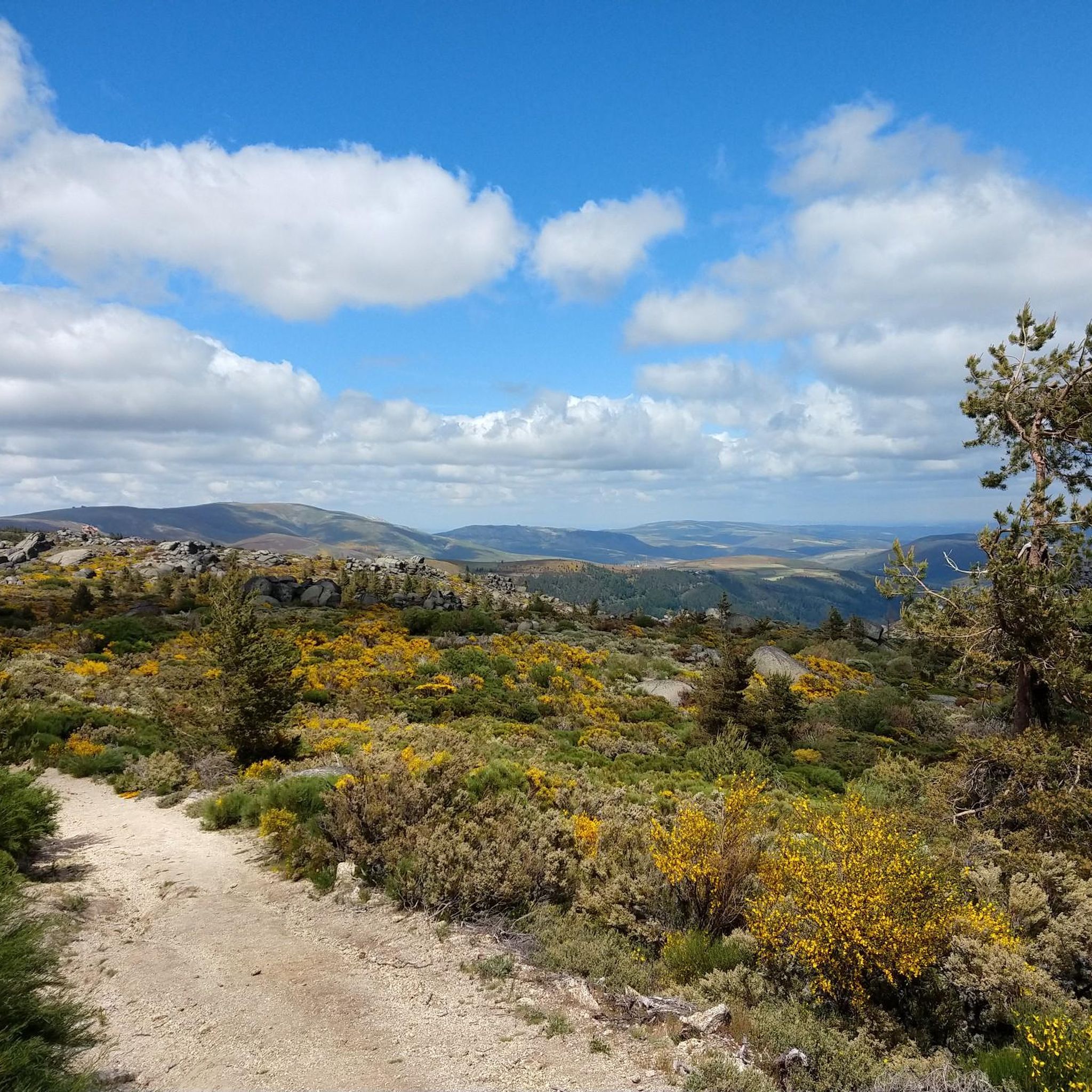
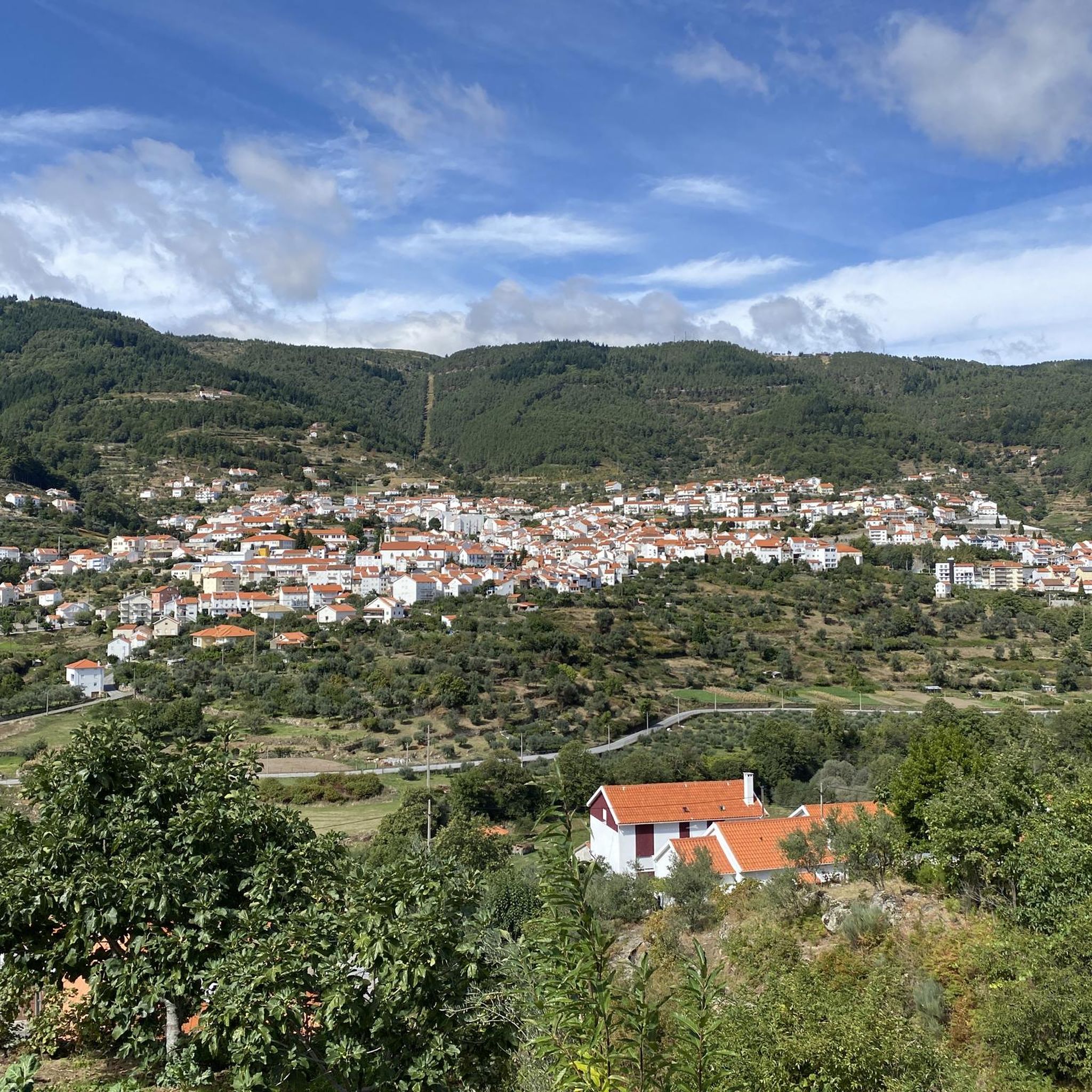
Other adventures around Pinhel

Tips from the Community

The statue, in honor of D. Sancho I (second King of Portugal), was inaugurated on May 28, 1956. The pedestal bears the inscription: "D. Sancho I, 2nd King of Portugal 1185 – 1211, granted Guarda city charter on November 27, 1199."
2
0
A cathedral steeped in history, with tombs within the church, views over the city, and beautiful statues. Tickets cost €1.50 to enter the cathedral and €2.50 to visit the cathedral and the viewpoint over the city.
2
0

The trail here merges with the Great Côa and Historic Villages Route, leading you down a steep descent to the river. After crossing, the hillside challenges you with its demanding climb, but the reward lies in each new look: ever-changing perspectives of the Côa Valley. Both directions offer incredible views: remember to look back!
2
0
Nestled in the Serra da Marofa valley, Freixeda do Torrão holds centuries of history. Its name dates back to 1190, and since then, time has left its mark. Among its treasures stands the Parish Church, with Romanesque roots, rebuilt after the devastating fire of 1908 but still faithful to the 16th-century portal that saw its birth. In the heart of the parish, the Solar dos Metelos stands tall with its medieval tower and stately coat of arms, a testament to times of power and distinction.
2
0
In the heart of the Côa Valley, Faia Brava is a wildlife sanctuary where griffon vultures, eagles, and black storks soar through the skies. Between imposing cliffs and the largest cork oak forest in the region, this 600-hectare protected area preserves rare habitats, ancient trails, and local traditions. Managed by the ATN, it invites you to discover nature through guided tours that reveal one of Guarda's most authentic and vibrant corners.
2
0
Castelo Rodrigo holds millennia of history, from Paleolithic and Roman remains to the Muslim presence in the castle. Conquered and reconquered between the 12th and 13th centuries, it became a town and municipality under King Alfonso IX of León and passed definitively to Portugal in 1297, when King Dinis rebuilt and repopulated the castle. Marked by wars, charters, and restorations, it welcomed pilgrims on their way to Santiago and remains today one of the twelve Historic Villages of Portugal.
3
0
Almeida stands on the plateau like a table set for history: "Al-Mêda" was the name given to it by the Arabs. Previously, it had been a Lusitanian, Roman, and then Christian fort, conquered in 1190 and definitively Portuguese in 1297. Around the medieval castle grew the town, still marked by the Puerta do Sol. After the Restoration, the town transformed into a veritable war machine: the six-pointed star-shaped fortress, with bastions, ravelins, and underground galleries that served as both shelter and prison. It was the scene of decisive battles, devastated by the explosion of 1810 and contested in the liberal wars, always rising from the ruins.
3
0
For centuries, crossing the Côa Valley was only possible via two bridges: the São Roque Bridge and this one, the Ponte Grande, the gateway to Almeida. Built in the 17th century and renovated in the 19th century, the Ponte Grande was forever linked to the Battle of the Côa in 1810, when the Portuguese-British forces resisted the third Napoleonic invasion. Today, the bridge remains a silent guardian of that memory.
3
0
Frequently Asked Questions
What kind of terrain can I expect on road cycling routes around Pinhel?
The Pinhel region offers diverse landscapes with significant elevation changes, making it ideal for road cycling. You'll encounter prominent mountain ridges like the Serra da Marofa, providing challenging climbs and exhilarating descents. Routes also traverse river valleys, such as along the tranquil Rio Côa, and areas bordering the Douro International Natural Park and Côa Valley, offering varied terrain and scenic views.
Are there challenging road cycling routes in the Pinhel region?
Yes, Pinhel is known for its challenging road cycling routes. Many routes feature significant elevation gains, with some climbs exceeding 900 meters. For example, the Castro do Jarmelo loop from Pala is an 82 km route with over 910 meters of elevation gain, requiring very good fitness. Another difficult option is the Caldeirão Dam – Chafariz da Dorna loop from Pala, which covers 80 km with over 930 meters of climbing.
Are there any easier road cycling routes for beginners or families in Pinhel?
While many routes in Pinhel are moderate to difficult, there are options for those seeking an easier ride. The region offers a few routes categorized as moderate, and one specifically as easy. These routes typically have less elevation gain and shorter distances, making them more suitable for beginners or families looking for a more relaxed cycling experience. For example, the Castelo Rodrigo Village loop from Pinhel is a moderate 45.6 km route with less demanding climbs.
What natural features can I see while road cycling near Pinhel?
Road cycling around Pinhel offers magnificent natural scenery. You can expect to see the prominent Serra da Marofa mountain ridge, which provides breathtaking views, and routes that follow the tranquil Rio Côa. The region's proximity to the Douro International Natural Park and Côa Valley means you can also explore routes showcasing unique ecosystems and geological formations.
Are there historical sites or landmarks to visit along road cycling routes in Pinhel?
Absolutely. Pinhel and its surroundings are rich in historical and cultural heritage. You can cycle past or stop at impressive sites like the Almeida Castle, a historically significant star fort. Routes also lead through charming historic villages such as Castelo Mendo Historic Village and Historic Village of Marialva, offering glimpses into the region's past. The Castelo Rodrigo Village – Almeida Castle loop from Lamegal is a great example of a route combining cycling with historical exploration.
Are there circular road cycling routes available around Pinhel?
Yes, the majority of road cycling routes around Pinhel are designed as circular loops, allowing you to start and end your ride in the same location. This makes planning your trip more convenient, as you don't need to arrange for transport back to your starting point. Many of the featured routes, such as the Steep terrain in the Côa Valley – Castelo Rodrigo Village loop from Pinhel, are circular.
When is the best time of year to go road cycling in Pinhel?
The best time to go road cycling in Pinhel is generally during the spring (April to June) and autumn (September to October) months. During these periods, the weather is typically milder and more pleasant, avoiding the intense heat of summer and the cooler, potentially wetter conditions of winter. This allows for more comfortable and enjoyable rides through the region's varied landscapes.
What do other road cyclists say about the routes in Pinhel?
The road cycling routes in Pinhel are highly regarded by the komoot community, with an average rating of 5.0 stars from over 3 reviews. Cyclists often praise the varied terrain, the challenging climbs, and the stunning scenic views, especially those encompassing mountain ridges and historic villages. Over 200 road cyclists have already used komoot to explore Pinhel's diverse cycling opportunities.
Is there parking available for cyclists in Pinhel?
Yes, Pinhel, as a regional center, typically offers various parking options within the city center and near key attractions. While specific cycling-dedicated parking isn't always signposted, you can usually find public parking areas suitable for leaving your vehicle while you embark on your road cycling adventure. It's advisable to check local signage for any restrictions or fees.
Can I reach Pinhel by public transport with my bike?
Transporting bikes on public transport in Portugal can vary. Regional buses often have limited space for bikes, and it's usually at the discretion of the driver or requires prior arrangement. For longer distances, trains might offer more dedicated bike space, but Pinhel itself does not have a train station. It's recommended to check with specific bus operators serving Pinhel regarding their bike policies before planning your journey.
Are there options for bike rental in Pinhel?
While Pinhel is a great cycling destination, dedicated road bike rental shops might be limited directly within the town. It's advisable to research local sports shops or tourism services in advance, or consider renting a bike from a larger nearby city before traveling to Pinhel. Some accommodations might also offer bike rental services to their guests.
Are there routes that explore the Côa Valley?
Yes, some road cycling routes in the Pinhel region venture into or border the Côa Valley, known for its unique ecosystems and archaeological importance. The Steep terrain in the Côa Valley – Castelo Rodrigo Village loop from Pinhel is an example of a route that allows you to experience the distinctive landscapes of this area.
Most popular attractions around Pinhel

Get inspired with the komoot mobile app


Explore more
Browse the best Road cycling routes in other regions.
