The best road cycling routes around Celorico Da Beira
4.1
(10)
869
riders
44
rides
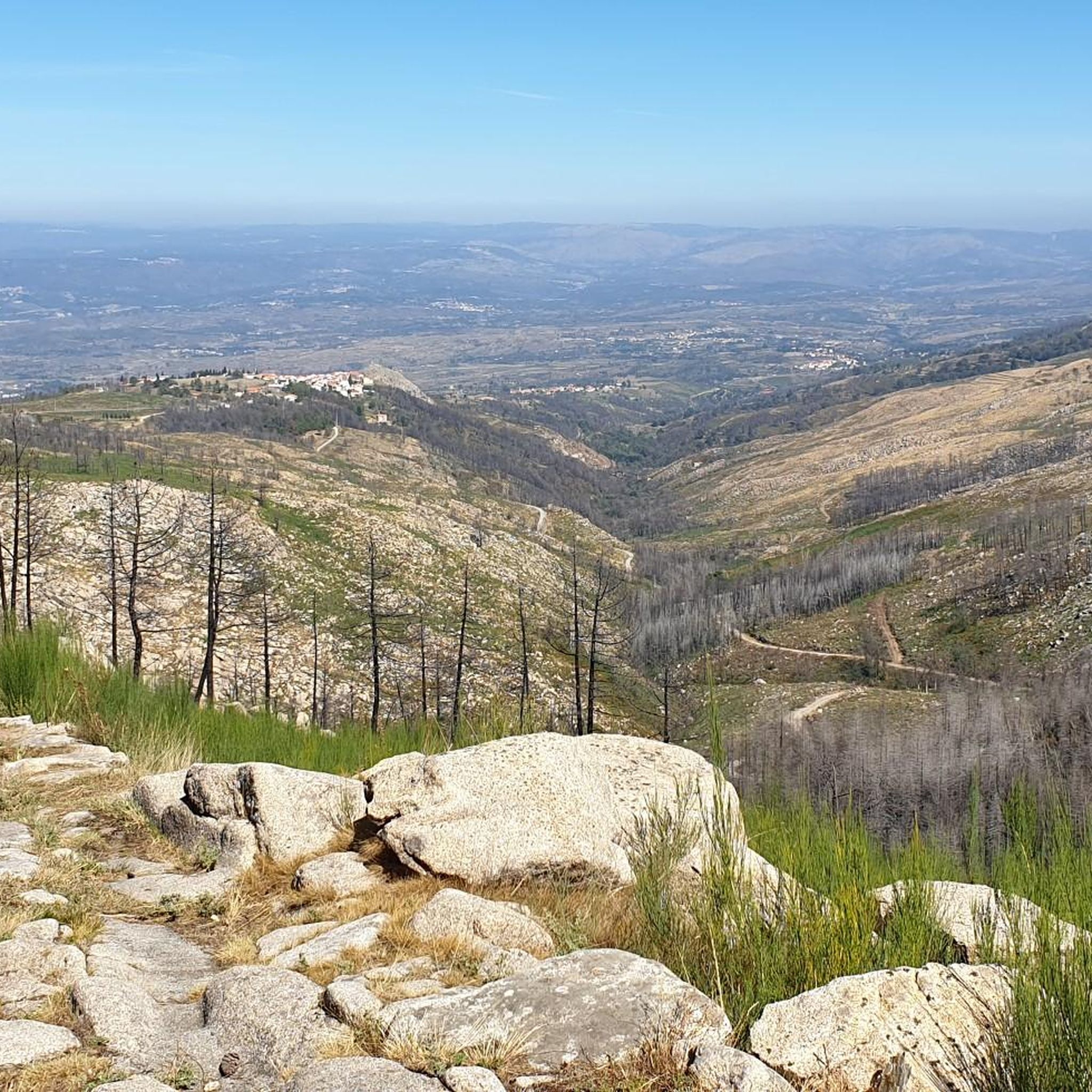
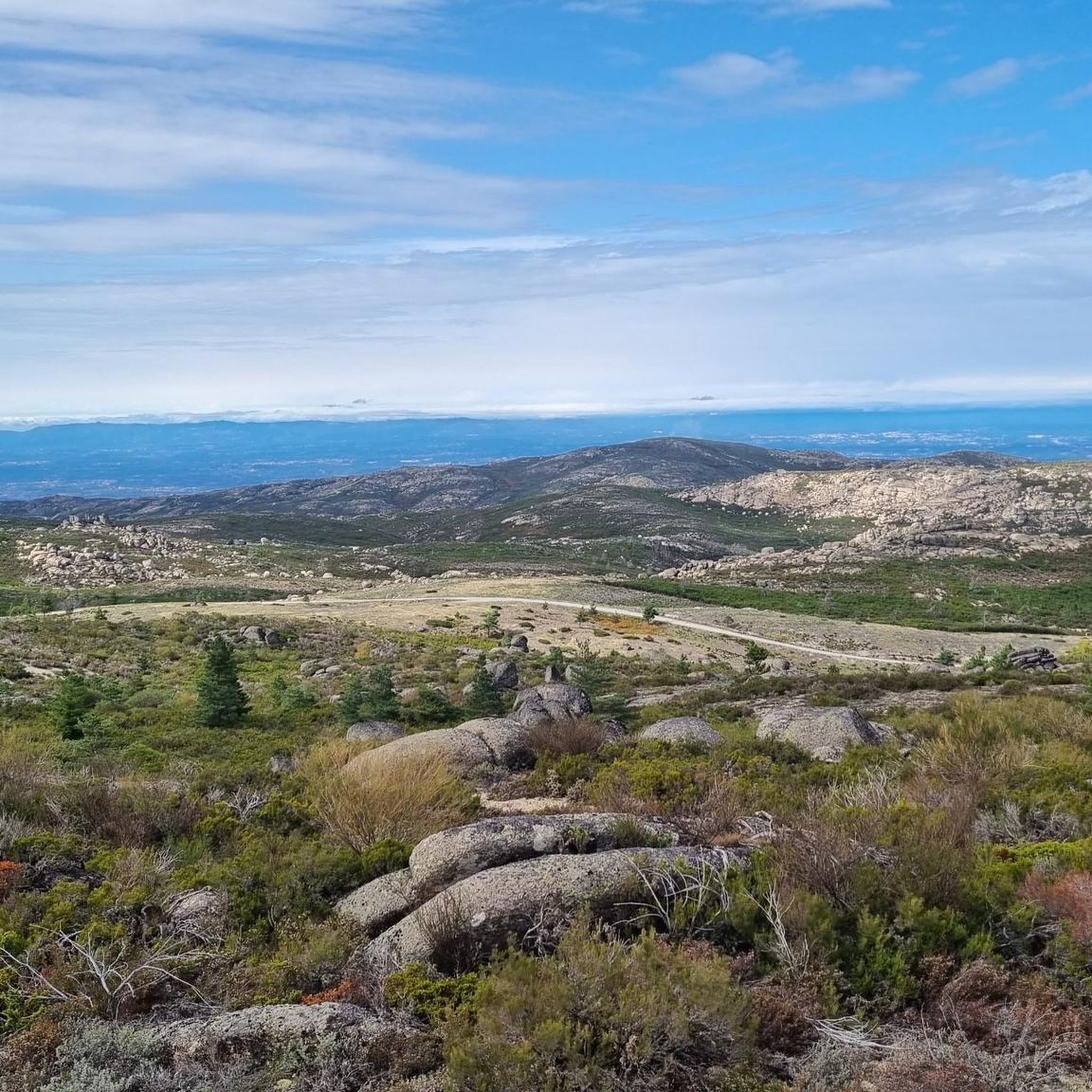
Road cycling routes around Celorico Da Beira are characterized by diverse landscapes within Portugal's Guarda District. The region is situated at the foot of the Serra da Estrela mountain range, offering varied terrain including steep ascents and descents. Cyclists encounter rock-strewn mountain landscapes and routes that follow the Mondego River, providing scenic views. This area is known for its high altitudes, making it suitable for experienced road cyclists seeking challenging rides.
Best road cycling routes around Celorico Da Beira
- The…
Last updated: July 1, 2026
12
riders
69.1km
03:38
1,040m
1,040m
Hard road ride. Very good fitness required. Mostly well-paved surfaces and easy to ride.
4.0
(1)
8
riders
54.1km
02:46
840m
840m
Moderate road ride. Good fitness required. Some segments of this route may be unpaved and difficult to ride.

Sign up for free
7
riders
Moderate road ride. Good fitness required. Mostly well-paved surfaces and easy to ride.
6
riders
80.7km
04:03
1,170m
1,170m
Hard road ride. Very good fitness required. Mostly well-paved surfaces and easy to ride.
4
riders
22.4km
01:05
280m
280m
Easy road ride. Great for any fitness level. Mostly well-paved surfaces and easy to ride.
Get access to more routes and recommendations from other explorers.
Sign up for free
Already have an account?
Our route recommendations are based on thousands of hikes, rides, and runs completed by other people on komoot.
Start today with a free account
Your next adventure awaits.
Login or Signup
Other adventures around Celorico Da Beira

Tips from the Community

The statue, in honor of D. Sancho I (second King of Portugal), was inaugurated on May 28, 1956. The pedestal bears the inscription: "D. Sancho I, 2nd King of Portugal 1185 – 1211, granted Guarda city charter on November 27, 1199."
2
0
A cathedral steeped in history, with tombs within the church, views over the city, and beautiful statues. Tickets cost €1.50 to enter the cathedral and €2.50 to visit the cathedral and the viewpoint over the city.
2
0

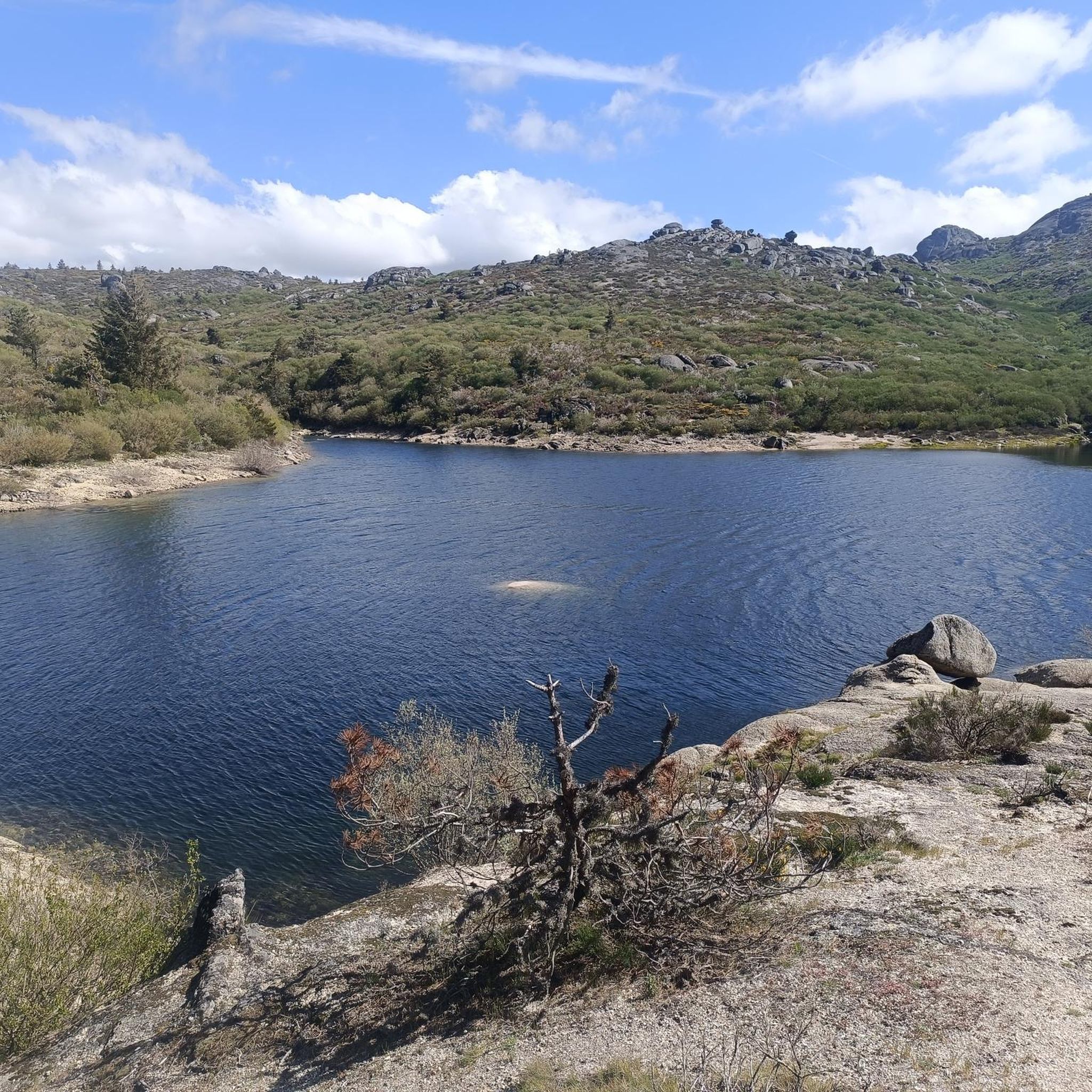
The Mondego, the largest river with a wholly Portuguese soul, offers a crossing here: a dam that serves as a natural bridge. Tread carefully, but don't forget to look up, because the view from the heart of the river is unique. The crossing is usually easy in any season, but if the rains are heavy, it's best to turn around and let the current take its course.
2
0

The city of Guarda, known as the highest city in Portugal, has a rich history dating back to the Middle Ages. Founded by King Sancho I in 1199, the city played a crucial role in defending the Portuguese border and in the country's history. The city is home to several historic buildings, such as the Church of São Vicente, the former Convent of São Francisco, and the Guarda Museum, housed in the former Episcopal Palace. The city has undergone continuous development, honoring its past and seeking modernization, without losing sight of its historical and cultural heritage. 👍
2
0

Its ancient castle contrasts with the fears and fears experienced by the people of yesteryear. It was a border town, the scene of many important battles and struggles for the formation and independence of the kingdom. It received important privileges. D. Afonso Henriques granted it a charter and D. Afonso III the charter of Feira. D. Dinis ordered the construction of the walls that still protect a village where Christians and Jews lived together. The ring of walls that still surround the old medieval town, as well as the vast civil and religious architectural heritage, give the Historic Centre a unique image.
3
0
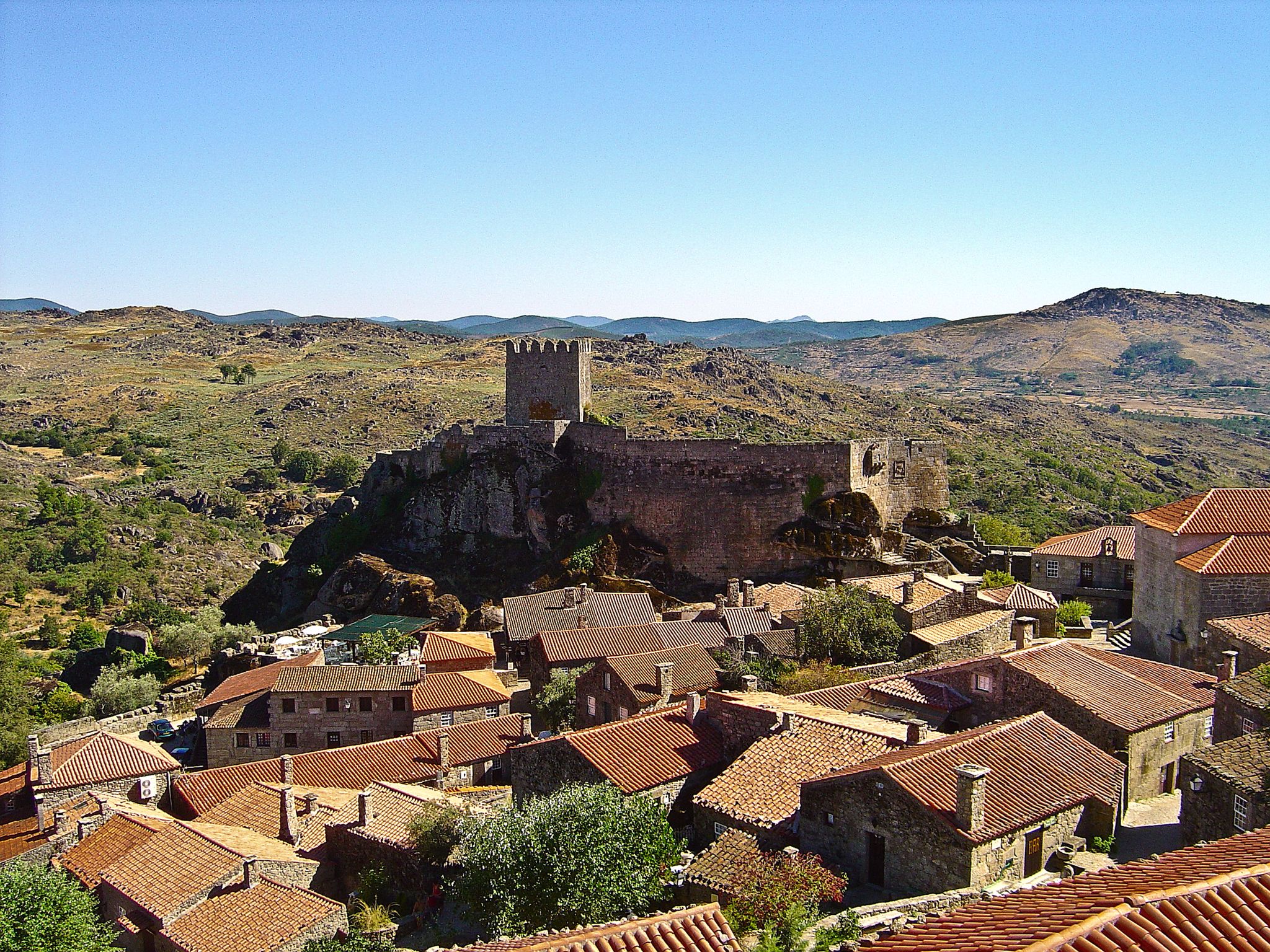
The Castle of Trancoso is erected atop a hill in the North-Easternmost extreme of the city of Trancoso, within the district of Guarda, Portugal. It is a castle build in between the 10th and 13th centuries, featuring towers and the characteristic walls inclined to the tower of Moorish connotations. From the primitive castle appears the walled fortress with five towers and an homage one, the walls featuring several gates as well. Among these, the Porta do Rei stands out the most for being flanked by two towers.
2
0
The Castle of Trancoso is erected atop a hill in the North-Easternmost extreme of the city of Trancoso, within the district of Guarda, Portugal. It is a castle build in between the 10th and 13th centuries, featuring towers and the characteristic walls inclined to the tower of Moorish connotations. From the primitive castle appears the walled fortress with five towers and an homage one, the walls featuring several gates as well. Among these, the Porta do Rei stands out the most for being flanked by two towers.
2
0

Trancoso is one of the 12 historic villages in Portugal with a castle, city wall, Jewish quarter and a small, picturesque old town. In this place was the marriage of Dom Dinis and Saint Elizabeth of Portugal (Isabel de Aragon, also called Rainha Santa Isabel).
4
0
Frequently Asked Questions
What kind of terrain can I expect when road cycling around Celorico da Beira?
Road cycling around Celorico da Beira offers diverse terrain, from challenging mountainous landscapes at the foot of the Serra da Estrela with significant ascents and descents, to scenic routes following the Mondego River. You'll encounter rock-strewn mountain areas and high-altitude sections, making it ideal for cyclists seeking varied and demanding rides.
How many road cycling routes are available in the Celorico da Beira area?
There are over 40 road cycling routes available around Celorico da Beira, catering to various skill levels from easy to difficult. This includes 25 moderate and 18 difficult routes, ensuring a wide range of options for your ride.
Are there any easy road cycling routes suitable for beginners in Celorico da Beira?
Yes, there is at least one easy road cycling route. For example, the Praia Fluvial do Cadoiço loop from Vila Cortês da Serra is an easy 22.4 km path with moderate elevation gain, perfect for those looking for a less strenuous ride.
What are some notable natural features or viewpoints I can see along the road cycling routes?
Many routes offer stunning natural features and viewpoints. You can experience the majestic Serra da Estrela mountain range, follow the scenic Mondego River, and enjoy breathtaking vistas from points like the Alto Mondego Viewpoint. Some routes also pass by crystal-clear streams and old bridges.
What is the best time of year to go road cycling in Celorico da Beira?
The best times for road cycling in Celorico da Beira are during spring and fall. During these seasons, temperatures are mild and rainfall is minimal, providing ideal conditions for enjoying the diverse landscapes without extreme heat or cold.
Are there any challenging routes for experienced road cyclists?
Absolutely. The region is known for its high altitudes and mountainous terrain, offering several difficult routes. The Torre de Menagem – Chafariz da Dorna loop from Minhocal is a difficult 69.7 km trail with significant elevation gain, and the Anta de Pêra do Moço loop from Celorico da Beira is another challenging option at 80.7 km.
What kind of cultural or historical attractions are near the cycling routes?
Beyond cycling, you can explore several cultural and historical attractions. The Castle of Celorico da Beira offers panoramic views, and you can visit the Aldeia Histórica de Linhares da Beira. The region is also famous for its Serra da Estrela cheese, offering unique gastronomic experiences.
What do other road cyclists say about the routes in Celorico da Beira?
The road cycling routes in Celorico da Beira are highly rated by the komoot community, with an average score of 4.0 stars from 8 reviews. Cyclists often praise the varied terrain, from challenging mountain climbs to picturesque river views, and the overall beauty of the Serra da Estrela foothills.
Are there any loop trails for road cycling in Celorico da Beira?
Yes, many road cycling routes in the area are designed as loops. Examples include the Weir on the Mondego loop from Vale de Azares, which offers scenic views along the Mondego River, and the Roadbike loop from Aldeia Viçosa, leading through varied landscapes.
Can I find routes that feature waterfalls or other water elements?
While specific routes featuring waterfalls are not highlighted in the main guide, the region is home to natural water features. The Caldeirão Waterfall is an attraction in the broader area, and many routes follow the Mondego River, offering views of its crystal-clear streams and passing by the Boça Nova dam.
Are there any specific landmarks or points of interest along the routes?
Yes, you can find several points of interest. The Mondego Boardwalks offer opportunities for scenic walks, and the Alto Mondego Viewpoint provides stunning vistas. Additionally, routes may pass near historical sites like the Praça Luís de Camões (Old Square) in Guarda or the Castle Walls of Trancoso.
Most popular attractions around Celorico Da Beira

Get inspired with the komoot mobile app


Explore more
Browse the best Road cycling routes in other regions.
