Attractions and Places To See around Sousel - Top 20
Attractions and places to see around Sousel include a blend of historical landmarks, cultural sites, and serene natural landscapes in the heart of Alentejo, Portugal. The town is characterized by its traditional architecture and narrow streets, reflecting a deep connection to its medieval past. The surrounding area features extensive olive groves and significant elevations like Serra de São Miguel, offering panoramic views. Sousel provides a tranquil setting for exploring Alentejan heritage and natural beauty.
Best attractions and places to see…
Last updated: August 26, 2026
Gadanha Fountain, Estremoz
Highlight • Monument
Translated by Google •
Tip by

Estremoz Castle
Highlight • Castle
Translated by Google •
Tip by

Sign up now to discover places like this
Get recommendations on the best single tracks, peaks, & plenty of other exciting outdoor places.
Sign up for free
Statue of Queen Saint Isabel
Highlight • Monument
Translated by Google •
Tip by
Vimieiro, land of music and musicians
Highlight • Monument
Translated by Google •
Tip by

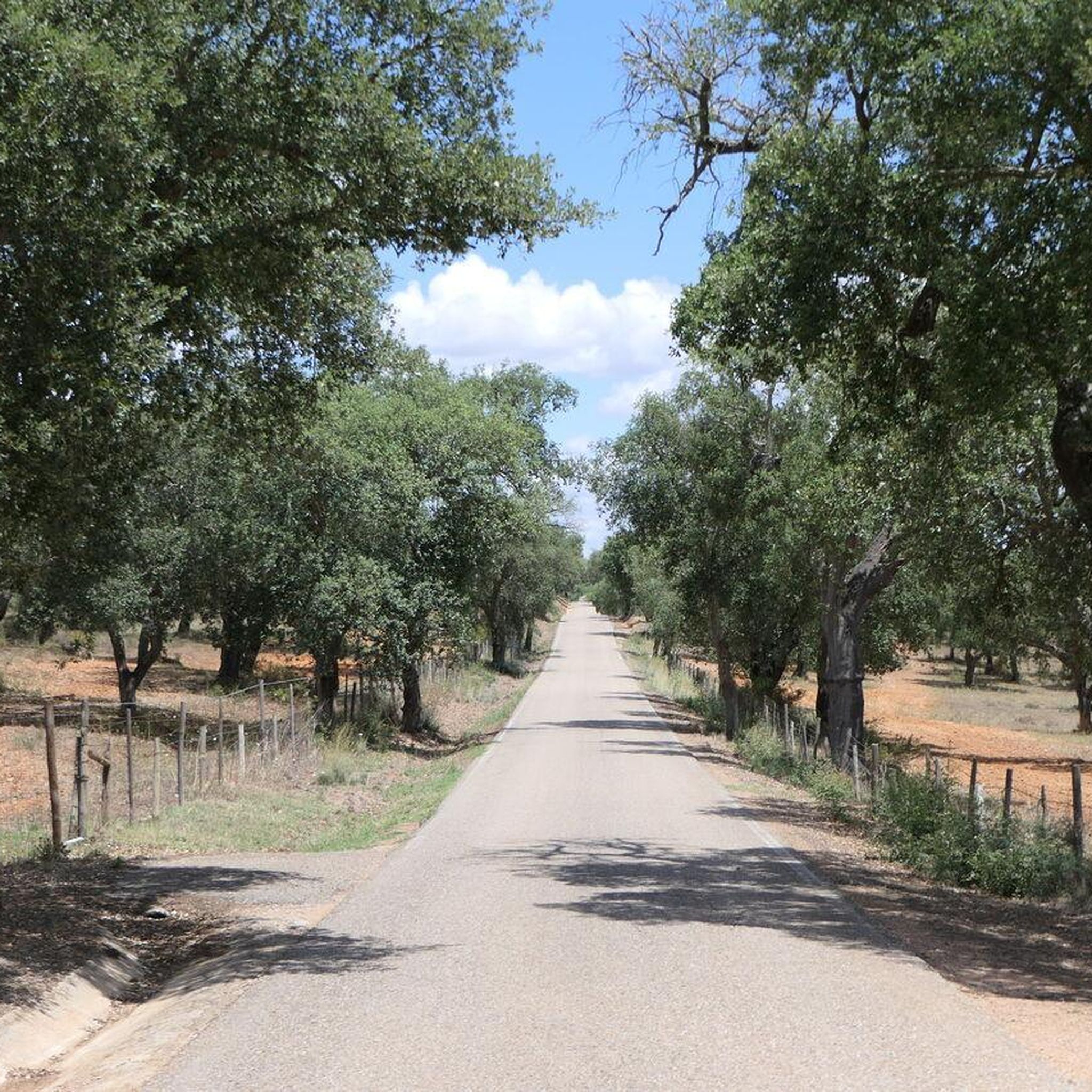
Alentejo Dirt Road
Highlight • Trail
Tip by

Sign up for free to discover even more attractions around Sousel.
Sign up for free
Already have an account?
Start today with a free account
Your next adventure awaits.
Login or Signup
Tips from the Community

The dirt roads and trails of Alentejo, Portugal, offer extraordinary natural routes. The best-known sections are along the Rota Vicentina (the Fishermen's Trail and the Historical Way) and on the dirt tracks of the rural hinterland between Évora and the Atlantic coast.
0
0

Vimieiro was a municipal seat between 1257 and 1855. Two charters are known, the first granted by D. Francisco Bruno Neves, Bishop of Évora, in 1257, and the second by D. Manuel I, King of Portugal, in 1512. In 1801, it consisted of the parishes of the town and Santa Justa. It then had 1,819 inhabitants and an area of 266 km². In 1849, it consisted only of the parish of the town. It was suppressed by the administrative reform of 1855, consequently losing its status as a town, a fact that the coat of arms with a mural crown of four visible towers still marks today.
2
0

The town of Vimieiro, as a “land of music and musicians”, intends to promote a project of national scope, with the creation of a museum space on philharmonic music with a musical training component that allows the preservation of knowledge and traditions in this area and, simultaneously, the holding of “artistic residencies”, as well as the construction of an auditorium where the arts of music and speech can take place, valuing music teaching, the holding of workshops and other activities that the final plan should include. (Source: www.tribunaalentejo.pt )
14
0

The pousada is a castle built by King Dionysius for Queen Elizabeth of Portugal in the 13th century. It is located in the heart of the old town and is considered one of the most beautiful pousadas in Portugal.
3
0
The view of the castle from the west is particularly impressive. There you can clearly see the fortress character with its protruding walls.
5
0
Unfortunately, access to the viewing platform and the statue will be closed in May 2025.
5
1
Fonte da Gadanha Square is dominated by Lake Gadanha. Next to it is the 13th-century Convento São Francisco, dating from the reign of King Afonso III, which served as a barracks after secularization. From here, you have a magnificent view up to the castle and the castle. The square is surrounded by other interesting monuments and fountains.
4
1
The famous statue of "Gadanha," located in the lake, originates from the Congregados Monastery and was only moved to the center of the lake in the mid-19th century. It originally represented the god Saturn, a symbol of abundance. The inscription on the base reads: "Time passes quickly."
3
0
Frequently Asked Questions
What historical and cultural sites can I explore within Sousel town?
Sousel town offers a rich array of historical and cultural sites. You can visit the Museu dos Cristos, which houses over 900 pieces dedicated to the figure of Christ. Other significant religious buildings include the Igreja do Convento de Santo António, the Igreja Matriz de São João Baptista, and the Igreja da Misericórdia. The civic center features the Câmara Municipal de Sousel e Pelourinho, a symbol of municipal autonomy since medieval times. Don't miss the Igreja de Nossa Senhora da Orada, linked to D. Nuno Álvares Pereira, or the historic Torre do Álamo, also known as "Camões Tower".
Where can I find panoramic views of the Alentejo plains near Sousel?
For breathtaking panoramic views, head to the Serra de São Miguel. This hill offers 360º views over the magnificent Alentejo plains. At its summit, you'll find a bullring and an old chapel dedicated to Saint Michael. There's also the Baloiço da Serra de São Miguel, a swing that provides a unique photo opportunity with the landscape as a backdrop.
Are there any notable attractions in nearby towns or areas around Sousel?
Yes, several notable attractions are located in the surrounding areas. In Estremoz, you can visit the Gadanha Fountain, a man-made monument featuring a statue of "Gadanha." Also in Estremoz is the impressive Estremoz Castle, known for its pentagonal floor and a spectacular 27-meter high keep made of white marble. Another significant monument is the Statue of Queen Saint Isabel, commemorating the queen who died in Estremoz Castle.
What kind of natural landscapes can I expect to see around Sousel?
The Sousel region is characterized by serene natural landscapes. You'll find extensive olive groves, reflecting the area's agricultural importance. Beyond the Serra de São Miguel, other significant elevations like Serra de São Bartolomeu and Serra do Caixeiro feature olive groves, scrubland, and shrubby vegetation, home to various wildlife. For a peaceful retreat, Cano Park offers a sanctuary of serenity with carefully arranged natural elements.
Are there opportunities for cycling near Sousel?
Absolutely! The Sousel area is great for cycling. You can find various routes for different types of cycling. For road cycling, explore options like the "Roadbike loop from Avis" or the "Alter do Chão Castle – Ribeira Grande Bridge loop from Avis." If you prefer general cycling, consider routes such as "Estremoz – Town of Borba loop from Estremoz" or "Entrance to Estremoz – Estremoz Marble Quarries loop from Estremoz." You can find more details and routes on the Road Cycling Routes around Sousel and Cycling around Sousel guide pages.
What options are available for running or jogging in the Sousel area?
For runners, there are several trails around Sousel. You can find routes like the "Running loop from Estremoz" or the "Palacete Vieira da Silva loop from Estremoz," which offer moderate difficulty. Another option is the "Running loop from Avis." These routes provide a good way to explore the local scenery while staying active. Discover more running trails on the Running Trails around Sousel guide page.
Are there any family-friendly places to stay or visit near Sousel?
Yes, for families looking for a nature-oriented stay, Camping Bubulcus & Bolotas is a beautifully located natural campsite. It's known for being family-friendly and offers extensive grounds for walking and enjoying the outdoors. While specific family activities within Sousel town are not detailed, the tranquil atmosphere and natural surroundings provide a relaxing environment for families.
What is the significance of Estremoz marble in the region?
Estremoz is famously known as the “white city” of the Alentejo, largely due to its deposits of white marble, the renowned “Estremoz Marble.” This marble has brought international fame to the city, making Portugal the second-largest exporter globally, with Estremoz contributing approximately 90% of the total marble. You can see this beautiful material used in local architecture, such as the keep of Estremoz Castle.
What is the history behind Vimieiro, a town near Sousel?
Vimieiro, a town near Sousel, has a rich history, once serving as a municipal seat between 1257 and 1855. It is particularly known as a “land of music and musicians,” with plans to promote a national project including a museum space on philharmonic music and an auditorium. The town's historical significance is also marked by its two known charters, granted in 1257 and 1512.
What is the best time to visit Sousel for outdoor activities?
Sousel, located in the Alentejo, experiences hot, dry summers and mild winters. For outdoor activities like hiking and cycling, the spring (April to June) and autumn (September to October) months are generally ideal. During these periods, the weather is pleasant with comfortable temperatures, making it perfect for exploring the natural landscapes and historical sites without the intense heat of summer.
Are there any unique historical houses or manors to see in Sousel?
Sousel's historical center features several notable houses and manors that reflect its past. You can find the House and Mill of the Bastos Ribeiro Family, an important historical site. Additionally, the Manor House of the Calça e Pina Family is significant, as this family played a crucial role in Sousel's development during the 18th century. These buildings offer a glimpse into the town's architectural heritage.

Get inspired with the komoot mobile app


Explore more
Still not found the Highlight you’re looking for? See guides of the top attractions in other regions:
