Attractions and Places To See around Arraiolos - Top 20
Attractions and places to see around Arraiolos offer a blend of historical landmarks, cultural sites, and natural landscapes in the Alentejo region of Portugal. The town is known for its unique circular castle and traditional hand-embroidered carpets. Visitors can explore a variety of sites, from ancient Roman ruins to significant religious buildings and scenic natural areas. The surrounding plains feature cork oak forests and dams, providing opportunities for outdoor activities.
Best attractions and places to see around Arraiolos
- The most popular attractions is Roman Temple of Évora, a historical site that was built in the 1st century AD. It is considered one of the most important symbols of Roman and Lusitanian civilizations in Évora and Portugal.
- Another must-see spot is Giraldo Square, a historical site and the main square of Évora. Built of marble around the Henriquina Fountain, it forms the city center and features numerous cafes and traditional shops.
- Visitors also love Chapel of Bones (Capela dos Ossos), Church of São Francisco, Évora, a religious building with inner walls covered with human skulls and bones. This unique ossuary offers a distinct historical experience.
- Arraiolos is known for its historical sites, religious buildings, and natural features. The region offers a variety of attractions to see and explore, including ancient structures, cultural centers, and scenic landscapes.
- The attractions around Arraiolos are appreciated by the komoot community, with more than 160 upvotes and 150 photos shared.
Last updated: July 2, 2026
Giraldo Square
Highlight • Historical Site
Translated by Google •
Tip by

Roman Temple of Évora
Highlight • Historical Site
Translated by Google •
Tip by
Sign up now to discover places like this
Get recommendations on the best single tracks, peaks, & plenty of other exciting outdoor places.
Sign up for free
Chapel of Bones (Capela dos Ossos), Church of São Francisco, Évora
Highlight • Religious Site
Translated by Google •
Tip by
Silver Water Aqueduct (Évora)
Highlight • Monument
Translated by Google •
Tip by
Évora Cathedral (Sé Catedral de Évora)
Highlight • Religious Site
Translated by Google •
Tip by

Sign up for free to discover even more attractions around Arraiolos.
Sign up for free
Already have an account?
Start today with a free account
Your next adventure awaits.
Login or Signup

Tips from the Community

The cathedral is a must-visit when in Évora. The entrance fee is very reasonable! First, climb the tower and enjoy a fantastic view from the roof of the cathedral. As you descend into the cloister, the beautiful yellow light from the window immediately catches your eye. Simply fascinating!
1
0
A must-see for anyone visiting Évora. Its morbid charm is fascinating, and the thousands upon thousands of bones serve as a reminder of one's own mortality. On the ceiling, you can discover various paintings and sayings about death and dying, and I would never have imagined how decoratively the bones were arranged in the chapel.
5
0

Visiting hours: - Daily from 9:00 AM to 6:30 PM - There is a fee per visit.
7
0
The Chapel of Bones is a monument of penitential architecture. Dedicated to the Lord of the Steps, an image known to the people of Évora as the Lord Jesus of the House of Bones. It is located in the Church of São Francisco, on Largo 1° de Maio, next to the municipal market.
8
0
Giraldo Square is the main square in the city of Évora. It has undergone several changes over the years. Not so long ago, a traffic policeman stood there, directing the direction of Rua Cinco de Outubro, when cars circulated here and around the square. It was a parking lot and passenger pick-up point for a large fleet of taxis. It was the venue for meetings and business dealings among local farmers every Tuesday. Nowadays, it is largely occupied by the terraces of the surrounding restaurants and pastry shops. 👍🥾
4
0

In the historic center of the tranquil town of Évora stands the Roman Temple of Évora. The city's landmark is often also called the Temple of Diana, but historically has nothing to do with the Roman goddess of the hunt. A dedication to the highest deity Jupiter is more likely. The Roman Temple of Évora was probably built in the 1st century AD during the reign of Emperor Augustus and later modified under Emperor Claudius. The magnificent structure reflects Roman architecture with Corinthian-style columns.
3
0

This Renaissance-style aqueduct was built between 1532 and 1537 and eventually supplied the entire population of Évora with clean drinking water. The city is located in an arid region with little rainfall throughout the year, so water had to be brought from a lake and a river several kilometers away. It connected the fountains over a distance of 18 km.
4
3

In Évora, all roads lead to Giraldo Square. It has always been this way since its construction in 1571/1573. Giraldo Square is an iconic tribute to Geraldo Geraldes, the Fearless, who conquered Évora from the Moors in 1167. In gratitude for this great feat, King Afonso Henriques appointed him mayor of the city and chief borderer of the Alentejo, a region he would help conquer. In the coat of arms of Évora, we see Geraldo Geraldes, sword in hand, on horseback, and at his feet are the heads of the Moor and his daughter, who resided in the castle the warrior attacked and where he seized the city keys. After the city of Évora fell under the Portuguese crown, its heritage, consisting of sculptures and a triumphal arch, was destroyed and the fountain, now a center of attention for Évora residents and tourists in Giraldo Square, was built. This Baroque-style fountain is made of marble and has eight spouts, each associated with a main street in Giraldo Square. A crown sits atop it. According to popular legend, Philip III of Spain, in 1619, deemed the fountain worthy of being crowned.
7
1
Frequently Asked Questions
What historical landmarks can I explore in Arraiolos?
Arraiolos is rich in history. You can visit the unique circular Arraiolos Castle, a 14th-century fortress offering panoramic views. The 16th-century Arraiolos Pillory in the main square and the 19th-century Stone Fountain are also notable. For ancient history, consider the Roman Temple of Santana do Campo, which incorporates relics from a 2nd or 3rd-century Roman temple.
Where can I learn about Arraiolos' famous carpets?
Arraiolos is internationally renowned for its hand-stitched woollen carpets. The best place to learn about this tradition is the Arraiolos Carpet Interpretive Center. This renovated museum showcases historical and contemporary rugs and often features artisans demonstrating the intricate craft. You can also see the Monument to the Embroiderers of Arraiolos, dedicated to those who preserved this art.
Are there opportunities for outdoor activities and nature exploration near Arraiolos?
Yes, the Arraiolos region offers various outdoor activities. You can explore the Divor Dam and Oleirita Dam for walks, picnics, and bird watching. The surrounding landscape is characterized by vast cork oak forests, providing scenic drives and walks. For more structured activities, consider the numerous hiking, cycling, and mountain biking routes available. You can find detailed routes in the hiking guide, cycling guide, and MTB trails guide for the area.
What kind of walking and cycling routes are available around Arraiolos?
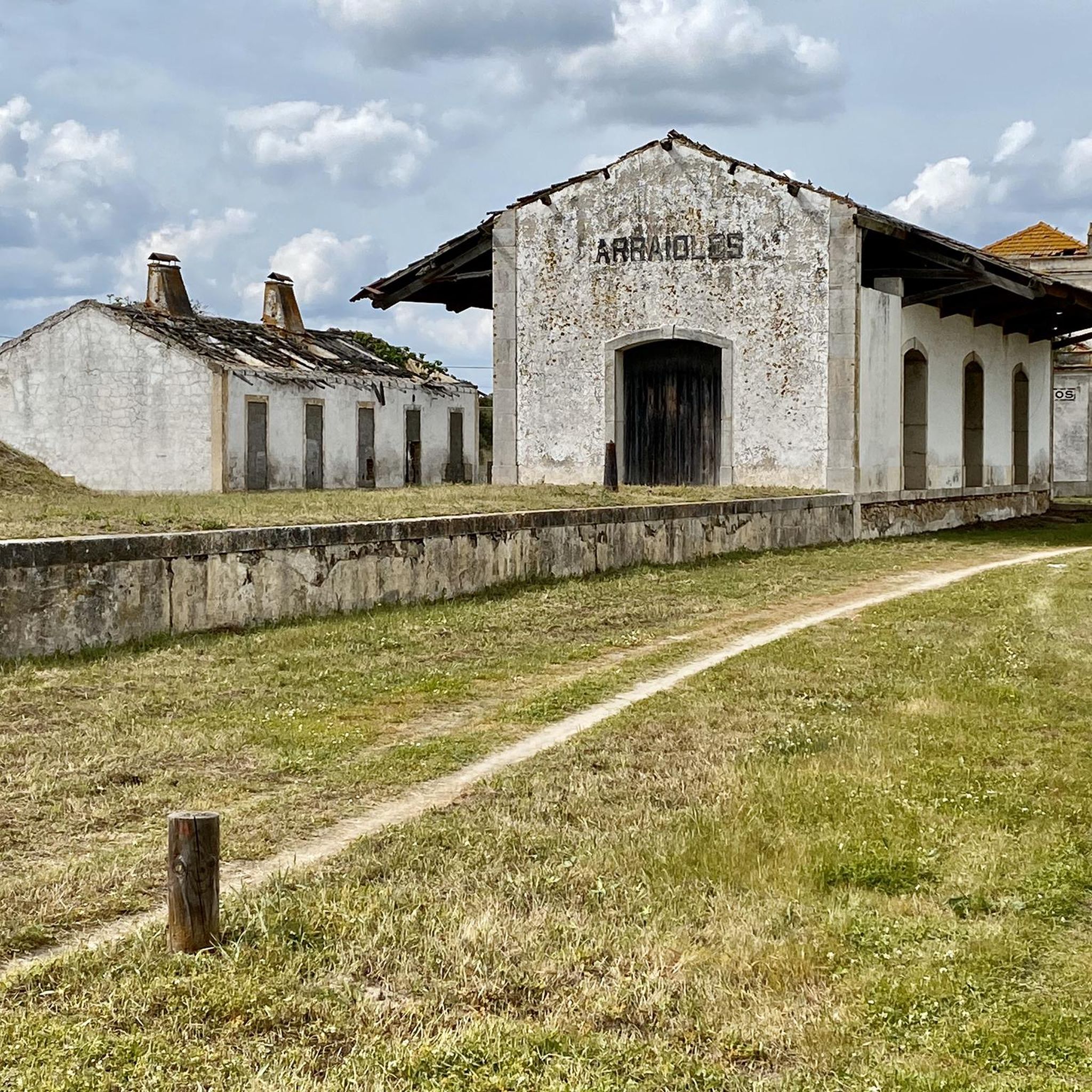
Arraiolos offers a variety of routes for walkers and cyclists. A popular walking trail is the PR4 – Rota da Sobreira Grande, a 10 km loop leading to a monumental cork oak tree. The Passadiço de Arraiolos is a newly constructed wooden walkway for accessible walking and cycling. For more options, including routes like 'Lake – Montado Cork Oak Forest loop' for hiking or 'Arraiolos Railway Station – Arraiolos Castle loop' for cycling, refer to the dedicated hiking and cycling guides.
Are there any family-friendly attractions or activities in Arraiolos?
While Arraiolos itself offers historical sites like the castle and the Carpet Interpretive Center which can be interesting for families, some of the most popular family-friendly attractions are located a short distance away in Évora. These include Giraldo Square, a lively central hub, and the Silver Water Aqueduct, where houses are built into its pillars. The natural areas around Arraiolos, such as the dams and cork oak forests, also provide pleasant settings for family walks and picnics.
Can I visit ancient Roman or megalithic sites near Arraiolos?
Yes, the region boasts significant ancient sites. The Roman Temple of Santana do Campo, located about 6 kilometers northwest of Arraiolos, features a chapel built on top of a 2nd or 3rd-century Roman temple. Further afield, about 30 minutes from Arraiolos near Évora, you can find the Almendres Megalithic Settlement (Cromeleque dos Almendres), one of Europe's largest groupings of megalithic structures, offering a fascinating glimpse into ancient human history.
What is the best time of year to visit Arraiolos for sightseeing and outdoor activities?
The Alentejo region, where Arraiolos is located, experiences hot summers. Therefore, the best time to visit for sightseeing and outdoor activities is typically during the spring (March to May) and autumn (September to November). During these seasons, the weather is milder and more pleasant for exploring historical sites, walking trails, and enjoying the natural beauty of the cork oak forests and dams.
Are there any accessible attractions in Arraiolos for visitors with mobility needs?
The Giraldo Square in Évora, a short drive from Arraiolos, is noted as wheelchair accessible. In Arraiolos itself, the newly constructed Passadiço de Arraiolos, a wooden walkway, provides accessible paths for walking and cycling through picturesque landscapes. While the historic center has winding streets, many areas are flat, and the Arraiolos Carpet Interpretive Center is generally accessible.
Where can I experience the local wine culture near Arraiolos?
The Alentejo region is renowned for its wine. Several estates near Arraiolos, such as Adega das Mouras de Arraiolos and Herdade dos Coelheiros, offer wine tourism experiences. You can enjoy tastings and tours amidst vineyards, olive groves, and cork oak trees, providing a true taste of the local culture and landscape.
What are some less-known or 'hidden gem' attractions in the Arraiolos area?
Beyond the main highlights, consider exploring the Hundred-year-old dyeing rooms in the main square, remnants of the town's textile history. The Arraiolos Public Garden offers a pleasant, tranquil spot for a stroll. For a unique historical experience, the Convent of Lóios, now a guesthouse, showcases distinct architectural styles and impressive tiles, offering a glimpse into the region's religious heritage.
How can I explore the historic center of Arraiolos?
The best way to explore the historic center of Arraiolos is on foot. Wander through its winding streets, admire the traditional whitewashed houses, and discover artisan shops. You'll encounter landmarks like the Arraiolos Pillory and the Misericórdia Church, which, despite its simple exterior, houses a rich interior with a golden altar and 18th-century tiles.
What religious buildings are notable in Arraiolos?
Arraiolos features several significant religious buildings. Within the walls of Arraiolos Castle, you'll find the Church of Nossa Senhora do Castelo (also known as the Church of the Savior). The Misericórdia Church of Arraiolos is known for its ornate interior. Additionally, the Church of Nossa Senhora dos Mártires, also called the Mother Church, includes the chapel of the Steps of Christ. The Convent of Lóios, now a guesthouse, also boasts a church with Manueline-Moorish elements.
Are there any places to relax outdoors in Arraiolos?
Yes, Arraiolos offers several pleasant spots for outdoor relaxation. The Arraiolos Public Garden is a tranquil place for a leisurely stroll. The Divor Dam and Oleirita Dam, with their reservoirs, provide opportunities for walks and picnics amidst serene natural beauty. The Passadiço de Arraiolos also offers a peaceful environment for a walk or cycle through picturesque landscapes.
Most popular attractions around Arraiolos

Get inspired with the komoot mobile app


Explore more
Still not found the Highlight you’re looking for? See guides of the top attractions in other regions:
