Attractions and Places To See around Mafra - Top 20
Best attractions and places to see around Mafra include a blend of historical sites, cultural experiences, and natural landscapes. Located north of Lisbon, the region features a significant coastline with beaches and a large natural park. Mafra offers diverse points of interest, from monumental architecture to protected wildlife areas. The area provides opportunities for exploring both cultural landmarks and natural environments.
Best attractions and places to see around Mafra
- The most popular attractions is Forte do Milreu, a historical site that offers panoramic views of the coast. It is located in the parish of Ericeira and is suitable for hiking.
- Another must-see spot is Mafra National Palace, a historical site and UNESCO World Heritage Site. This 18th-century complex includes a Royal Palace, Basilica, and Convent, known for its scale and Baroque architecture.
- Visitors also love Foz do Lizandro Beach Viewpoint, a viewpoint offering panorama views from the high cliffs above the mouth of the Lizandro river. It provides views of the sandy beach on the Atlantic ocean.
- Mafra is known for its historical sites, natural parks, and coastal areas. The region offers a variety of attractions, including monumental architecture, protected wildlife, and beaches along an 11-kilometer coastline.
- The attractions around Mafra are appreciated by the komoot community, with more than 190 upvotes and over 50 photos shared.
Last updated: October 9, 2026
Foz do Lizandro Beach Viewpoint
Highlight • Viewpoint
Tip by

Magoito Beach
Highlight • Beach
Translated by Google •
Tip by

Sign up now to discover places like this
Get recommendations on the best single tracks, peaks, & plenty of other exciting outdoor places.
Forte do Milreu
Highlight • Historical Site
Translated by Google •
Tip by

The Surfer
Highlight • Monument
Translated by Google •
Tip by
Aguda Beach
Highlight • Beach
Translated by Google •
Tip by

Sign up for free to discover even more attractions around Mafra.
Already have an account?
Start today with a free account
Your next adventure awaits.
Popular around Mafra
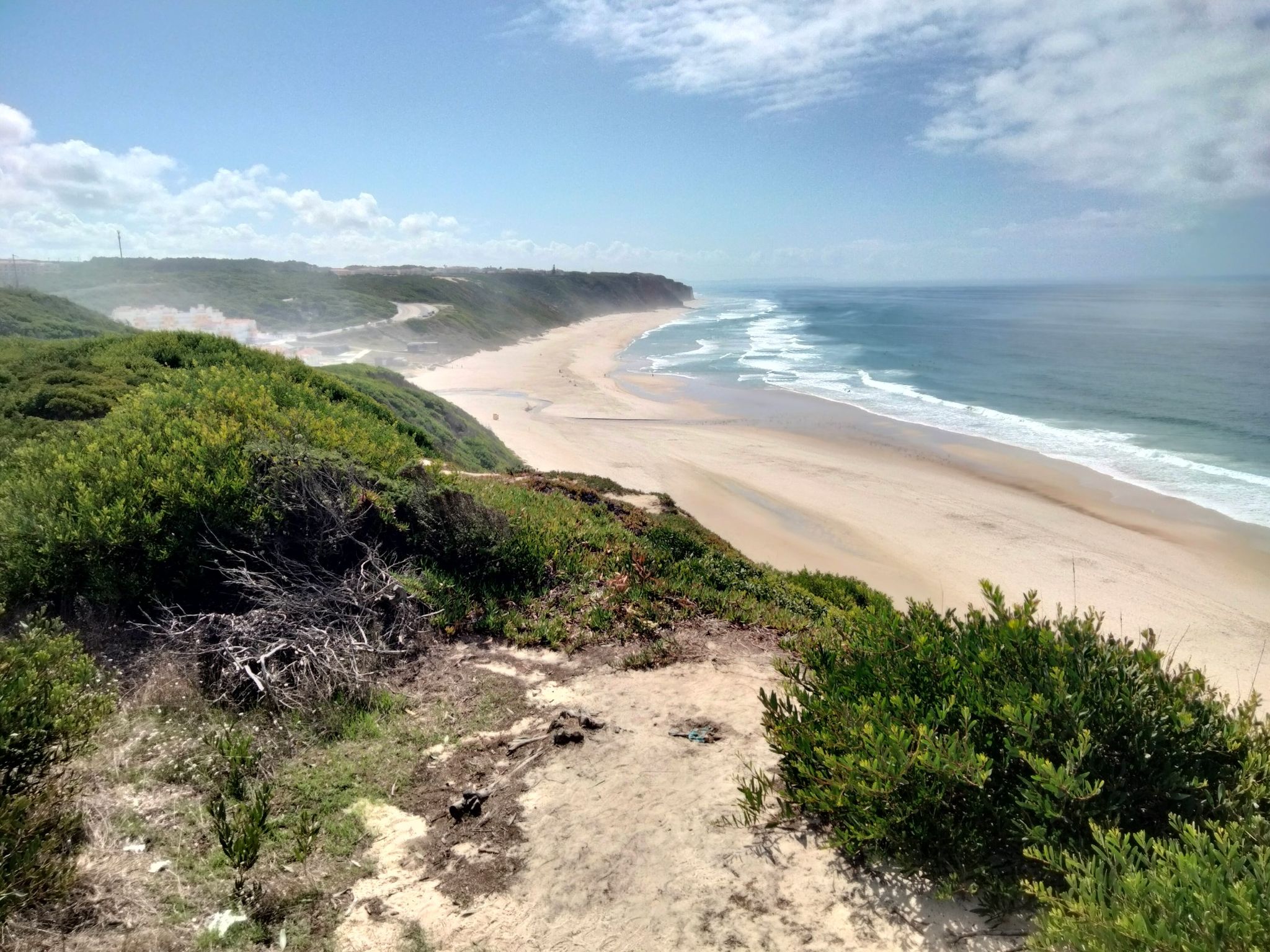
Portugal's Atlantic coast (north) – from Caminha to Lisbon
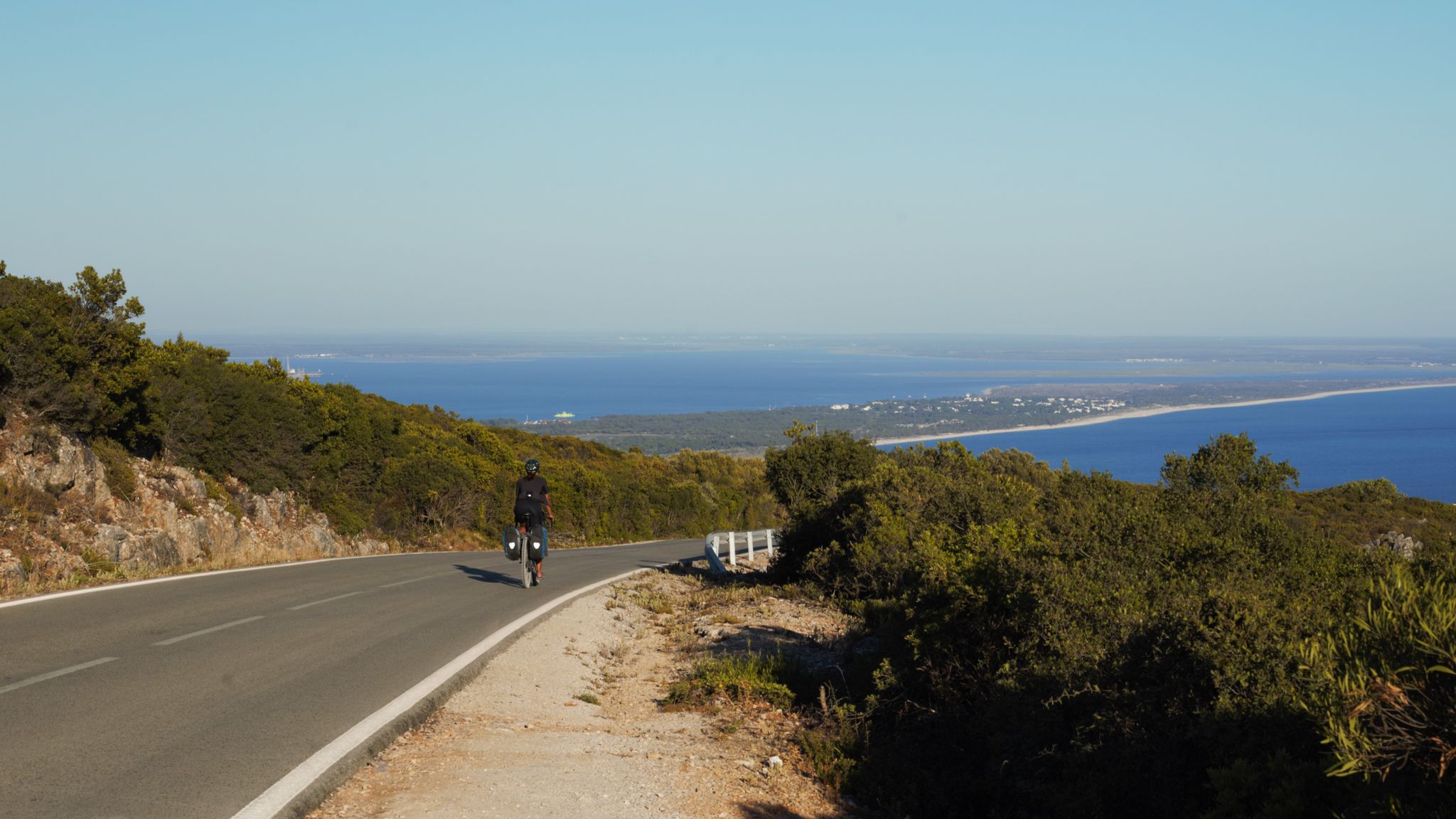
The breaking waves – cycle along the Atlantic coast of Portugal
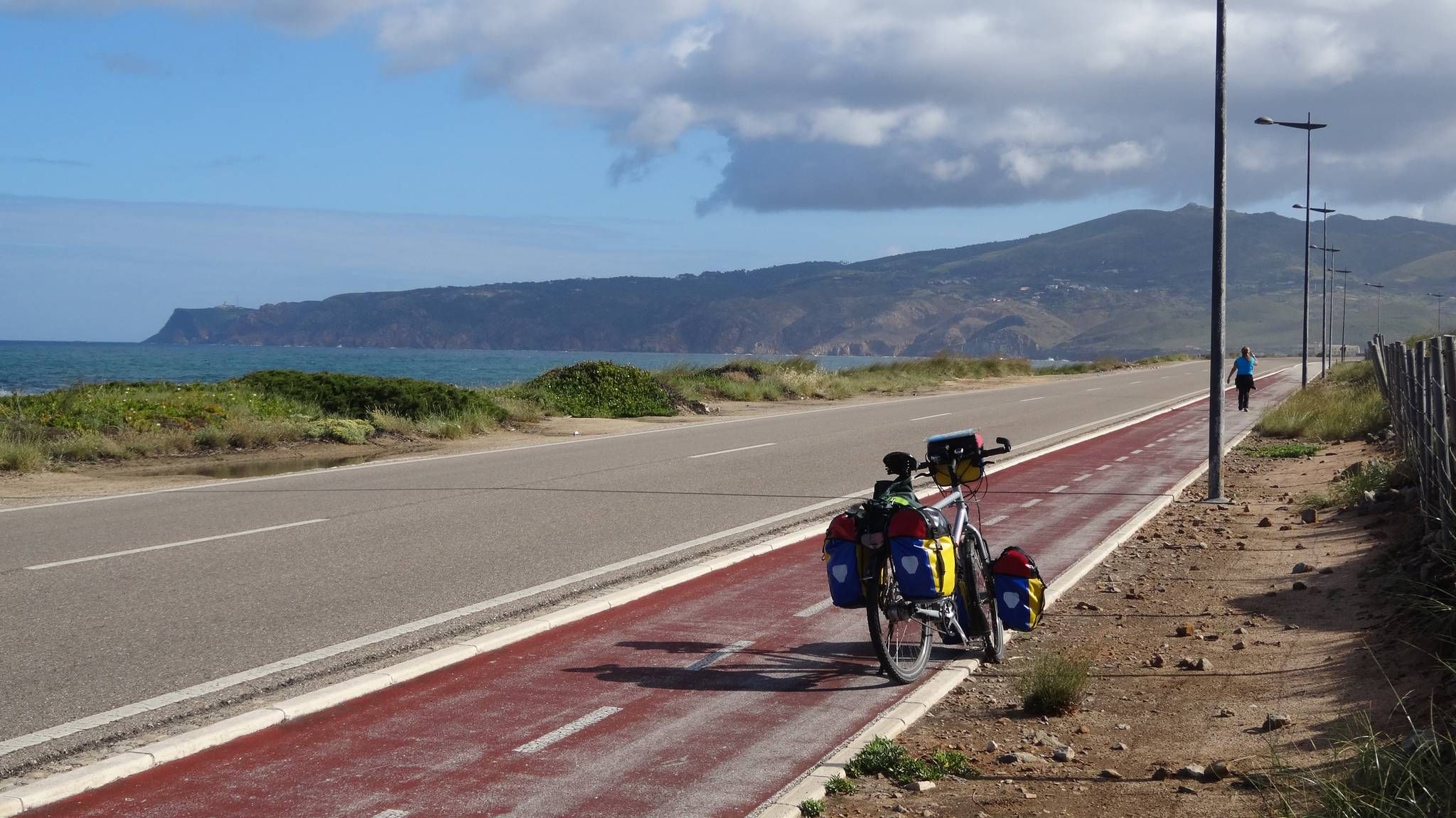
Bike Touring along Portugal's Atlantic Coast from Lisbon to Porto
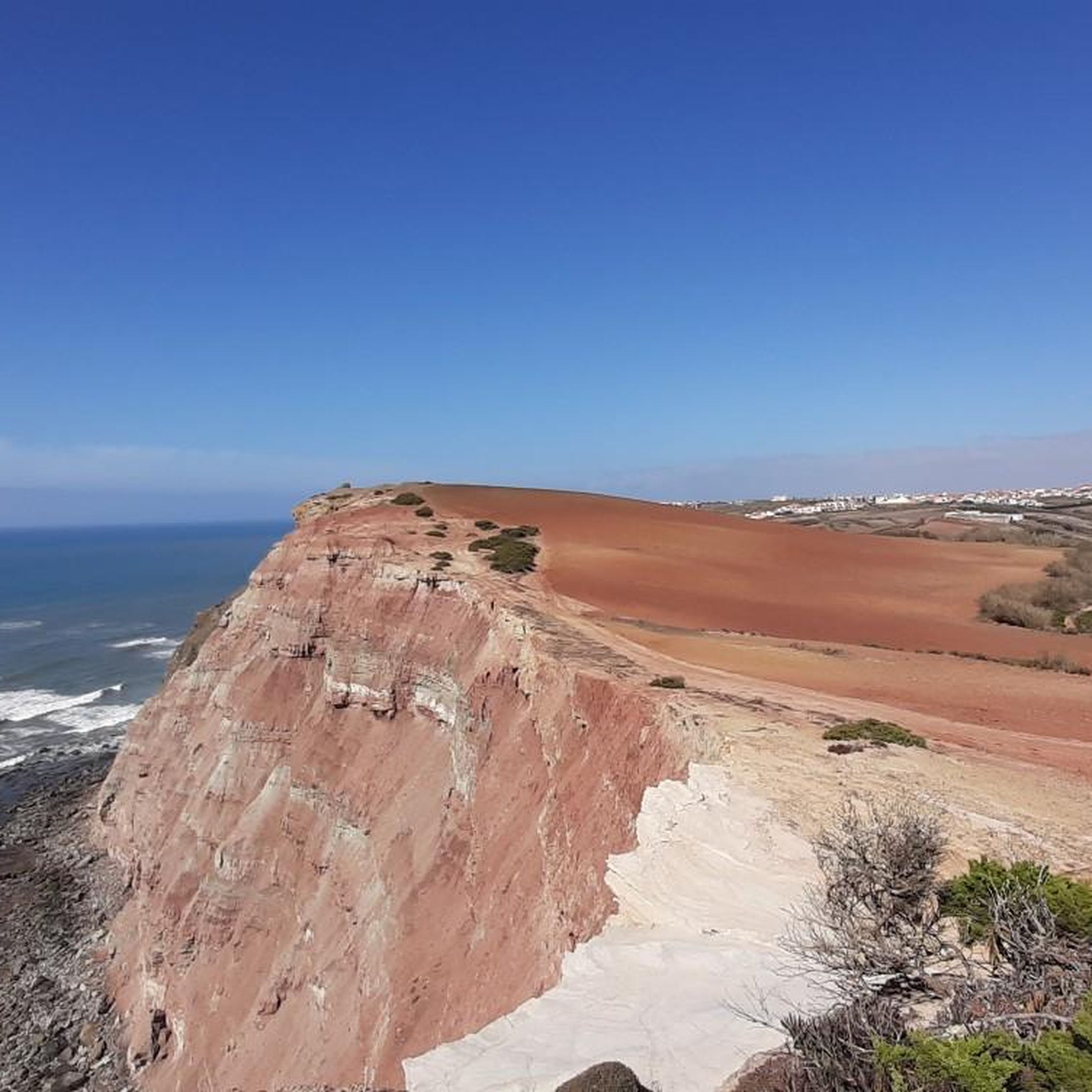
Running Trails around Mafra
Hiking around Mafra
Cycling around Mafra
Road Cycling Routes around Mafra
MTB Trails around Mafra

Gravel biking around Mafra
Other adventures around Mafra


Tips from the Community

Magoito beach is a wild gem in the west coast. Always beautiful and dramatic, this view is always comforting
0
0

The Monument to the Surfer in Ericeira, also known as the Guardian of the Ericeira World Surfing Reserve, is a statue that honors the surfing community and highlights the importance of environmental preservation. The sculpture is located at the viewpoint of Ribeira d'Ilhas Beach, one of the most famous and cosmopolitan waves in the region. Information about the monument Location: Ribeira d'Ilhas Beach viewpoint, Ericeira. Inauguration: It was inaugurated in March 2017. Other monuments dedicated to surfers already existed in Ericeira before, but this work is the symbol of the World Surfing Reserve. Authorship: The sculpture was created by local artist José Queiroz. Symbolism: The work represents the surfer as a guardian of the waves and nature, reinforcing the collective appeal for the protection of the coast and the sea. What to see at the site Panoramic view: The Ribeira d'Ilhas viewpoint offers one of the best views of the Atlantic coast, with the famous surf beach in the background. Sunset: The location is ideal for watching the sunset over the ocean, creating a spectacular landscape. Events: Ribeira d'Ilhas Beach hosts surfing championships, and the monument serves as a meeting and observation point for sports enthusiasts.
1
1
The Miradouro Praia da Foz do Lizandro is an incredible tourist spot located in Carvoeira, Lisbon, Portugal. It offers stunning views of Foz do Lizandro beach and the Atlantic Ocean. The beach itself is known for its ideal conditions for surfers and bodyboarders, and is also a popular destination for families due to its calm waters and golden sand.
2
0

A beautiful beach with easy access. From the parking lot, a wooden path leads downhill past jagged rock formations, very impressive. Here, you can see many surfers practicing their skills on the waves.
5
1
The seagulls float majestically in the air, almost effortlessly, carried by the strong updraft. Paragliders also frequently take advantage of this, staying at the same altitude for long periods.
7
3
A beautiful but steep path through low bushes starts from the road (just a few meters from the roundabout with the surfer in the middle). After a few minutes, you'll reach the fort and enjoy a magnificent view of Ericeira. Only a few walls remain, and this spot is often used by amateur photographers for photo ops.
12
2

Milreu Fort, also known as Mil Regos Fort, São Pedro de Milreu Fort or São Pedro Fort, is located in the parish of Ericeira, about 3 km north of the city. It is an excellent place for hiking and has excellent panoramic views of the coast.
9
0
A large free parking lot, from which you can descend to the beach via stairs. It's well secured with strong ropes.
6
1
Frequently Asked Questions
What historical and cultural sites can I explore in Mafra?
Mafra is rich in history and culture. The most prominent site is the Mafra National Palace, a UNESCO World Heritage site featuring a Royal Palace, Basilica, and Convent with an impressive Rococo library. You can also visit Forte do Milreu, a historical fort offering panoramic coastal views, or the unique village-museum of Aldeia Típica José Franco, which depicts traditional Portuguese life.
Are there natural parks or reserves to visit in Mafra?
Yes, Mafra offers significant natural areas. The Tapada Nacional de Mafra, a former royal hunting ground, is an extensive natural park home to diverse wildlife like deer and wild boar. It's ideal for walking, mountain biking, and wildlife viewing. Additionally, the Jardim do Cerco, located behind the National Palace, provides serene walks through 18th-century gardens.
Where can I find beaches and coastal viewpoints near Mafra?
The municipality of Mafra boasts an 11-kilometer coastline with 13 beaches, including popular spots like Porto Barril, São Lourenço, and Foz do Lizandro. For stunning views, visit the Foz do Lizandro Beach Viewpoint, offering panoramas from high cliffs. Aguda Beach is another beautiful option, accessible via stairs from a large parking lot.
What family-friendly activities are available in the Mafra region?
Families can enjoy several attractions. The Tapada Nacional de Mafra offers tourist train rides and opportunities for wildlife spotting. Aldeia Típica José Franco is a charming village-museum that delights children with its miniature replicas and bakery. The Village of Mata Pequena also features a small farm that children particularly enjoy. The The Surfer monument in Ericeira is also a family-friendly viewpoint.
What outdoor activities and trails are available around Mafra?
Mafra is excellent for outdoor enthusiasts. You can find numerous trails for various activities. For mountain biking, explore routes like 'Praia de São Julião loop from Gorcinhos' or 'River Valley Trail – Aldeia Mata Pequena loop'. Runners can enjoy trails within the Tapada Nacional de Mafra, such as the 'Tojeira (Green) trail' or 'Ribeirinho (Azul) trail'. Cyclists have options like 'Circular Route 1 of Mafra' or coastal routes like 'The Surfer – Fishermen's Beach 🏖️ loop'. You can find more details on these and other routes in the MTB Trails around Mafra, Running Trails around Mafra, and Cycling around Mafra guides.
Where can I see wolves in a semi-natural environment near Mafra?
You can visit the Iberian Wolf Recovery Center in Quinta da Murta (Gradil). This unique center provides care for wolves that cannot live in the wild, offering them semi-natural conditions within a large, wooded enclosure.
What makes Ericeira a special place near Mafra?
Ericeira, a nearby fishing village, is renowned as a World Surfing Reserve. Its 11-kilometer coastline features 13 beaches with consistent swells, making it a prime destination for surfing. The Ericeira World Surfing Reserve Interpretation Center provides insights into this status, and you can also see The Surfer monument, which celebrates the surfing community and promotes environmental preservation.
What do visitors particularly enjoy about the attractions around Mafra?
Visitors frequently highlight the impressive scale and Baroque architecture of the Mafra National Palace, often describing it as a 'must-see' and a UNESCO World Heritage Site. The panoramic coastal views from spots like Forte do Milreu and Foz do Lizandro Beach Viewpoint are also highly appreciated, especially for hiking and photography. The area's blend of historical sites, natural beauty, and opportunities for outdoor activities receives strong positive feedback.
Are there any unique architectural features to look out for in Mafra?
Beyond the colossal Mafra National Palace, which is a masterpiece of Baroque architecture, you can also admire the Igreja de Nossa Senhora do Livramento in Mafra's center, known for its beautiful Baroque design and façade decorated with blue and white tiles. The palace's Basilica is particularly famous for its six organs designed to be played simultaneously and its two carillons with 92 bells.
Can I find local markets or authentic experiences in Mafra?
For an authentic local experience, you can explore the Mafra Municipal Market. Additionally, the Aldeia Típica José Franco, while a museum, offers a glimpse into traditional Portuguese village life and craftsmanship, including a working bakery.
What is the best time of year to visit Mafra's attractions?
Mafra's attractions can be enjoyed year-round. Spring and autumn offer pleasant temperatures for exploring historical sites and natural parks. Summer is ideal for enjoying the beaches and coastal activities in Ericeira, though it can be busier. Winter provides a quieter experience for cultural sites, and the natural parks remain accessible for walks.
Most popular attractions around Mafra

Get inspired with the komoot mobile app


Explore more
Still not found the Highlight you’re looking for? See guides of the top attractions in other regions:
