Attractions and Places To See around Alenquer - Top 20
Best attractions and places to see around Alenquer, a town in Portugal's Lisbon District, offers a blend of historical landmarks and natural landscapes. Known for its picturesque hillside layout and winemaking tradition, the region features the Serra de Montejunto and the Tagus River. Visitors can explore a variety of sites reflecting its rich history and natural beauty.
Best attractions and places to see around Alenquer
- The most popular attractions is Pina Manique Palace, a man-made monument that was part of an ambitious 18th-century architectural project for a new village. Its construction remained unfinished due to the removal of its founder, Diogo Inácio de Pina Manique, from office.
- Another must-see spot is Chapel of Our Lady of the Snows (Ruins), a religious building located at the top of the Serra de Montejunto. This site includes the ruins of what is considered the first Dominican Convent in Portugal, dating back to the 12th century.
- Visitors also love Constantino Palha Municipal Garden, a municipal park stretching 400 meters along the Tagus River. It features a bandstand, lakes, and a children's playground, making it a popular destination for families.
- Alenquer is known for its historical sites, natural features, and cultural attractions. The region offers a variety of places to see, from ancient castles and religious buildings to riverside parks and vineyards.
- The attractions around Alenquer are appreciated by the komoot community, with 25 upvotes and 12 photos shared by visitors.
Last updated: August 16, 2026
Pina Manique Palace
Highlight • Monument
Translated by Google •
Tip by

Chapel of Our Lady of the Snows (Ruins)
Highlight • Religious Site
Source: Natural.pt
Next to the monument, there is a trail called "Calçada dos Frades" that runs along the slope. This cobbled path, which is also thought to be from the 18th century, was opened to serve the construction and use of the Convent of Nossa Senhora das Neves. The path was also used by the friars to access the Real Fabrica do Gelo, located further down, where today there is a laser area and an interpretive center.
Translated by Google •
Tip by
Sign up now to discover places like this
Get recommendations on the best single tracks, peaks, & plenty of other exciting outdoor places.
Sign up for free
Constantino Palha Municipal Garden
Highlight • Rest Area
Translated by Google •
Tip by

Cais da Jorna and Fishermen's Monument
Highlight • Monument
This sculpture saves the memory of the men and women who gathered on the pier looking for work (la jorna which means a day of work). The farmers or their foremen arrived by boat and hired a good part of the labor for the fields of Lezíria or for the factories of the municipality.
Translated by Google •
Tip by

Álvaro Guerra Bust, Vila Franca de Xira
Highlight • Monument
The bust is located on the pier of Vila Franca de Xira, at the beginning of the riverfront near the Fábrica das Palavras.
Álvaro Guerra was born on October 19, 1936 and died in 2002. With a large body of work, he began his literary career in 1967 with the novel "Os Mastins". In the 1980s he became known for the publication of the so-called "Café Trilogy", in which, based on conversations that took place in the city's cafés, he reported important phases of the country's history. In another field, the book "Crónicas Jugoslavas", awarded by the Portuguese Writers' Association with the Grand Prize of Chronicles, is the result of his experience as a diplomat and an essential figure of Portuguese culture.
The work is located along the central and coastal Portuguese Way.
Translated by Google •
Tip by
Sign up for free to discover even more attractions around Alenquer.
Sign up for free
Already have an account?
Start today with a free account
Your next adventure awaits.
Login or Signup

Tips from the Community

Constantino Palha Municipal Park is one of the main tourist attractions in Vila Franca de Xira, located next to the train station and the Tagus River. It occupies an area of 400 meters in front of the river and is considered the most charismatic garden in the city. Highlights: - Bandstand: a 19th-century bandstand is one of the park's main attractions, where cultural events frequently take place. - Lakes: the lakes are a characteristic element of the garden, adding a touch of serenity to the environment. - Playground: a fun area for children, making it a popular destination for families. - Cafeteria: offers a cozy place to relax and enjoy the river view. - Paths: the winding paths allow visitors to take pleasant walks through the garden, enjoying nature and the view of the Tagus River.
1
0


The palace was built by the superintendent Diogo Inácio de Pina Manique (1733-1805), who held several positions during the time of the Marquis of Pombal. His connection to the town, which came to be called Manique do Intendente and was initially called Alcoentrinho, and which belonged to the Order of Christ, dates back to the time of his uncle, who established a manor in favor of his nephew in 1773. Thus began a very ambitious project, which envisaged the creation of a town with a rationalist architectural design and which included, in addition to the palace (whose construction remained unfinished), the Town Hall, the pillory, the Palace of Justice and the church. This plan did not go ahead due to Pina Manique's removal from the position of superintendent and his premature death.
4
0
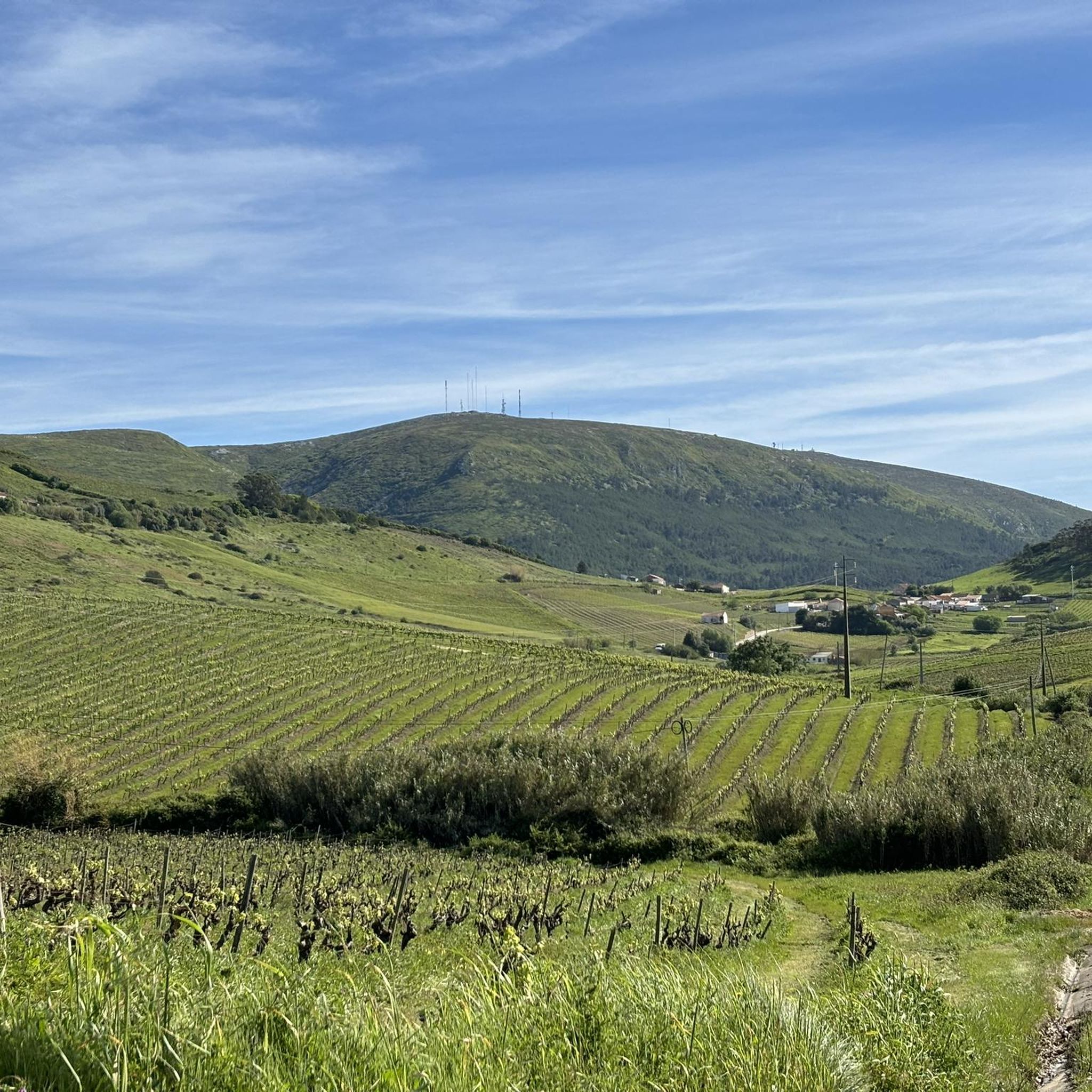
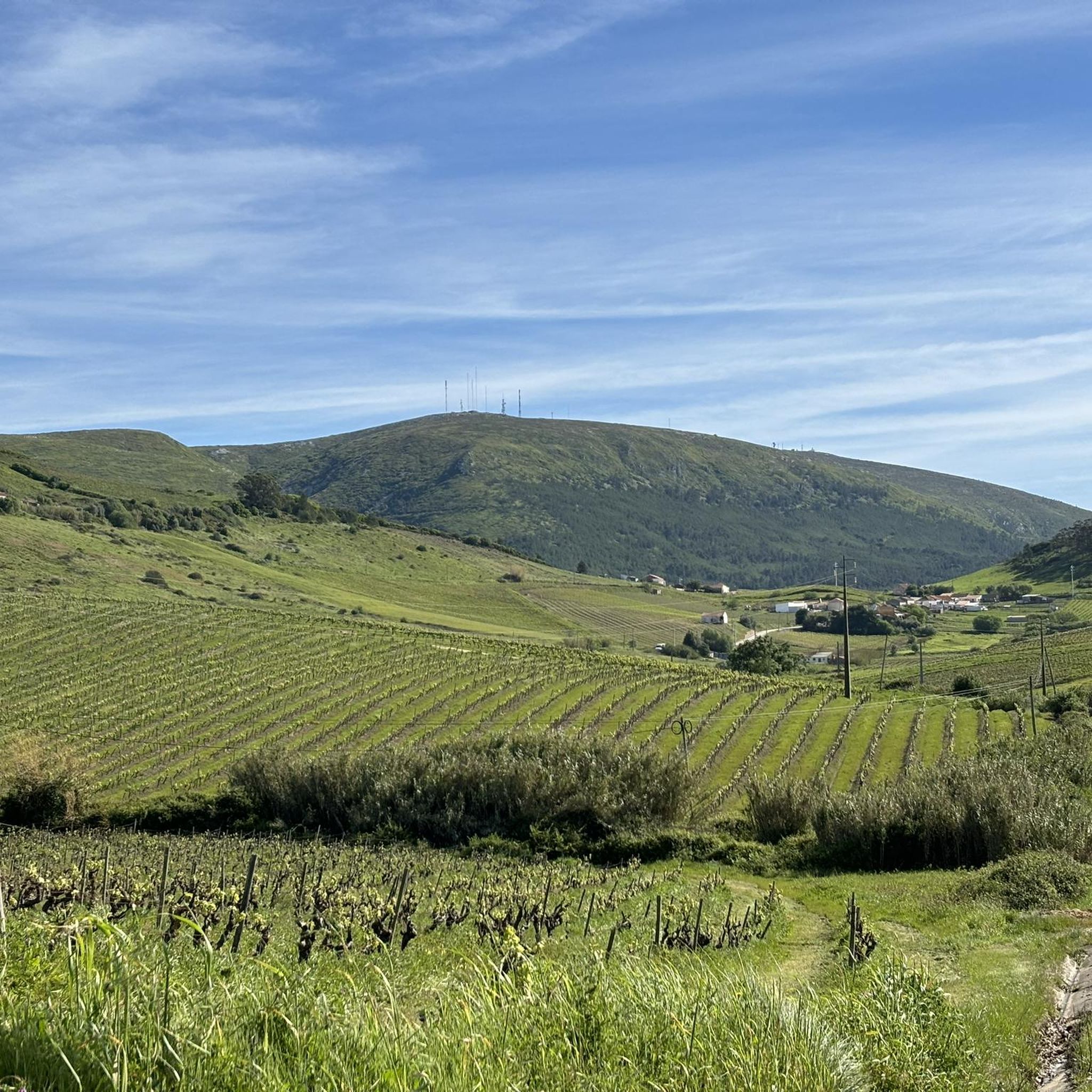
At this location at the top of the Serra de Montejunto, also known as "Torre" due to the various antennas that were installed there, is the Chapel of Our Lady of the Snows, which may have been built in the 13th century and remodelled and expanded during the 16th century and later. Inside, the altars covered with 17th century tiles and the altarpiece of the main altar, from the 18th century, stand out. Next to the Chapel of Our Lady of the Snows, are the ruins of what is considered to be the first Dominican Convent in Portugal, built in the 12th century and abandoned after the extinction of the religious orders, and is currently in ruins. Also nearby are the ruins of the Royal Ice Factory, classified as a National Monument. Here, in the 18th century, the Dominican monks took advantage of the climatic and geological conditions and opened large tanks connected by narrow passages, one part for the production of ice and the other for its preparation, storage and conservation. The ice was later transported to Lisbon, to supply the court and the café at Terreiro do Paço, later known as Martinho da Arcada (Fernando Pessoa's Café)
2
0

Inaugurated on October 22, 2016, the bronze sculpture by artist António Antunes is a tribute to the writer, diplomat and journalist from Vila-Franquense, Álvaro Guerra, on the occasion of the 80th anniversary of his birth. The bust is located on the pier of Vila Franca de Xira, at the beginning of the riverfront near the Fábrica das Palavras. Álvaro Guerra was born on October 19, 1936 and died in 2002. With a large body of work, he began his literary career in 1967 with the novel "Os Mastins". In the 1980s he became known for the publication of the so-called "Café Trilogy", in which, based on conversations that took place in the city's cafés, he reported important phases of the country's history. In another field, the book "Crónicas Jugoslavas", awarded by the Portuguese Writers' Association with the Grand Prize of Chronicle, is the result of his experience as a diplomat and an essential figure of Portuguese culture. The work is located along the central and coastal Portuguese Way.
3
0
Located next to the Constantino Palha Municipal Garden, a bronze sculpture was installed next to the pier, in the riverside area of Vila Franca de Xira, in honor of the jorna workers. The work of the sculptor João Duarte was inaugurated in July 2013. This sculpture saves the memory of the men and women who gathered on the pier looking for work (la jorna which means a day of work). The farmers or their foremen arrived by boat and hired a good part of the labor for the fields of Lezíria or for the factories of the municipality.
2
0
Inaugurated on October 22, 2016, the bronze sculpture by artist António Antunes is a tribute to the writer, diplomat and journalist from Vila-Franquense, Álvaro Guerra, on the occasion of the 80th anniversary of his birth. The bust is located on the pier of Vila Franca de Xira, at the beginning of the riverfront near the Fábrica das Palavras. Álvaro Guerra was born on October 19, 1936 and died in 2002. With a large body of work, he began his literary career in 1967 with the novel "Os Mastins". In the 1980s he became known for the publication of the so-called "Café Trilogy", in which, based on conversations that took place in the city's cafés, he reported important phases of the country's history. In another field, the book "Crónicas Jugoslavas", awarded by the Portuguese Writers' Association with the Grand Prize of Chronicles, is the result of his experience as a diplomat and an essential figure of Portuguese culture. The work is located along the central and coastal Portuguese Way.
3
0

The Nossa Senhora das Neves Chapel, located at the top of the Serra de Montejunto, has been a place of pilgrimage since the medieval period, prior to the construction of the first Dominican monastery in the 13th century.
1
0
Frequently Asked Questions
What historical landmarks can I explore in Alenquer?
Alenquer is rich in history. You can visit the Pina Manique Palace, an ambitious 18th-century architectural project that remains unfinished. Another significant site is the Chapel of Our Lady of the Snows (Ruins) at the top of Serra de Montejunto, which includes the ruins of what is considered the first Dominican Convent in Portugal, dating back to the 12th century. The town also features the historic Castelo de Alenquer, with Moorish origins and panoramic views, and various churches like Igreja de Santa Maria da Várzea.
Are there any family-friendly attractions in Alenquer?
Yes, families can enjoy the Constantino Palha Municipal Garden, a municipal park stretching along the Tagus River. It features a bandstand, lakes, and a popular children's playground. The park is also dog-friendly, making it suitable for the whole family.
What natural features can I discover around Alenquer?
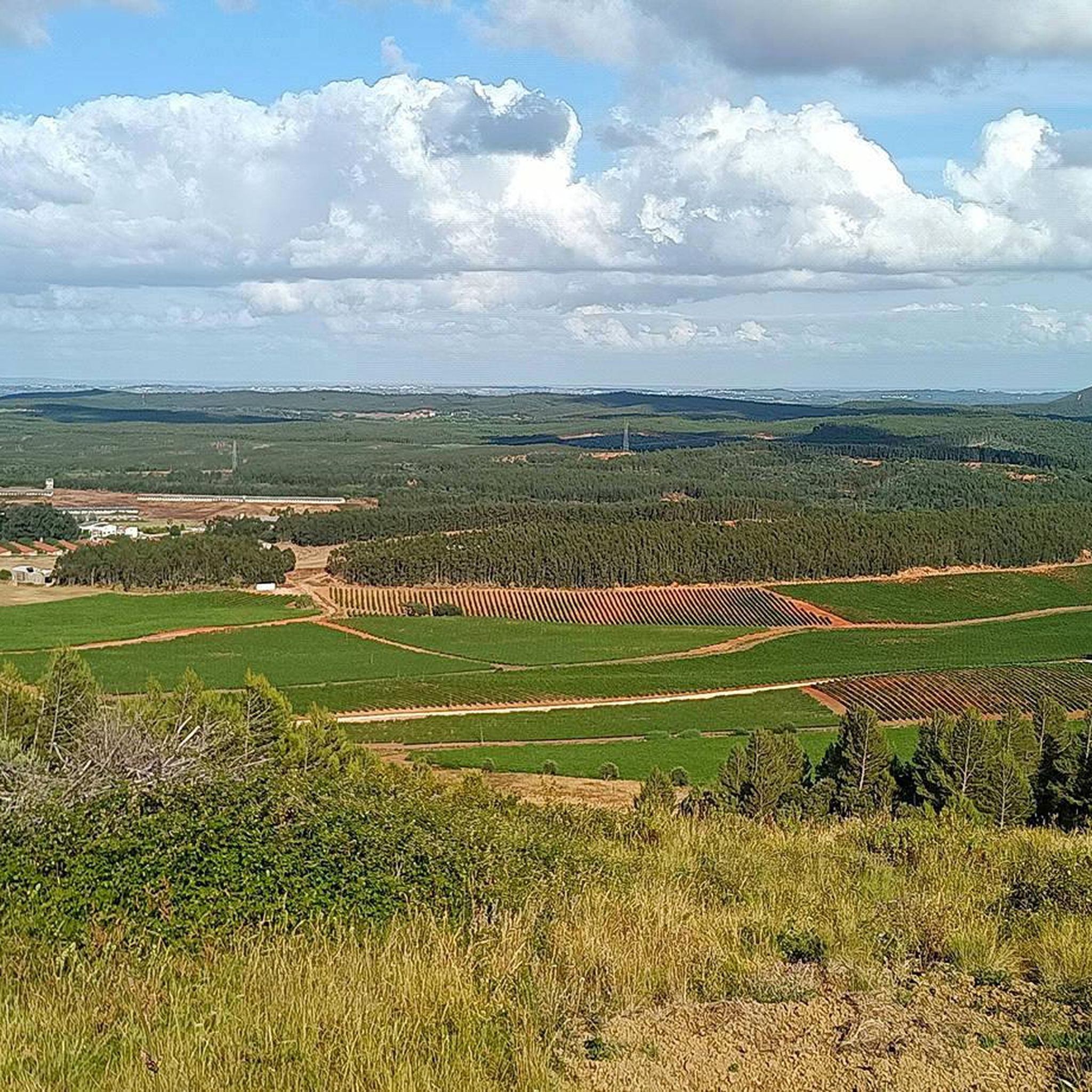
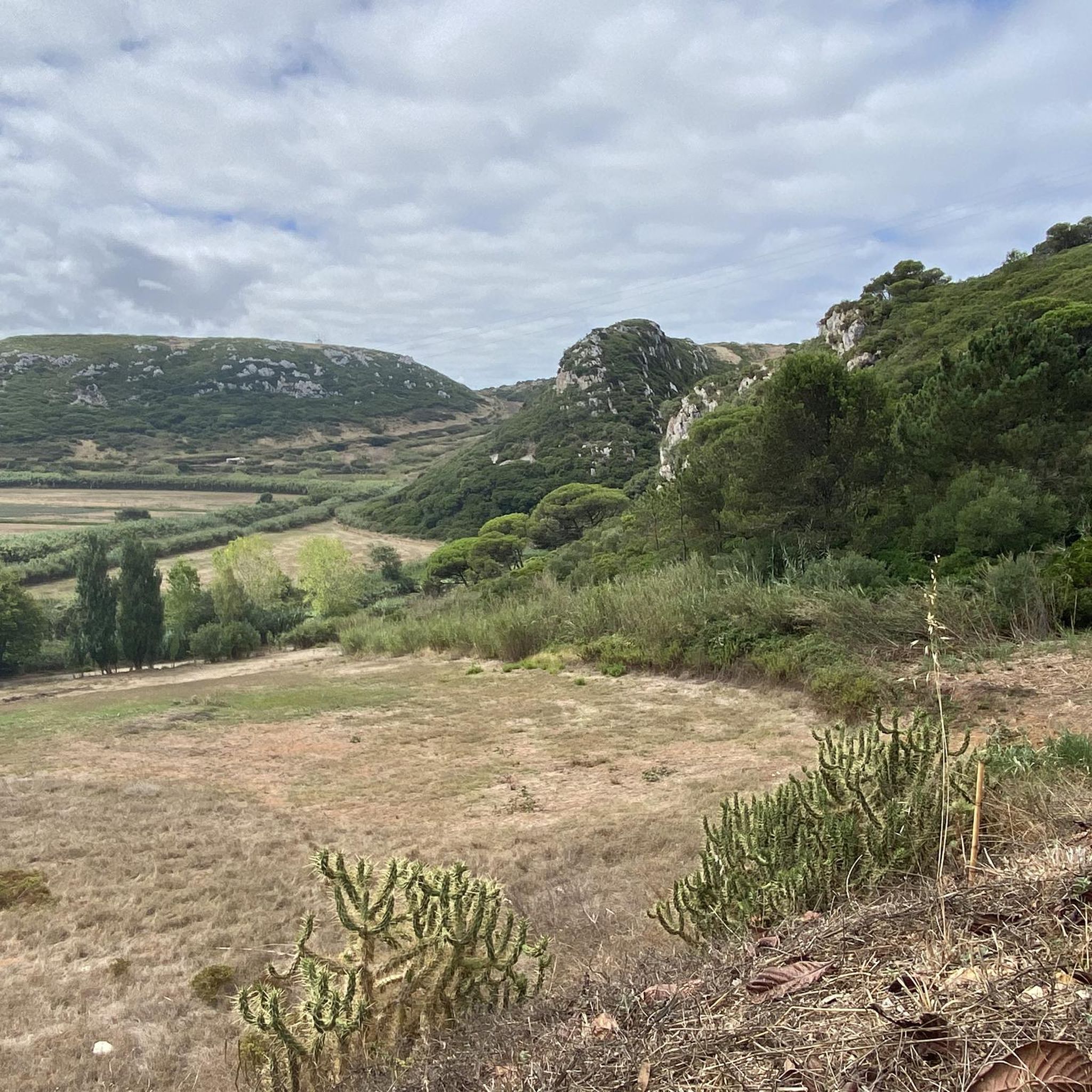
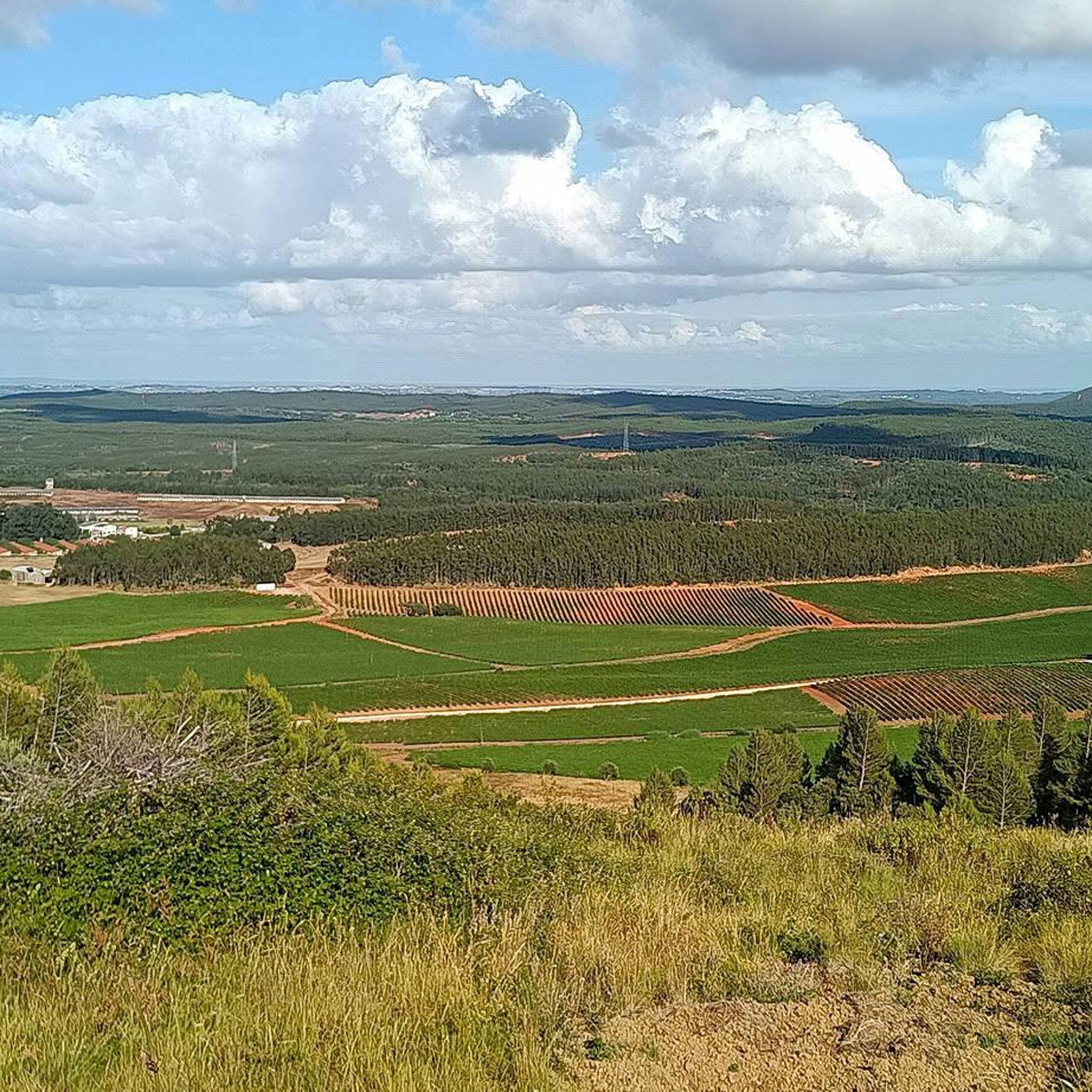
The most prominent natural feature is the Serra de Montejunto, a protected area offering caves, ponds, diverse flora, and picturesque green rolling hills. It's also home to the ruins of the Nossa Senhora das Neves Chapel. The Rio de Alenquer and Parque Urbano da Romeira provide serene riverside areas for appreciating local flora and fauna. The region is also known for its vineyards.
What outdoor activities are available near Alenquer's attractions?
Alenquer offers a variety of outdoor activities. You can explore hiking trails in the Serra de Montejunto, such as the 'Trilho da Quinta da Serra' or the 'Trail of the Carreiro dos SS'. For cycling enthusiasts, there are routes like the 'Palha Blanco Bullring – I Love Alhandra Photo Spot loop'. Mountain biking is also popular, with trails like the 'Moinho de Avis – Chapel of Saint George loop'. You can find more details on these activities in the Hiking around Alenquer, Cycling around Alenquer, and MTB Trails around Alenquer guides.
Where can I find viewpoints with scenic vistas in the Alenquer region?
The Chapel of Our Lady of the Snows (Ruins), located at the top of the Serra de Montejunto, offers expansive views of the surrounding landscape. Additionally, the Castelo de Alenquer provides panoramic views of the town and its picturesque hillside layout.
Are there any wheelchair-accessible attractions in Alenquer?
Yes, the Cais da Jorna and Fishermen's Monument is noted as wheelchair accessible. This monument, located next to the Constantino Palha Municipal Garden, honors the historical riverside workers of Vila Franca de Xira. The Álvaro Guerra Bust is also wheelchair accessible.
What is Alenquer's connection to wine, and can I experience wine tourism?
Alenquer is a prominent wine region, recognized as one of the European Wine Capitals, celebrated for its high-quality wine production. Numerous vineyards throughout the region offer wine tourism experiences, including guided tours and tastings of their complex white and red wines. You can learn more about the region's winemaking heritage at the Alenquer Wine Museum.
What is the 'vila-presépio' tradition in Alenquer?
Alenquer is known as the 'vila-presépio' or 'crib town' due to its picturesque hillside layout. This nickname is celebrated annually in December when the town stages a large nativity scene with colorful figures on the hillside, a tradition that has been ongoing since 1968.
What cultural sites and museums are there in Alenquer?
Beyond historical landmarks, Alenquer offers several cultural sites and museums. The Museu Damião de Góis e das Vítimas da Inquisição delves into the period of the Inquisition and celebrates a prominent humanist. The Museu João Mário and the Alenquer Wine Museum provide further insights into the area's cultural and winemaking heritage. The Fábrica Nova da Romeira also serves as a cultural center.
Are there any dog-friendly walking areas or trails in Alenquer?
Yes, the Constantino Palha Municipal Garden is designated as dog-friendly, offering a pleasant space for walks along the Tagus River. Many of the natural trails in the Serra de Montejunto area are also suitable for dog walking, though it's always advisable to check local regulations regarding leashes and waste disposal.
What is the best time of year to visit Alenquer for outdoor activities?
While specific seasonal conditions vary, generally, spring (April to June) and autumn (September to October) offer pleasant temperatures for hiking, cycling, and exploring Alenquer's outdoor attractions. Summers can be hot, especially for strenuous activities, while winters are milder but may bring more rain.
Where can I find information about public transport to Alenquer's attractions?
While specific routes to individual trailheads or remote attractions might be limited, Alenquer has local bus routes that connect to various parts of the town and surrounding areas. For destinations like the Serra de Montejunto, it's often recommended to use a car for easier access, though some public transport options might reach nearby villages.
Most popular attractions around Alenquer

Get inspired with the komoot mobile app


Explore more
Still not found the Highlight you’re looking for? See guides of the top attractions in other regions:
