The best road cycling routes around Arruda Dos Vinhos
4.3
(41)
3,102
riders
28
rides
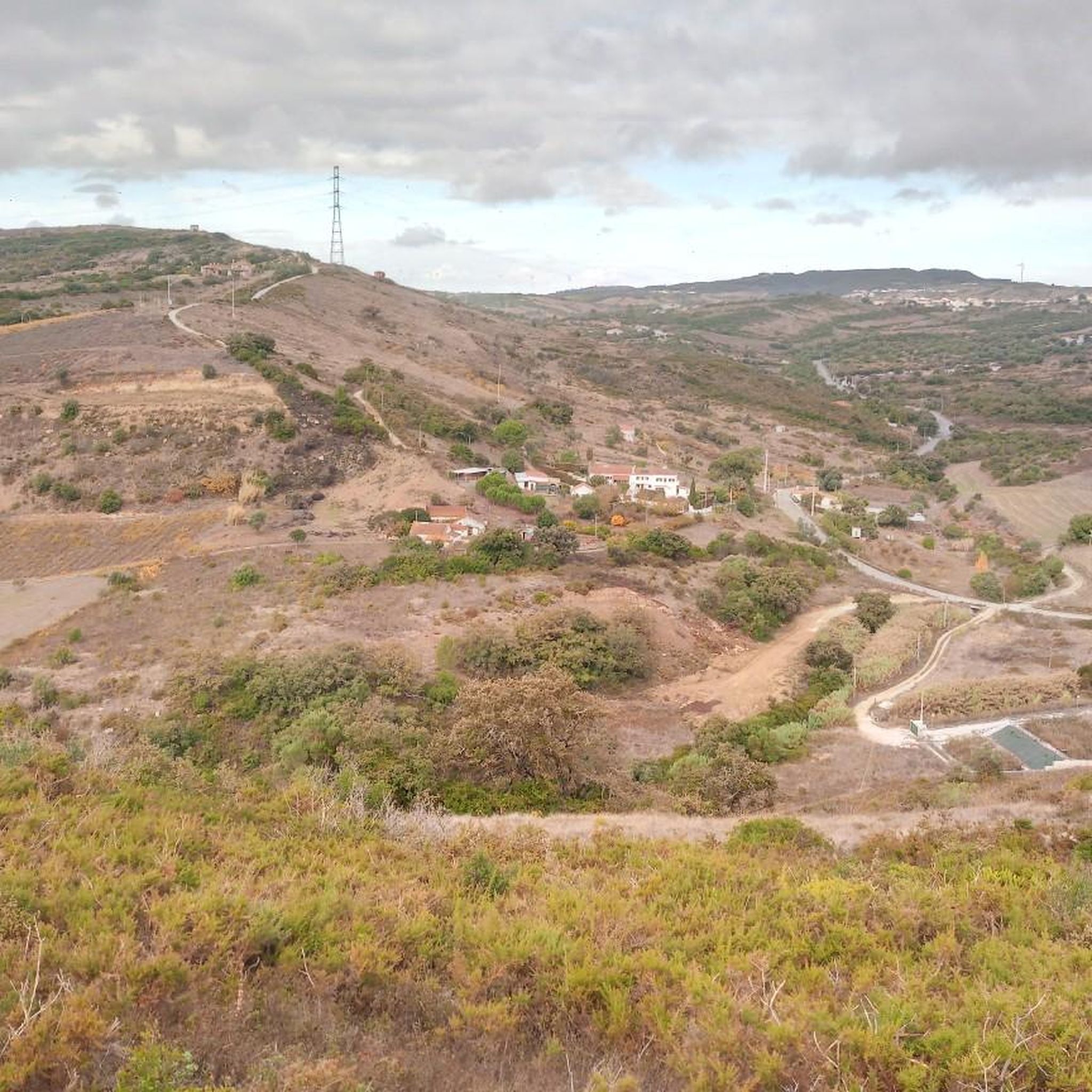
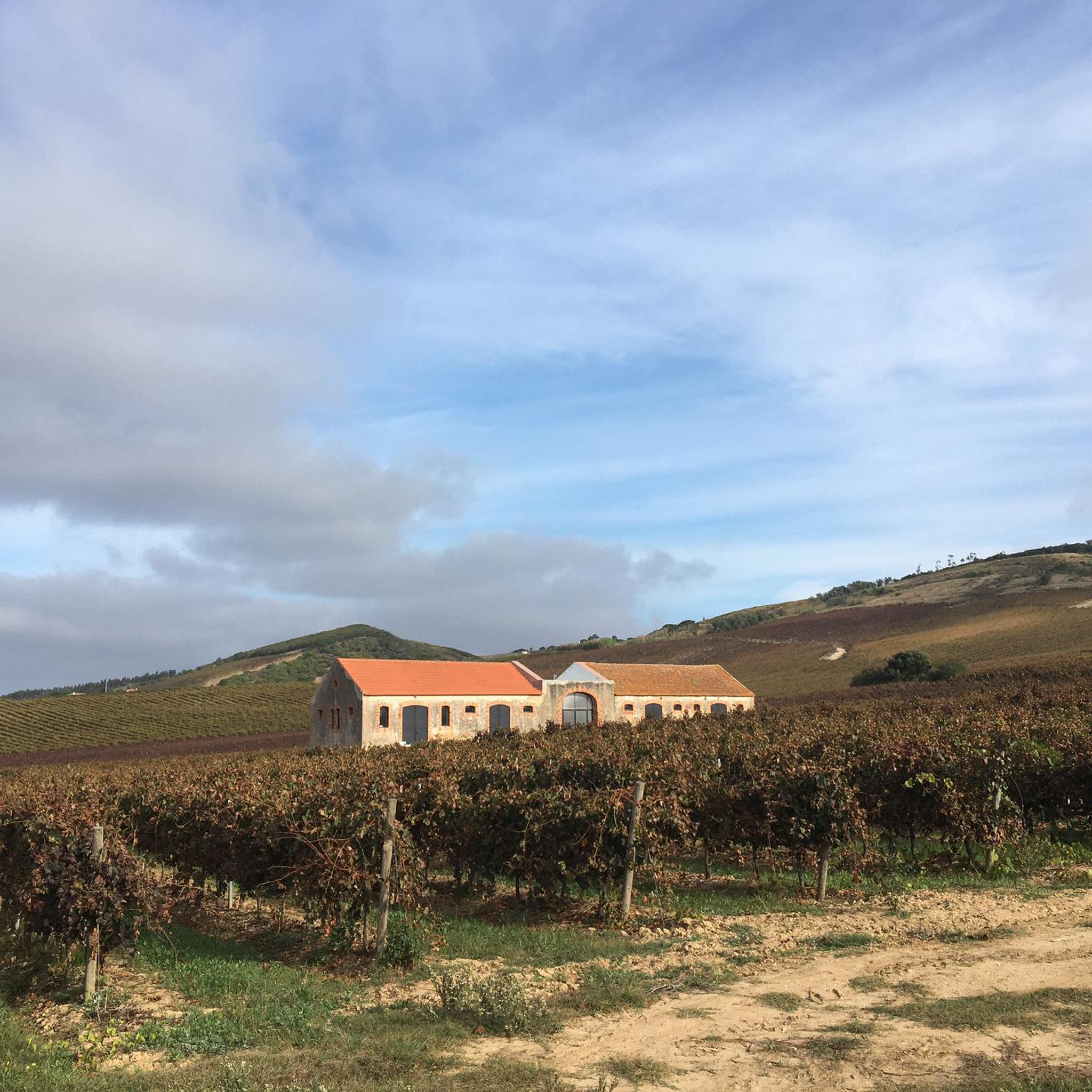
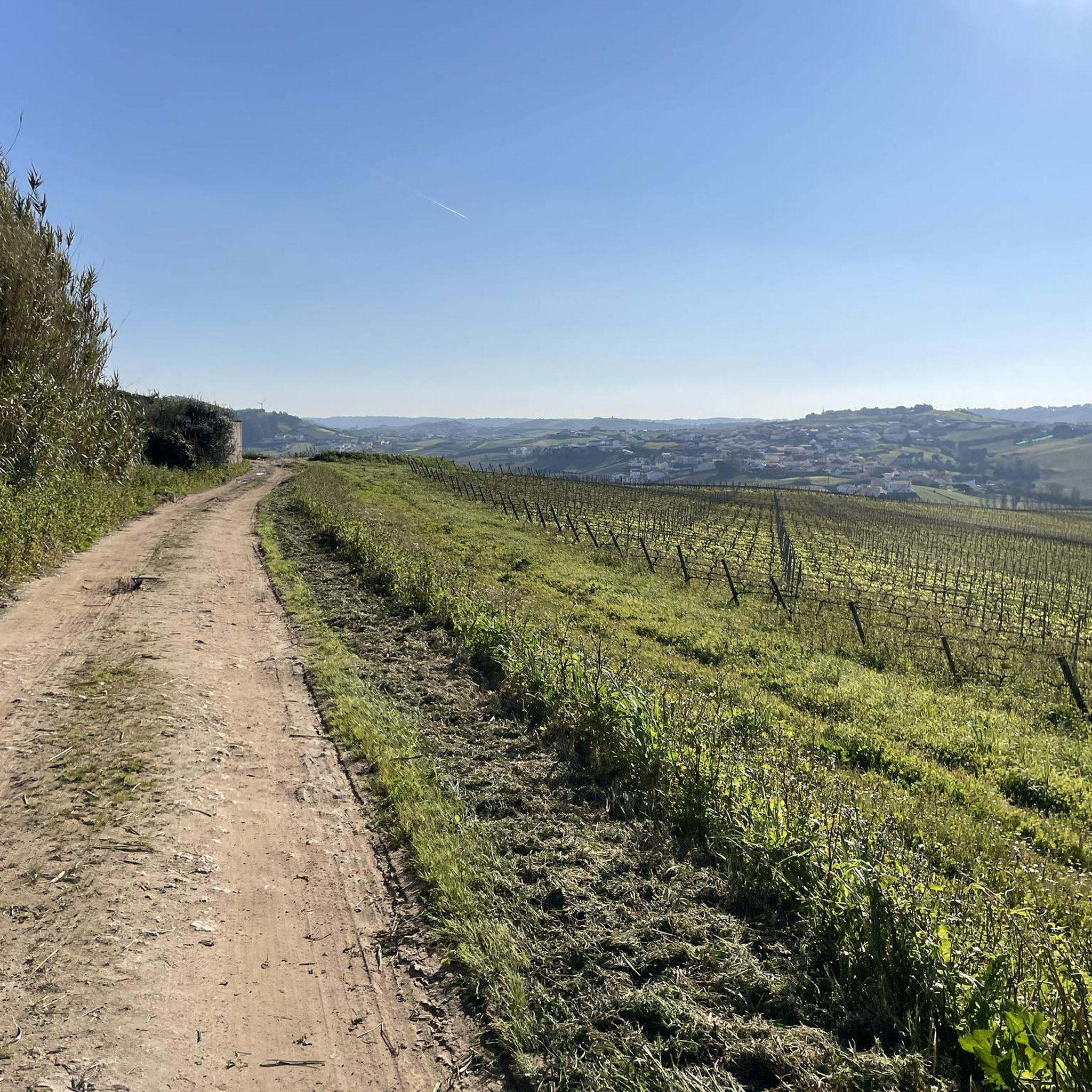
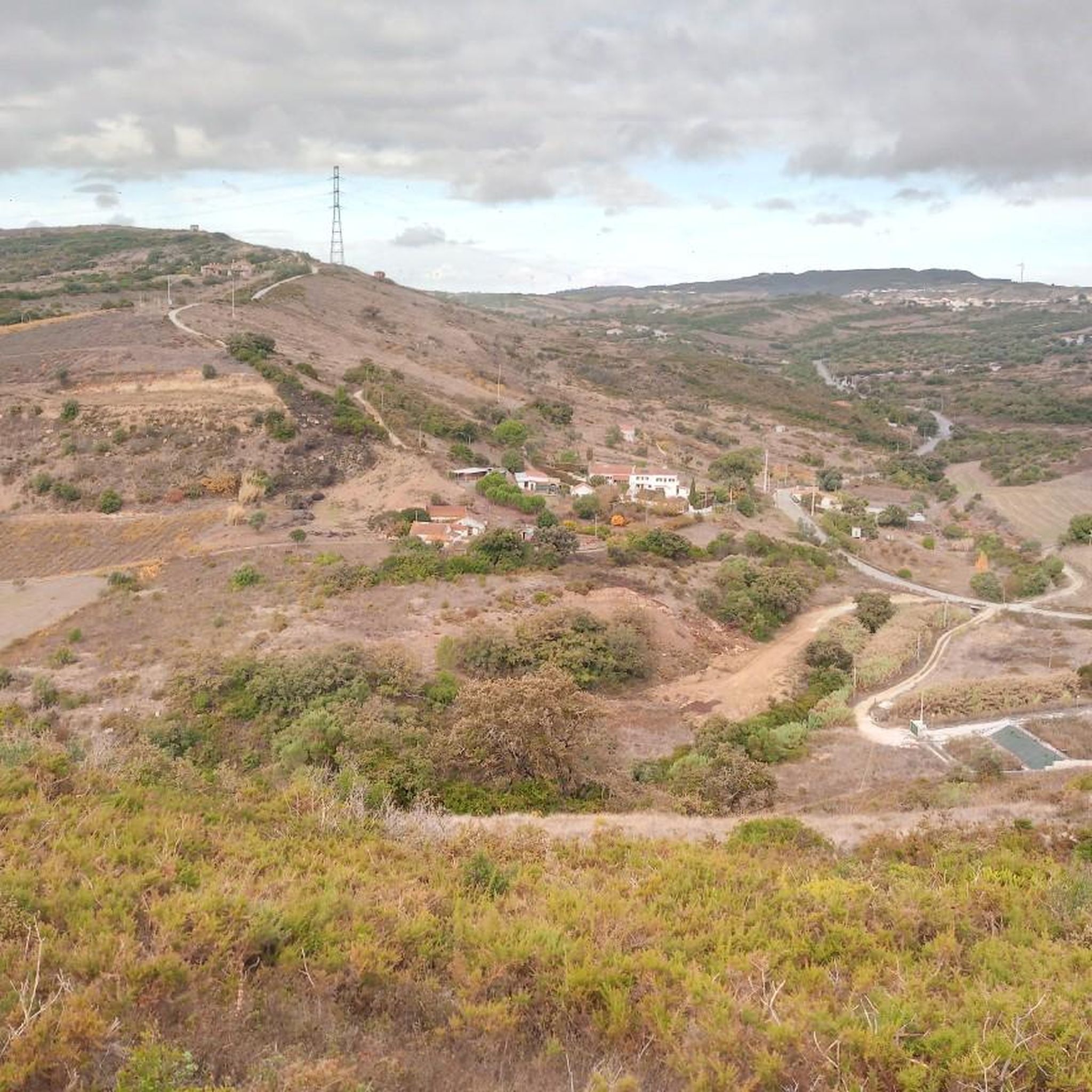
Road cycling routes around Arruda Dos Vinhos traverse a landscape characterized by rolling vineyards and varied terrain. The region features extensive wine country, providing a scenic backdrop for cycling with its picturesque "patchwork" scenery. The undulating terrain offers varied gradients, including hilly sections and significant elevation changes towards areas like Serra de Montejunto. Routes include paved roads, with some featuring portions of undefined surfaces.
Best road cycling routes around Arruda Dos Vinhos
- The most popular road cycling route is Nicola…
Last updated: October 11, 2026
5.0
(2)
90
riders
69.9km
03:27
1,010m
1,010m
Hard road ride. Very good fitness required. Mostly well-paved surfaces and easy to ride.
5.0
(2)
66
riders
105km
04:52
1,020m
1,020m
Hard road ride. Very good fitness required. Some segments of this route may be unpaved and difficult to ride.

55
riders
70.1km
03:24
830m
830m
Moderate road ride. Good fitness required. Some segments of this route may be unpaved and difficult to ride.
4.0
(1)
33
riders
80.5km
04:01
1,180m
1,180m
Hard road ride. Very good fitness required. Mostly well-paved surfaces and easy to ride.
26
riders
37.1km
01:41
420m
420m
Moderate road ride. Good fitness required. Mostly well-paved surfaces and easy to ride.
Get access to more routes and recommendations from other explorers.
Already have an account?
Our route recommendations are based on thousands of hikes, rides, and runs completed by other people on komoot.
Start today with a free account
Your next adventure awaits.
Tips from the Community

The Tagus Estuary Nature Reserve (RNET) is located in an area of high natural richness and diversity. Covering approximately 14,415 hectares, it is integrated into the largest wetland area in Portugal – the Tagus Estuary, including estuarine waters, sandbanks, salt pans, agricultural land, and cork oak forests. The connectivity of these habitats ensures the presence of a great diversity of living beings, such as mollusks, crustaceans, and small amphibians. It is also a nursery for various species of marine fish and a very important ecosystem for migratory fish. The estuary is also of great importance to aquatic birds, being one of the places with the most wintering birds in Europe.
1
0

The National Palace of Mafra, located in the town of Mafra, Portugal, is a monumental complex that includes a palace, a convent, a basilica, and the Tapada de Mafra (hunting grounds). Construction began in 1717, commissioned by King John V of Portugal in fulfillment of a vow for the succession of his wife, and it is the most important monument of Portuguese Baroque. Since 2019, the Palace has been a UNESCO World Heritage Site.
2
0

Baroque architectural complex comprising a Palace, a Basilica and a Convent, together with gardens and a vast Tapada, forming a historical heritage complex covering over 1,200 hectares, inscribed on the UNESCO World Heritage List in 2019. Built by order of King João V in fulfilment of a succession vow, Mafra Palace is one of the most important Baroque monuments in Portugal and one of the largest in Europe, occupying a construction area of 38,000 m2, with around 1,200 rooms, 5,200 doors and windows and 156 staircases. UNESCO has recognised this monument as a feat of architecture, engineering and human genius. Based on designs by Filippo Juvarra, its final design was carried out by the German Johann Friedrich Ludwig (João Frederico Ludovice) and construction was led by the kingdom's chief engineer, Custódio Vieira. The first stone was laid on 17 November 1717 and the Basilica was consecrated on 22 October 1730. The Basilica, inspired by the great churches of Rome, has one of the most significant collections of Italian sculpture of its time, with 58 statues, a large crucifix with archangels in adoration and three high reliefs, as well as an important collection of paintings, representing some of the most famous painters active in Italy and France in the early 1730s. The collection of vestments and liturgical implements is also very significant, due to its quality and rarity. The Palace Library is one of the most iconic spaces in the monument. With a refined selection of around 30,000 volumes, it is one of the exponents of Enlightenment knowledge representative of the court culture of the first half of the 18th century. Also noteworthy is the bell ringing ensemble, with 120 bells, which include two of the largest carillons of the 18th century, cast in Antwerp and Liège in the workshops of Willem Witlockx and Nicolas Levache, respectively. The bells are accompanied by two clocks dating from the first half of the 18th century, as well as four automatons for automatic music. Inside the Basilica is a set of pipe organs, unique in the world, consisting of six instruments designed to play together, built between 1792 and 1807 by the Portuguese organ builders António Machado e Cerveira and Joaquim Peres Fontanes. The Mafra Palace has been a member of the Association of European Royal Residences since 2009.
5
0

Better go this way if it's raining or it has rained recently, you can go back to the Caminho just after a few Kms, avoiding a lot of mud.
1
0
Cheap and good, a nice and friendly place to stop after a long way up!
0
0
Just before entering the town of Sobral do Monte Agraço
0
0

publication of the royal charter of 26 July 1811, which, in order to mitigate the devastating effects of the French invasions, prescribed, among many other measures, the distribution of seeds to farmers in order to re-establish cereal production. The Real Celeiro was active for over sixty years, between 1812 and 1873, but, quoting Guilherme Henriques, “it died, like all good institutions, annihilated by abuses”. The City Council now holds the archive of the old Celeiro, which, although not very voluminous, nevertheless allows us to reconstruct almost the entire history of this important local institution of the 19th century. Commissioned to be rebuilt by the Municipality of Alenquer in 2002, it opened its doors as the Wine Museum and headquarters of the Lisbon Wine Route in 2006. Its interior was remodeled and its museology project renewed at the end of 2018, and it reopened its doors to visitors in February 2019. (Source: www.alenquer.pt)
10
0
Frequently Asked Questions
How many road cycling routes are available in Arruda Dos Vinhos?
There are over 25 road cycling routes available around Arruda Dos Vinhos, offering a diverse range of experiences for cyclists. These include routes of varying difficulty, from moderate to challenging.
What kind of terrain can I expect on road cycling routes in Arruda Dos Vinhos?
Road cycling in Arruda Dos Vinhos features a landscape of rolling vineyards and varied terrain. You'll encounter a mix of challenging climbs and enjoyable descents, with significant elevation changes in hilly sections, particularly towards areas like Serra de Montejunto. The region's extensive wine country provides a scenic backdrop for your rides.
What is the best time of year for road cycling in Arruda Dos Vinhos?
The region experiences warm, dry summers and mild, wet winters. The most pleasant times for road cycling are typically spring and autumn, when temperatures are moderate and the scenery is vibrant. Summers can be hot, while winters offer milder conditions but with a higher chance of rain.
Are there routes suitable for beginners or those looking for an easier ride?
Yes, while many routes offer a challenge, there are options for less experienced cyclists. The area features 1 easy route and 22 moderate routes, providing a good range for those seeking a less strenuous ride. An example of a moderate route is the Bicycle Dismount Point loop from Arruda dos Vinhos, which covers about 37 km.
Are there challenging routes for experienced road cyclists?
Absolutely. Arruda Dos Vinhos offers 6 difficult routes designed for experienced road cyclists seeking a challenge. These routes often feature significant elevation gains and longer distances. A popular difficult route is the Nicola Café – Forca Viewpoint loop from Forte da Carvalha, which spans over 69 km with substantial climbing.
What historical sites or landmarks can I see along road cycling routes in Arruda Dos Vinhos?
The region is rich in history. You might encounter sites like the Grandella Sanatorium Ruins or the Forte da Archeira, which are historical sites that add cultural enrichment to your ride. The broader area also features the Linhas de Torres, historical defense lines.
Are there any natural features or viewpoints to enjoy during a ride?
Yes, the routes offer numerous scenic spots. You can enjoy views of the rolling vineyards and the tranquil rural setting. The Tagus Estuary is also nearby, offering opportunities to observe bird and marine life. Some routes, like the Forca Viewpoint – Mafra National Palace loop from Arruda dos Vinhos, are named for their scenic viewpoints.
Are there loop routes available for road cycling in Arruda Dos Vinhos?
Yes, all the featured road cycling routes in Arruda Dos Vinhos are designed as loops, allowing you to start and finish at the same point. This makes planning your ride and logistics much simpler.
Is parking available for cyclists in Arruda Dos Vinhos?
Arruda Dos Vinhos is a welcoming town for cyclists, and while specific dedicated cyclist parking facilities aren't detailed, its tranquil rural setting and lower population density suggest that finding suitable parking for vehicles, especially near starting points of routes, should be manageable.
Can I reach Arruda Dos Vinhos by public transport with my bicycle?
Arruda Dos Vinhos is located just 30 kilometers north-west of Lisbon, making it accessible. While specific public transport policies for bicycles vary, regional bus services often connect smaller towns. It's advisable to check with local transport providers for their current regulations regarding bicycle carriage before planning your trip.
Are there places to stop for refreshments or food along the routes?
Given the region's strong connection to wine production, you'll find opportunities to explore local wineries and vineyards, which often offer tastings. The town itself and surrounding villages will have cafes and local eateries where you can refuel during or after your ride.
What do other road cyclists say about the routes in Arruda Dos Vinhos?
The road cycling routes in Arruda Dos Vinhos are highly rated by the komoot community, with an average score of 5.0 stars from over 3 reviews. Cyclists often praise the varied terrain, the scenic rolling vineyards, and the peaceful atmosphere that provides a refreshing escape from city life.
Are there family-friendly road cycling routes in Arruda Dos Vinhos?
While many road cycling routes in the region involve significant elevation changes, there are moderate options that could be suitable for families with older children or those comfortable with some hills. For instance, the Bicycle Dismount Point loop from Arruda dos Vinhos is a moderate route that might be a good starting point.
Most popular attractions around Arruda Dos Vinhos

Get inspired with the komoot mobile app


Explore more
Browse the best Road cycling routes in other regions.
