The best road cycling routes around Pedrógão Grande
4.5
(4)
159
riders
15
rides
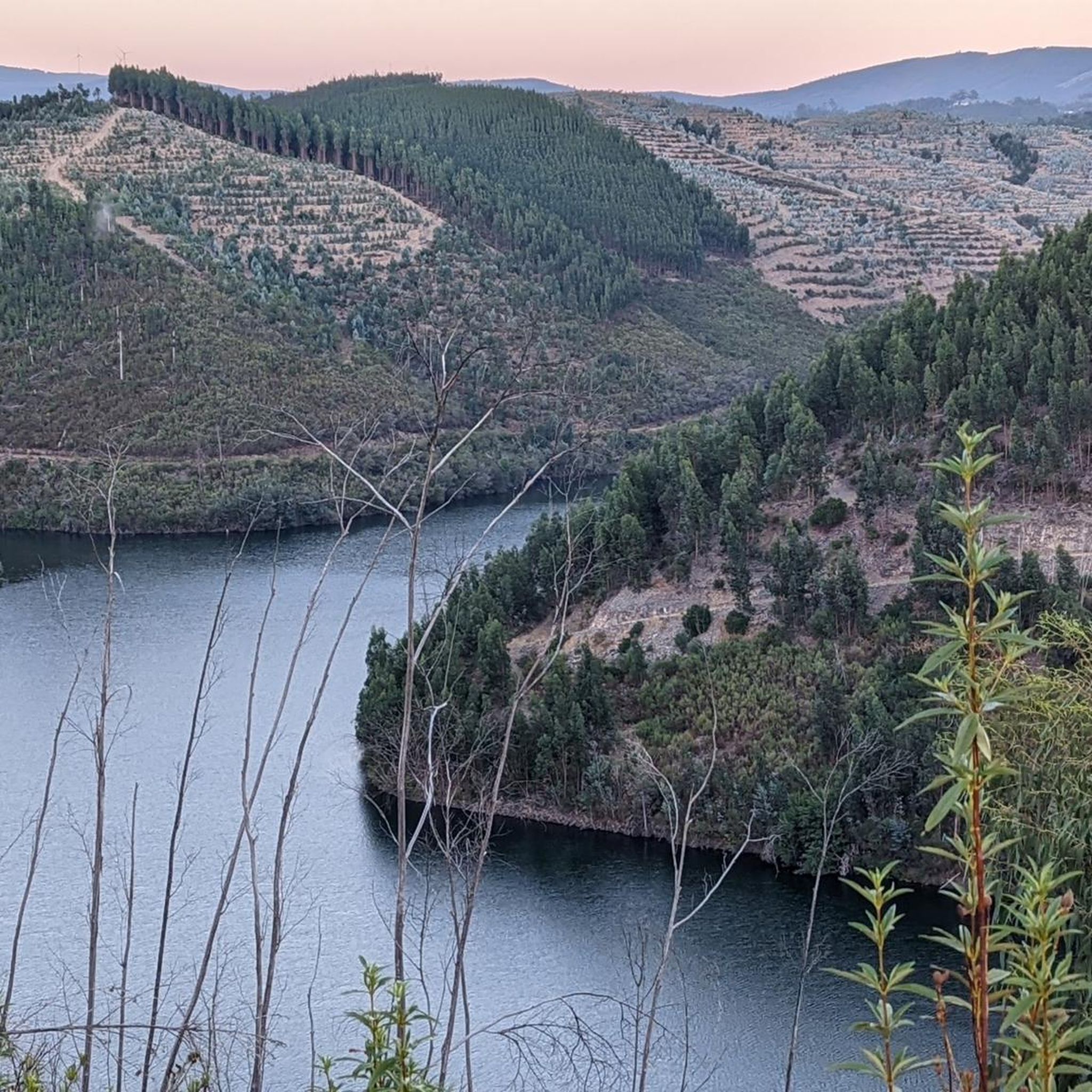
Road cycling routes around Pedrógão Grande traverse a landscape characterized by rolling hills, lush forests, and serene lakeside vistas within the Leiria District of Portugal. The region is defined by a mix of granite and schist terrain, nestled within the basins of the Zêzere and Unhais rivers, and featuring the reservoirs of the Cabril and Bouçã dams. This diverse environment offers varied road cycling experiences, from challenging climbs to more relaxed rides along tranquil waterways.
Best road cycling routes around…
Last updated: July 2, 2026
7
riders
43.0km
02:28
950m
960m
Hard road ride. Very good fitness required. Mostly well-paved surfaces and easy to ride.
13
riders
101km
05:07
1,610m
1,610m
Hard road ride. Very good fitness required. Mostly well-paved surfaces and easy to ride.

Sign up for free
4.0
(1)
10
riders
55.2km
02:44
830m
830m
Moderate road ride. Good fitness required. Mostly well-paved surfaces and easy to ride.
8
riders
76.6km
03:53
1,320m
1,320m
Hard road ride. Very good fitness required. Mostly well-paved surfaces and easy to ride.
7
riders
70.5km
04:26
1,910m
1,910m
Hard road ride. Very good fitness required. Some segments of this route may be unpaved and difficult to ride.
Get access to more routes and recommendations from other explorers.
Sign up for free
Already have an account?
Our route recommendations are based on thousands of hikes, rides, and runs completed by other people on komoot.
Start today with a free account
Your next adventure awaits.
Login or Signup
Popular around Pedrógão Grande


Tips from the Community

"Terreiro das Bruxas" is a place in the middle of nature for resting after a hike and for picnics; it has restrooms and drinking water.
0
0

Candal is part of the so-called "Serra da Lousã", an area characterized by lush nature and breathtaking landscapes. This village is a typical example of the "aldeias de xisto" (schist villages), built entirely with local stone, which integrate harmoniously into the surrounding environment. Candal offers an atmosphere of peace and tranquility, with its traditional houses, waterways and paths surrounded by vegetation.
1
0
Castanheira de Pêra is nestled in a mountainous and wooded territory, dominated by pine and eucalyptus forests, known for its natural and landscape richness. The municipality is especially appreciated for its numerous river beaches and natural pools, fed by the watercourses that cross it.
0
0
Coentral is a small village nestled in a mountainous and wooded landscape, a typical example of inland villages, where nature reigns supreme and life flows at a more tranquil pace. This area is characterized by unspoiled natural beauty, with dense pine and eucalyptus forests, deep valleys and waterways. The village itself retains the charm of traditional architecture, with stone houses that blend harmoniously into the landscape.
0
0

Most of the year its tottaly dry. Nice to see but dont expect filling your bottle there
1
0

A number of dropouts have settled in Talasnal, some of whom also run small restaurants and hostels.
3
2

Talasnal is one of the best-known and most sought-after shale villages among tourists visiting the region. Its size and layout, as well as all the details of its restored houses, make this village the postcard of Lousã. The main alley follows the slope of the hill, in a steep route. It leads to quelhas and alleys, which create an environment of discovery that everyone enjoys exploring, waiting for the surprise of a new corner.
3
1
Nestled in Serra da Lousã, on a hill facing south, the village of Candal is strategically placed next to Estrada Nacional 236, which connects Lousã to Castanheira de Pera. This village is used to receiving visitors. The climb to the viewpoint, through the sloping streets, is rewarded with a beautiful view over the valley through which Ribeira do Candal winds. Next to the road there is a fountain with drinking water and also a cafe / restaurant.
2
0
Frequently Asked Questions
How many road cycling routes are available in Pedrógão Grande?
Pedrógão Grande offers a diverse network of over 15 road cycling routes. These routes traverse a landscape of rolling hills, lush forests, and serene lakeside vistas, providing varied experiences for cyclists.
What is the best time of year for road cycling in Pedrógão Grande?
The best seasons for road cycling in Pedrógão Grande are spring (March-May) and fall (September-November). During these periods, temperatures are mild, and the natural scenery is particularly vibrant with spring blooms or rich autumn foliage.
Are there road cycling routes suitable for beginners in Pedrógão Grande?
While many routes in Pedrógão Grande feature challenging terrain, there are moderate options available. For example, the Castanheira-de-Pêra loop from Figueiró dos Vinhos is a moderate 55 km route with significant elevation gain, offering a good challenge without being overly extreme.
What kind of terrain can I expect on road cycling routes around Pedrógão Grande?
The region is characterized by a mix of granite and schist terrain, with rolling hills and dense forests. You'll encounter ascents and descents, especially on routes like the Loop tour from Castanheira-de-Pêra, which features over 950 meters of elevation gain. The landscape is also shaped by the expansive reservoirs of the Cabril and Bouçã dams, offering picturesque waterside sections.
Are there any circular road cycling routes in Pedrógão Grande?
Yes, many of the road cycling routes in Pedrógão Grande are designed as loops. Examples include the Candal – Castanheira-de-Pêra loop from Vila Facaia, a challenging 105 km route, and the Candal Schist Village – Candal loop from Vila Facaia, which is 101 km long and passes through traditional villages.
What scenic attractions or viewpoints can I find along the road cycling routes?
Road cycling routes in Pedrógão Grande often lead to stunning natural and cultural sights. You can enjoy panoramic views from the Serra da Lousã, explore traditional Schist Villages, or pass by the historic Philippine Bridge. The reservoirs of the Cabril and Bouçã Dams also offer spectacular scenery and river beaches like Fragas de São Simão River Beach.
Are there any routes that pass by waterfalls?
While primarily focused on road cycling, some routes may bring you close to areas known for waterfalls. The region around Pedrógão Grande is home to several, such as the Pedra Ferida Waterfall and the Ribeira de Espinho Waterfalls. You might consider combining a cycling trip with a short detour to these natural monuments.
What do other cyclists say about road cycling in Pedrógão Grande?
The road cycling routes in Pedrógão Grande are highly rated by the komoot community, with an average score of 4.7 stars from more than 3 reviews. Cyclists often praise the challenging climbs, the diverse landscapes, and the serene atmosphere of the region's roads.
Are there any particularly challenging road cycling routes for experienced riders?
Yes, experienced riders will find plenty of challenging options. Routes like the Candal – Castanheira-de-Pêra loop from Vila Facaia, spanning 105 km with over 2,100 meters of elevation gain, or the Castanheira-de-Pêra loop from Trapa (76 km with over 1,300 meters of ascent), offer significant tests of endurance and skill.
Can I find routes that explore the traditional Schist Villages?
Absolutely. The region is close to the Route of Schist Villages (Rota das Aldeias de Xisto), and some cycling routes, such as the Candal Schist Village – Candal loop from Vila Facaia, will take you through or near these quaint, traditional stone villages, offering a glimpse into the local heritage.
Are there any long-distance road cycling routes in the area?
Yes, for those seeking longer rides, sections of the iconic National Road 2 (EN2) traverse the region, offering an immersive experience of inland Portugal. Additionally, the Multistage Route of Zêzere, known as 'Just You and the River,' provides a 22.9 km stretch connecting Pedrógão Pequeno and Bouçã, with scenic views of the Zêzere River.
Most popular routes around Pedrógão Grande
Most popular attractions around Pedrógão Grande

Get inspired with the komoot mobile app


Explore more
Browse the best Road cycling routes in other regions.
