Attractions and Places To See around Lousã - Top 20
Best attractions and places to see around Lousã are concentrated within the Serra da Lousã mountain range in central Portugal. This region is characterized by its historical landmarks, distinctive schist villages, and diverse natural landscapes. Visitors can explore ancient fortresses, picturesque river beaches, and extensive forests, offering a variety of outdoor experiences. The area provides a blend of cultural heritage and natural beauty.
Best attractions and places to see around Lousã
- The most popular attractions is Talasnal Schist Village,…
Last updated: June 18, 2026
Talasnal Schist Village
Highlight • Settlement
Translated by Google •
Tip by

Lousã Castle
Highlight • Castle
Translated by Google •
Tip by

Sign up now to discover places like this
Get recommendations on the best single tracks, peaks, & plenty of other exciting outdoor places.
Sign up for free
Chiqueiro Village
Highlight • Settlement
Translated by Google •
Tip by

Royal Bridge over the Ceira River
Highlight • Bridge
Showing Translation
Tip by

Candal Schist Village
Highlight • Settlement
Translated by Google •
Tip by

Sign up for free to discover even more attractions around Lousã.
Sign up for free
Already have an account?
Start today with a free account
Your next adventure awaits.
Login or Signup



Other adventures around Lousã

Tips from the Community


The Ponte Real (or Ponte Velha) over the Ceira River is located in the village of Góis, being one of the historical ex-libris of the region. This medieval-style bridge, later reformed, is an important tourist attraction, crossing the Ceira River, a left-bank tributary of the Mondego River, which originates in the Serra do Açor. Location: Center of the village of Góis, facilitating pedestrian access. Characteristics: Imposing structure with stone arches, typical of crossing constructions from the monarchical period. Surroundings: The Ceira River, near this area, offers river beaches highly sought after during the summer, standing out for the quality of the water and tranquility. History: It is part of the built heritage from the Manueline/medieval period of the region.
1
0

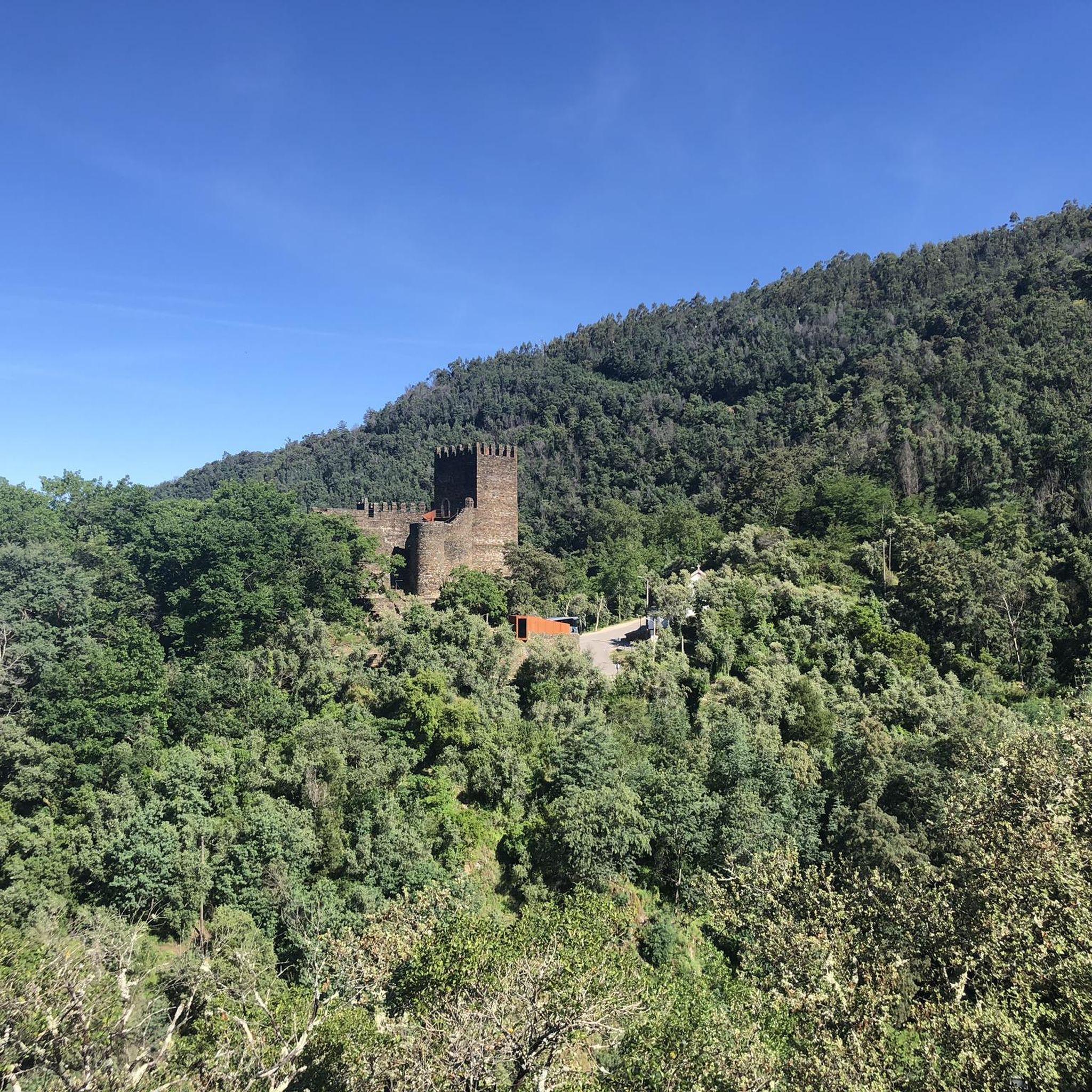
Hidden among the dense greenery of the Serra da Lousã, the Castle has stood since the 11th century, guarding the right bank of the Arouce River. Entry is free, as is parking, and the surroundings are pure enchantment. From here, there are trails that wind through schist villages, cross magical forests and reveal breathtaking viewpoints. A perfect starting point for those who enjoy running between history and nature.
2
0
Among the pine forests of the mountains, Chiqueiro appears like a time capsule: a tiny village where life still rhymes with silence and sheep. Only one couple lives there, in harmony with their flock and with the nature that surrounds everything. Two sloping streets wind between houses made of schist darkened by time, all bare of plaster, except for the little white chapel, which shines like a whisper of faith among the stones.
2
0
Hidden among pine forests, the village of Chiqueiro seems suspended in time. With just a couple of inhabitants and their large flock, it maintains a simplicity that nature embraces. Two steep streets wind between the dark slate houses, rustic and without plaster, except for the small chapel.
4
0

Arouce Castle, better known as Lousã Castle, can be visited free of charge. For the excellent view, it's worth climbing the tower.
2
0

A number of dropouts have settled in Talasnal, some of whom also run small restaurants and hostels.
3
2
The castle, built in the second half of the 11th century, is located in the Serra da Lousã, on the right bank of the Arouce River. Free entry, easy and free parking. Great hiking trails nearby (PR3 Rota da Levada).
3
3
Frequently Asked Questions
What kind of outdoor activities can I do around Lousã?
The Serra da Lousã is a prime location for outdoor enthusiasts. You can enjoy extensive hiking and mountain biking trails that connect the distinctive schist villages and lead to natural attractions. For specific routes, explore the cycling routes around Lousã, MTB trails around Lousã, or road cycling routes around Lousã.
Where can I find the famous schist villages in Lousã?
Lousã is home to several picturesque schist villages, characterized by their unique architecture made from local rock. Notable villages include Talasnal Schist Village, known as a postcard of Lousã, and Chiqueiro Village, which offers a glimpse into a traditional way of life. Other villages like Cerdeira, Casal Novo, Candal, and Ferraria de São João are also worth exploring.
Are there any historical landmarks to visit in Lousã?
Yes, Lousã boasts significant historical landmarks. The most prominent is Lousã Castle, an 11th-century fortress perched in the Serra da Lousã, offering free entry and excellent views from its tower. The Palacio da Lousa Boutique Hotel, an 18th-century emblazoned building, is also classified as a Historical Heritage Building.
What natural features are a must-see in the Lousã region?
The Serra da Lousã mountains themselves are a major natural highlight, offering diverse landscapes and rich biodiversity. You can also visit the beautiful Senhora da Piedade River Pool, known for its crystal-clear waters and comfortable setting. Don't miss the Pedra Ferida Waterfall, which features multiple cascades and bathing pools, though it requires sturdy shoes for the descent.
What are the best places for swimming or relaxing by the water in Lousã?
Lousã is famous for its river beaches. The Senhora da Piedade River Pool is a beautiful spot with a natural cascade and clear pools, ideal for swimming in summer. Other lovely river beaches include Serpin River Beach Park, Senhora da Graça, Bogueira, Praia Fluvial de Foz d'Égua, and Praia Fluvial do Cabril do Ceira.
Are there family-friendly attractions in Lousã?
Absolutely! The Biological Park of Lousã Mountain (Parque Biológico da Serra da Lousã) is an excellent choice for families. It's dedicated to preserving rare animal species and features a labyrinth of fruit trees, an equestrian center, and museums. Many of the river beaches, like Senhora da Piedade River Pool, are also suitable for families.
Where can I find the best panoramic views in Lousã?
For breathtaking panoramic views, head to the Alto do Trevim, the highest point of the Lousã mountains at 1200 meters, where you'll find the Swing of Lousã. The Lousã Castle also offers fantastic vantage points from its tower. Additionally, many spots throughout the Serra da Lousã provide stunning vistas of the diverse landscape.
What is the best time of year to visit Lousã for outdoor activities?
The region is beautiful year-round, but for hiking and enjoying the river beaches, the warmer months from late spring to early autumn (May to October) are ideal. During cooler seasons, nature walks are still very enjoyable, and the changing foliage adds a different charm to the landscape.
What kind of local food can I try in Lousã?
While exploring Lousã, you can savor hearty mountain dishes. Local specialties include *chouriça*, *cabrito assado* (roast kid goat), and wild boar stew. Don't forget to try the local honey, often drizzled over fresh cheese, for a sweet treat.
Are there any unique or 'hidden gem' attractions in Lousã?
Beyond the well-known spots, consider visiting the Mata do Sobral, a site within the Natura 2000 Network known for its unique micro-climate and Mediterranean vegetation. The São João River Valley, with its paths flanked by schist walls and coppices, also offers a striking and less-traveled experience.
Can I find cafes or restaurants near the attractions and trails?
Yes, especially in the more developed schist villages like Talasnal Schist Village, you'll find cafes and restaurants. These are great places to stop for a break and enjoy local refreshments after exploring the trails. Many villages also have small facilities for visitors.
What is the Biological Park of Lousã Mountain?
The Biological Park of Lousã Mountain (Parque Biológico da Serra da Lousã) is a dedicated area for the preservation of rare and protected animal species in Portugal, such as bears, mouflons, and lynxes. It also features a unique labyrinth of fruit trees, an equestrian center, an eco-museum, and a cooperage museum, making it an educational and engaging visit.
Most popular attractions around Lousã

Get inspired with the komoot mobile app


Explore more
Still not found the Highlight you’re looking for? See guides of the top attractions in other regions:
