Attractions and Places To See around Soure - Top 20
Best attractions and places to see around Soure, Portugal, are found in the Coimbra District, offering a blend of historical sites and natural landscapes. This region is characterized by rolling hills, river basins, and significant historical landmarks. Visitors can explore ancient Roman ruins, medieval castles, and coastal areas. The diverse geography provides opportunities for various outdoor activities and cultural exploration.
Best attractions and places to see around Soure
- The most popular attractions is Montemor-o-Velho Castle, a castle that dates…
Last updated: August 26, 2026
Marina, Figueira da Foz port
Highlight • Structure
Translated by Google •
Tip by

Conímbriga Roman Ruins
Highlight • Historical Site
Translated by Google •
Tip by

Sign up now to discover places like this
Get recommendations on the best single tracks, peaks, & plenty of other exciting outdoor places.
Sign up for free
Roman Ruins of Conímbriga
Highlight • Historical Site

Ponte da Cal
Highlight • Bridge
Translated by Google •
Tip by
Morraceira Island
Highlight • Natural
Tip by

Sign up for free to discover even more attractions around Soure.
Sign up for free
Already have an account?
Start today with a free account
Your next adventure awaits.
Login or Signup
Tips from the Community

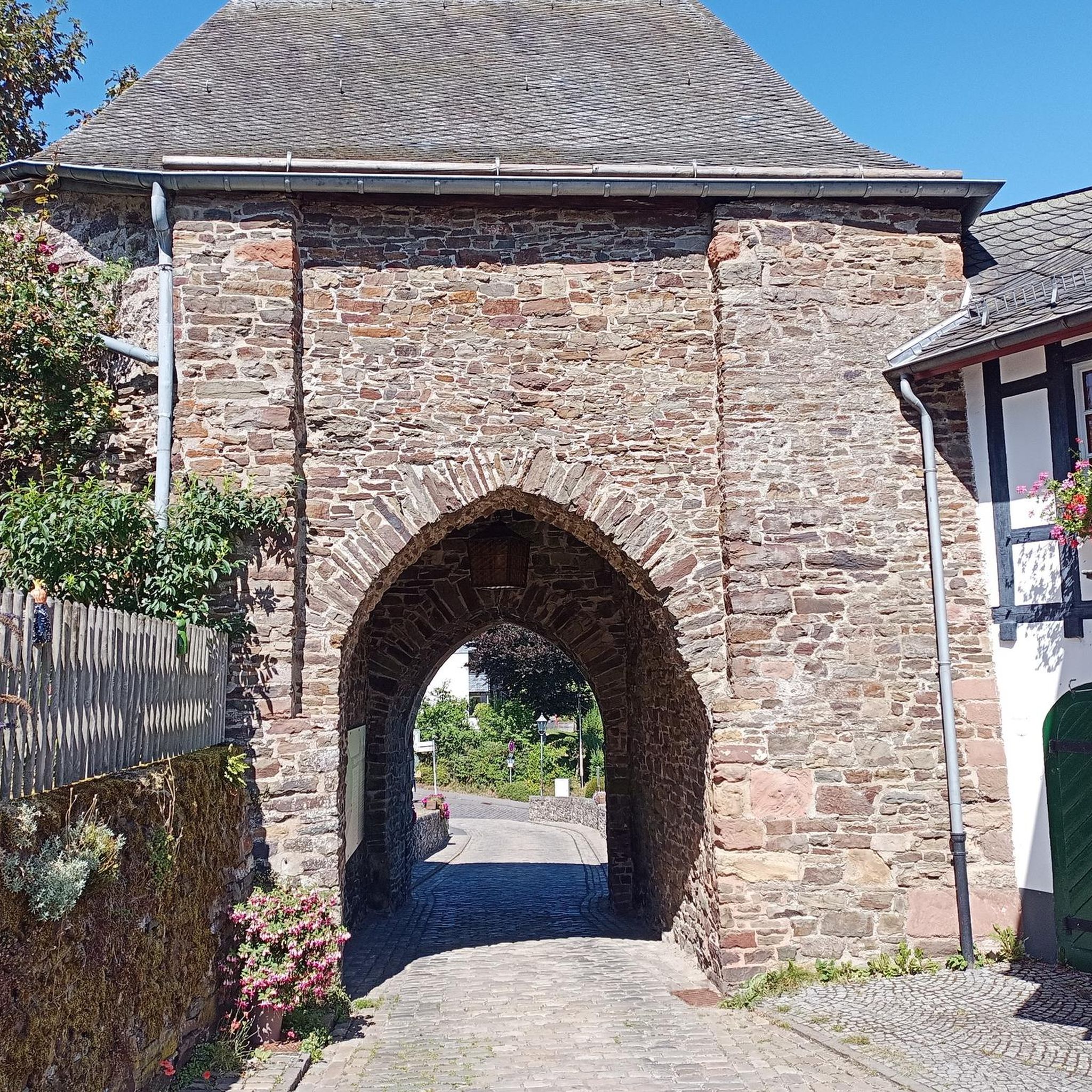
At the entrance to Ansião, the Ponte da Cal bridge crosses the serene Nabão River. Built in the 17th century, it formed part of the old road axis between Coimbra and Lisbon and reveals, beneath its two perfect arches, curious marks sculpted by time. Popular memory links it to the passage of Queen Saint Isabel, inspiration for the old bathing tanks next to the bridge (one for women, the other for men). Legend says that the waters became miraculous after the queen refreshed herself here, giving rise to the famous "holy baths". The small chapel was built to mark this devotion.
1
1
Conímbriga, an ancient city of Lusitania, is the most impressive Roman complex in Portugal, a place where history still breathes among its baths, forum, amphitheater, and uniquely delicate mosaics, such as those in the famous House of Fountains. Although only a small part has been excavated, the grandeur the city held throughout its almost six centuries under Roman rule is evident. The second wall, hastily erected with stone taken from entire buildings, reveals a time of threat and decline, a prelude to the abandonment that followed the Suebian invasions. Today, among fallen columns and pavements that still gleam in the sun, Conímbriga continues to intrigue and amaze, preserving in its ruins the stories that time has almost erased.
2
0

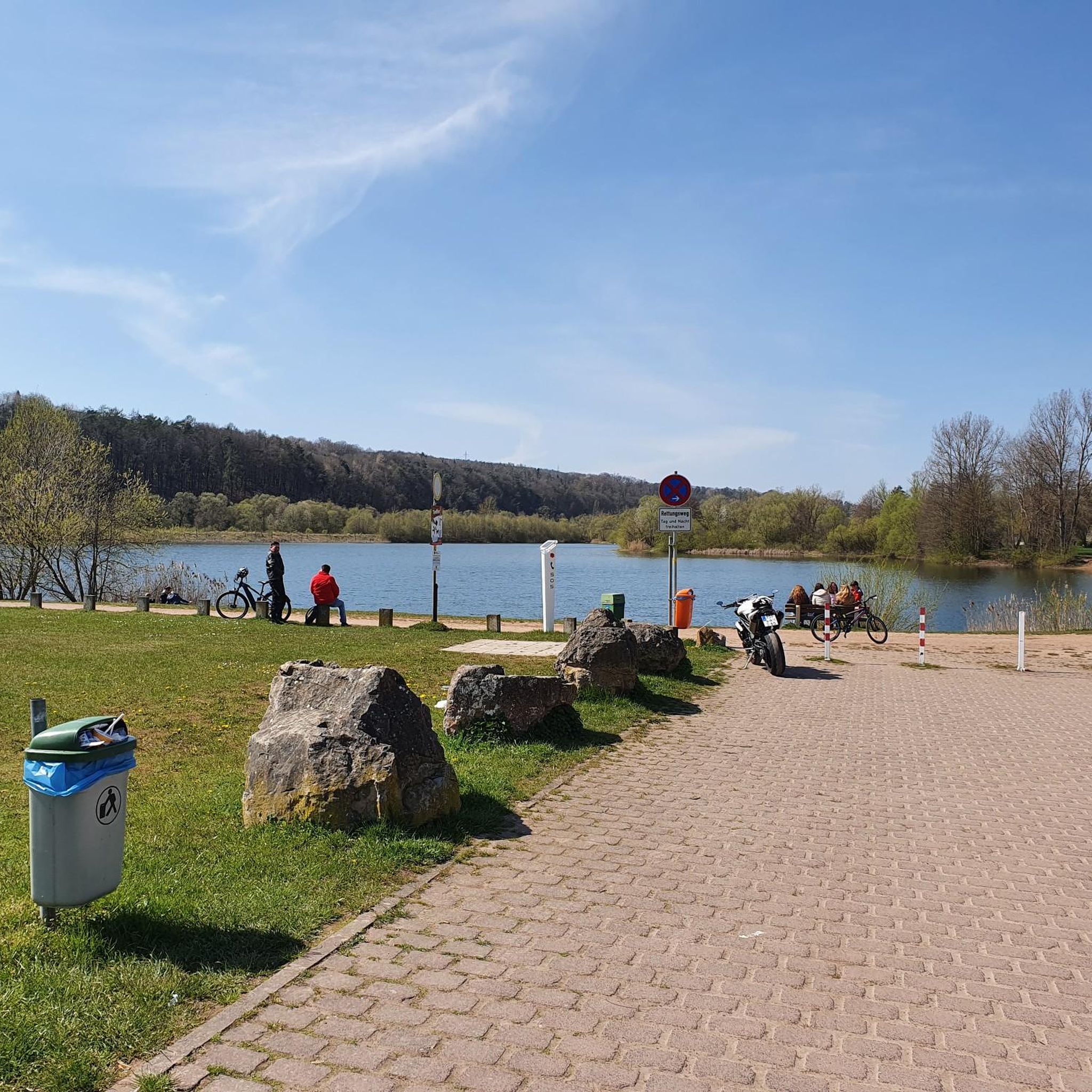
The Marina and Port of Figueira da Foz! It is one of the main recreational and fishing ports on the west coast of Portugal. Features: - Location: The marina and port are located at the mouth of the Mondego River, in the center of the city of Figueira da Foz. - Infrastructure: The marina offers a wide range of services, including mooring, refueling, boat repair, and boat rental. - Access: The marina is easily accessible by road, with parking available nearby. Points of Interest: - Beach: The marina is located next to Figueira da Foz beach, one of the most popular in the region. - Historic Center: The historic center of Figueira da Foz is within walking distance of the marina, with shops, restaurants, and historical monuments. - Promenade: The marina offers a promenade with stunning views of the Mondego River and the city. Activities: - Navigation: The marina is a popular location for water sports, including sailing, kayaking, and paddleboarding. - Fishing: The marina offers fishing services, including boat rentals and experienced guides. - Events: The marina is a frequent venue for cultural and sporting events, including regattas and festivals. Practical Information: - Opening Hours: The marina is open to the public every day, with varying hours depending on the time of year. - Prices: Prices vary depending on the type of service or activity. - Contact: You can contact the marina by phone or email for more information. The Figueira da Foz Marina and Port are a must-see destination for anyone visiting the region and wishing to enjoy the sea and nature.
3
0

place for boat crossing
2
0


A charming historic bridge located in the municipality of Ansião, in the district of Leiria, Portugal. Probably built in the 17th century, this arched structure consists of two full arches and a gently sloping trestle deck. Beneath one of the arches is a stone basin, which, according to local tradition, was used by Queen Saint Isabel to bathe during her visits to the region.
5
1

Here you can watch archaeologists at work.
1
0
Frequently Asked Questions
What historical sites can I visit around Soure?
The Soure region is rich in history. You can explore the impressive Montemor-o-Velho Castle, a strategic fortress from the late 14th century. Additionally, the Conímbriga Roman Ruins offer a fascinating glimpse into ancient Roman life with preserved mosaics, baths, and a forum. In Soure itself, the historic Castle of Soure and the Igreja Matriz de Nossa Senhora da Graça are notable landmarks.
Are there any ancient Roman sites near Soure?
Yes, the Conímbriga Roman Ruins are a must-see. This ancient city, one of the most impressive Roman complexes in Portugal, features well-preserved thermal baths, a forum, an amphitheater, and delicate mosaics, including those in the famous House of Fountains. It provides significant insight into Roman life in Lusitania.
Where can I find natural attractions or viewpoints near Soure?
For natural beauty, consider visiting Morraceira Island, known for its salt ponds and diverse birdlife, including flamingos. The region also offers rolling hills, valleys with vineyards, and the alluvial basins of the Anços, Arunca, and Pranto rivers. The nearby Parque Natural das Serras de Aire e Candeeiros is excellent for exploring caves and rock formations like Buracas do Casmilo.
Are there opportunities for hiking around Soure?
Absolutely! The area around Soure offers various hiking trails. You can find routes that explore natural features like the Lapiás do Casmilo and Buracas do Casmilo, or trails leading to viewpoints such as Nossa Senhora da Estrela. For more detailed options, check out the Hiking around Soure guide, which includes trails like the easy Lapiás do Casmilo – Buracas do Casmilo loop.
What kind of cycling routes are available near Soure?
Cyclists can enjoy a variety of routes around Soure. Options range from coastal loops like the Figueira da Foz – Tamargueira Beach loop to scenic rides along the Mondego River. The Cycling around Soure guide provides details on routes such as the Morraceira Island – Mondego Cycle Path loop and the Parque da Vila de Soure – Soure Castle loop.
Are there family-friendly attractions in the Soure region?
Yes, several attractions are suitable for families. The Conímbriga Roman Ruins are often enjoyed by families, offering an educational and engaging experience. Morraceira Island, with its unique ecosystem and birdwatching opportunities, can also be a fun outing for all ages. Many of the easier hiking and cycling routes are also suitable for families.
Are any attractions around Soure wheelchair accessible?
The Marina, Figueira da Foz port is noted as wheelchair accessible, offering a pleasant environment to stroll and enjoy views of the Mondego River mouth. While specific accessibility details for all sites are not available, it's advisable to check with individual locations like the Conímbriga Roman Ruins for their current accessibility provisions.
What is the best time of year to visit Soure for outdoor activities?
The central Portugal region, including Soure, generally experiences pleasant weather for outdoor activities during spring (April to June) and autumn (September to October). These seasons offer milder temperatures, ideal for hiking, cycling, and exploring historical sites without the intense heat of summer or the heavier rains of winter.
What do visitors enjoy most about the attractions near Soure?
Visitors particularly appreciate the blend of history and natural beauty. The grandeur of sites like Conímbriga Roman Ruins and Montemor-o-Velho Castle is frequently highlighted. The scenic views, especially towards the Atlantic Ocean from places like the Marina, Figueira da Foz port, and the unique ecosystem of Morraceira Island, are also highly valued by the komoot community.
Can I find running trails in the Soure area?
Yes, there are several running trails around Soure. You can find routes that take you through varied landscapes, including loops around historical sites like Montemor-o-Velho Castle or scenic paths near natural features. For specific routes and difficulty levels, refer to the Running Trails around Soure guide.
Are there any coastal attractions or ports nearby?
Yes, the Marina, Figueira da Foz port is a significant coastal attraction. Located at the mouth of the Mondego River, it can accommodate numerous vessels and offers technical services, along with restaurants, bars, and beautiful sunsets over the Atlantic Ocean. It's also a great spot for photography.
What is the Montemor-o-Velho Castle known for?
The Montemor-o-Velho Castle, dating from the late 14th century, is renowned for its strategic role during the Christian Reconquest. Within its walls, you can find remains of the old Medieval Palace and the Church of Santa Maria da Alcáçova. It's also historically significant as the reported location where the death of Dona Inês de Castro was decided.
Most popular attractions around Soure

Get inspired with the komoot mobile app


Explore more
Still not found the Highlight you’re looking for? See guides of the top attractions in other regions:
