Top 20 Castles around Plzeňský kraj
Best castles around Plzeňský kraj offer a journey through diverse historical periods and architectural styles in the Czech Republic. This region is characterized by its rolling hills, the Šumava mountain range, and significant rivers like the Otava, providing scenic backdrops for its historical sites. The area's rich heritage is evident in its well-preserved fortresses and ruins, which once protected trade routes and gold-bearing regions. Exploring these castles provides insight into Bohemian history and the strategic importance of the landscape.
Best castles around Plzeňský kraj
- The most popular castles is Kašperk Castle, a castle that is the highest royal castle in Bohemia. It is known for its largely unaltered original Gothic architecture and panoramic views of the Šumava region.
- Another must-see spot is Ruins of the Paulaner Monastery and Světce Castle, a historical site. Visitors can explore the ruins of the former Pauline monastery, where a luxurious residence was once planned but never completed.
- Visitors also love Diana Hunting Lodge, a castle first mentioned in 1742. This classicist hunting lodge features the plan of an isosceles cross with a dome crowned by a seated metal deer.
- Plzeňský kraj is known for its variety of castles, including medieval ruins, Gothic fortresses, Renaissance chateaus, and classicist hunting lodges. The region offers a comprehensive journey through various architectural styles and historical periods.
- The castles around Plzeňský kraj are appreciated by the komoot community, with more than 140 upvotes and over 960 photos shared by visitors.
Last updated: July 1, 2026
Grafenried / Lučina – Abandoned Village Ruins
Highlight • Historical Site
Translated by Google •
Tip by

Kašperk Castle
Highlight • Castle
Translated by Google •
Tip by

Sign up now to discover places like this
Get recommendations on the best single tracks, peaks, & plenty of other exciting outdoor places.
Sign up for free
Ruins of the Paulaner Monastery and Světce Castle
Highlight • Historical Site
The monastery died out in 1786, later the Windischgrätz noble family bought it and tried to build a luxurious residence here. Prince Alfred I. Windischgrätz began building a palace near the monastery in 1858-1861, which he never completed.
cs.m.wikipedia.org/wiki/Sv%C4%9Btce_(Tachov)
Translated by Google •
Tip by

Wooden Chapel of Our Lady and St. Sophie
Highlight • Religious Site
Showing Translation
Tip by

Crypt of Waldheim Castle
Highlight • Castle
The tomb was opened violently by unknown and then no longer closed. The mortal remains that were still there were finally buried in the cemetery of Neulosimthal in 1942 - that's what it says on an information board attached by the OWV Georgenberg 2013 next to the ruins.
Translated by Google •
Tip by

Rýzmberk Castle Ruins and Observation Tower
Highlight • Castle
Impressive entrance offers the - Vstupní brána - entrance gate to the former castle complex. The castle tower now serves as a lookout tower.
On the back of the mountain is also the former "Lesní divadlo - Forest Theater"
Translated by Google •
Tip by

Přimda Castle Ruins
Highlight • Castle
Due to wind break the direct driveway is currently difficult. Also the hiking trails around Primda strongly affected with queliegenden trees.
Translated by Google •
Tip by

Velhartice Castle
Highlight • Castle
But let's start with the weather 🤗😍
I spent almost the whole day in the castle trying to catch the sun gleams, so that the castle appeared in a more interesting and beautiful perspective. I really hope that I succeeded.
Now a little about the castle.
The castle, founded in the 14th century, in the extended late Gothic style. During the Thirty Years War, it was acquired by Martin Huerta, for whom a late Renaissance wing with arcades was built. In short, it was an extremely cruel and bloody general. Here's what they write about him:
"A foreign adventurer, a former tailor, then a lackey and a spy, did his best to please the Emperor Ferdinand II., Bloody revenge on the Czech nation. With his ferocious soldier force, he rushed from town to town, burning, killing and torturing the hardened" heretics ". "
In general, as always, the legend is very bloody and fully corresponds to the black times of the Inquisition ..
Here is a short story about this beautiful but terrible, in the past, place today.
Tip by

Ruins of Buben Castle
Highlight • Castle
Translated by Google •
Tip by
Trhanov Castle
Highlight • Castle
Neighboring towns are Nový Hamr in the north, Újezd and Havlovice in the northeast, Pila and Babylon in the southeast, Pec in the southwest, Chodov in the west and Klenčí pod Čerchovem in the northwest.
Translated by Google •
Tip by
Sign up for free to discover even more castles around Plzeňský kraj.
Sign up for free
Already have an account?
Start today with a free account
Your next adventure awaits.
Login or Signup
Popular around Plzeňský kraj
Triathlon around Germany
Bavaria-Bohemia long-distance cycling trail – Crossing borders
Nurtschweg – Hiking along the German-Czech border
From Berlin to Prague — in the footsteps of the Peace Race part 2
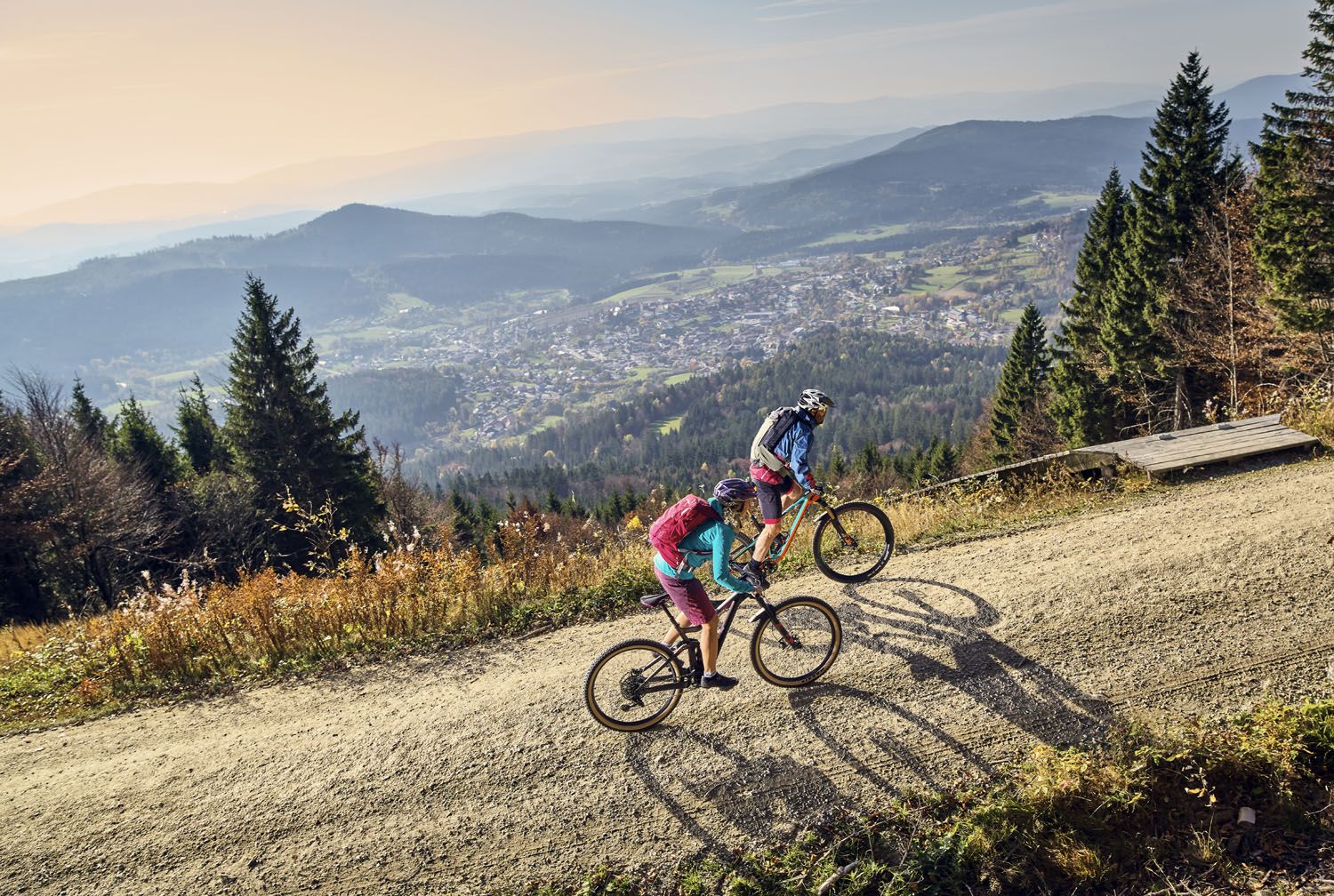
Exciting cycle and (e)-mountain bike Tours in the Bavarian Forest
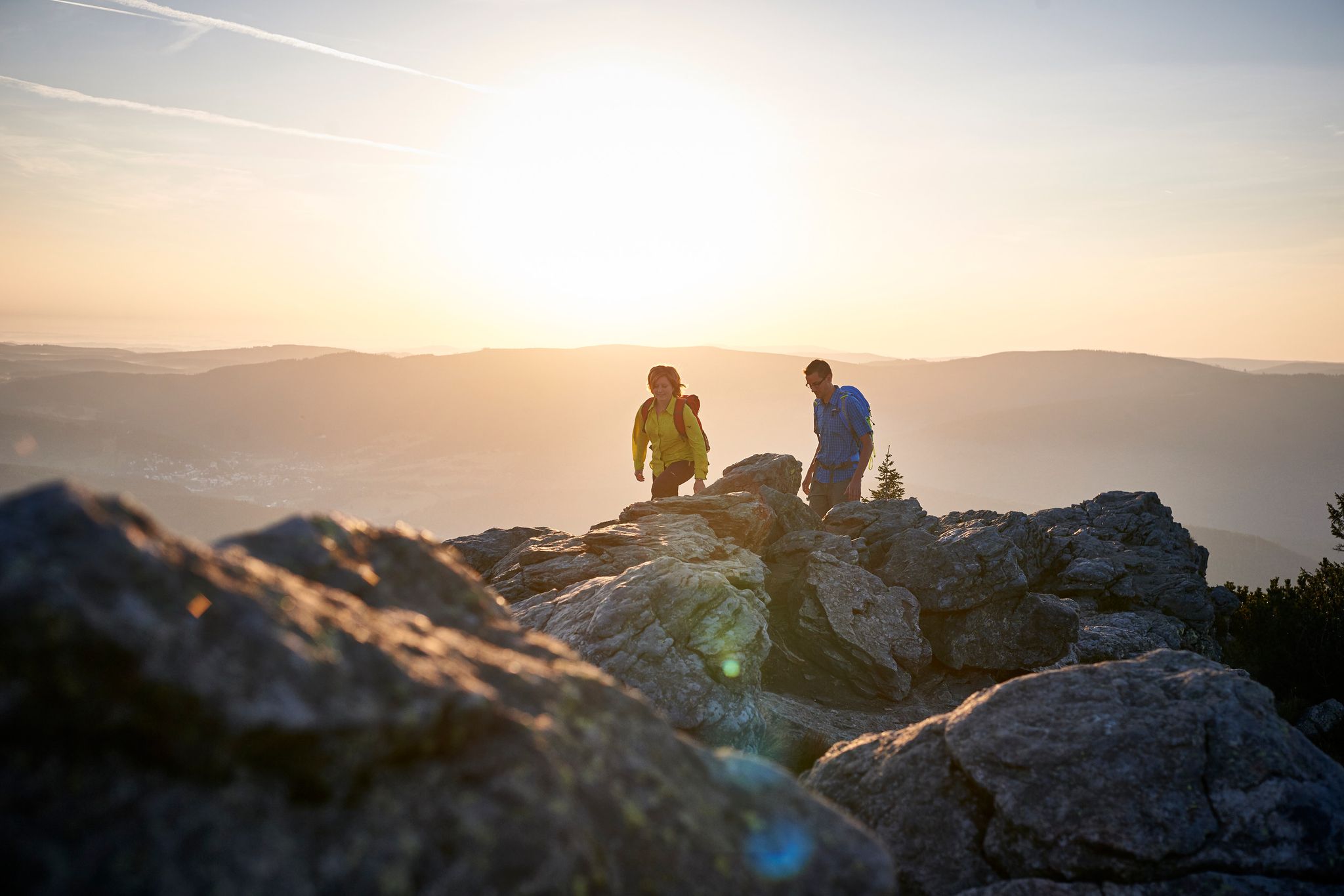
Varied day Tours on the Großer Arber
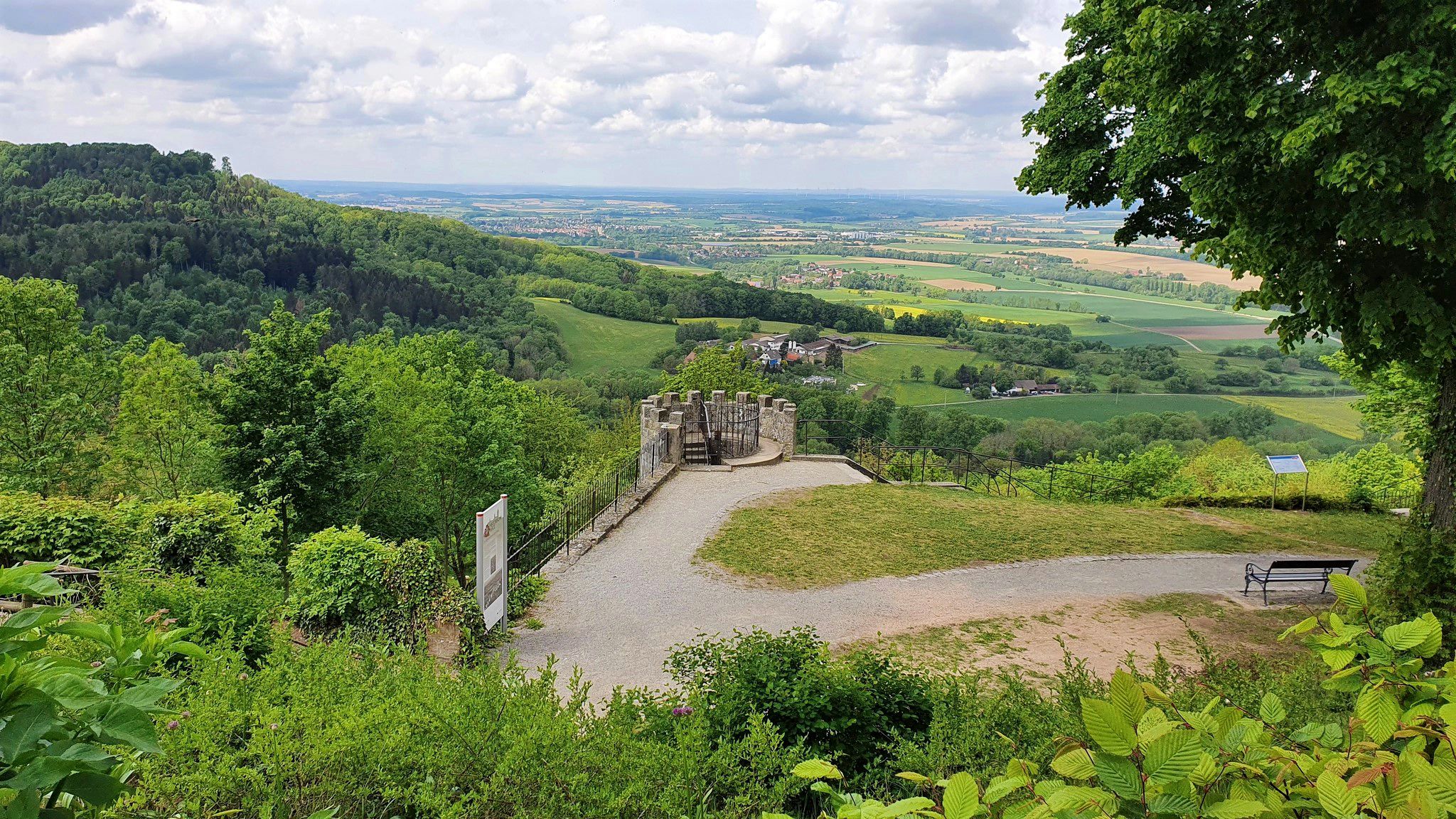
A cycling adventure from Paris to Prague – Pan-European Cycle Route
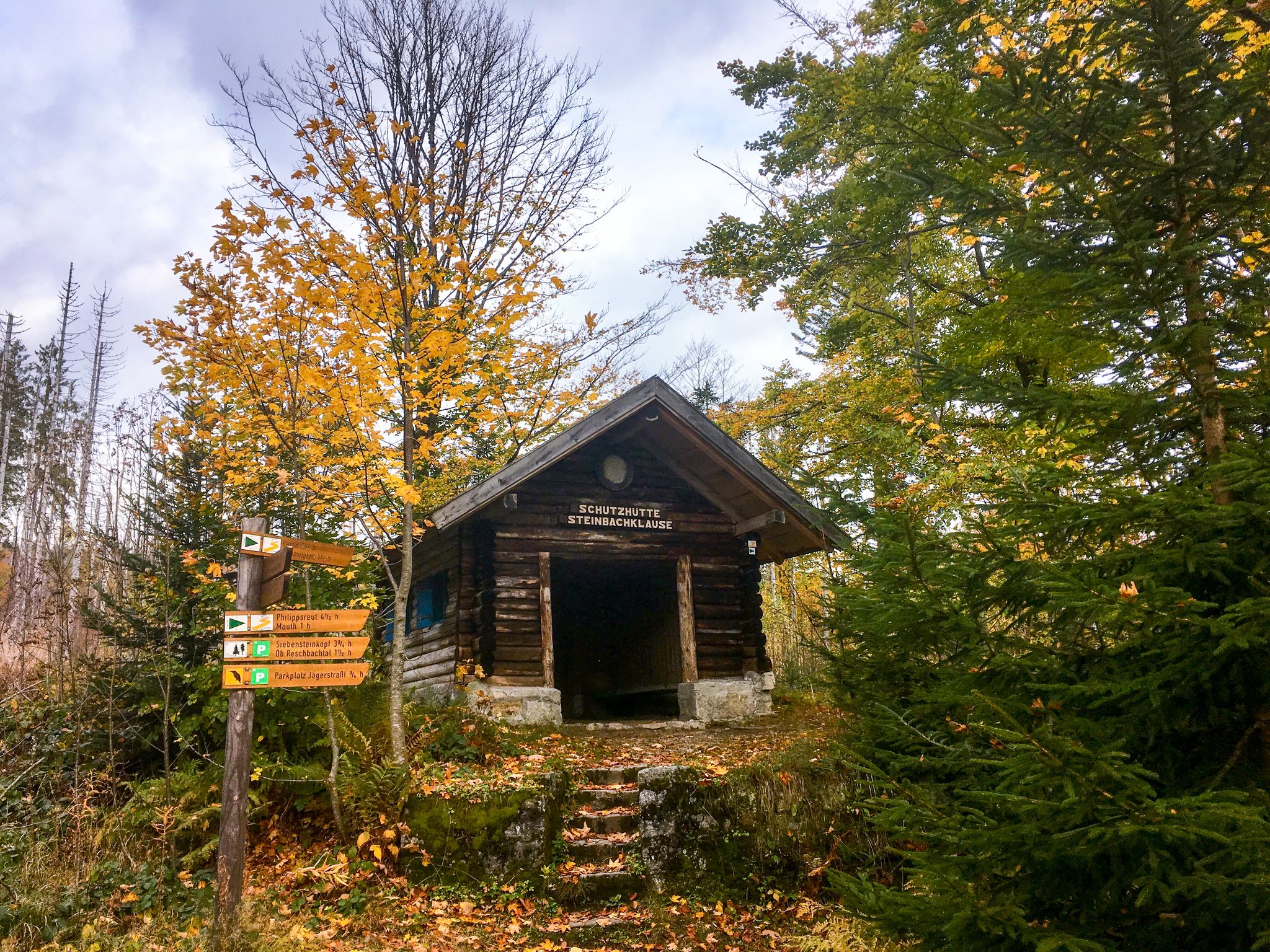
Discover the wild nature in the Bavarian Forest National Park on leisurely hikes
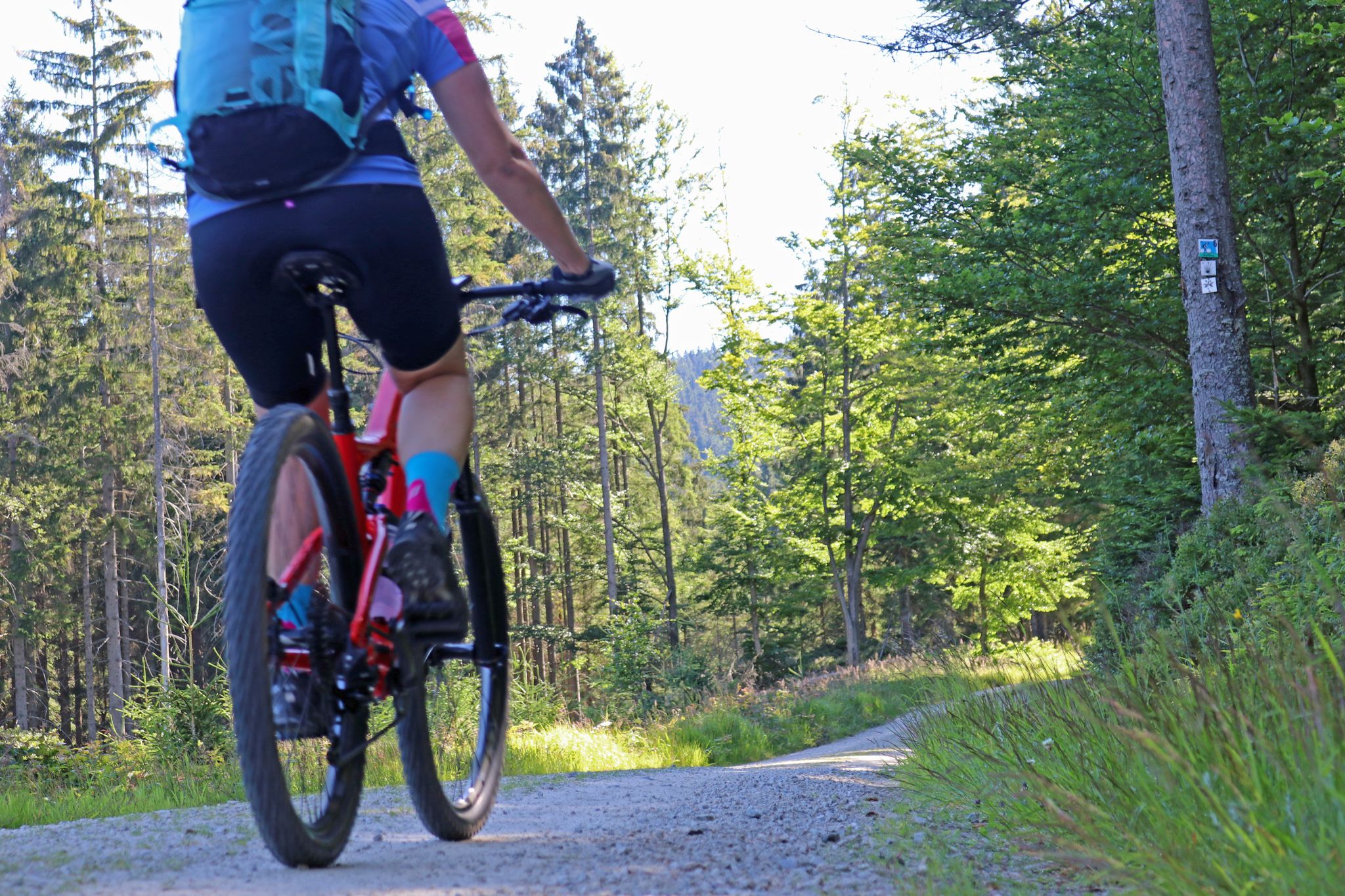
The most beautiful bike tours in the Bavarian Forest National Park
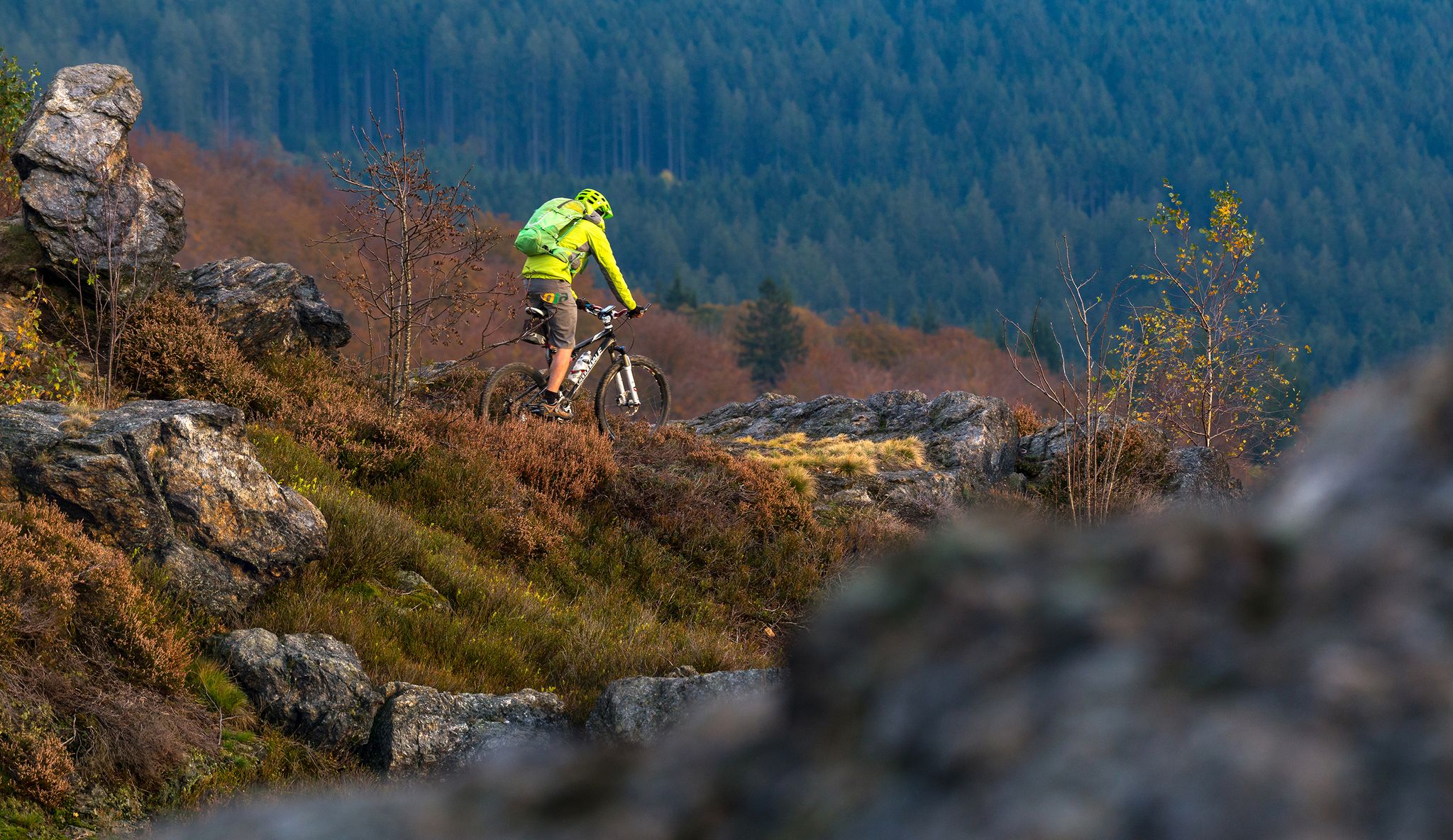
A 3-day bike adventure in Arberland
Other adventures around Plzeňský kraj


Tips from the Community

The former Grafenried (Czech: Lučina) stood on a small hill near the German border (today the Untergrafenried border crossing) west of Nemanice. Grafenried also included the villages of Anger (Upor), Seeg (Pila), and Haselbach (Liskova). Around 800 people lived there. After the end of the Second World War, the German population was expelled from the border area, and the village, with all its buildings, was gradually razed. The Grafenried church of St. George still stood until the 1970s. Although it had the status of a monument, it was blown up and demolished. On the initiative of a former German resident of the community and some historians on the Czech side, the remains of the church were partially excavated and renovated in 2011. The search for traces was extended to the entire lost village and its districts.
11
0
In the family-owned woodworking businesses, Count Jindřich Kolowrat-Krakowský commissioned this chapel in 1939. It is dedicated to the Virgin Mary and Saint Sophia and was built as a memorial to the Count's first wife, Sofia Nikolaevna Trubetskaya, who died in 1938. The mother of four of the Count's five children lived to be only 38 years old.
13
0

Hidden in the forest, you can still find remnants of a tomb.
0
0

The ruins hint at the former grandeur. Very impressive.
0
0


Beautiful place, unfortunately closed on Mondays. Still worth a visit 😍.
2
0

The Chapel of Our Lady and Saint Sophia is located in the castle park on Dianaberg.
3
0

The castle was founded in 1356 by Charles IV. (after him it was also named - Karlsberg). There were three reasons for establishing this guard castle. The primary necessity was the need to secure the land border with neighboring Bavaria. The second reason was the monarch's effort to protect the gold-bearing area of the Kašperské Hory. Last but not least, Charles IV. he considered it necessary to ensure security on the newly established commercial road called the Golden Path. It connected Bohemia with Bavaria and then with the developed regions of Western Europe. One of its branches led through the Kašperské Hory. Kašperk quickly became an important support of royal power in southern Bohemia. Although Kašperk was a royal castle, it often served as a pawn, and therefore was ruled by pawnbrokers; the second archbishop of Prague, Jan Očko from Vlašimi, is among the well-known. In the second half of the 15th century, the Kašperk castle passed into the possession of the important Šternberk family from Šternberk. As the end of the 16th century approached, the castle gradually lost its original significance, funds were no longer available for its regular maintenance, and the castle fell into disrepair. The Royal Chamber began to sell off the Kasper estate. Finally, in 1616, the already derelict Kašperk Castle was bought by the nearby City of Kašperské Hory, which is still the owner and operator of Kašperk Castle today. The yield of Ferdinand III. fortunately, the demolition of the castles in 1655 was not carried out by the Kašperskohorský, who used the ruins as a source of building material. In the 20th century, it underwent extensive reconstruction that had already begun before the Second World War.
2
0
Frequently Asked Questions
What are some of the most historically significant castles in Plzeňský kraj?
The region boasts several castles with deep historical roots. Kašperk Castle, for instance, is Bohemia's highest royal castle, founded by Emperor Charles IV. Rabí Castle, the largest castle ruin in the Czech Republic, played a significant role in the Hussite Wars. Zbiroh Chateau, one of Bohemia's oldest royal castles, hosted figures like Emperor Rudolf II and Alfons Mucha.
Are there any castles in Plzeňský kraj that are particularly unique architecturally?
Yes, Velhartice Castle stands out with its unique stone bridge connecting the palace to the defensive 'Donjon' tower, a design unparalleled in Europe. Švihov Castle is another architectural gem, known as a well-preserved Gothic water castle.
What kind of views can I expect from castles in Plzeňský kraj?
Many castles offer panoramic views of the surrounding landscape. Kašperk Castle provides breathtaking vistas of the Šumava region. Rabí Castle offers extensive views of the Pošumaví region, while Radyně Castle provides wide views of Plzeň and the Brdy mountain range from its tower.
Are there family-friendly castles to visit in Plzeňský kraj?
Yes, Kašperk Castle is known for its engaging tours and events, making it suitable for families. Its blend of history, legend, and natural beauty appeals to all ages. The Grafenried / Lučina – Abandoned Village Ruins also offers an interesting historical exploration for families.
What outdoor activities can I do near the castles in Plzeňský kraj?
The region offers various outdoor activities. You can find numerous hiking trails, including easy options like the 'Wolf Observation Platform loop from Srní' or moderate routes such as 'Čertovo Jezero (Devil's Lake) – Špičák Observation Tower loop from Špičák'. For cycling enthusiasts, there are gravel biking routes like the 'Trifter Inn Schwellhäusl – Falkenstein Mountain Hut loop from Bayerisch Eisenstein'. You can explore more options in the hiking guide or gravel biking guide for Plzeňský kraj.
Are there any castle ruins worth exploring in the region?
Absolutely. Rabí Castle is the largest castle ruin in the Czech Republic, offering a vast area to explore. Přimda Castle Ruins and Rýzmberk Castle Ruins and Observation Tower also provide a tangible sense of medieval history and often include observation towers for scenic views. The Ruins of the Paulaner Monastery and Světce Castle is another significant historical ruin.
What is the best time of year to visit the castles in Plzeňský kraj?
The castles are generally best visited from spring to autumn (April to October) when the weather is mild and the surrounding nature is vibrant. Many castles also host medieval festivals and events during these months. Some castles may have limited opening hours or be closed during the winter season, so it's advisable to check specific castle websites before planning a winter visit.
Can I find accommodation or cafes near the castles?
Yes, many popular castle sites, such as Kašperk Castle and Velhartice Castle, have refreshments available on-site or in nearby villages. The region is well-equipped with various accommodation options, from guesthouses to hotels, in towns and villages surrounding the castles.
What do visitors enjoy most about the castles in Plzeňský kraj?
Visitors frequently praise the stunning panoramic views, the rich historical insights, and the well-preserved architecture. Many appreciate the opportunity to combine castle visits with walks or hikes in the beautiful natural surroundings. The high quality of services, including refreshments and souvenir stands, also receives positive feedback, as noted by visitors to Kašperk Castle.
Are there any castles that were originally hunting lodges?
Yes, the Diana Hunting Lodge is a classicist example, first mentioned in 1742, known for its unique isosceles cross plan. Kozel Chateau is another notable 18th-century classicist hunting lodge in the region.
Are there any castles in the region that are less known but still worth visiting?
While not as widely known as some others, Nebílovy Chateau is a beautiful Baroque chateau that offers tours of its well-preserved interiors. The Ruins of Buben Castle also offers a glimpse into medieval history in a more secluded setting.
Most popular routes around Plzeňský kraj
Most popular attractions around Plzeňský kraj

Get inspired with the komoot mobile app


Didn’t find what you were looking for?
Explore Plzeňský kraj’s best castles region by region:
Explore more
Looking for the best castles somewhere else? Discover other guides around Plzeňský kraj:
