The best walks and hikes around Aalten
4.4
(881)
5,189
hikers
411
hikes
Hiking around Aalten offers a network of trails through the rural landscape of the Achterhoek region in the Netherlands. The area is characterized by its gentle topography, featuring nature reserves, agricultural fields, and small woodlands. Hikers can expect to find routes that traverse open countryside and pass by historical sites, with minimal elevation changes. The region includes diverse natural features such as the Aaltserse Goor Nature Reserve, Vennebulten Nature Reserve, and the Slinge River.
Best hiking trails around Aalten
- The…
Last updated: October 12, 2026
4.1
(29)
113
hikers
5.95km
01:30
10m
10m
Easy hike. Great for any fitness level. Easily-accessible paths. Suitable for all skill levels.
4.5
(22)
89
hikers
9.03km
02:18
30m
30m
Moderate hike. Good fitness required. Easily-accessible paths. Suitable for all skill levels.

4.6
(23)
99
hikers
Moderate hike. Good fitness required. Easily-accessible paths. Suitable for all skill levels.
4.6
(22)
99
hikers
15.0km
03:50
50m
50m
Moderate hike. Good fitness required. Easily-accessible paths. Suitable for all skill levels.
4.6
(43)
274
hikers
3.23km
00:49
10m
10m
Easy hike. Great for any fitness level. Easily-accessible paths. Suitable for all skill levels.
Get access to more routes and recommendations from other explorers.
Already have an account?
Our route recommendations are based on thousands of hikes, rides, and runs completed by other people on komoot.
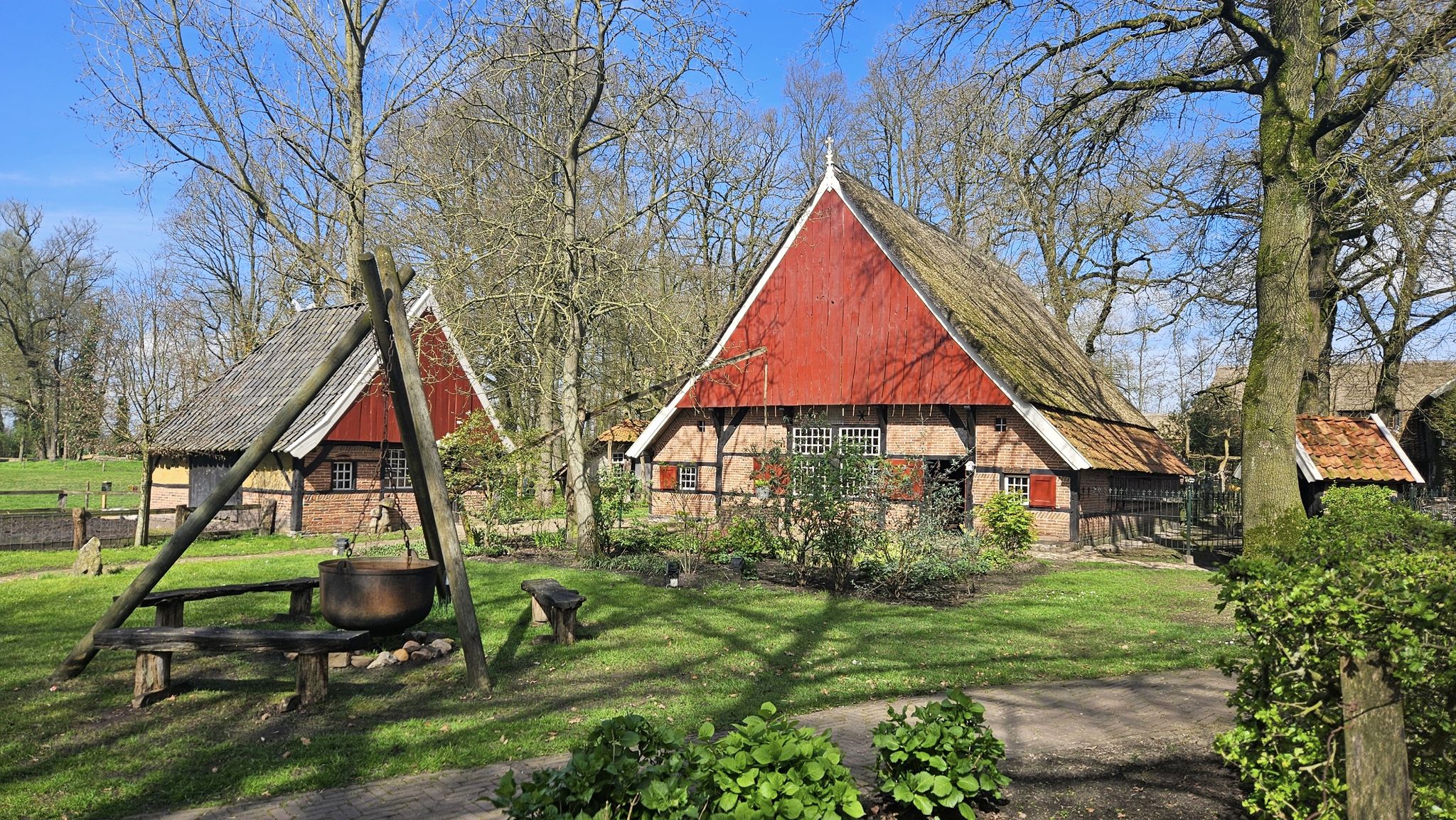
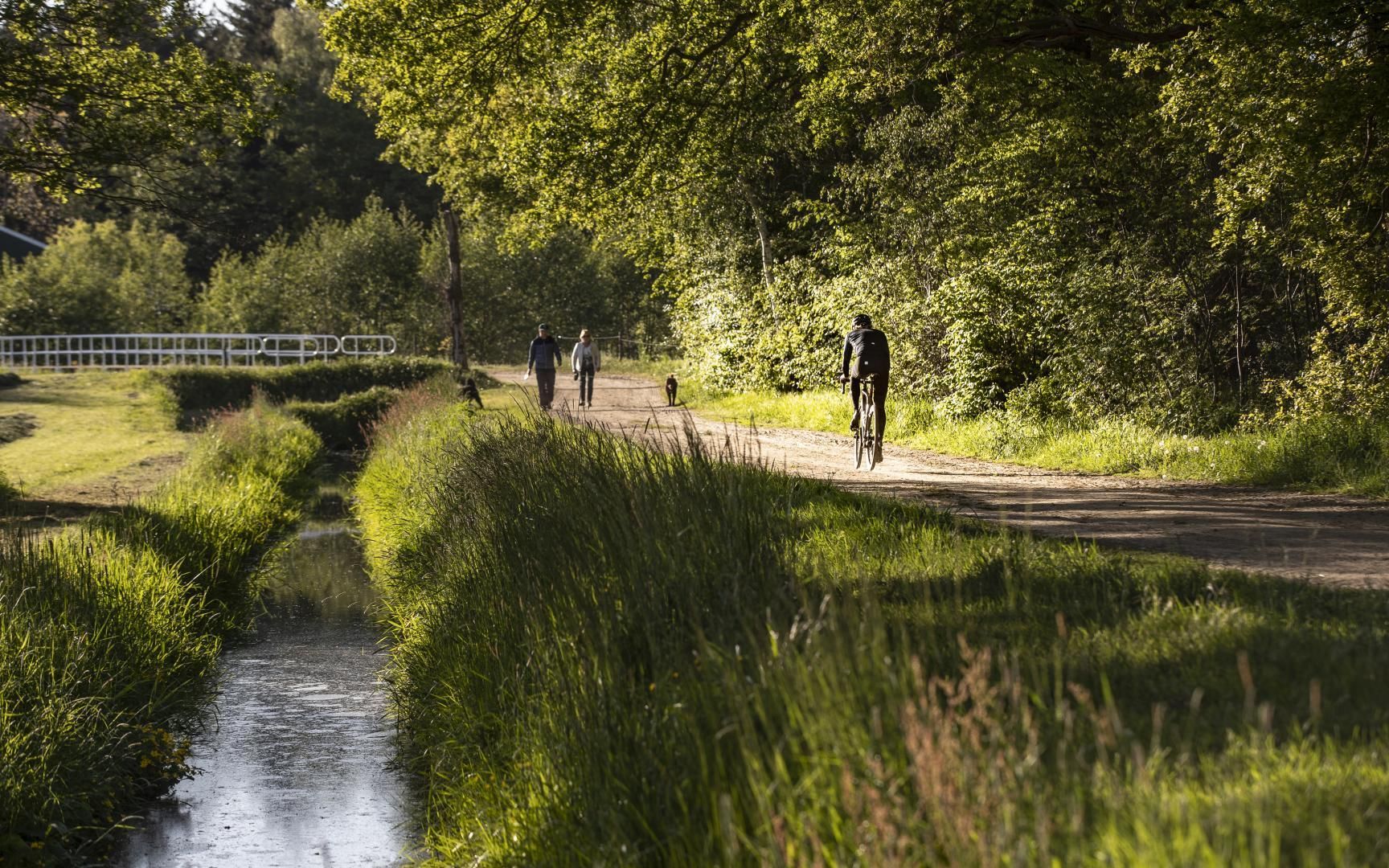
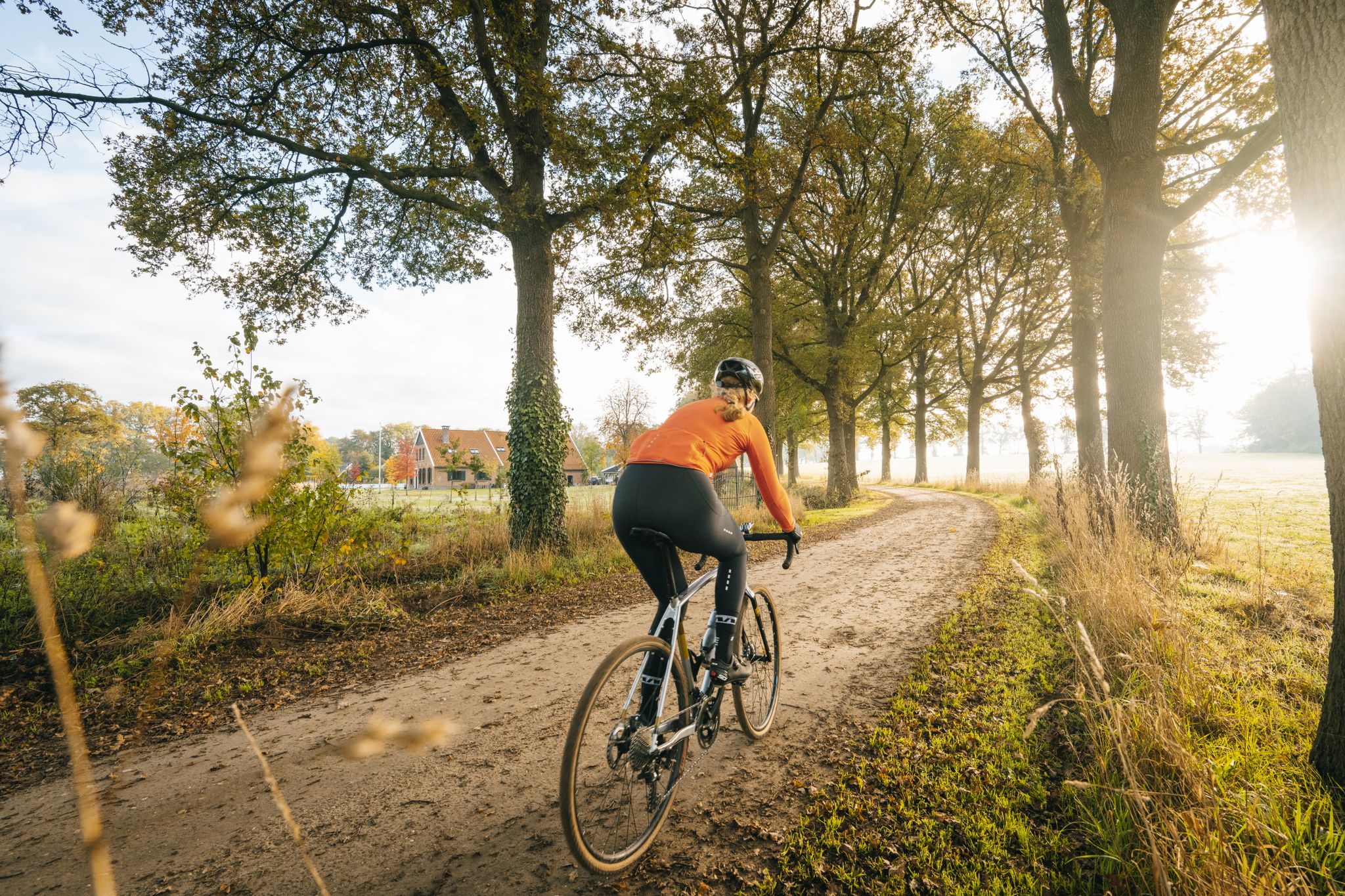
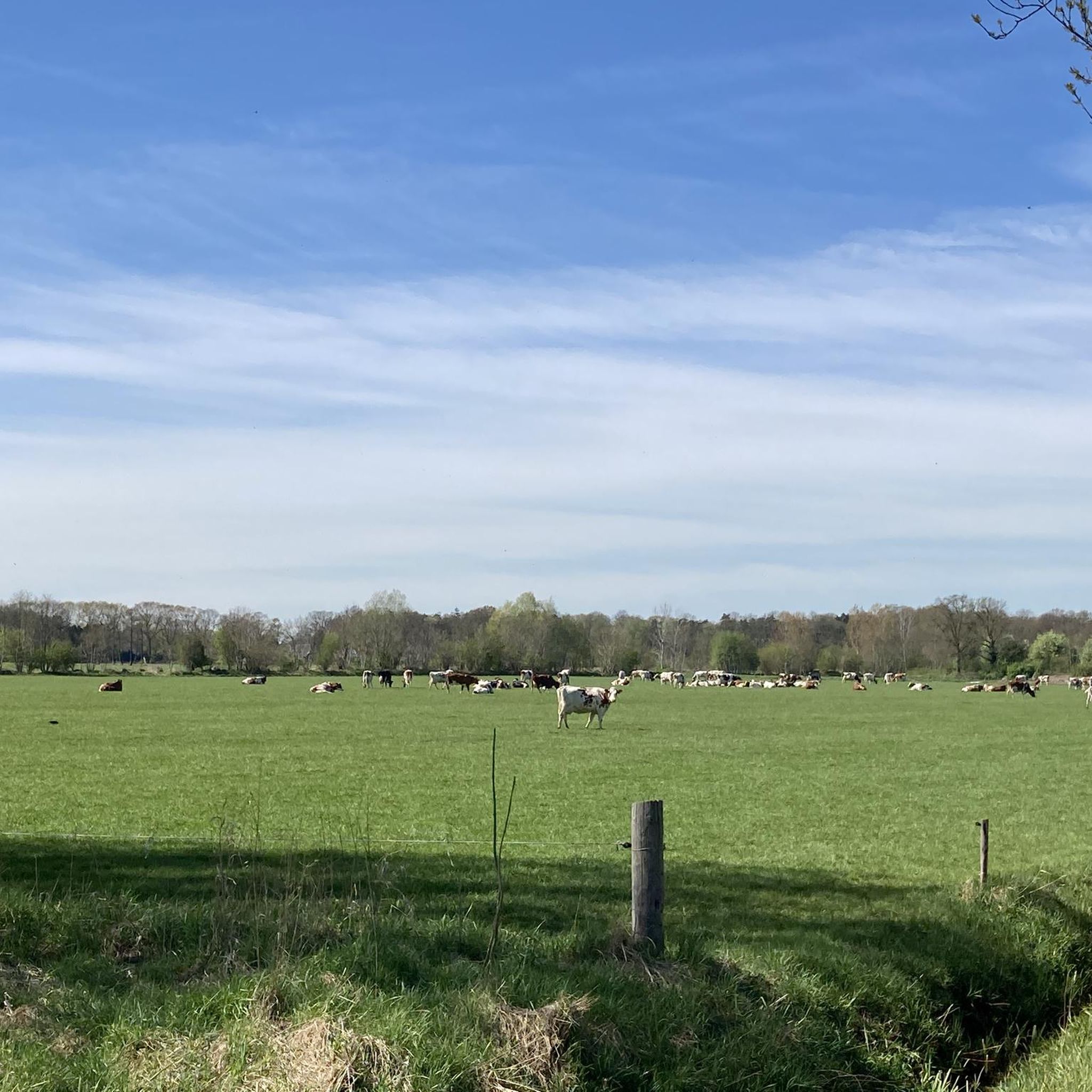



Tips from the Community

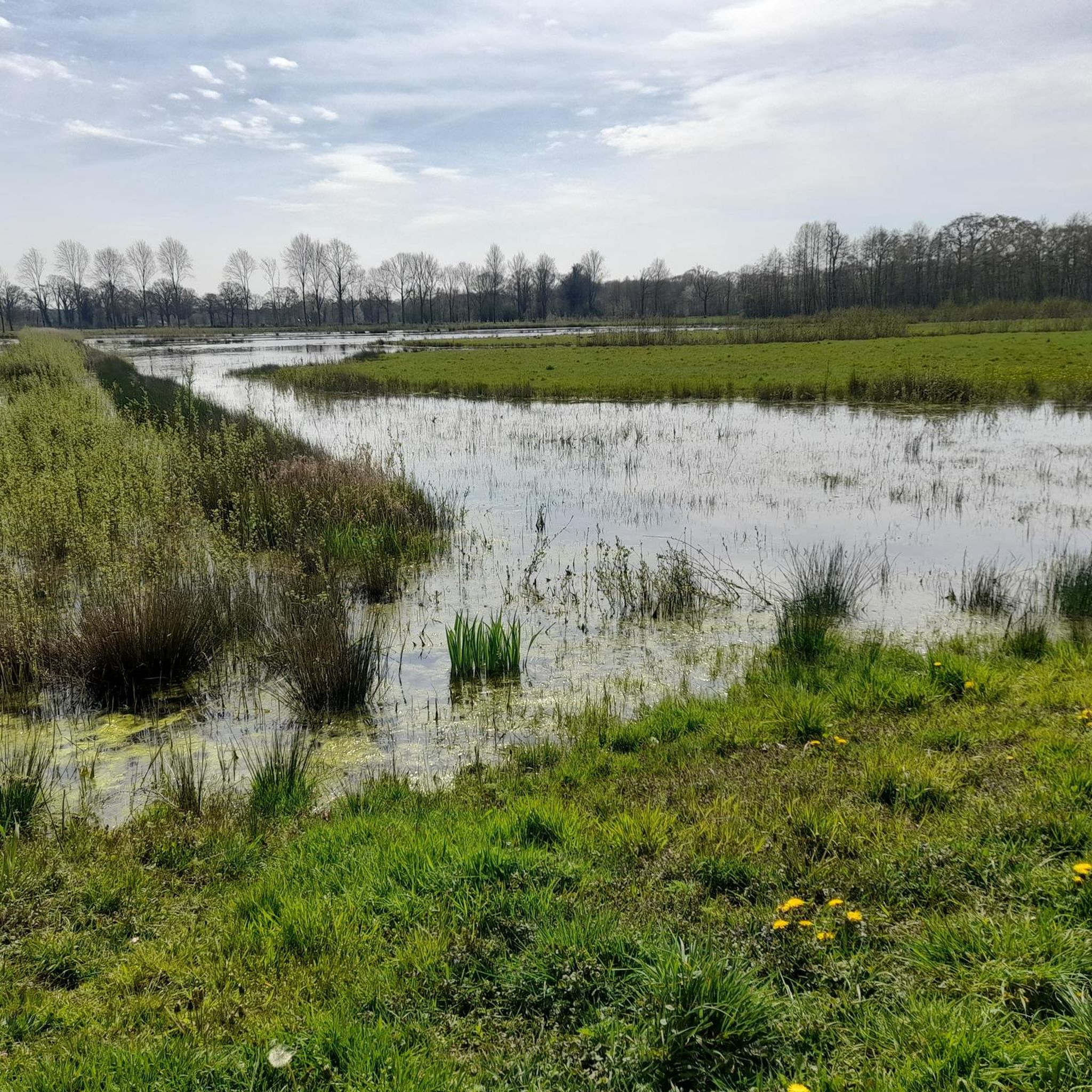
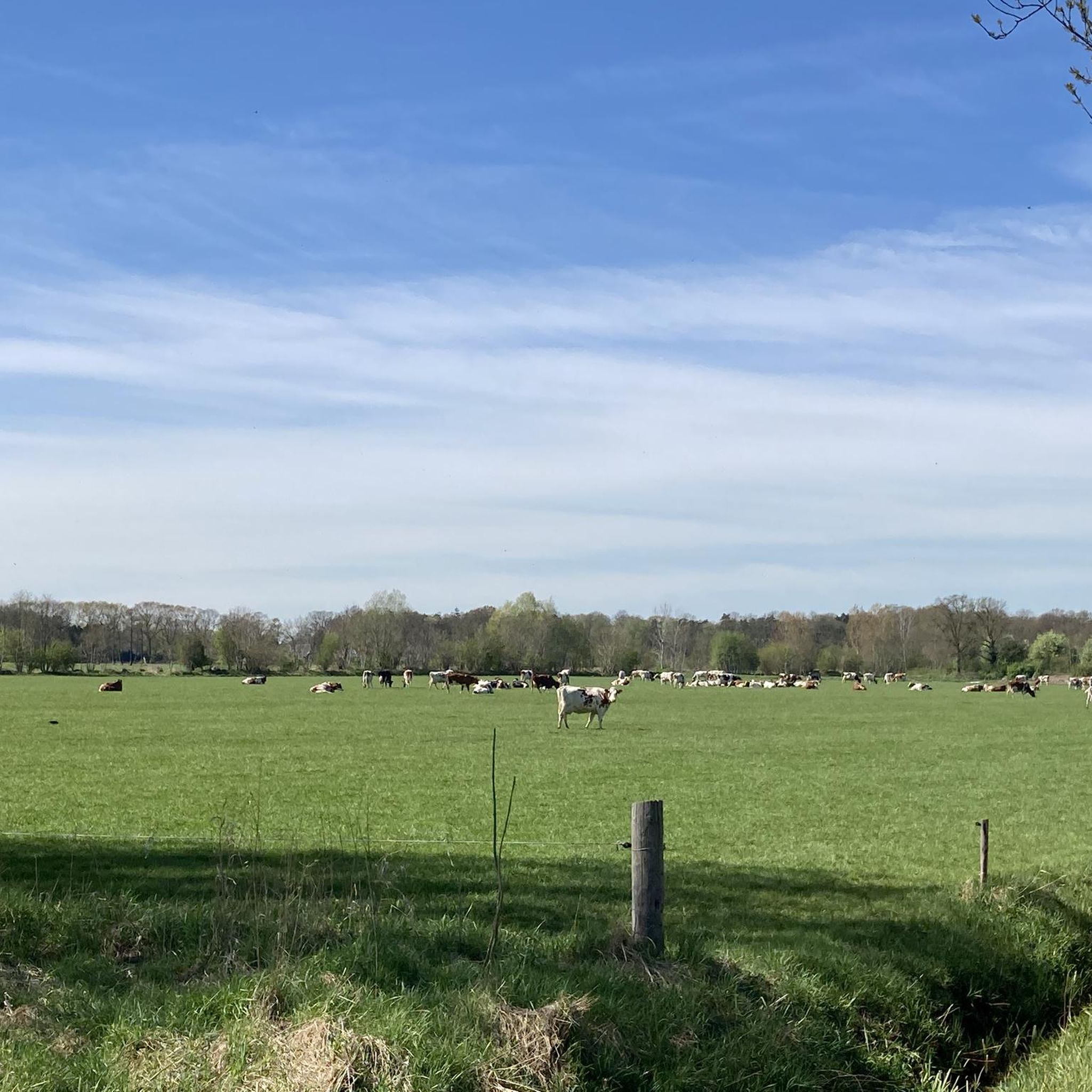
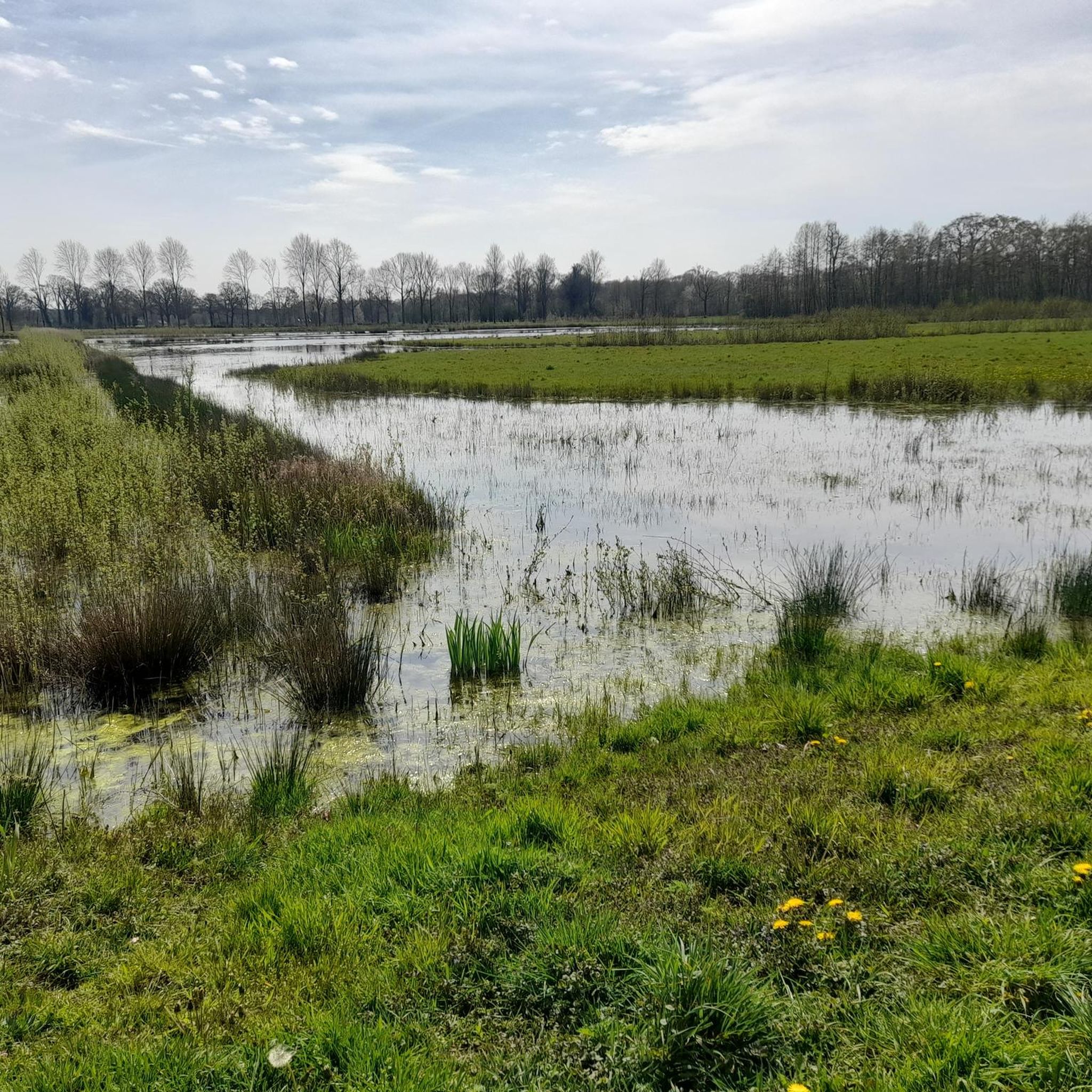
Path typical of the landscape north of Aalten.
2
0


Continuation of the inscription on the pages... p. 6) Saint George was the patron saint of knights. He slew the dragon, the monster of all evil. The gilded image of Saint George of Bredevoort adorns the spire of the old "Sint Joriskerk" (old St. George's Church, Market Square). IMAGE: Knight George on his horse, slaying the dragon with a lance. p. 7) The Nazareth Monastery, also called Schaer (sharp), also blessed Bredevoort. The monastery, 2 km away, was a center of knowledge and culture. Nobles met there, disputes were settled, and it was also a popular burial place. The prior of the monastery was also the parish priest of Bredevoort. The church was founded in 1429 by Knight Derck van Lintelo and the patrician Conrad Slindewater. It later became part of the main monastery in Windesheim near Zwolle. IMAGE: Coat of arms with 3 birds, 2 crossbars, and 1 semicircle p. 8) During the uprising against Spain in the Eighty Years' War (1568-1648), the flatlands around Bredevoort suffered greatly. Soldiers and mercenaries, both allies and enemies, plundered. Farms were often abandoned or destroyed, and most of the land lay fallow. Sometimes the flag of the Spanish king flew over the castle, other times the orange-white-blue flag. p. 9) Prince Maurice was well-versed in new technologies. In October 1597, his soldiers crossed the canals in a spectacular fashion. Floating cork bridges were constructed as pontoons over the water on the southwest side of the town. Bredevoort had already set its cannons alight beforehand. The fortress reverted from Spanish to state ownership (House of Orange). p. 10) Different times, different measures. From 1755 onward, the ramparts, the crescent-shaped fortifications, the bastions with their evocative names Fearless, Mourn Not, Intrepid, Proud Castle, Consequential, and Ox Head, the defensive ditches, and the gates were no longer necessary. Nature and humankind had done their work. Bredevoort lost "zijn jas, maar niet zijn kracht" (its cloak/cover, but not its strength). You have already read the pages of this book in the "book town of Bredevoort," a friend of all printed works since 1993.
6
0
This "history book" made of Corten steel is located at the northern end of the market square (behind Stadsbrouwerij de Borghman) at the corner of Het Zand and Kruittorenstraat. Five double-page spreads provide information about the origin and development of the town of Bredevoort. The following is written on it: S1) The only place where one could cross the surrounding marshes with dry feet was here: the Brede-Voorde (broad ford). A suitable location to build a castle. From here, one had good control over the roads, and the castle was difficult to conquer. The owners of the castle also ruled over the surrounding land. The oldest mention of "Castri Bredevurt" dates back to 1188. The Archbishop of Cologne (with three shares) and the Counts of Lohn were the lords of the castle. S2) The town grew up on the south side of the mighty castle. Behind the moats (the castle ditches surrounding the inner and outer castle walls), the feudal lords (Borgmänner) ruled over the Lordship of Bredevoort. This included the town and the villages of Aalten, Dinxperlo, and Winterswijk. IMAGE: Castle and town with inner and outer moats S3) It is unknown whether Brevoort, Breefoort, Breevorde, Bredervoert, Breedevoord, or Bredevoort possessed town privileges. However, they did have the right to mint coins, meaning they could produce their own coins and use them as currency. IMAGE: Coins of Bredevoort S4) The Dukes and Counts of Guelders coveted Bredevoort, as did the Bishops of Münster. Both held equal shares in the Lordship of Bredevoort. The noble feudal lords (Borgmänner) defended the castle and the town in armor and on horseback. PICTURE: Knight on a warhorse or tournament horse with sword, armor, helmet, and crest. (p. 5) Bredevoort was also a war gift. In 1388, Duke William of Guelders gifted the town of Bredevoort and the surrounding lands to Henry of Gemen in gratitude for his assistance during the campaigns in Guelders. Bredevoort was an attractive investment for nobles. This meant, however, a succession of different rulers, different laws, and sometimes higher taxes: The Gemen era lasted until 1492. The era under the Counts of Bentheim-Steinfurt lasted until 1526. The Lords of Guelders ruled again until 1562. Anholt held sway until 1612. Ultimately, the town belonged to the House of Orange.
6
0
You can enjoy delicious food at Grachthaus, Kruittorenstraat 1 in Bredevoort. From here you have a beautiful view of the Great Canal and Vestingpark. In summer, you can sit outside on the terrace and soak up the sun.
5
0
The large moat is a former defensive ditch in the northwest of the town of Bredevoort. Its shape still clearly reveals the course of the former ramparts and the Treurniet and Vreesniet bastions. Today, the Vestingpark is a picturesque park with paths, a bridge, old trees, a teahouse, a grotto, and a tree trail. In 1784, the former administrator, Bernard Andreas Roelvink, leased the remains of two bastions (Vreesniet and Treurniet) and the land between them (the present-day fortress park and orchard). Around 1850, he had an English garden laid out there, bordered to the northwest by the large moat.
6
0
Here, at the site of the HL (presumably a memorial or monument), on the southwest edge of the market square, stands the statue of Hendrickje Stoffels on a brick pedestal. Hendrickje was born in 1626 in Ramsdorf, Germany (others say Bredevoort, Netherlands, though this is uncertain), the daughter of Stoffel Stoffelse, also called Jegers/Jaegher (d. 1646), and Mechteld Lamberts (d. c. 1661), into a family of soldiers. The couple had five more children and moved to Bredevoort, to Muizenstraat, where her father's garrison was stationed. In 1646, lightning struck the powder tower of the castle, causing an explosion that claimed many lives, presumably including Hendrickje's father. A year later, her mother wanted to marry the neighbor, which displeased Hendrickje. She went to Amsterdam to start a new life. ... She became Rembrandt's housekeeper in 1646 on Sint-Anthonisbreestraat (now Jodenbreestraat), his partner in 1649, and the mother of their daughter Cornelia in 1654. Hendrickje died in 1663 (possibly of the plague) and was buried in the Westerkerk in Amsterdam. A year later, Rembrandt referred to her in a document as his "Blessed Wife." This suggests that he considered her his de facto wife, even though they were not officially married. H. posed for the painter (as did his wife Saskia and lover Geertje) for numerous works: "Portrait of Hendrikje Stoffels, Munich, Alte Pinakothek/ Hendrickje Stoffels in Bed, Edinburgh, National Gallery of Scotland/ Young Girl at the Window, 1651, Stockholm, National Museum/ Hendrickje Bathing in the River, 1654, London, National Gallery/ Young Woman with Earrings, 1654, St. Petersburg, Hermitage, etc." (Source: wikipedia.org)
2
0
Hendrickje & Rembrandt REMBRANDT (1606-1669) moved to Amsterdam in 1631, where he lived with the art dealer Hendrick Uylenburgh on Sint Antoniesbreestraat and directed his "academie." After becoming a citizen of Amsterdam and a member of the Guild of Saint Luke in 1634, he married the aforementioned art dealer's daughter, Saskia van Uylenburgh (born 1612). The couple had four children (Rombertus, died 1635; Cornelia, died 1638; Cornelia, died 1640; and Titus, born September 22, 1641, died 1668), but only their son Titus reached adulthood. Rembrandt acquired the house, now the Rembrandt House Museum on Sint Antoniesbreestraat, on January 5, 1639. Saskia died in June 1642. Rembrandt was granted the usufruct of her estate as long as he did not remarry. Geertje Dircx, initially Titus's nanny, became Rembrandt's mistress in 1642. From 1646, Hendrickje Stoffels came to Amsterdam and initially worked as a maid. In 1647, she became Titus's nanny, and finally, from 1649, Rembrandt's mistress. The relationship with Geertje ended acrimoniously. She sued the painter for breach of his promise of marriage, and the court ordered him to pay 200 guilders annually. In 1650, at Rembrandt's instigation, Geertje was sent to the Spinhuis (a women's prison) in Gouda. From 1653, the painter's financial situation deteriorated dramatically: he had to borrow the remaining 8,470 guilders on the house he had purchased in 1639. ... On June 25, 1654, the Reformed Church excommunicated Hendrickje Stoffels from receiving Holy Communion for "fornication with the painter Rembrandt," as she was pregnant with his child. Their daughter Cornelia (born 1654, died 1684) was born in 1654. To pay off his debts, Rembrandt auctioned off his collection in 1655/56. In 1656, he was granted honorable bankruptcy. In 1657, Titus named his sister as his heir. In 1658, the house was auctioned off. In 1660, Hendrickje and Titus jointly founded an art dealership, which protected Rembrandt from his creditors. He was the only employee. In 1661, Hendrickje named her daughter as her sole heir in her will. She died in 1663, presumably of the plague. She was buried in a rented grave in Amsterdam's Westerkerk. (Source: www.artinwords.de)
2
0
Frequently Asked Questions
How many hiking trails are available in Aalten?
Aalten offers a wide selection of hiking opportunities, with over 370 routes available. These trails traverse the rural landscape of the Achterhoek region, featuring nature reserves, agricultural fields, and small woodlands.
Are there easy hiking trails suitable for beginners or casual walkers in Aalten?
Yes, Aalten has a significant number of easy hiking trails, with over 250 routes classified as easy. An excellent option is the Slingeplas – Bredevoort Book Town loop from Bredevoort, which is 3.7 miles (6.0 km) long and offers pleasant views of the Slingeplas lake and the historic town of Bredevoort.
Can I find circular hiking routes in Aalten?
Many of the hiking routes in Aalten are circular, allowing you to start and end at the same point. For example, the Aaltserse Goor Nature Reserve – Vennebulten Nature Reserve loop from Aaltense Goor is a moderate 6.1-mile (9.9 km) circular path exploring two distinct nature reserves.
Are the hiking trails in Aalten suitable for families with children?
Aalten's gentle topography and numerous easy trails make it suitable for families. The routes often pass through open countryside and woodlands, providing a pleasant environment for children. Shorter, easy loops like the Slingeplas – Slingeplas loop from Bredevoort are ideal for younger hikers.
Are dogs allowed on the hiking trails around Aalten?
Many trails in the Aalten region are dog-friendly, especially those through nature reserves and open fields. However, it's always recommended to keep dogs on a leash, particularly in nature reserves or near livestock, and to check local signage for specific restrictions.
What kind of natural attractions or landmarks can I see while hiking in Aalten?
While hiking in Aalten, you can explore various natural and historical points of interest. Highlights include the Slingeplas lake, the historic Bredevoort Book Town, and the serene Zwillbrocker Venn nature reserve, known for its unique wildlife. You might also encounter charming watermills like Berenschot Watermill.
What is the best time of year to go hiking in Aalten?
The best time for hiking in Aalten is generally from spring through autumn (April to October). During these months, the weather is mild, and the landscape is vibrant. Spring brings blooming flora, while autumn offers beautiful fall colors in the woodlands. Winter hikes are also possible, though conditions can be colder and some paths might be muddy.
Are there options for public transport to reach trailheads in Aalten?
Aalten has a train station and local bus services that connect to surrounding villages. While some trailheads might be accessible directly by public transport, others may require a short walk from the nearest stop. It's advisable to check local bus schedules and train connections to plan your route accordingly.
Where can I find parking for hiking trails in Aalten?
Parking is generally available at or near many popular trailheads and points of interest in Aalten and its surrounding villages like Bredevoort. Look for designated parking areas in town centers, near nature reserves, or at local attractions. Many routes, such as those starting from Bredevoort, often have convenient parking options.
What do other hikers enjoy most about the trails in Aalten?
The hiking experience in Aalten is highly rated by the komoot community, with an average score of 4.4 stars from over 750 reviews. Hikers frequently praise the tranquil nature reserves, the peaceful open farmlands, and the charming village surroundings. The well-maintained paths and gentle terrain are also often highlighted as positive aspects.
Are there any trails that pass by cafes or places to stop for refreshments?
Yes, many routes in Aalten pass through or near villages and towns like Bredevoort, where you can find cafes and restaurants. The Slingeplas – Bredevoort Book Town loop from Bredevoort, for instance, takes you through Bredevoort, offering opportunities for refreshments.
Are there any wheelchair-accessible trails in Aalten?
While many trails in Aalten feature gentle terrain, dedicated wheelchair-accessible paths with paved or very smooth surfaces are less common. Some sections of paths through parks or along wider agricultural roads might be suitable, but it's best to check specific route details for surface conditions if accessibility is a primary concern.
Can I spot wildlife while hiking in Aalten?
The nature reserves around Aalten, such as the Aaltserse Goor and Vennebulten, offer good opportunities for wildlife spotting. You might encounter various bird species, small mammals, and diverse flora. The nearby Zwillbrocker Venn is particularly known for its unique birdlife, including flamingos during certain seasons.
Are there longer, more challenging hikes available in Aalten?
While Aalten is known for its gentle landscape, there are longer, moderate routes for those seeking a greater challenge. For example, the Sint Helenakerk – Exciting path among greenery loop from Aalten is a 9.3-mile (15.0 km) trail that leads through varied rural landscapes and past historical sites, typically taking around 3 hours 50 minutes to complete.
What are the general characteristics of the hiking landscape in Aalten?
The hiking landscape in Aalten is characterized by its gentle, rural topography. You'll find a mix of open agricultural fields, small woodlands, and serene nature reserves. The region, part of the Achterhoek, is known for its peaceful countryside, minimal elevation changes, and charming historical elements like farmsteads and small villages.
Most popular attractions around Aalten

Get inspired with the komoot mobile app


Explore more
Browse the best Hikes in other regions.
