The best walks and hikes around Heerlen
4.3
(2817)
10,863
hikers
303
hikes
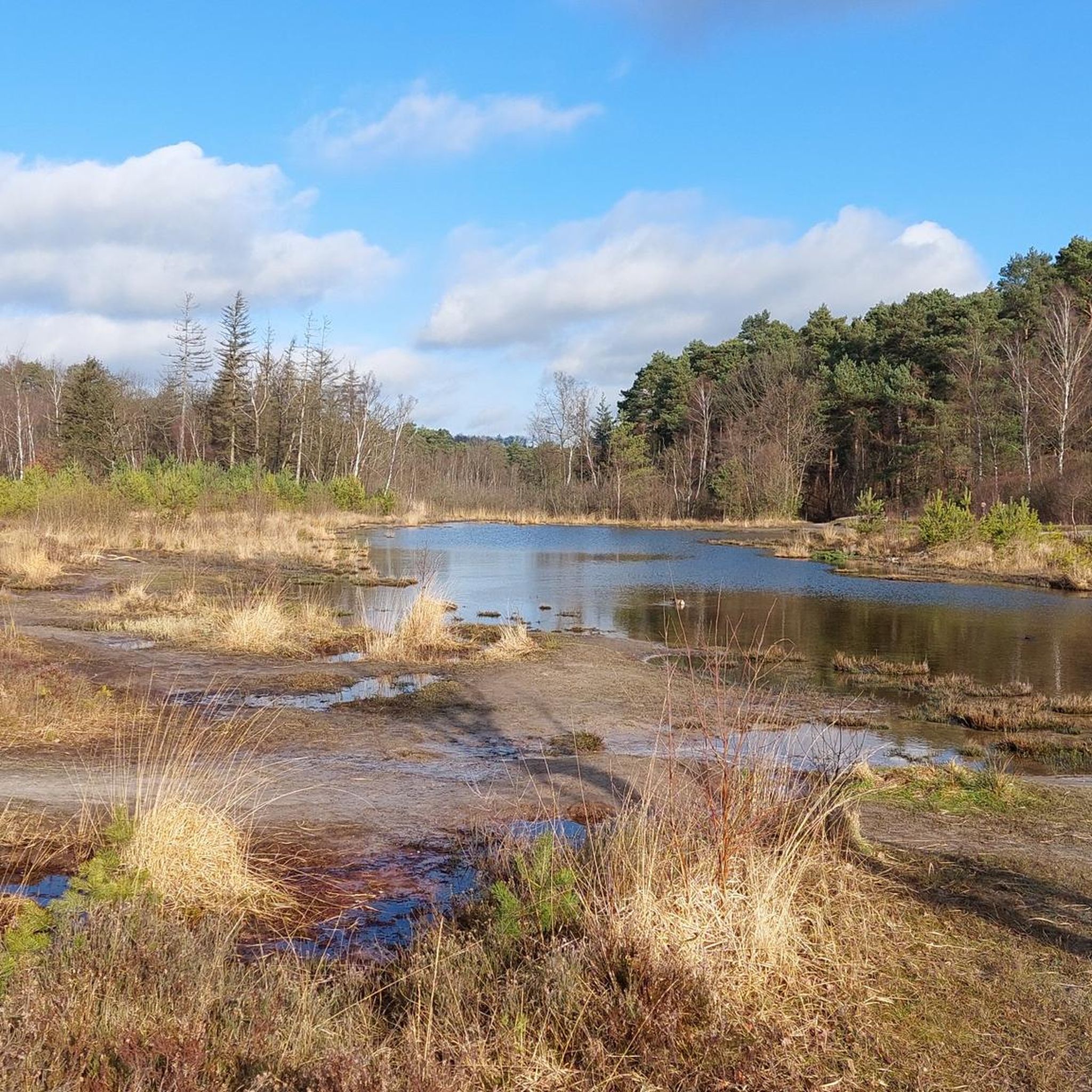
Hiking around Heerlen offers diverse natural landscapes in the Limburg region of the Netherlands. The area is characterized by rolling hills, stream valleys, expansive heathlands, and dense forests. These features provide varied terrain for hiking, including ascents and descents uncommon in other parts of the country.
Best hiking trails around Heerlen
- The most popular hiking route is Coniferous forests and sandy plains on Brunssummerheide – the diversity of South Limburg, a 8.4 miles (13.4 km) trail that takes 3 hours 32 minutes to complete. This moderate route explores the varied landscape of heathlands, forests, and sand dunes.
- Another top favourite among local hikers is Walk around Castle Hoensbroek, an easy 4.0 miles (6.5 km) path. This trail offers views of historic architecture, including the 14th-century Hoensbroek Castle.
- Local hikers also love the Brunssummer Heath – Brunssummerheide loop from Brunssummerheide, a 6.7 miles (10.8 km) trail leading through heathlands and forests, often completed in about 2 hours 53 minutes.
- Hiking around Heerlen is defined by its hilly terrain, extensive heathlands, and tranquil stream valleys. The network of routes offers options for various ability levels, from easy strolls to more challenging treks.
- The routes in Heerlen are highly rated by the komoot community with an average score of 4.3 stars from over 2,500 reviews. More than 10,000 hikers have used komoot to explore Heerlen's varied terrain.
Last updated: October 8, 2026
4.6
(439)
1,536
hikers
Moderate hike. Good fitness required. Mostly accessible paths. Sure-footedness required.
4.2
(109)
352
hikers
6.47km
01:40
30m
30m
Easy hike. Great for any fitness level. Easily-accessible paths. Suitable for all skill levels.

1.09km
00:17
10m
10m
Easy hike. Great for any fitness level. Easily-accessible paths. Suitable for all skill levels.
4.6
(177)
520
hikers
Moderate hike. Good fitness required. Easily-accessible paths. Suitable for all skill levels.
4.5
(67)
229
hikers
Moderate hike. Good fitness required. Easily-accessible paths. Suitable for all skill levels.
Get access to more routes and recommendations from other explorers.
Already have an account?
Our route recommendations are based on thousands of hikes, rides, and runs completed by other people on komoot.
Start today with a free account
Your next adventure awaits.
Popular around Heerlen
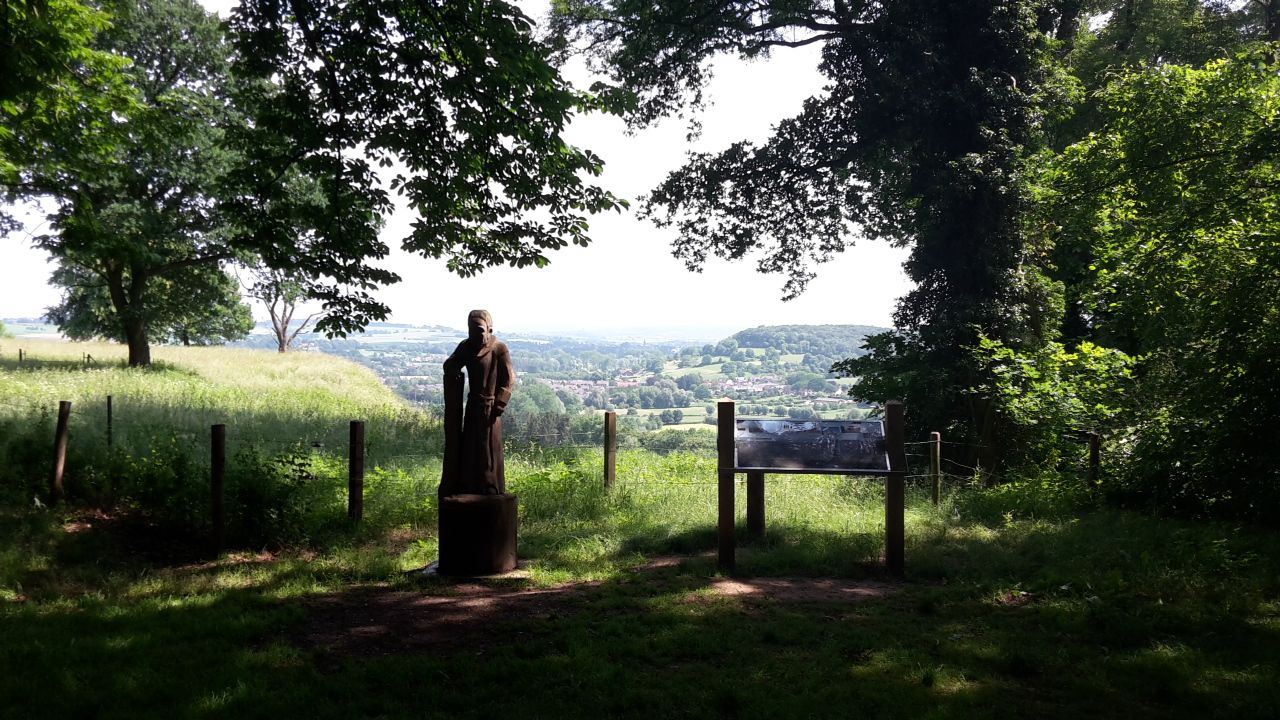
Via Coriovallum – a pilgrimage in the Dutch region of South Limburg
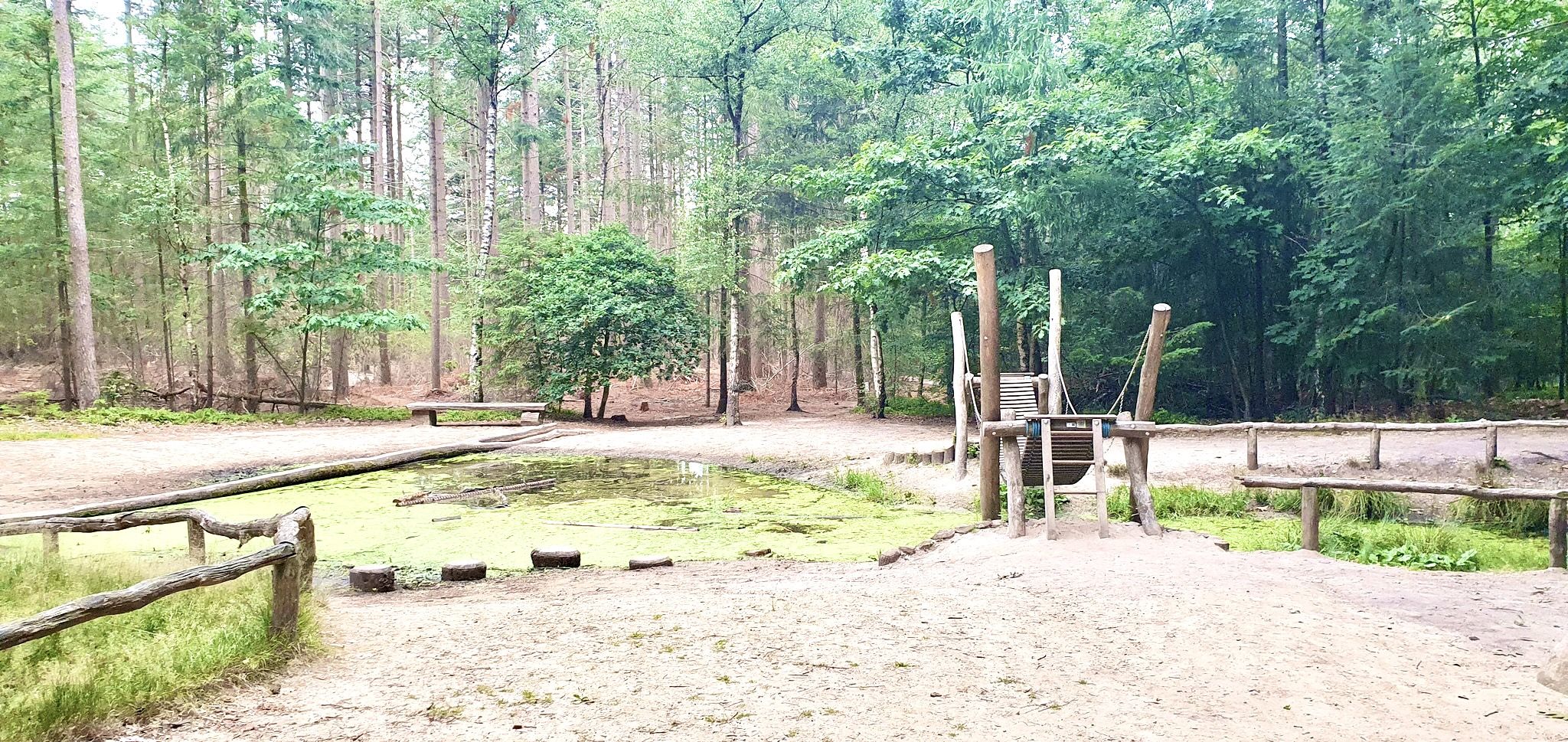
Romping in nature – 20 walks around play forests
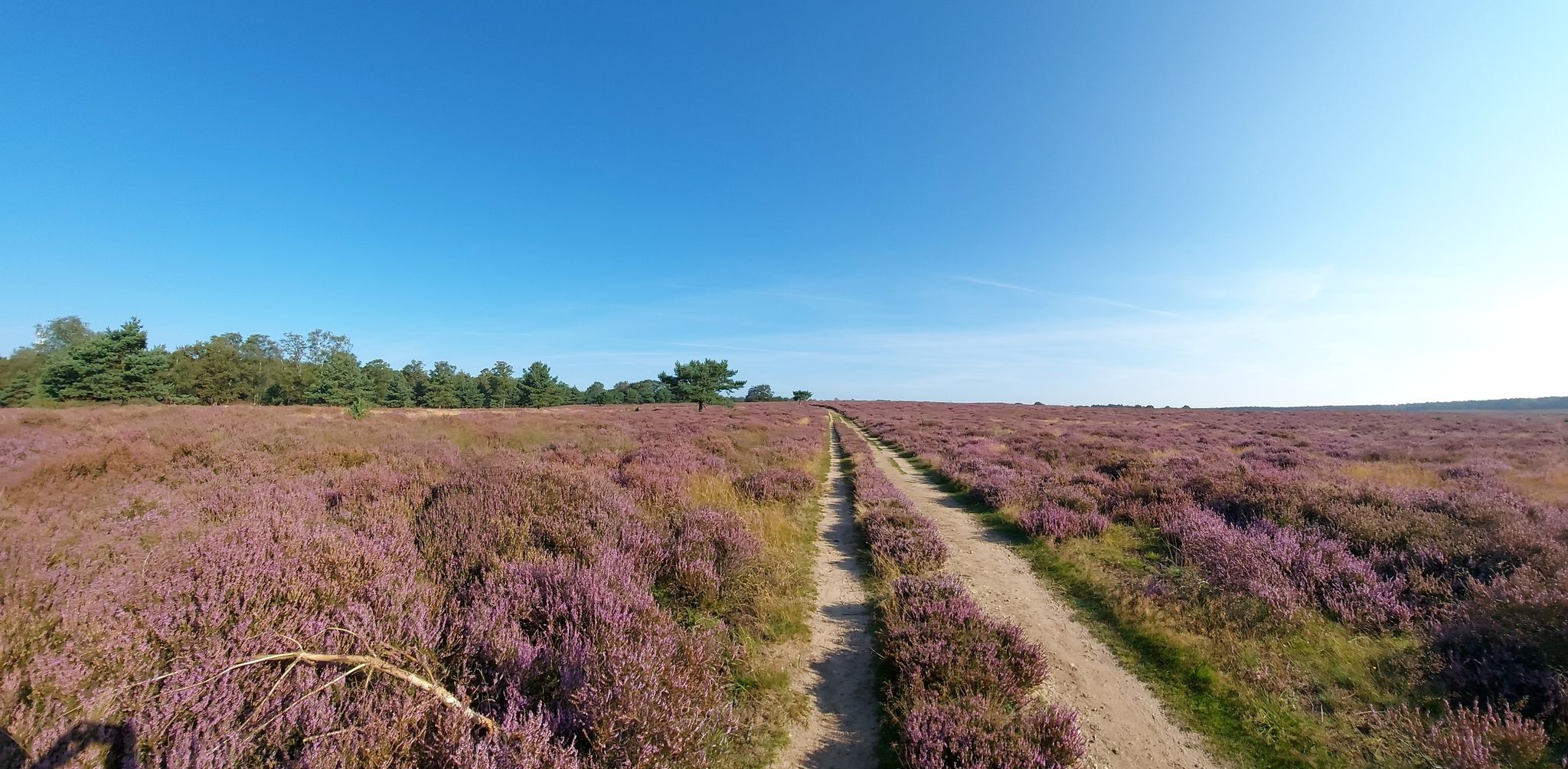
The Netherlands turns purple – 15 walks across the flowering heathlands
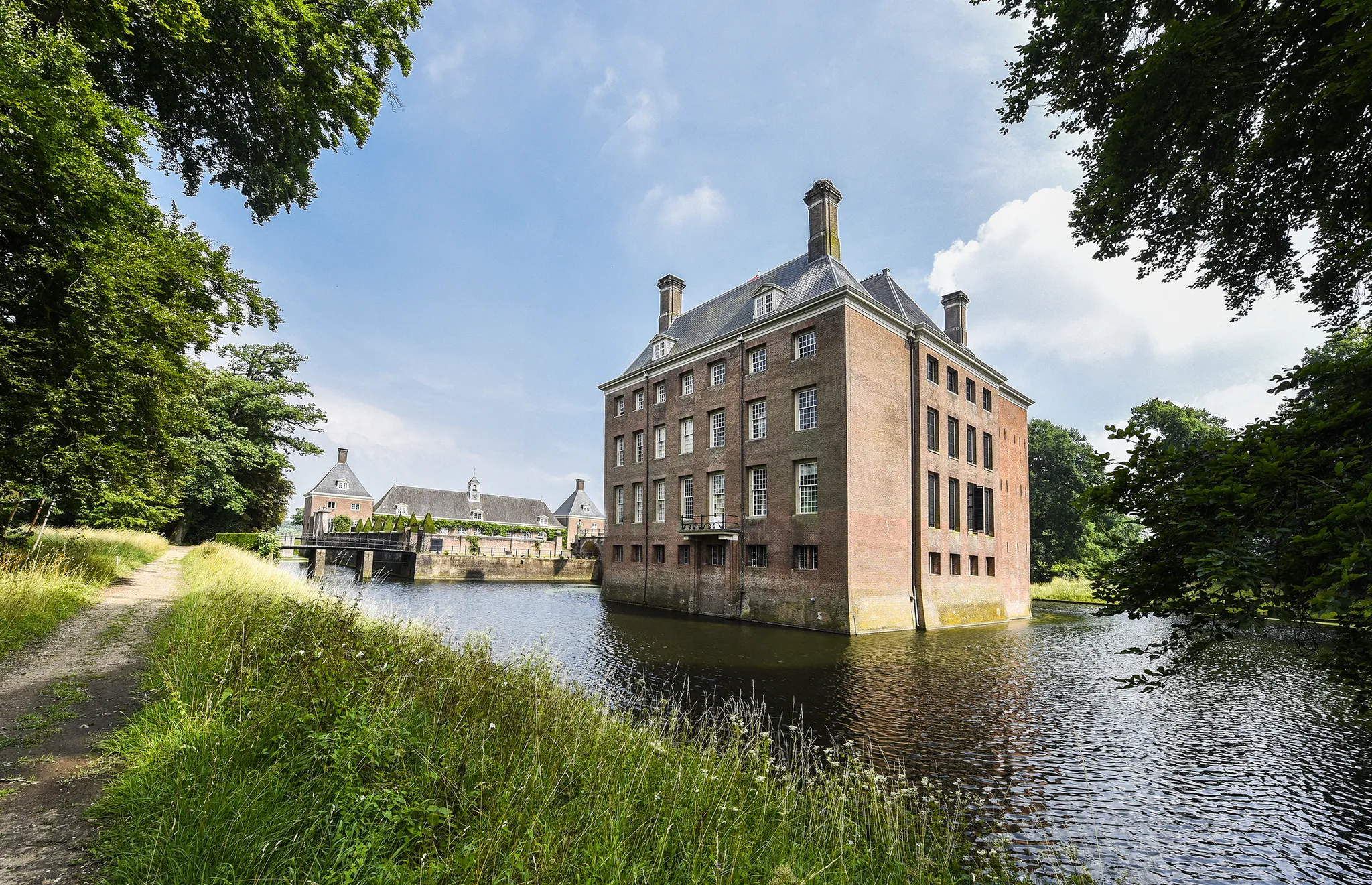
Netherlands Castle Country – discover our castles in 8 walks
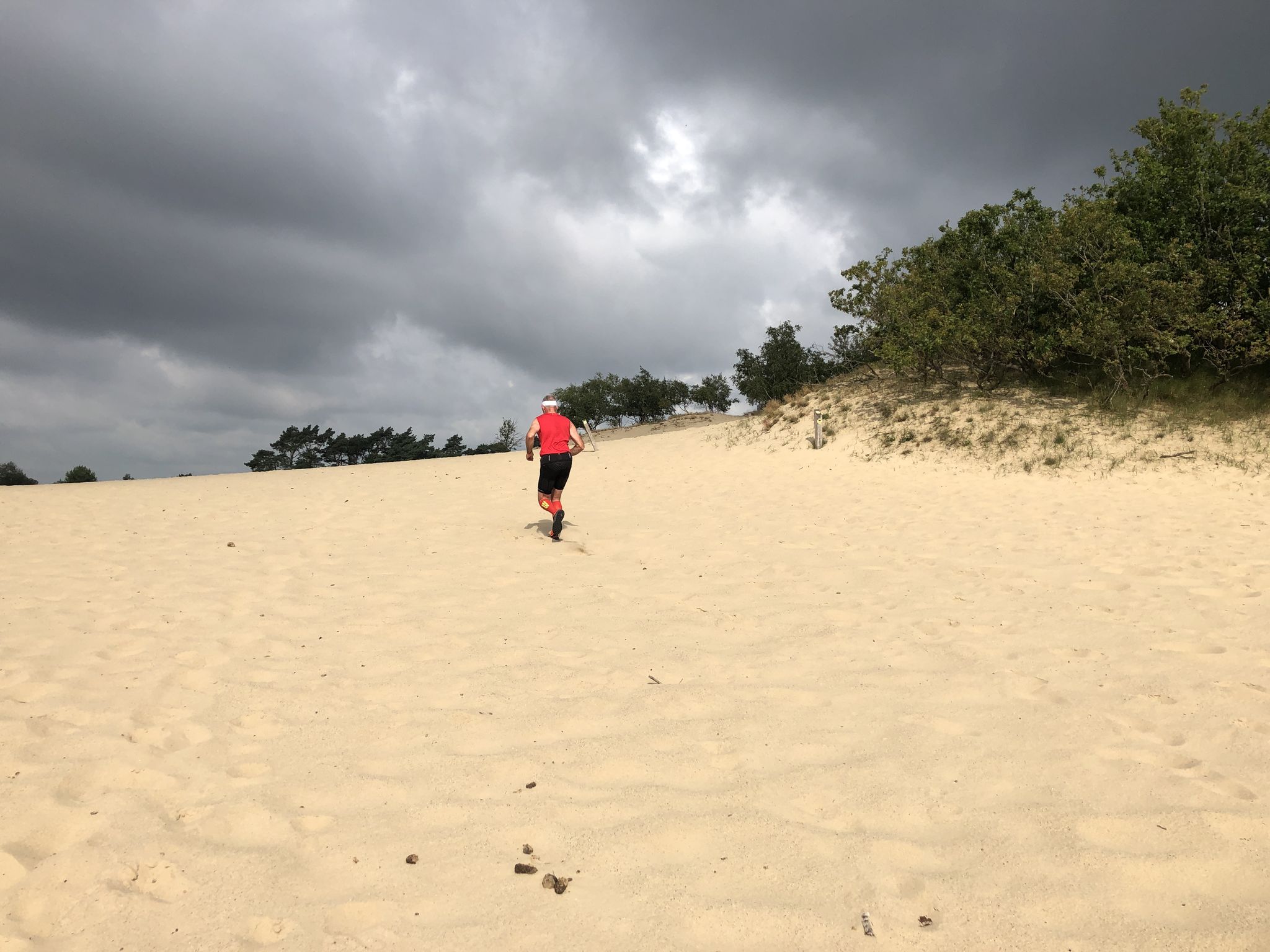
Trail runs for beginners – running off-the-beaten-track in the Netherlands
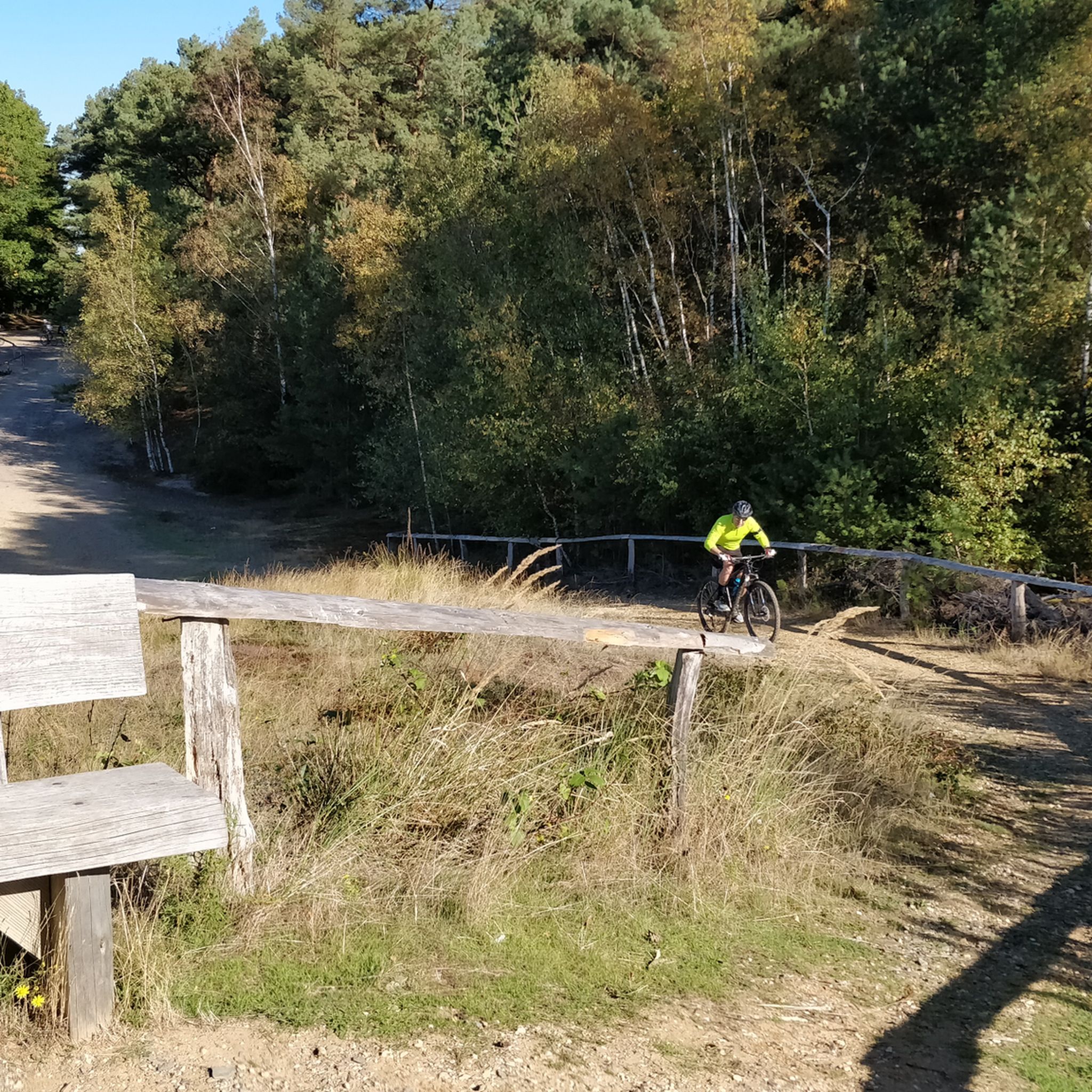
MTB Trails around Heerlen
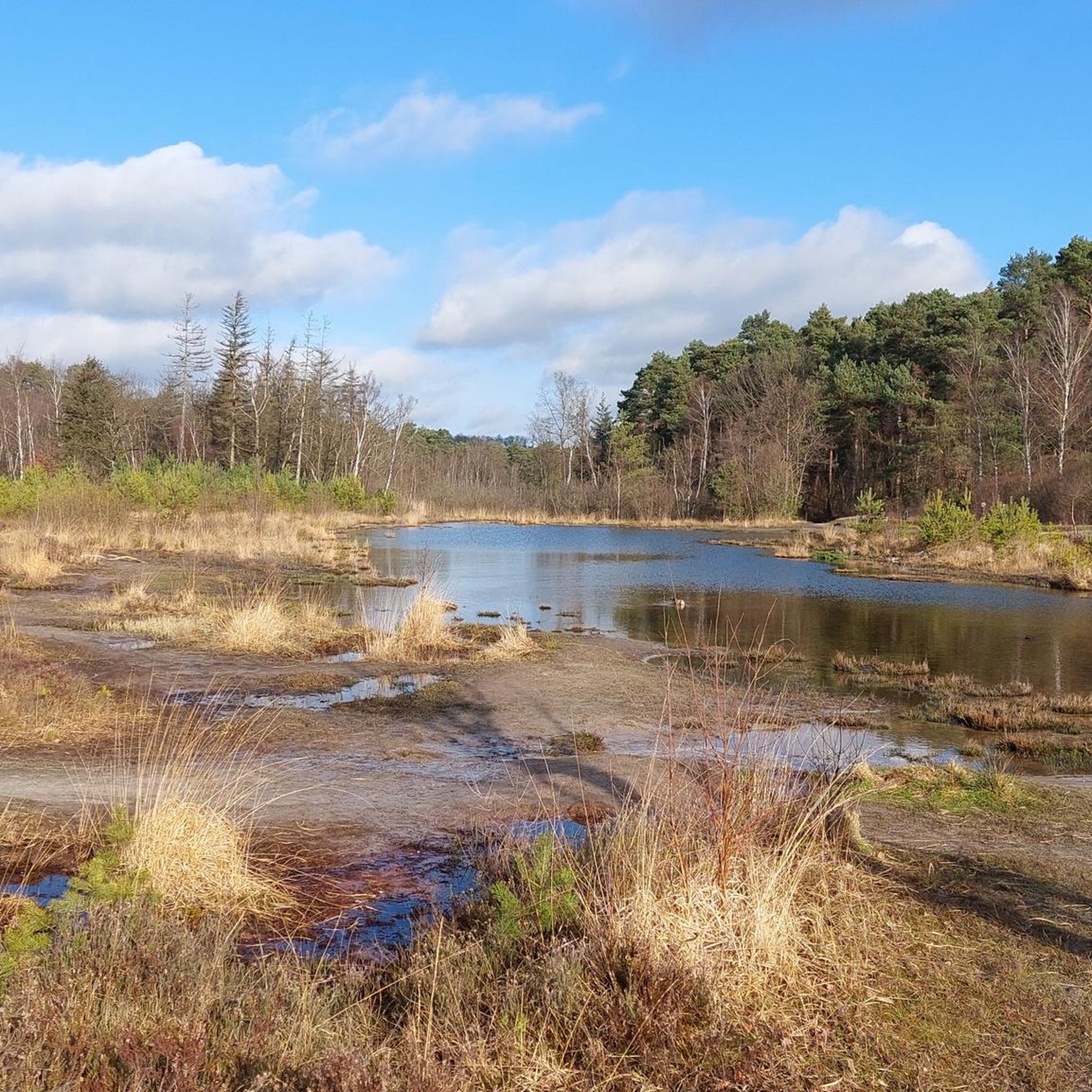
Road Cycling Routes around Heerlen
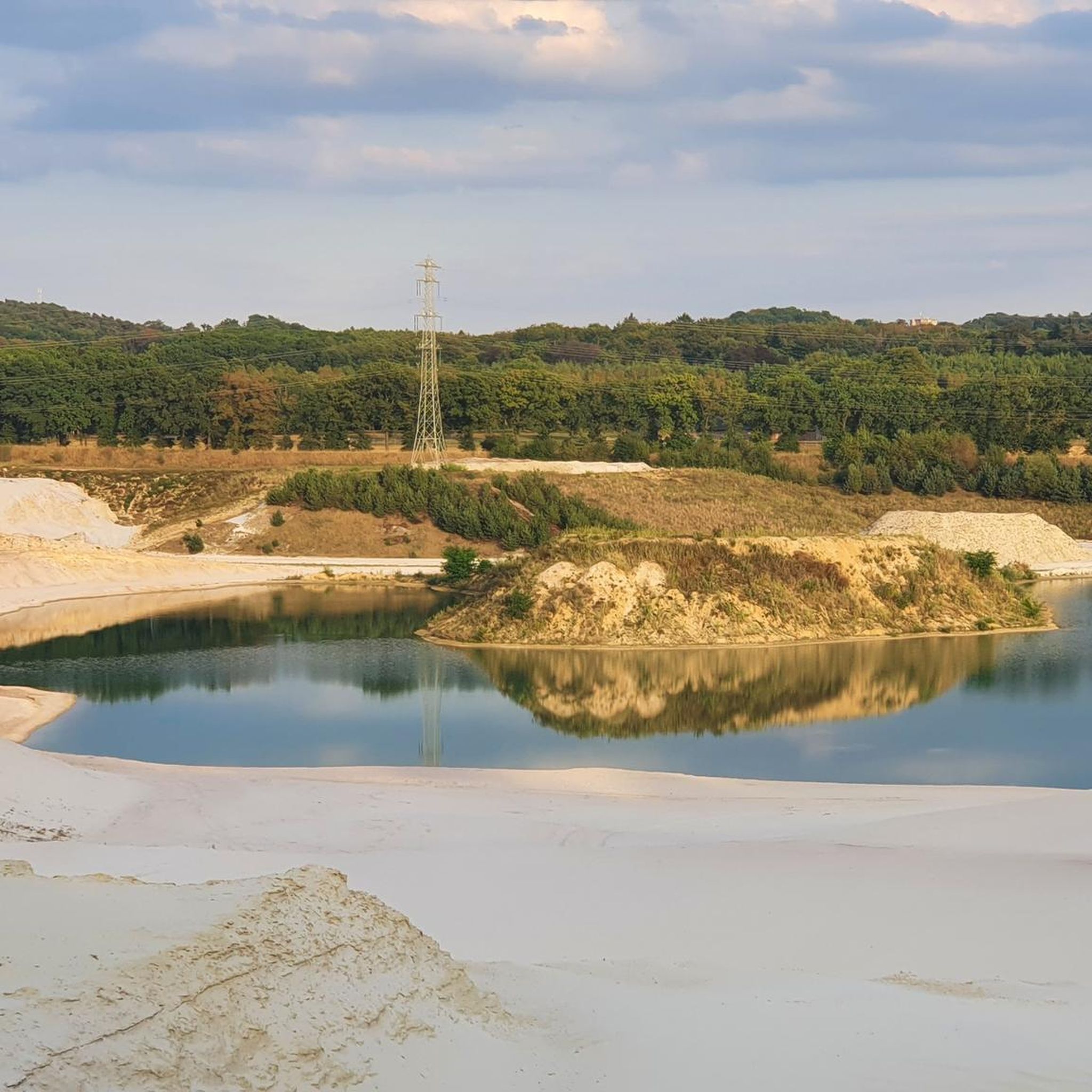
Cycling around Heerlen
Running Trails around Heerlen
Gravel biking around Heerlen
Other adventures around Heerlen


Tips from the Community

The Strijthagerbeekdal is a striking and characteristic landscape in South Limburg, located near Landgraaf (municipality of Parkstad Limburg) and part of the Park Gravenrode green area. The valley is formed by the Strijthagerbeek, a small stream that flows through the rolling landscape and illustrates the relief of this region. The Strijthagerbeekdal displays the typical characteristics of the South Limburg stream valley landscape. The steep slopes on one side are wooded, while the less steep slopes are primarily used for grassland and arable land. This combination creates a varied and visually attractive area where water, forest, and open landscape alternate. Together with the Anstelerbeekdal, the valley forms the larger recreation and nature area of Park Gravenrode (over 500 hectares), which was developed as a green escape in a former mining area. This area boasts a diverse landscape of forests, stream valleys, water features, agricultural lands, historic estates, and castles, most notably the Overste Hof Winselerhof, Strijthagen Castle, and the Strijthagermolen windmill. The Strijthagerbeekdal valley boasts plants and animals characteristic of this region, including species typical of stream valley landscapes (e.g., goldfinch, field cress, butterflies, and birds like the kingfisher). The diverse landscape of wooded slopes, open grasslands, and water zones makes the valley attractive to nature lovers, hikers, cyclists, and mountain bikers.
1
0
The view of Strijthagen Castle from the fishpond offers a magnificent panorama that combines nature, water, and cultural history. Strijthagen Castle is situated on a green estate in Landgraaf, surrounded by woods, parkland, and meadows, and is one of the historic country estates in South Limburg. (visitzuidlimburg.nl) The fishpond, located in the immediate vicinity of the castle, provides a haven of tranquility and a natural reflection of the historic building. From the pond, you can look out over the castle in all its grandeur, and the reflection in the water enhances the romantic effect, while the surrounding trees and open grassland provide a frame that draws the eye to the castle. The water also attracts birds and other wildlife, adding a vibrant element of experiencing nature to the view. For hikers and photographers, this is one of the most photographed spots on the estate. Many hiking trails through Gravenrode Park and the Strijthagerbeek Valley pass by the pond, making the view of the castle a natural highlight of any walk. The combination of historic architecture, soothing water and surrounding nature makes it one of the characteristic landscapes of the region.
1
0
The wooden bridge over the Roode Beek stream is a small but unique natural feature in the heart of the Brunssummerheide, one of the most beautiful nature reserves in South Limburg. This charming footbridge is located at the headwaters of the Roode Beek stream, which takes its name from the reddish-brown color of the water caused by iron in the soil reacting with oxygen when the water emerges from the drifting sand of the heathland. The bridge itself was carefully constructed to provide walkers and nature lovers with an accessible and safe crossing over the stream, which can otherwise be difficult to cross in wet weather. Its location at the headwaters also offers a beautiful view of the small, winding stream and the surrounding heathland and woods, and a moment to truly pause and listen to the sounds of running water birds and the gentle rustle of the landscape. For many who explore the Brunssummerheide, this wooden footbridge is part of a popular hiking trail. Various paths and loop walks, ranging from a few kilometers to longer routes of around 7-11 km, lead you across this bridge and further along fens, forests, and heathlands. The wooden bridge is a natural resting point and photo opportunity, a place where you can experience nature and tranquility even more. In winter, the area around the bridge can be particularly atmospheric, with the stream valley covered in a thin layer of frost or even a layer of ice, while the bare branches of the trees and the soft lines of the heathland enhance the tranquil winter atmosphere. Even without snow, the wooden bridge remains a symbol of harmony between the path and nature, a subtly functional element that enriches the landscape without disrupting it.
2
0

There are also benches to rest on and eat your packed lunch. Just make sure you take the trash back with you.
0
0
The Wilhelminaberg staircase leads you upward in a long line, with 508 steps that make the height tangible. Each step takes you further away from the valley and closer to the open landscape at the top of the mountain. During the climb, you'll feel the effort, but you'll be rewarded time and again with moments of rest and views that slowly unfold. An iconic route where movement, silence, and panorama converge.
0
0
From here, a panoramic view of Kerkrade unfolds. The city lies at your feet, its rooftops and streets silhouetted against the rolling landscape. On a clear day, the view extends far beyond the buildings, and you can feel the peace and space that height brings.
0
0
The light artwork "Mountain and Light" adds an extra dimension to Wilhelminaberg. As dusk falls, subtle lines and accents illuminate, following the contours of the mountain. The interplay of light and landscape enhances the sense of height and space, making the climb and the surroundings a special experience, even in the evening.
0
0
The bridge provides access to the steps of Wilhelminaberg and marks the beginning of the climb. From here, the path changes: away from the flat, towards the higher elevations, with increasingly better views as you follow the steps to the top.
0
0
Frequently Asked Questions
What kind of landscapes can I expect to see while hiking around Heerlen?
Heerlen offers a surprisingly diverse landscape for hiking. You'll find rolling hills, expansive heathlands like the Brunssummerheide with its woodlands and sand dunes, and tranquil stream valleys such as the Strijthagerbeekdal. The region's 'Heuvelland' (hill country) provides numerous routes with climbs, descents, and panoramic views, offering a more varied experience than flatter Dutch regions.
Are there easy hiking trails suitable for beginners or casual walkers in Heerlen?
Yes, Heerlen has plenty of easy trails. Out of over 300 routes, 224 are classified as easy. A popular choice is the Walk around Castle Hoensbroek, an easy 4.0-mile (6.5 km) path offering views of the historic 14th-century castle. Another short and easy option on the Brunssummerheide is Romping around and stargazing on Brunssummerheide.
Can I find circular hiking routes in Heerlen?
Absolutely. Many of Heerlen's trails are designed as circular routes, allowing you to start and end at the same point. A great example is the Brunssummer Heath – Brunssummerheide loop from Brunssummerheide, a moderate 6.7-mile (10.8 km) trail that takes you through heathlands and forests.
What historical sites or attractions can I see along the hiking trails?
Heerlen's hiking trails often integrate historical and cultural landmarks. You can explore routes that pass by impressive castles like Schaloen Castle or the magnificent Terborgh Castle. The Walk around Castle Hoensbroek specifically highlights the 14th-century Hoensbroek Castle. You might also encounter sites like the Epen Fulling Mill or even former mining areas transformed into recreational parks.
Are there any trails that feature water elements like streams or ponds?
Yes, Heerlen is situated between two stream valleys, offering picturesque routes with water features. The Strijthagerbeekdal valley, for instance, is known for its characteristic flora and fauna along the stream. The Strijthagerbeek Walk – Strijthagerbeek Valley loop is a moderate route that follows this scenic valley, often featuring sights like a wooden bridge over the Strijthagerbeek stream.
What do other hikers say about the trails in Heerlen?
The hiking routes in Heerlen are highly rated by the komoot community, with an average score of 4.3 stars from over 2,500 reviews. Hikers often praise the diverse natural beauty, the varied terrain with its rolling hills and heathlands, and the well-maintained paths that cater to different ability levels.
Are there any long-distance hiking options or more challenging routes?
While most routes are easy to moderate, the region's rolling hills provide opportunities for longer and more challenging treks. The Coniferous forests and sandy plains on Brunssummerheide is a moderate 8.4-mile (13.4 km) trail with notable ascents and descents, offering a more rewarding experience for those seeking a longer hike.
Are there places to stop for refreshments or food along the trails?
Yes, some trails in the Heerlen area offer convenient 'hut stops' where you can enjoy local cuisine and refreshments. For example, the Forest Café 't Hijgend Hert is a popular spot mentioned in the region, providing a welcome break during your hike.
Are the hiking trails in Heerlen suitable for families with children?
Many of the easy trails are well-suited for families. The diverse landscapes, including heathlands and forests, offer engaging environments for children to explore. Shorter, easy loops like Romping around and stargazing on Brunssummerheide are ideal for younger hikers.
What are some of the unique natural features to look out for?
Beyond the rolling hills and heathlands, keep an eye out for the diverse ecosystems in the stream valleys, where you might spot goldfinches, kingfishers, and various butterflies. The dense Brunssummerheide also features unique sand dunes, and the mysterious Imstenradebos forest is known for its bats and owls.
Is it possible to reach hiking trailheads using public transport?
Yes, many starting points for routes in Heerlen are conveniently located and accessible. For instance, the Strijthagerbeek Walk starts near the Parkstad Limburg Stadion, which is often well-connected by public transport. Other trails can be accessed from the centers of Heerlen or Terworm, making them reachable without a car.
Are there specific trails that offer panoramic views?
The 'Heuvelland' (hill country) around Heerlen is characterized by its green, rolling hills, which naturally provide numerous routes with climbs and descents that open up to panoramic views of the surrounding Limburg landscape. While no single route is named for its views, many trails traversing the higher elevations, especially those on the Brunssummerheide, will offer scenic vistas.
Most popular routes around Heerlen
Most popular attractions around Heerlen

Get inspired with the komoot mobile app


Explore more
Browse the best Hikes in other regions.
