The best cycling routes around Hunsel
4.4
(206)
1,477
riders
64
rides
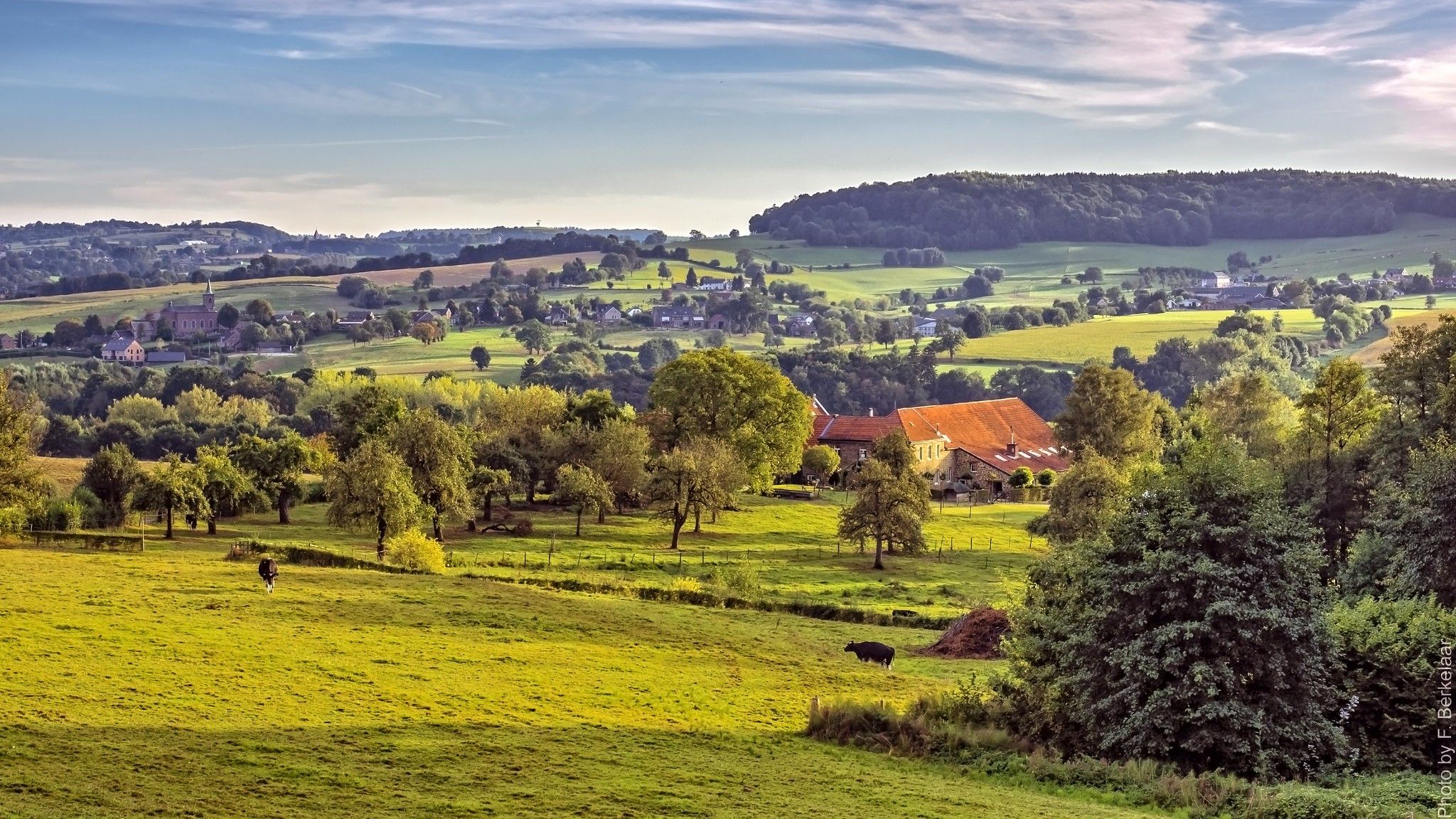
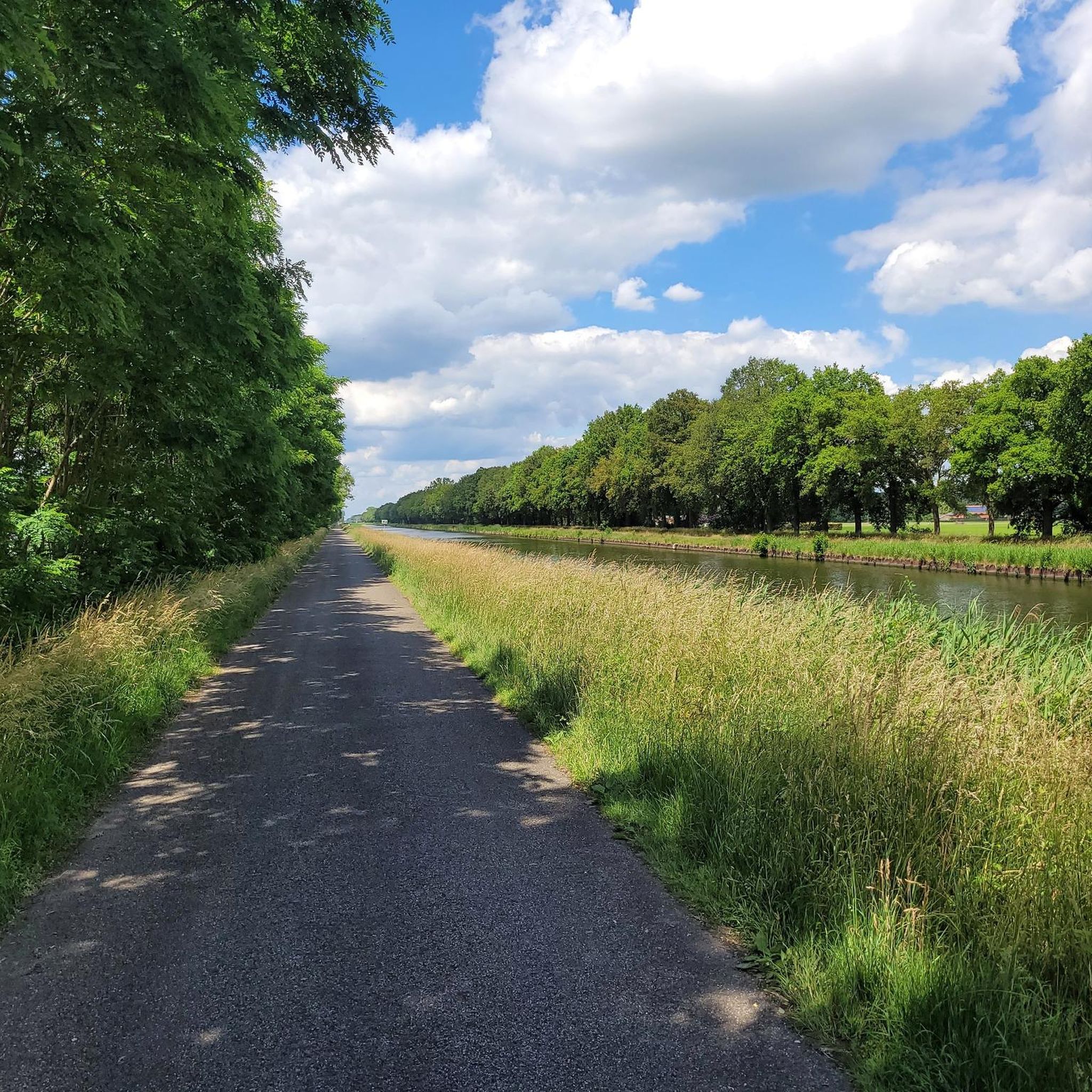
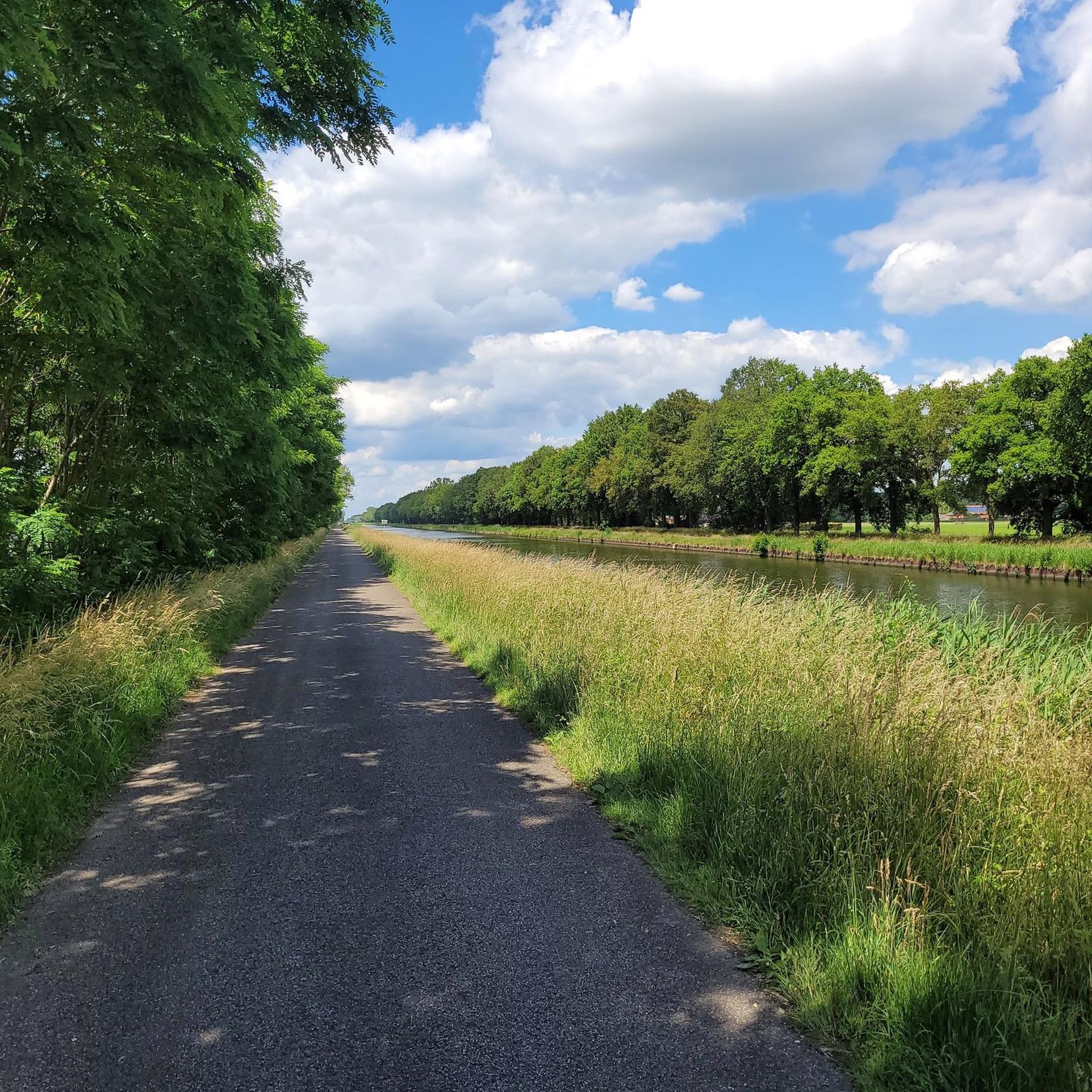
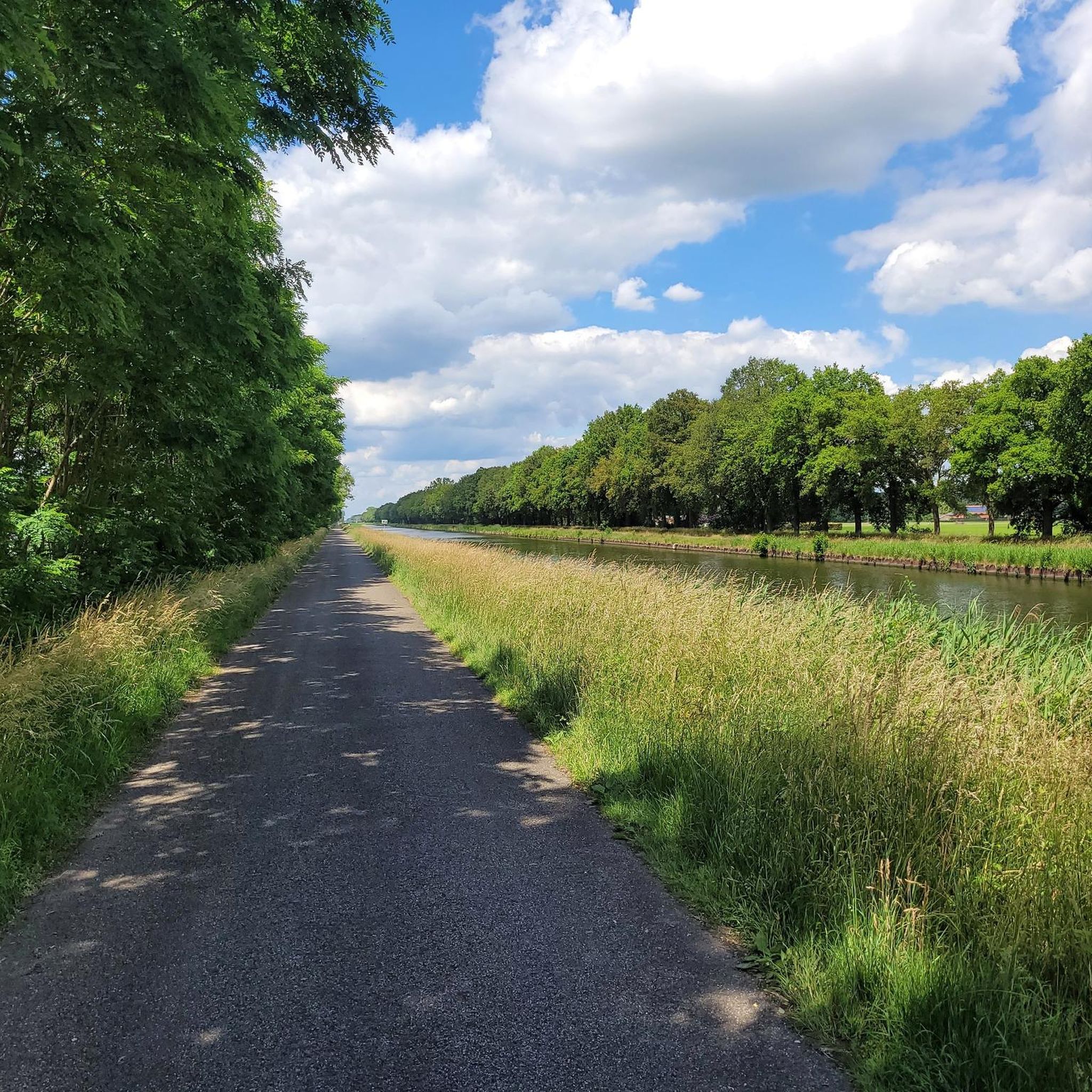
Touring cycling routes around Hunsel are characterized by mostly flat terrain and well-maintained, paved paths. The region is defined by the meandering Maas River and its extensive network of "Maasplassen" lakes, offering diverse waterside landscapes. Cyclists can expect routes through wide river arms, floodplains, and grasslands, with minimal elevation changes. This area provides a comfortable touring experience suitable for various fitness levels.
Best touring cycling routes around Hunsel
- The most popular touring cycling route is Sint-Margarethakerk – Brugger Chapel loop…
Last updated: August 18, 2026
4.6
(124)
726
riders
47.1km
02:41
90m
90m
Moderate bike ride. Good fitness required. Mostly paved surfaces. Suitable for all skill levels.
4.4
(10)
61
riders
31.8km
01:49
50m
50m
Easy bike ride. Great for any fitness level. Mostly paved surfaces. Suitable for all skill levels.

Sign up for free
4.4
(7)
44
riders
19.5km
01:07
60m
60m
Easy bike ride. Great for any fitness level. Mostly paved surfaces. Suitable for all skill levels.
4.6
(5)
44
riders
Moderate bike ride. Good fitness required. Mostly paved surfaces. Suitable for all skill levels.
4.8
(6)
30
riders
31.2km
01:50
80m
80m
Easy bike ride. Great for any fitness level. Mostly paved surfaces. Suitable for all skill levels.
Get access to more routes and recommendations from other explorers.
Sign up for free
Already have an account?
Our route recommendations are based on thousands of hikes, rides, and runs completed by other people on komoot.
Start today with a free account
Your next adventure awaits.
Login or Signup
Other adventures around Hunsel

Tips from the Community

It is good cycling on the paved towpaths along the Meuse.
0
0

The nature reserves in the cross-border River Park Maasvallei are managed by Natuurmonumenten and Staatsbosbeheer on the Dutch side, and by Limburgs Landschap and Natuurpunt on the Flemish side. To keep the rugged river nature in check and simultaneously introduce variation and dynamism to the landscape, they use large grazers. Without management, the areas would quickly become overgrown and dense with forest. Along the Maas, you almost exclusively see Galloway cattle and Konik horses. As permanent maintenance workers, they roam through the nature reserves. They graze, prune, fertilize, break open the soil with their hooves, and spread seeds via their coats and droppings. This keeps open spaces and allows a varied and rich landscape full of life to develop. Both the Galloways and the Koniks roam the areas year-round. They are strong, robust breeds built to live outdoors year-round without assistance. They are hardy, self-sufficient, and flexible. They adapt their coat, behavior, and digestion according to the conditions of the season. They find their own food and brave wind, rain, snow, and sunshine.
3
0

Beautiful abbey church with a beautiful and interesting interior. Pay entrance, as it is a museum, but very much worth it!
1
0
A beautiful little street in the center of Thorn
0
0

The church, dedicated to Saint Cornelius, is located in the center of Swartbroek, with its left side along the main road to Ell and Ittervoort. There is a small square with parking spaces in front of the church. It is a brick cruciform church with a straight-ended, three-aisled choir and a single-aisled tower, built in 1924 in a simple expressionist style. The cemetery is on the right. This cemetery also houses a British war cemetery for victims of World War II, with a Cross of Sacrifice dating from around 1950. The municipality of Weert is repurposing the church. Source and more information: https://www.kerkgebouwen-in-limburg.nl/kerken/swartbroek/cornelius
6
0

Near Dilsen-Stokkem (Belgium), in the cross-border nature reserve along the Meuse Valley around the De Wissen Visitor Center and the Negenoord-Kerkeweerd nature reserve, you'll regularly encounter Konik horses in the open floodplains and grasslands, along with other large grazers such as Galloway cattle. These horses are not domesticated pets, but are part of a consciously implemented nature management program aimed at keeping the river landscape as naturally dynamic and biodiverse as possible. The Konik horses here live freely in the floodplains and river landscapes year-round. Their presence is functional: grazing, they cut down the grass and maintain open grasslands. In places where cattle primarily keep shrubs and young trees short, the horses also ensure that herbs, flowers, and short grass are preserved. This combination allows these large grazers to create a diverse patchwork of open areas, coarse grasses, herb-rich thickets, and vegetated edges—exactly what many plant and animal species need to thrive. In the area around Stokkem, you often hear from local guides like the MaasVerkenner that you'll almost always see these horses during a walk, especially on the paths around the old Meuse branches and small lakes of Negenoord. These grazers are an important part of the river landscape experience, and they naturally regulate grazing management, allowing the landscape to develop into a rich ecosystem with countless bird species, insects, and plants that are rare elsewhere in Limburg. Hikers and nature lovers can often observe the Konik horses from the trails around De Wissen and the breeding banks of the Meuse. Because they are wild animals, it is advised to always keep a distance, not feed them, and not disturb their natural behavior. If you're lucky, you might see them grazing peacefully in the morning light or among colorful, herbaceous meadows—an impressive example of how nature management and ecology go hand in hand in this part of the Meuse Valley.
2
0

Boundary marker 162 stands a few dozen metres from the path in a meadow.
0
0

It's lovely to cycle here on the dike. There's always something to see on either side, and the people you meet are very friendly and seem happy. It must be the beautiful surroundings.
0
0
Frequently Asked Questions
How many touring cycling routes are available around Hunsel?
There are over 50 touring cycling routes around Hunsel, offering a wide range of options for exploring the region. Most of these, about 38, are classified as easy, making them accessible for various fitness levels.
What is the typical terrain and difficulty for touring cyclists in Hunsel?
The terrain around Hunsel is predominantly flat, characterized by well-maintained, mostly paved cycling paths. The routes are generally easy, with 38 out of 50 classified as such. There are also 9 moderate routes and 3 more challenging options for those seeking a bit more exertion. Elevation changes are minimal, making it a comfortable touring experience.
What do other touring cyclists enjoy most about cycling in Hunsel?
The area is highly rated by the komoot community, with an average score of 4.5 stars from over 70 reviews. Cyclists often praise the scenic views along the Maas River and the extensive network of 'Maasplassen' lakes, as well as the charming villages and well-maintained paths that make for a pleasant and accessible touring experience.
Are there any circular touring cycling routes in Hunsel?
Yes, many of the touring cycling routes around Hunsel are designed as loops, allowing you to start and end at the same point. For example, the De Spanjeerd Marina – Maas River Dike Cycling Path loop from Hunsel is an easy 32.1 km route that takes you along the Maas River dikes.
Are there easy routes suitable for beginners or families?
Absolutely. A significant majority of the routes, 38 out of 50, are rated as easy, making them ideal for beginners or family outings. These paths are generally flat and well-maintained. An excellent option is the Sint-Margarethakerk – Brugger Chapel loop from Ittervoort, an easy 28.3 km trail passing by local churches and waterways.
What natural features can I explore while cycling around Hunsel?
The region is rich in natural beauty, primarily defined by the meandering Maas River and the extensive 'Maasplassen' lake district. You can cycle along the Oolderplas, explore the diverse landscapes of The Leudal, or visit the Confluence of the Roer and the Meuse. The area features wide river arms, floodplains, grasslands, and woodlands, with marshy reed beds providing habitats for water birds.
Are there any historical or cultural landmarks to visit on a cycling tour?
Yes, the region offers charming historical sites. A notable highlight is the village of Thorn, often called 'The White Town,' known for its distinctive white-painted houses and cobblestone streets. You can explore this village on the Thorn — The White Town – Thorn Abbey Church loop from Ell. Additionally, you might encounter the Sherman Tank Turret Monument, Beegderheide, a unique historical landmark.
Are there good spots for birdwatching along the routes?
Yes, the diverse natural areas, especially around the Maasplassen and floodplains, are excellent for birdwatching. You can find dedicated spots like the Birdwatching Hide Koningssteen-Kollegreend, a Beautiful observation hut, or the Bird Hide in Natuurreservaat De Zig, offering opportunities to observe local birdlife.
What is the best time of year for touring cycling in Hunsel?
The spring, summer, and early autumn months generally offer the most pleasant conditions for touring cycling in Hunsel. During these seasons, the weather is typically mild, and the natural landscapes are at their most vibrant. The well-maintained paths are suitable for cycling throughout these periods.
Are there places to stop for refreshments or a break along the routes?
Yes, many routes pass through or near charming villages like Thorn, which offer opportunities for breaks at local cafes and restaurants. The well-developed cycling junction network in Limburg makes it easy to plan routes that include stops for refreshments.
Are there any national parks accessible by bike from Hunsel?
While Hunsel is in Central Limburg, you can extend your tours to nearby national parks. De Groote Peel National Park, known for its unique high moorland landscape and rich birdlife, is accessible for cycling, with routes touching its edges. For more information on De Groote Peel, you can visit visitbrabant.com. Meinweg National Park, part of the cross-border Grenspark Maas-Swalm-Nette, also offers unique terraced landscapes and diverse ecosystems.
How long do touring cycling routes typically take in Hunsel?
Route durations vary depending on distance and your pace. Many easy to moderate routes can be completed within 1.5 to 3 hours. For instance, the Thorn — The White Town – Thorn Abbey Church loop from Neeritter is an easy 26.2 km route that typically takes around 1 hour 30 minutes.
Most popular attractions around Hunsel

Get inspired with the komoot mobile app


Explore more
Browse the best Cycling routes in other regions.
