Top 20 Caves around Maastricht
Caves around Maastricht are primarily extensive, man-made underground labyrinths, not natural formations. These systems are the result of centuries of marl extraction beneath Sint Pietersberg. They offer a unique journey into the region's history, art, and subterranean environment. These former quarries have served various purposes, from shelters to art repositories, making them a significant cultural and geographical feature of the area.
Best caves around Maastricht
- The most popular caves is Château Neercanne, a castle that utilizes its old limestone quarry as a wine cellar and dining room. It is known as the only terraced castle in the Netherlands and is made entirely of marlstone.
- Another must-see spot is Strooberg Quarry, a natural monument featuring marl caves. Visitors can observe a marl wall that provides a habitat for birds of prey and explore barren chalk grasslands.
- Visitors also love Geulhemmerberg Climb and Cave Dwellings, a climb that features old rock dwellings at its base. These dwellings were historically inhabited by block breakers, offering a glimpse into the region's past.
- Maastricht is known for marl caves, flint caves, and historical quarry systems. These include extensive networks like the North Caves and Zonneberg Caves, which are rich in history, art, and wartime significance.
- The caves around Maastricht are appreciated by the komoot community, with more than 1000 upvotes and over 750 photos shared by users.
Last updated: October 4, 2026
Château Neercanne
Highlight • Castle
Translated by Google •
Tip by

Strooberg Quarry
Highlight • Cave
The green, sloping Bemelerberg has a marl wall on one side like on a postcard. Here the yellow limestone rises high into the air and forms a protected habitat for birds of prey who like to nest there. On top of the mountain is one of the most popular benches in all of South Limburg.
Around the hill are barren chalk grasslands that look anything but barren. 'Poor' soil is exactly what wild orchids like, for example. Rare species are given space here by the grazing of the Mergellandschaap, one of the few sheep that can defy the steep slopes.
Translated by Google •
Tip by

Sign up now to discover places like this
Get recommendations on the best single tracks, peaks, & plenty of other exciting outdoor places.
Geulhemmerberg Climb and Cave Dwellings
Highlight (Segment) • Climb
Translated by Google •
Tip by

Bemelerberg Cave
Highlight • Cave
In the Middle Ages, not everyone was allowed to plant hedges. That is why small farmers made fences by means of a construction of posts, stuck planks in wickerwork of twigs. They called that a tuyn tuen or tuun The word tuin comes from it. Such a dead hedge, took up little space and could be easily moved. The disadvantage was that a lot of wood was needed, also for annual repairs
Old craft
Tuynen (gardens, tuunen, tunen) is an almost lost craft. Fortunately, a few elderly hedge weavers were able to pass on their knowledge to the members of the Vogelwerkgroep Bemelen. Thanks to this expertise, old tools such as klamatsch and picker could also be remade. If you look closely, you will see vertical sticks of (pruning) wood on both sides of the existing hedge. These are connected horizontally with 'binders' (long thicker sticks). All of this is pulled together. Together with the existing hedge, this becomes a barrier that no sheep or chicken can get through. Braided hedges, hedgerows and wooded banks are very important for the quality of the landscape and nature. The Tuynheggen are therefore real cultural heritage.
Birds such as willow warbler, yellowhammer and wren use the hedge to shelter and build nests in.
Native plants, including bittersweet, also grow there.
The classic Tuynheg here was created in 2002. The maintenance, gardens or tuunge is on the programme of the Bemelen Bird Working Group every spring. In this way, the knowledge of the craft is preserved.
More information or help?
Bemelen Bird Working Group E-mail: ha.brouwer36@ziggo.nl
Translated by Google •
Tip by

Thier des Vignes Flint Caves
Highlight • Cave
Source: mini-ardenne.be/poi.card.php?id=6036&language=fr
*Flints = flints
Translated by Google •
Tip by

Sign up for free to discover even more caves around Maastricht.
Already have an account?
Start today with a free account
Your next adventure awaits.
Popular around Maastricht
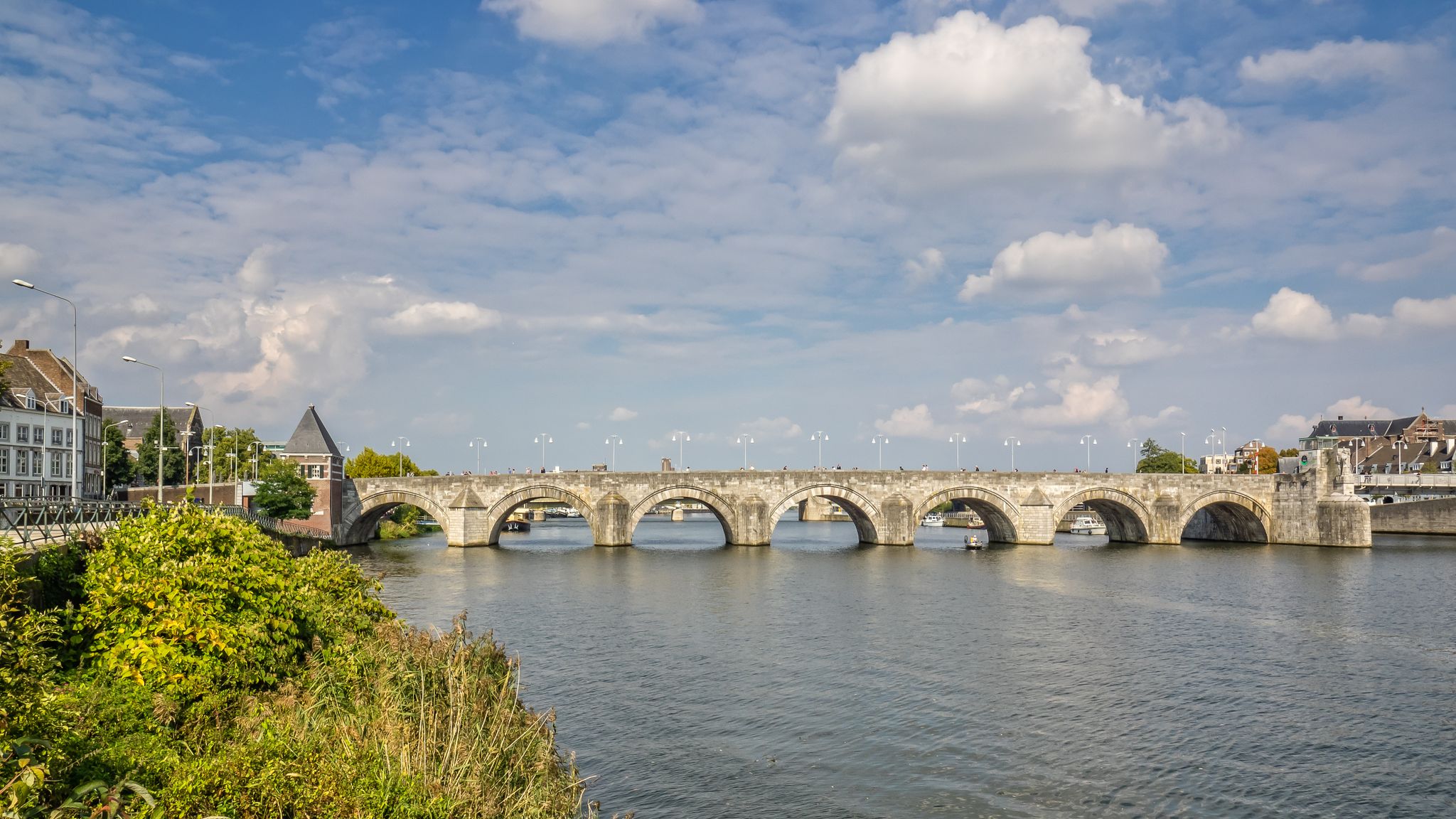
LF Maasroute – From Maastricht to Rotterdam along the Meuse River
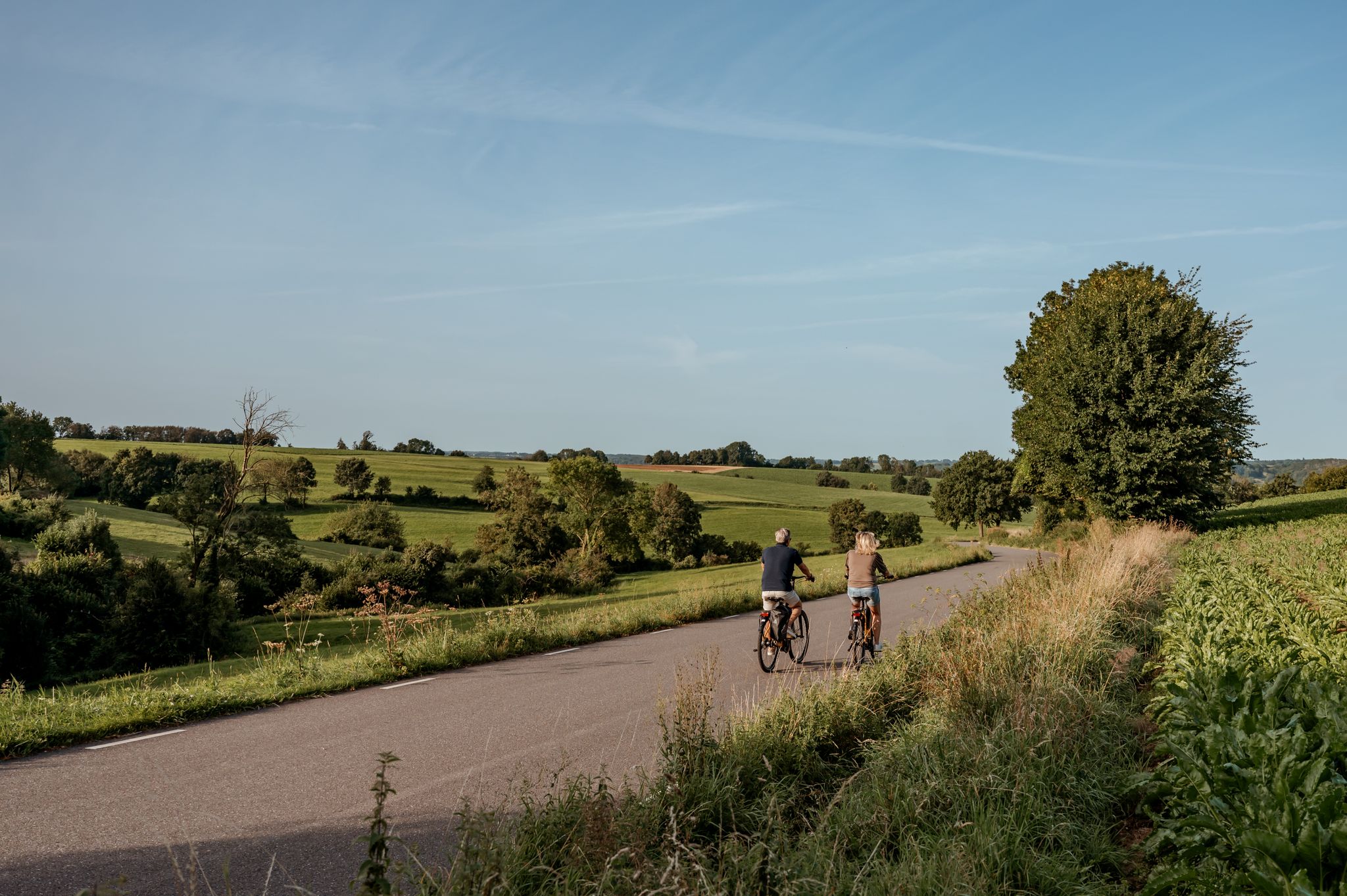
The best of South Limburg by bike
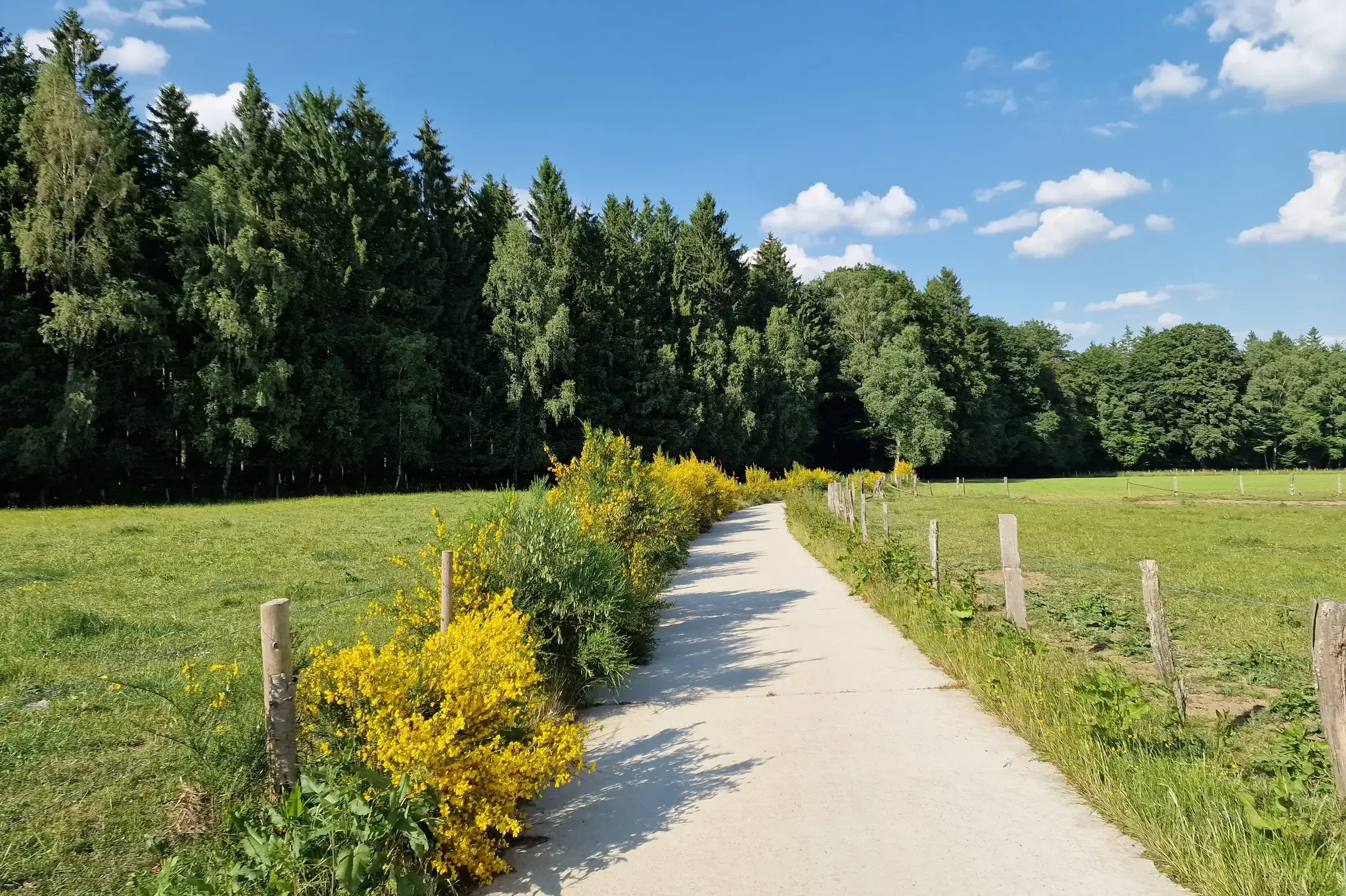
RAVeL W7 — On the road of the Ardennes
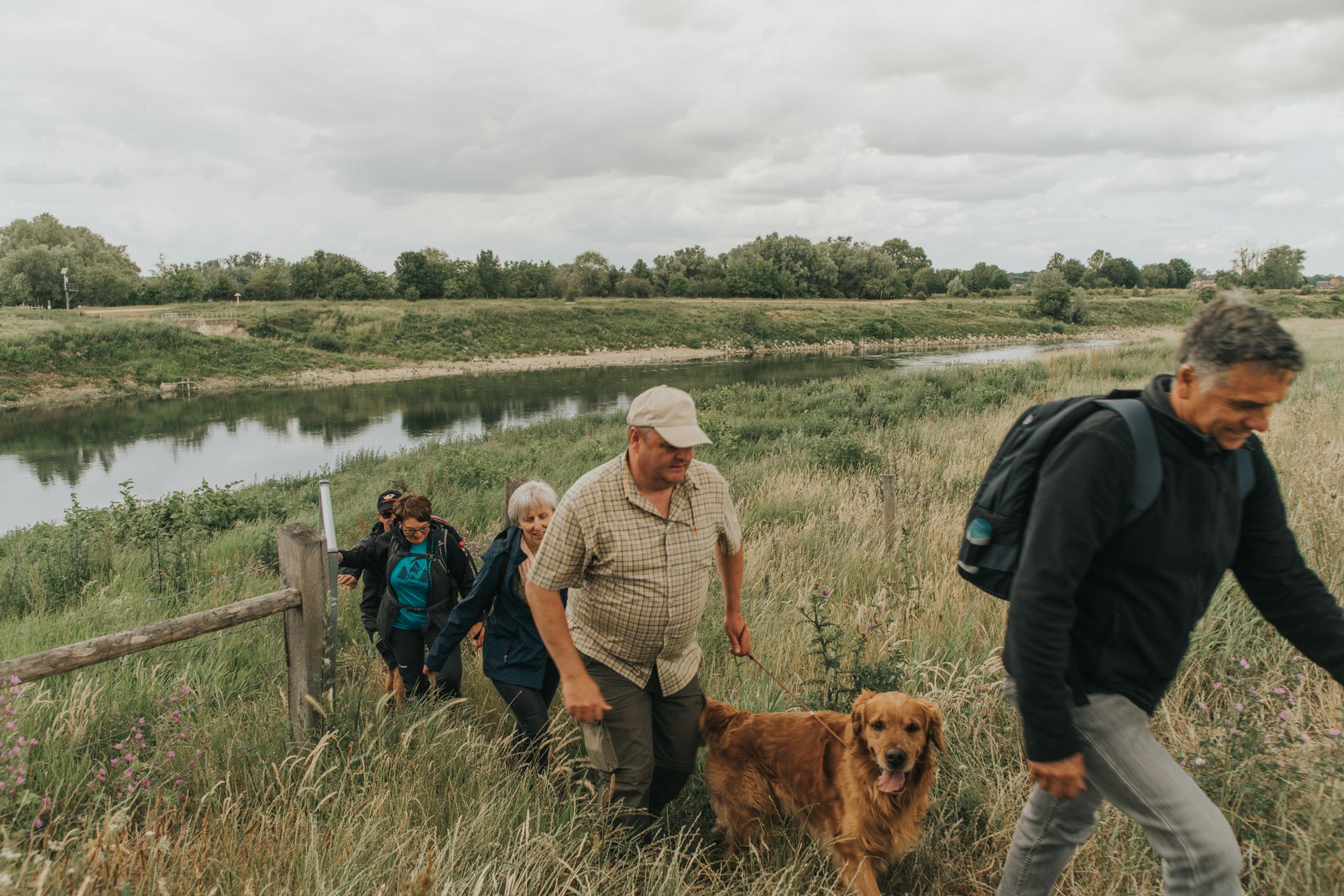
Discover the wild river - 6 hiking days in RivierPark Maasvallei (LAW)
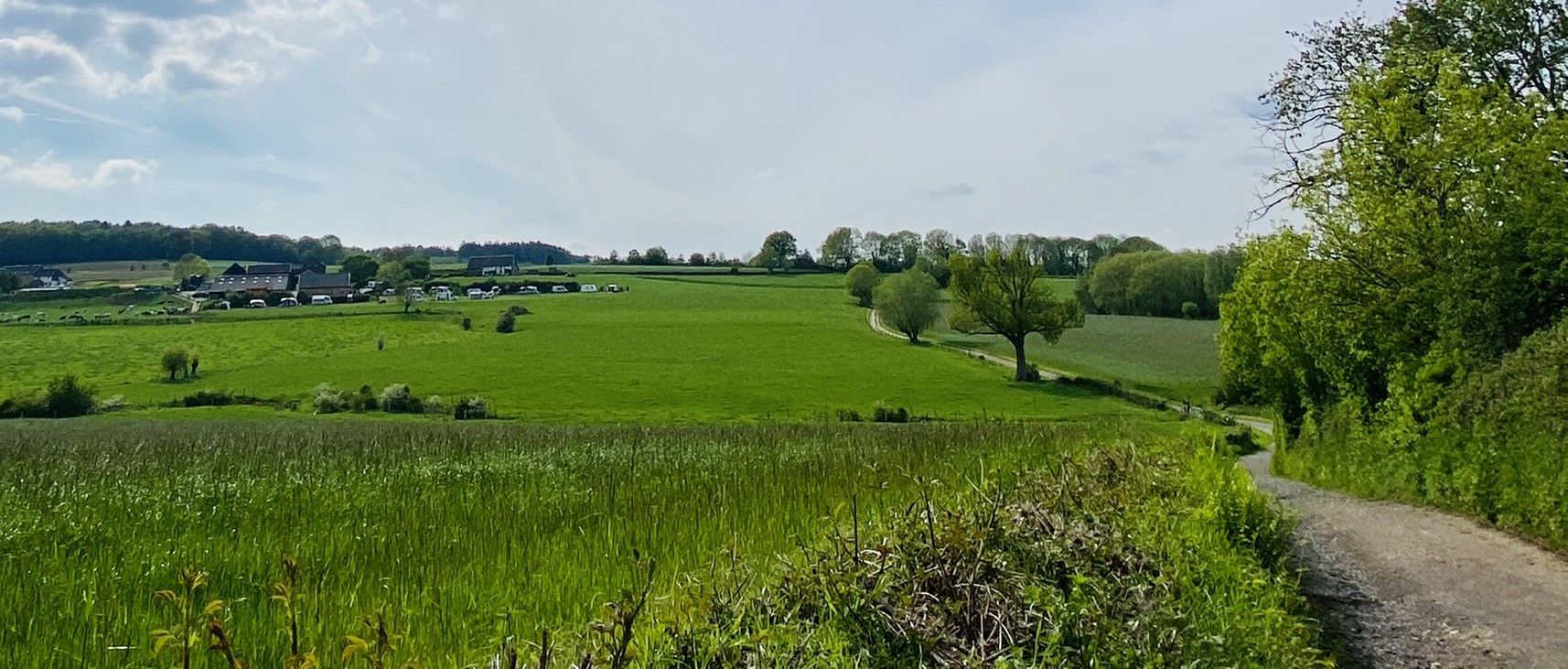
The Krijtlandpad trail - South Limburg at its best in five hiking stages
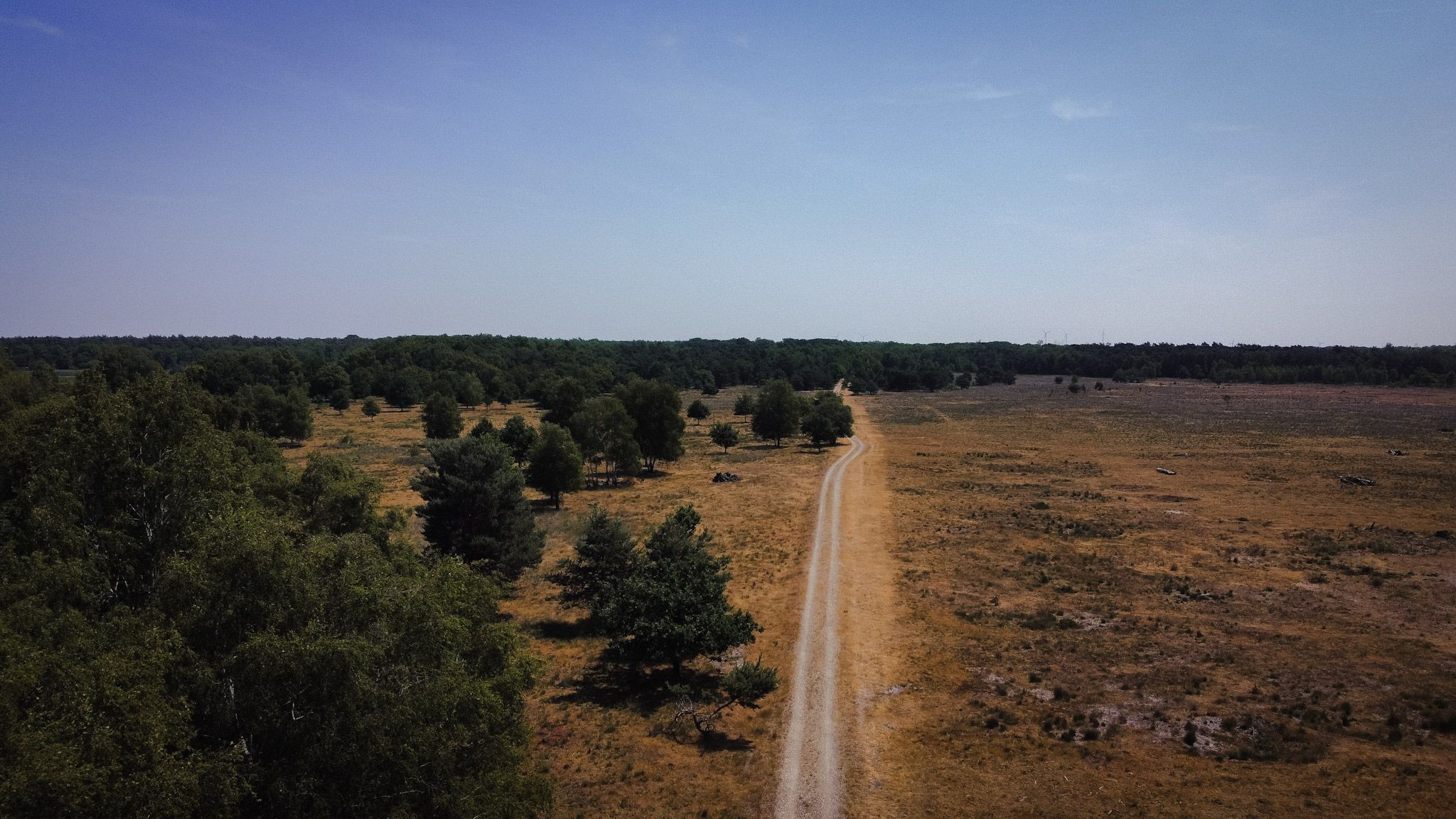
Geile Strecke — the Limburg divide
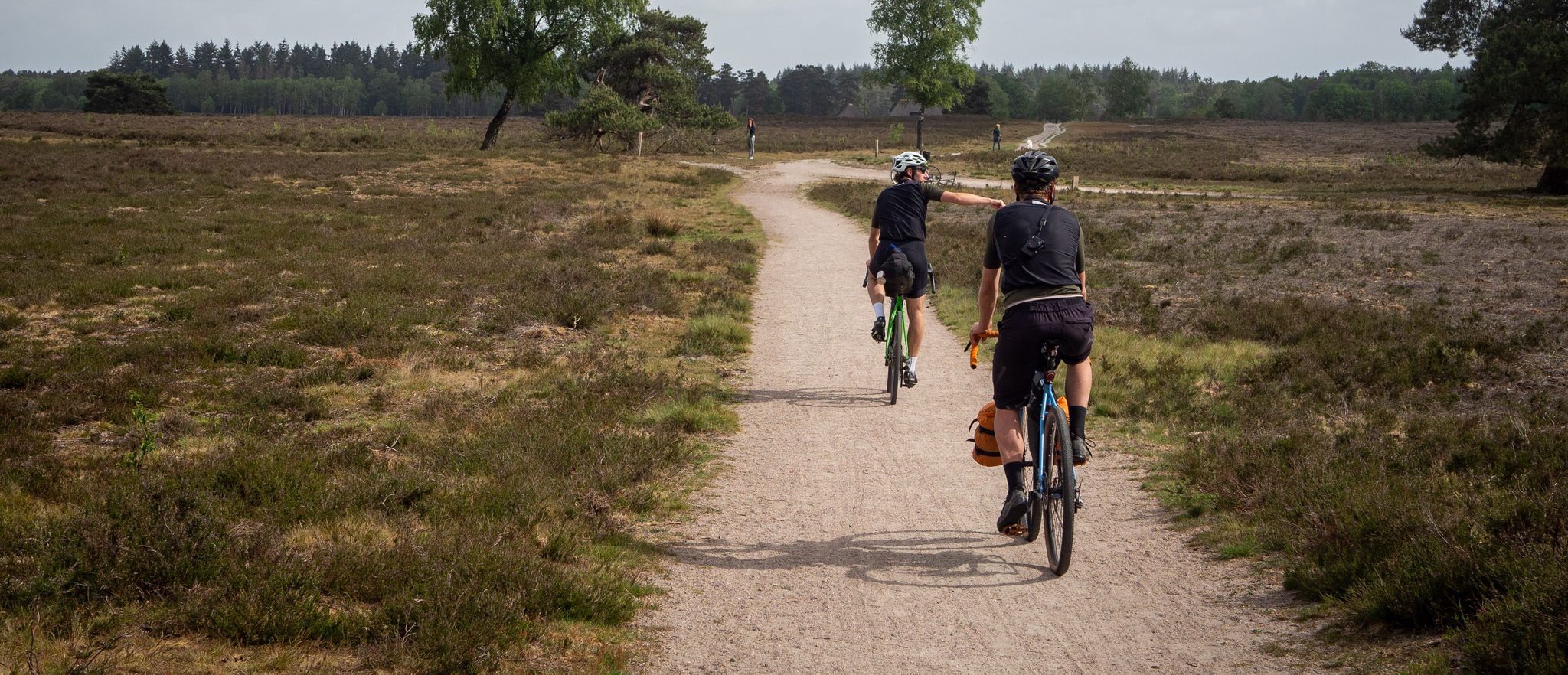
Bikepacking Weekenders − Netherlands unpaved
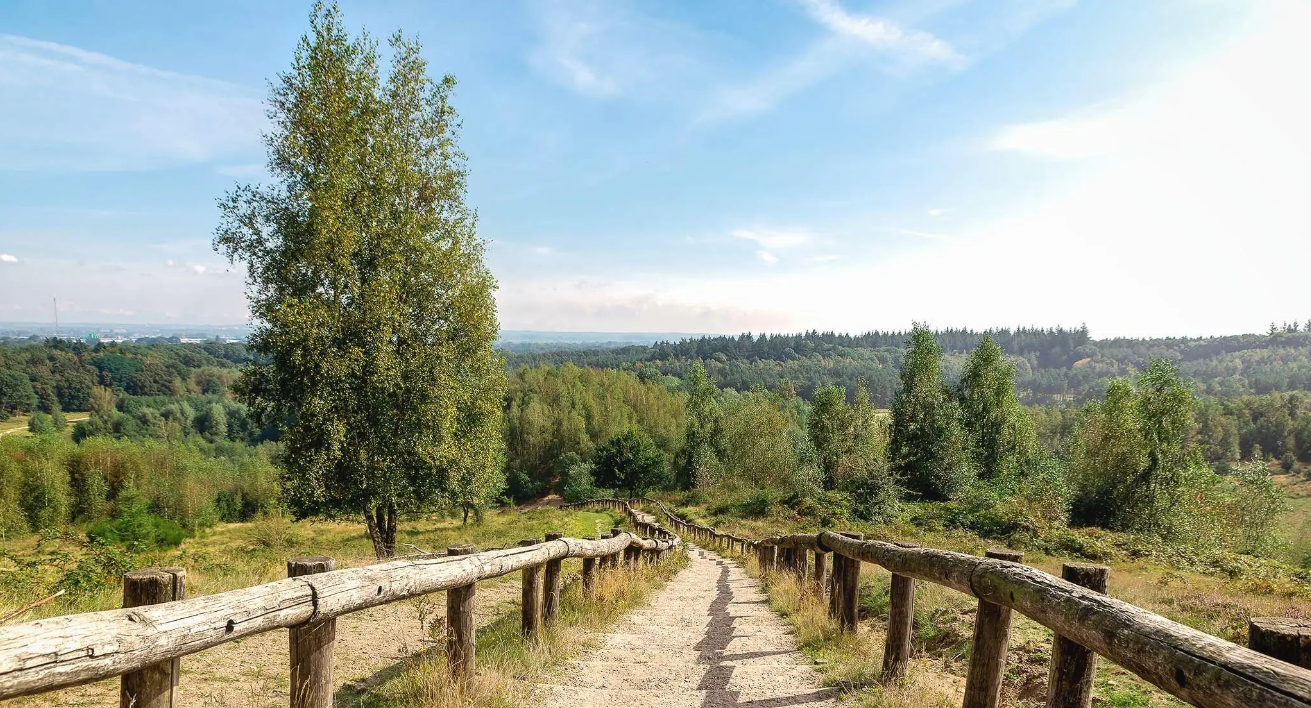
For hill seekers: The best trail runs in the Netherlands

Rucksack auf und los – Weitwandern mit deuter in Belgien und den Niederlanden
LF-routes
Other adventures around Maastricht


Tips from the Community

The Neercanne castle is built on the original site of Roman fortifications whose caves still exist and are used as a wine cellar. In the hall, the original staircase with a railing on wide columns is still present. Weapon trophies are depicted in relief on the ceiling. Currently, the castle is used as a hotel and restaurant. The restaurant has been awarded one star by the Michelin Guide.
5
0


we tried to return to Maastricht using the Arriva bus. However, it was a small bus and only 3 seats were available. My friends walked.
1
0

There are old flint quarries in this area: the “Carrières de silex du Thier des Vignes”.
1
0

Here you have a view of old marl quarries. You can see a marl wall with meadows, cows, or sheep.
1
0

A mysterious flint cave on the edge of the Albert Canal, near the locks at Klein Ternaaien. You reach the entrance via a steep path through the woods. The caves are dark, cool, and full of atmosphere—perfect for those who love hidden natural spaces. Bring a flashlight and good walking shoes!
2
0

The Strooberggroeve is a Limburg marl quarry in the Dutch municipality of Eijsden-Margraten. The underground quarry is located north of Bemelen under the Bemelerberg on the north side of the mouth of the dry valley Koelbosgrub in the Meuse valley. The quarry is located on the western edge of the Plateau of Margraten in the transition to the Meuse valley. At this point, the plateau drops steeply for a few meters. https://nl.wikipedia.org/wiki/Strooberggroeve
3
0

Very nice walking route along the chateau. Beautiful panorama. With a house in the valley below that used to be the border post.
4
0
Frequently Asked Questions
What makes the caves around Maastricht unique?
The 'caves' in Maastricht are not natural formations but extensive, man-made underground labyrinths. They are the result of centuries of marl extraction beneath Sint Pietersberg, offering a unique journey into the region's history, art, and subterranean environment.
What historical significance do the North Caves hold?
The North Caves (Grotten Noord) were initially Roman-era limestone quarries. Over centuries, they served as shelters, storerooms, hideouts, and even a strategic command center during World War II. They also famously protected 780 art treasures, including Rembrandt's 'The Night Watch,' during the war.
Can I see art in the Maastricht caves?
Yes, both the North Caves and Zonneberg Caves are renowned for their artistic expressions. You can find unique charcoal drawings, centuries-old inscriptions, and large murals. A notable feature is the full-size charcoal reproduction of Rembrandt's 'The Night Watch' in both cave systems.
What is special about the Zonneberg Caves?
The Zonneberg Caves provided shelter to thousands during World War II, with plans for a large-scale evacuation including facilities like a sickbay and chapel. They are characterized by spacious, 'cathedral-like corridors' and feature numerous names, drawings, and sculptures, with the oldest inscription dating back to 1551.
Are there any natural features or wildlife to observe in the underground passages?
While primarily man-made, the stable climate in the Zonneberg Caves attracts hundreds of bats that hibernate there during winter months. Above ground, areas like the Strooberg Quarry feature a marl wall that provides a habitat for birds of prey and barren chalk grasslands.
Are there family-friendly options for exploring the caves?
Many guided tours of the North and Zonneberg Caves are suitable for families, offering an educational and engaging experience. Additionally, the Trichterberggroeve Limestone Quarry is listed as family-friendly and offers a glimpse into historical quarrying.
What is the best way to experience the caves around Maastricht?
Guided tours are highly recommended for navigating the labyrinths safely and fully appreciating their rich history and features. These tours reveal stories of smuggling, secret meetings, and daily life underground.
What is the typical temperature inside the caves?
The caves maintain a constant temperature of around 11 degrees Celsius (52 degrees Fahrenheit) year-round, making them a cool escape, especially during warmer months.
What other historical sites related to caves can I visit?
You can visit Château Neercanne, a castle that utilizes its old limestone quarry as a wine cellar and dining room. Also, the Geulhemmerberg Climb and Cave Dwellings features old rock dwellings at its base, historically inhabited by block breakers.
Are there flint caves in the region?
Yes, the Thier des Vignes Flint Caves are very old flint quarries, protected in the Natagora site. You can find no fewer than 13 cave entrances along the path, which are not very deep and run along the slope.
What outdoor activities can I do near the Maastricht caves?
The area around Maastricht offers various outdoor activities. You can find numerous hiking routes, MTB trails, and running trails that often incorporate views of the marl landscape and historical sites. For example, there are hiking routes near Fort Sint Pieter and Château Neercanne.
What do visitors enjoy most about the caves around Maastricht?
Visitors appreciate the unique historical insights, the impressive man-made labyrinths, and the artistic expressions found within. The cool, constant temperature also makes them a pleasant escape, and the guided tours are highly valued for their engaging storytelling.
Most popular routes around Maastricht
Most popular attractions around Maastricht

Get inspired with the komoot mobile app


Explore more
Extend your search for the best caves by checking out these guides of the top ones around Maastricht:
