Top 12 Gorges around Meerssen
Best canyons around Meerssen are characterized by gorge-like valleys and steep-sided terrain, shaped by the erosion of streams through marl and loess soil. The region features hillside forests, deep valleys, and unique geological formations. These natural areas offer diverse landscapes for exploration, including exposed rock faces and significant topographical variations. Meerssen's natural environment provides varied terrain for outdoor activities.
Best canyons around Meerssen
- The most popular canyons is Marl Cliff along the Geul, a gorge that features a narrow…
Last updated: October 4, 2026
Marl Cliff along the Geul
Highlight • Gorge
Translated by Google •
Tip by

Savelsbos Gravel Pit
Highlight • Natural Monument
Translated by Google •
Tip by

Sign up now to discover places like this
Get recommendations on the best single tracks, peaks, & plenty of other exciting outdoor places.
Blom Quarry
Highlight • Gorge
Translated by Google •
Tip by
Gerendal Valley
Highlight (Segment) • Gorge
The Gerendal is mainly an asymmetrical dry valley …
Translated by Google •
Tip by

Strooberggroeve (Bemelen Caves)
Highlight • Cave
Translated by Google •
Tip by

Sign up for free to discover even more gorges around Meerssen.
Already have an account?
Start today with a free account
Your next adventure awaits.

Tips from the Community

Along the road is the entrance to quarry Blom, as a hiker you have to go through the flap gate to enter the area
0
0

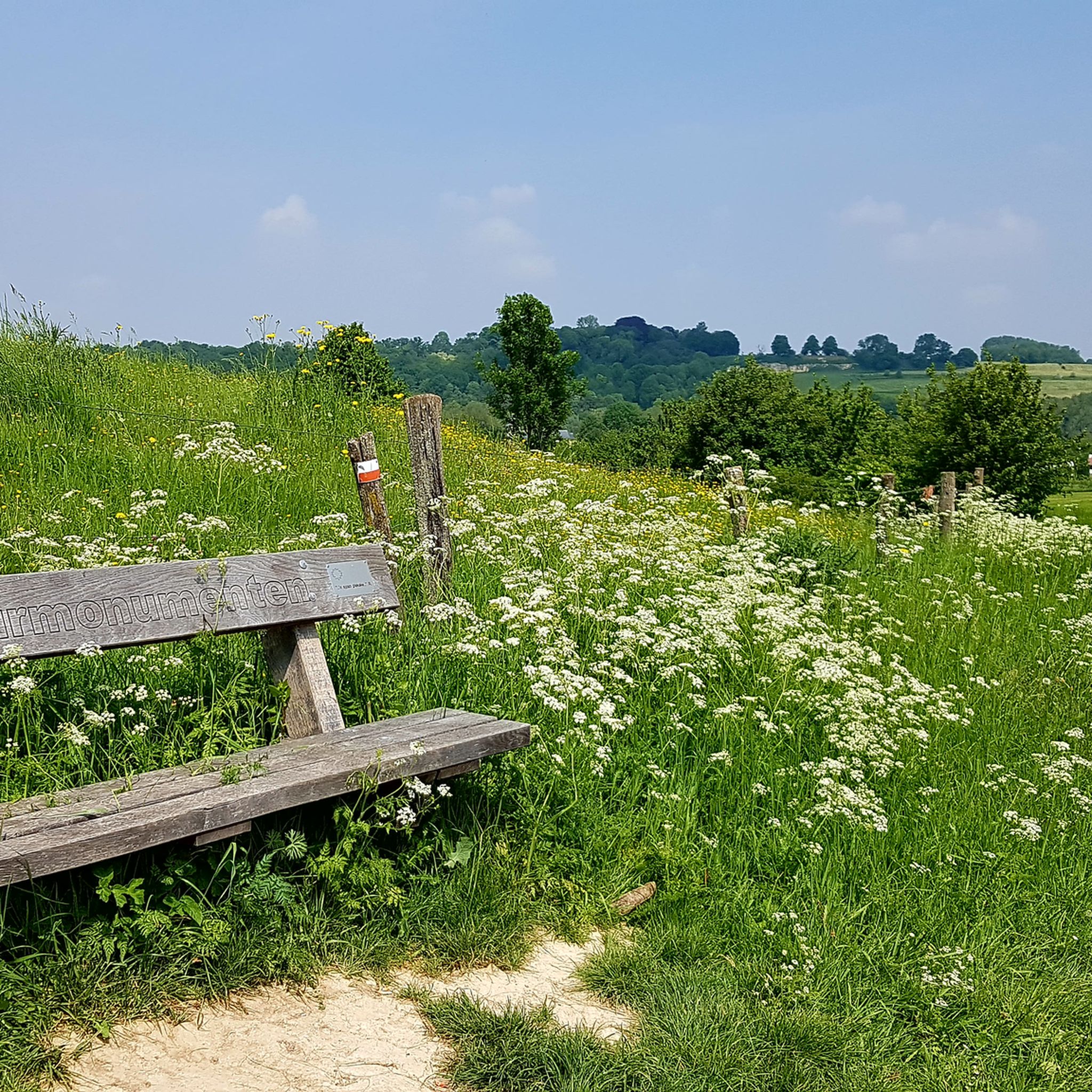
Beautiful view of the caves.
0
0

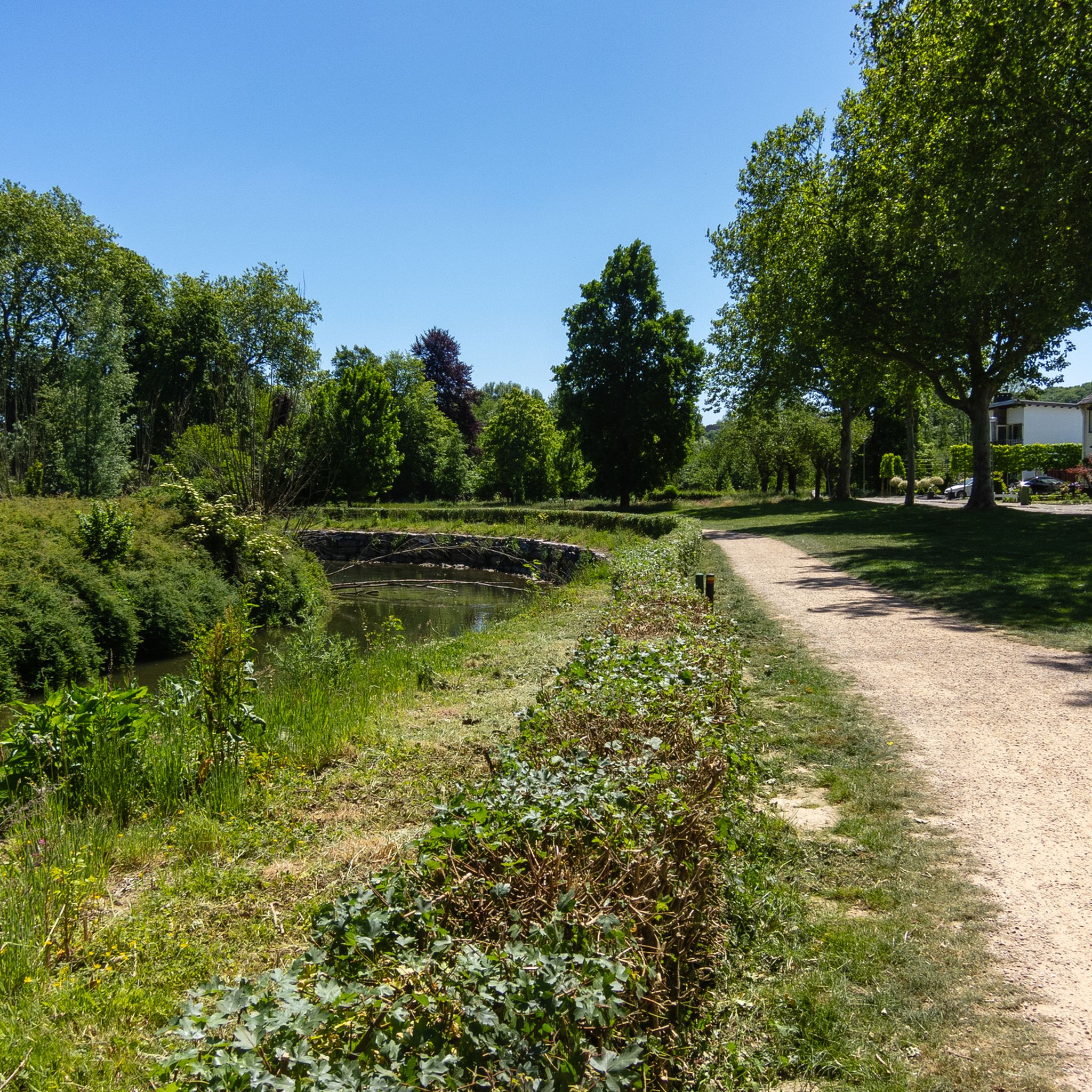
Along the rippling Geul River, an impressive marlstone wall rises, a silent witness to Limburg's underground landscape. These calcareous rocks were used for centuries for construction and crafts and now offer a fascinating sight for hikers and nature lovers. The wall forms a natural boundary along the water and, in some places, harbors small caves and niches where flora and fauna have found a home. The contrast of the white marl against the green foliage and the glistening water of the Geul makes this a particularly photogenic and tranquil spot during your walk.
0
0

Beautiful part of the walk along the Geul
0
0

Info about these caves: https://nl.wikipedia.org/wiki/Strooberggroeve
1
0

When the path that has been running between slopes and sloping forest on one side and the Geul on the other side suddenly starts to rise a bit, you know what is coming: part of the marl crops out and offers you a glimpse of what you can discover if you take one of the paths away from the Geul: quarries and marl.
6
0

Wonderful single track with deliciously scented wild garlic on both sides.
1
0

Text board [see photo] Gravel pit Savelsbos Geological monument 'Gravel pit Savelsbos'. From Roman times until around 1950, a mixture of sand and gravel was excavated in this pit to improve and harden roads. Around 1 million years ago, the Maas flowed from Eijsden towards Cadier en Keer. At the end of this period, the Maas valley was filled with a mixture of sand and gravel. The sand, gravel and stones present come from the Vosges and the Ardennes.
3
0
Frequently Asked Questions
What kind of natural features define the 'canyons' around Meerssen?
The 'canyons' around Meerssen are characterized by gorge-like valleys and steep-sided terrain, primarily shaped by the erosion of streams through soft marl and loess soil. You'll find hillside forests, deep valleys, and unique geological formations like exposed marl walls and limestone quarries. Areas like De Dellen and Meerssenerbroek feature underground marl caves, while Bunderbos is known for its steep slopes and numerous springs.
Are there family-friendly options for exploring the canyons around Meerssen?
Yes, several areas offer family-friendly exploration. For instance, the Trichterberggroeve Limestone Quarry is designated as family-friendly and features steep limestone walls with historical significance. The general landscape with its valleys and forests provides accessible paths for families, though some areas like Bunderbos can have steeper trails.
What are some popular hiking routes near Meerssen's canyon areas?
You can find various hiking routes that explore the canyon-like landscapes. For example, the Hiking around Meerssen guide includes routes like the 'Curfsgroeve – View of the Mergel Quarry loop from Meerssen' (easy) and 'View of De Dellen Quarry – Curfsgroeve loop from Meerssen' (moderate), offering diverse experiences through these unique natural settings.
What is the best time of year to visit the canyons in Meerssen?
The canyons around Meerssen are beautiful year-round, but spring is particularly rewarding. In areas like Bunderbos, you can witness a vibrant display of rare flora, including primroses, wood anemones, and wild garlic, coming into bloom. The weather is generally mild, making it ideal for hiking and exploring the natural beauty.
What are the difficulty levels of hiking trails in Meerssen's canyon areas?
The trails vary in difficulty. Some paths, like those along the Marl Cliff along the Geul, are narrow but generally manageable. Areas like Bunderbos are known for their 'steepest hillside forest' terrain, offering challenging yet rewarding hikes with significant elevation changes. You can find easy to moderate routes, such as the 'Curfsgroeve – View of the Mergel Quarry loop' from the Hiking around Meerssen guide.
Are there any historical or geological sites within the canyons?
Yes, the region is rich in both. The Trichterberggroeve Limestone Quarry is a designated Geological Monument with steep limestone walls and remnants of old corridors. The Strooberggroeve (Bemelen Caves) also offers geological insights with its gravel roads along the rocks of the Bemelerberg. The Savelsbos Gravel Pit was even used in Roman times, with information boards explaining its geological layers.
Where can I find unique flora and fauna in the Meerssen canyon areas?
The Bunderbos is particularly renowned for its exceptionally rich and rare flora, especially in spring. You can find vibrant arrays of flowering plants like primroses, wood anemones, and wild garlic. The Blom Quarry, now a nature reserve, has also been transformed into a diverse natural paradise with many unique plant and animal species.
Are there viewpoints offering panoramic views of the canyons?
Yes, several locations provide excellent views. The Marl Cliff along the Geul offers picturesque views along the river. The Curfsgroeve, while an old quarry, provides panoramic views and is highlighted as a surprising natural attraction. De Dellen and Meerssenerbroek nature reserves also offer picturesque views over old quarries and green valleys.
What other outdoor activities can I do near the canyons?
Beyond hiking, the Meerssen area offers various outdoor activities. You can find running trails, including routes like 'Geulhem Cave Dwellings – Marl Cliff along the Geul loop'. For cyclists, there are road cycling routes such as 'View of the River Maas – Geulle Castle loop'. The gravel roads around Strooberggroeve (Bemelen Caves) are also perfect for gravel biking.
Do I need a permit to hike in the Meerssen canyon areas?
Generally, no specific permits are required for hiking in the public nature reserves and trails around Meerssen. However, some areas like the Blom Quarry nature reserve welcome hikers between sunrise and sunset. Always respect local signage and regulations for nature conservation.
Are there places to eat or stay near the canyon trails?
Meerssen and its surrounding hamlets offer various options for cafes, pubs, and accommodation. The charming hamlet of Waterval, nestled within the valley of the Watervalderbeek, provides an idyllic setting. For more information on local amenities, you can explore resources like tourismmeerssen.com.
Is public transport available to reach the canyon areas?
Meerssen is generally accessible by public transport, and local buses can connect you to various starting points for trails. However, for some of the more secluded canyon-like areas, direct public transport might be limited, and a short walk or bike ride from the nearest stop may be required. It's advisable to check local bus schedules for specific routes.
What are the unique geological features of Meerssen's canyons?
The geology of Meerssen's 'canyons' is unique due to the soft marl and loess soil, which has been eroded by streams to form deep valleys. Key features include exposed marl cliffs, such as the Marl Cliff along the Geul, and ancient limestone quarries like the Trichterberggroeve, which reveal geological strata. The region also features underground marl caves, particularly in the De Dellen and Meerssenerbroek nature reserves.
Most popular routes around Meerssen
Most popular attractions around Meerssen

Get inspired with the komoot mobile app


Explore more
Already discovered everything in this region? See additional gorges around Meerssen for your next adventure:
