Top 17 Castles around Boxmeer
Castles around Boxmeer offer a glimpse into the region's rich past in North Brabant, Netherlands. The area is characterized by historical sites, including fortresses and moated castles, many situated near the Meuse river. These landmarks reflect centuries of transformations and conflicts. Visitors can explore a variety of historical structures set within natural landscapes.
Best castles around Boxmeer
- The most popular castles is Tongelaar Castle, a castle whose origins date back to the 9th century. In its current form, the…
Last updated: June 22, 2026
Bleijenbeek Castle Ruins
Highlight • Castle
Translated by Google •
Tip by

De Mookerheide Hunting Lodge
Highlight • Castle
Translated by Google •
Tip by

Sign up now to discover places like this
Get recommendations on the best single tracks, peaks, & plenty of other exciting outdoor places.
Sign up for free
Well Castle
Highlight • Castle
Translated by Google •
Tip by

Tongelaar Castle
Highlight • Castle
Translated by Google •
Tip by

Knot Willow Path Genneperhuis
Highlight • Trail
Translated by Google •
Tip by
Sign up for free to discover even more castles around Boxmeer.
Sign up for free
Already have an account?
Start today with a free account
Your next adventure awaits.
Login or Signup
Popular around Boxmeer
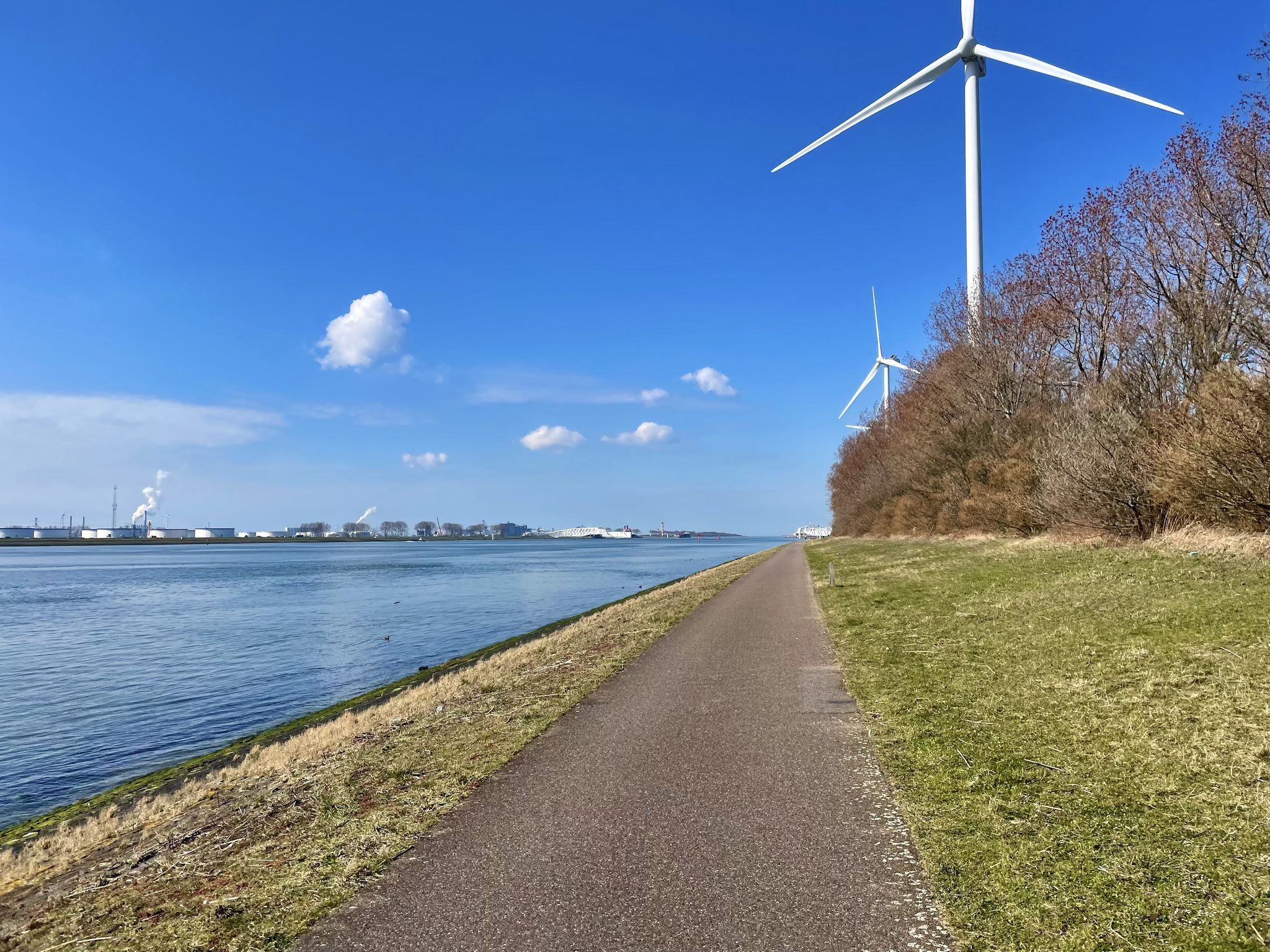
The Meuse Cycle Route - Follow the Meuse from the hills to the harbor
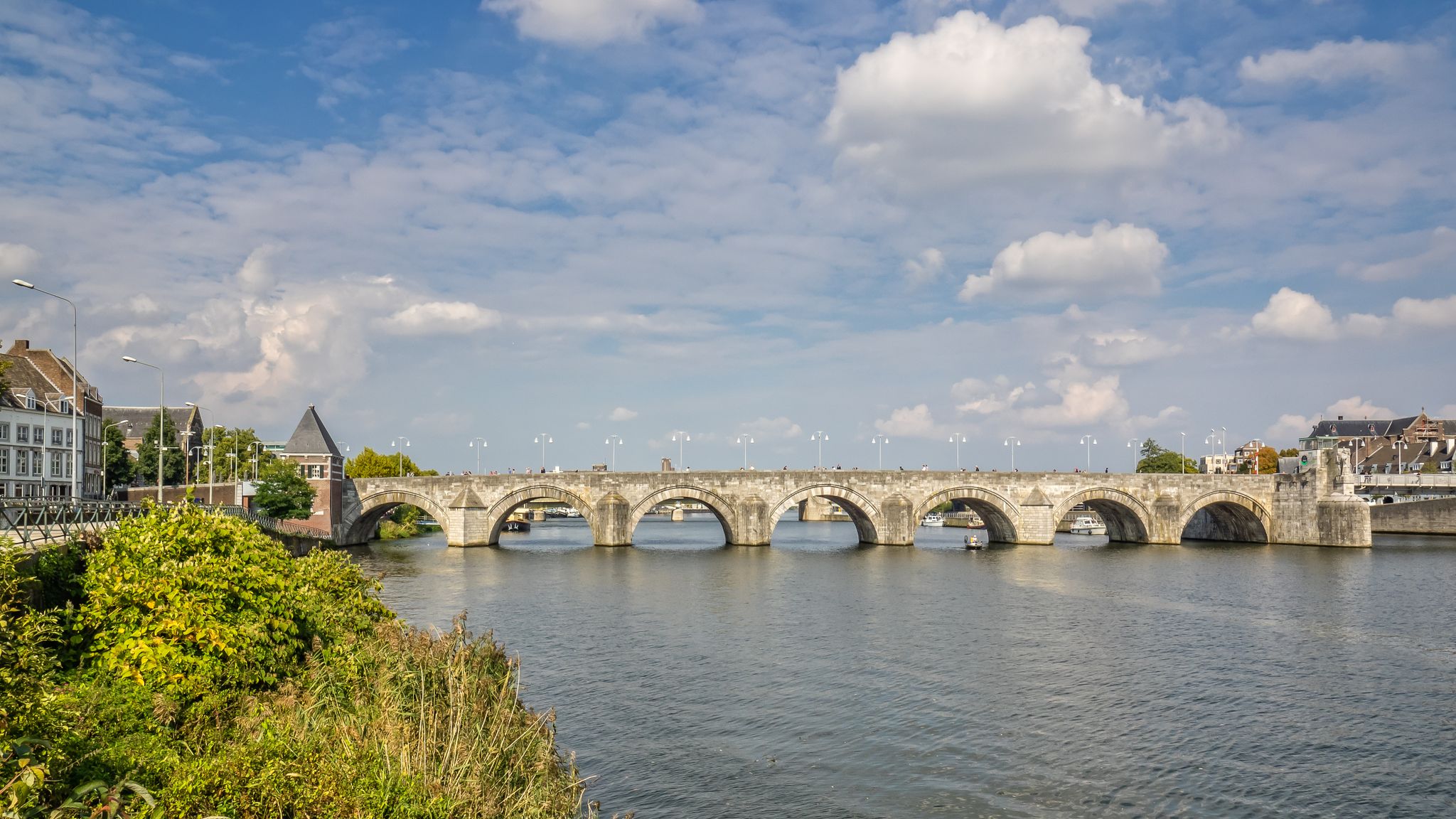
LF Maasroute – From Maastricht to Rotterdam along the Meuse River
The Meuse Cycle Route - Follow the Meuse from the hills to the harbor
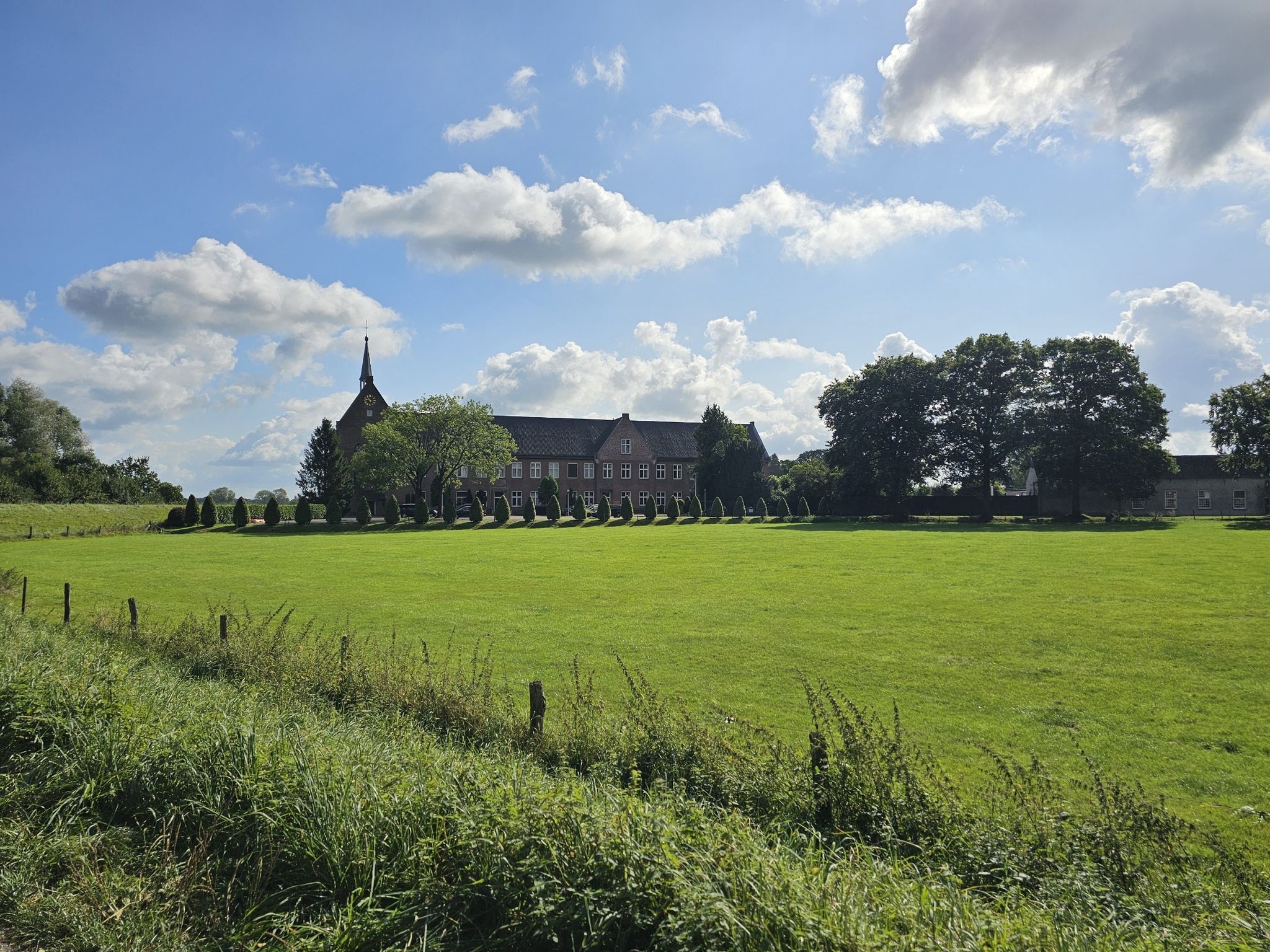
On foot through Brabant in eight days – Land van Cuijkpad (SP 14)
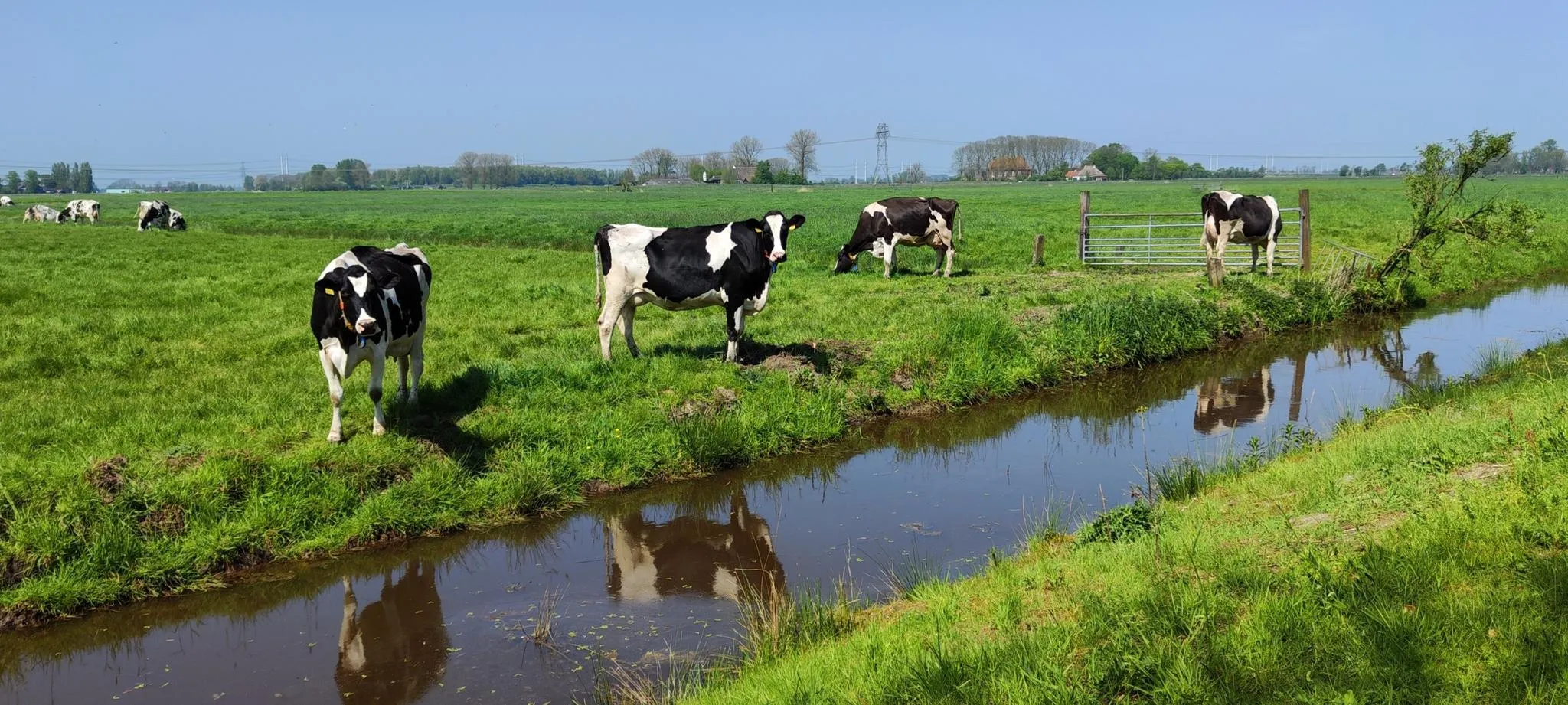
Discover the Milky Way – 9 routes alongside cows and to cheese shops
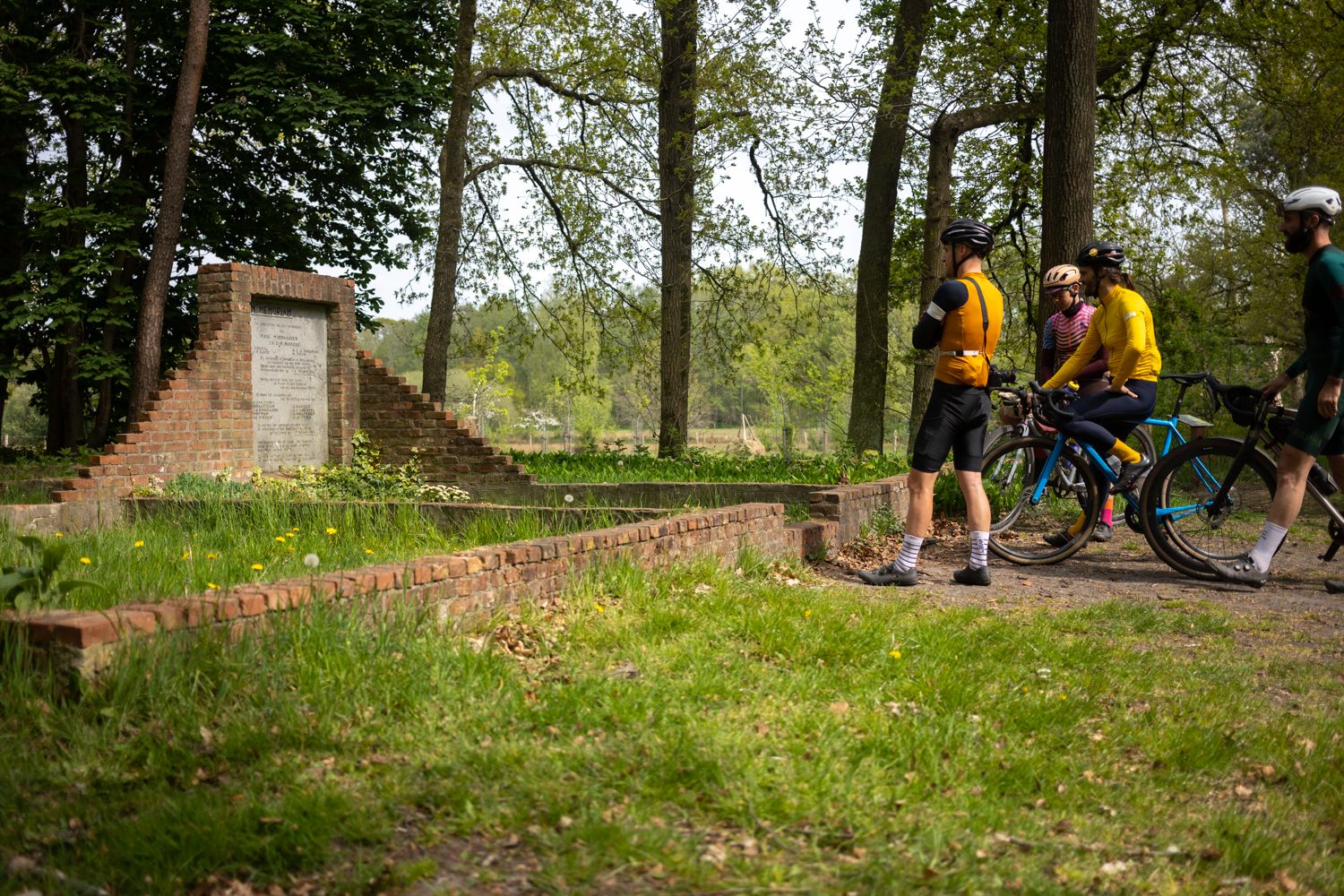
Operation Pheasant – gravel routes on the trail of the liberators
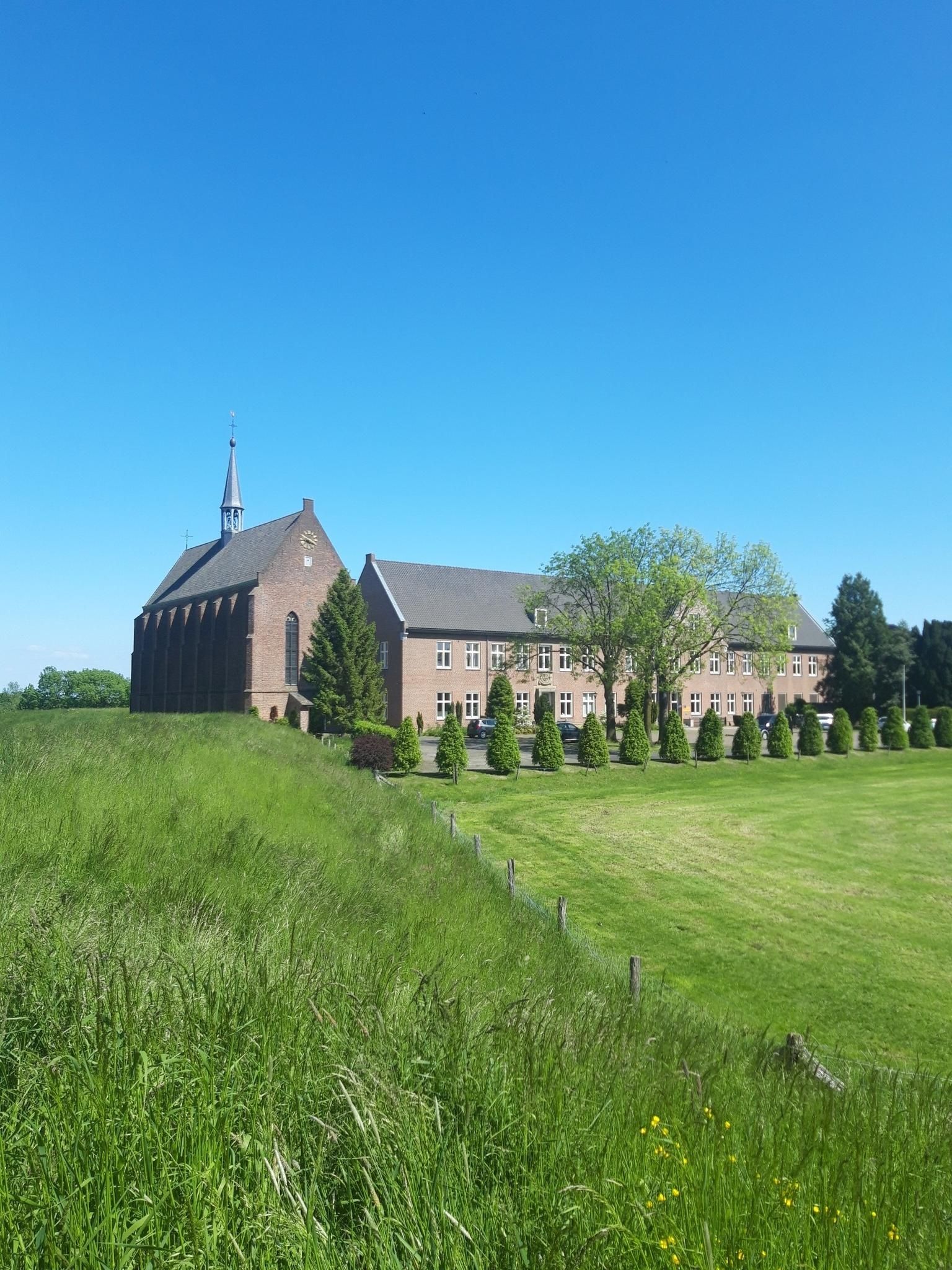
13 hikes full of peace and contemplation - Our Monastery Path
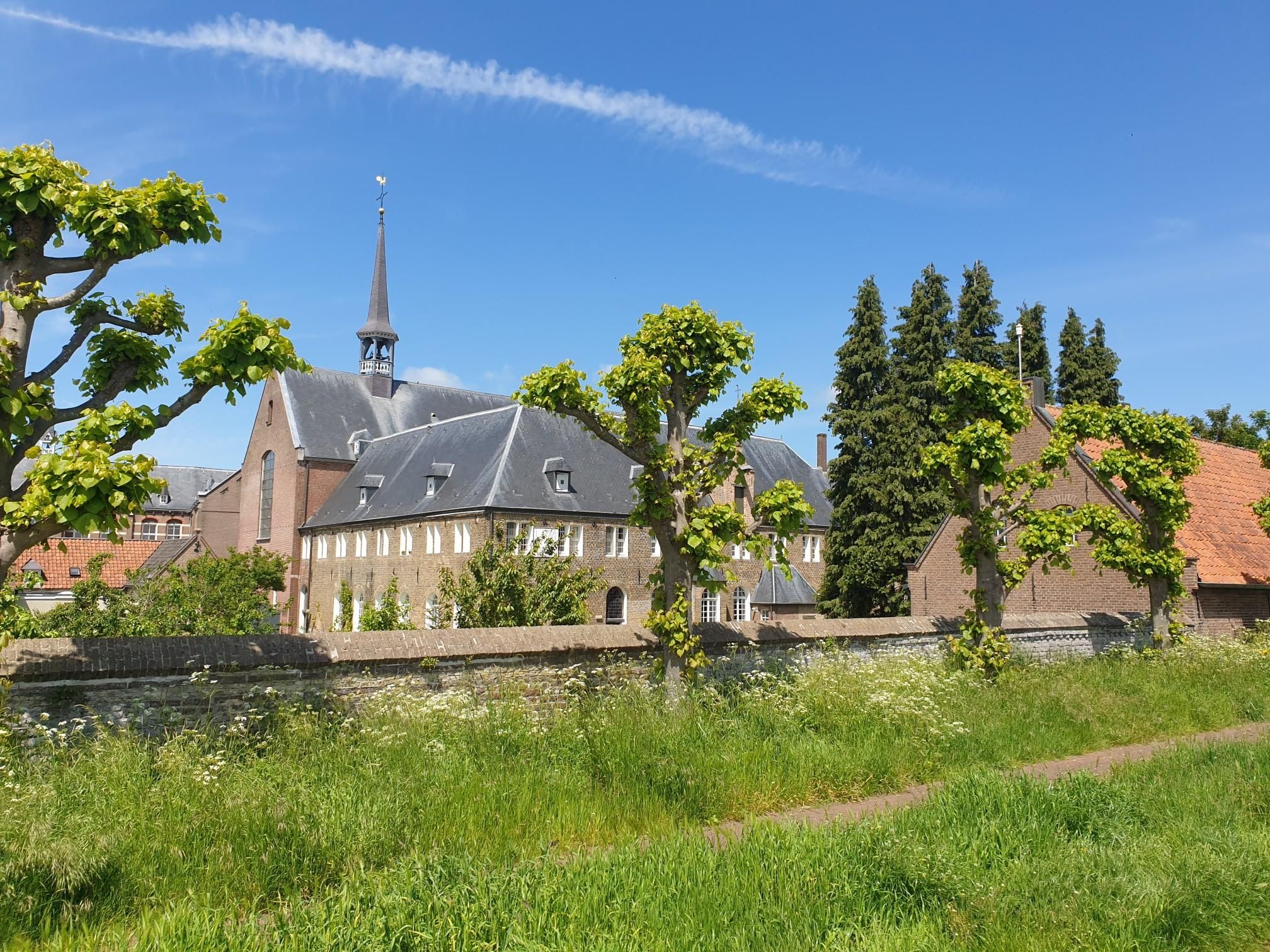
A hike full of tranquility and reflection - Our Monastery Path
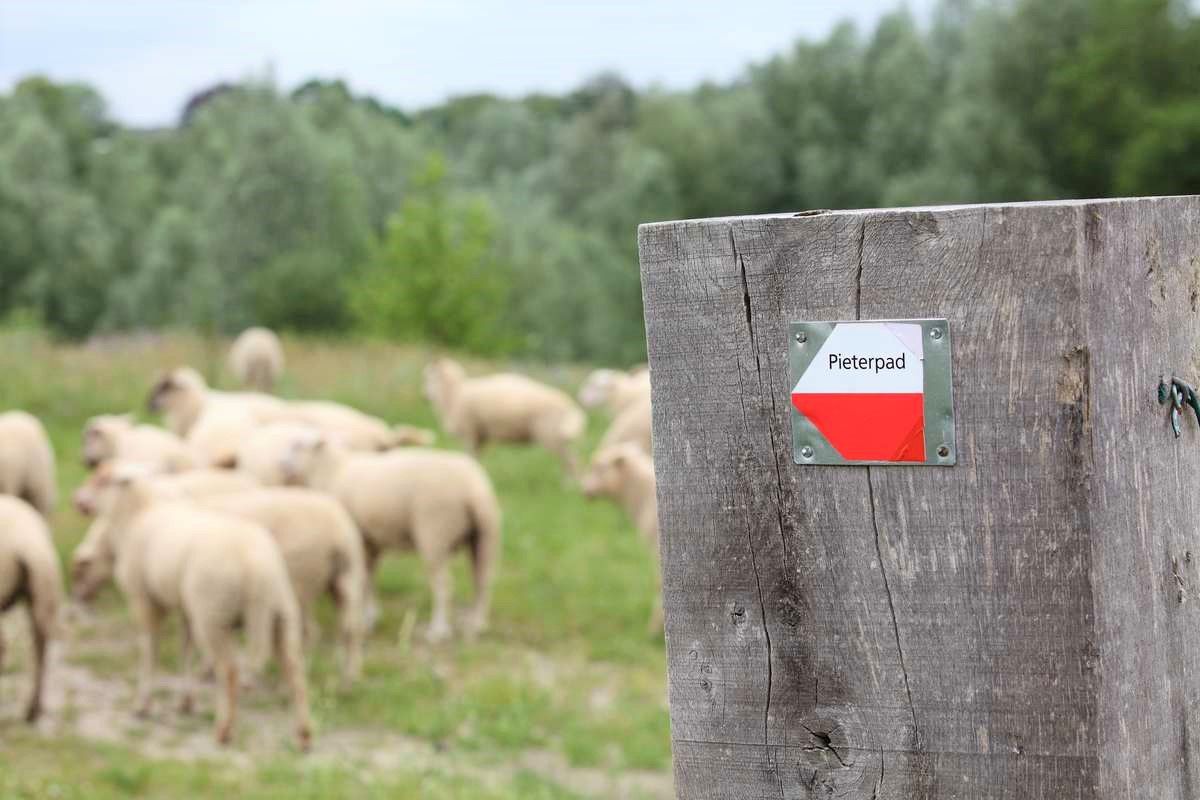
From Kasteel Vorden to the Sint-Pietersberg – Pieterpad long-distance hike part 2
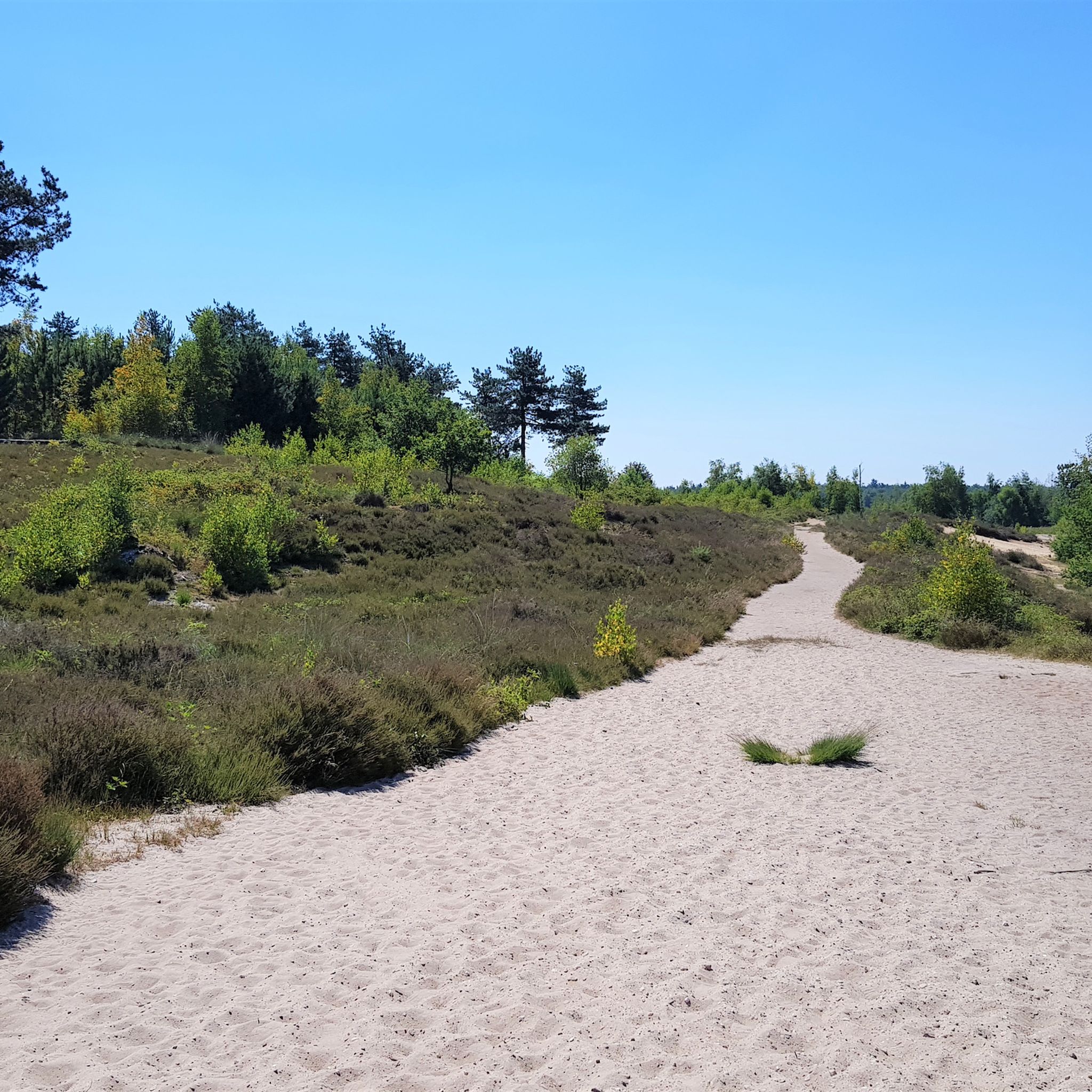
Hiking around Boxmeer
Other adventures around Boxmeer


Tips from the Community

The path that takes you to the ruins of the Genneperhuis and through the nature reserve towards bridges, ravelin and Het Theehuisje in Milsbeek is partly provided with pollard willows on both sides. But be sure to read the many information boards that are also on the road over a longer distance and tell you a lot about what is here, has been and especially has happened.
5
0

The current owner of the castle is the Boston-based Emerson College, which offers American students a comprehensive orientation about Europe from the castle fountain.
15
0

Stately building. Very well maintained but not open to the public.
25
0

Unfortunately you can't look around here, access is blocked.
6
0


Kastell Well is a castle in Limburg. It is located in the municipality of Bergen in the Well district, not far from the Meuse. The castle was built in the 15th century, but only acquired its current appearance in the 17th century. Unfortunately, the castle cannot be visited unless you are a student at Emerson College (private college) in Boston. This college is the owner of the moated castle. But the castle is in a nice location and you can see a bit from the outside.
8
0

Opening hours : Wednesday from 11am - 4pm Sunday from 10am - 6pm
3
0

Jan Jacob Luden acquires land in Mookerheide from 1900 onwards. In the years 1902-1905 Luden builds the hunting lodge named after the place. It was designed by architects Oscar and Henri Leeuw Jr. from Nijmegen. No effort or expense is spared and a very richly and lavishly furnished Art Nouveau house is created with all modern amenities, with a large decorated tower room and an unparalleled view. The house with the tower is already on the highest point and at this time there is still heathland with limited or young afforestation. Under Luden's administrator D.G. Montenberg, a landscape design in the classic landscape style will be realized on the surrounding area. In 1910 Mookerheide was taken over by Antonie Marinus Vroeg. He expanded and beautified the property. In 1947 it was sold to the Sisters of Saint Dominic of Bethany. The main house has been thoroughly renovated and used as a monastery, while several new buildings were constructed on the property to accommodate a boarding school for children. For 30 years the main building was a hotel restaurant. Now the hunting lodge and estate are in the hands of Natuurmonumenten and are being thoroughly restored.
5
1
Frequently Asked Questions
What types of castles can I explore around Boxmeer?
The Boxmeer area features a diverse range of historical sites, including well-preserved castles, ancient ruins, and fortified structures. You can find everything from the 15th-century Tongelaar Castle, set within a nature reserve, to the evocative Bleijenbeek Castle Ruins, which offer a glimpse into a past destroyed by war.
Which castles around Boxmeer are open to the public for visits?
While some castles are privately owned or used for events, Tongelaar Castle is generally open to the public on Wednesdays and Sundays during the summer, offering opportunities for coffee, lunch, or a drink on its terrace. Kasteel Boxmeer also opens its doors to the public on the first Sunday of each month, housing two museums within its walls. The Bleijenbeek Castle Ruins are freely accessible to explore.
What is the best time of year to visit the castles in the Boxmeer region?
The summer months are ideal for visiting, especially for Tongelaar Castle which has specific public opening days during this season. Autumn also offers beautiful scenery for walks around the castle grounds, particularly in nature reserves like Landgoed Tongelaar, with pleasant weather for outdoor activities.
Are there family-friendly castles or activities near Boxmeer?
Yes, several castles are suitable for families. Tongelaar Castle is located within a nature reserve, perfect for walks and exploring. The Bleijenbeek Castle Ruins offer an interesting historical site for children to discover. Additionally, the Knot Willow Path Genneperhuis is a family-friendly trail leading to castle ruins with informative boards.
Can I find cafes or places to eat near the castles?
Yes, Tongelaar Castle has a courtyard where you can enjoy a drink on specific days, and it's also used as a venue by Smaakmakers Mill, offering coffee and lunch. For other castles, you might find cafes and pubs in the nearby towns like Boxmeer itself.
What outdoor activities can I do near the castles around Boxmeer?
The region offers excellent opportunities for outdoor activities. You can find numerous routes for cycling, gravel biking, and mountain biking. For example, there are MTB Trails around Boxmeer, Gravel biking around Boxmeer, and Cycling around Boxmeer. Many of these routes pass by or near castles like Bleijenbeek Castle Ruins and Tongelaar Castle, allowing you to combine history with nature.
Are there hiking or walking trails around the castles?
Absolutely. Tongelaar Castle is situated within the 490-hectare Landgoed Tongelaar nature reserve, which is freely accessible via pedestrian and cycling routes, offering tranquil walks. The Knot Willow Path Genneperhuis is another excellent option, leading to castle ruins through a nature reserve with informative boards.
Can I bring my dog to the castles or on nearby trails?
Many outdoor areas and nature reserves in the Netherlands, including those around castles like Tongelaar Castle, are dog-friendly, often requiring dogs to be on a leash. It's always best to check specific rules for individual castle grounds or nature reserves before your visit.
What historical insights can I gain from visiting Kasteel Boxmeer?
Kasteel Boxmeer, originally a 13th-century fortress, offers a deep dive into the region's past. It has been repeatedly besieged, destroyed, and rebuilt, reflecting centuries of conflict and transformation. The castle features a 17th-century Knight's Hall with an impressive stucco ceiling and houses two museums in its basement: one displaying archaeological finds and local history, and another focusing on the castle's history and its later use as a hospital by a Sisterhood. You can find more details about its history on Wikipedia.
What makes Kasteel Tongelaar a unique place to visit?
Kasteel Tongelaar stands out for its combination of historical architecture and natural beauty. Its origins trace back to the 9th century, with the current form from the 15th century, including a restored gate tower. It's nestled within the 490-hectare Landgoed Tongelaar nature reserve, known for its badger population, making it an ideal spot for walking and cycling. The castle also serves as an event venue and an information center for the surrounding nature. More information is available on Wikipedia.
Are there any castle ruins worth visiting in the Boxmeer area?
Yes, the Bleijenbeek Castle Ruins are a significant site. This castle was destroyed by bombing in 1945, but the ruins of its outer walls have been preserved, offering a poignant historical experience. Another interesting ruin is Geijsteren Castle, a partially reconstructed 13th-century ruin that, while not freely accessible, can be admired from its surroundings.
What is the history behind the <a href="https://www.komoot.com/highlight/122194" target="_blank" rel="noopener">Bleijenbeek Castle Ruins</a>?
The Bleijenbeek Castle Ruins belonged to the Wijnand Schenck van Nijdeggen family in 1405 and later to the counts of Hoensbroech. It played a role in the Eighty Years War and was even used as an asylum for Jesuits during the Kulturkampf. Tragically, the castle was destroyed by a British bombing in February 1945, leaving behind the preserved outer walls that stand today as a historical monument.
Is <a href="https://www.komoot.com/highlight/4123467" target="_blank" rel="noopener">Well Castle</a> open to the public?
While Well Castle is a stately and well-maintained building, it is not open to the public. Access to the castle and its grounds is generally not permitted, as it is privately owned and used by Emerson College for educational programs.
Most popular routes around Boxmeer
Most popular attractions around Boxmeer

Get inspired with the komoot mobile app


Explore more
Looking for the best castles somewhere else? Discover other guides around Boxmeer:
