Top 20 Lakes around Texel
Best lakes around Texel are found on this Dutch island, known for its diverse natural landscapes. Texel features several significant aquatic environments, including freshwater dune lakes and unique salt marsh nature reserves. These areas are important habitats for various bird species and offer opportunities for nature observation. The island's water bodies contribute to its ecological significance within the Wadden region.
Best lakes around Texel
- The most popular lakes is Utopia Bird Sanctuary, a viewpoint that offers views of the…
Last updated: August 25, 2026
Utopia Bird Sanctuary
Highlight • Viewpoint
Translated by Google •
Tip by

Zandkes Bird Sanctuary
Highlight • Natural Monument
Translated by Google •
Tip by

Sign up now to discover places like this
Get recommendations on the best single tracks, peaks, & plenty of other exciting outdoor places.
Sign up for free
Texel Ferry
Highlight • Rest Area
Translated by Google •
Tip by

Harmplas Grazing Area, Den Helder–Callantsoog Dunes
Highlight • Natural
Grafaliteitsduinen. The grazing
in these areas ensures varied plant growth, in one place the vegetation is …
Translated by Google •
Tip by

De Bollekamer Dune Valley
Highlight • Natural
Translated by Google •
Tip by

Sign up for free to discover even more lakes around Texel.
Sign up for free
Already have an account?
Start today with a free account
Your next adventure awaits.
Login or Signup
Popular around Texel
Regional Trail WaddenWalking (SP 04) - Hiking across the Wadden Sea.

Europe’s Seasonal Birding Hotspots
Smulling in the beach tent all year round - 5x walking on the Wadden
Nature & Culture – 15 Hikes along art in the wild
Birds, lighthouses and fish restaurants – trail runs on the Wadden Islands
Sand dunes and beaches – best hikes along Netherland’s west coast
A complete hiking bucket list through every Dutch National Park
Hiking around Texel
Cycling around Texel
Road Cycling Routes around Texel
Other adventures around Texel


Tips from the Community

This means it is a protected area where birds can nest and raise their young. In the Netherlands and Belgium, such areas are often protected to minimize disturbance, especially during the breeding season. https://www.transunioncredit.com.co
0
0

Very beautiful dune landscape, cycle paths are a hit.
0
0

https://www.natuurmonumenten.nl/natuurgebieden/zandkes Flat paradise for birds The shallow puddles of water make the nature reserve popular with wading birds and ducks. The northernmost puddle was created by a dike breach in 1595, the middle puddle was dug specifically for the birds. Mudflat birds such as the cunt and fur-billed plovers thrive here. The southernmost puddle is a Lorde pit where earth was excavated in the 1930s to strengthen the old sea wall.
1
0

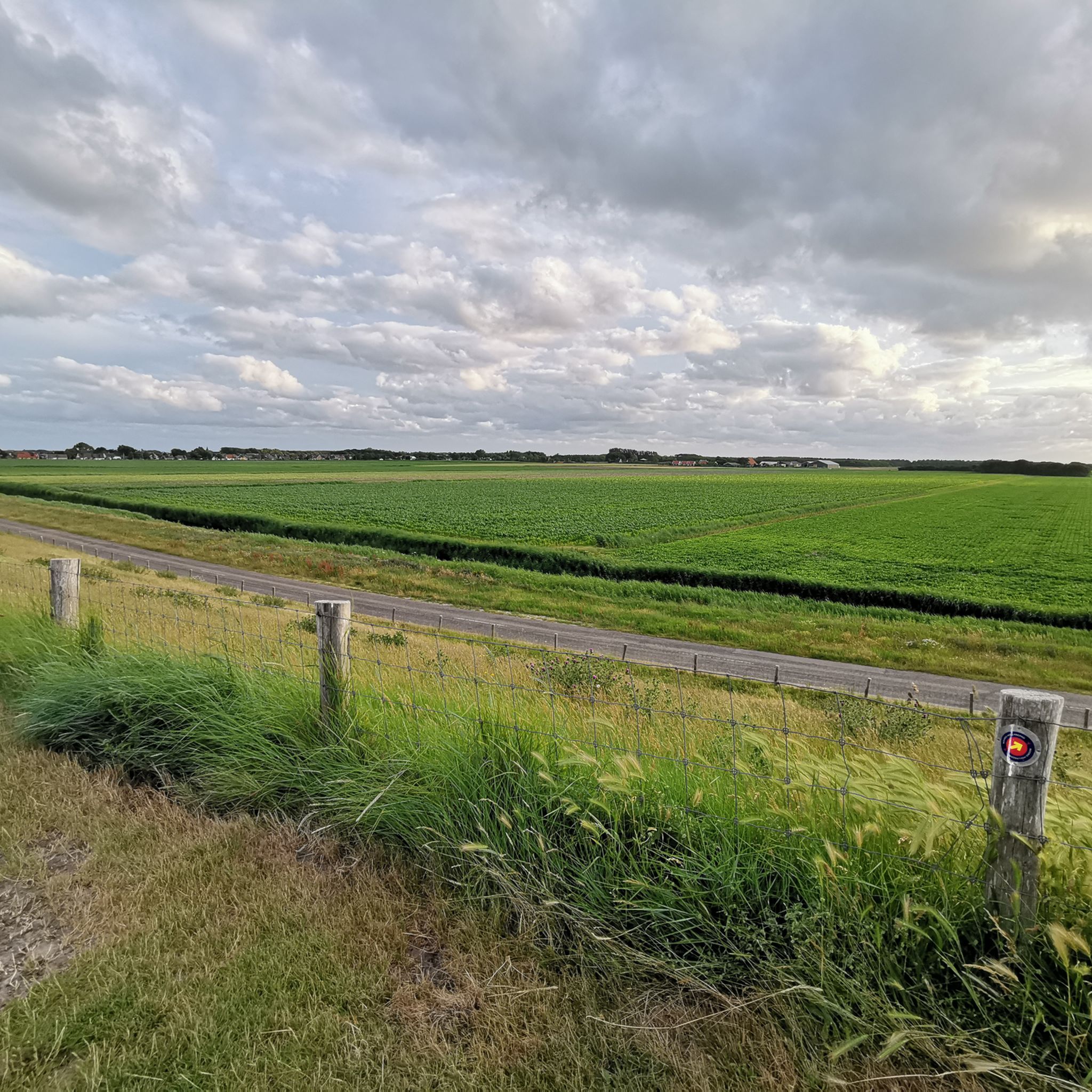
A beautiful view over the water area and the bike path from the south
2
0

☝🏼 Would you like a break? It fits perfectly here!
2
0
Great nature reserve! Many waterfowl to admire... 📸
3
0

Bird sanctuary and nice contact with the park scouts
2
0

The Grafeleikheijdsduinen area was once used for water extraction. When water was withdrawn in 1982, a beautiful nature reserve with dune lakes was created. Large areas of grazing were laid out, drinking water wells and military remnants were removed, and unnecessary fences were dismantled. Scottish Highlanders and Konik horses graze in the closed area. In addition, an observation hut, a lookout point and an educational trail have been set up.
2
0
Frequently Asked Questions
What kind of wildlife can I see around Texel's lakes and water bodies?
Texel's diverse water bodies are renowned for their rich birdlife. You can observe numerous species, especially wading birds, spoonbills, eider ducks, and various gulls and terns. Areas like Utopia Bird Sanctuary and Zandkes Bird Sanctuary are excellent for birdwatching. In dune areas like De Muy and De Bollekamer, you might also encounter grazing Galloway cattle, Scottish Highlanders, and Konik horses.
Which water bodies are best for nature observation and walks on Texel?
For nature observation and walks, consider De Muy, known for its spoonbill colony and unique flora, and De Slufter, a dynamic salt marsh connected to the North Sea. De Petten Wetlands is also a crucial breeding ground for shorebirds, observable from public paths. The dune area of De Bollekamer Dune Valley offers varied landscapes with dune heather and special plants.
Are there hiking trails near Texel's lakes and nature reserves?
Yes, Texel offers numerous hiking opportunities around its water bodies and nature reserves. You can find trails ranging from easy to moderate difficulty. For detailed routes, explore the Hiking around Texel guide, which includes routes like 'The Slufter - National Park Dunes of Texel' and 'De Muy and Slufterbollen Route'.
What are the difficulty levels of hiking trails around Texel's lakes?
Hiking trails around Texel's lakes and dune areas vary in difficulty. Many paths are easy, suitable for leisurely walks, while others, particularly longer routes through dunes or salt marshes, can be moderate. For example, 'Through the Eierlandse Duinen' is an easy hike, while 'The Slufter - National Park Dunes of Texel' is considered moderate. Always check individual route details for specific difficulty ratings.
Are Texel's lake areas family-friendly or dog-friendly?
Many of Texel's nature areas, including those with lakes, are family-friendly, offering opportunities for observation and walks. Highlights like Utopia Bird Sanctuary and Harmplas Grazing Area are noted as family-friendly. For specific dog-friendly policies, it's best to check local signage or official nature reserve websites, as rules can vary to protect wildlife, especially during breeding seasons.
When is the best time to visit Texel's lakes and nature reserves?
The best time to visit Texel's lakes and nature reserves largely depends on your interests. Spring and summer (April to August) are ideal for birdwatching, as many species breed during this period, and the unique flora like sea lavender in De Slufter is in bloom. Autumn offers beautiful colors, especially in the salt marshes. Winter provides a different, quieter experience, with opportunities to observe wintering birds.
Are there any wheelchair-accessible paths around Texel's lakes?
While many nature paths on Texel are unpaved or sandy, some areas may offer more accessible viewpoints or sections. For specific information on wheelchair-accessible paths around Texel's lakes, it is recommended to consult the local tourist information or the websites of the nature reserve managers for up-to-date details on accessibility.
What other outdoor activities can I do near Texel's water bodies?
Beyond hiking, Texel offers excellent opportunities for cycling and mountain biking near its water bodies. You can explore various routes, including those through the dunes and along the coast. Check out the Gravel biking around Texel guide and the MTB Trails around Texel guide for routes like 'Round Texel' or 'MTB Trail Duinen van Texel'.
Do I need permits or pay entry fees for Texel's nature reserves?
Generally, access to many of Texel's nature reserves and viewpoints, such as De Slufter and De Muy, is free and does not require specific permits for walking on designated paths. However, some sensitive areas, like parts of Drijvers Vogelweid De Bol or De Petten Wetlands, are not publicly accessible to protect wildlife, but can be observed from public roads or dikes. There are typically no entry fees for these natural areas.
Where can I find parking near Texel's lake areas and nature reserves?
Parking facilities are generally available near popular nature reserves and viewpoints on Texel. For example, De Slufter has a large parking area, and there are often designated spots near other key locations like De Muy or De Mokbaai. It's advisable to check local maps or signage upon arrival for the most convenient parking options.
Are there cafes or facilities near Texel's lake areas?
While many nature reserves are pristine and lack direct facilities, you can often find cafes, restaurants, and other amenities in the nearby villages. For instance, De Muy is located between De Koog and De Slufter, both of which offer various services. It's a good idea to plan your visit with this in mind, perhaps bringing your own refreshments for longer excursions into the reserves.
What makes De Slufter a unique water body on Texel?
De Slufter is a unique salt marsh nature reserve directly connected to the North Sea through an opening in the dunes. This means its appearance is constantly changing with the tides, as seawater flows in and out, forming creeks and channels. It's distinguished by its salt-tolerant vegetation, which colors the landscape purple in summer and red in autumn, and serves as an important habitat for numerous bird species.
What is special about De Muy and Muyplas?
De Muy is a significant dune and heathland area on Texel, featuring a freshwater dune lake called Muyplas. It is particularly famous for hosting the oldest spoonbill colony in the Wadden region. The area boasts varied landscapes, including dunes, meadows, and unique flora like various orchid species, making it a prime spot for nature enthusiasts.
Most popular attractions around Texel

Get inspired with the komoot mobile app


Explore more
Still not found your perfect lake around Texel? Check out the guides of these regions to see even more beautiful places.
