The best running trails around Leese
4.6
(117)
1,572
runners
136
runs
Jogging routes around Leese often follow the flat terrain of the Weser River valley, characterized by open fields and developed fitness trails. The region offers a mix of natural riverine landscapes and accessible paths suitable for various running preferences. While generally flat, some routes may include gentle ascents, providing varied experiences for runners.
Best jogging routes around Leese
- The most popular jogging route is Grill Hut Leese – Mittelweser Fitness Trail loop from Leese, a 3.2 miles (5.2 km)…
Last updated: June 28, 2026
2.4
(5)
17
runners
5.22km
00:37
10m
10m
Moderate run. Good fitness required. Mostly paved surfaces. Suitable for all skill levels.
6
runners
12.5km
01:17
30m
30m
Moderate run. Good fitness required. Mostly paved surfaces. Suitable for all skill levels.

Sign up for free
3.5
(2)
11
runners
Moderate run. Good fitness required. Mostly paved surfaces. Suitable for all skill levels.
7
runners
5.40km
00:36
70m
70m
Moderate run. Good fitness required. Mostly paved surfaces. Suitable for all skill levels.
5
runners
5.78km
00:36
10m
10m
Moderate run. Good fitness required. Mostly paved surfaces. Suitable for all skill levels.
Get access to more routes and recommendations from other explorers.
Sign up for free
Already have an account?
Our route recommendations are based on thousands of hikes, rides, and runs completed by other people on komoot.
Start today with a free account
Your next adventure awaits.
Login or Signup
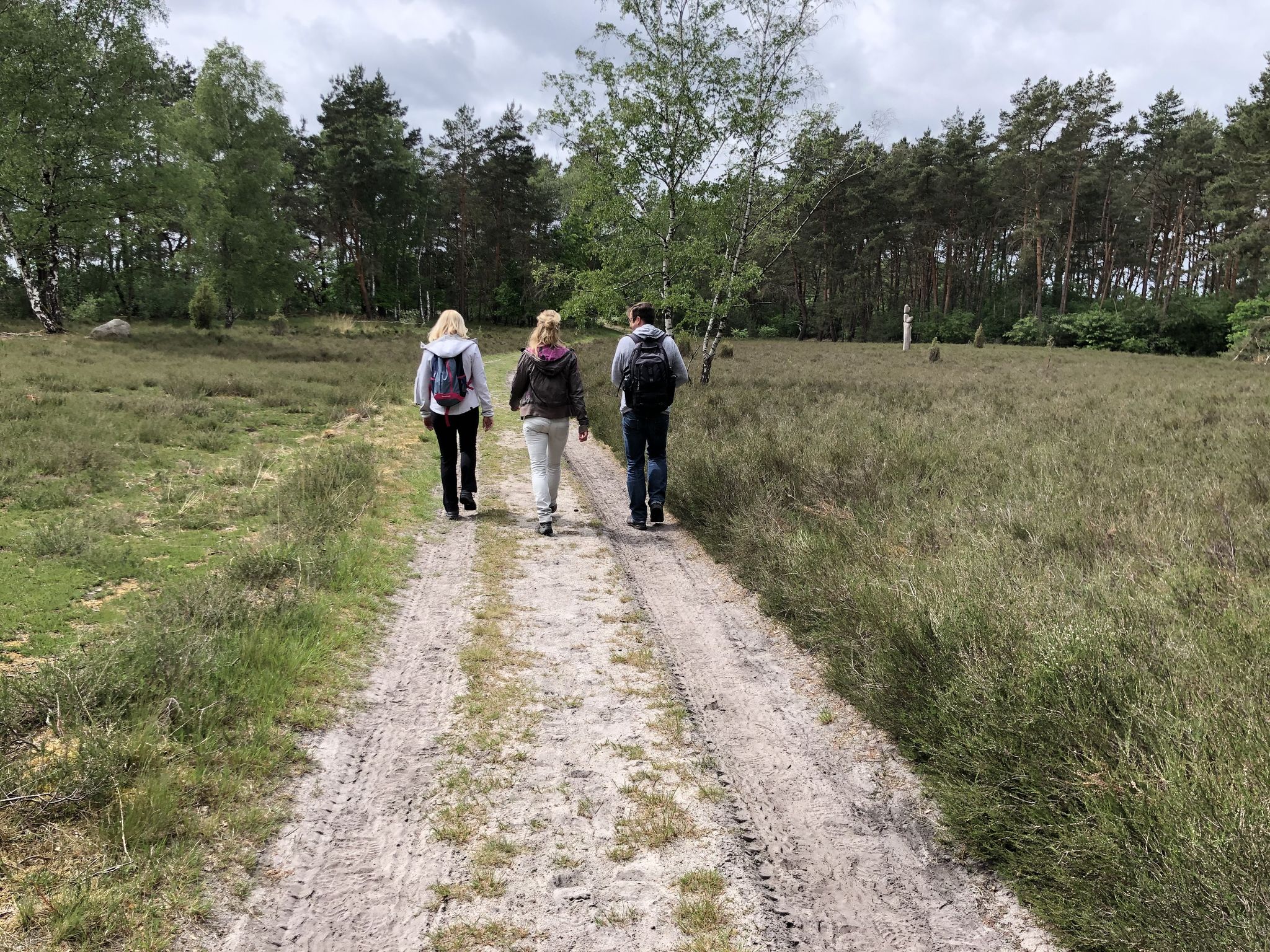
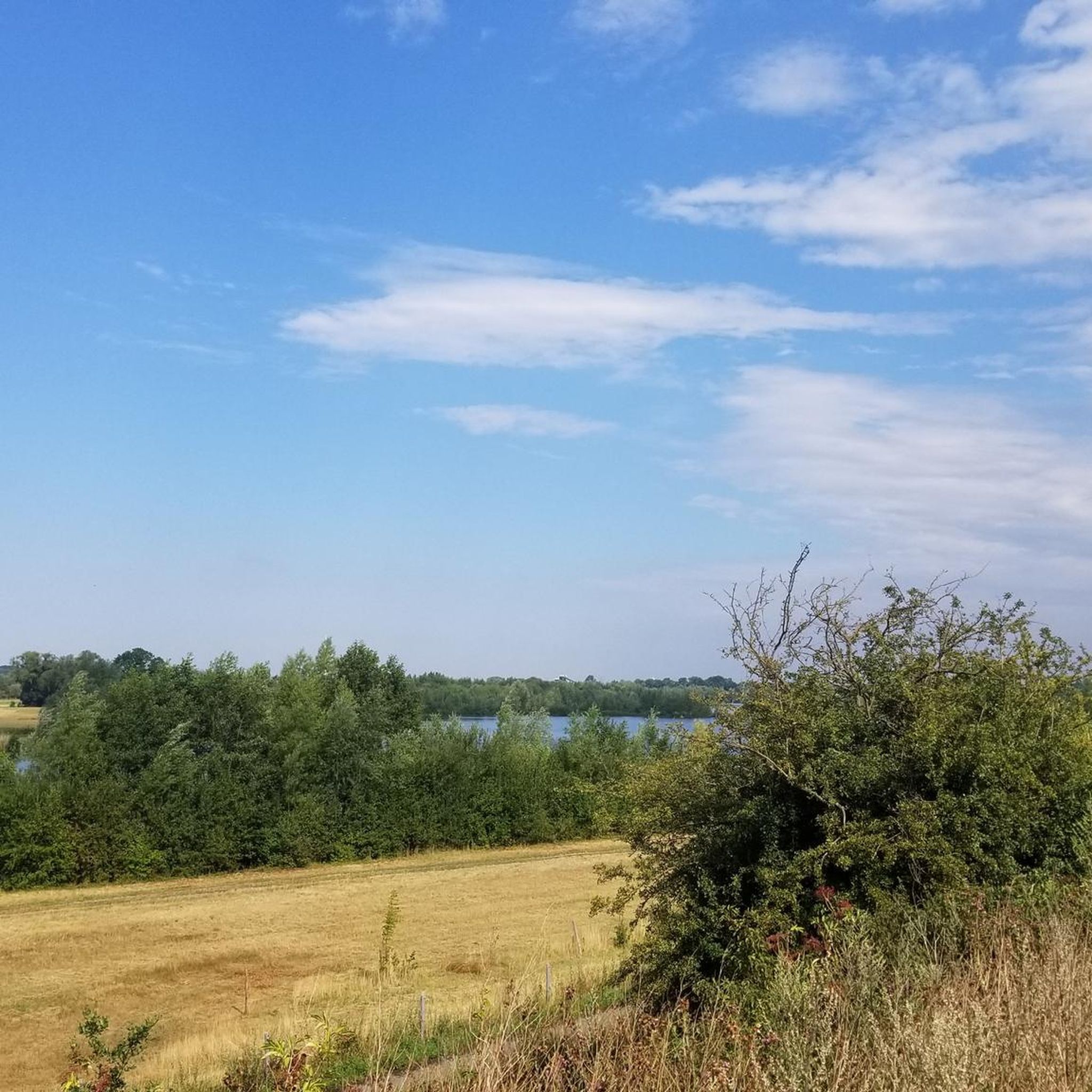
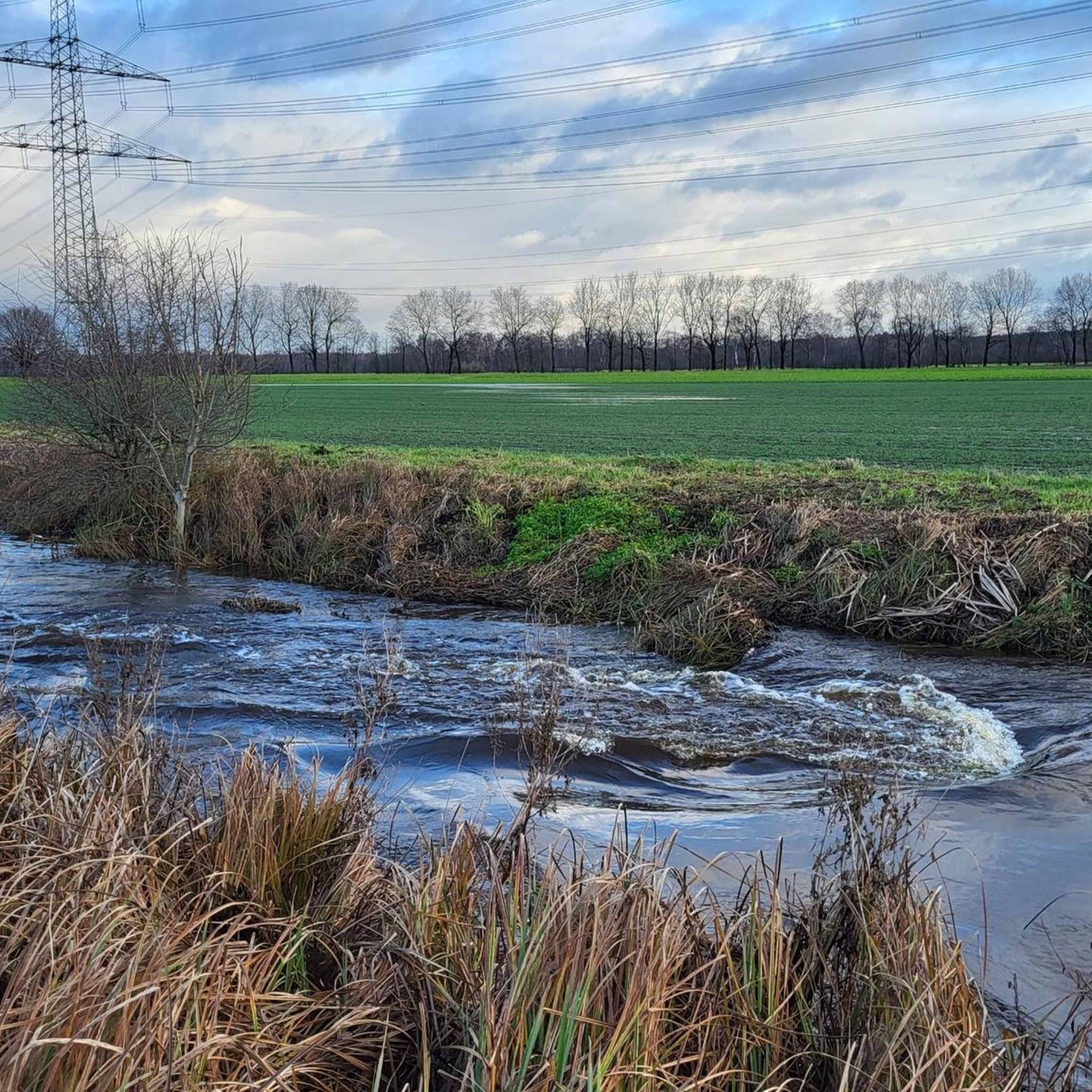

Other adventures around Leese

Tips from the Community

If, like me, you come from a region where there are streams instead of rivers, the sight of a cargo ship in a lock is always something special.🙋
2
0

The pavilion is named after Duke Frederick of York, 1763-1872. The naming of the building after the son of Princess Sophie Charlotte of Mecklenburg-Strelitz and King George III of Great Britain, Ireland and Hanover is further evidence of Bad Rehburg's special connection to the House of Welf. His brother Ernst August, King of Hanover, was also one of the noble spa guests. The Frederick Pavilion was first documented in the building inventory of Bad Rehburg in 1891. It was originally a well house and stood near the springs in the spa facilities. When these dried up, it was moved to the promenades that spa guests used for strolling. The Frederick Pavilion was renovated in 1997 and taken over by the Bad Rehburg Cultural Preservation Association. Today it is primarily used to hold cultural events.
3
0
A fisherman who lives with his wife in a miserable hut known as a "pissputt" catches a flounder in the sea, who begs for his life as an enchanted prince; the fisherman releases him again. When Ilsebill, the fisherman's wife, hears this, she asks him whether he hasn't asked for anything in exchange for the fish's freedom. She urges her husband to call the flounder again to wish for a small hut. The magic fish grants him this wish. But Ilsebill is soon no longer satisfied with this. She again asks her husband to call the flounder ashore and make a greater wish. The fisherman does not share his wife's wishes, but bows to her will despite growing fear. The more excessive Ilsebill's wishes become, the worse the weather becomes. The sea turns green, then blue-violet, then black, and the storm becomes ever more violent. After the hut, she demands a castle. When she is not satisfied with that either, she wants to become king, emperor and finally pope. All of these wishes are fulfilled by the Flounder and announced with the formula: "Just go, she already is." When she finally demands to become like God, she is sent back to the miserable hut, like at the beginning. Source: Wikipedia
2
0
Little table, set yourself, the golden donkey, and the stick out of the sack (Little table, set yourself!) is a fairy tale. It is in the Brothers Grimm's Children's and Household Tales at number 36. In the first edition it was called Of the table, set yourself, the golden donkey, and the stick in the sack, in the second edition it was called Of the table, set yourself, the golden donkey, and the stick out of the sack, in all subsequent editions it was called The table, set yourself, the golden donkey, and the stick out of the sack. Ludwig Bechstein included it in his German fairy tale book as Little table, set yourself, the donkey, stretch yourself, the stick out of the sack. Source: Wikipedia
2
0
A poor, honest shoemaker leaves his last leather cut on the table in the evening. The next morning he finds a flawless pair of shoes. The buyer pays more than usual for them. So he can now buy leather for two pairs, and this continues until he is wealthy. One night he and his wife stay up and see two small, naked men making the shoes. At his wife's suggestion, they lay out clothes and shoes for the elves the next time. They put them on and sing "Aren't we boys smooth and fine? Why should we be shoemakers any longer?" Then they dance out and don't come back. The shoemaker is happy for life. A poor, hardworking maid finds a written invitation from elves to be her godmother. At her master's persuasion, she goes with three elves into a hollow mountain where everything is small and splendid. At her request, she stays happy for three days and leaves with her pockets full of gold. Back home, her master has already died, because it was seven years. A mother's newborn child was swapped by elves for a changeling with a thick head and staring eyes who only eats and drinks. On the advice of her neighbor, she puts him on the stove and boils water in two eggshells to make him laugh. Then he says: "Now I am as old / as the Westerwald, / and have never seen anyone cook in bowls." And laughs, whereupon elves bring back the right child. Source: Wikipedia
2
0
Hansel and Gretel are the children of a poor woodcutter who lives with them and his wife in the forest. When their hardship becomes too great, she persuades her husband to abandon the two children in the forest. Although it is difficult for him, the woodcutter takes the children into the forest the next day and leaves them alone under a pretext. But Hansel has overheard the parents and on the way into the forest he has laid a trail of small white stones that the children can use to find their way back. This is how the mother's plan fails. But the second attempt to abandon the children is successful: this time Hansel and Gretel only have a slice of bread with them, which Hansel crumbles to leave a trail. However, it is picked up by birds. As a result, the children cannot find their way home and get lost. On the third day, the two come across a little house made entirely of bread, cake and sugar. First, they tear down parts of the house to satisfy their hunger. However, in this house lives a witch who is a cannibal. In both the original version of the fairy tale from 1812 and in the later editions up to the "final edition" from 1857, she calls out in a kind of onomatopoeia: "Knuper, knuper, kneischen, who is nibbling at my little house?" In Ludwig Bechstein's German Fairy Tale Book from 1856, the text, which differs from the Brothers Grimm, reads: "Knusper, knusper, kneischen! Who is nibbling at my little house?" The children's answer, however, is identical in Bechstein and in the extended version of the Brothers Grimm from 1819: "The wind, the wind, the heavenly child." The witch is not fooled, catches the two, turns Gretel into a maid and fattens Hansel in a cage to eat him later. However, Hansel uses a trick: to check whether the boy is fat enough, the half-blind witch feels his finger every day. But each time Hansel holds out a small bone to her. When she sees that the boy does not seem to be getting fat, she loses patience and wants to roast him immediately. The witch orders Gretel to look in the oven to see if it is hot. But Gretel claims that she is too small for it, so the witch has to look herself. When she opens the oven, Gretel pushes the evil witch in. The children take treasures from the witch's house and find their way back to their father. Their mother has since died. Now they live happily and no longer suffer from hunger.
1
0
One fine morning, the hare makes fun of the hedgehog's crooked legs, whereupon the hedgehog challenges him to a race for a golden "Lujedor" (Louis d'or) and a bottle of brandy. When the race begins in the field, the hedgehog only runs a few steps, but has placed his wife, who looks very similar to him, at the end of the furrow. As the hare, confident of victory, rushes towards him, the hedgehog's wife stands up and calls out to him: "Ick bün all hier!" ("I'm already here!"). The hare cannot understand his defeat, he demands revenge and completes a total of 73 races, always with the same result. During the 74th race, he collapses from exhaustion and dies.
2
0

Very idyllic barbecue area with a thatched roof. The long bench offers plenty of space.
1
0
Frequently Asked Questions
How many running routes are available around Leese?
There are over 120 running routes in the Leese area, offering a wide range of options for different preferences and fitness levels. These include easy, moderate, and some more challenging paths.
What kind of terrain can I expect on the jogging trails near Leese?
Jogging routes around Leese primarily feature the flat terrain of the Weser River valley, characterized by open fields and dedicated fitness trails. While generally flat, some routes may include gentle ascents, providing varied experiences for runners.
Are there running routes suitable for beginners in the Leese area?
Yes, Leese offers a good selection of routes suitable for beginners. There are at least 20 easy running trails available, perfect for those starting out or looking for a relaxed jog.
What do other runners say about the trails in Leese?
The running routes in Leese are highly rated by the komoot community, with an average score of 4.6 stars from over 111 reviews. More than 1465 runners have used komoot to explore Leese's varied terrain, often praising the well-maintained paths and scenic river views.
Can I find circular running routes around Leese?
Yes, many of the running routes around Leese are circular, allowing you to start and finish at the same point. For example, the Grill Hut Leese – Mittelweser Fitness Trail loop from Leese is a popular circular option.
Are there any dog-friendly running paths in Leese?
While specific dog-friendly designations are not always listed, many of the natural trails and paths along the Weser River valley are suitable for running with dogs, provided they are kept on a leash and local regulations are followed. Always check signage for any restrictions.
Are there family-friendly running routes, possibly suitable for prams, near Leese?
The generally flat terrain and developed fitness trails in Leese make many routes suitable for families. Paths with smooth surfaces, like those found on the Grill Hut Leese – Mittelweser Fitness Trail loop from Leese, are often pram-friendly. Look for easy-rated routes for the most comfortable experience.
What are the options for parking when accessing running trails in Leese?
Many running routes in Leese, especially those starting from towns or popular recreational areas, offer designated parking facilities. It's advisable to check the specific route details on komoot for information on parking availability near the trailhead.
Are there running routes in Leese that offer scenic views or points of interest?
Absolutely. The region's routes often follow the Weser River, providing scenic riverine landscapes. You can also find routes that pass by interesting highlights such as the Schlüsselburg Weir and Hydroelectric Power Plant, or offer views of natural monuments like the Meerbruchwiesen Bird Sanctuary. The Schlüsselburg Lock loop from Stolzenau is a great example of a route with points of interest.
Can I combine my run with a stop at a pub or cafe in the Leese area?
Yes, some running routes in the Leese region pass through or near villages and towns where you can find local pubs or cafes. For instance, routes around Stolzenau or Rehburg-Loccum might offer opportunities for a refreshment stop. It's a good idea to check the map for amenities along your chosen path.
How long are the running trails around Leese typically?
The running trails around Leese vary in length. You can find shorter loops, such as the 3.2-mile (5.2 km) Grill Hut Leese – Mittelweser Fitness Trail loop from Leese, as well as longer options like the 7.7-mile (12.5 km) Schlüsselburg Lock loop from Stolzenau, catering to different running distances.
Are there any quiet running routes in the Leese area?
Many of the routes that traverse open fields and natural riverine landscapes away from main roads tend to be quiet and peaceful. The Running loop from Stolzenau offers a serene experience through the local countryside.
Most popular attractions around Leese

Get inspired with the komoot mobile app


Explore more
Browse the best Running Trails & Routes in other regions.
