The best cycling routes around Hulst
4.4
(279)
3,104
riders
313
rides
Touring cycling routes around Hulst traverse a diverse landscape characterized by its historic fortified city walls, expansive polders, and unique natural features. The region includes brackish water salt marshes, such as the Drowned Land of Saeftinghe, and areas where heathland and forests like the Clingse Bossen offer varied terrain. Well-maintained cycle paths follow canals and dikes, providing routes through both serene countryside and along the Scheldt river. Its location near the Belgian border also allows for cross-border cycling adventures.
Best…
Last updated: June 20, 2026
4.5
(22)
157
riders
51.1km
02:57
50m
50m
Moderate bike ride. Good fitness required. Mostly paved surfaces. Suitable for all skill levels.
4.0
(1)
190
riders
47.8km
03:21
60m
60m
Moderate bike ride. Good fitness required. Mostly paved surfaces. Suitable for all skill levels.

Sign up for free
3.7
(3)
83
riders
59.0km
03:55
70m
70m
Moderate bike ride. Good fitness required. Mostly paved surfaces. Suitable for all skill levels.
4.6
(13)
59
riders
38.2km
02:14
50m
50m
Moderate bike ride. Good fitness required. Mostly paved surfaces. Suitable for all skill levels.
4.0
(4)
36
riders
29.5km
01:46
30m
30m
Easy bike ride. Great for any fitness level. Mostly paved surfaces. Suitable for all skill levels.
Get access to more routes and recommendations from other explorers.
Sign up for free
Already have an account?
Our route recommendations are based on thousands of hikes, rides, and runs completed by other people on komoot.
Start today with a free account
Your next adventure awaits.
Login or Signup

Tips from the Community

The Roomanmolen is a stone tower mill on the corner of Pastorijwegel and Beekstraat. This mill was built in 1847 with bricks fired on site. It is the tallest stone windmill in Flanders and the only remaining one of the five windmills that Sint-Pauwels used to have. The mill is named after the miller family who became the owner of this mill in 1895. The former name Gelaagmolen has fallen into disuse. The Roomanmolen was initially an oil and grain windmill. This explains the high ceiling on the ground floor. A steam engine was used, but now only the building and the chimney remain. In 1963, a restoration took place based on a design by architect Fernand Weyers from Sint-Niklaas, but this was not with the intention of grinding again. In 1997, the mill was restored to working order by mill maker Roland Wieme from Deinze. The outbuilding and the chimney of the former steam engine were also restored. The Van Dorpe family sold the working mill in 2003 to the provincial government of East Flanders. It is managed by the Mola mill center, among other mills. The Roomanmolen is freely accessible. In addition to guided tours, grinding demonstrations are also given if possible. The official opening hours are: From April to October, every first and last Sunday of the month from 1 PM to 5 PM. Special days including Open Monumentendag and Oost-Vlaamse Molendag from 10 AM to 5 PM. In the winter period (November-March), the mill is occasionally open. Apparently, the mill is also sometimes used as a party venue. For example, there was a wedding reception going on during my visit. sources: molenechos.org & roomanmolen.be
2
0
The creek area of Saleghem is more than the sum of its parts. The nature reserve consists of the Grote Saleghemgeul on one side, and the Sint-Jakobsgat and the Kieldrechtse Watergang on the other. This triumvirate of water creeks then flows into the Grote Geule in Kieldrecht. Each separately is beautiful, yes. But together they are magical. The succession of gently sloping banks, grassland and hay, rare birds and colourful flowers, rustling reeds and melancholic willows: it silences a person. It inspires awe for the magic of nature. And everyone can enjoy it – even wheelchair users, because there is a special wheelchair walk around the creek lakes. This is what waasland.be writes... and there is nothing to contradict it.
2
0

Het Groot Eiland has something mysterious about it — a place where water and land merge and nature truly runs its course. Creeks embrace the central, secluded area, giving the landscape an almost magical atmosphere. In the southeast, you'll find a quiet walking path that leads you to the so-called 8th Shortcut. A little further west, a pleasant surprise awaits: a bird hide from Staatsbosbeheer. From here, you have a panoramic view of the creeks, meadows, and forest edges — a perfect spot to pause and enjoy. With a bit of luck, you might see a buzzard or a marsh harrier soaring gracefully above the fields. In spring, it buzzes with life here: lapwings, curlews, and oystercatchers perform their courtship displays, while the song of reed warblers and perhaps even grasshopper warblers can be heard from the reeds. An ideal place for those who love tranquility, nature, and a touch of wonder.
5
0
The City Hall on the Grote Markt was built in the period 1528-1534 from the foundations of the Gothic "Halle", destroyed by fire in 1485. The historic city hall houses beautiful works of art, which are certainly worth a visit. More info at https://www.zeeland.com/nl-nl/visit/264_nl/stadhuis-hulst
5
0
On this segment, you will get to know the Stropersbos. A bench awaits you at the heathland restoration area. About the Stropersbos: the Stropersbos is a must-see natural gem with its stately avenues, valuable alder swamp forests, open spaces with heathland, and its large grazers! Together with the adjacent green areas, the Stropersbos forms one of the largest forest and nature complexes in East Flanders. Numerous walking and cycling opportunities allow visitors to discover the Stropersbos.
5
0
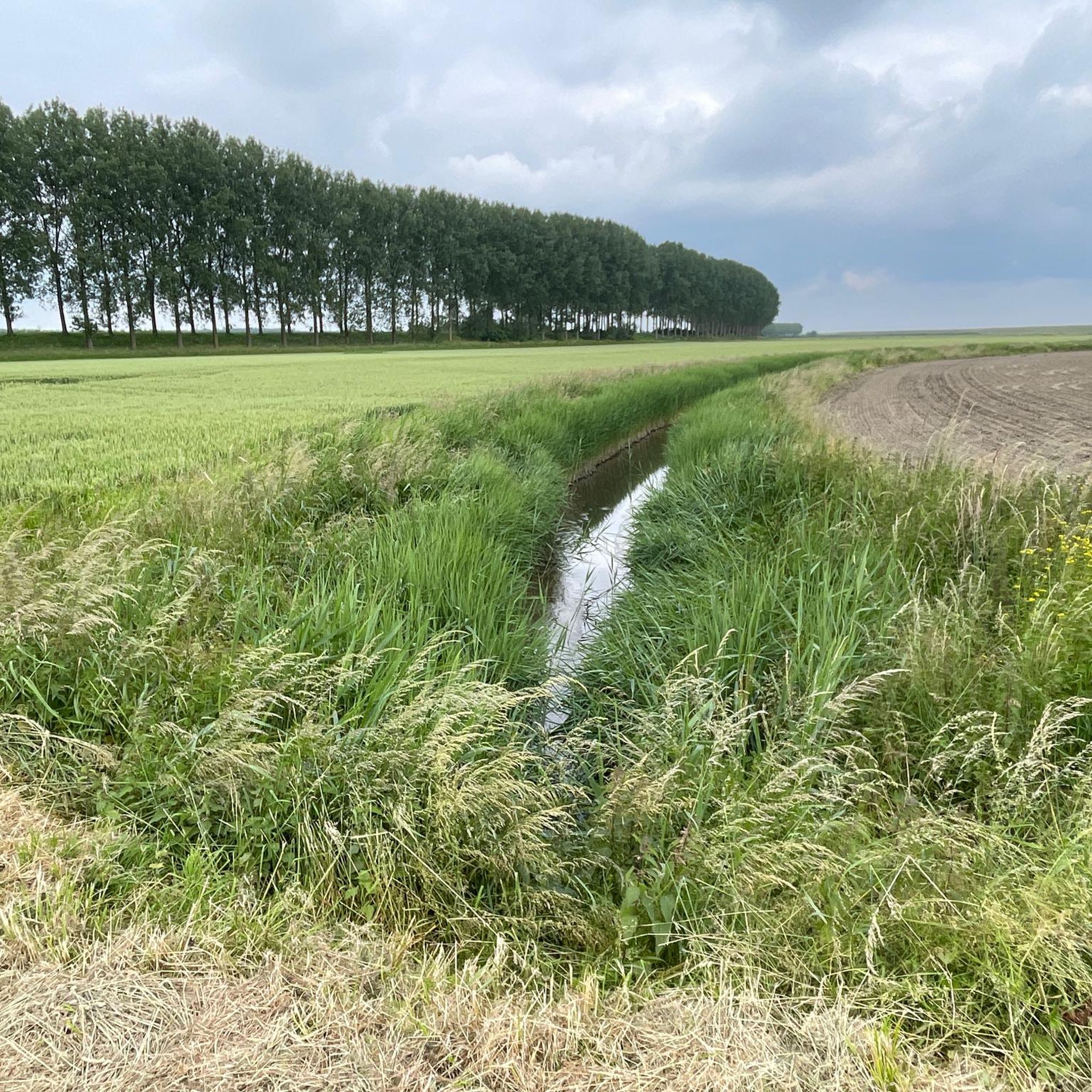
This open water (creek) is a remnant of a military inundation in the fight against the French in the War of the Spanish Succession - period 1701–1713. By breaching this dike, the polders behind it around Koewacht were flooded. When restoring the dike, they went around the deepest part of the stream channel.
6
0
An ideal stopping point on your cycling or hiking experience: Step back in time and discover a hidden piece of history: Fort Sint-Jacob. This fascinating remnant from the Eighty Years' War takes you back to a period when borders were still fought over and waterways made the difference between safety and danger. Located on the Passageule, this fort once formed a crucial link between the Spanish Netherlands and the States' territories. As part of the impressive States-Spanish Lines, Fort Sint-Jacob guarded the border and held back enemy infiltrations from the north. After the Peace of Münster, the fort lost its military function and slowly faded into obscurity. Nature took over, until around 2010 it was restored with care and respect for the past. Today, you can once again experience the contours of the past, including a replica of a cannon that symbolises the struggle that was once waged here. But Fort Sint-Jacob is more than just history. It is a place where peace and nature meet. The ramparts and moats now form a unique landscape where special plants and animals feel at home, typical of the brackish Zeeland area. Whether you are walking or cycling, this is an ideal place to pause, enjoy, and let yourself be carried away by the past. Let yourself be surprised and experience Fort Sint-Jacob for yourself.
3
0
The gravel path is semi-hardened. The landscape you see here was partly shaped during the Spanish-Dutch struggle in the Eighty Years' War. Note the dikes and elevations in the landscape. These were important during the turbulent war years.
6
0
Frequently Asked Questions
How many touring cycling routes are available around Hulst?
There are over 220 touring cycling routes available around Hulst, catering to various preferences and skill levels. The komoot community has explored these routes extensively, with more than 2,000 touring cyclists using komoot to discover the area.
What makes touring cycling in Hulst unique?
Touring cycling in Hulst is unique due to its blend of historic fortified city walls, serene polders, and diverse natural features like the brackish water salt marshes of the Drowned Land of Saeftinghe. The region also offers excellent opportunities for cross-border cycling into Belgium, connecting to routes like the F4 cycling superhighway.
What do other touring cyclists say about the routes in Hulst?
The touring cycling routes in Hulst are highly rated by the komoot community, with an average score of 4.3 stars from over 200 reviews. Cyclists often praise the well-maintained paths, the scenic views along canals and dikes, and the unique historical atmosphere of the fortified city.
Are there easy touring cycling routes suitable for beginners in Hulst?
Yes, Hulst offers many easy touring cycling routes perfect for beginners. Out of the 224 routes, 138 are classified as easy, providing gentle rides through the polders and along waterways. These routes are ideal for a relaxed exploration of the countryside.
Can I find circular touring cycling routes in Hulst?
Yes, many touring cycling routes around Hulst are designed as circular loops, allowing you to start and end in the same location. An example is the Perkpolder–Hulst ferry – Tide on the stream loop from Hulst, which offers a scenic return to your starting point.
What natural attractions can I see along the touring cycling routes?
Touring cycling routes in Hulst pass by several natural attractions. You can explore areas like the Sint Jacobspolder Nature Reserve, the Otheensche Creek, and the Great Saleghem Channel. The region is also known for the unique Drowned Land of Saeftinghe, a vast salt marsh area.
Are there historical sites to explore on a touring bike in Hulst?
Absolutely. Hulst is rich in history. You can cycle along the entirely intact 17th-century fortifications, offering panoramic views of the old town and the St. Willibrordus Basilica. Routes like the Niemandsland Observation Tower – Ghent Gate, Hulst loop from Hulst pass historical city gates, and you can also find sites like Fort Sint-Jacob and the Spanish Line in Stropersbos.
What kind of landscapes will I encounter on touring cycling routes in Hulst?
You will encounter a diverse range of landscapes, from the flat, serene polders and waterways with well-maintained cycle paths along canals and dikes, to forests and heathlands like the Stropersbos. The routes also feature the unique brackish water salt marshes and the impressive fortified city walls of Hulst.
Are there opportunities for cross-border cycling from Hulst?
Yes, Hulst's proximity to the Belgian border provides excellent opportunities for cross-border cycling. An old railway line has been transformed into a bicycle path (F4 cycling superhighway) connecting Hulst to Sint-Niklaas in Belgium, offering a straight and scenic route through forests and the Waas countryside.
Are there touring cycling routes that pass by cafes or places to stop for refreshments?
Many touring cycling routes in and around Hulst pass through charming villages and towns where you can find cafes and restaurants. Given Hulst's historic city center and the smaller communities along the polders, there are ample opportunities to stop for a break and enjoy local refreshments.
What is the best time of year for touring cycling in Hulst?
The best time for touring cycling in Hulst is generally from spring to early autumn (April to October). During these months, the weather is typically mild and pleasant, making for comfortable rides through the polders, forests, and along the waterways. The landscapes are also at their most vibrant.
Most popular attractions around Hulst

Get inspired with the komoot mobile app


Explore more
Browse the best Cycling routes in other regions.
