Top 20 Natural Monuments around Katwijk
Best natural monuments around Katwijk are concentrated in its extensive dune landscape, which forms part of the wider Nationaal Park Hollandse Duinen. This coastal municipality in South Holland offers diverse ecosystems and significant natural features. The region is characterized by swirling dunes, protected forests, and wet dune valleys. These areas serve as a natural reserve for fresh drinking water and provide numerous trails for outdoor activities.
Best natural monuments around Katwijk
- The most popular natural monuments is Keukenhof, a…
Last updated: August 19, 2026
Scheveningen Water Tower
Highlight • Monument
Translated by Google •
Tip by

Keukenhof Tulip Fields
Highlight • Natural
Translated by Google •
Tip by

Sign up now to discover places like this
Get recommendations on the best single tracks, peaks, & plenty of other exciting outdoor places.
Sign up for free
Keukenhof
Highlight • Natural Monument
Keukenhof in a few figures, it is 32 hectares of flowers, 7 million …
Translated by Google •
Tip by

Hortus Botanicus Leiden
Highlight • Natural
Translated by Google •
Tip by

Buitensluis and Monument at the Old Rhine Estuary
Highlight • Monument
Translated by Google •
Tip by

Sign up for free to discover even more natural monuments around Katwijk.
Sign up for free
Already have an account?
Start today with a free account
Your next adventure awaits.
Login or Signup
Popular around Katwijk
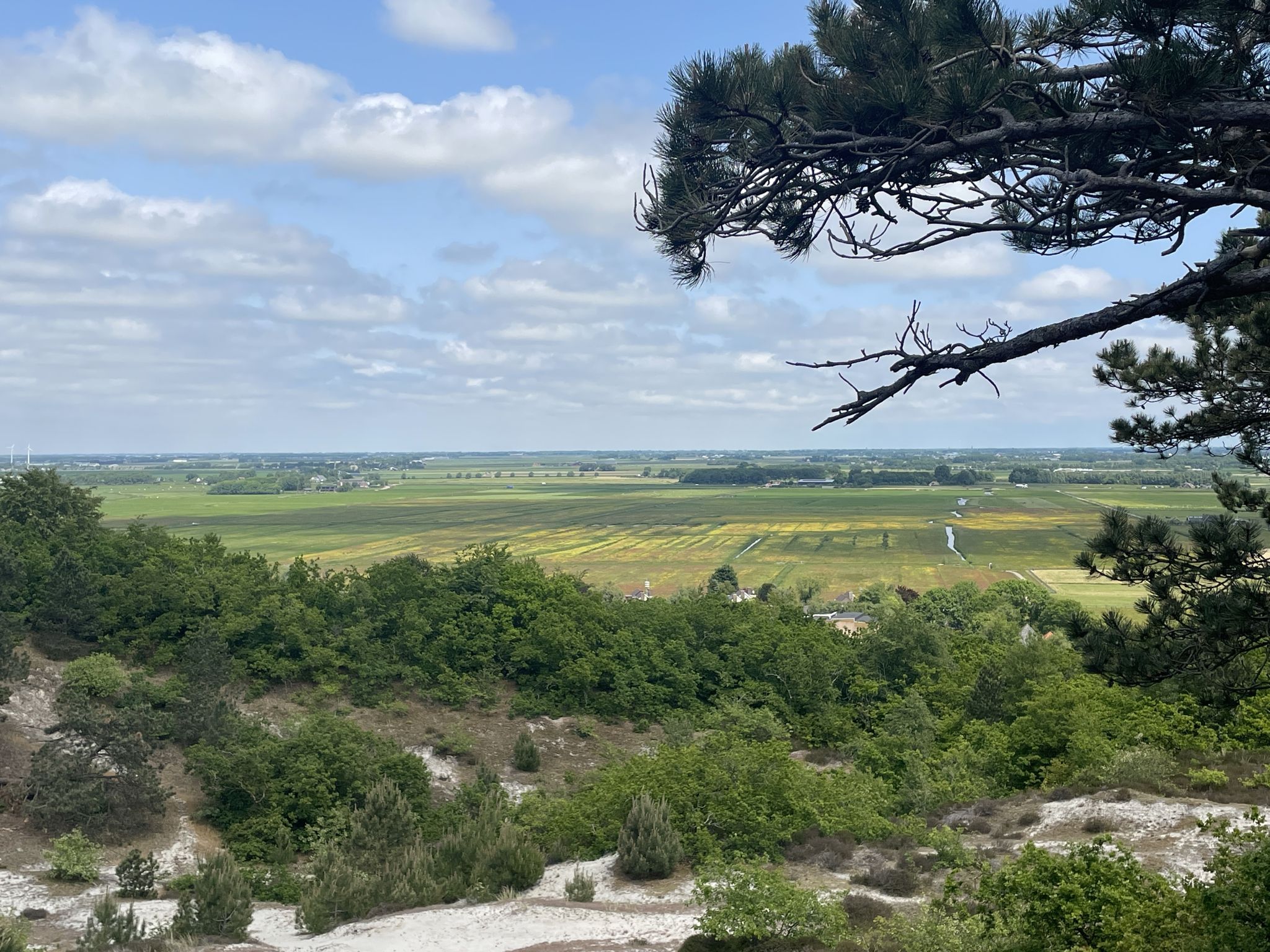
The peaks of the Low Countries — calf-biters in every province
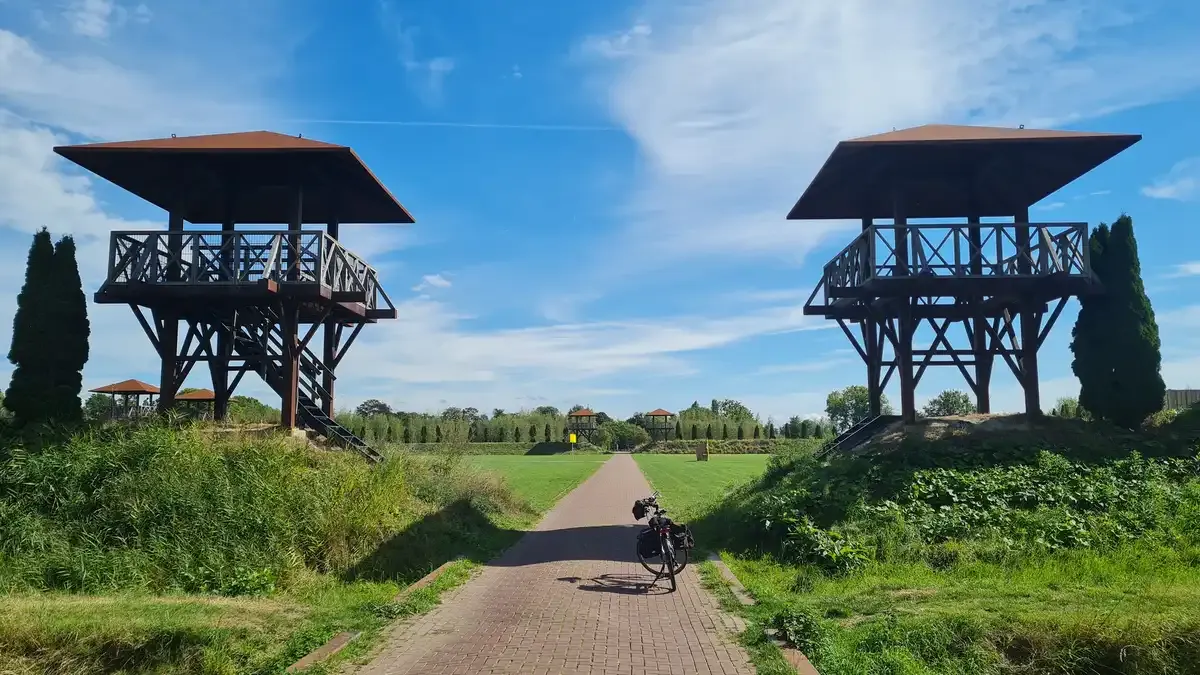
Roman Limes Route – ride the Roman frontier in 5 stages
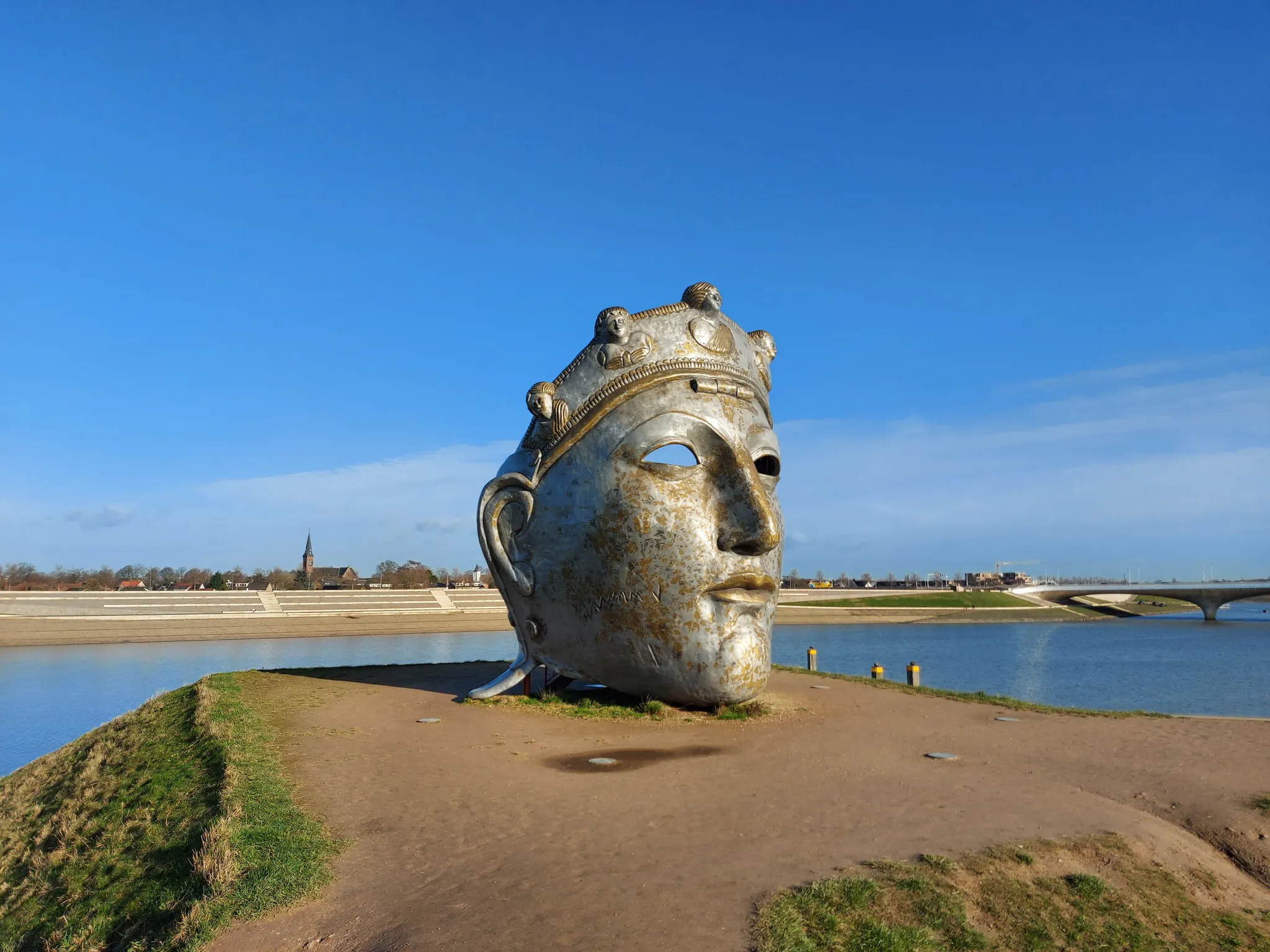
In the footsteps of the Romans on the Roman Limes Trail
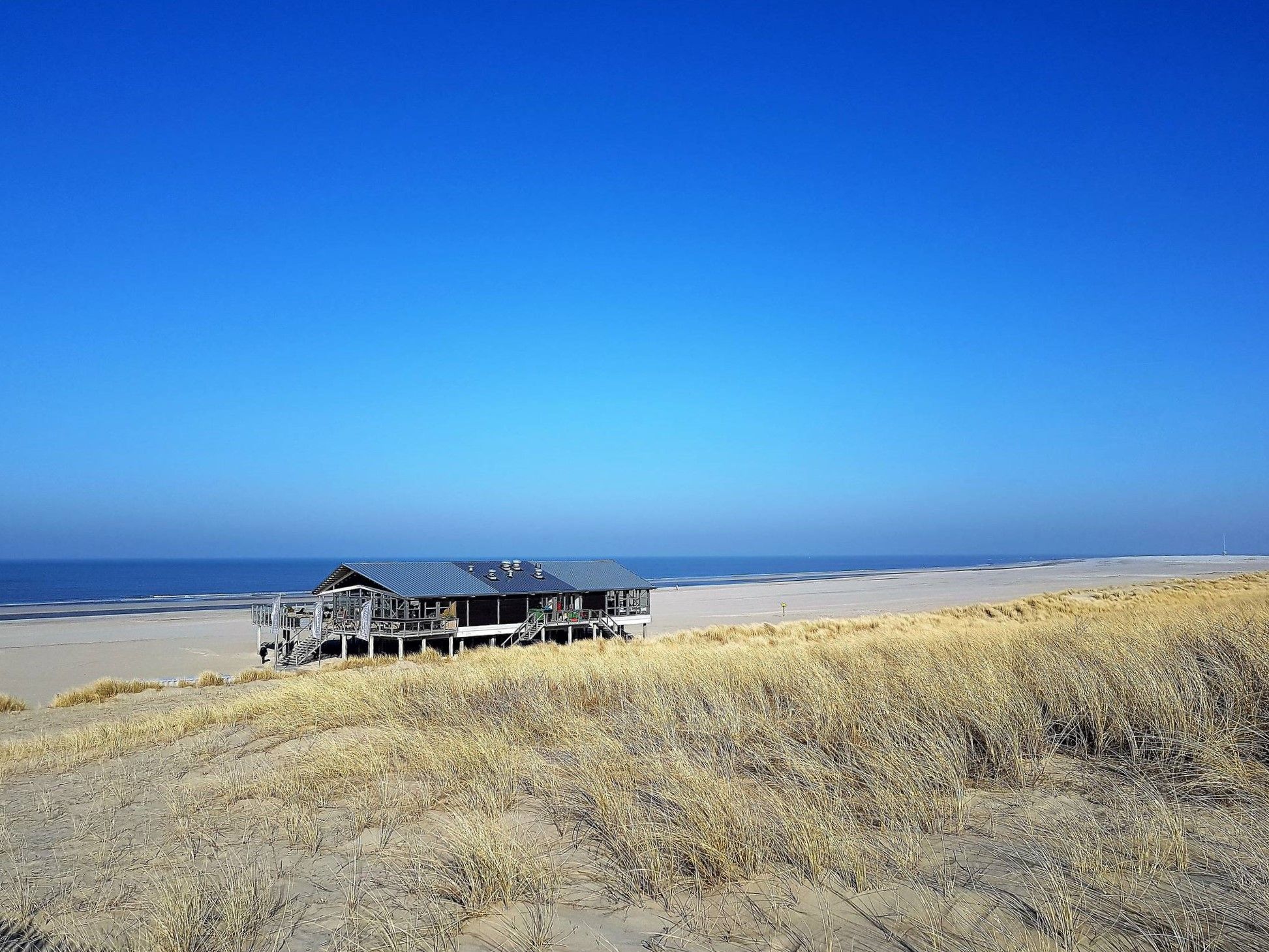
From Hook of Holland to Den Oever — part 2: Dutch Coastal Path
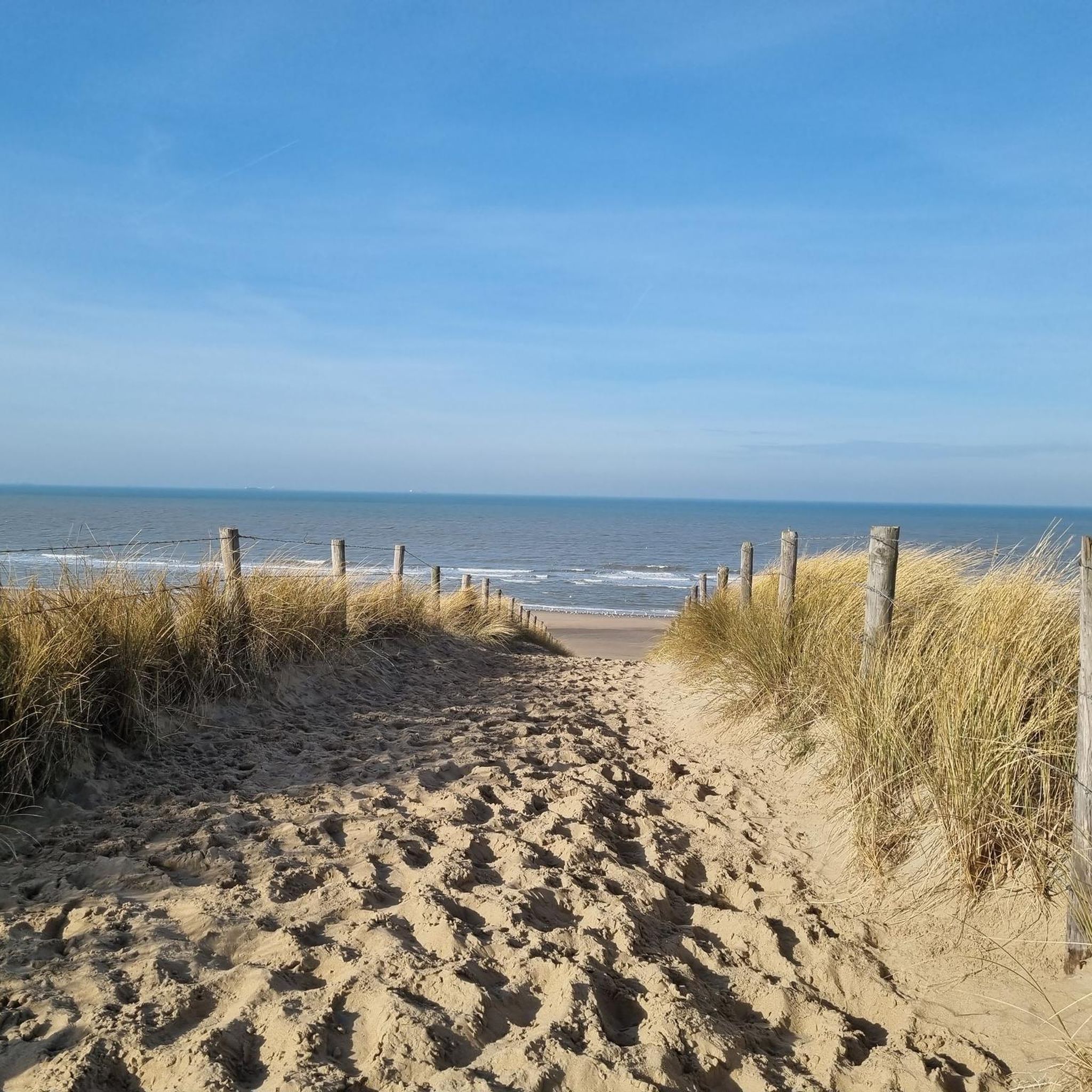
Coast & Culture in Holland — the perfect holiday combination
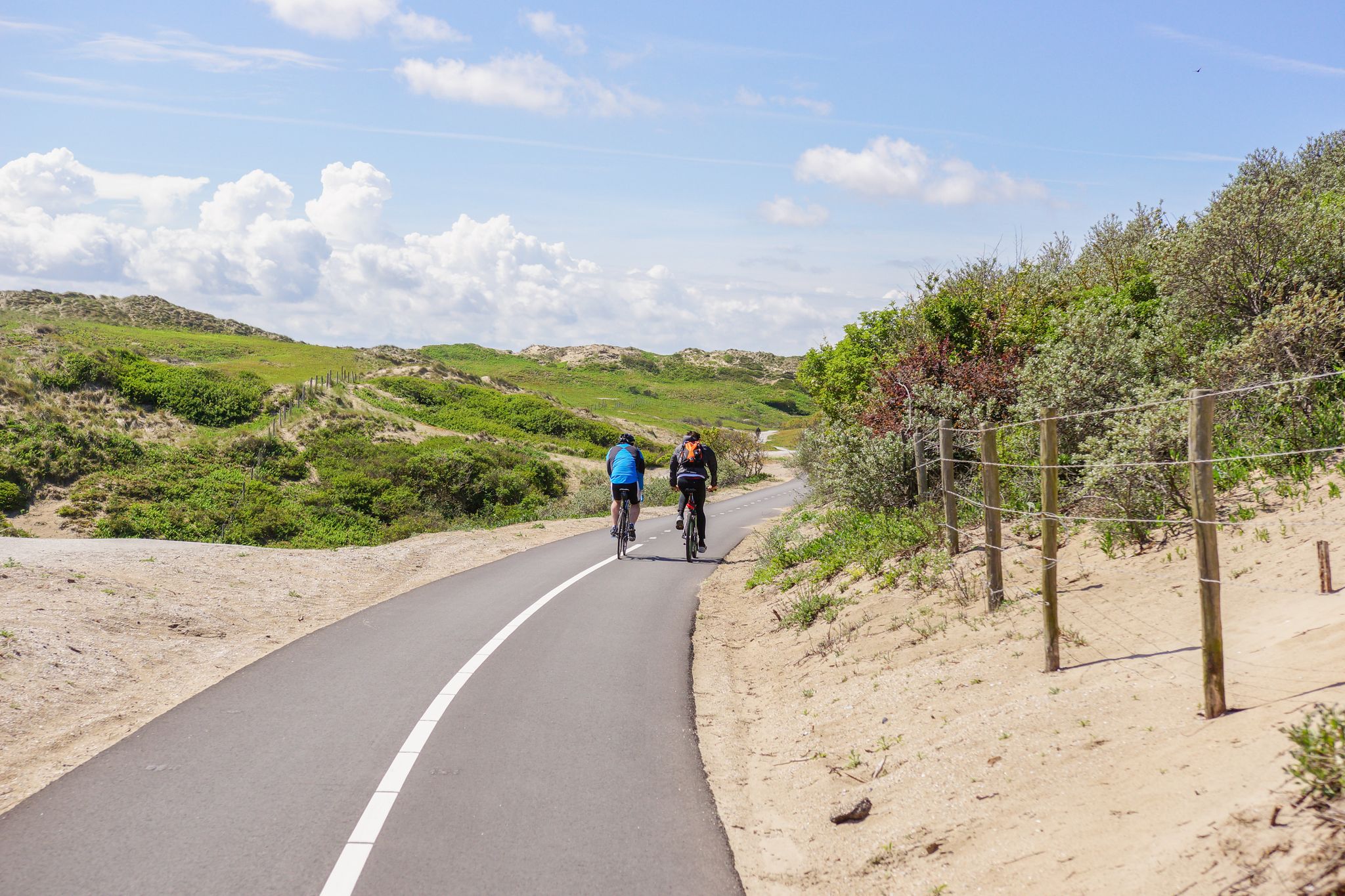
Cycling around Katwijk
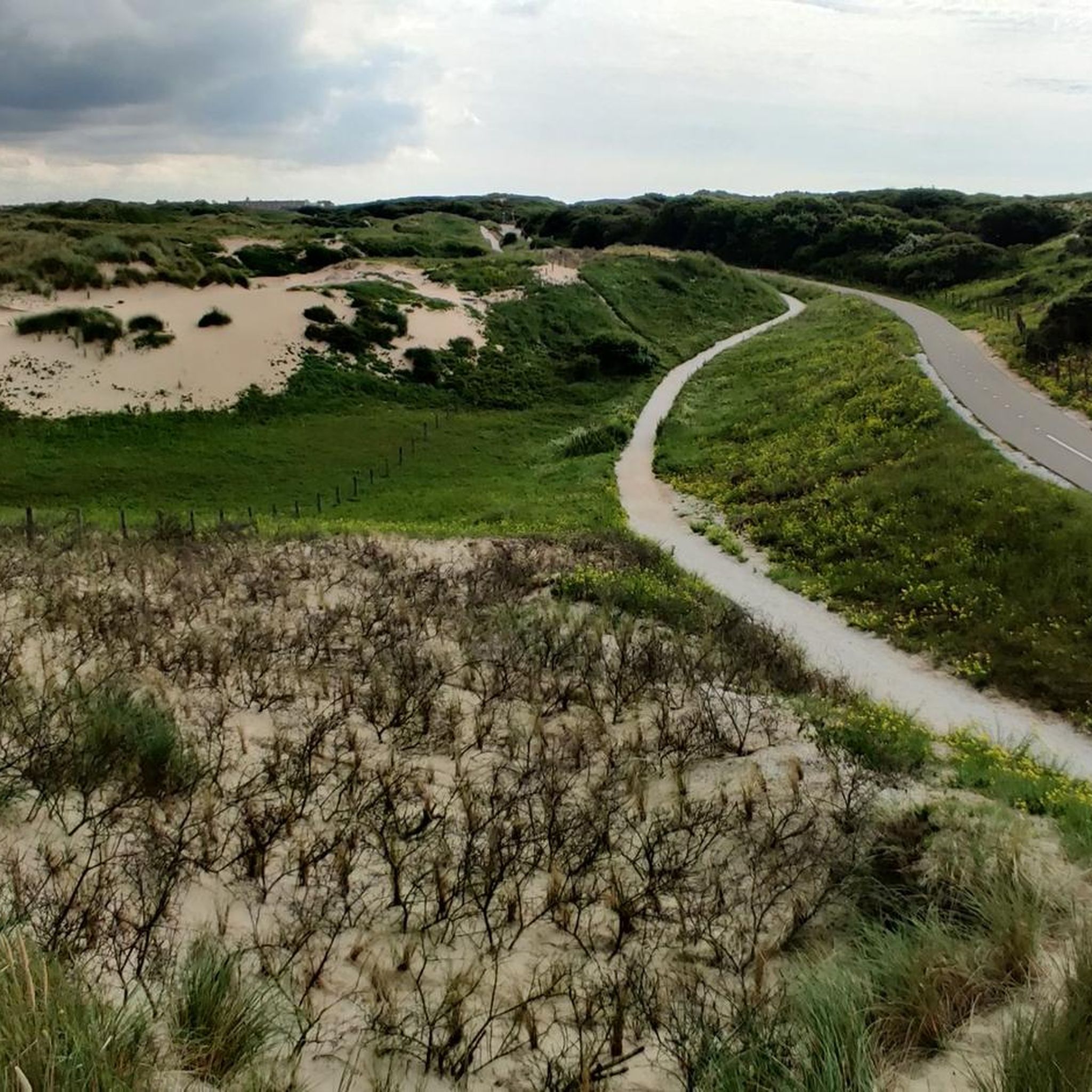
Hiking around Katwijk
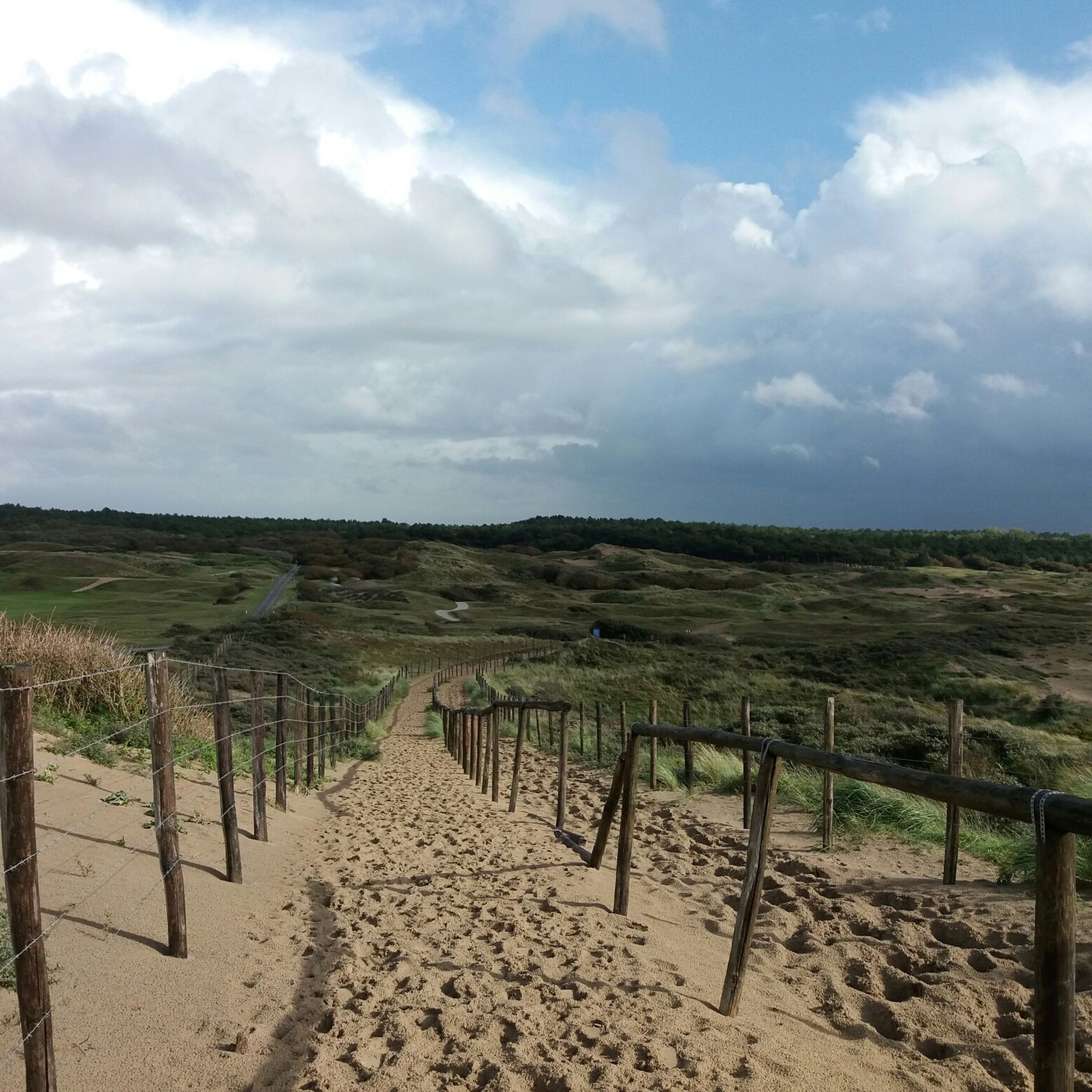
Running Trails around Katwijk
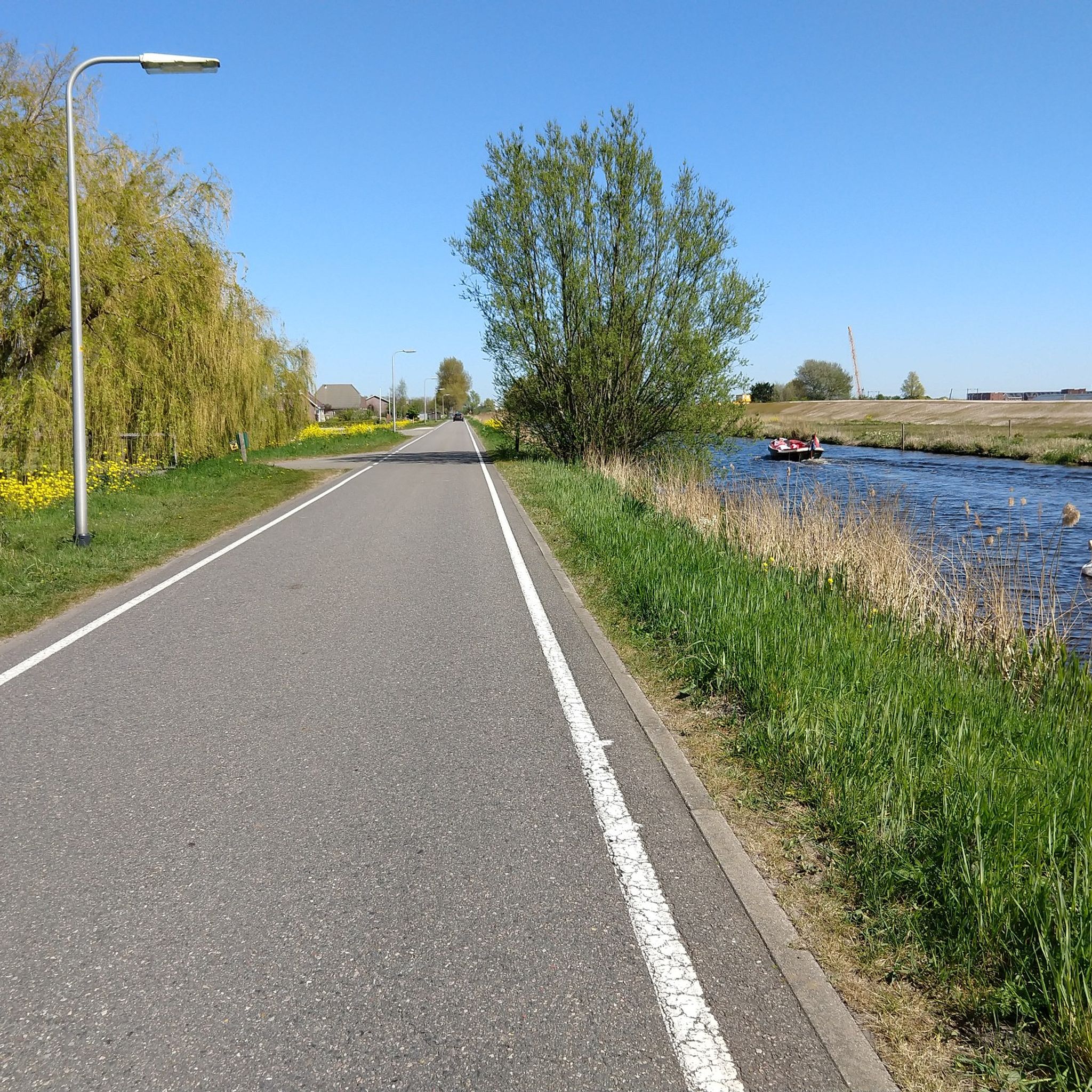
Road Cycling Routes around Katwijk
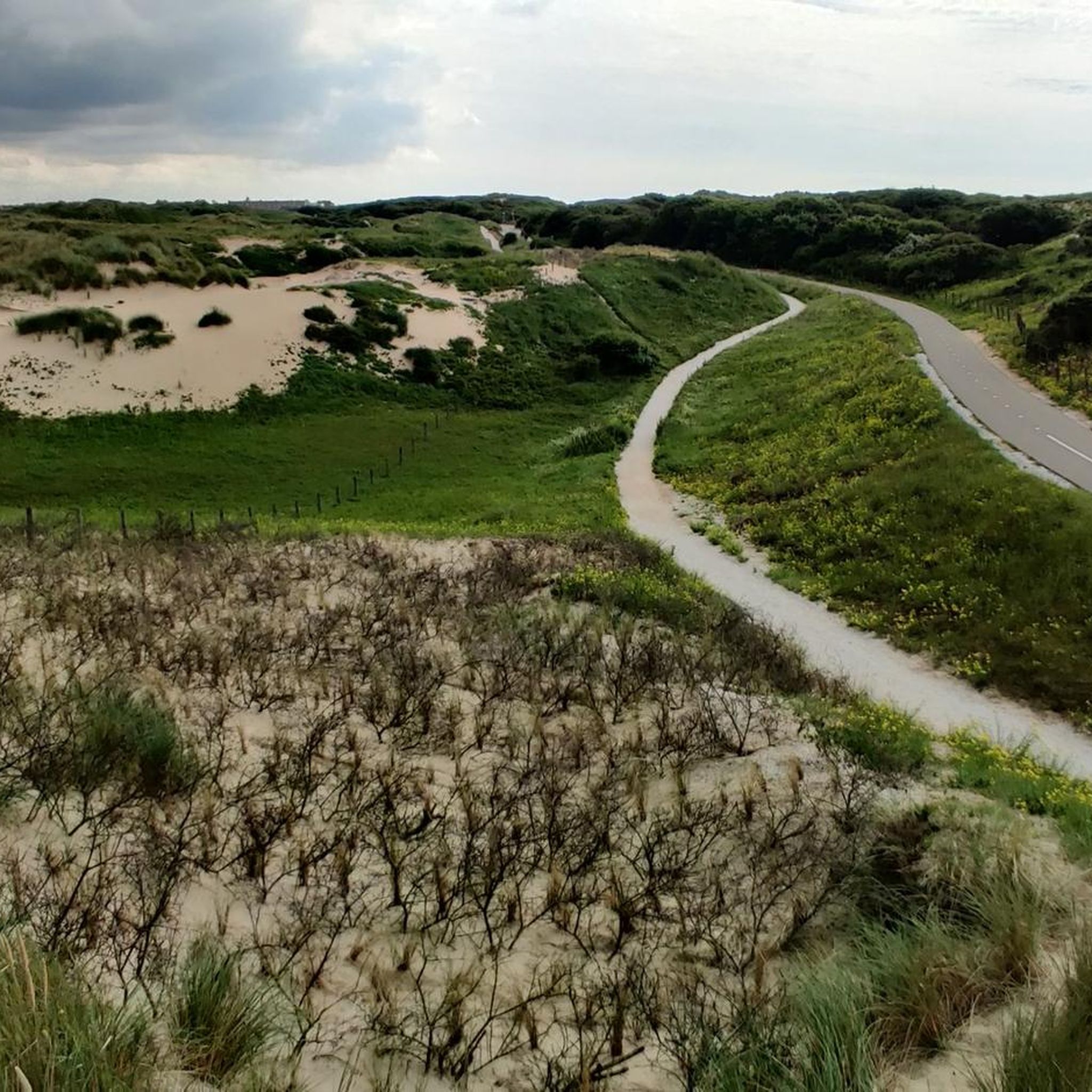
MTB Trails around Katwijk
Other adventures around Katwijk


Tips from the Community

The cultivation and trade of extremely valuable tulips began in the Netherlands after Carolus Clusius brought tulips from Turkey to Europe in 1593. During the Dutch Golden Age, tulip bulbs became an object of speculation. In the 1630s, prices for tulip bulbs rose to comparatively extremely high levels before the market collapsed abruptly in early February 1637 (= the first relatively well-documented speculative bubble in economic history). (Source: Wikipedia) THE TULIP: It came to Europe from Persia and Turkey in the 16th century. The Netherlands, especially Leiden, became the center of tulip cultivation. The "Semper Augustus" became particularly valuable because a virus caused it to have unique red and white flame patterns on its petals. During the tulip mania around 1643, it was recorded as the most expensive tulip in the world (Collection of the Norton Simon Art Foundation, USA). It is unknown who bred the Semper Augustus, as it is a historical, now extinct specimen. However, it became a symbol of the Dutch "tulip mania" (nl = tulpenwoede, tulpengekte) in the 17th century. At its peak in 1637, one bulb of this variety fetched 10,000 guilders, exactly the price of a house on a canal. In 1624, there were only 12 of this variety. (Source: Book "Leidener Runde und Rembrandt Route" by Leiden City Marketing)
2
0
🌿🌱After the founding of Leiden University in 1575, it seemed sensible to establish a "hortus medicus," a herb garden where medical students could study medicinal plants. This marked the beginning of a development that continued at the LUMC Academic Hospital and the Bio Science Park. The "Hortus Botanicus Leiden" was established in 1590, making it the oldest botanical garden in the Netherlands. 🌷Carolus CLUSIUS, a Hortulanus from Vienna, was the first director of the garden in 1593. He oversaw its design and cultivated the first large tulip collections in Europe. These form the basis of the nearby Keukenhof in Lisse, the "Garden of Leiden." ☘In the 19th century, Philipp Franz von SIEBOLD introduced around 700 previously unknown plants from Japan and China. (Source: Book "Leidener Runde and Rembrandt Route" by the Leiden City Marketing)
2
0

For tulip lovers and fans of beautiful, flowery parks, a visit to Keukenhof in the Netherlands is a MUST. Between mid-March and the end of May, tulips of various varieties bloom there.
1
0

Here you see the characteristic Scheveningen Water Tower, located in the dunes near Scheveningen (Pompstationsweg 327, The Hague)
6
0
Beautiful view of the spot where the Oude Rijn flows into the sea. The wind, currents, and tides change the view every day.
1
0
The water tower is located in the Oostduinen dunes near Scheveningen, near Pompstationsweg. It is a national monument. Designed in the Eclectic style by architect Bert Brouwer and civil engineer Theodor Stang, it was built in 1874 by the Hague Dune Water Company.
5
0

After the foundation of Leiden University in 1575, it was deemed desirable to create a 'hortus medicus': a garden in which medical students could study medicinal plants. The start of a development that has continued in the Academic Hospital LUMC and the Bio Science Park. Hortus Botanicus Leiden was founded in 1590, making it the oldest botanical garden in the Netherlands.
4
0

Interesting highlight also with information board about the history of the place
2
0
Frequently Asked Questions
What are some unique natural features to see in Katwijk?
Katwijk is renowned for its extensive dune landscape, which is part of the wider Nationaal Park Hollandse Duinen. You can explore swirling dunes, protected forests, and wet dune valleys. The region also features the dynamic Katwijk Beach and Coastline, known for its clean sands and atmospheric beach pavilions. Notable areas include Berkheide and Coepelduyn, which are protected nature monuments with diverse landscapes.
What are the official natural monuments in the Katwijk area?
Within Katwijk, Berkheide and Coepelduyn are specifically designated as protected nature monuments. These areas are part of the narrow strip of coastal dunes and are vital for biodiversity and coastal defense. While not strictly natural, the Keukenhof is a significant natural monument known for its vast flower displays, and Keukenhof Castle also features extensive natural grounds.
What is the best time to visit the natural monuments around Katwijk?
The natural monuments around Katwijk can be enjoyed year-round. For flower enthusiasts, the Keukenhof is a must-visit during spring (typically March to May) when the bulb flowers are in full bloom. For general dune exploration, the period between mid-August and mid-March allows for off-the-beaten-track strolls in areas like Berkheide and Coepelduyn. The beach is popular in summer, but offers magnificent views and walks throughout the year.
Are there family-friendly natural monuments around Katwijk?
Yes, several natural areas in Katwijk are great for families. The De Pan van Persijn (Panforest) within the dunes is a cherished spot with a deer camp, a goose and duck pool, and various play facilities. The Keukenhof and Keukenhof Castle also offer family-friendly experiences with their gardens, petting zoo, and ample space for children to explore.
Can I bring my dog to the natural areas in Katwijk?
Dog policies vary by specific area within the Katwijk dunes and the wider Nationaal Park Hollandse Duinen. While some areas may have restrictions, especially during breeding seasons or in sensitive nature reserves like Berkheide and Coepelduyn, many trails and parts of the beach allow dogs, often on a leash. It's always best to check local signage for the most current regulations before visiting.
Are there easy walks or trails suitable for everyone?
Yes, the Katwijkse Duinen offer numerous trails suitable for various fitness levels. You can find easy walks through the protected forests and along the wet dune valleys. For example, the 'Annenkoeken Farm – Panbos Parking Lot loop from Katwijk' is an easy 4.7 km hike, and the 'Dune lake near Katwijk – Berkheide Dunes loop from Katwijk' is another easy 5.5 km option. Many paths are well-maintained for leisurely strolls.
What outdoor activities can I do near Katwijk's natural monuments?
The natural monuments around Katwijk provide excellent opportunities for various outdoor activities. You can enjoy hiking, cycling, and even mountain biking. The dune system offers numerous trails. For hiking, explore routes like the 'Flag dune' or the 'View of Katwijk Beach – Atlantic Wall Bunker Berkheide loop'. For cycling, there are many paths, including those suitable for gravel biking. You can find more details on these activities in the hiking guide for Katwijk or the MTB trails guide for Katwijk.
How can I access the natural monuments by public transport?
Katwijk is well-connected by public transport, primarily buses, which can take you to various points near the dune areas and the beach. From larger cities like Leiden, you can take a bus directly to Katwijk aan Zee. Specific bus stops are often located close to entrances to the dune reserves or the town center, providing convenient access to the natural monuments.
Where can I find parking near the natural monuments?
Parking is generally available at various points around Katwijk's natural monuments. There are often designated parking lots near beach access points, dune entrances, and popular attractions like the Panforest. For instance, the Panbos Parking Lot is a known starting point for walks. During peak seasons, it's advisable to arrive early as parking can fill up quickly, especially near the beach.
Are there cafes or places to eat near the natural monuments?
Yes, Katwijk offers several options for refreshments near its natural areas. Along Katwijk Beach, you'll find atmospheric beach pavilions that are often open year-round. Near the Panforest, there's even a pancake restaurant. In the town center, which is easily accessible from the dunes and beach, you'll find a wider selection of cafes and restaurants.
What kind of wildlife can be spotted in Katwijk's natural monuments?
The diverse ecosystems of Katwijk's dunes, forests, and wet dune valleys support a variety of wildlife. You might spot deer in areas like the Panforest, and various bird species around the goose and duck pools. The dunes are also home to unique flora and fauna adapted to the coastal environment. Keep an eye out for different insects, amphibians, and small mammals that thrive in these protected habitats.
What do visitors particularly enjoy about Katwijk's natural monuments?
Visitors to Katwijk's natural monuments often highlight the tranquility and scenic beauty of the dune landscapes. The opportunity for long walks along the clean beach and through the varied dune systems is highly appreciated. The Keukenhof is praised for its 'unforgettable spring walk along fields full of colorful flowers,' offering a true color spectacle. The panoramic views from spots like the Vlaggeduin are also a favorite.
Most popular routes around Katwijk
Most popular attractions around Katwijk

Get inspired with the komoot mobile app


Explore more
Extend your search for the best caves by checking out these guides of the top ones around Katwijk:
