The best running trails around Nidda
4.6
(43)
860
runners
99
runs
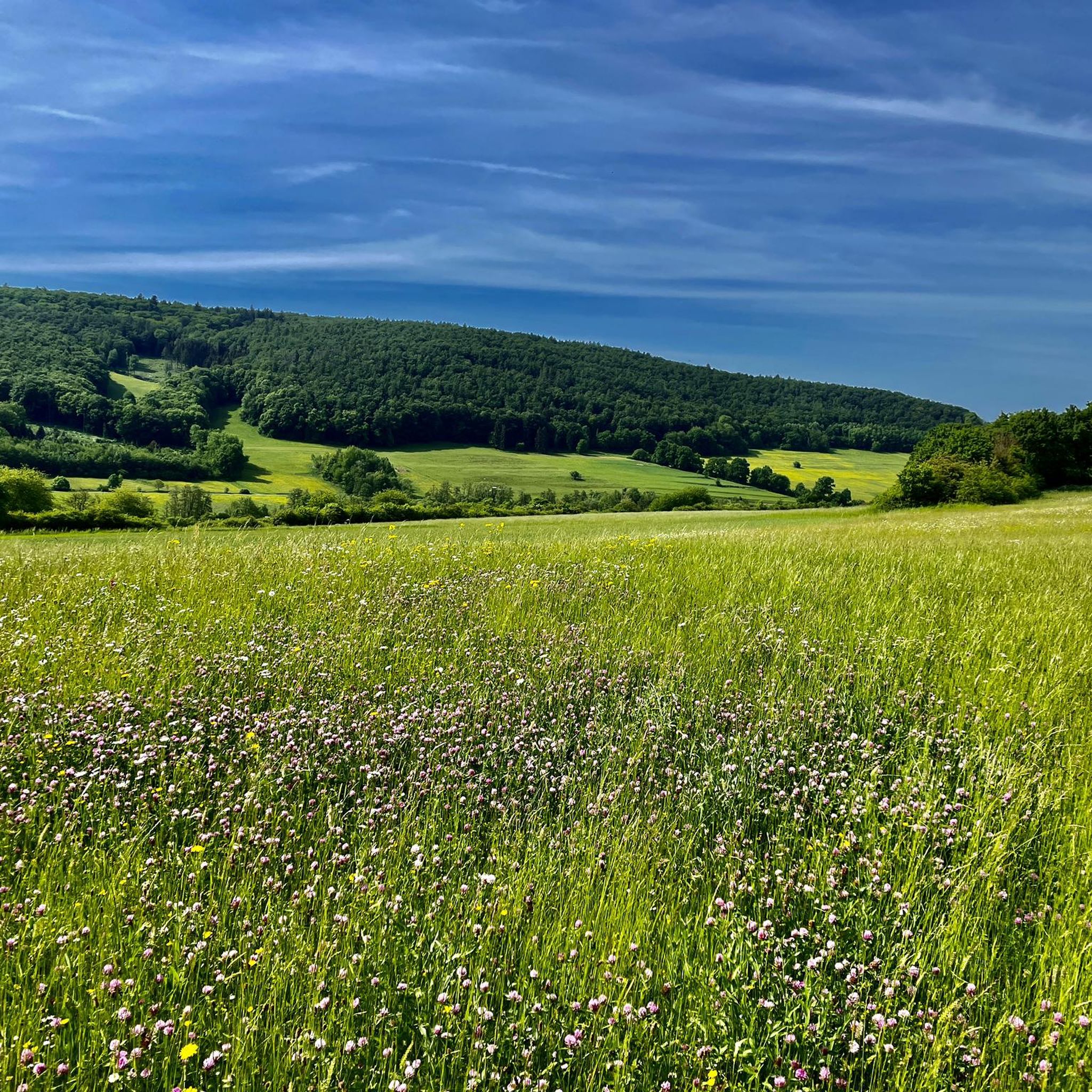
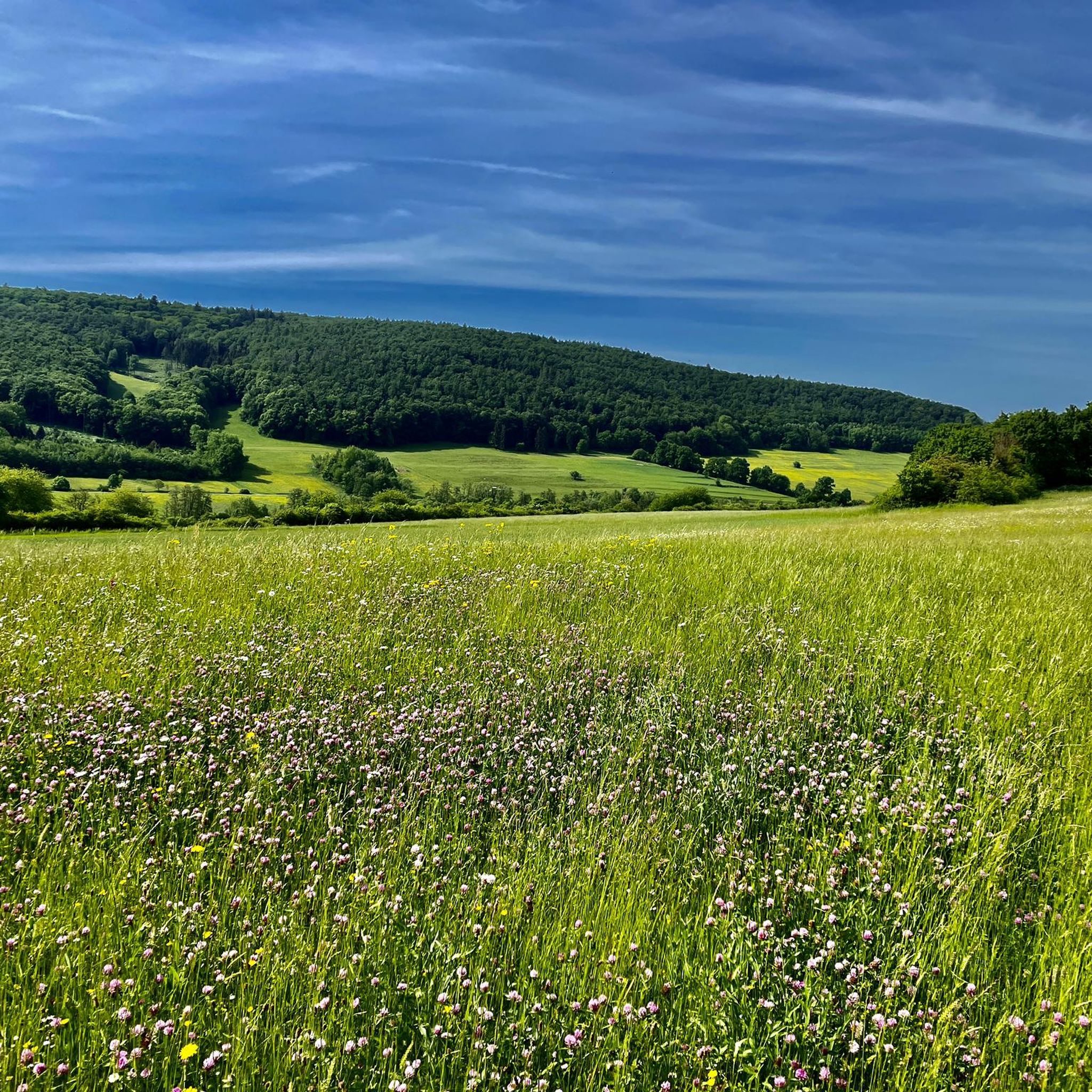
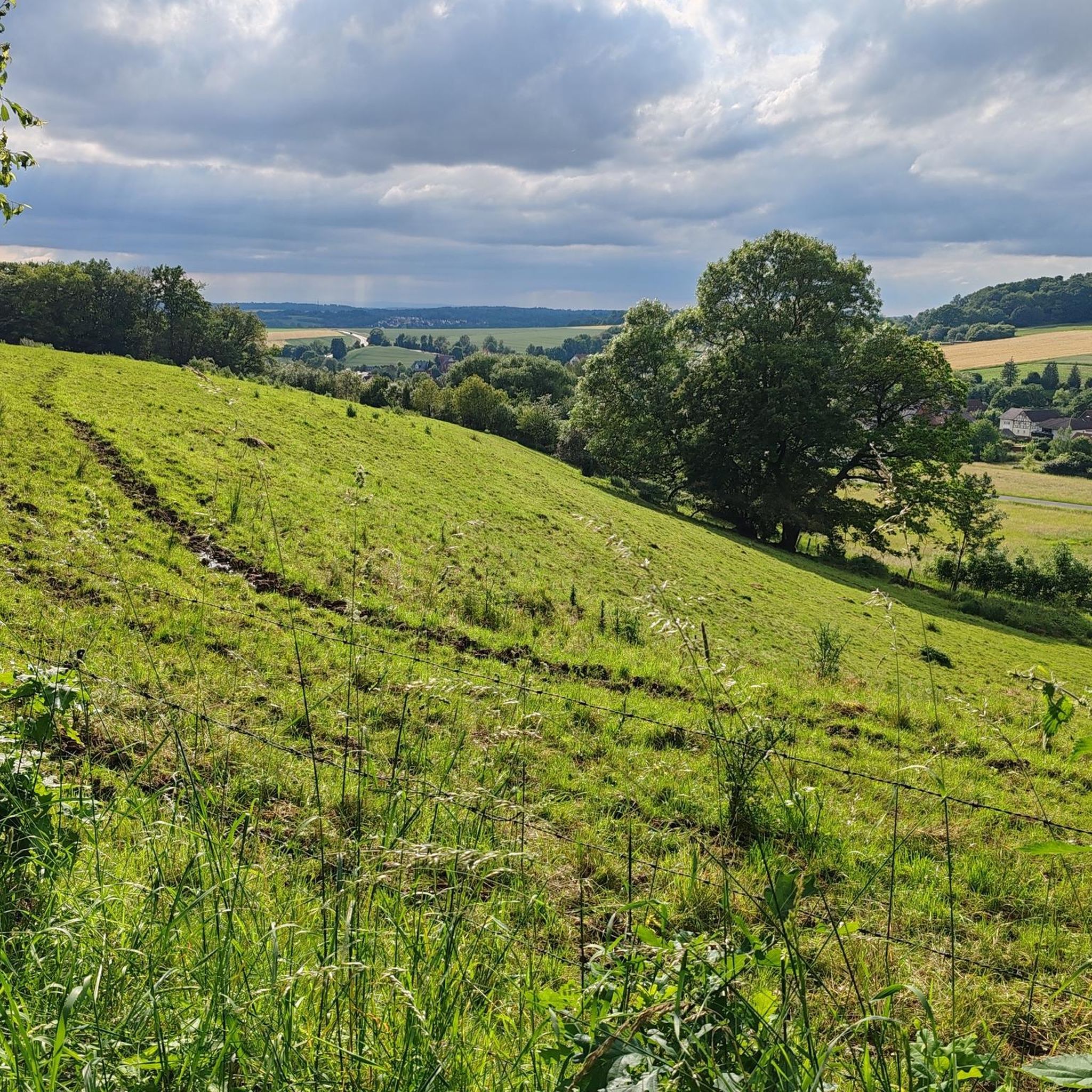
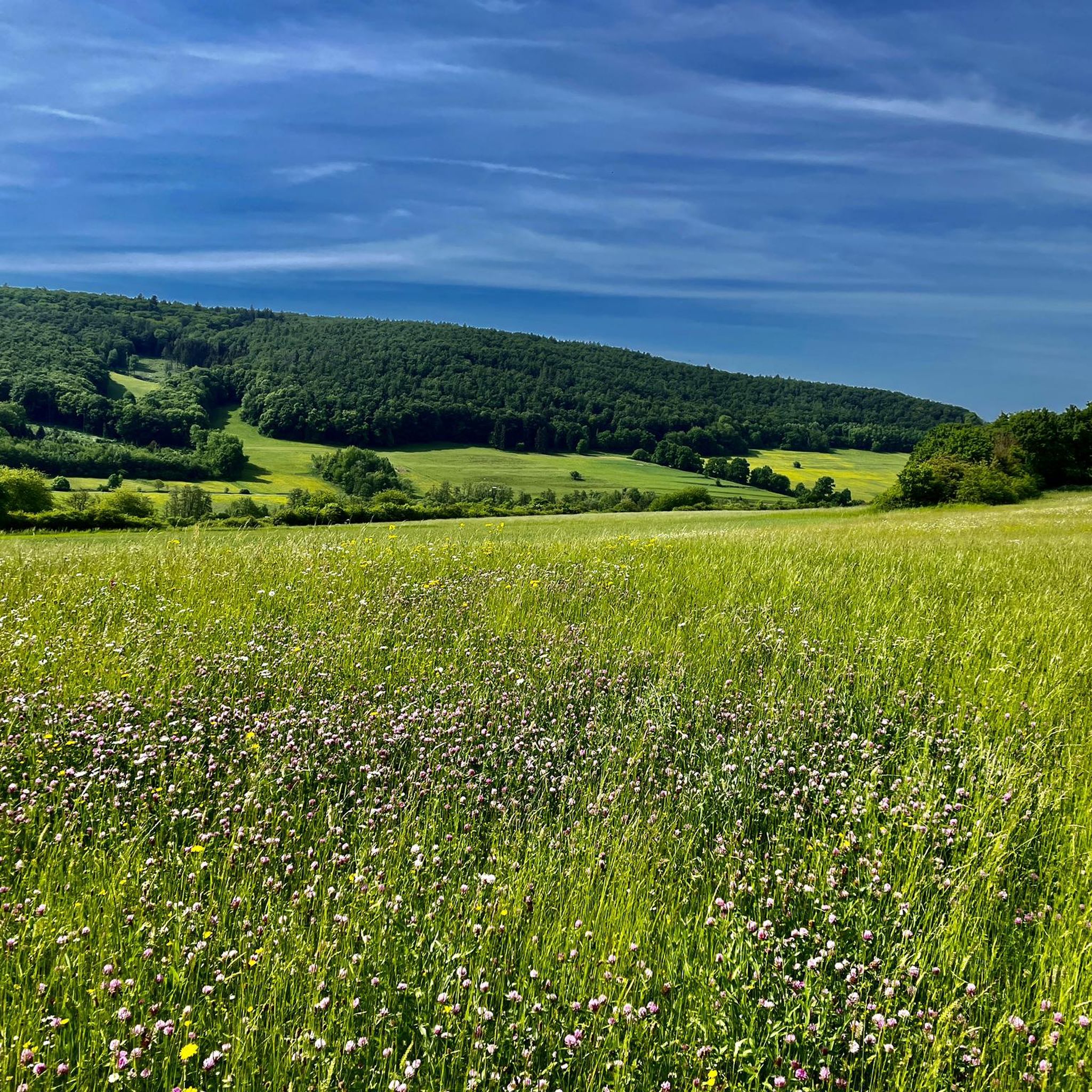
Jogging routes around Nidda offer diverse terrain, characterized by the meandering Nidda River and surrounding forests. The landscape features gentle hills and open fields, providing varied running experiences. This region is suitable for runners seeking both flat riverside paths and routes with moderate elevation changes. The area's natural setting provides a tranquil environment for outdoor activity.
Best jogging routes around Nidda
- The most popular jogging route is The Nidda River in Nidda – Paddle Pond Nidda loop from Nidda,…
Last updated: August 11, 2026
5.0
(5)
52
runners
15.8km
01:43
250m
250m
Hard run. Very good fitness required. Mostly paved surfaces. Suitable for all skill levels.
44
runners
10.3km
01:08
190m
190m
Moderate run. Good fitness required. Mostly paved surfaces. Suitable for all skill levels.

Sign up for free
47
runners
17.1km
01:54
310m
310m
Hard run. Very good fitness required. Mostly paved surfaces. Suitable for all skill levels.
5.0
(3)
43
runners
12.1km
01:17
160m
160m
Moderate run. Good fitness required. Mostly paved surfaces. Suitable for all skill levels.
5.0
(2)
30
runners
9.80km
01:01
40m
40m
Moderate run. Good fitness required. Mostly paved surfaces. Suitable for all skill levels.
Get access to more routes and recommendations from other explorers.
Sign up for free
Already have an account?
Our route recommendations are based on thousands of hikes, rides, and runs completed by other people on komoot.
Start today with a free account
Your next adventure awaits.
Login or Signup
Popular around Nidda
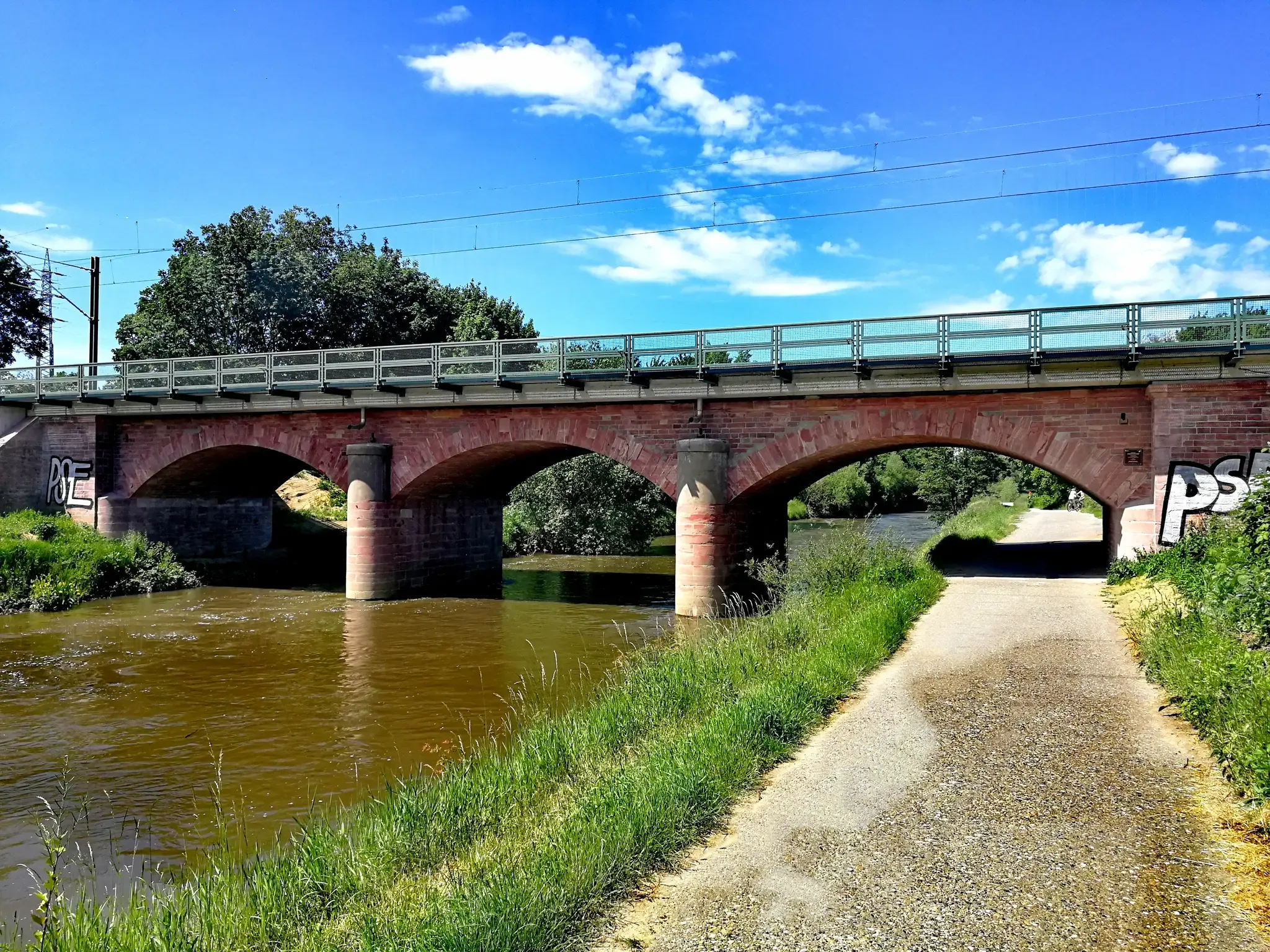
Nidda Cycle Path – Riding through nature on Frankfurt's doorstep
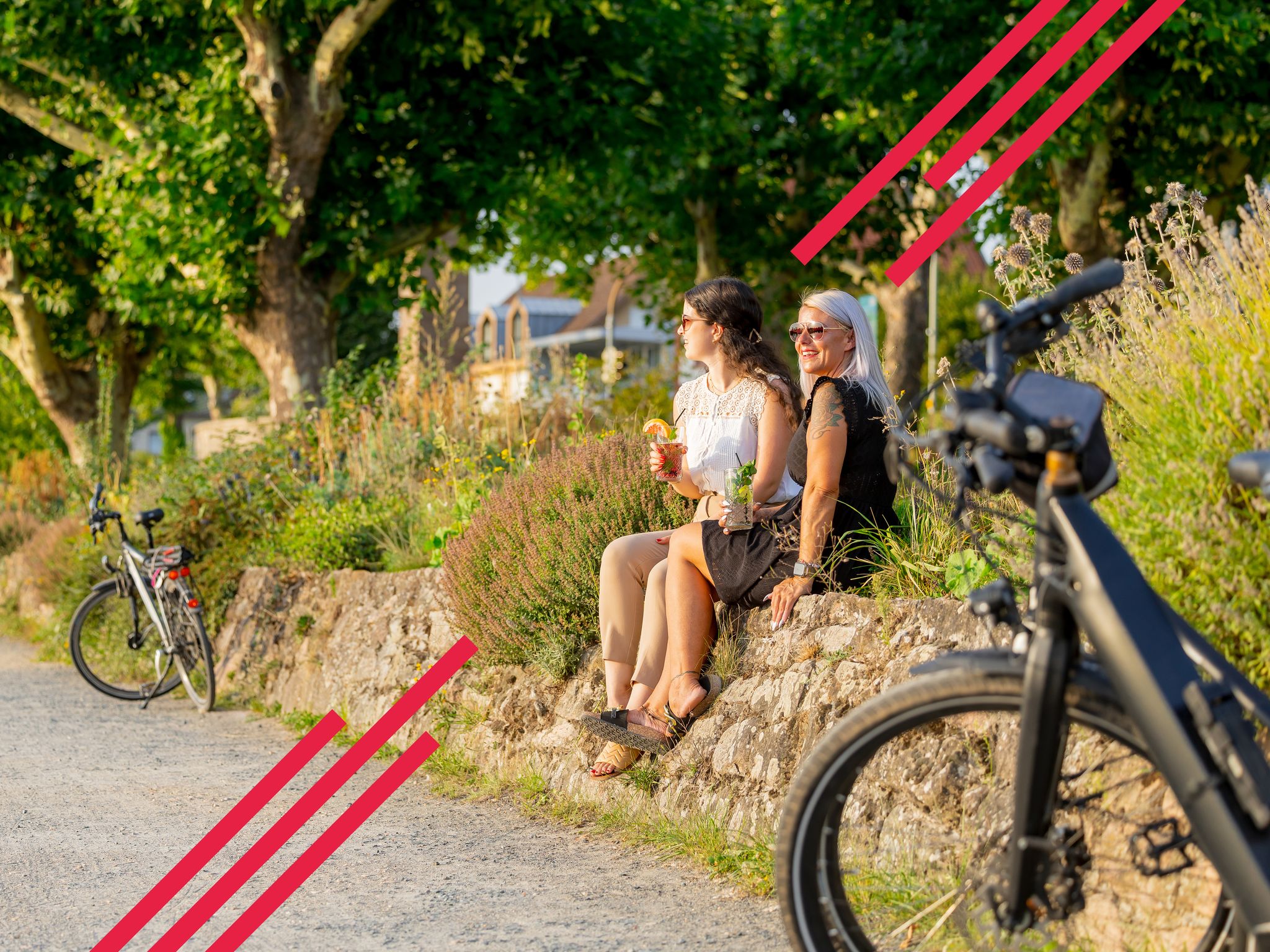
Changing habitats – themed cycling in FrankfurtRheinMain
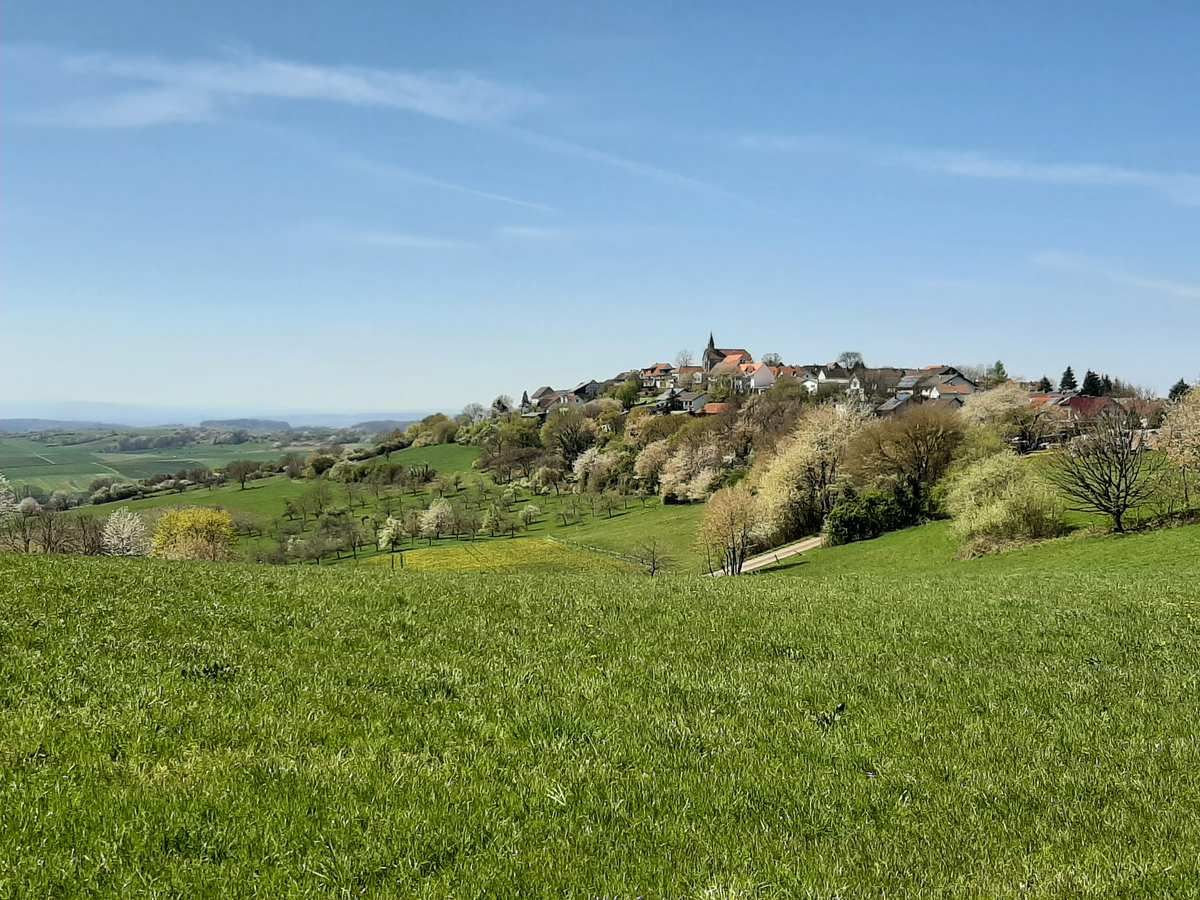
Circumnavigate volcanoes in six days – Vogelsberg Volcano Ring
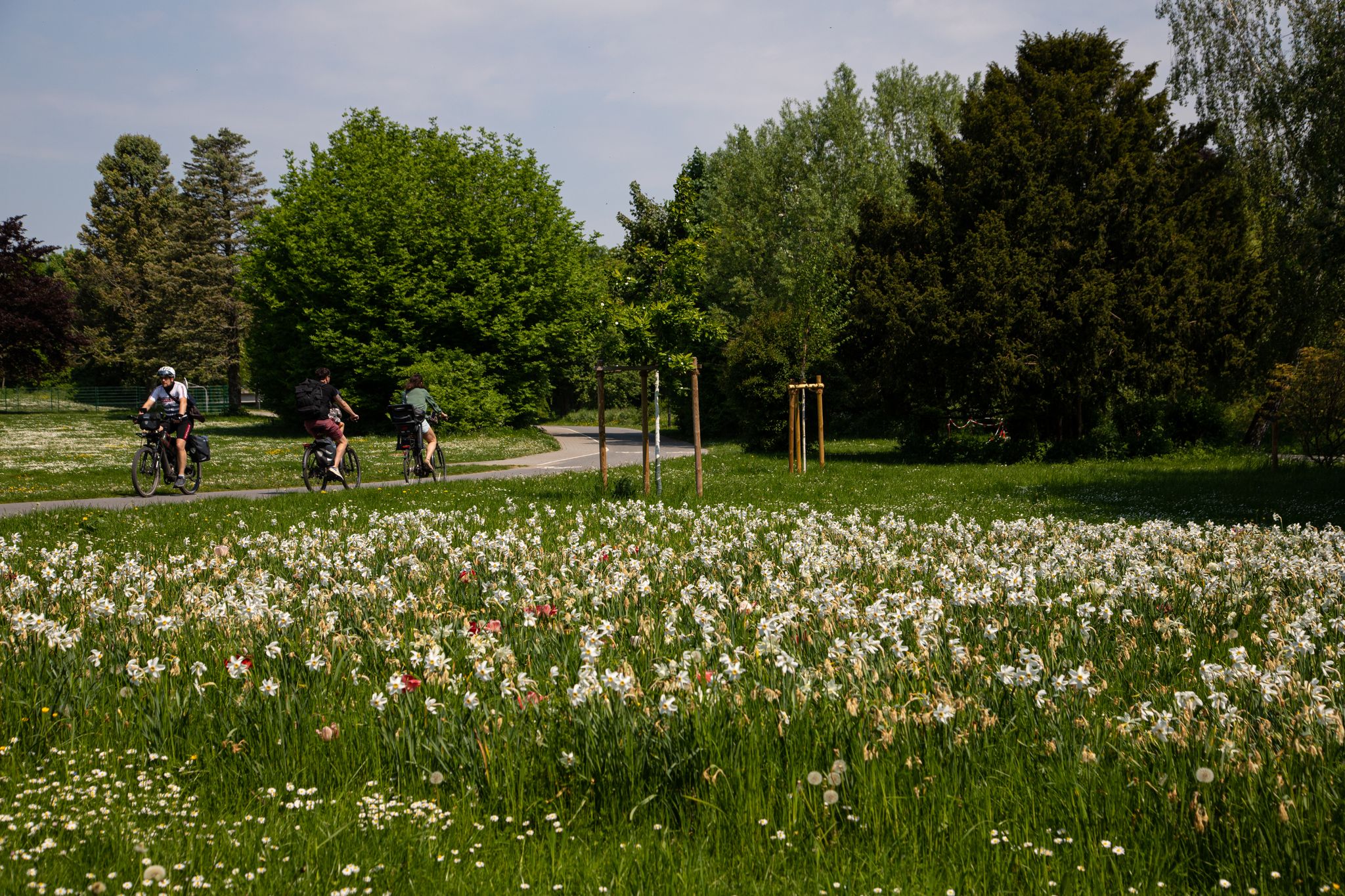
Bad Vilbel entdecken – Vielfältige Radtouren
Cycling around Nidda
Hiking around Nidda
Road Cycling Routes around Nidda
MTB Trails around Nidda
Gravel biking around Nidda
Other adventures around Nidda


Tips from the Community

With its 328 meters, the Eschberg near Wallernhausen is one of the highest elevations in the municipality of Nidda. Around the extinct volcano, with clear visibility, you can enjoy fantastic panoramic views over the Wetterau to the foothills of the Taunus.
1
0

A magnificent view into the valley towards Geiß Nidda
0
0

You can cycle here. There are many open views of the great landscape.
2
0

The Jägersee, formerly also called Eilsee, is a lake in Salzburg that was created by damming at the end of the Kleinarl valley in the municipality of Kleinarl. It lies at an altitude of 1099 m in the Radstädter Tauern. The dam was built in the 17th century at the latest on a natural threshold formed by the mudslides of the Maureck and Rossfeldgraben on the left bank and the Jägergraben on the right bank. Like the larger Tappenkarsee above, the Kleinarlbach flows through the Jägersee and thus supplies it with fresh water. The Jägerhaus am See, formerly called am Eil, was built in 1718 by the Archbishops of Salzburg. Since the 20th century, the estate has been privately owned by the Nesselrode family, who run the hunting and fishing business. Due to its location in the landscape protection area (LSG18), the Jägersee is a popular destination. It can be reached directly by car or public transport.
4
2

our favorite forest cycle path from Echzell to Nidda through the Berstädter Forest directly over the Wannkopf...😫😄😄so always take a longer break at Jägersee before going up, up 🚲Greetings from Wetterau... Simone & Michael🙋🏻🙋♂️
11
0


Medium-length tour with some small climbs, firm road surface, good to ride.
5
0

The idyllically situated "Jägerteich" belongs to a larger pond system (forest ponds) near Echzell.
10
0
Frequently Asked Questions
How many running routes are available around Nidda?
There are over 80 dedicated running routes around Nidda, catering to various fitness levels. You'll find a good mix of easy, moderate, and challenging trails to explore.
Are there easy or beginner-friendly running trails in Nidda?
Yes, Nidda offers several easy running routes, particularly along the Nidda River. These paths feature gentle terrain, making them ideal for beginners or those looking for a relaxed jog. For example, the The Nidda River in Nidda – Paddle Pond Nidda loop from Nidda is a moderate option with minimal elevation.
What is the typical length of running routes in the Nidda area?
Running routes in Nidda vary in length. Many popular trails range from 5 to 10 miles (8 to 16 km), with some shorter and longer options available. For instance, the Running loop from Wallernhausen is about 6.5 miles (10.5 km).
Can I bring my dog on the running trails in Nidda?
Generally, dogs are welcome on most running trails in Nidda. It's always recommended to keep your dog on a leash, especially in nature reserves or areas with wildlife, and to clean up after them. The varied terrain, including forest paths and open fields, provides a great experience for you and your canine companion.
Are there any family-friendly running paths in Nidda?
Many of the flatter, well-maintained paths along the Nidda River are suitable for families. These routes often avoid steep climbs and offer pleasant scenery, making them enjoyable for runners of all ages. Look for trails marked as 'easy' or 'moderate' for the best family experience.
What kind of scenery can I expect while running in Nidda?
Nidda's running routes offer diverse scenery, from the tranquil banks of the meandering Nidda River to surrounding forests and open fields. You'll encounter gentle hills, providing a mix of natural landscapes and a peaceful environment for your run.
Are there any circular running routes around Nidda?
Yes, many of the running routes in Nidda are designed as loops, allowing you to start and finish at the same point. Examples include the popular Kleinkastell Haselheck – Jägersee loop from Geiß-Nidda, which takes you through historical sites and natural lakes.
What do other runners enjoy most about jogging in Nidda?
The running trails in Nidda are highly rated by the komoot community, with an average score of 4.7 stars. Runners often praise the tranquil environment, the variety of terrain from riverside paths to forest trails, and the well-maintained routes that offer a refreshing outdoor experience.
Are there any interesting landmarks or attractions along the running routes?
Yes, several routes pass by or near notable attractions. You might encounter natural features like the Nidda Reservoir or the Inheiden Lake. Some trails also lead past historical sites or offer views of the Bilstein Summit.
When is the best time of year to go running in Nidda?
Spring and autumn are generally considered the best times for running in Nidda, offering mild temperatures and beautiful natural colors. Summer can be pleasant, especially in the mornings or evenings, while winter runs are possible, though some paths might be muddy or icy depending on conditions.
Are there running routes suitable for rainy weather or winter conditions?
For rainy weather or winter, forest trails can offer more shelter and better grip than open paths. Routes with a solid surface or through dense woodland, like parts of the Eschberg loop from Wallernhausen, might be more suitable, though caution is always advised for slippery conditions.
Are there any challenging running trails for experienced runners?
Yes, Nidda also offers more challenging routes for experienced runners. These trails often feature greater elevation changes and longer distances, providing a more demanding workout. The Eschberg loop from Wallernhausen, for example, is classified as difficult with significant elevation gain over its 9.8-mile (15.8 km) distance.
Most popular routes around Nidda
Most popular attractions around Nidda

Get inspired with the komoot mobile app


Explore more
Browse the best Running Trails & Routes in other regions.
