The best running trails around Plattenburg
4.5
(71)
737
runners
85
runs
Jogging routes around Plattenburg offer a diverse landscape for runners. The region features river valleys and rolling terrain, providing varied elevation changes suitable for different running intensities. Trails often lead through local scenery, including forested areas and open paths. The network of routes caters to a range of abilities, from easy runs to more challenging trails.
Best jogging routes around Plattenburg
- The most popular jogging route is Running loop from Glöwen, a 3.6 miles (5.8 km) trail that takes…
Last updated: October 14, 2026
46
runners
10.8km
01:12
20m
20m
Moderate run. Good fitness required. Mostly paved surfaces. Suitable for all skill levels.
5.0
(2)
16
runners
8.58km
00:56
10m
10m
Moderate run. Good fitness required. Mostly paved surfaces. Suitable for all skill levels.

18
runners
5.78km
00:38
10m
10m
Moderate run. Good fitness required. Mostly paved surfaces. Suitable for all skill levels.
5.0
(3)
12
runners
Moderate run. Good fitness required. Mostly paved surfaces. Suitable for all skill levels.
4.5
(2)
8
runners
6.14km
00:39
10m
10m
Moderate run. Good fitness required. Mostly paved surfaces. Suitable for all skill levels.
Get access to more routes and recommendations from other explorers.
Already have an account?
Our route recommendations are based on thousands of hikes, rides, and runs completed by other people on komoot.
Start today with a free account
Your next adventure awaits.
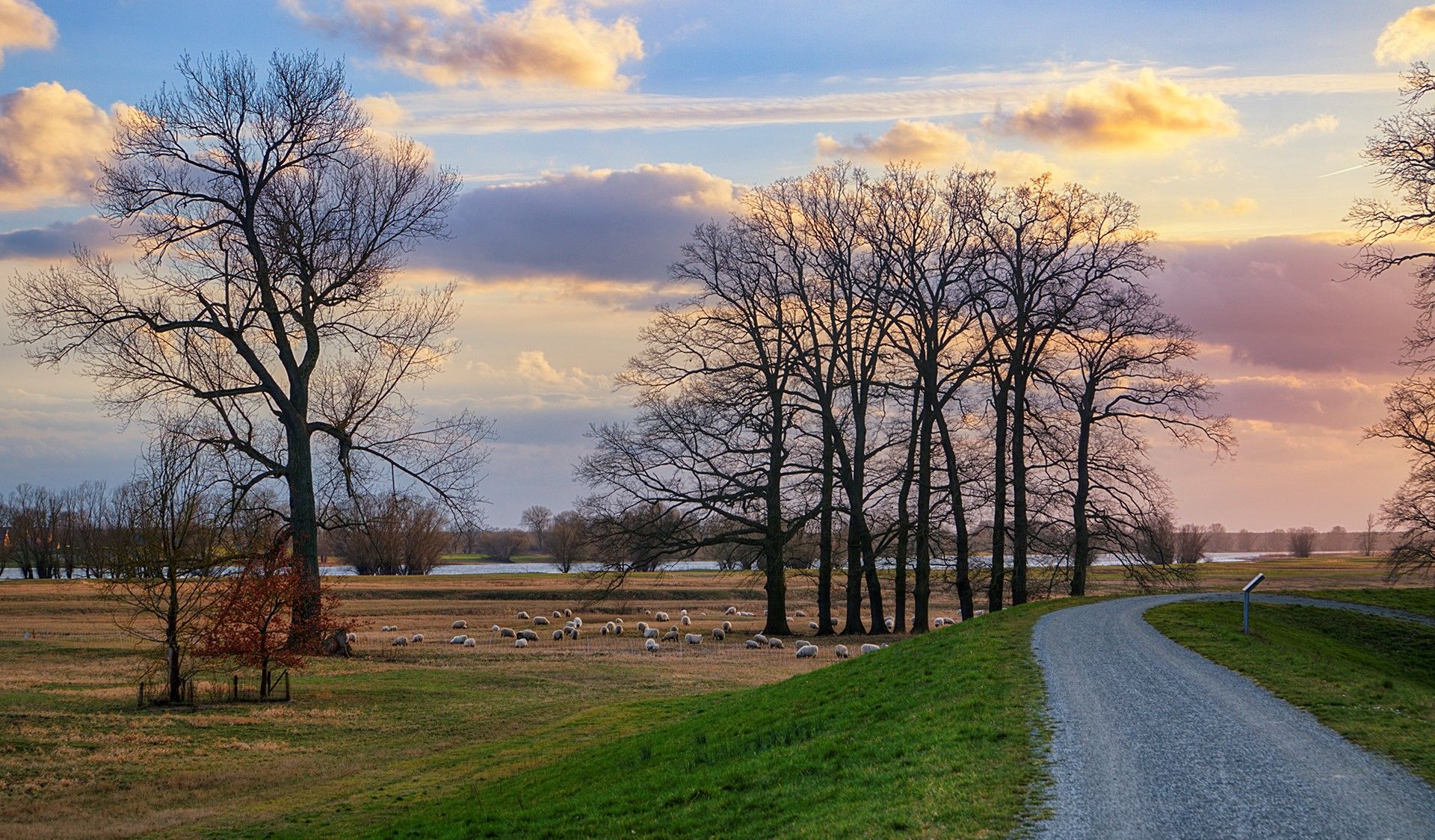
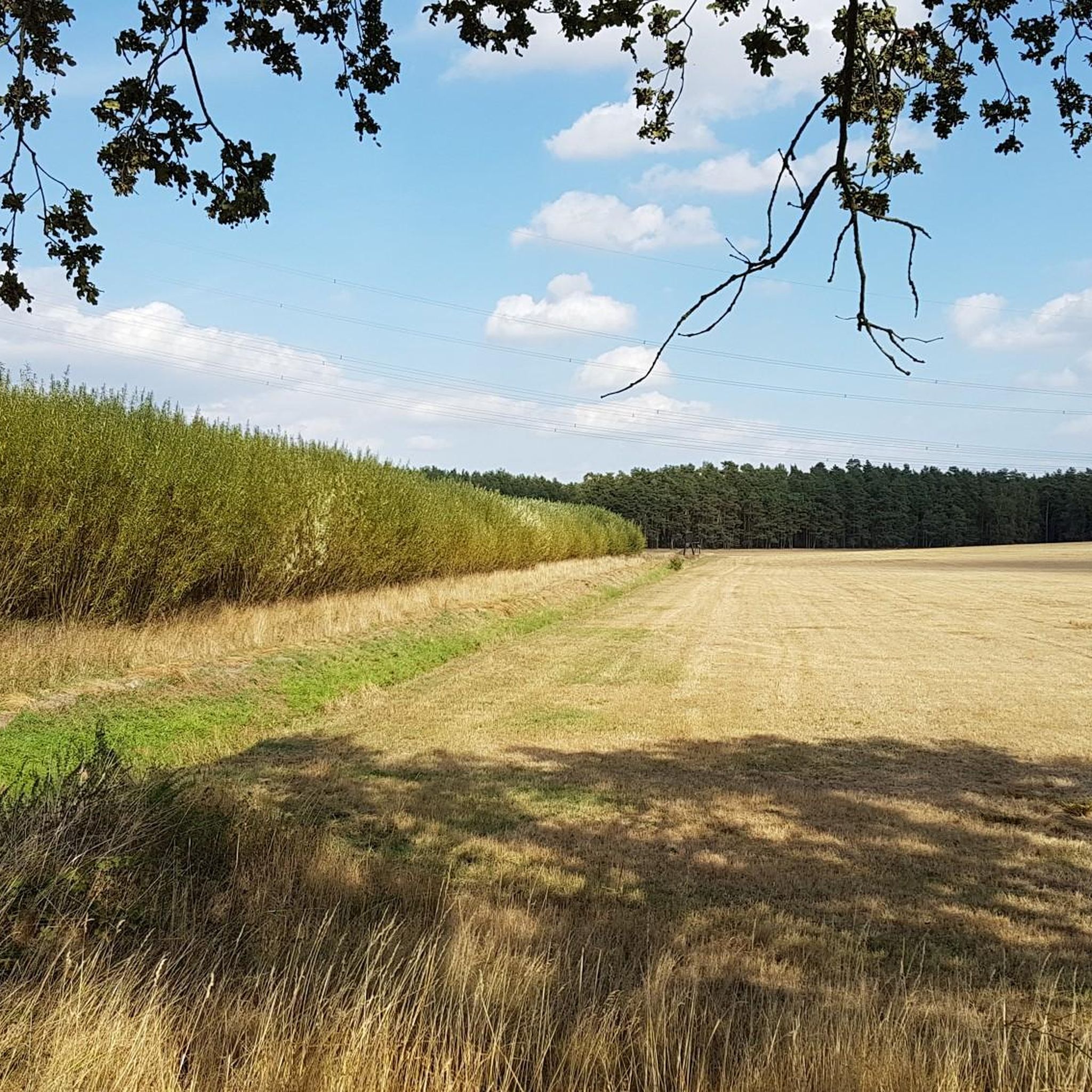
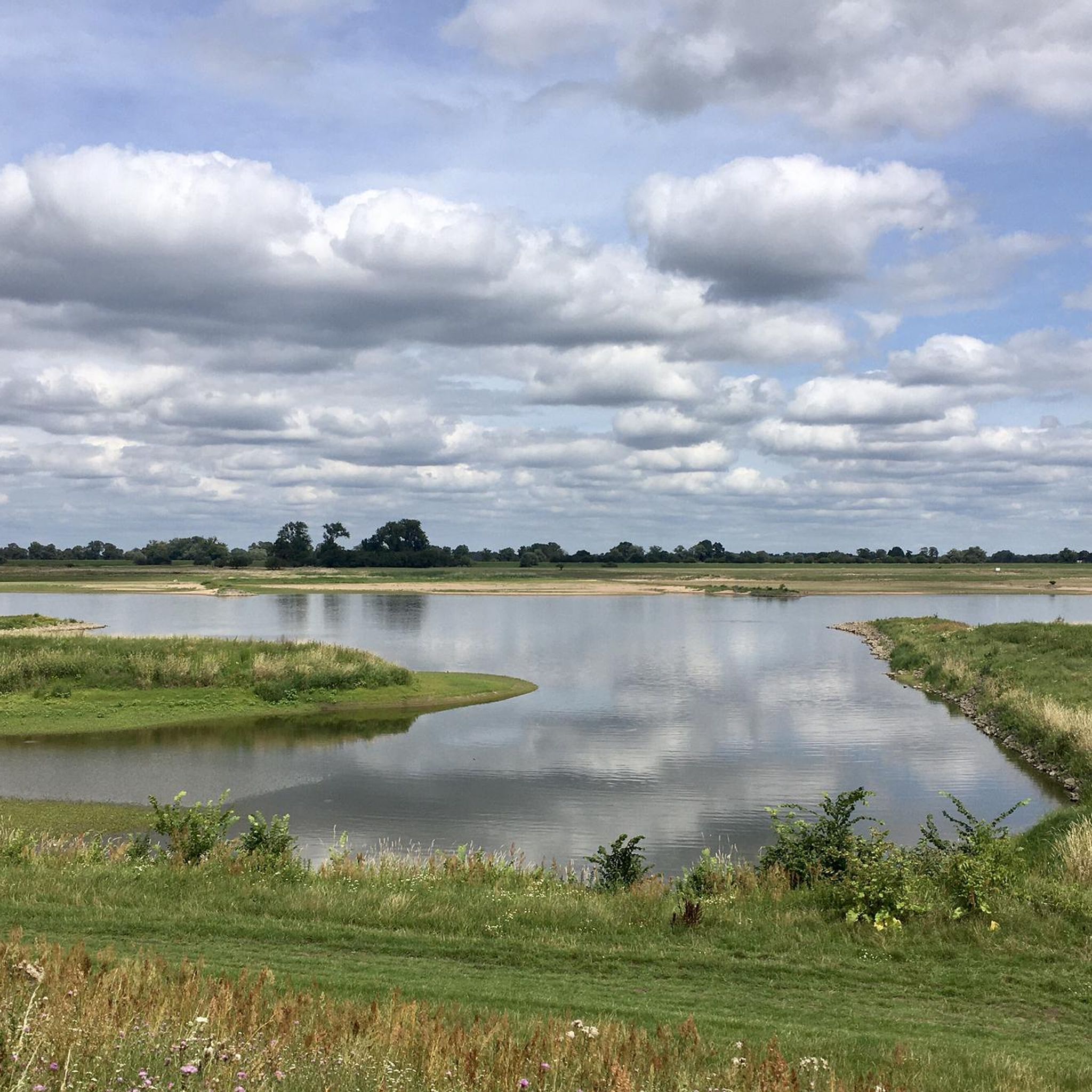
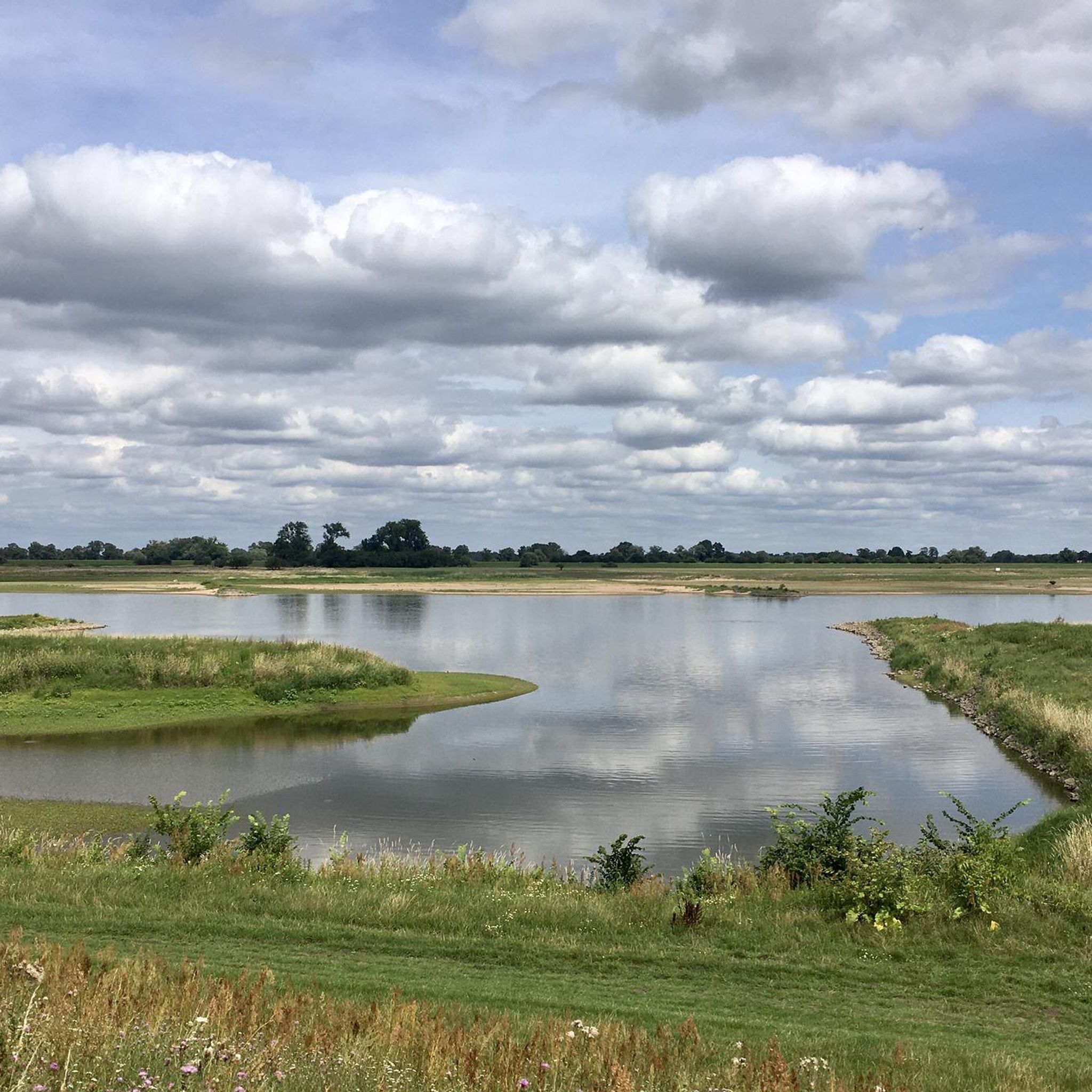
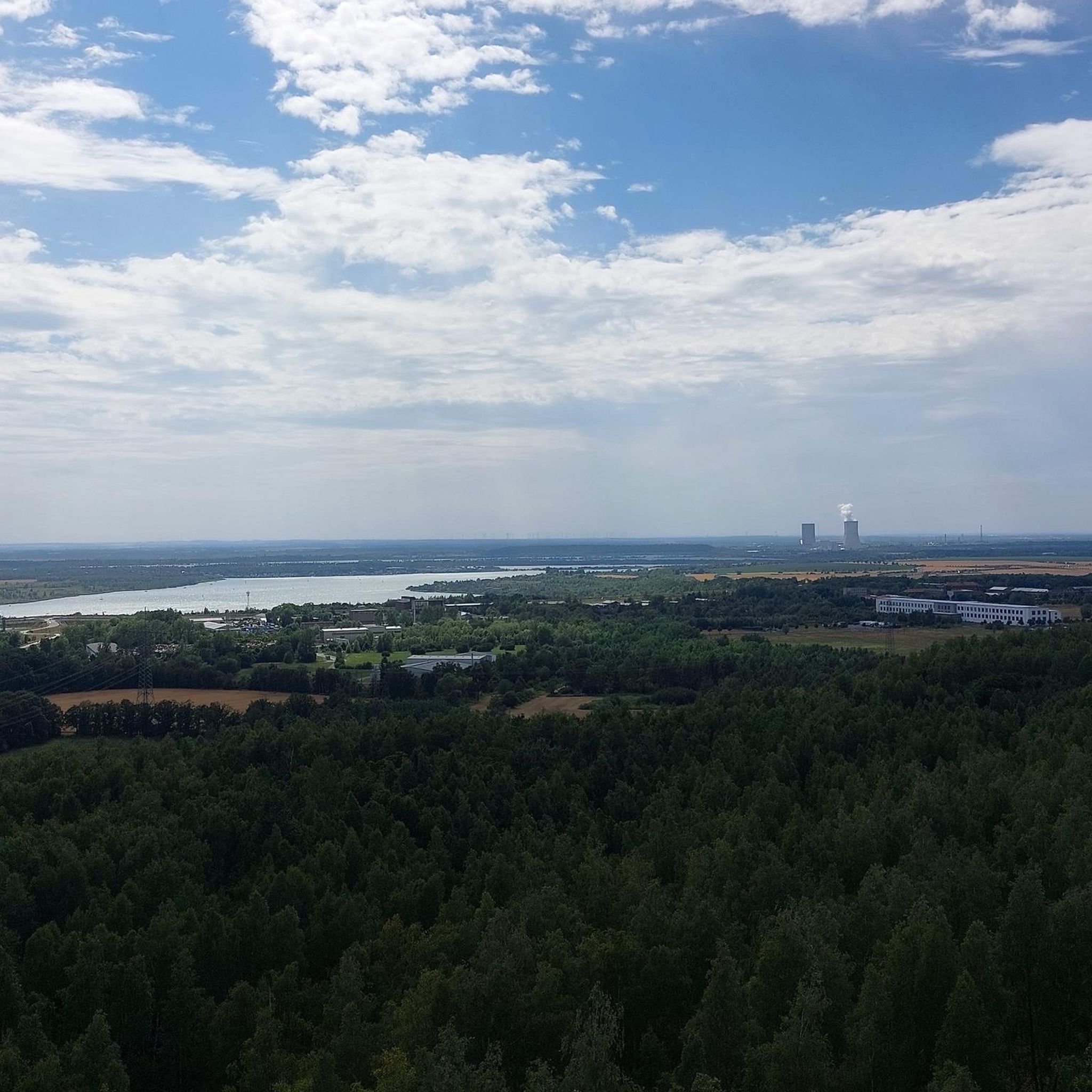
Other adventures around Plattenburg

Tips from the Community

I thought that section of the trail was absolutely beautiful. It could have been much, much longer. A true dream. Don't get me wrong! There aren't any standout highlights. The consistently good asphalt path and the beautiful, fragrant, peaceful forest are the highlights.
0
0

Bad Wilsnack is a worthwhile destination for a cycling tour, as it offers a perfect blend of culture, history, and relaxation. The town is particularly known for the imposing Church of the Holy Blood (St. Nikolai), a former pilgrimage site that dominates the townscape. The historic town center, with its restored half-timbered houses, provides a vivid impression of the local history. Extensive parks, easily incorporated into a cycling tour, and the Kristall spa and graduation tower offer further opportunities for relaxation. Thanks to its connection to regional cycling routes in the Prignitz region, Bad Wilsnack is ideal both as a stopover and as a starting point for further tours in the surrounding area.
1
0

Great cycle path through the forest. Always nice to ride in summer and winter. Protected from the wind and shady for hot summer days. A great rest area with bicycle parking and covered seating for around 10 people. Lots of forest paths to go for a few more hikes.
0
0

Hey, definitely go to the farm shop (or ask the town information desk to serve you there) and treat yourself to a soft ice cream. 🍦
0
0

The Wilsnacker pilgrim sign consists of three round plates backed by a triangle, the corners of which also serve as fastening eyelets. There are also two crosses on the top two circles. The depictions on the individual tiles show Christ on the cross, Christ rising from the coffin with a victory flag and Christ on the torture stake. A total of 47 Wilsnack pilgrim signs were found, and the pilgrim sign can also be found on over 60 bells, which were intended to avert harm from the church and community and to give grace. Since 1396, the pilgrim signs have been cast from lead and sold to pilgrims in Wilsnack, available directly in the church.
3
0

Great bike path through the forest.
1
0
Bad Wilsnack (until 1929 Wilsnack) is a spa town and a historical place of pilgrimage. In 1384, Wilsnack, whose early history was determined by its location in the Wendish-Saxon border area, was mentioned for the first time
0
0
A very beautiful, tranquil little town with many sights and opportunities for cycling tours in the surrounding area. Highly recommended, it's a worthwhile destination for a tour or a short detour from the main route. Bad Wilsnack is located on the southwestern edge of the Prignitz region, just north of the Havel River's confluence with the Elbe. Wilsnack, whose early history was shaped by its location in the Wendish-Saxon border region, was first documented in 1384. The occasion was the destruction of the church when the knight Heinrich von Bülow had the town and church burned down on August 15, 1383. Three hosts with red stains, believed to be blood, were reportedly found on the altar in the ruins – the so-called Blood Miracle Hosts. On February 20, 1384, Pope Urban VI granted Wilsnack an indulgence for the reconstruction of the pilgrimage church. Wilsnack thus became a pilgrimage site for the region and for believers from many countries, from the British Isles as well as the Baltic states, Hungary, and Scandinavia. Wilsnack was considered the Santiago of Northern Europe and therefore one of the most important pilgrimage sites in Europe. The town is known for its thermal springs and the Kristall Kur- und Gradiertherme (Crystal Spa and Graduation Tower), which attracts visitors seeking relaxation. Historically, Bad Wilsnack was an important pilgrimage site in the Middle Ages, as miraculous "blood hosts" were allegedly kept in the Church of St. Nicholas. In 1384, Wilsnack, whose early history was shaped by its location in the Wendish-Saxon border region, was first documented. The occasion was the destruction of the church when the knight Heinrich von Bülow had the town and church burned down on August 15, 1383. Three hosts with red stains, believed to be blood, were said to have been found on the altar in the ruins—the so-called Blood Hosts. ] ... Further information on the history of Bad Wilsnack can be found at: https://de.wikipedia.org/wiki/Bad_Wilsnack
6
0
Frequently Asked Questions
How many running routes are available around Plattenburg?
There are over 80 running routes around Plattenburg, catering to various fitness levels. The komoot community has rated these routes highly, with an average score of 4.6 stars.
Are there easy jogging routes suitable for beginners in Plattenburg?
Yes, Plattenburg offers several easy jogging routes perfect for beginners. There are 7 routes classified as easy, providing gentle terrain and minimal elevation gain. A good option to start with is the Running loop from Glöwen, which is a moderate 3.6-mile (5.8 km) trail with minimal elevation.
What kind of landscapes can I expect on the running trails in Plattenburg?
Jogging routes around Plattenburg feature diverse landscapes, including picturesque river valleys and rolling terrain. You'll often find yourself running through local scenery, which can include forested areas and open paths, offering varied elevation changes.
Are there any circular running routes in Plattenburg?
Many of the running routes in Plattenburg are circular, allowing you to start and finish at the same point. For example, the Hiking/Biking Trail loop from Plattenburg is a popular moderate 4.9-mile (7.9 km) circular path.
What are some longer or more challenging running routes in the Plattenburg area?
For those seeking a greater challenge, Plattenburg offers 13 difficult routes. A notable longer option is the Old Ferry Nitzow – Havelberg Town Hall loop from Nitzow, a demanding 9.4-mile (15.1 km) trail with significant elevation changes.
What do other runners say about the trails in Plattenburg?
The running trails in Plattenburg are highly rated by the komoot community, with an average score of 4.6 stars from over 40 reviews. Runners often praise the varied terrain, the scenic river valleys, and the well-maintained paths that cater to different ability levels.
Are there any interesting landmarks or attractions to see near the running routes?
Yes, several interesting landmarks and attractions are located near the running routes. You could explore the Havelberg Old Town and Cathedral, or visit the historic Old Oil Mill Wittenberge. Nature lovers might enjoy the Stork Village Rühstädt or the Confluence of the Gnevsdorfer Vorfluter and the Elbe.
Can I find running routes that pass by water features or lakes in Plattenburg?
Yes, Plattenburg's landscape includes river valleys and various water features. You can find routes near the Garz Village Pond or the Dolphin pool (former bathing establishment). The Stepenitz River loop from Düpow is a popular trail that leads through the scenic Stepenitz River valley.
What is the typical duration for a running route in Plattenburg?
The duration of running routes in Plattenburg varies widely depending on the distance and your pace. Many moderate routes, like the Grube Castle loop from Grube (3.9 miles / 6.3 km), can be completed in about 40-50 minutes. Longer, more difficult trails will naturally take more time.
Are there any specific routes that offer a good mix of scenery and moderate challenge?
Absolutely. The Hiking/Biking Trail loop from Plattenburg is a highly-rated moderate 4.9-mile (7.9 km) path that offers a balanced experience through the local landscape with gentle inclines, providing a good mix of scenery and a manageable challenge.
Most popular attractions around Plattenburg

Get inspired with the komoot mobile app


Explore more
Browse the best Running Trails & Routes in other regions.
