Top 5 Natural Monuments around Ballybeen
Best natural monuments around Ballybeen offer a blend of ancient history and diverse natural spaces. Located on the outskirts of East Belfast, the area features significant historical geological features, such as the ancient Standing Stone within the Ballybeen Estate. This region provides access to various natural attractions, from prehistoric sites to cultivated gardens and wetland centers. Visitors can explore a range of natural monuments that connect them to the past and present landscape.
Best natural monuments around Ballybeen
- The most…
Last updated: June 26, 2026
Giant's Ring Dolmen
Highlight • Monument
Translated by Google •
Tip by

Belfast Botanic Gardens
Highlight • Natural
Tip by

Sign up now to discover places like this
Get recommendations on the best single tracks, peaks, & plenty of other exciting outdoor places.
Sign up for free
WWT Castle Espie Wetland Centre
Highlight • Natural
Surprised …
Tip by

WWII Luftwaffe Bomb Crater
Highlight • Historical Site
Tip by

View of Scrabo Tower from Killynether Wood
Highlight • Forest
Tip by
Sign up for free to discover even more natural monuments around Ballybeen.
Sign up for free
Already have an account?
Start today with a free account
Your next adventure awaits.
Login or Signup
Tips from the Community

The facility is of impressive size.
3
0

The structure consists of a circular earthen ring with a diameter of 180 m and an area of 28,000 square meters, surrounded by an earthen rampart 3.5 m high. At least three of the five irregularly distributed gaps in the ring are intentional and possibly original. East of the center of the ring is a small passage grave with a westward-facing entrance.
4
0

As you get closer, the mystical aura of the place unfolds, with its mighty, almost circular earthen wall, which measures over 180 meters in diameter and dominates the view over the surrounding plateau. This ancient henge complex is one of the largest and best-preserved monuments of its kind in Ireland - hard to miss when you get close to Shaw's Bridge. In the center of the ring, a megalithic tomb awaits you, which tells its own story with its five supporting stones and a mighty capstone. You can literally feel the thousands of years that have passed here since ceremonies and gatherings probably took place at this place. It is impressive how the Giant's Ring has survived over time, while the wooden structures of the Ballynahatty settlements are long gone.
1
0

With thousands of colourful flowers and plant species from around the world, the Botanic Gardens are a wonderful place to visit. The gardens opened in 1828 as a private park and welcomed the public from 1895. Belfast's beautiful Palm House conservatory pre-date the glasshouses of Kew Gardens. Its domed roof has allowed plants to grow especially tall, such as a 36-foot (11 m) lily.
1
0

Throughout WWI, many bombes were dropped in Belfast, along with land mines placed throughout the city and surrounding areas. While most areas have been refilled since the war, this spot is unique as it still remains how it was as a bomb crater from the war.
1
0
With thousands of colourful flowers and plant species from around the world, the Botanic Gardens are a wonderful place to visit. The gardens opened in 1828 as a private park and welcomed the public from 1895. Belfast's beautiful Palm House conservatory pre-date the glasshouses of Kew Gardens. It's domed roof has allowed plants to grow especially tall, such as a 36-foot (11 m) lily.
1
0

WWT Castle Espie is home to the largest collection of ducks, geese and swans in Ireland. Wide open spaces, and wetlands full of the sights and sounds of nature. Surprised by just how much there is to see and do including a Cafe / Gallery, plenty of walks, and places to just sit and take it all in.
0
0
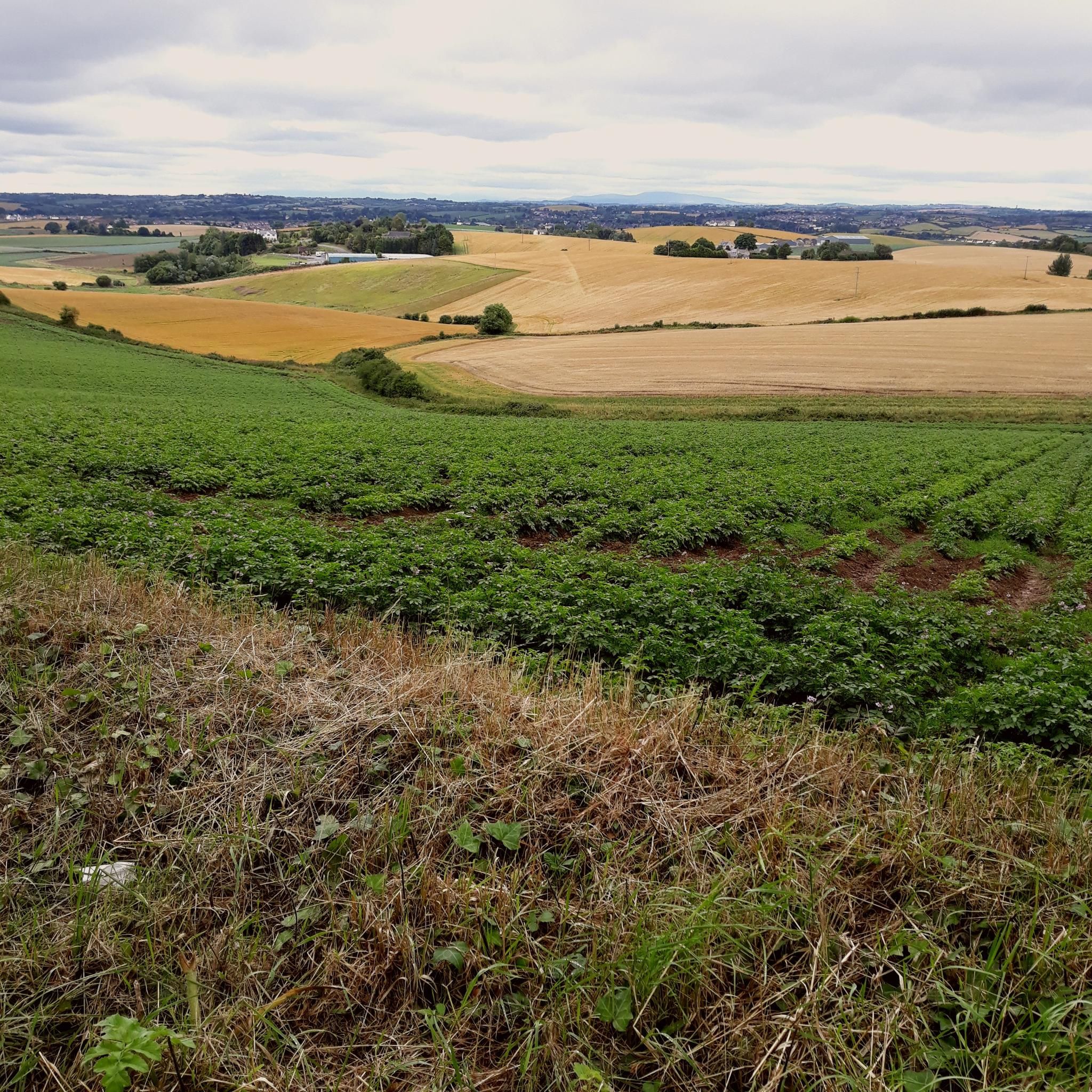
Always worth the ascent. If only for the view towards Sliev Croob and the Mournes. Beautiful patch work of swollen hills, cut by colourful fields, that meander all the way to the shore of Strangford Lough below. There are several interesting woodland gravel trails in the woods, connecting to Scrabo, and Ards. Twilight is magic up here. Smooth tarmac Decent down to Ards via Scrabo Road is a joy, with the tower on your left, and the sprawling Lough, and Newtownards to your right.
0
0
Frequently Asked Questions
What unique historical natural monuments can I find near Ballybeen?
Ballybeen is home to a significant ancient Standing Stone within the Ballybeen Estate, which has stood for 2,000 to 3,000 years. Additionally, nearby you can explore the Giant's Ring Megalithic Tomb, a henge monument that predates the Egyptian pyramids, built around 2500 BC. Another unique historical site is the WWII Luftwaffe Bomb Crater, which remains preserved as it was during the war.
Are there family-friendly natural monuments around Ballybeen?
Yes, several natural monuments are suitable for families. The WWT Castle Espie Wetland Centre offers wide-open spaces and a large collection of waterfowl. Belfast Botanic Gardens provides a beautiful setting with diverse plant species. Both the Giant's Ring Megalithic Tomb and the WWII Luftwaffe Bomb Crater are also listed as family-friendly.
What kind of wildlife can I expect to see at natural monuments near Ballybeen?
For wildlife enthusiasts, the WWT Castle Espie Wetland Centre is a prime destination. It hosts the largest collection of ducks, geese, and swans in Ireland, offering abundant opportunities to observe various bird species in their natural wetland habitat.
What are the best times of year to visit the natural monuments around Ballybeen?
The natural monuments around Ballybeen can be enjoyed year-round. Spring and summer offer vibrant blooms at places like Belfast Botanic Gardens and Rowallane Garden. Autumn provides beautiful foliage, while winter can offer a peaceful, crisp experience, especially at historical sites like the Standing Stone or Giant's Ring.
Are there any accessible natural monuments for visitors with mobility needs?
Yes, Belfast Botanic Gardens is noted for its accessibility, including being wheelchair-friendly. Its well-maintained paths and flat terrain make it suitable for visitors with mobility needs to enjoy the diverse plant collections and the historic Palm House.
Where can I find beautiful gardens or cultivated natural spaces near Ballybeen?
You can visit the Belfast Botanic Gardens, which feature thousands of colorful flowers and plant species from around the world, including the impressive Palm House conservatory. Another beautiful option is Rowallane Garden, often described as a hidden gem with a mix of formal and informal garden spaces to explore.
What kind of hiking trails are available near Ballybeen's natural monuments?
There are various hiking opportunities near Ballybeen. You can find easy hikes like the Killynether Wood and Scrabo Tower loop (4 km) or the Rough Island loop (1.8 km). For more options, explore the 'Hiking around Ballybeen' guide, which includes routes like the Belvoir Park Forest and Lagan Meadows Trail (8 km). You can find more details in the Hiking around Ballybeen guide.
Are there cycling routes near the natural monuments around Ballybeen?
Yes, the area offers several cycling routes. Examples include the Comber to Mahee Island loop (24 km) and the Strangford Lough Cycle Trail: Ballygowan Loop (25.5 km). For a wider selection of routes, check out the Cycling around Ballybeen guide.
Are there any cafes or refreshment options near the natural monuments?
Yes, the WWT Castle Espie Wetland Centre has a cafe and gallery on-site, providing a convenient spot for refreshments during your visit.
What is the significance of the Standing Stone in Ballybeen Estate?
The Standing Stone in Ballybeen Estate is an impressive basalt monument, approximately 2.2 meters high, and is considered 'living history.' It likely dates back 2,000 to 3,000 years, possibly between 3000 BC and 2000 BC. Its original purpose is a subject of archaeological speculation, potentially serving religious functions, marking a tomb, or acting as a memorial stone, offering a tangible link to the region's prehistoric past.
What geological features can be observed among Ballybeen's natural monuments?
The Standing Stone in Ballybeen Estate is a notable geological feature, made of basalt. The Giant's Ring Megalithic Tomb, while man-made, is a significant ancient earthwork. The area's landscape also features wetlands at WWT Castle Espie, showcasing natural hydrological formations.
What do visitors particularly enjoy about the natural monuments around Ballybeen?
Visitors appreciate the blend of ancient history and diverse natural spaces. The WWT Castle Espie Wetland Centre is praised for its wide-open spaces and the abundance of nature. The Belfast Botanic Gardens are loved for their thousands of colorful flowers and the historic Palm House. The unique historical significance of sites like the Standing Stone and Giant's Ring also draws considerable interest.
Most popular attractions around Ballybeen

Get inspired with the komoot mobile app


Explore more
Extend your search for the best caves by checking out these guides of the top ones around Ballybeen:
