The best running trails around Parsberg
4.2
(32)
349
runners
49
runs
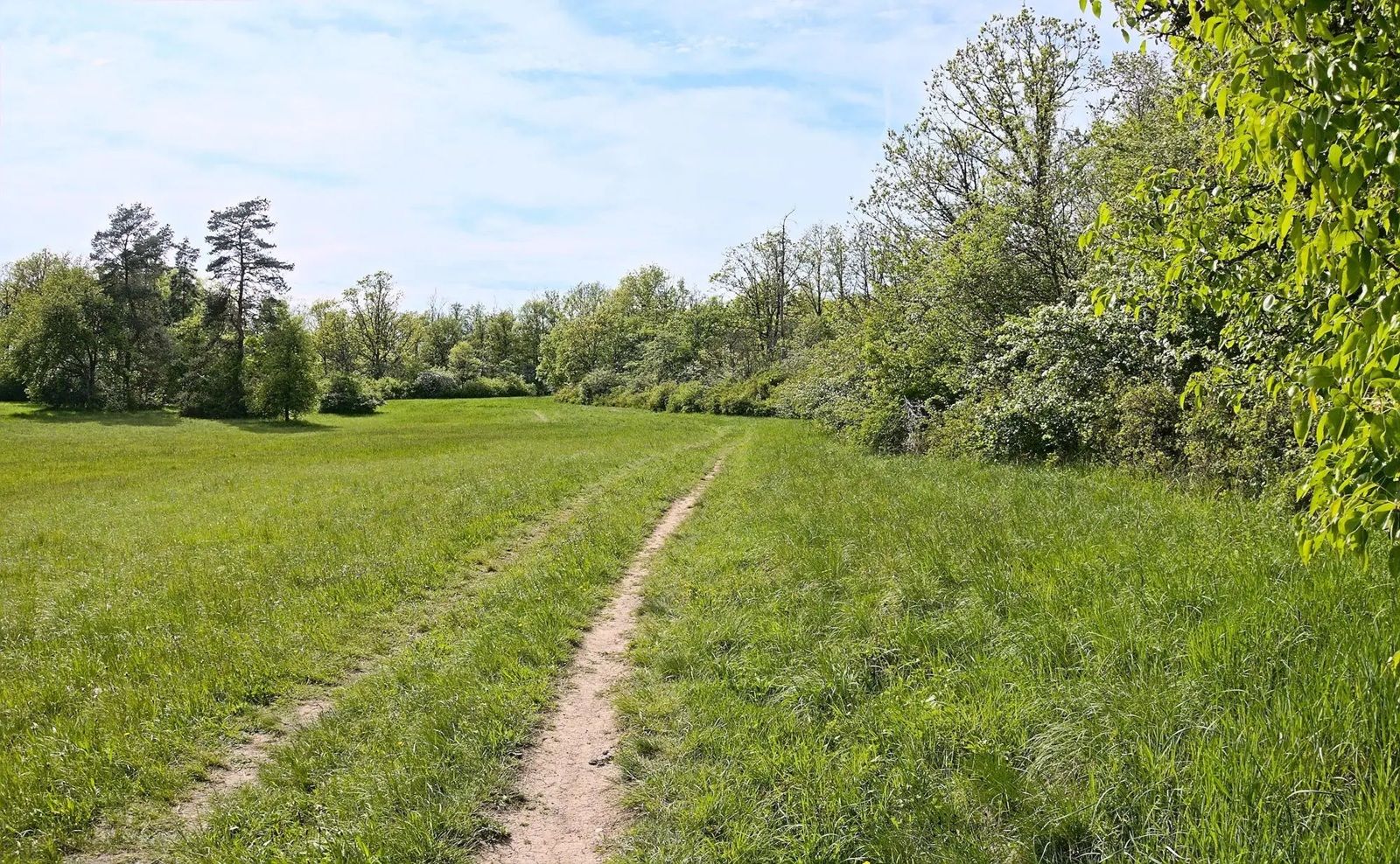
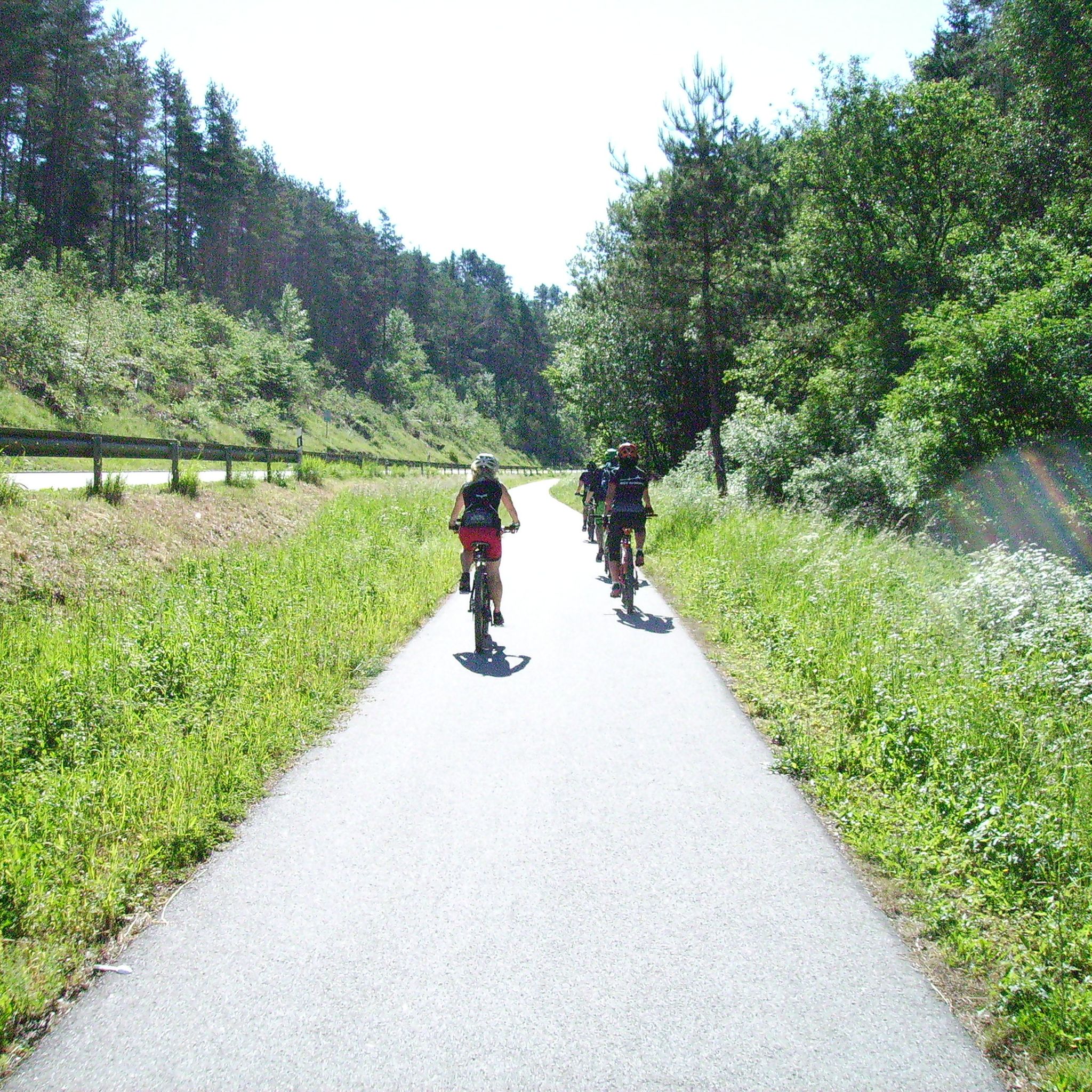
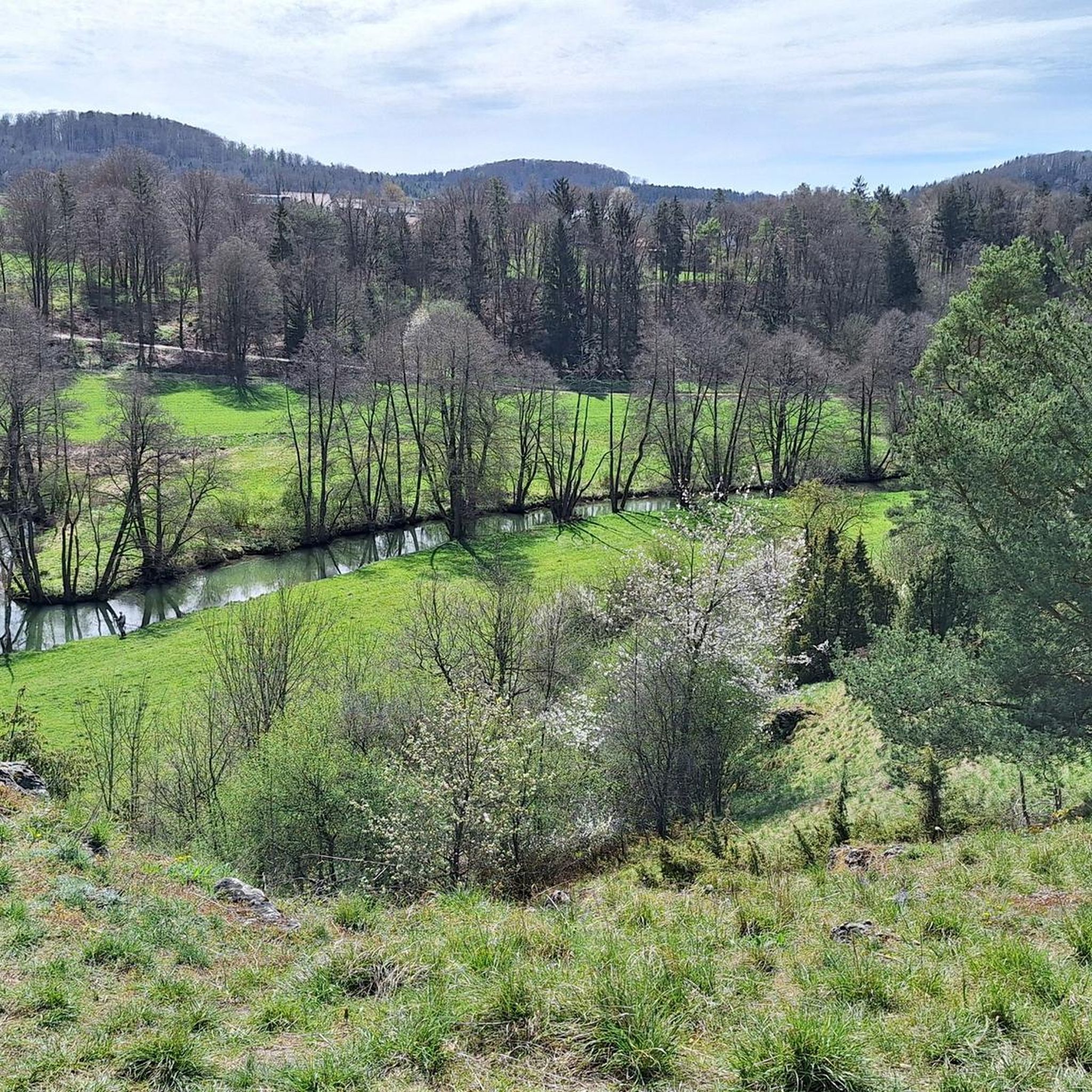
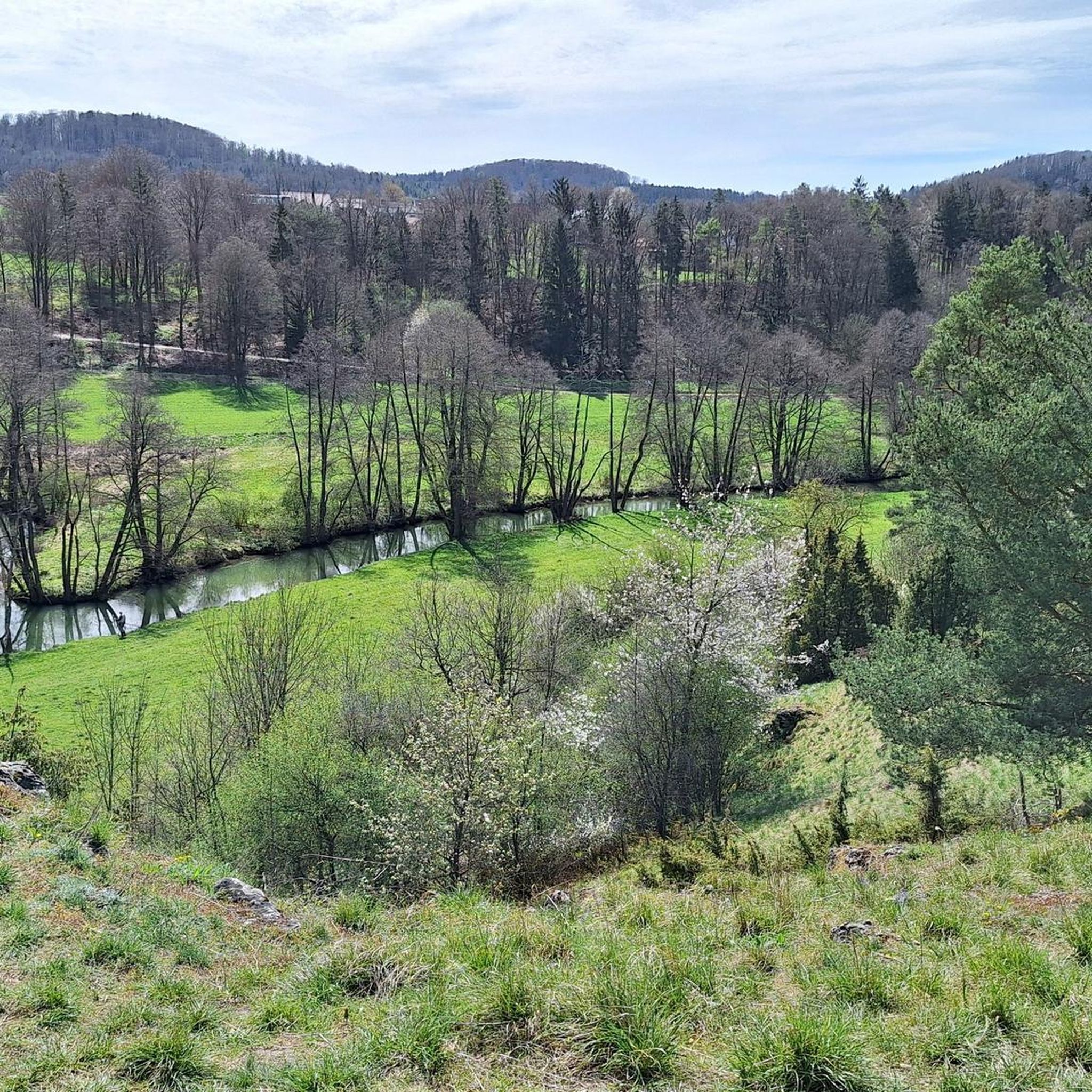
Jogging routes around Parsberg are set within the Bavarian Jura region, offering a blend of natural beauty and varied terrain. The area is characterized by rolling hills, valleys, and the scenic Schwarze Laber River. Runners can explore diverse landscapes, from paved paths to trails with moderate elevation changes.
Best jogging routes around Parsberg
- The most popular jogging route is Parsberg Castle – Apotheker Chapel Parsberg loop from Parsberg, a 4.5 miles (7.2 km) trail that takes about 46 minutes to complete, passing by historical landmarks.
- Another top favourite among local runners is Café Plank Konditorei – Parsberg Castle loop from Parsberg, a moderate 5.7 miles (9.1 km) path that offers views of Parsberg Castle.
- Local runners also love the Keyküll (Kuhweiher) loop from Parsberg, a 5.6 miles (9.0 km) trail leading through varied landscapes, often completed in about 57 minutes.
- Jogging around Parsberg is defined by Jura landscapes, river valleys, and a mix of hills and flat sections. The network offers options for various ability levels, from easy runs to more challenging trails.
- The routes in Parsberg are highly rated by the komoot community with an average score of 4.3 stars from 20 reviews. More than 300 runners have used komoot to explore Parsberg's varied terrain.
Last updated: October 9, 2026
4.0
(5)
23
runners
7.18km
00:46
110m
110m
Moderate run. Good fitness required. Mostly paved surfaces. Suitable for all skill levels.
18
runners
9.12km
00:57
80m
80m
Moderate run. Good fitness required. Mostly paved surfaces. Suitable for all skill levels.

13
runners
8.99km
00:57
120m
120m
Moderate run. Good fitness required. Mostly paved surfaces. Suitable for all skill levels.
5.0
(1)
17
runners
16.2km
01:43
190m
200m
Hard run. Very good fitness required. Mostly paved surfaces. Suitable for all skill levels.
16
runners
6.77km
00:42
60m
60m
Moderate run. Good fitness required. Mostly paved surfaces. Suitable for all skill levels.
Get access to more routes and recommendations from other explorers.
Already have an account?
Our route recommendations are based on thousands of hikes, rides, and runs completed by other people on komoot.
Start today with a free account
Your next adventure awaits.
Other adventures around Parsberg

Tips from the Community

Between Degerndorf and Eggenthal, the narrow road by the cycle path is asphalted.
0
0

Lupburg Castle Ludewicus Luppurch is first mentioned as a witness in a document from the Wessobrunn monastery in 1142. In the 12th century, the Lupburgs exercised the bailiwick over the important Regensburg monastery of St. Emmeram, and large parts of their property were on monastery property. They also had escort rights on the King's Road in the Laber Valley and thus also held high jurisdiction. Despite their high position, the Lupburgs did not manage to form a permanent and closed area of rule, even though Konrad von Lupburg was even titled count in 1185. The last representative of the family, another Konrad von Lupburg, was elected bishop of Regensburg in 1296. The castle came to the Bishopric of Regensburg in 1300, and the Bavarian duke's claims were settled by Bishop Konrad with a compensation payment. In 1387, Lupburg was then purchased by the Wittelsbachs. In 1395, Duke John of Bavaria-Munich pawned it to the knight Hans from nearby Parsberg, in whose family it remained after that. The Wittelsbach dukes of Palatinate-Neuburg tried to take possession of the Lupburg from 1530 onwards. However, there was disagreement about how much they should pay to redeem the pledge. They even claimed that they were entitled to a payment instead, and the dispute dragged on for decades until the emperor in Vienna intervened and the redemption was set at 14,000 guilders - in favour of the Parsberg family. From 1572 until the mediatisation in 1806, the Duchy of Palatinate-Meiburg maintained a custodianship there. The castle itself was destroyed by the Swedes in 1632 and rebuilt in 1710 - but only the lower castle. After secularisation, the Lupburg became private property and fell into disrepair. In the 20th century, the public sector took over the complex; more recently, it has been extensively renovated and the lower castle partially rebuilt. The courtyard of the lower castle is surrounded in a horseshoe shape by castle buildings from the 16th and 17th centuries: to the south there is a well-preserved residential building and the rebuilt gatehouse, to the west the main building, which has recently been expanded and roofed, and to the north a large storage building. On the rock several meters above the courtyard, only the foundations of the keep on the access side, which was built from smooth, large limestone blocks, remain. Source: Extracts from www.burgenseite.de
2
0

The castle Christmas also takes place here. The program is available here: https://www.parsberger-burgweihnacht.de/
7
0

A historical, folklore and contemporary history collection covering around 1200 square meters shows the development of the region and the lives of the people from prehistory to modern times. The didactic preparation and classification of the exhibits in historical contexts make history come alive and justify the supra-regional importance of the museum.
15
0
First mentioned in documents in 1205, the 550-meter-high hilltop castle has been destroyed, rebuilt and expanded. The Upper Castle with its two distinctive onion domes was built at the end of the 16th century, and after the Thirty Years' War the Lower Castle was added. Once the ancestral seat of the Parsberg family, it was placed under the control of the Electoral Court Chamber of Munich in 1799 and became the property of the Free State of Bavaria in 1918. In 1974, the city of Parsberg rented the property. Today it is used for representation purposes and is inhabited. A castle museum with folk and local history collections has been set up in the Lower Castle. The castle complex with its modern extension is freely accessible and offers great views of the surrounding area.
23
0
A very nice photo opportunity. The castle Christmas takes place here during Advent. The program is available here: https://www.parsberger-burgweihnacht.de/
12
0
From the south the view of Lupburg is beautiful
0
0

The Upper Castle from the 16th century is dominated by the pair of white plastered towers in the Renaissance style with their onion domes, which gives the castle a castle-like and elegant ambience.
9
0
Frequently Asked Questions
How many running routes are available around Parsberg?
There are over 50 running routes around Parsberg, catering to various preferences and fitness levels. The majority are moderate, with some easier and more challenging options available.
What kind of terrain can I expect on running trails in Parsberg?
The terrain around Parsberg is quite varied, nestled in the Bavarian Jura region. You'll find a mix of rolling hills, valleys, and scenic paths along the Schwarze Laber River. Routes can range from predominantly paved sections to more natural trails with moderate elevation changes, offering diverse experiences.
Are there any circular running routes in Parsberg?
Yes, many of the running routes in Parsberg are circular, allowing you to start and end at the same point. A popular example is the Parsberg Castle – Apotheker Chapel Parsberg loop from Parsberg, which is a 4.5-mile trail.
What do other runners enjoy most about the trails in Parsberg?
The running routes in Parsberg are highly rated by the komoot community, with an average score of 4.3 stars from over 20 reviews. Runners often praise the beautiful Jura landscapes, the mix of challenging and easy sections, and the historical landmarks encountered along the way.
Are there any family-friendly running paths suitable for strollers in Parsberg?
While many trails feature natural surfaces, some routes around Parsberg include sections that are more suitable for strollers, particularly those on paved or well-maintained paths. For a generally moderate option, consider the Paved road toward Degerndorf loop from Parsberg, which is 4.2 miles long.
Can I bring my dog on the running trails in Parsberg?
Generally, dogs are welcome on most running trails around Parsberg, especially in natural areas. However, it's always recommended to keep your dog on a leash, especially in nature reserves or near livestock, and to check for any specific local regulations along your chosen route.
What historical landmarks or attractions can I see while running in Parsberg?
Several running routes incorporate historical sites. You can run past the impressive Parsberg Castle, a 12th-century landmark, or the charming Apothekerkapelle Parsberg. For a more challenging run that includes another significant ruin, consider a route that passes Velburg Castle Ruins.
Are there longer running routes for experienced runners looking for a challenge?
Yes, Parsberg offers more challenging options for experienced runners. The Lupburg Castle – Apotheker Chapel Parsberg loop from Parsberg is a difficult 9.8-mile route with significant elevation changes, providing a rewarding experience for those seeking a longer, more strenuous run.
Where can I find parking near the running routes in Parsberg?
Many running routes around Parsberg start from central locations or trailheads where public parking is often available. For routes beginning in Parsberg itself, you can typically find parking in town or at designated spots near popular starting points. Specific parking details may vary by route.
Are there any scenic running trails with viewpoints in the Parsberg area?
Absolutely. The Jura Mountains provide stunning backdrops for runs, with trails along the Jurasteig offering breathtaking views of the surrounding landscape. You'll encounter idyllic Jura scenery, impressive rock formations, and juniper-covered slopes, perfect for scenic runs.
What is the best time of year for jogging in Parsberg?
Parsberg offers enjoyable running conditions throughout much of the year. Spring and autumn provide pleasant temperatures and vibrant scenery. Summer is also great, especially in the mornings or evenings, while winter can offer unique, crisp running experiences, though some trails might be affected by snow or ice.
Are there any running routes that follow river valleys?
Yes, the Schwarze Laber River, a tributary of the Danube, offers beautiful and peaceful natural valleys ideal for running. Routes along the Schwarze Laber provide a serene and scenic environment, often featuring flat sections perfect for a steady pace.
Most popular routes around Parsberg
Most popular attractions around Parsberg

Get inspired with the komoot mobile app


Explore more
Browse the best Running Trails & Routes in other regions.
