Attractions and Places To See around Lavenham - Top 20
Best attractions and places to see around Lavenham include its remarkably preserved medieval architecture and historic buildings. This Suffolk village was once a prosperous wool town, a history evident in its grand structures and picturesque streets. The area offers a blend of cultural sites and natural landscapes for exploration.
Best attractions and places to see around Lavenham
- The most popular attractions is Lavenham Medieval Village, a settlement full of history and character. It is a well-preserved medieval village, once one of the wealthiest in the country, with evidence of its past prosperity visible throughout.
- Another must-see spot is Holy Trinity Church, Long Melford, a man-made monument and historical site. This Grade I-listed church, funded by the wool trade, is considered one of the finest religious buildings in the country.
- Visitors also love Kentwell Hall, a 16th-century stately home. This moated Tudor House is surrounded by parkland and gardens, often used for film and television productions.
- Lavenham is known for its medieval architecture, timber-framed buildings, and historic churches. Visitors can explore a variety of attractions, from historical sites to scenic walking routes.
- The attractions around Lavenham are appreciated by the komoot community, with over 120 upvotes and 45 photos shared by visitors.
Last updated: October 18, 2026
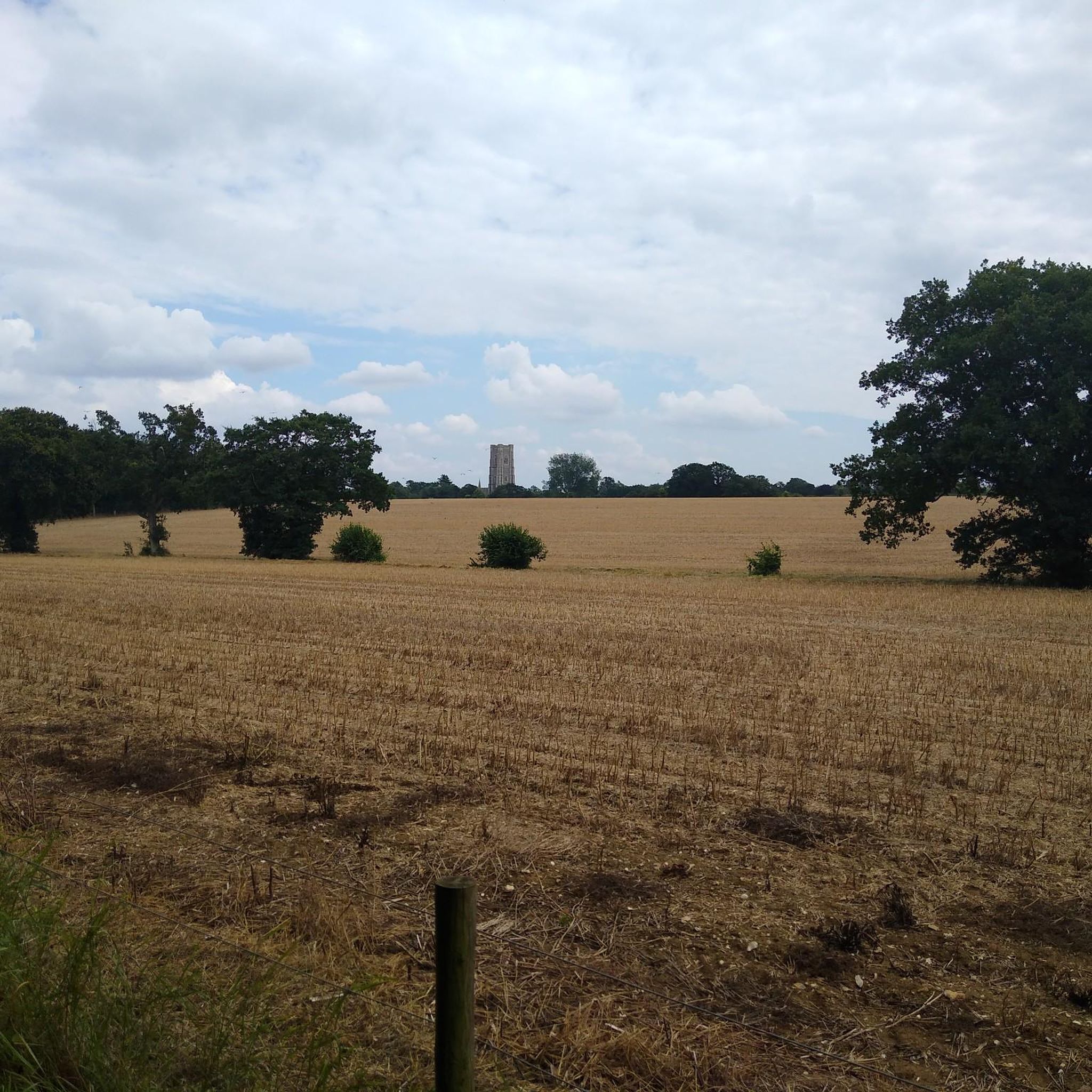
Lavenham Medieval Village
Highlight • Settlement
Tip by

Cafe Como
Highlight • Cafe
Tip by

Sign up now to discover places like this
Get recommendations on the best single tracks, peaks, & plenty of other exciting outdoor places.
Kersey Ford
Highlight • Bridge
Extreme caution if you’re thinking of riding through the ford, it gets very slippery. My advice is to use the foot bridge!
Tip by

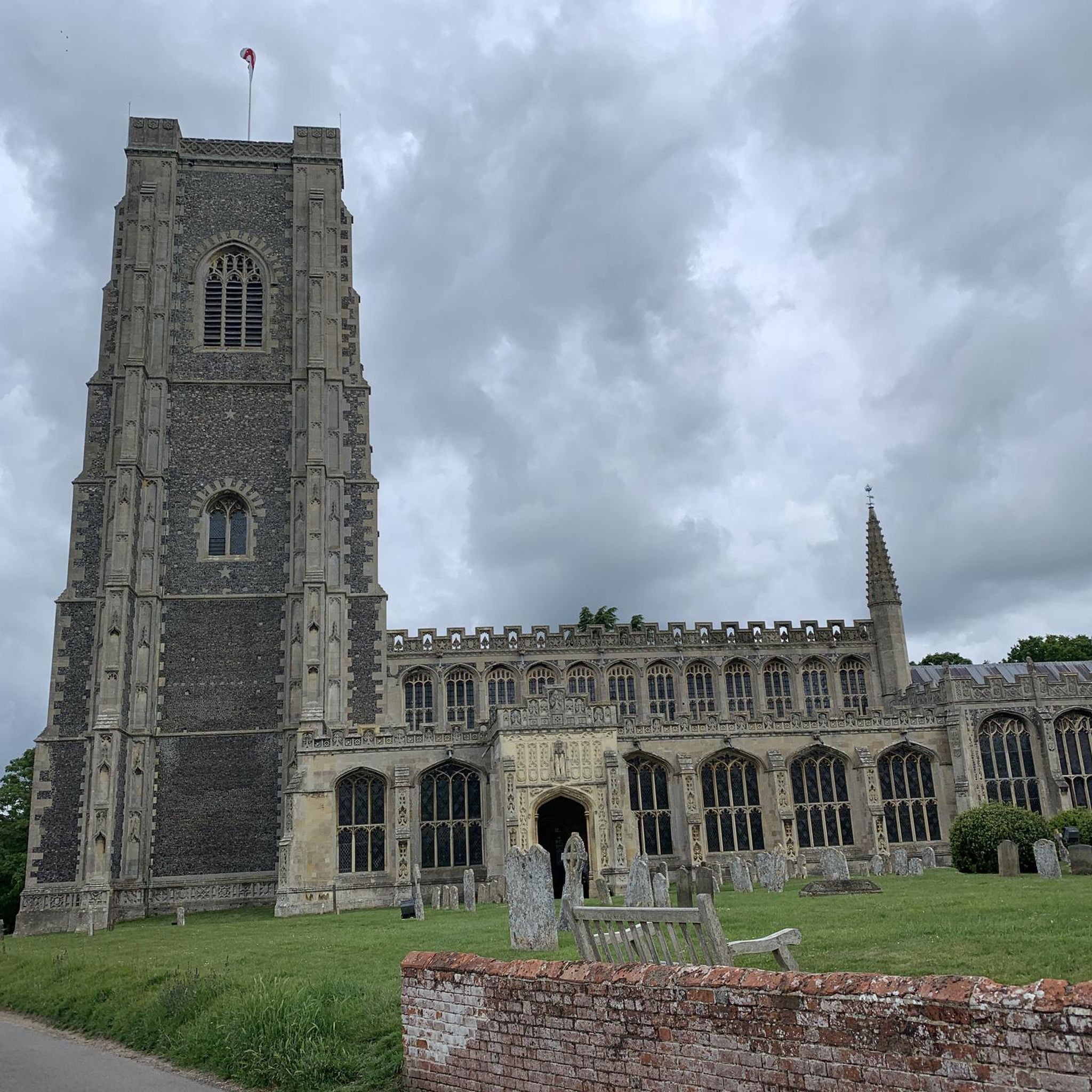
Holy Trinity Church, Long Melford
Highlight • Monument
Tip by

Kentwell Hall
Highlight • Monument
Tip by
Sign up for free to discover even more attractions around Lavenham.
Already have an account?
Start today with a free account
Your next adventure awaits.
Tips from the Community

Filming location for Harry Potter and the Deathly Hallows Part 1, representing the wizarding village of Godric's Hollow. De Vere House: Transformed into the dilapidated home of Harry Potter's parents, Lily and James Potter. https://www.deverehouse.co.uk/ Lavenham Guildhall: Also featured and served as a model for the house in the film
0
0
Exceptionally well-preserved medieval architecture, unique timber-framed buildings, and rich history as a wealthy wool town. Visitors can explore historic sites like the Lavenham Guildhall and Little Hall. There over 340 grade listed buildings
0
0

Great little stop off point. Great food and lovely beer garden.
0
0


A real feeling of history as you walk through the village.
0
0


Hours have extended a bit but still very limited - open until 1pm Thu-Sun but if you’re here after lunch or at the start of the week you’re out of luck. Definitely catering for the weekend morning club rides!
1
0
Frequently Asked Questions
What historical sites can I explore in Lavenham?
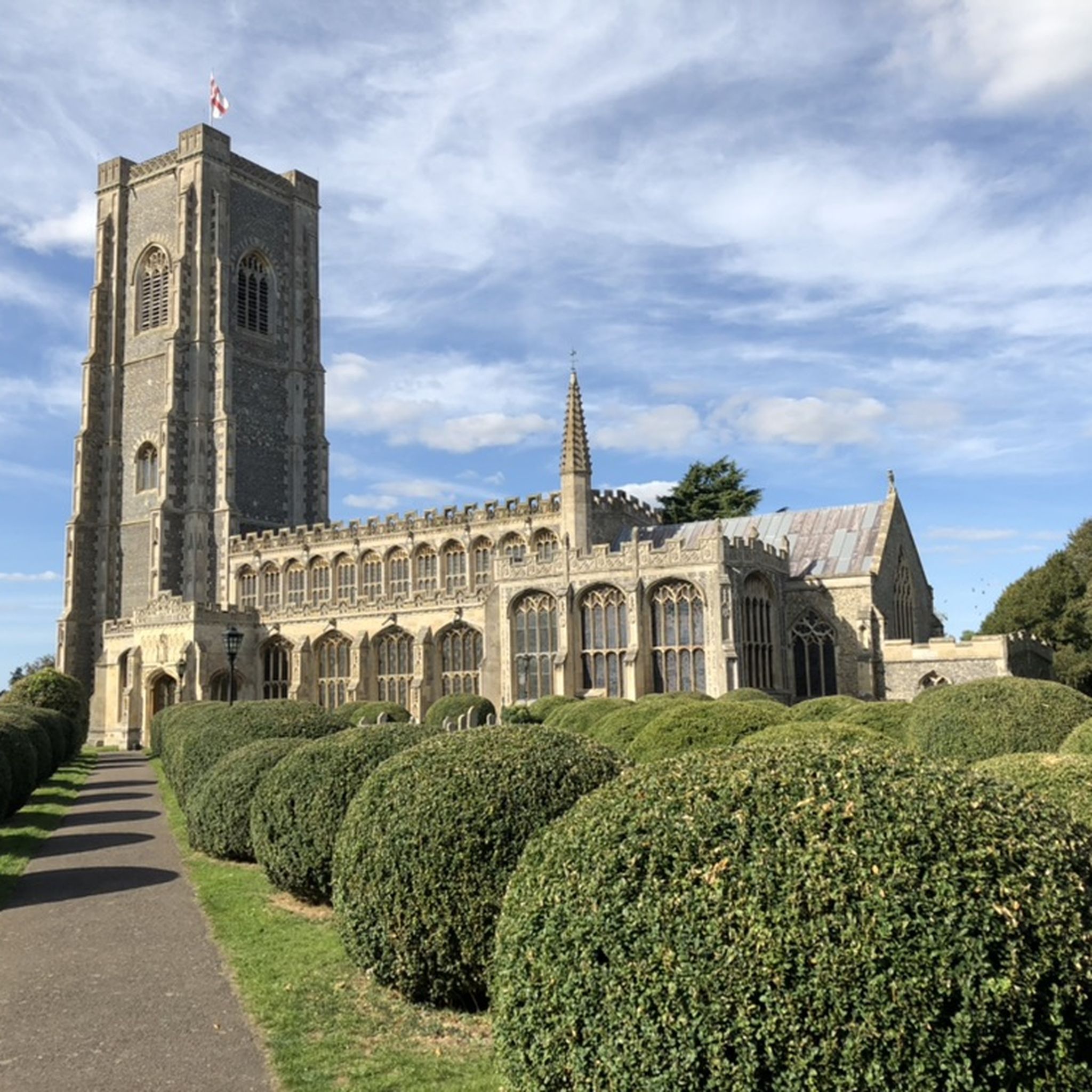
Lavenham is rich in history. You can visit the magnificent 15th-century St Peter and St Paul's Church, considered one of England's finest examples of late Perpendicular Gothic architecture. The Lavenham Guildhall, a National Trust museum, offers insights into Tudor life and the village's wool trade history. Don't miss Little Hall, a well-preserved medieval building, and the iconic The Crooked House on Lavenham High Street. For a broader experience of the village's past, explore Lavenham Medieval Village.
Are there family-friendly attractions in Lavenham?
Yes, Lavenham offers several family-friendly attractions. The entire Lavenham Medieval Village is considered family-friendly, with its picturesque streets and historic buildings providing an engaging experience. Nearby, Kentwell Hall is a 16th-century stately home surrounded by parkland and gardens, often hosting events that appeal to families. Holy Trinity Church, Long Melford is also listed as family-friendly.
What outdoor activities are available around Lavenham?
The area around Lavenham is ideal for outdoor activities, especially walking and cycling. You can enjoy the Lavenham Woodland Walk, a circular route through woods and fields along the River Stour, or the scenic Lavenham to Long Melford Railway Walk. For more structured routes, explore the road cycling routes or running trails available in the region.
Are there any easy walking trails near Lavenham?
Yes, Lavenham offers a variety of easy walking trails suitable for different abilities. The Lavenham Woodland Walk and the Lavenham to Long Melford Railway Walk are both considered easy. Komoot also features several easy hikes around Lavenham, including a 4.3 km loop from Lavenham Medieval Village and a 7.7 km loop past a WW2 Bunker with views of Lavenham Church Tower.
Where can I find dog-friendly walks in Lavenham?
Many of the walking trails around Lavenham are dog-friendly, allowing you to explore the countryside with your pet. The Lavenham Woodland Walk and the Lavenham to Long Melford Railway Walk are popular choices. Additionally, Cafe Como, located a few miles away, is a dog-friendly spot where you can relax after your walk.
What is the best time of year to visit Lavenham?
Lavenham is charming year-round, but the best time to visit for walking and exploring its outdoor attractions is typically during the spring (April-May) and autumn (September-October) when the weather is milder and the natural scenery is vibrant. Summer (June-August) also offers pleasant conditions for exploring, though it can be busier. Winter visits can be picturesque, especially for enjoying the historic village atmosphere.
Where can I find parking for Lavenham's attractions?
Lavenham has several public car parks available for visitors. While specific locations are not detailed in the guide, parking is generally available within or on the outskirts of the village, allowing easy access to its main attractions like the Guildhall, St Peter and St Paul's Church, and the historic streets.
Are there any unique or 'hidden gem' attractions in Lavenham?
Beyond the well-known landmarks, Lavenham's charm lies in its preserved medieval architecture and picturesque streets. Wandering through streets like Market Place, Water Street, and High Street reveals unique timber-framed cottages and independent shops. The Courtyard Garden at Lavenham Guildhall, featuring plants used for dye in the wool trade, offers a quiet, insightful experience. The village itself, as Lavenham Medieval Village, is a hidden gem in its entirety.
What kind of wildlife can I expect to see on walks around Lavenham?
On walks around Lavenham, particularly along the Lavenham Woodland Walk and the Lavenham to Long Melford Railway Walk, you can expect to spot various birds, butterflies, and other local wildlife. The surrounding fields and woodlands provide habitats for a diverse range of species, offering opportunities for nature observation.
Can I find places to eat and drink near Lavenham's attractions and walks?
Yes, Lavenham offers several options for dining and refreshments. The village has independent shops, cafes, and antique stores. The Lavenham Guildhall features a tea room. The historic The Swan at Lavenham hotel, dating back to 1425, also has dining options. For cyclists, Cafe Como in Brent Eleigh, a few miles away, is a popular spot.
What makes Lavenham's architecture unique?
Lavenham's architecture is unique due to its remarkably preserved medieval timber-framed buildings, a legacy of its prosperity as a wool town. The village boasts over 300 ancient buildings, many with distinctive leaning or 'crooked' appearances, like The Crooked House, a result of being built with green timber. This creates a 'fairy-tale quality' and a tangible connection to its medieval past, making it one of England's best-preserved medieval villages.
Are there any attractions related to Lavenham's wool trade history?
Lavenham's rich history as one of England's wealthiest wool towns is evident throughout the village. The grand scale and intricate details of St Peter and St Paul's Church were funded by wealthy wool merchants. The Lavenham Guildhall, once a wool shop, now serves as a museum detailing this history, and its Courtyard Garden even features plants used for dye in the wool trade. The entire Lavenham Medieval Village showcases this prosperous past.
Are there any attractions with film connections in Lavenham?
Yes, Lavenham has gained international recognition for its film connections. De Vere House, a 14th-century timber-framed building, famously appeared as Harry Potter's birthplace in the film Harry Potter and the Deathly Hallows – Part 1. Both De Vere House and the Lavenham Guildhall were used as settings for Godric's Hollow in the film, attracting fans of the series.
Most popular routes around Lavenham

Get inspired with the komoot mobile app


Explore more
Still not found the Highlight you’re looking for? See guides of the top attractions in other regions:
