The best cycling routes around Ballylig
24
riders
9
rides
Touring cycling routes around Ballylig traverse a landscape characterized by coastal stretches, inland lakes, and river views, offering diverse terrain for cyclists. The region features a mix of flat sections near the coast and gentle rolling hills further inland. These routes often pass by historical sites and natural features, providing varied scenery for touring cyclists. The area's roads are generally well-maintained, making them suitable for road cycling.
Best touring cycling routes around Ballylig
- The most popular touring cycling route is…
Last updated: May 15, 2026
36.3km
02:07
200m
200m
Embark on the Tyrella Beach to Annadorn Dolmen loop for a moderate touring cycling experience that blends coastal beauty with ancient history. This route spans 22.6 miles (36.3 km) with…
52.1km
03:09
380m
380m
Embark on a moderate touring cycling adventure through the scenic County Down with the Ballydugan Lake to Rowallane Garden loop. This route spans 32.3 miles (52.1 km) and involves a…

Sign up for free
8
riders
42.7km
02:33
270m
270m
Moderate bike ride. Good fitness required. Mostly paved surfaces. Suitable for all skill levels.
7
riders
36.0km
02:06
180m
180m
Moderate bike ride. Good fitness required. Mostly paved surfaces. Suitable for all skill levels.
4
riders
28.7km
01:48
250m
250m
Moderate bike ride. Good fitness required. Mostly paved surfaces. Suitable for all skill levels.
Get access to more routes and recommendations from other explorers.
Sign up for free
Already have an account?
Our route recommendations are based on thousands of hikes, rides, and runs completed by other people on komoot.
Start today with a free account
Your next adventure awaits.
Login or Signup
Popular around Ballylig
Tips from the Community

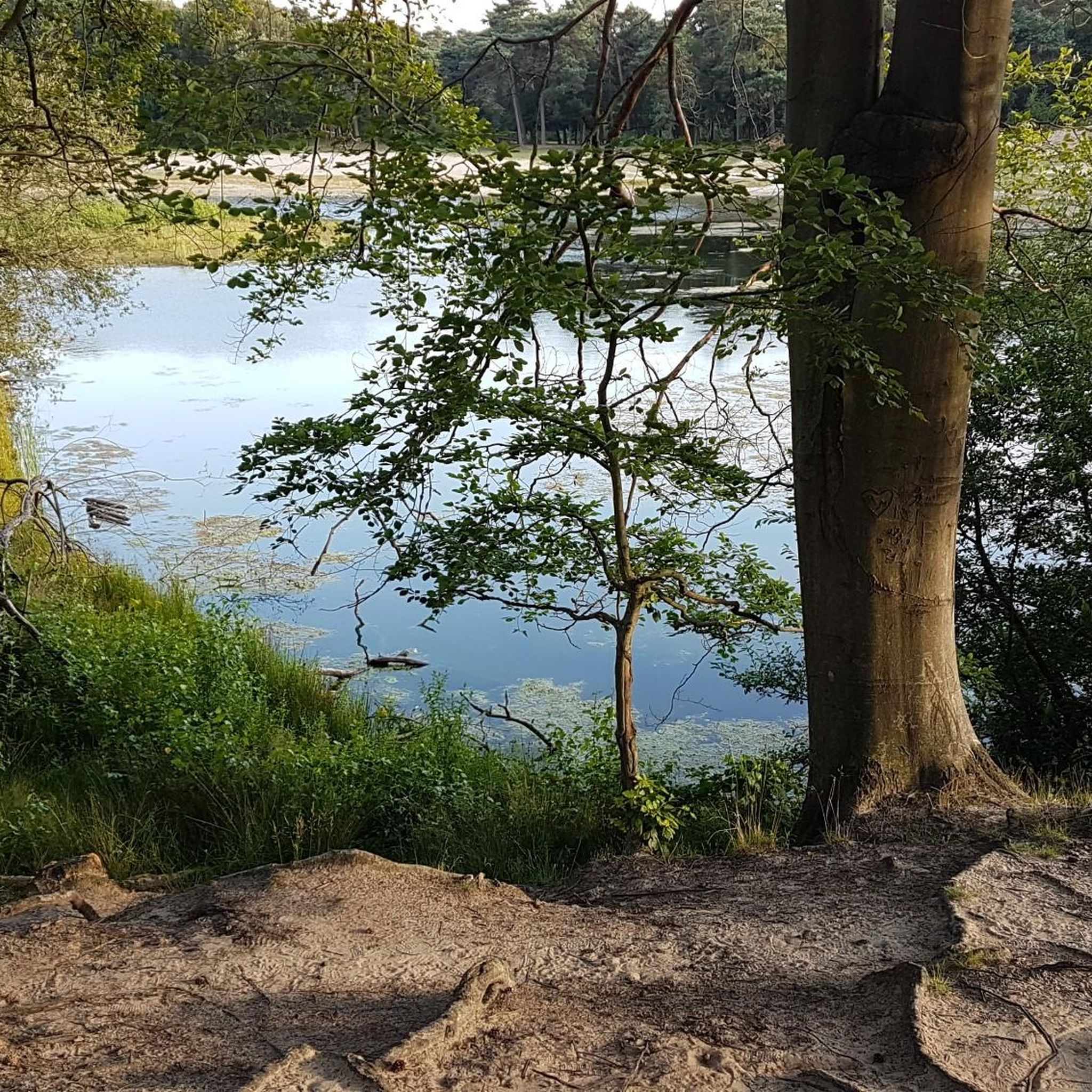
Lough Money is a quiet, almost mystical place, perfect for relaxing and taking a deep breath. The gentle waves of the lake gently hit the shore, while the reeds sway in the wind, creating a gentle rustling sound. Surrounded by rolling countryside and shady trees, you feel like you've been transported to another world. Ideal for a break on your bike ride.
0
0
This impressive stone circle, dating from the late Neolithic to early Bronze Age, consists of over 50 upright stones enclosing a diameter of around 35 metres. Access is via a narrow hedge-lined path that takes you directly to the entrance of the circle
1
0
This historic 12th century building is a typical example of an Anglo-Norman motte with a kidney-shaped bailey. The 7.6m high mound, which once housed a wooden tower, was later replaced by a stone tower house, the ruins of which can still be seen today. Access is via Clough's main road; there is a small car park, but it is not always well signposted. Access is usually permitted. The surrounding countryside, with views of the Mourne Mountains, offers a tranquil atmosphere that invites you to linger.
1
0

Extremely atmospheric graveyard with three ruined churches standing in the large graveyard overlooking the lake. The earliest recorded reference is to a parish church here in 1302, with the middle Church being the oldest, probably of the 13th century. The MacCartans had one of their chief seats near the lake and this was probably their principal burial ground.
0
0
The motte and bailey dates to c.1200 and is an excellent example of an Anglo-Norman earthwork castle. The taller mound, the motte, was built of earth to provide a look-out position and the central defence. Excavations at the top of the motte during the 1950s uncovered a wooden palisade which originally extended around the summit. When you climb the motte you realise what an important position the castle is in, over looking the routes east to Downpatrick, south to Dundrum and north to Belfast Lough. The views from the top of the motte west to Slieve Croob are particularly fine.
1
0
One of the best kept Circles I know of. The late Neolithic to earlier Bronze Age monument was excavated in 1937–1939 but its development and date are still not entirely clear. Excavation uncovered a slab feature with three compartments at the west end of the cairn, which could suggest the court tomb tradition, and a single stone cist at the east end which could point to the passage tomb tradition. Cremated remains representing at least seven individuals and some Neolithic pottery were found. Parallels for the outer stone circle with sites in Cumbria have been suggested.
1
0
The Well is an ancient site of pilgrimage with legends of Saint Patrick. The waters of the well are said to cure any ailment. Saint Patrick founded Ardtole Church which can be seen on the horizon. In the next field at low tide Saint Patrick's Road becomes visible. This was to be his route to the Isle of Man but when a red haired woman crossed his path he seen it as a bad omen and didn't make the journey.
0
0
Lough Money is the source for the River Slaney, which flows to the supposed landing spot of Saint Patrick on Strangford Lough. Lough Money’s water is remarkably clear as befits a facility that was once used as a reservoir for Downpatrick. The remains of the disused pumping station still stand on the island. Beautified by the presence of herons, just one of many bird species that comprise an abundance of bird life.
1
0
Frequently Asked Questions
How many touring cycling routes are available around Ballylig?
There are 9 touring cycling routes around Ballylig, offering a variety of experiences for cyclists. These routes range from moderate to difficult, traversing coastal stretches, inland lakes, and river views.
What kind of terrain can I expect on touring cycling routes in Ballylig?
The terrain around Ballylig is diverse, featuring a mix of flat sections near the coast and gentle rolling hills further inland. You'll encounter scenic coastal paths, tranquil lake shores, and river valleys. The roads are generally well-maintained, making them suitable for touring cycling.
Are there any circular touring cycling routes in Ballylig?
Yes, several routes around Ballylig are circular. For example, the Tyrella Beach to Annadorn Dolmen loop is a popular circular option, as is the Ballydugan Lake to Rowallane Garden loop — Strangford & Lecale.
What are some notable natural features or landscapes I might see while cycling in the Ballylig area?
While cycling around Ballylig, you'll experience breathtaking natural beauty. The region is known for its stunning coastal scenery and rolling hills. You might also encounter the dramatic, steep, and wooded valleys of the Glens of Antrim, or the unique geological formations of the Antrim Plateau, visible in the hexagonal columns of the Giant's Causeway. Nearby Glenariff Forest Park also features impressive waterfalls like the Inver River Waterfall and Ess-na-Laragh Waterfall.
What historical sites or attractions can I explore along the touring cycling routes?
Many routes pass by historical sites and natural features. For instance, the Tyrella Beach to Annadorn Dolmen loop passes by the ancient Annadorn Dolmen. Another route, the Quoile River View – Down Cathedral loop from Ballynoe Stone Circle, leads through historical sites including the Ballynoe Stone Circle and towards Down Cathedral. Other nearby attractions include the iconic St. John's Point Lighthouse (County Down) and Ardglass Harbour.
Are there any challenging touring cycling routes for experienced riders?
Yes, for experienced touring cyclists seeking a challenge, the region offers routes with significant elevation gains. For example, the Ballydugan Lake to Rowallane Garden loop — Strangford & Lecale is a moderate route with 382m of elevation gain. While the guide lists 7 moderate routes, there is also 1 difficult route available for those looking for a more demanding ride.
What is the best time of year to go touring cycling in Ballylig?
The best time to cycle the Causeway Coast and surrounding areas like Ballylig is generally during the spring (April-May) and autumn (September-October) months. During these periods, the weather is often milder and more stable than in winter, and the routes are typically less crowded than during peak summer. Always check local weather forecasts before heading out.
Can I find parking easily at the start of these cycling routes?
Cyclists can typically find parking in towns and villages that serve as common starting points for routes, such as Ballycastle or Ballymoney, which are within the broader County Antrim region. For routes specifically around Ballylig, local towns and villages will offer parking options.
Are there family-friendly cycling options in the Ballylig area?
While the guide primarily features moderate to difficult touring routes, the broader County Antrim area, including parts of the Causeway Coast, does offer family-friendly cycling options. These often include flatter sections or dedicated cycle paths. When planning a family outing, look for routes with lower elevation gains and shorter distances, or consider exploring local parks and trails that might be more suitable for all ages.
What do other touring cyclists enjoy most about cycling in Ballylig?
Touring cyclists using komoot often praise the varied scenery, which includes coastal paths, tranquil lake shores, and river valleys. The well-maintained roads are also frequently highlighted as a positive aspect, making for an enjoyable cycling experience. The region's blend of natural beauty and historical sites provides a rich backdrop for rides.
Is public transport accessible for reaching the cycling routes around Ballylig?
Public transport access to cycling routes in County Antrim, including the Ballylig area, is generally available through local bus services that connect towns and villages. Some services may accommodate bicycles, but it's advisable to check with the specific transport provider beforehand for their bike carriage policies and schedules, especially if you plan to use public transport to reach your starting point.
Are there places to eat or stay near the cycling routes in Ballylig?
Yes, the towns and villages surrounding Ballylig and within County Antrim offer various amenities. You can find cafes, pubs, and accommodation options in places like Ballycastle, Ballymoney, Bushmills, and other charming coastal villages such as Cushendun. These locations serve as excellent bases or refreshment stops during your cycling tours.
Most popular routes around Ballylig
Most popular attractions around Ballylig

Get inspired with the komoot mobile app


Explore more
Browse the best Cycling routes in other regions.
