Attractions and Places To See around Camus Macosquin Glebe - Top 10
Best attractions and places to see around Camus Macosquin Glebe include a combination of historical sites and natural landscapes within County Londonderry. This townland, part of the Macosquin Civil Parish, is notable for its early monastic origins and its proximity to the River Bann. Points of interest range from ancient church foundations to significant 18th-century follies and coastal features. This region provides diverse attractions for exploration.
Best attractions and places to see around Camus Macosquin Glebe
- The most popular attractions…
Last updated: July 6, 2026
Downhill House Ruins
Highlight • Historical Site
Translated by Google •
Tip by

Downhill Demesne Dovecote and Ice House
Highlight • Historical Site
Tip by

Sign up now to discover places like this
Get recommendations on the best single tracks, peaks, & plenty of other exciting outdoor places.
Sign up for free
Mussenden Temple
Highlight • Monument
Translated by Google •
Tip by
Portstewart Promenade
Highlight (Segment) • Beach
Lots of shops and restaurants nearby.
Translated by Google •
Tip by

Castlerock Beach
Highlight • Parking
Tip by

Sign up for free to discover even more attractions around Camus Macosquin Glebe.
Sign up for free
Already have an account?
Start today with a free account
Your next adventure awaits.
Login or Signup
Tips from the Community


Once a grand, Italian-inspired home, Downhill House was devastated by fire in May 1851 and almost completely burned down.
0
0
It was a library, a retreat, a memorial to a somewhat scandalous love story and now it is one of the most popular and photographed buildings in Ireland.
0
0

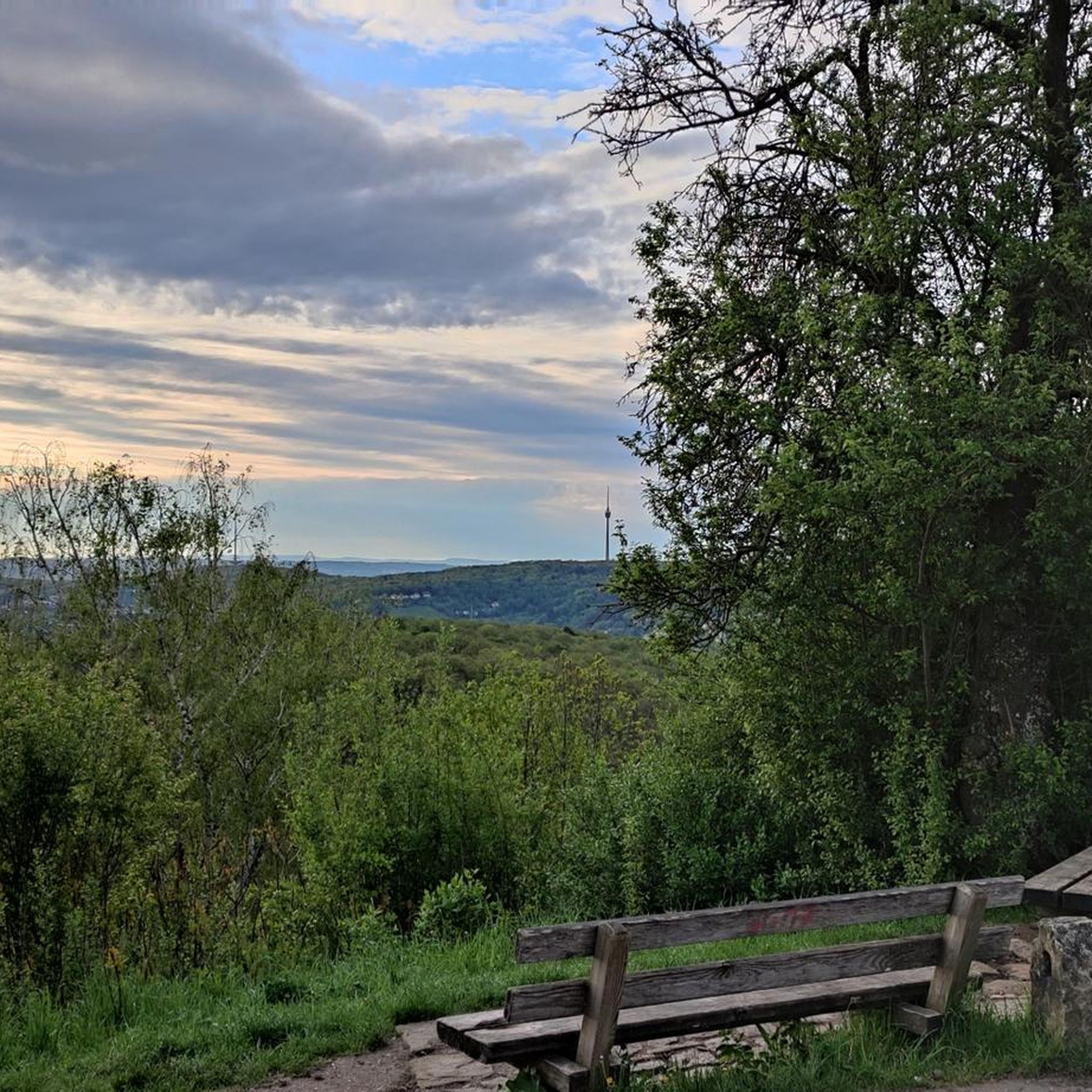
Beautiful walk along the seafront, overlooking the town, the beach and the cliffs in the distance. Lots of shops and restaurants nearby.
1
0

The house you see was built in the 18th century A tremendous fire destroyed the house in 1851, and the library, along with numerous important sculptures and paintings, was lost. The house remained in the Bishop's family until 1948.
0
0
Built as a library for an eccentric bishop, this dramatic folly atop a cliff is one of Ireland's most popular landmarks.
0
0
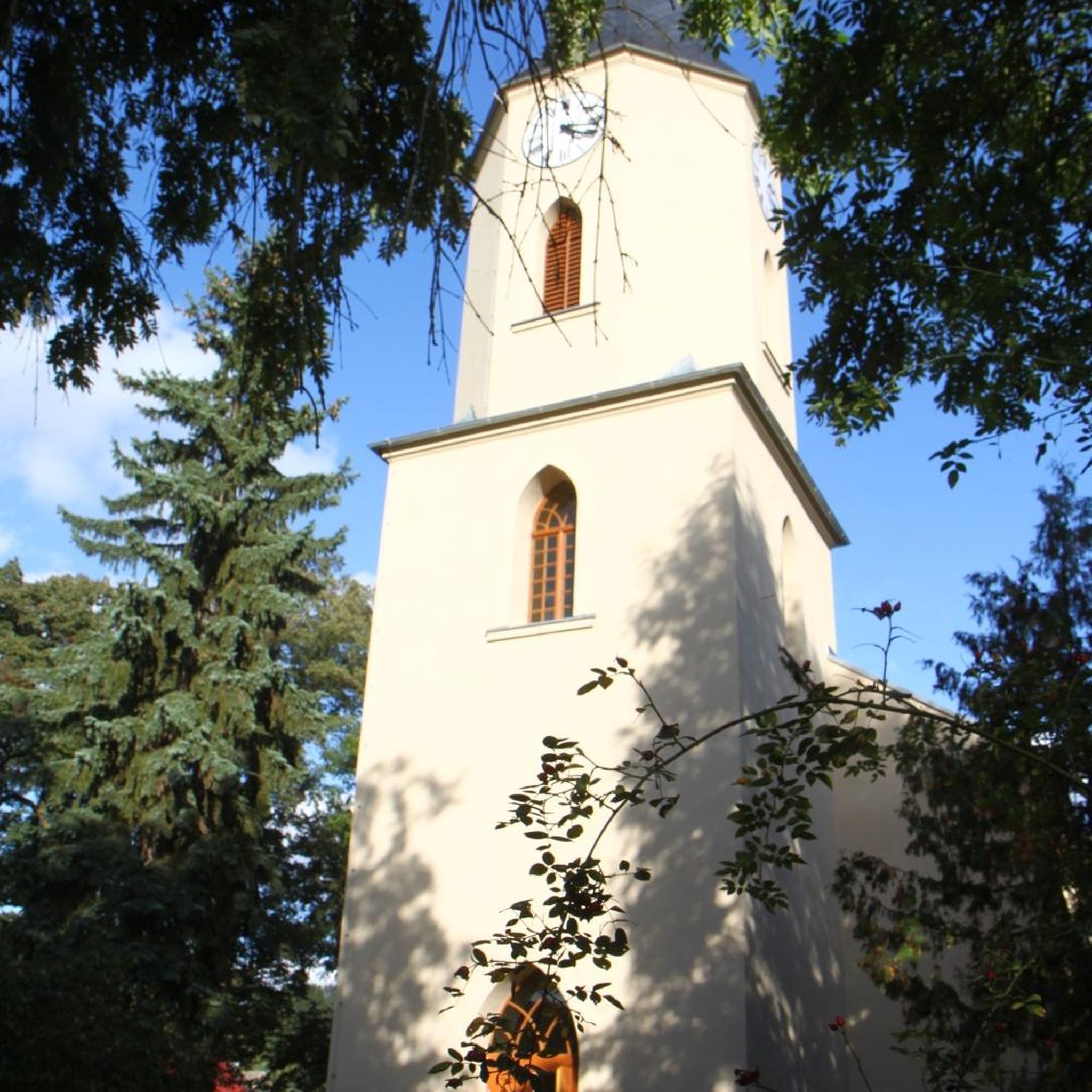
In the surroundings of Downhill House, at one end of the walled garden, you will find this old ice house. Here, meat and ice were stored to keep food in good condition.
2
0

Keeping doves was common practice on estates. The birds had many uses. The down and feathers were used to fill pillows and the dung was not only a highly rated fertilizer it was also used in the tanning industry and in the manufacture of gunpowder. However it was for their flesh and eggs, particularly in winter when meat was scarce, that they were particularly valued.
0
0
Frequently Asked Questions
What historical sites can I explore around Camus Macosquin Glebe?
The area is rich in history. You can visit the ancient Downhill House Ruins, an 18th-century mansion devastated by fire, and the nearby Downhill Demesne Dovecote and Ice House. Further historical interest lies at the Old Camus Church and Graveyard, a significant monastic settlement from A.D. 580, and St. Mary's Church in Macosquin, built on the site of a Cistercian Abbey.
What natural features define the landscape around Camus Macosquin Glebe?
The region is characterized by its proximity to the River Bann, historically important for its strategic role and salmon fishery. You'll also find stunning coastal features, including the golden sands of Castlerock Beach and the dramatic cliffs where Mussenden Temple is perched.
Are there any beaches near Camus Macosquin Glebe?
Yes, Castlerock Beach is a stunning stretch of golden sand backed by dunes and facing the Atlantic Ocean, perfect for walks and relaxation. The Portstewart Promenade also offers beautiful seafront views.
What outdoor activities are available near Camus Macosquin Glebe?
The area offers various outdoor activities. You can find numerous routes for hiking, cycling, and mountain biking. For specific trails, explore our guides for Hiking around Camus Macosquin Glebe and MTB Trails around Camus Macosquin Glebe.
Are there hiking trails suitable for different skill levels?
Yes, there are hiking trails for various abilities. Our guide to Easy hikes around Camus Macosquin Glebe features routes like the 'View of the River Bann – Mountsandel Fort loop' and 'Springwell Forest loop', which are generally easy. More challenging routes can be found in the broader Hiking around Camus Macosquin Glebe guide.
What is the Mussenden Temple and why is it a popular landmark?
Mussenden Temple is a dramatic 18th-century folly perched atop a cliff within the Downhill Demesne. Originally built as a library for an eccentric bishop, its picturesque location and unique history make it one of Ireland's most popular and photographed landmarks, offering stunning views.
Are there family-friendly attractions around Camus Macosquin Glebe?
Yes, Castlerock Beach is a great family-friendly option, offering space for walks and relaxation. The wider Downhill Demesne, which includes Mussenden Temple and Downhill House Ruins, also provides open spaces for exploration suitable for families.
What do visitors particularly enjoy about the attractions near Camus Macosquin Glebe?
Visitors frequently praise the dramatic scenery and historical significance. The Mussenden Temple is often highlighted for its picturesque setting and unique story, while the Downhill House Ruins offer a mystical glimpse into the past. The natural beauty of Castlerock Beach is also a firm favorite.
When is the best time of year to visit Camus Macosquin Glebe?
The area can be enjoyed year-round, but spring and summer offer the mildest weather for exploring coastal paths and historical sites. Autumn brings beautiful colors to the landscape, while winter walks can be dramatic, especially along the coast. Always check local weather forecasts before your visit.
Are there any wheelchair accessible attractions?
Yes, the Portstewart Promenade is noted for being wheelchair accessible, offering a beautiful seafront walk with views of the town, beach, and distant cliffs.
What is the Downhill Demesne Dovecote and Ice House?
Located within the Downhill Demesne, the Downhill Demesne Dovecote and Ice House are historical structures. The ice house was traditionally used for storing meat and ice to preserve food, while the dovecote housed pigeons, valued for their meat, eggs, feathers, and fertilizer.
Is parking available at the main attractions?
Yes, parking is generally available at the main attractions. For instance, Castlerock Beach has car parking at the top of the beach, and you can often park on the sand in the eastern section. Parking is also available at the Downhill Demesne for access to Mussenden Temple and Downhill House Ruins.

Get inspired with the komoot mobile app


Explore more
Still not found the Highlight you’re looking for? See guides of the top attractions in other regions:
