The best walks and hikes around Chulmleigh
4.6
(51)
238
hikers
52
hikes
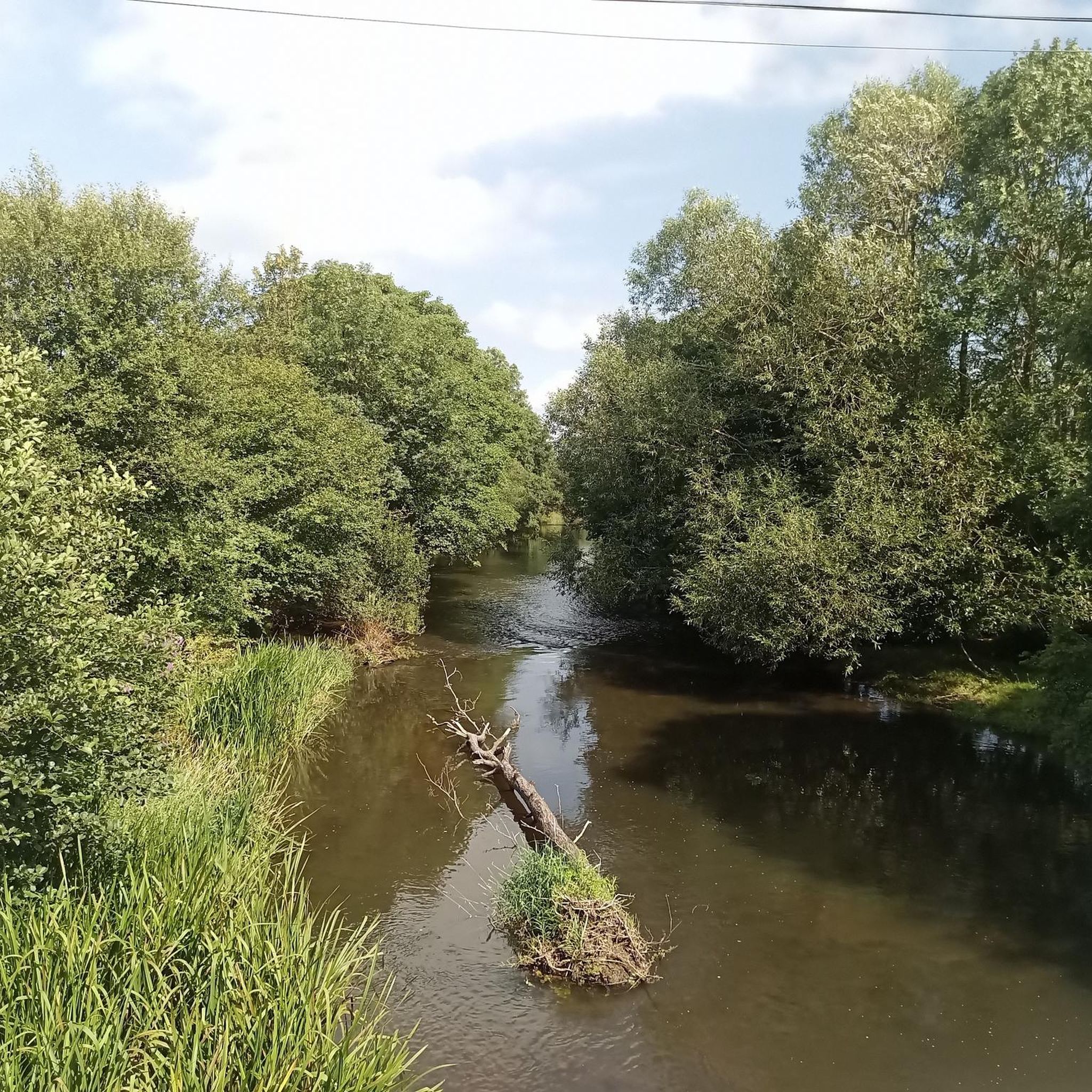
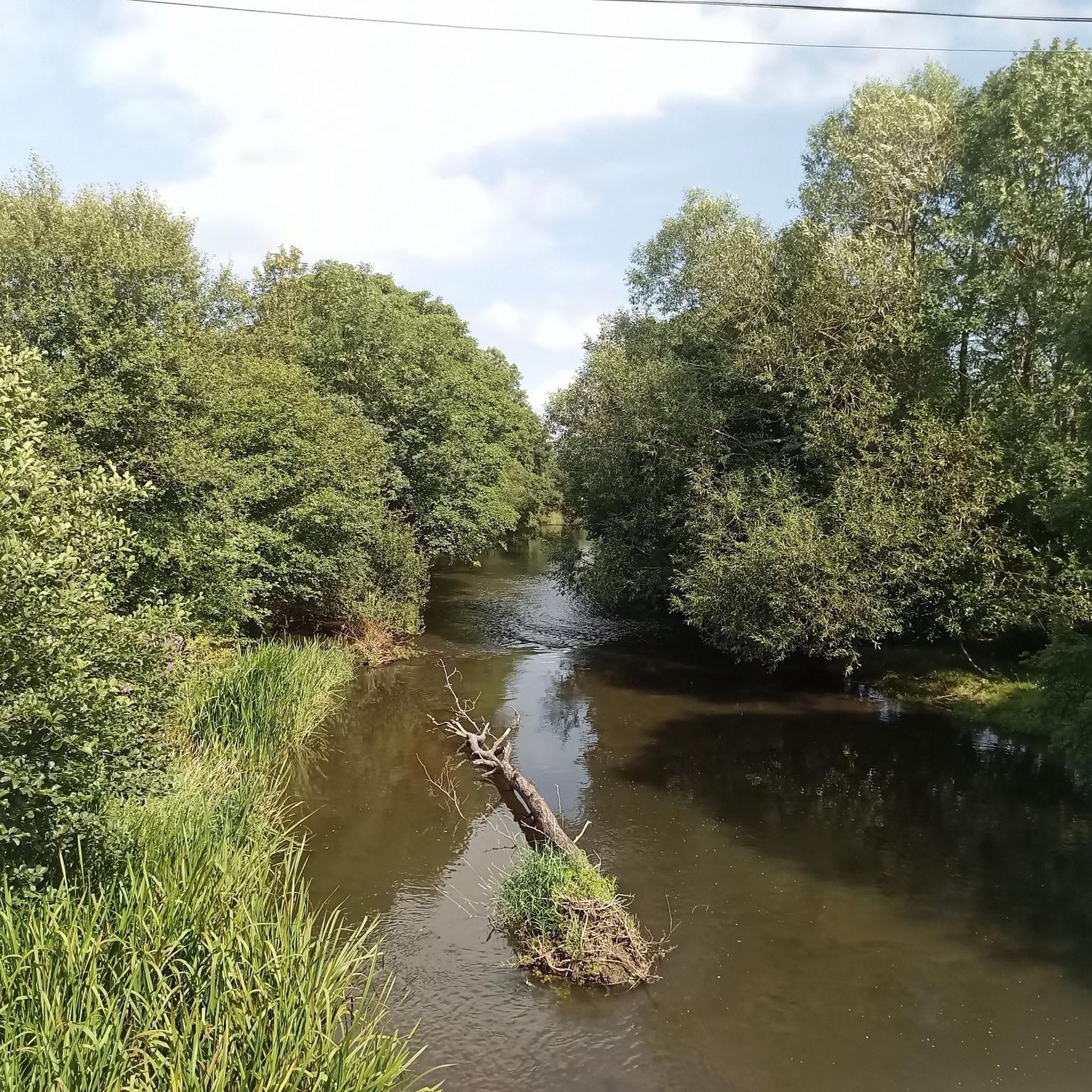
Hikes around Chulmleigh explore the North Devon countryside, an area characterized by rolling hills, ancient woodlands, and farmland. The landscape is crossed by public footpaths and bridleways, with routes following the Little River Dart and passing through Eggesford Forest. The terrain offers a mix of gentle riverside paths and more moderate climbs through wooded areas.
Best hiking trails around Chulmleigh
- The most popular hiking route is the Eggesford Forest – All Saints Church, Eggesford loop from Eggesford, an 8.0 mile (12.9 km) trail that takes about 3 hours 40 minutes to complete. This moderate hike leads through the diverse woodland of Eggesford Forest.
- Another top favourite among local hiking enthusiasts is the Riverside Path – Eggesford Castle loop from Wembworthy, an easy 3.5 mile (5.7 km) path. The route follows a gentle riverside path before looping back near the site of Eggesford Castle.
- Local hiking enthusiasts also love the Eggesford Castle – Riverside Path loop from Wembworthy, a 6.5 mile (10.5 km) trail leading through fields and along the river, often completed in about 2 hours 55 minutes.
- Hiking around Chulmleigh is defined by its mix of ancient woodlands, riverside paths, and rolling farmland. The network of trails provides options for both easy, shorter walks and more moderate routes with some elevation gain.
- The routes in Chulmleigh are highly rated by the komoot community with an average score of 4.6 stars from more than 40 reviews. More than 200 hikers have used komoot to explore Chulmleigh's varied terrain.
Last updated: June 26, 2026
4.5
(10)
47
hikers
5.71km
01:33
80m
80m
Easy hike. Great for any fitness level. Easily-accessible paths. Suitable for all skill levels.
5.0
(3)
10
hikers
13.7km
03:54
300m
300m
Moderate hike. Good fitness required. Easily-accessible paths. Suitable for all skill levels.

Sign up for free
4.0
(2)
10
hikers
12.4km
03:37
340m
340m
Moderate hike. Good fitness required. Easily-accessible paths. Suitable for all skill levels.
5.0
(3)
9
hikers
10.5km
02:55
200m
200m
Moderate hike. Good fitness required. Easily-accessible paths. Suitable for all skill levels.
4.5
(2)
8
hikers
Easy hike. Great for any fitness level. Easily-accessible paths. Suitable for all skill levels.
Get access to more routes and recommendations from other explorers.
Sign up for free
Already have an account?
Our route recommendations are based on thousands of hikes, rides, and runs completed by other people on komoot.
Start today with a free account
Your next adventure awaits.
Login or Signup
Popular around Chulmleigh
Tips from the Community

Free parking. Area good for mountain biking and gravel riding. Café nearby at Eggesford train station
0
0

Overlooking the TawValley, at the northern end of Heywood Wood, stand the remains of an early medieval motte and bailey castle. Motte and bailey castles are medieval fortifications introduced into Britain by the Normans. This type of castle was made up of an artificial mound, or motte, on which was built a wooden or stone structure known as a keep. Next to this at least one bailey, a fortified embanked enclosure containing additional buildings, would be built. Although many were occupied for only a short period of time, motte and bailey castles continued to be built and occupied from the 11th to the 13th centuries, after which they were superseded by other types of castle. Heywood CastleAt Heywood the circular motte is about 8 metres high and almost 50 metres in diameter, surrounded by a rock-cut ditch 4 metres wide and 2 metres deep. Around the top of the motte is a bank, up to 4 metres high in places. The crescent shaped bailey which lies to the north-east of the motte is 60 metres long and 40 metres wide and bounded on all sides by a bank 2 metres rising to about 4 metres on the eastern side, where there is an entrance with a causeway across the ditch which extends to the outer bank, which surrounds both the motte and bailey. From the bailey to the motte on the north east side there is the possibility of a bridgeway. On the north side of the bailey a more modern entrance has been formed. https://www.devon.gov.uk/historicenvironment/explore-devons-heritage/heywood-castle-eggesford/
4
0
This place is well worth a visit, it is a huge Norman castle mound. No structures are visible (Probably only a wooden keep now long gone) but really worth seeing, it is still quite imposing 1000 years on. "At Heywood the circular motte is about 8 metres high and almost 50 metres in diameter, surrounded by a rock-cut ditch 4 metres wide and 2 metres deep. Around the top of the motte is a bank, up to 4 metres high in places. The crescent shaped bailey which lies to the north-east of the motte is 60 metres long and 40 metres wide and bounded on all sides by a bank 2 metres rising to about 4 metres on the eastern side, where there is an entrance with a causeway across the ditch which extends to the outer bank, which surrounds both the motte and bailey. From the bailey to the motte on the north east side there is the possibility of a bridgeway. On the north side of the bailey a more modern entrance has been formed. The castle at Heywood possibly took the place of an earlier castle some 500 metres to the south in the grounds of Heywood House, on the steep valley side above the River Taw. An alternative theory is that both date to the 1130s and 1140s, and were built during the civil war between Matilda, daughter of Henry I, and his nephew Stephen." https://www.devon.gov.uk/historicenvironment/explore-devons-heritage/heywood-castle-eggesford/
1
0

With a network of paths, this diverse woodland is a lovely place to explore. Keep a look-out for wildlife, wildflowers, and interesting fungi. Visit throughout the year; it's different in every season.
1
1
Frequently Asked Questions
Are there many walking routes to choose from around Chulmleigh?
Yes, there is a great selection of trails. You can explore over 50 hiking routes in the region, ranging from easy strolls to more challenging day hikes.
What do other hikers enjoy about the trails in Chulmleigh?
The area is highly regarded by the komoot community. Hikers often praise the peaceful atmosphere of the ancient woodlands, the beautiful riverside paths along the Little River Dart, and the classic rolling hills of the Devon countryside.
Are there any good circular walks starting from Chulmleigh?
Absolutely. Many trails are designed as loops so you can end where you started. For a shorter, easy walk with lovely scenery, the View of Eggesford House loop from Chulmleigh is a great option that offers pleasant views.
Can I bring my dog on hikes around Chulmleigh?
Yes, the Chulmleigh area is very dog-friendly. Many walkers enjoy taking their dogs to Eggesford Forest, which has plenty of space for them to explore. Remember to keep your dog under control, especially near farmland and wildlife.
What are some easy, family-friendly walks in the area?
For a gentle and enjoyable walk that's suitable for the whole family, consider the Riverside Path – Eggesford Castle loop from Wembworthy. It's a relatively short, easy route that follows the tranquil river.
Where can I find hikes through woodlands or forests?
Eggesford Forest is the main destination for woodland hiking. It's a diverse forest with a network of paths. A popular moderate route that explores it thoroughly is the Eggesford Forest – All Saints Church, Eggesford loop.
Are there any long-distance footpaths accessible from Chulmleigh?
Yes, Chulmleigh is a great base for accessing two major long-distance trails. The Tarka Trail runs nearby, following the Little Dart Ridge and Valley. The Two Moors Way, a coast-to-coast route connecting Dartmoor and Exmoor, is also accessible from the area.
What kind of wildlife might I see while hiking?
The region is rich in biodiversity. Keep an eye out for deer and barn owls, especially in and around the woodlands. The area is also known for its rare curlews and butterflies in the Culm Grasslands, and it supports a significant population of wild otters along the rivers.
Are there any historical sites I can see on a walk?
Many trails pass by interesting historical features. The Eggesford Castle – Riverside Path loop from Wembworthy takes you near the historic site of the castle. You can also find the earth ramparts of a Norman castle in Heywood Wood and the remote All Saints Church near Eggesford.
Is it possible to get to trailheads using public transport?
Yes, some key trailheads are accessible by public transport. Eggesford station, on the Tarka Line railway between Exeter and Barnstaple, is an excellent starting point for many walks into Eggesford Forest and the surrounding countryside.
What are the trail conditions like around Chulmleigh?
The trails are a mix of well-trodden footpaths, woodland tracks, and paths across farmland. After rain, some sections, particularly near rivers and in fields, can become muddy, so waterproof hiking shoes are recommended.
Most popular routes around Chulmleigh
Most popular attractions around Chulmleigh

Get inspired with the komoot mobile app


Explore more
Browse the best Hikes in other regions.
