Attractions and Places To See around Great Livermere - Top 20
Best attractions and places to see around Great Livermere include a blend of historical sites, natural features, and cultural landmarks within this tranquil Suffolk village. The area is characterized by its historical charm, natural beauty, and connections to ghost story writer M.R. James. Visitors can explore ancient churches, significant waterways like Ampton Water, and sites that offer insight into the region's past. Great Livermere is situated on the southern edge of The Brecks, a landscape known for its sandy soils…
Last updated: July 2, 2026
St Edmundsbury Cathedral
Highlight • Religious Site
Tip by

Thetford Warren Lodge
Highlight • Historical Site
Tip by

Sign up now to discover places like this
Get recommendations on the best single tracks, peaks, & plenty of other exciting outdoor places.
Sign up for free
Abbey Gate, Bury St Edmunds
Highlight • Historical Site
Tip by
Thetford Priory Ruins
Highlight • Historical Site
Tip by

Seven Tree Road, Deadman's Grave
Highlight • Trail
Deadman's Grave, Icklingham is a 127.3-hectare (315-acre) biological Site of Special Scientific Interest north-east of Icklingham in Suffolk. It is a Nature Conservation Review site, …
Tip by

Sign up for free to discover even more attractions around Great Livermere.
Sign up for free
Already have an account?
Start today with a free account
Your next adventure awaits.
Login or Signup
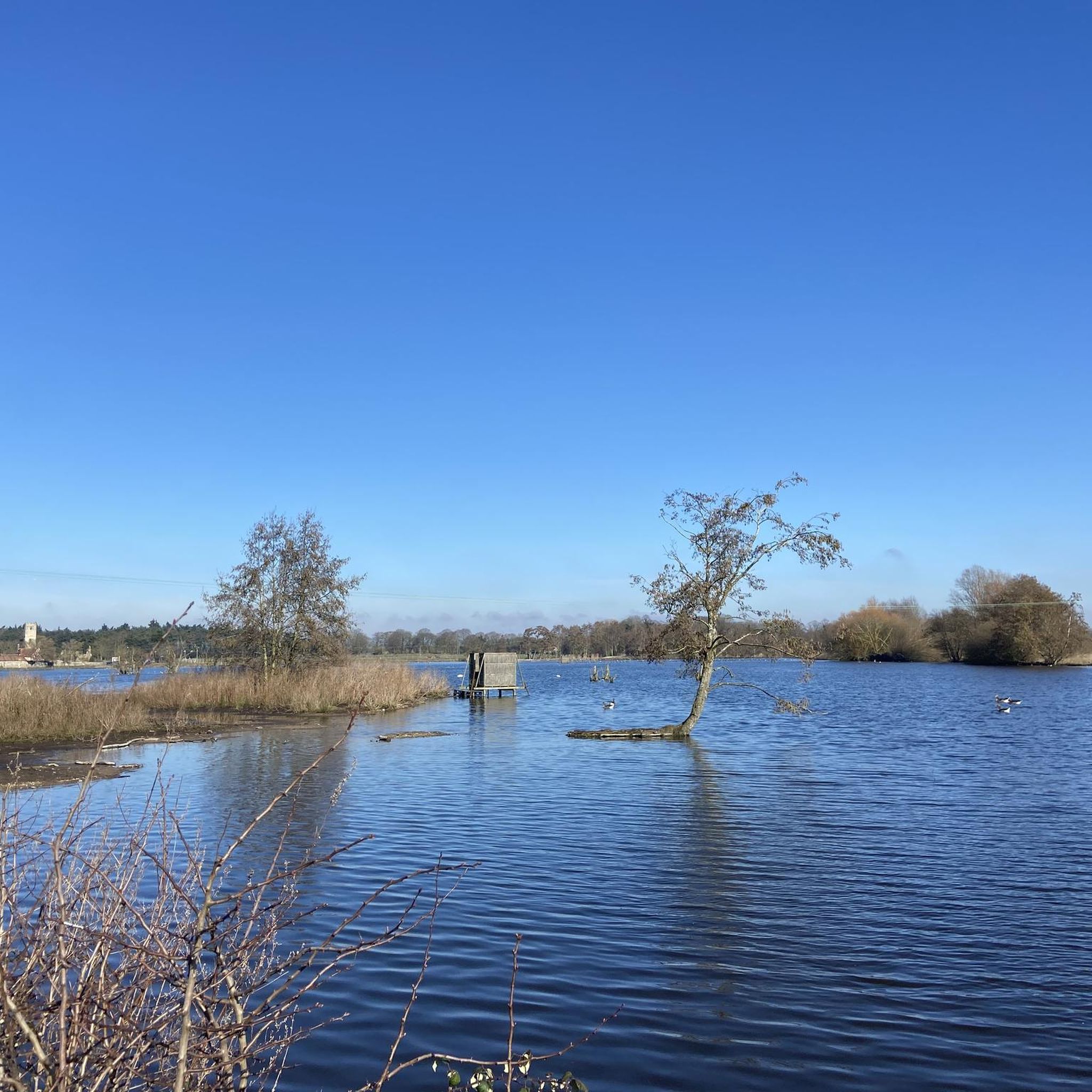
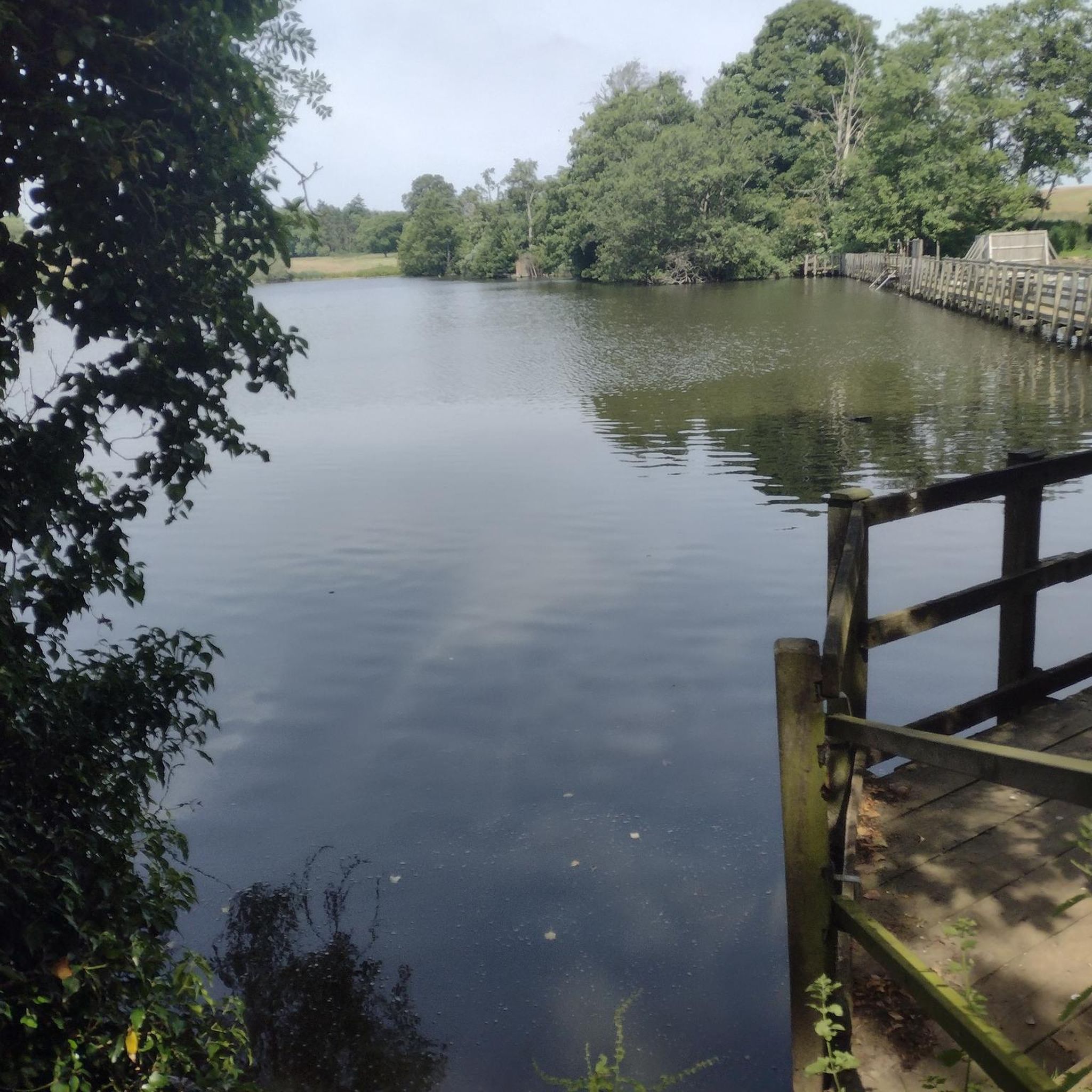

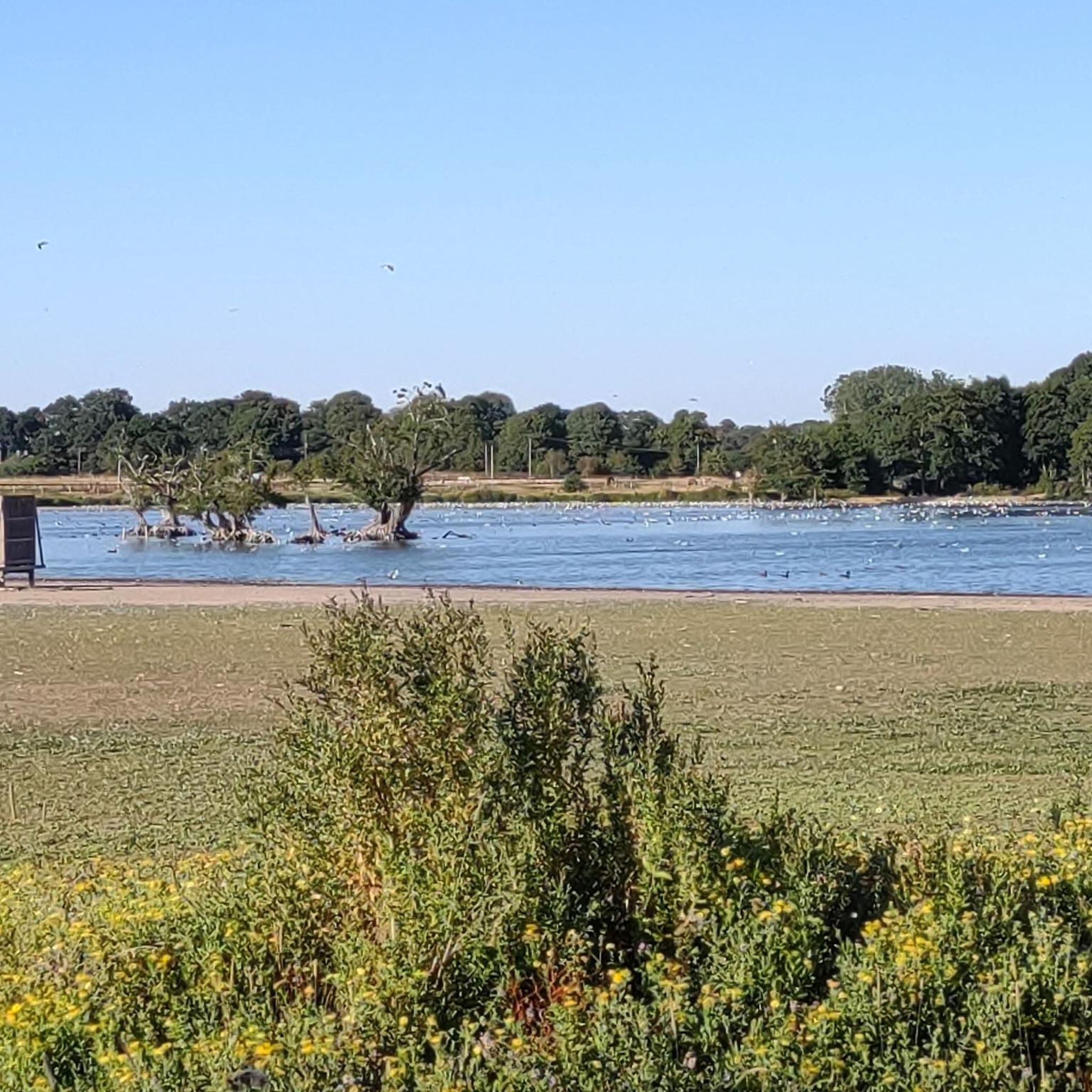
Tips from the Community

Not much visible from the road. Accessed by a gravel path.
0
0
The present building is a cathedral. The abbey that preceded it was shut down after the reformation and only its ruins remain.
0
0


This beautiful cathedral was originally built as a church in the early 13th century and became a cathedral for the newly established Diocese of St Edmundsbury and Ipswich in 1914. It has some beautiful characteristics including a large rose window, detailed stone carvings, fantastic gardens and the notable Abbey Gate.
1
0

The remains of Thetford Priory a really nice and reflective space to end a tour... or start one. Thetford really is a gravel gateway with the Peddars and Icknield way passing nearby and the Kings Forest near Brandon. The Priory is smaller than the much larger establishment at Castle Acre but still majestic. The Priory of Our Lady of Thetford was one of the largest and most important monasteries in medieval East Anglia. Founded in the early 12th century, for 400 years it was the burial place of the Earls and Dukes of Norfolk, and enjoyed their powerful protection. It was because of this that Thetford was one of the last monasteries to be suppressed when it surrendered to Henry VIII's commissioners in 1540. The extensive surviving remains include the lower walls of the church and cloister, together with the impressive shell of the prior's lodging and an almost complete 14th century gatehouse. https://www.english-heritage.org.uk/visit/places/thetford-priory/history/
0
0

Frequently Asked Questions
What historical and cultural sites can I explore in and around Great Livermere?
Great Livermere itself offers the 12th-century St Peter's Church with its medieval wall paintings and unique belfry, and the site of Livermere Hall, childhood home of ghost story writer M.R. James. Nearby, you can visit the impressive St Edmundsbury Cathedral, a religious building with nearly a millennium of history. Other significant historical sites include Thetford Warren Lodge, a 13th-century rabbit warrener's lodge, Thetford Priory Ruins, one of medieval East Anglia's largest monasteries, and the reconstructed West Stow Anglo-Saxon Village.
Are there natural features or parks to visit in the Great Livermere area?
Yes, the area is rich in natural beauty. You can explore Ampton Water and Broad Water, significant bodies of water known for wildlife, which were historically connected to form a 'Long Water'. The village is also situated on the southern edge of The Brecks, a landscape characterized by sandy soils and pine trees. While Livermere Park is largely private, public footpaths cross the site near its historic lakes.
What outdoor activities, such as hiking or cycling, are available near Great Livermere?
The region offers various outdoor activities. For hiking, you can find easy trails like the 'Beech Forest – Poppy Field Along Icknield Way loop' or the 'Gravel Track by Livermere Lake'. Cyclists can enjoy routes such as the 'Fire Road – The King's Forest loop' or the 'Great Livermere Lake – Tree-Lined Forest Road loop'. For more detailed information and routes, explore the easy hikes around Great Livermere or cycling routes around Great Livermere guides.
Are there family-friendly attractions around Great Livermere?
Many attractions in the area are suitable for families. St Edmundsbury Cathedral, Thetford Warren Lodge, and Thetford Priory Ruins are all listed as family-friendly historical sites. The West Stow Anglo-Saxon Village offers an immersive historical experience with reconstructed buildings and indoor displays, making it a great educational outing for all ages.
What is the best time to visit Great Livermere for outdoor activities?
Suffolk, including Great Livermere, is generally pleasant for walking and cycling during spring, summer, and early autumn. These seasons offer milder weather, longer daylight hours, and the best conditions to enjoy the natural landscapes and historical sites. Always check local weather forecasts before planning your outdoor adventures.
Where can I find information about M.R. James's connection to Great Livermere?
The old rectory, now known as Livermere Hall, was the childhood home of the antiquarian and ghost story writer M.R. James. This location significantly inspired settings in his supernatural stories, including 'A Vignette' and 'The Ash-tree'. You can learn more about his life and works by researching his connection to the village.
Are there any ruined churches or ancient structures in the immediate vicinity of Great Livermere?
Yes, near Ampton Water, you can find the poignant broken tower of the Ruined Church of St Peter and St Paul. This serves as a reminder of the depopulated village of Little Livermere and offers a glimpse into the area's past.
What kind of wildlife can be spotted around Great Livermere, particularly near the water bodies?
Ampton Water and Broad Water are noted for their wildlife. The Brecks landscape, with its sandy soils and pine trees, also supports diverse flora and fauna. While specific species are not detailed, these natural areas provide habitats for various birds and other local wildlife, making them good spots for nature observation.
What do visitors enjoy most about the attractions around Great Livermere?
Visitors appreciate the blend of historical depth and natural beauty. For instance, St Edmundsbury Cathedral is valued for its nearly 1000 years of history and architectural evolution. Thetford Warren Lodge is noted for its unique historical insight into medieval rabbit farming, and West Stow Anglo-Saxon Village is praised for its immersive, step-back-in-time experience. The overall tranquility and historical charm of the region are frequently highlighted.
Are there running trails available near Great Livermere?
Yes, there are several running trails in the vicinity. You can find moderate routes such as the 'Heath Wood loop from RAF Honington' or the 'Cow Shelter in Rural Landscape – The Bull Freehouse loop'. For a comprehensive list of options, refer to the running trails around Great Livermere guide.
Can I find information about the historical development of Livermere Park?
Livermere Park was established in the eighteenth century. It was designed to encompass land from both Great and Little Livermere parishes, creating a grand setting for a new Georgian mansion. While the mansion is no longer there, the park's historic layout and lakes remain a significant feature of the landscape.
Is there a war memorial in Great Livermere?
Yes, the Great Livermere War Memorial is located at the heart of the village, alongside the village sign. It serves as a local point of remembrance for the community.
Most popular attractions around Great Livermere

Get inspired with the komoot mobile app


Explore more
Still not found the Highlight you’re looking for? See guides of the top attractions in other regions:
