Attractions and Places To See around Little Livermere - Top 20
Best attractions and places to see around Little Livermere include a mix of historical sites, religious buildings, and natural trails. This region offers a variety of experiences, from exploring ancient ruins to discovering hidden gems. Visitors can find several family friendly activities and opportunities for easy walks near Little Livermere, making it suitable for diverse interests.
Best attractions and places to see around Little Livermere
- The most popular attractions is St Edmundsbury Cathedral, a religious building with nearly 1000…
Last updated: October 18, 2026
St Edmundsbury Cathedral
Highlight • Religious Site
Tip by

Thetford Warren Lodge
Highlight • Historical Site
Tip by

Sign up now to discover places like this
Get recommendations on the best single tracks, peaks, & plenty of other exciting outdoor places.
Abbey Gate, Bury St Edmunds
Highlight • Historical Site
Tip by
Thetford Priory Ruins
Highlight • Historical Site
Tip by

Seven Tree Road, Deadman's Grave
Highlight • Trail
Deadman's Grave, Icklingham is a 127.3-hectare (315-acre) biological Site of Special Scientific Interest north-east of Icklingham in Suffolk. It is a Nature Conservation Review site, …
Tip by

Sign up for free to discover even more attractions around Little Livermere.
Already have an account?
Start today with a free account
Your next adventure awaits.

Tips from the Community

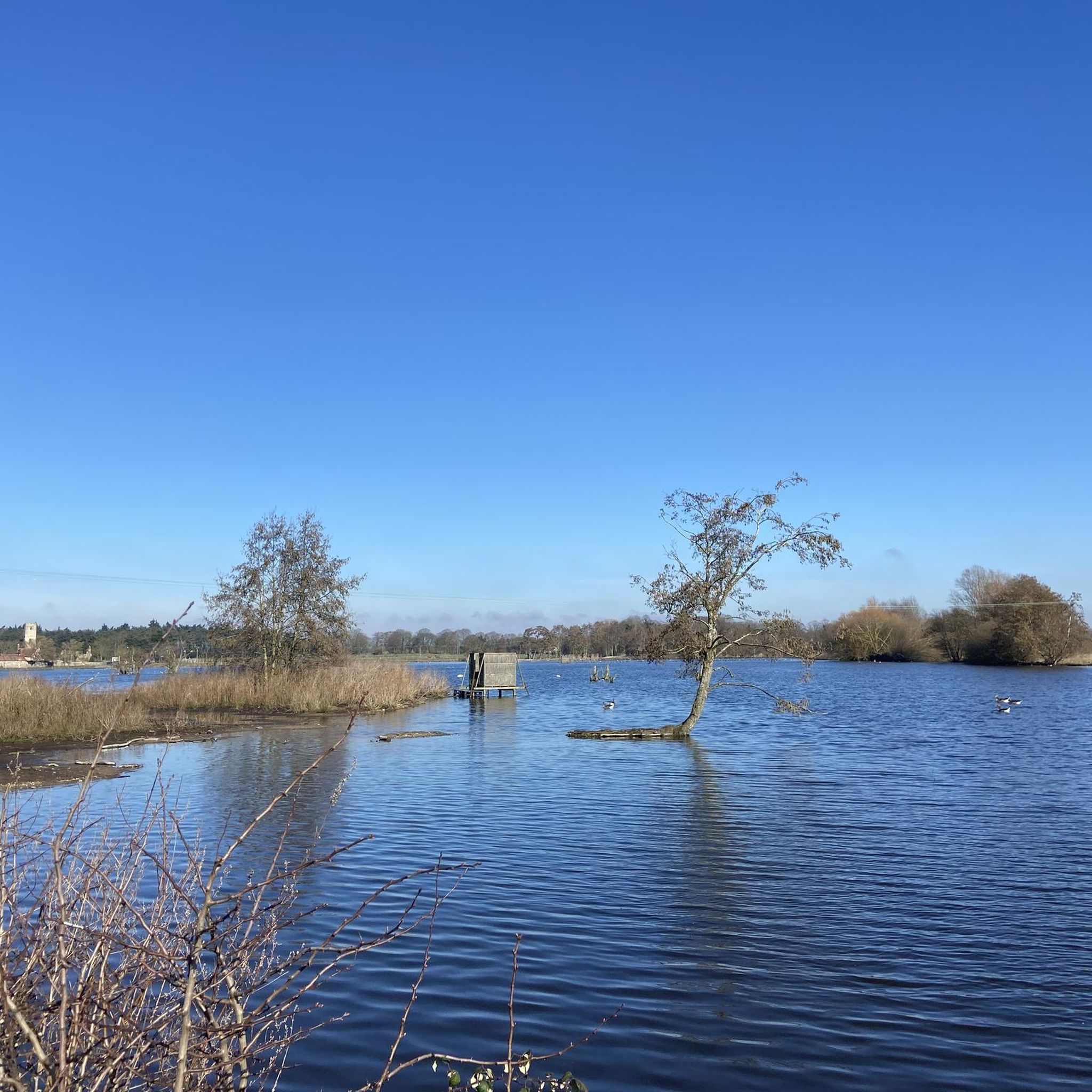
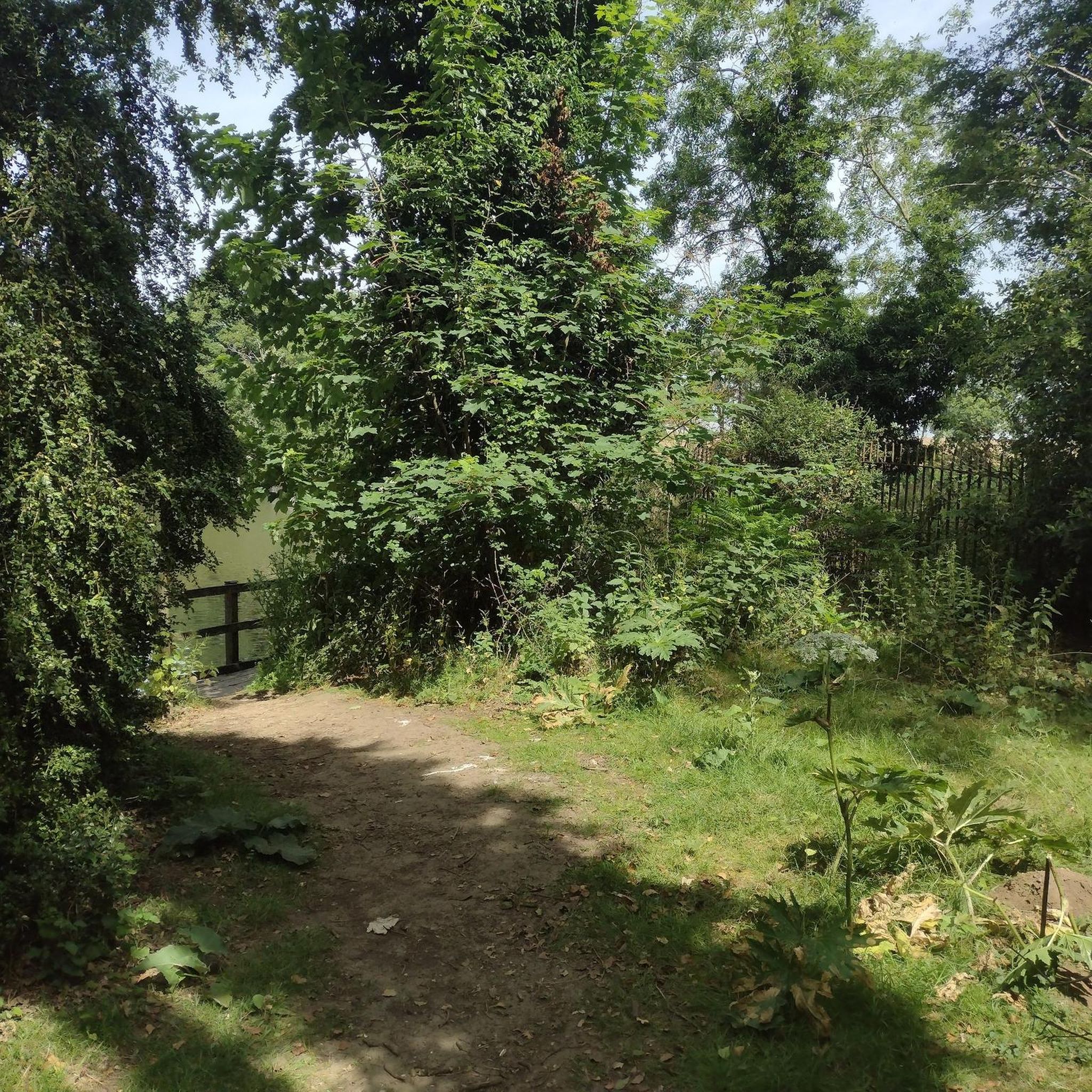
Not much visible from the road. Accessed by a gravel path.
0
0
The present building is a cathedral. The abbey that preceded it was shut down after the reformation and only its ruins remain.
0
0


This beautiful cathedral was originally built as a church in the early 13th century and became a cathedral for the newly established Diocese of St Edmundsbury and Ipswich in 1914. It has some beautiful characteristics including a large rose window, detailed stone carvings, fantastic gardens and the notable Abbey Gate.
1
0

The remains of Thetford Priory a really nice and reflective space to end a tour... or start one. Thetford really is a gravel gateway with the Peddars and Icknield way passing nearby and the Kings Forest near Brandon. The Priory is smaller than the much larger establishment at Castle Acre but still majestic. The Priory of Our Lady of Thetford was one of the largest and most important monasteries in medieval East Anglia. Founded in the early 12th century, for 400 years it was the burial place of the Earls and Dukes of Norfolk, and enjoyed their powerful protection. It was because of this that Thetford was one of the last monasteries to be suppressed when it surrendered to Henry VIII's commissioners in 1540. The extensive surviving remains include the lower walls of the church and cloister, together with the impressive shell of the prior's lodging and an almost complete 14th century gatehouse. https://www.english-heritage.org.uk/visit/places/thetford-priory/history/
0
0

Frequently Asked Questions
Are there family-friendly attractions around Little Livermere?
Yes, several attractions are suitable for families. You can explore the historical site of Thetford Warren Lodge, which offers a glimpse into medieval rabbit farming. Another great option is the West Stow Anglo-Saxon Village, a reconstructed village on an archaeological site that provides interactive historical experiences. St Edmundsbury Cathedral and Thetford Priory Ruins are also considered family-friendly historical sites.
What historical sites can I visit near Little Livermere?
The region is rich in history. Key historical sites include St Edmundsbury Cathedral, an 11th-century religious building that became a cathedral in 1914. You can also visit Thetford Warren Lodge, a heavily defended structure from the late 13th century used for rabbit farming, and Thetford Priory Ruins, the remains of a significant medieval monastery that served as a burial place for the Earls and Dukes of Norfolk. Additionally, the West Stow Anglo-Saxon Village offers a unique historical immersion.
Where can I find easy walks or natural trails near Little Livermere?
For easy walks and natural trails, consider exploring the area around Seven Tree Road, Deadman's Grave, which is part of a biological Site of Special Scientific Interest known for its species-rich calcareous grassland. You can find more easy hiking routes in the area by checking the Easy hikes around Little Livermere guide, which includes routes like the 'Beech Forest – Poppy Field Along Icknield Way loop from Wordwell' and 'Kings Forest – West Stow – King's Forest Gravel Path loop from West Stow'.
Are there cycling routes available near the attractions?
Yes, there are several cycling routes. The Cycling around Little Livermere guide features options like the 'Fire Road – The King's Forest loop from Ingham' and the 'Great Livermere Lake – Tree-Lined Forest Road loop from RAF Honington', many of which are rated as easy.
What kind of wildlife can I expect to see on walks around Little Livermere?
The area around Seven Tree Road, Deadman's Grave, a biological Site of Special Scientific Interest, is known for its diverse flora and fauna. It is home to nationally rare plants such as Spanish catchfly and Breckland Wild Thyme, and nationally rare stone curlews breed there. The surrounding countryside and forests also offer opportunities to spot various bird species and other local wildlife.
Are there any hidden gems or lesser-known spots worth visiting?
While not strictly 'hidden,' Thetford Warren Lodge offers a unique historical insight into a bygone local industry of rabbit farming, which is less commonly known than other historical sites. Its heavily defended structure tells an interesting story of protecting valuable rabbit fur from poachers. The extensive remains of Thetford Priory Ruins also provide a reflective and majestic space, often described as smaller but equally impressive as larger establishments.
What do visitors enjoy most about the attractions in Little Livermere?
Visitors particularly appreciate the rich history and the opportunity to step back in time. For instance, the West Stow Anglo-Saxon Village is praised for its historically accurate buildings and immersive experience. The historical significance of sites like St Edmundsbury Cathedral and Thetford Priory Ruins also resonates strongly with visitors, who enjoy exploring the ancient architecture and serene settings.
Are there mountain biking trails near Little Livermere attractions?
Yes, mountain biking enthusiasts can find trails in the vicinity. The MTB Trails around Little Livermere guide lists several options, including 'The King's Forest from Bury St Edmunds' and 'Howe's Run Pit MTB Trail – The Beast (Lime Burner Trail) loop from Wordwell', which are generally rated as moderate difficulty.
Is there parking available at the main attractions?
While specific parking details for every attraction are not provided, major sites like St Edmundsbury Cathedral in Bury St Edmunds typically have nearby public parking facilities. For attractions like West Stow Anglo-Saxon Village, dedicated visitor parking is usually available on-site. It's advisable to check the individual attraction's official website for the most current parking information before your visit.
What is the best time of year to visit Little Livermere for outdoor activities?
The spring and summer months (April to September) generally offer the most pleasant weather for outdoor activities like hiking and cycling around Little Livermere. During these seasons, the natural trails are more accessible, and the historical sites are typically open with longer hours. However, the region can also be beautiful in autumn with changing foliage, and some trails are suitable for winter walking, though conditions may be muddier.
Are there any pubs or places to eat near the walking routes?
While specific pubs directly adjacent to every walking route are not detailed, the general area around Little Livermere and nearby towns like Bury St Edmunds and Thetford offer various pubs and eateries. Many walking routes, especially those listed in the Cycling around Little Livermere guide, pass through or near villages where you can find local establishments for refreshments. It's a good idea to plan your route and check for amenities along the way.
Most popular attractions around Little Livermere

Get inspired with the komoot mobile app


Explore more
Still not found the Highlight you’re looking for? See guides of the top attractions in other regions:
