Attractions and Places To See around Tuddenham - Top 20
Best attractions and places to see around Tuddenham, a village in Suffolk, England, include a mix of historical sites and natural landscapes. The area features significant natural beauty, such as the Breckland Special Area of Conservation, alongside cultural sites like reconstructed Anglo-Saxon villages. Visitors can explore diverse environments, from ancient settlements to expansive forest parks.
Best attractions and places to see around Tuddenham
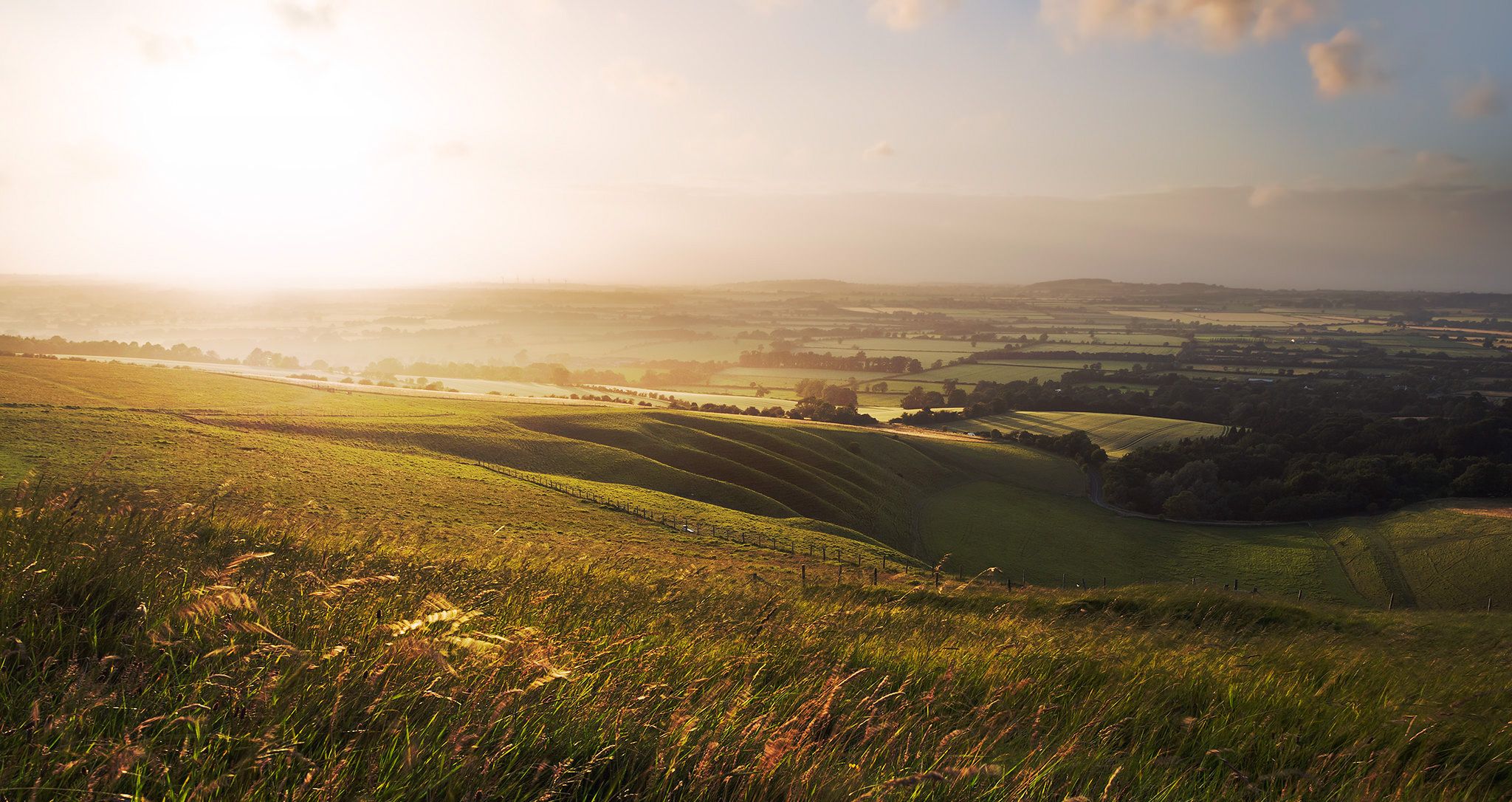
- The most popular attractions is Seven Tree Road, Deadman's Grave, a trail that is a biological Site of Special Scientific Interest and part of the Breckland Special Area of Conservation. It is known for its species-rich calcareous grassland and rare plants.
- Another must-see spot is West Stow Anglo-Saxon Village, a settlement that is a reconstructed Anglo-Saxon village located on the site of an original settlement from 420 to 650 AD. Visitors can explore historically accurate buildings and view artifacts discovered in the area.
- Visitors also love The Fox Inn, Ousden, a pub known for its friendly atmosphere. It is notable for being the highest point in Suffolk where a pint can be purchased.
- Tuddenham is known for its historical sites, natural trails, and local pubs. The area offers a variety of attractions to see and explore, from ancient history to outdoor recreation.
- The attractions around Tuddenham are appreciated by the komoot community. There are 13 upvotes and 6 photos from visitors.
Last updated: October 18, 2026
The Fox Inn, Ousden
Highlight • Pub
Tip by

Seven Tree Road, Deadman's Grave
Highlight • Trail
Deadman's Grave, Icklingham is a 127.3-hectare (315-acre) biological Site of Special Scientific Interest north-east of Icklingham in Suffolk. It is a Nature Conservation Review site, Grade I, and part of Breckland Special Area of Conservation and Breckland Special Protection Area under the European Union Directive on the Conservation of Wild Birds.
According to Natural England, this site "is largely covered by short, sheep-grazed, species-rich calcareous grassland of the very highest value." It has four nationally rare plants, Spanish catchfly, Boehmer's cat's-tail, Breckland Wild Thyme and spring speedwell. Nationally rare stone curlews breed there.
A track called Seven Tree Road runs through the site.
Tip by

Sign up now to discover places like this
Get recommendations on the best single tracks, peaks, & plenty of other exciting outdoor places.
West Stow Anglo-Saxon Village
Highlight • Settlement
Tip by

Ickworth House Rotunda
Highlight • Monument
Tip by

Monument to the 4th Earl of Bristol
Highlight • Monument
From the terrace in the Italianate Gardens, look out for a glimpse of a tall monument peeking above the trees. Situated in a pasture field on the far side of the Estate, you can reach it by taking a long walk across open land and through Lownde Wood.
The monument was erected in 1817 by the grateful people of Derry to the memory of the 4th Earl of Bristol, Frederick Hervey who was also the Bishop of Derry. It was built by the masons John and Robert de Carle and has inscriptions in both English and Latin on its east and west faces.
On the west face, it describes the Earl Bishop’s work in encouraging a better understanding between the warring factions in Ireland.
It's an unusual monument, as it was paid for by both the Protestant and Catholic communities in Derry.
Tip by

Sign up for free to discover even more attractions around Tuddenham.
Already have an account?
Start today with a free account
Your next adventure awaits.



Other adventures around Tuddenham

Tips from the Community

This is not entirely correct. The house with the rotunda was handed over to the National Trust in 1956. However, in the East Wing with its 60 rooms, the Marquesses of Bristol retained the right of residence for 99 years. In 1998, however, the Marquess ALSO sold this area to the NT. It was then converted into the noble "Ickworth Hotel" and leased by the NT (I have inserted a picture of the hotel) Sources Ickworth House Facts for Kids https://share.google/1CkmbgREgDiZh2jyK Ickworth's history | Suffolk | National Trust https://share.google/4FIj0lWw8mpCl7Gpw
1
0

Impressive, vast estate. From the entrance, you'll notice that this is something special—an amazing building and surrounding gardens, with gift shop and cafes which close at 4 pm. Around the estate, you'll have kilometre after kilometre of woods with every turn displaying a different scenery. You'll have ups and downs of roads very good for hiking and a sweaty cardio. Before you enter, though, please be aware that non-members will pay a reduced entrance fee of 10 quid per person after 3.30 pm. I have no idea what the full rate is.
1
0

The original residence of the Marquess of Bristol, Ickworth House, became property of the National Trust in 1998. In elegant neoclassical style, Ickworth House is a key part of the Ickworth Estate, and a wonderful part of a day out in Suffolk. For more information, visit: https://www.nationaltrust.org.uk/visit/suffolk/ickworth-estate
0
1

West Stow is more than just an outdoor museum; it's also an archaeological site, as it occupies the location of one of the earliest Anglo-Saxon villages, which was inhabited between 420 and 650 AD. Currently, there is a recreation of this village where you can engage in a variety of fun and interesting activities.
1
0
Here, you'll have the opportunity to admire this incredible Italianate Georgian palace, an astonishing building that is further enhanced by its idyllic location and gardens. The magnificent Rotunda was commissioned by the fourth Earl of Bristol to house all the treasures he collected during his travels across Europe in the 18th century.
3
0

The top element of Seven Tree Road is less pleasant when prolonged amounts of rain. Rutted from 4 x 4's. But with care, always ridable.
0
1
From Wikipedia, Deadman's Grave, Icklingham Deadman's Grave, Icklingham is a 127.3-hectare (315-acre) biological Site of Special Scientific Interest north-east of Icklingham in Suffolk. It is a Nature Conservation Review site, Grade I, and part of Breckland Special Area of Conservation and Breckland Special Protection Area under the European Union Directive on the Conservation of Wild Birds. According to Natural England, this site "is largely covered by short, sheep-grazed, species-rich calcareous grassland of the very highest value." It has four nationally rare plants, Spanish catchfly, Boehmer's cat's-tail, Breckland Wild Thyme and spring speedwell. Nationally rare stone curlews breed there. A track called Seven Tree Road runs through the site.
0
1

Note: the highest *pint* not the highest *point*. To find the missing “o” go to www.komoot.com/highlight/1530035
0
0
Frequently Asked Questions
What natural attractions can I explore around Tuddenham?
The area around Tuddenham offers several natural highlights. You can visit Seven Tree Road, Deadman's Grave, which is a biological Site of Special Scientific Interest known for its species-rich calcareous grassland and rare plants. Additionally, the broader region includes the vast West Stow Country Park surrounding the Anglo-Saxon village, and the extensive Thetford Forest Park, providing diverse natural landscapes.
Are there any significant historical sites near Tuddenham?
Yes, Tuddenham is rich in history. A must-see is West Stow Anglo-Saxon Village, a reconstructed village on the site of an original settlement from 420 to 650 AD. You can also explore Ickworth House Rotunda, a magnificent Italianate Georgian palace housing an art and silver gallery, and the nearby Monument to the 4th Earl of Bristol.
What family-friendly activities are available in the Tuddenham area?
For families, West Stow Anglo-Saxon Village is highly recommended, offering a unique step back in time with historically accurate buildings and artifacts. Ickworth House Rotunda also provides a family-friendly experience with its grand architecture and parkland. For more active fun, WildTracks Outdoor Activity Park offers a range of adventure activities.
Where can I find a good pub or place to eat near Tuddenham's attractions?
Visitors often enjoy The Fox Inn, Ousden, a friendly pub known for its welcoming atmosphere. It's also notable for being the highest point in Suffolk where you can purchase a pint.
Are there opportunities for outdoor activities like running or cycling near Tuddenham?
Absolutely. The area around Tuddenham is great for outdoor enthusiasts. You can find various running trails, including easy to moderate loops like the 'Park Wood loop from Kennett' or the 'Beck Row Cycle Path loop from Mildenhall'. For cycling, there are options ranging from easy routes like the 'Beck Row Cycle Path – Angel's Café loop' to more moderate ones such as the 'Moulton Packhorse Bridge – Riverbank Path at Barton Mills loop'. Gravel biking routes are also available, including the 'Seven Tree Road – River Lark Scenic Road loop'. You can explore more routes in the dedicated guides for Running Trails around Tuddenham, Gravel biking around Tuddenham, and Cycling around Tuddenham.
What makes West Stow Anglo-Saxon Village a unique place to visit?
West Stow Anglo-Saxon Village is unique because it's a reconstructed village built on the actual site of an early Anglo-Saxon settlement that existed between 420 and 650 AD. Visitors can explore historically accurate buildings and view artifacts discovered in the area, offering an immersive experience into early Anglo-Saxon life. It's surrounded by 125 acres of unspoilt countryside, adding to its appeal.
Can I visit Ickworth House Rotunda, and what can I expect to see there?
Yes, Ickworth House Rotunda is open to the public and cared for by the National Trust. You can admire this impressive Italianate Georgian palace, which was originally commissioned to house the 4th Earl of Bristol's art collection. The central Rotunda now serves as an art and silver gallery. The house is set within beautiful parkland, offering a cultural and architectural experience.
What kind of wildlife can be spotted in the natural areas around Tuddenham?
The natural areas, particularly Deadman's Grave, Icklingham, are significant for wildlife. This biological Site of Special Scientific Interest is home to four nationally rare plants: Spanish catchfly, Boehmer's cat's-tail, Breckland Wild Thyme, and spring speedwell. Nationally rare stone curlews also breed there. The Suffolk Wildlife Trust actively works to conserve local ecosystems, providing further opportunities for wildlife observation.
Are there any easy walking routes suitable for a leisurely stroll near Tuddenham?
While specific easy walking routes directly from Tuddenham are not detailed, the surrounding natural areas like West Stow Country Park offer unspoilt countryside suitable for leisurely walks. For more structured routes, you can check the Running Trails around Tuddenham guide, which includes some 'easy' graded routes that can be adapted for walking, such as the 'Running loop from Kennett'.
What do visitors generally appreciate about the attractions around Tuddenham?
Visitors appreciate the blend of historical depth and natural beauty. The reconstructed Anglo-Saxon village at West Stow allows for a unique step back in time, while natural sites like Deadman's Grave offer serene landscapes and rare flora. The local pubs, such as The Fox Inn, are also highly regarded for their friendly atmosphere and local charm.
Are there any specific landmarks or monuments to look out for?
Beyond the main attractions, you can find the Monument to the 4th Earl of Bristol, erected in 1817, which is an unusual monument paid for by both Protestant and Catholic communities in Derry. Other notable landmarks in the vicinity include Denham Castle, Elveden War Memorial, and the historic Moulton Packhorse Bridge.
What are the best times of year to visit Tuddenham for outdoor activities?
While specific seasonal advice for Tuddenham isn't provided, generally, spring and summer offer the most pleasant weather for exploring natural sites like Deadman's Grave and enjoying outdoor activities such as cycling and running. Autumn also provides beautiful scenery with changing foliage. Always check local weather conditions before your visit.
Most popular routes around Tuddenham
Most popular attractions around Tuddenham

Get inspired with the komoot mobile app


Explore more
Still not found the Highlight you’re looking for? See guides of the top attractions in other regions:
