Attractions and Places To See around Harbury - Top 20
Best attractions and places to see around Harbury include a blend of natural beauty, historical landmarks, and cultural sites in Warwickshire, England. The area is characterized by its historic village character, significant geological features like the Blue Lias, and the River Itchen. Harbury offers diverse points of interest, from ancient churches to impressive Victorian engineering.
Best attractions and places to see around Harbury
- The most popular attractions is Jephson Gardens, a park known for its pleasant strolls and a hot house. It is often busy with families and offers a place to people-watch and visit the Glasshouse.
- Another must-see spot is Leam Valley Local Nature Reserve, a nature reserve next to the River Leam. This area is a haven for wildlife, where visitors can look for kingfishers, otters, and various wildflowers.
- Visitors also love Elephant Sculpture at Ryton Pools, a man-made monument. These life-size sculptures remind visitors of the rich geological history of the area, where remains of straight-tusked elephants were found.
- Harbury is known for its historical sites, natural reserves, and impressive engineering structures. The area provides a variety of attractions to see and explore, from ancient village history to significant natural habitats.
- The attractions around Harbury are appreciated by the komoot community, with 84 upvotes and 59 photos shared across the highlights.
Last updated: June 23, 2026
Jephson Gardens
Highlight • Natural
Tip by

Leam Valley Local Nature Reserve
Highlight • River
Tip by

Sign up now to discover places like this
Get recommendations on the best single tracks, peaks, & plenty of other exciting outdoor places.
Sign up for free
Elephant Sculpture at Ryton Pools
Highlight • Monument
These massive creatures roamed this area half a million years ago and the life size sculptures bring to life the ancient history of the park.
Tip by

Charlecote Park
Highlight • Historical Site
Charlecote Park covers 185 acres (75 ha), backing on to the River Avon. William Shakespeare has been alleged to have poached rabbits and deer in the park as a young man and been brought before magistrates as a result.
From 1605 to 1640 the house was organised by Sir Thomas Lucy. He had twelve children with Lady Alice Lucy who ran the house after he died. She was known for her piety and distributing alms to the poor each Christmas. Her eldest three sons inherited the house in turn and it then fell to her grandchild Sir Davenport Lucy.
In the Tudor great hall, the 1680 painting Charlecote Park by Sir Godfrey Kneller, is said to be one of the earliest depictions of a black presence in the West Midlands (excluding Roman legionnaires). The painting, of Captain Thomas Lucy, shows a black boy in the background dressed in a blue livery coat and red stockings and wearing a gleaming, metal collar around his neck. The National Trust's Charlecote brochure describes the boy as a "black page boy". In 1735 a black child called Philip Lucy was baptised at Charlecote.
The lands immediately adjoining the house were further landscaped by Capability Brown in about 1760. This resulted in Charlecote becoming a hostelry destination for notable tourists to Stratford from the late 17th to mid-18th century, including Washington Irving (1818), Sir Walter Scott (1828) and Nathaniel Hawthorn (c 1850).
Charlecote was inherited in 1823 by George Hammond Lucy (d 1845), who married Mary Elizabeth Williams of Bodelwyddan Castle, from whose extensive diaries the current "behind the scenes of Victorian Charlecote" are based upon. GH Lucy's second son Henry inherited the estate from his elder brother in 1847. After the deaths of both Mary Elizabeth and Henry in 1890, the house was rented out by Henry's eldest daughter and heiress, Ada Christina (d 1943). She had married Sir Henry Ramsay-Fairfax, (d 1944), a line of the Fairfax Baronets, who on marriage assumed the name Fairfax-Lucy.
From this point onwards, the family began selling off parts of the outlying estate to fund their extensive lifestyle, and post-World War II in 1946, Sir Montgomerie Fairfax-Lucy, who had inherited the residual estate from his mother Ada, presented Charlecote to the National Trust in-lieu of death duties. Sir Montgomerie was succeeded in 1965 by his brother, Sir Brian, whose wife, Lady Alice, researched the history of Charlecote, and assisted the National Trust with the restoration of the house.
Tip by

Princess drive road bridge with railway viaduct in the background
Highlight • Historical Site
Tip by
Sign up for free to discover even more attractions around Harbury.
Sign up for free
Already have an account?
Start today with a free account
Your next adventure awaits.
Login or Signup
Tips from the Community


Jephson gardens is nice to sit and watch the world go by, Savi is close by for coffee and cake
0
0

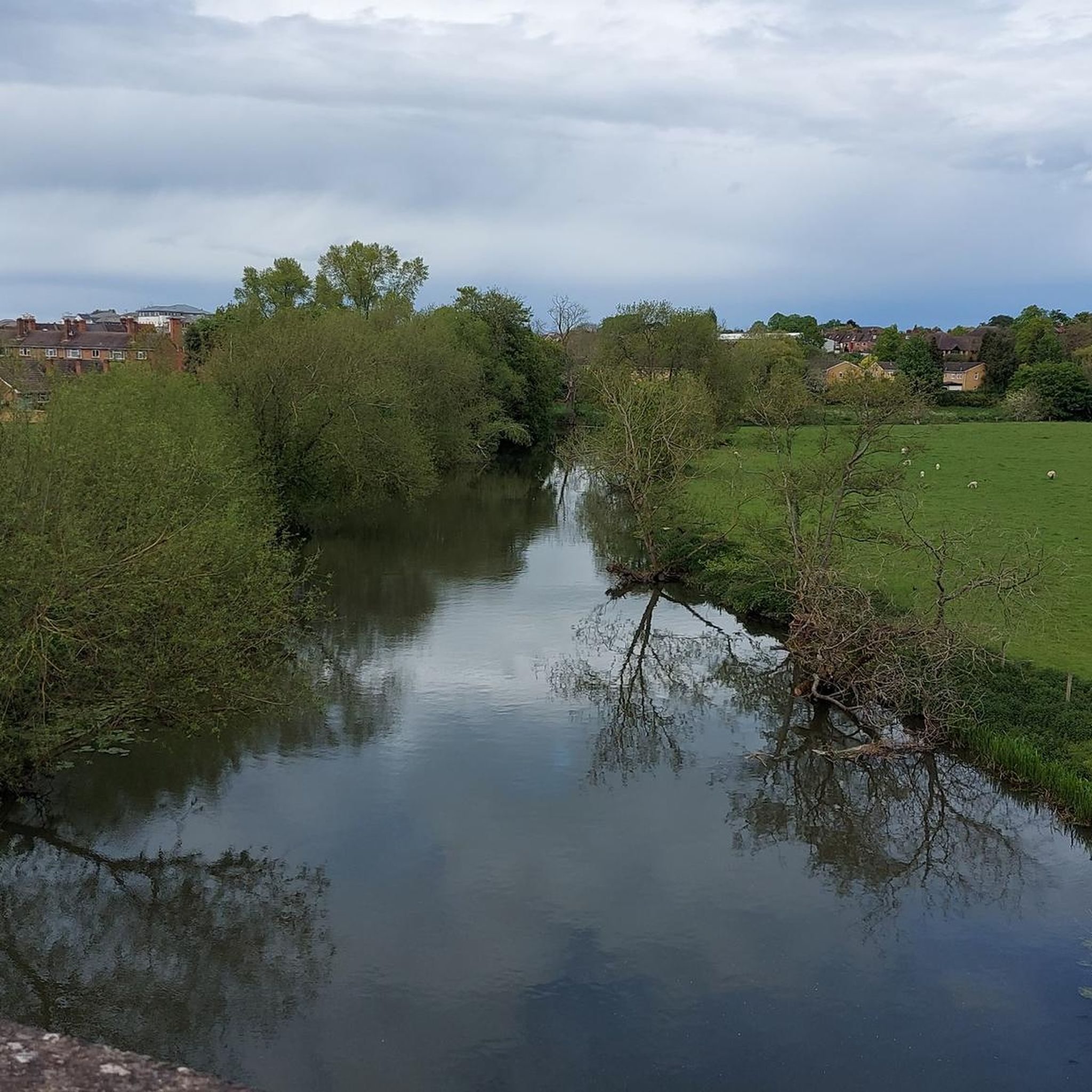
Encompassing a stretch of 3 kilometers along the northern bank of the River Leam, this nature reserve features a diverse range of habitats including woodlands, grasslands, marshes, and ponds. The ecological significance of this area lies in its capacity to support various bird species, butterflies, dragonflies, and a vibrant array of wildflowers. Apart from this, the reserve also has amenities such as a skateboard park, an adventure playground, and a dedicated area for children's play. These facilities have been strategically situated at a distance to ensure minimal disruption to the local wildlife.
1
0

Not a hint but here's some History you might find interesting. 😁 The Grand Union Canal is a waterway in England that was originally built to connect London and Birmingham. It was constructed in several phases over a period of more than 100 years, beginning in the late 18th century. The Leamington Railway Aqueduct, also known as the Leamington Spa Viaduct, is a notable feature of the canal, located in Leamington Spa, Warwickshire. The Leamington Railway Aqueduct was built in the mid-19th century as part of a project to create a railway line that would pass over the Grand Union Canal. The railway line, which was part of the London and Birmingham Railway Company's main line, was constructed between 1837 and 1838 and was one of the earliest railway lines in the country. The original design of the railway line called for a tunnel to be built under the canal, but this was deemed too costly and difficult to construct. Instead, the railway engineers decided to build a viaduct that would carry the railway line over the canal. The Leamington Railway Aqueduct was designed by the engineer William Cubitt, and construction began in 1844. The aqueduct is an impressive structure, consisting of 13 arches that span the canal and surrounding countryside. The arches are made of brick and are supported by cast-iron columns and crossbeams. The viaduct was completed in 1846 and opened to rail traffic the following year. The Leamington Railway Aqueduct was an important engineering achievement of its time, and it remains an impressive sight today. It is a Grade II listed structure, meaning that it is considered to be of special historical and architectural significance. It is also an important part of the local landscape and is popular with visitors who come to admire its impressive design and engineering prowess.
0
0

These sculptures were created to remind visitors of the rich geological history of the Ryton Pools where pieces of neck, tooth and tusk of the straight-tusked elephant were found in the local sand quarries. These massive creatures roamed this area half a million years ago and the life size sculptures bring to life the ancient history of the park.
1
0

Frequently Asked Questions
What natural attractions can I explore around Harbury?
The area around Harbury offers several natural highlights. You can visit the Leam Valley Local Nature Reserve, a haven for wildlife next to the River Leam, where you might spot kingfishers and otters. Another significant site is the Harbury Spoilbank Nature Reserve, known for its species-rich grassland, wildflowers like orchids, and over 20 butterfly species. The region is also notable for its Blue Lias geology, a Lower Jurassic marine sediment rich in fossils.
Are there any historical sites or landmarks to visit in Harbury?
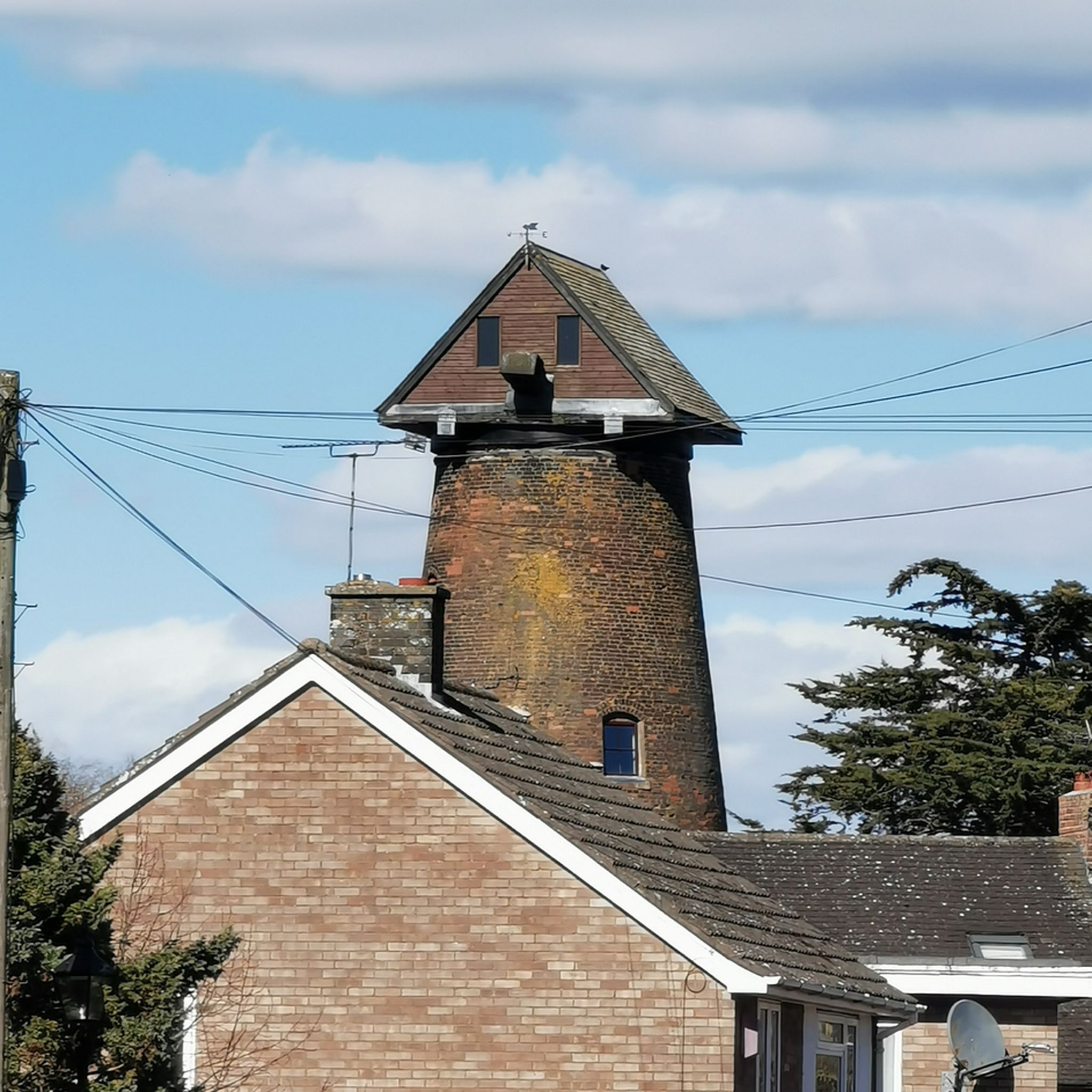
Harbury is rich in history. The village features the remains of the Harbury Windmill, an ancient tower mill, and the historic All Saints Church, which dates back to the Medieval period. You can also see Charlecote Park, a historic house with magnificent parkland, and the site of Deppers Bridge, a medieval bridge over the River Itchen.
What family-friendly activities are available near Harbury?
For families, Jephson Gardens in Leamington Spa offers pleasant strolls, a hot house, and a lively atmosphere. The Leam Valley Local Nature Reserve also includes amenities like a skateboard park and adventure playground, strategically placed to not disturb wildlife. Additionally, the Elephant Sculpture at Ryton Pools provides an engaging way to learn about the area's ancient geological history.
Where can I find walking and hiking trails around Harbury?
Harbury is a great starting point for walks. You can find various hiking routes, including easy loops like the 'Bishops Bowl Lakes loop from Harbury' or the 'Harbury Windmill – St. Giles Church, Chesterton loop from Harbury'. For more options, explore the Hiking around Harbury guide, which details several trails with varying difficulties.
Are there any unique geological features or ancient discoveries in the Harbury area?
Yes, Harbury sits on the Blue Lias, a Lower Jurassic marine sediment known for its rich marine fossils. Skeletons of an ichthyosaur and a plesiosaur were discovered in the Harbury quarry. The Elephant Sculpture at Ryton Pools commemorates the discovery of straight-tusked elephant remains in local sand quarries, highlighting the area's ancient past.
What impressive engineering structures can be seen near Harbury?
The Leamington Railway Aqueduct, also known as the Leamington Spa Viaduct, is a notable structure designed by William Cubitt. Completed in 1846, it features 13 brick arches supported by cast-iron columns and carries the railway line over the Grand Union Canal. The Harbury Railway Cutting, over 100 feet deep and dug entirely by hand, was once the largest man-made cutting in the world.
Where can I learn more about Harbury's local history and heritage?
The Harbury Heritage Centre, located within the grounds of Harbury School, houses a vast collection of historical documents and photographs related to the village. It serves as an excellent resource for local historians and those researching their ancestry, often hosting talks and exhibitions.
What cycling routes are available around Harbury?
Cyclists can enjoy various routes around Harbury. For road cycling, options include the 'Burton Dassett Country Park loop from Harbury' or routes to 'Chesterton Windmill'. If you prefer gravel biking, there are routes like 'View of the River Avon – Rouncil Lane loop from Leamington Spa'. You can find more detailed routes in the Road Cycling Routes around Harbury guide and the Gravel biking around Harbury guide.
Are there any nearby attractions slightly further afield but still worth visiting?
Yes, several significant attractions are a short drive from Harbury. These include the historic Warwick Castle, offering activities like climbing battlements and falconry displays, and the Royal Pump Rooms in Leamington Spa, which houses a local museum, library, and art gallery.
What is the character of Harbury village itself?
Harbury is an ancient village with a history stretching back to prehistoric times, evidenced by Bronze Age cooking pits. Its strategic hilltop location near the Fosse Way Roman road has made it significant through Roman, Saxon, and medieval periods. The village retains much of its historical character, with remnants of 'ridge and furrow' fields in the surrounding areas and several vibrant pubs and a social club reflecting its strong community spirit.
What do visitors particularly enjoy about the attractions near Harbury?
Visitors appreciate the blend of natural beauty and historical significance. For instance, Jephson Gardens is loved for its pleasant strolls and the opportunity to people-watch. The Leam Valley Local Nature Reserve is praised as a haven for wildlife spotting, while Charlecote Park is enjoyed for its expansive grounds and deer park, making for a great day out.
Most popular routes around Harbury
Most popular attractions around Harbury

Get inspired with the komoot mobile app


Explore more
Still not found the Highlight you’re looking for? See guides of the top attractions in other regions:
