The best walks and hikes around Glympton
4.6
(772)
5,678
hikers
316
hikes
Hikes near Glympton explore the rolling countryside of Oxfordshire, characterized by expansive parklands and woodlands. The landscape is defined by the gentle valleys of the River Glyme and its tributaries. A network of public footpaths provides access through historic estates and open fields, offering a variety of Glympton walking trails.
Best hiking trails around Glympton
- The most popular hiking route is the Woodstock Historic Village – Grand Bridge, Blenheim Palace loop from Wootton, a 7.1 mile (11.5 km) trail…
Last updated: July 6, 2026
4.2
(6)
28
hikers
8.98km
02:26
130m
120m
Embark on the Stonesfield & East End loop, a moderate hike through the charming Oxfordshire countryside, offering a quintessential Cotswold experience. This route spans 5.6 miles (9.0 km) with an…
5.0
(5)
173
hikers
Easy hike. Great for any fitness level. Easily-accessible paths. Suitable for all skill levels.

Sign up for free
5.0
(3)
32
hikers
11.1km
02:57
110m
110m
Moderate hike. Good fitness required. Easily-accessible paths. Suitable for all skill levels.
4.0
(4)
15
hikers
17.8km
04:40
140m
140m
Moderate hike. Good fitness required. Easily-accessible paths. Suitable for all skill levels.
2.0
(1)
53
hikers
Easy hike. Great for any fitness level. Easily-accessible paths. Suitable for all skill levels.
Get access to more routes and recommendations from other explorers.
Sign up for free
Already have an account?
Our route recommendations are based on thousands of hikes, rides, and runs completed by other people on komoot.
Start today with a free account
Your next adventure awaits.
Login or Signup



Tips from the Community

In addition to a tour of the baroque-style castle, there is also an interesting and recommendable exhibition about the British politician Winston Churchill.
3
0

Didn't stop at the cafe, but the town and church are definitely worth a visit.
0
0

The tree is featured in the order of the Phoenix where Harries father bullies Snape.
0
0

There is a wonderful playground here for the children to enjoy, the local library is on site and they allow walkers to use the facilities (dirty boots removed), and you can also enjoy the cafe (and warmth) if you're walking in the colder months.
1
0

The Wychwood Way is a 37 mile (60 km) circular long distance trail around the heart of the ancient forest. It's signed all the way with named disks and an oak tree symbol. This section near Charlbury follows an ancient route along the edge of fields.
0
0
The Charlbury Deli is the best place to stock up on snacks or grab a coffee before your run. They also serve great breakfasts from 8:30 to 2:30.
0
0

Car park opposite Judd’s garage. Wonderful walk must be undertaken
0
0

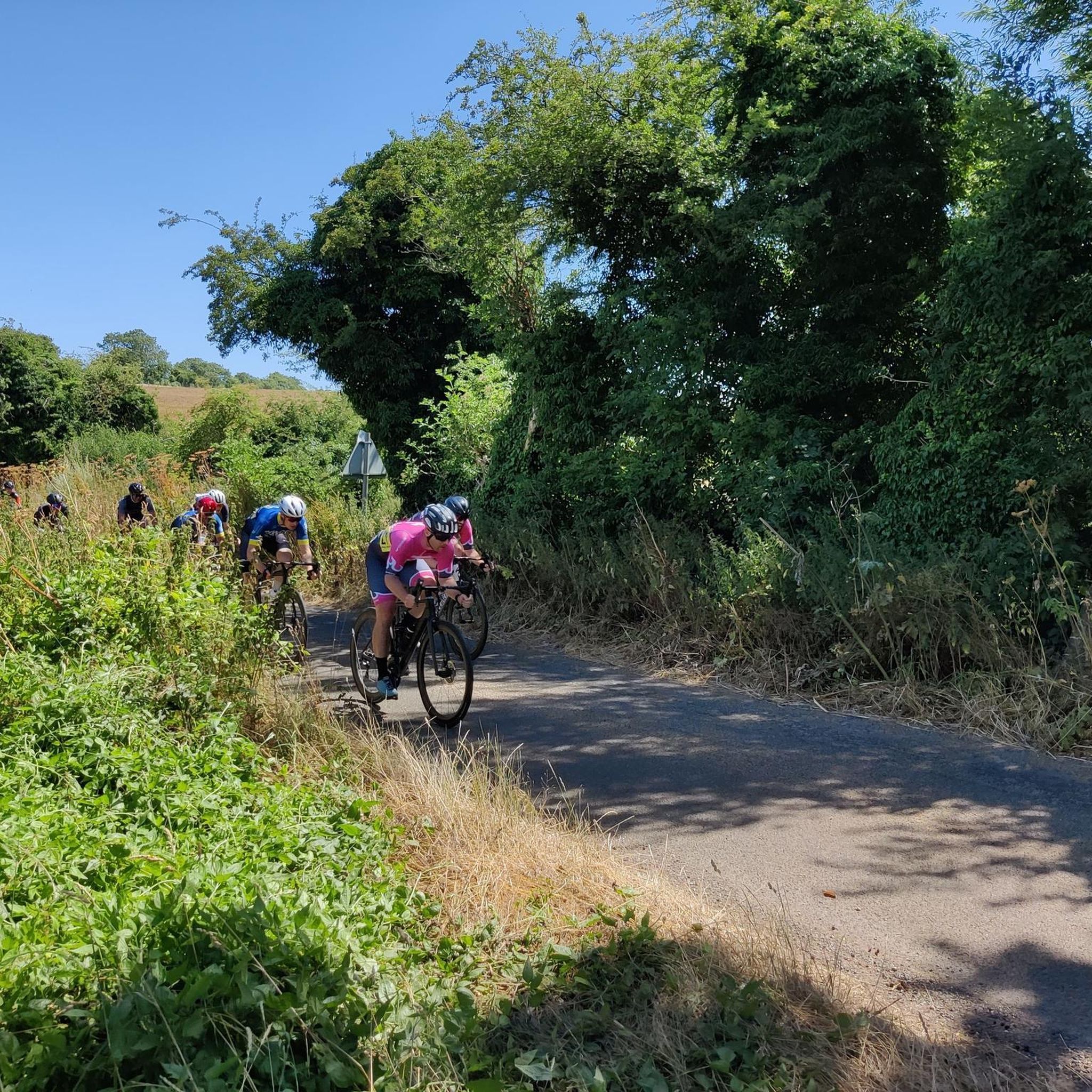
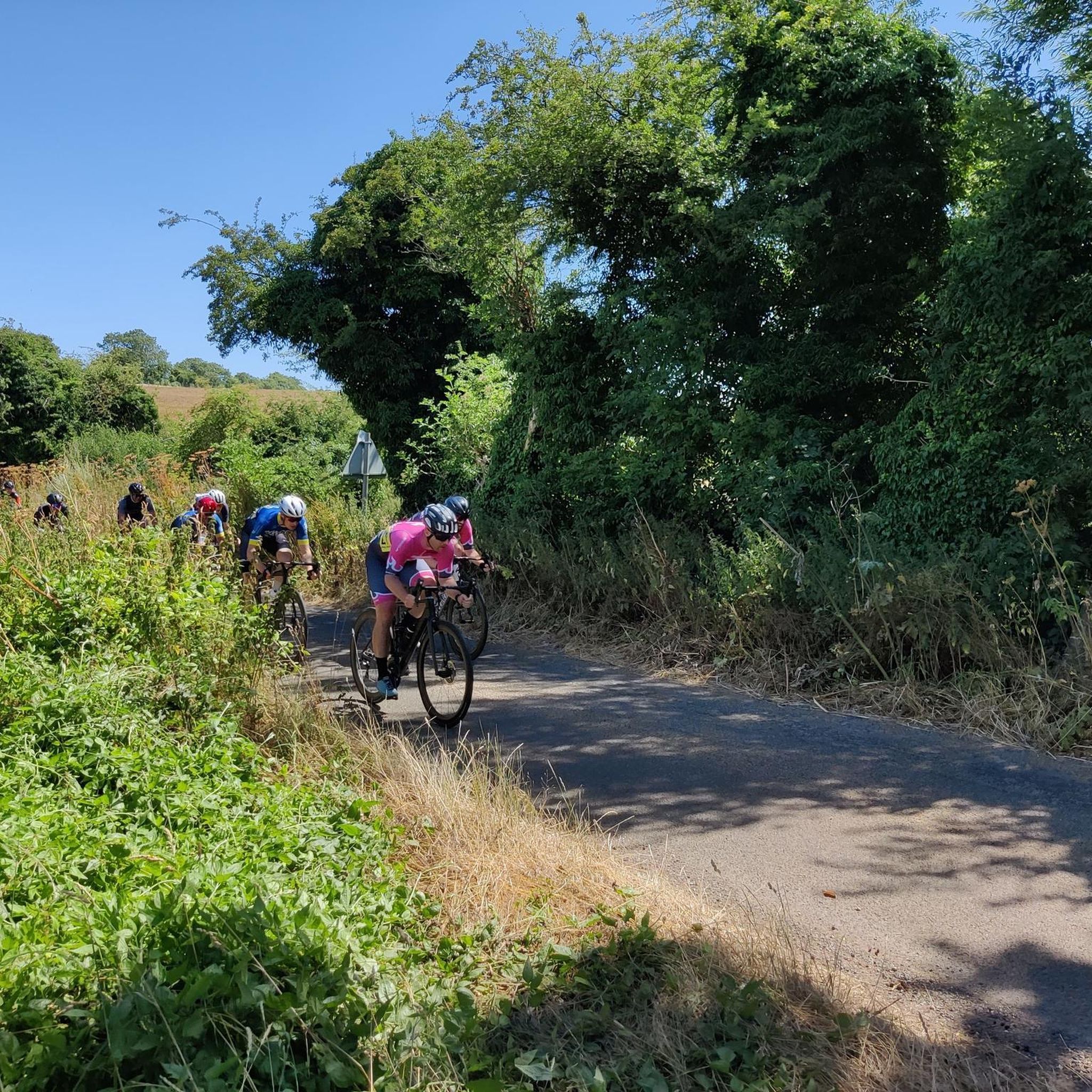
Charlbury is a beautiful village on the eastern edge of the Cotswold. The tour we did was mainly on minor roads, suitable for anyone and good fun. Started and stopped at the Charlbury Garden Centre. Great cream tea at the end of the ride!
0
0
Frequently Asked Questions
Are there many circular walks available around Glympton?
Yes, the area is ideal for circular walks. Many trails are designed as loops, starting and ending in the same place. A great example is the Deadman's Riding Wood – Asterleigh Wood loop from Kiddington with Asterleigh, which takes you through beautiful woodlands and classic Oxfordshire countryside.
Can I bring my dog on the walking trails?
Dogs are generally welcome on the public footpaths around Glympton. However, many trails pass through private estates and farmland with livestock and wildlife, such as pheasants. It is essential to keep your dog on a lead and under close control at all times.
Are there any easy, family-friendly hikes in the area?
Absolutely. The region offers numerous gentle walks suitable for all ages. The landscape is characterized by rolling hills rather than steep climbs. For a shorter, manageable outing, consider the Ditchley Park loop from Stonesfield, which is an easy walk through scenic parkland.
What are the trails like in Glympton Park and Kiddington Estate?
The trails through Glympton Park and the adjacent Kiddington Estate follow public footpaths across classic English parkland. You can expect wide-open grassy paths, sections through mature woodland, and views of the historic estates. These routes are generally well-defined and offer a peaceful walking experience.
How many hiking trails are there to choose from near Glympton?
There is a wide variety of options, with over 300 hiking routes mapped around Glympton. These range from short, easy strolls to more challenging moderate hikes, ensuring there's a trail for every fitness level.
What do other hikers think of the routes around Glympton?
The trails in this area are highly regarded by the komoot community. Reviewers often praise the beautiful scenery of the historic parklands, the peaceful riverside paths along the River Glyme, and the quiet woodlands.
Where can I park to start a hike?
Parking is typically available in the villages that serve as trailheads, such as Glympton, Wootton, and Stonesfield. You'll usually find on-street parking, but be sure to park considerately. For popular spots like Blenheim Palace, designated car parks are available, though charges may apply.
Can I reach the hiking trails using public transport?
Yes, several villages in the area, including Woodstock and Stonesfield, have bus services connecting them to larger towns like Oxford. From these villages, you can directly access the network of public footpaths. Check local bus schedules to plan your journey.
Are there any good pub walks in the region?
Many routes conveniently start or finish near a traditional village pub. For example, you can plan a walk around Wootton, which allows for a rewarding stop at a local pub post-hike. The Woodstock Historic Village – River Glyme loop from Wootton is a great option that starts and ends in the village.
What kind of scenery and wildlife can I expect?
The landscape is a classic English countryside mix of rolling hills, ancient woodlands, and serene river valleys like the River Glyme. The trails often pass through large estates such as Glympton Park and Blenheim Palace. Wildlife is abundant, and it's common to spot pheasants, deer, and a variety of birdlife.
Are there any longer, more challenging hikes available?
While the area is known for gentle walks, there are longer options for those seeking more of a challenge. You can find moderate hikes over 7 miles long, such as the Woodstock Historic Village – Grand Bridge, Blenheim Palace loop from Wootton, which offers a substantial walk through varied and historic landscapes.
What are some popular natural spots for hiking near Glympton?
Besides the main estates, hikers enjoy exploring nearby natural areas. A local favorite is Shotover Country Park, known for its hidden valleys and diverse landscapes. For a quieter experience, many walkers appreciate the peaceful trails in Bagley Wood.
Most popular attractions around Glympton

Get inspired with the komoot mobile app


Explore more
Browse the best Hikes in other regions.
