Attractions and Places To See around Barton-Le-Clay - Top 20
Best attractions and places to see around Barton-Le-Clay include a blend of historic landmarks and natural landscapes. The village is situated within the picturesque Chiltern Hills, an Area of Outstanding Natural Beauty, featuring chalk downlands and ancient woodlands. Visitors can explore sites with architectural significance and enjoy the diverse flora and fauna of local nature reserves. The area offers a mix of cultural insight and opportunities to experience the natural environment.
Best attractions and places to see around Barton-Le-Clay
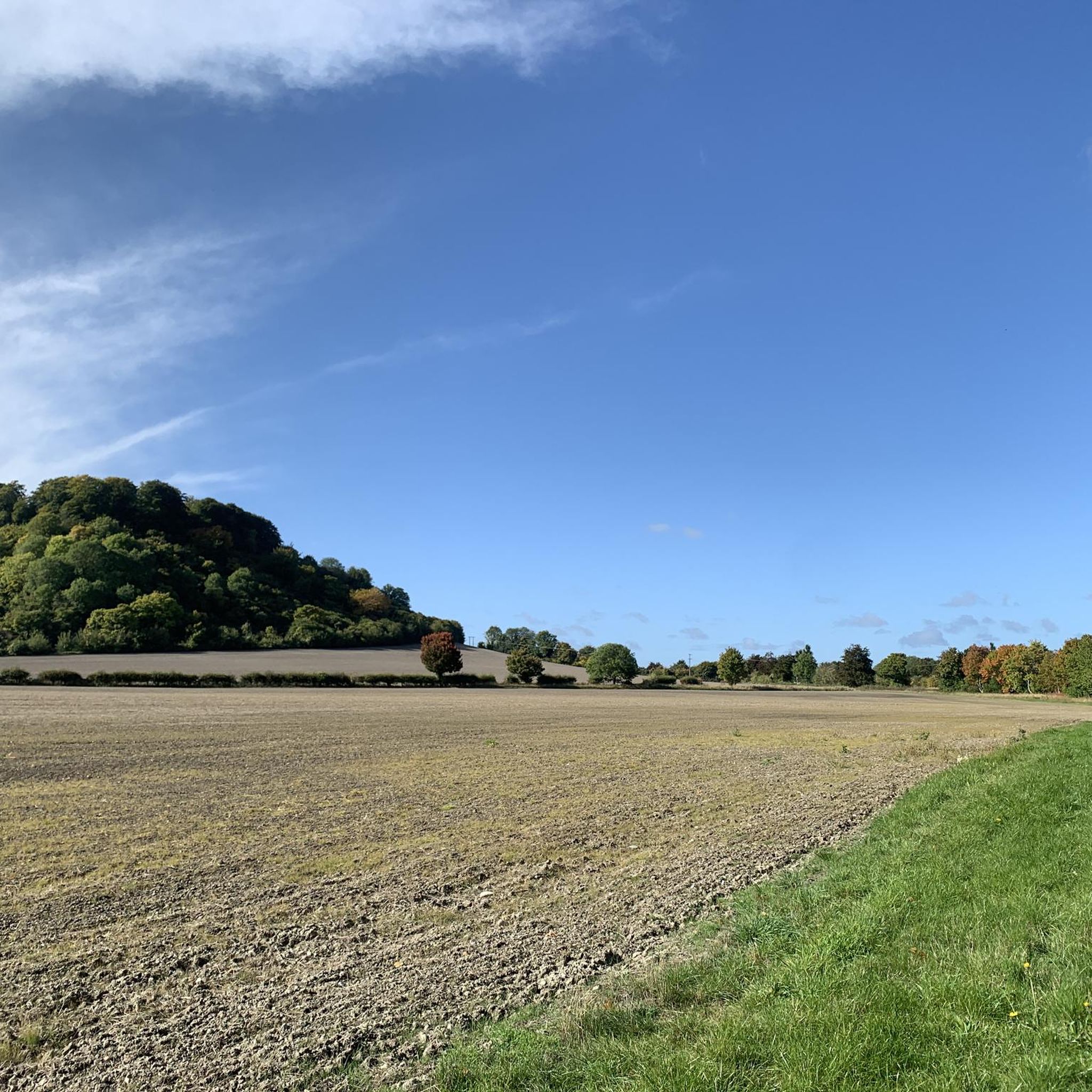
- The most popular attraction is Icknield Way Trail – Pegsdon Hills, a forest that features a wide, hard-pack trail with some roots. This segment includes a climb over Telegraph Hill, offering either a steady ascent or a flowing descent.
- Another must-see spot is Houghton House Ruins, a viewpoint and historical site. These 17th-century ruined walls, managed by English Heritage, are a Grade I listed building and offer views over the surrounding countryside.
- Visitors also love St Peter's Church, Lilley, a historical site and religious building. This 12th-century church, rebuilt in 1871, retains some original features including a 15th-century font.
- Barton-Le-Clay is known for its historical sites, nature reserves, and scenic trails. The area provides a variety of attractions to see and explore, from ancient churches to expansive natural landscapes.
- The attractions around Barton-Le-Clay are appreciated by the komoot community, with highlights receiving more than 40 upvotes and featuring over 15 photos.
Last updated: October 9, 2026
Icknield Way Trail – Pegsdon Hills
Highlight (Segment) • Forest
There's a steeper incline on this segment, which makes for a great flowing descent if you are heading NE toward Pirton. Alternatively a good climb heading SW, steady does it!
Caution at Pirton Road at the bottom, it's a close-pass waiting to happen, so use the track at side of the road then nip straight over to Wood Lane.
Tip by

Houghton House Ruins
Highlight • Viewpoint
The house began to decline from the late 18th century, when its furnishings and roof were sold. You can visit its ruined walls, which are managed by English Heritage, during daylight hours or from 10am to 6pm.
Tip by

Sign up now to discover places like this
Get recommendations on the best single tracks, peaks, & plenty of other exciting outdoor places.
St Peter's Church, Lilley
Highlight • Historical Site
Tip by

Ampthill Market Square
Highlight • Cafe
Tip by

St Mary's Church, Luton
Highlight • Historical Site
Tip by
Sign up for free to discover even more attractions around Barton-Le-Clay.
Already have an account?
Start today with a free account
Your next adventure awaits.
Tips from the Community

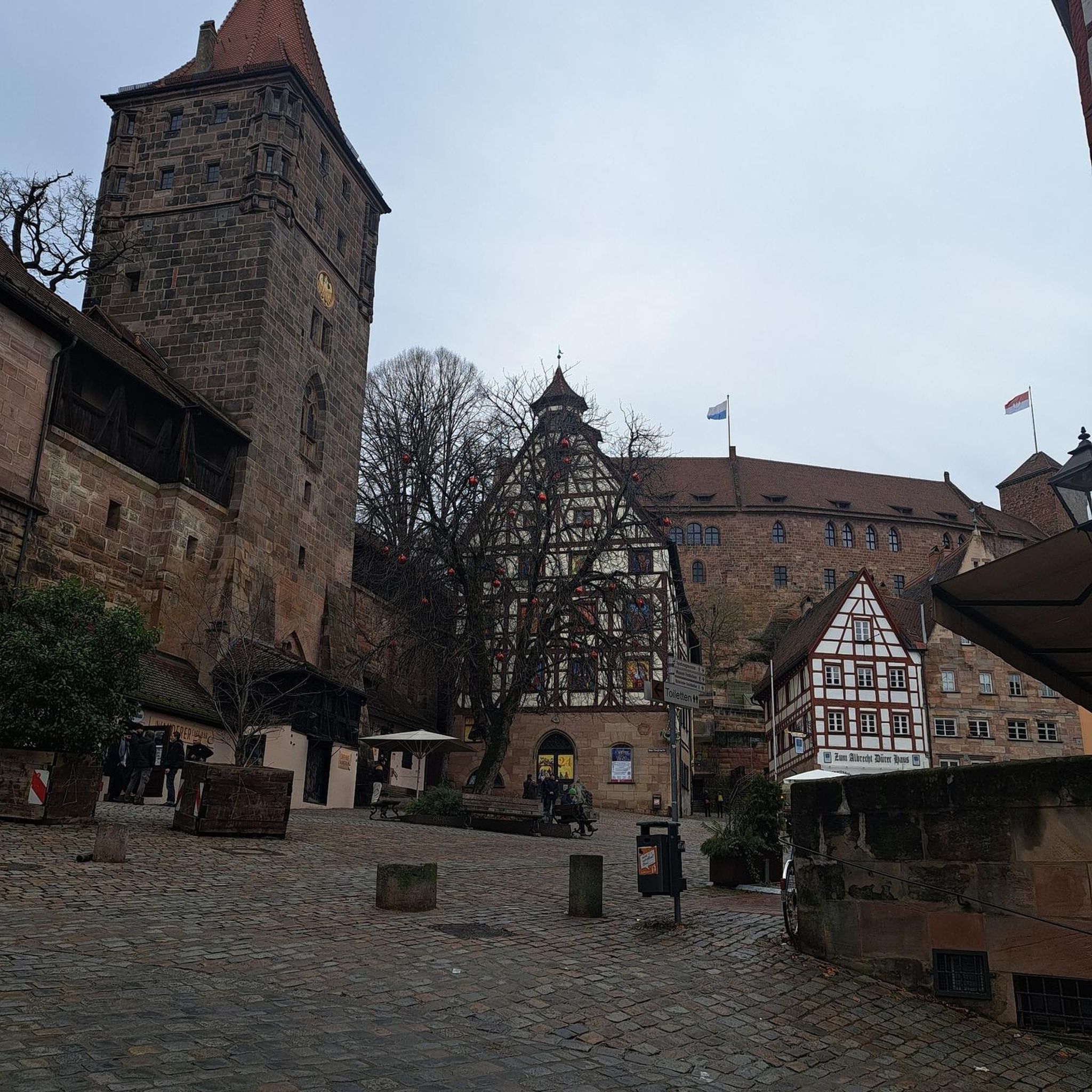
In the accounts of the Evangelists, who describe the events in the life of Jesus and his disciples in the New Testament, we find a very nuanced picture of the Apostle Saint Peter, to whom the patronage of this church in Lilley is entrusted. On the one hand, we encounter the convinced and resolute disciple of Jesus, who, for example, attended the Transfiguration on Mount Tabor; but on the other hand, he is not free from human weakness. The latter becomes very clear in the events of Holy Week: In the Garden of Gethsemane, he falls asleep—as do the other disciples—when Jesus, after the Last Supper, addresses God the Father and asks the disciples to pray as well; and after Jesus' arrest, Peter, out of fear, even denies three times that he knows him at all. But he also weeps over his weakness and, upon encountering the risen Christ, professes his love and loyalty to him. His real name is Simon, but Jesus gives him the name Peter (the word means 'rock'), upon which the Church is to be built, and gives him – according to the Gospel of Matthew – the "keys to the Kingdom of Heaven." His feast day – together with that of Saint Paul – is celebrated on June 29th in all Christian denominations.
0
0

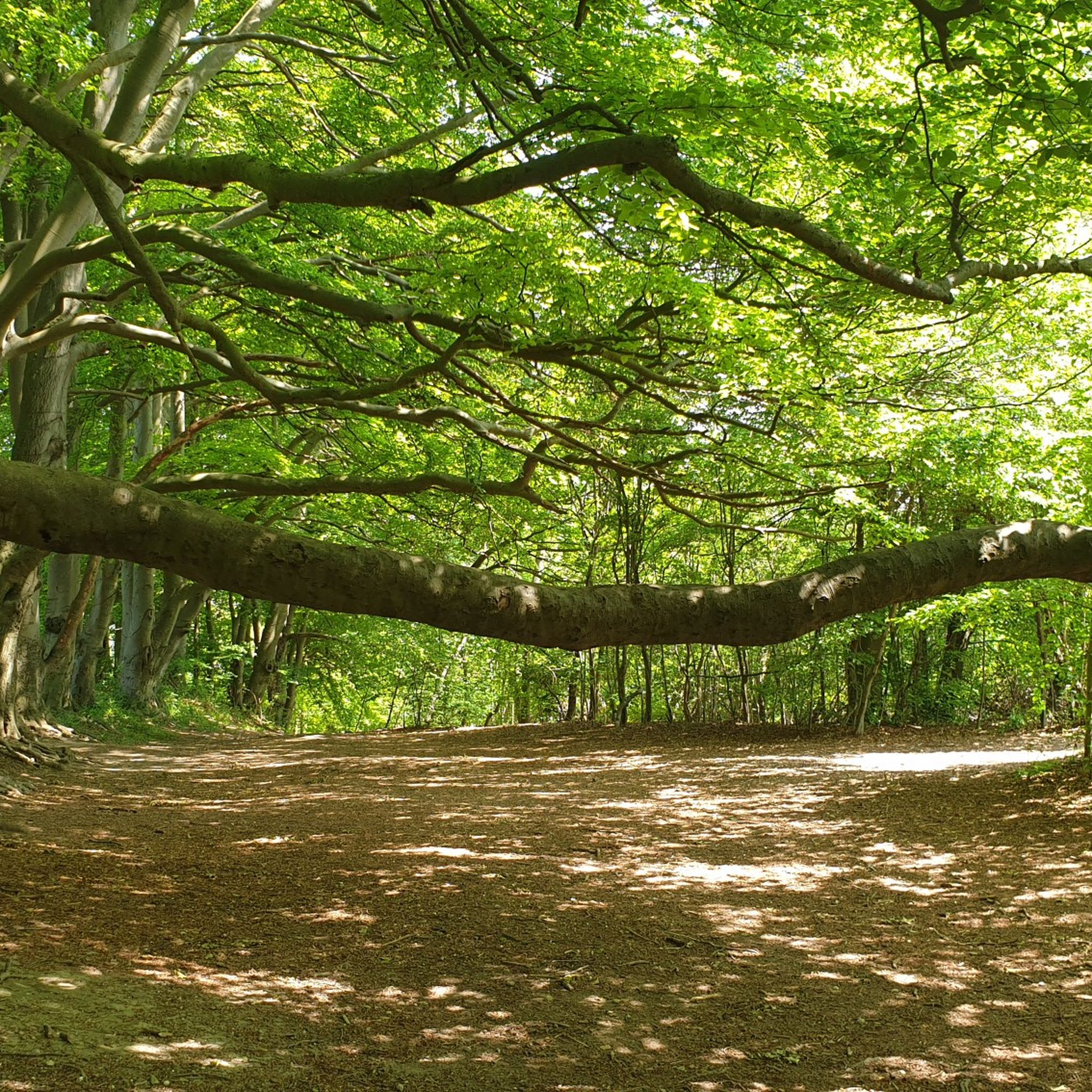
On the climb, make sure to admire the amazing tree canopy as well. :)
0
0
Beautiful woodland part of the Icknield Way in this area, with a climb & descent around Telegraph Hill
0
0

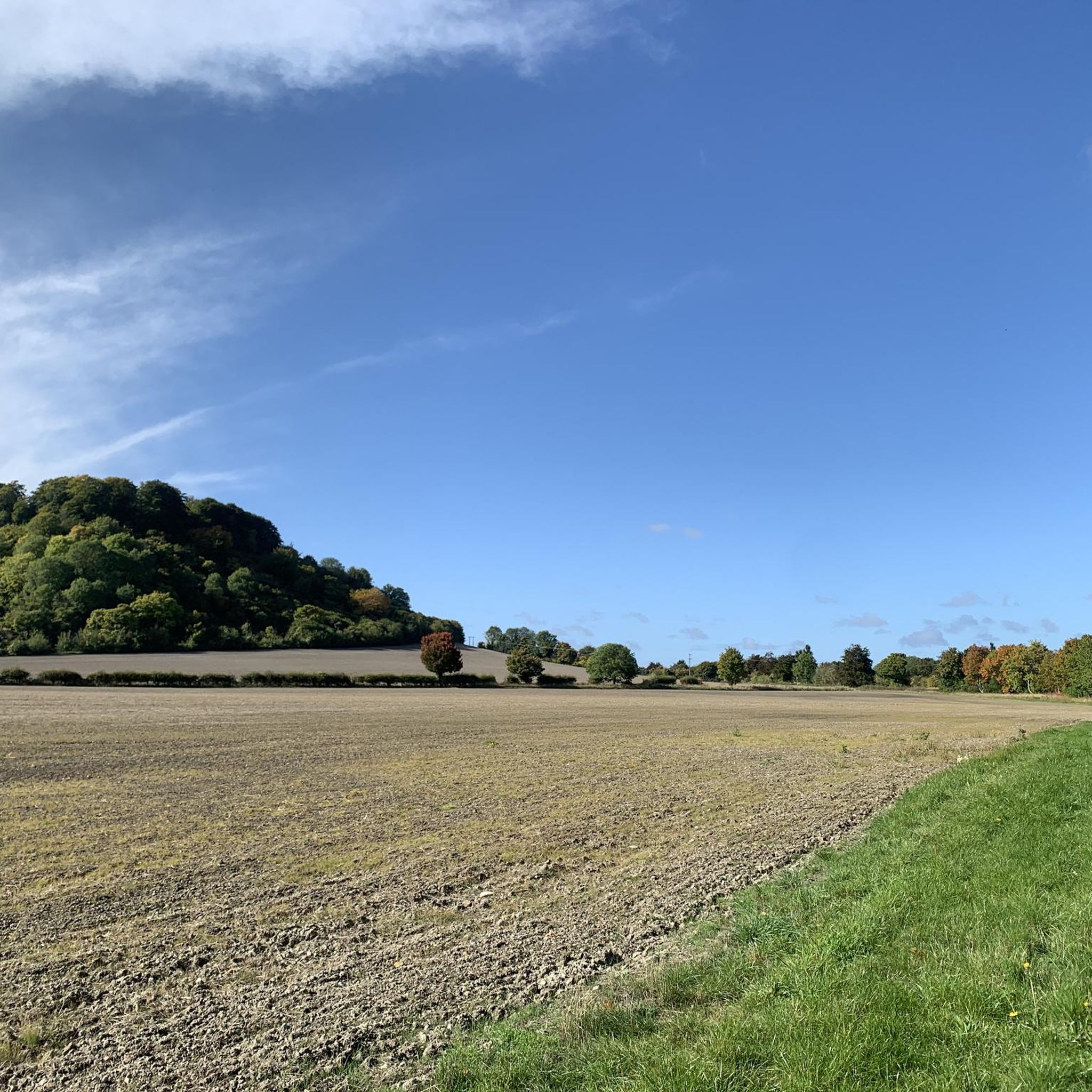
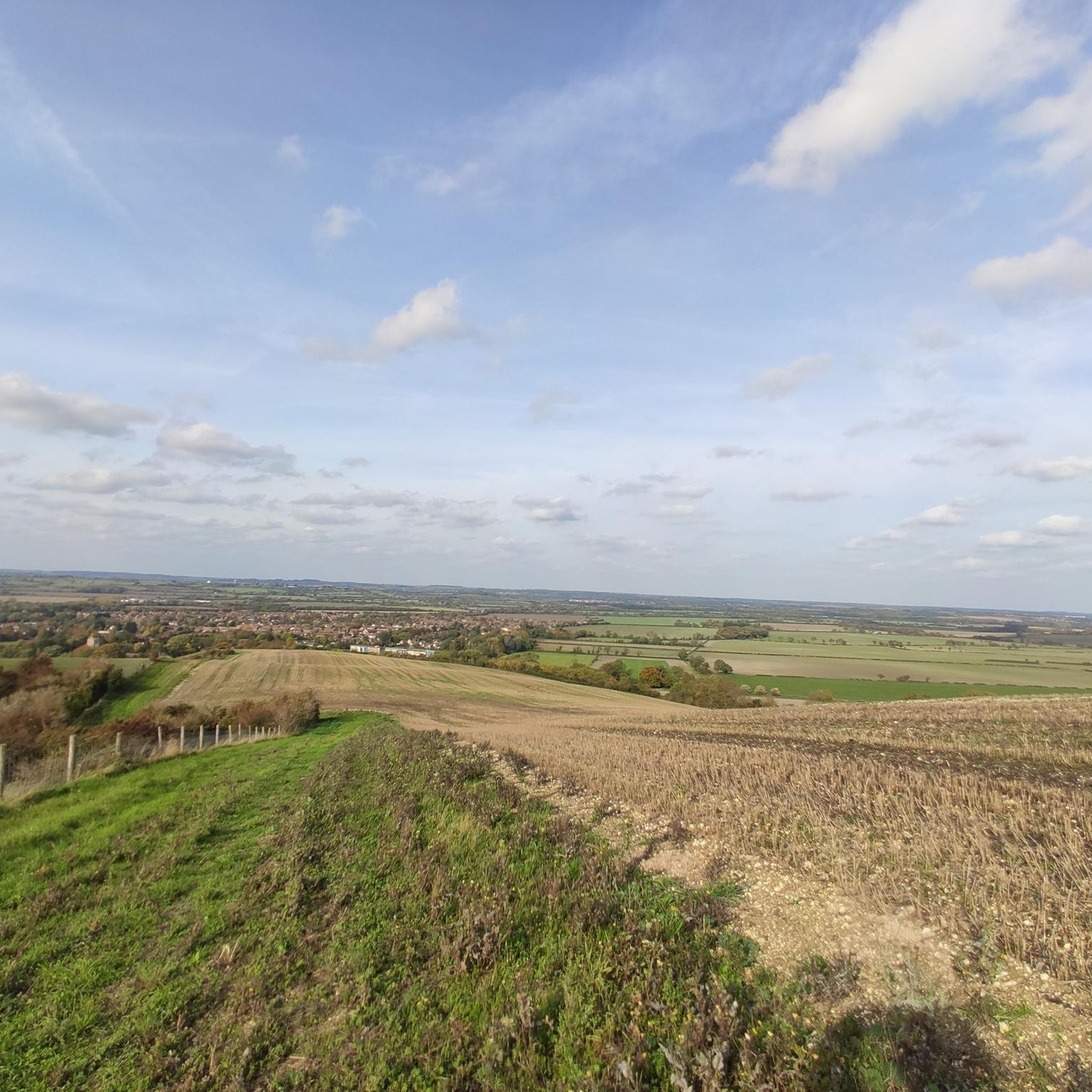
we love this stretch some great views over the plains
0
0

Free to visit. English heritage link https://www.english-heritage.org.uk/visit/places/houghton-house/
0
0

St. Mary’s Church has a rich and long history, being almost 900 years old. It has been rebuilt and refurbished constantly over the centuries. The Church is one of the largest in Bedfordshire and considered a fine example of medieval architecture. It is the only Grade 1 listed building in Luton. The site of St. Mary’s has been the centre of worship for people in the area for over 1,000 years, and a church was built in about 930 AD by King Athelstan as an act of thanksgiving for victory over the Danes. The land here was owned by the king in Saxon and early Norman times and the church was very richly endowed.
0
0

Ampthill is a historic market town located in Central Bedfordshire that dates back to 1219. There are a number of great cafés, pubs and restaurants to discover including The White Hart and Surtin Café.
0
0
Frequently Asked Questions
What historical sites can I explore in and around Barton-Le-Clay?
Barton-Le-Clay is rich in history. You can visit Houghton House Ruins, a 17th-century Grade I listed building managed by English Heritage, offering views over the countryside. Within the village, St Peter's Church, Lilley, though rebuilt, retains 12th-century origins and a 15th-century font. Also, the village's own St. Nicholas Church is a Grade I listed building with parts dating back to the 12th century, and the late 18th-century Barton Mill (The Olde Watermill) is a Grade II listed building.
Are there natural attractions or nature reserves near Barton-Le-Clay?
Yes, the area boasts significant natural beauty. The Icknield Way Trail – Pegsdon Hills is a popular forest area with a hard-pack trail and views from Telegraph Hill. You can also explore the Barton Hills National Nature Reserve (NNR), a chalk downland known for diverse flora like rare pasqueflowers and butterflies, and home to Barton Springs. Nearby, Sharpenhoe Clappers offers ancient woodland, chalk downland, and an Iron Age hillfort with expansive views. The Barton Gravel Pit is another nature reserve managed by the Wildlife Trust.
What outdoor activities are available near Barton-Le-Clay's attractions?
The region offers various outdoor activities, especially hiking and cycling. For hiking, consider routes like 'The Icknield Way – Deacon Hill summit loop' or 'View of Barton Hills – Sharpenhoe Clappers Forest loop'. If you're into gravel biking, explore routes such as 'Icknield Way Woodland Trail – Wood Lane Bridleway loop'. Road cyclists can enjoy routes like 'Lilley Bottom Segment – View of Sharpenhoe Clappers loop'. You can find more details on these and other routes in the Hiking around Barton-Le-Clay, Gravel biking around Barton-Le-Clay, and Road Cycling Routes around Barton-Le-Clay guides.
Are there family-friendly attractions in Barton-Le-Clay?
Yes, several attractions are suitable for families. Houghton House Ruins is a family-friendly historical site where children can explore the remains of a 17th-century mansion. The natural reserves like Barton Hills National Nature Reserve and Sharpenhoe Clappers provide open spaces for walks and nature observation. Additionally, the Coronation Community Garden, opened in 2024, offers a pleasant, contemporary green space for all ages.
Where can I find charming village architecture in Barton-Le-Clay?
Barton-Le-Clay's conservation area is known for its vernacular timber-framed houses and cottages. You can particularly appreciate this charm on Manor Road and Church Road, where these historic buildings contribute significantly to the village's character. The village also features two Grade II listed public houses, The Bull Inn (18th century) and The Royal Oak Inn (17th century), which showcase historical architecture.
What are some popular walking trails near Barton-Le-Clay?
Popular walking trails include those within the Icknield Way Trail – Pegsdon Hills, offering a mix of forest and open views. The Barton Hills National Nature Reserve and Sharpenhoe Clappers also provide excellent walking opportunities across chalk downlands and ancient woodlands. For specific routes, consider the 'Plum Pudding Hill – View of Barton Hills loop' which is an easy walk, or the more moderate 'View of Barton Hills – Sharpenhoe Clappers Forest loop'. Find more options in the Hiking around Barton-Le-Clay guide.
Is there a market town nearby with amenities?
Yes, Ampthill Market Square is a picturesque Georgian market town located nearby. It offers various cafes, pubs, and restaurants, making it a great place to stop for refreshments. The town has bike racks and seating, providing a pleasant spot to relax.
What is the significance of St. Nicholas Church in Barton-Le-Clay?
St. Nicholas Church is a central historical and architectural landmark in Barton-Le-Clay. It is a Grade I listed building with parts dating from the 12th to the 15th centuries, having served the community for over 800 years. It also houses a war memorial window, commemorating local history and sacrifice.
Are there any notable religious buildings to visit?
Beyond St. Nicholas Church in Barton-Le-Clay, you can visit St Peter's Church, Lilley, a 12th-century church with a 15th-century font. Further afield, St Mary's Church, Luton is a striking parish church, predominantly dating to the 14th and 15th centuries, and is the only Grade I listed building in Luton.
What are the best times to visit the natural reserves around Barton-Le-Clay?
The natural reserves like Barton Hills National Nature Reserve and Sharpenhoe Clappers are beautiful year-round. Spring is particularly good for seeing wildflowers, including the rare pasqueflowers at Barton Hills. Autumn offers stunning foliage in the woodlands. Summer is ideal for longer walks and enjoying the diverse butterfly populations. Winter walks can be peaceful, especially after a fresh snowfall, but trails might be muddy.
Are there any hidden gems or lesser-known spots in the area?
While not exactly 'hidden,' the Barton Gravel Pit is a nature reserve overseen by the Wildlife Trust for Bedfordshire, Cambridgeshire and Northamptonshire, offering a quieter natural experience compared to the more prominent Barton Hills. Exploring the vernacular architecture on Manor Road and Church Road also reveals charming, often overlooked, historical details of the village.
Most popular routes around Barton-Le-Clay
Most popular attractions around Barton-Le-Clay

Get inspired with the komoot mobile app


Explore more
Still not found the Highlight you’re looking for? See guides of the top attractions in other regions:
