The best cycling routes around Filisur
4.7
(181)
5,482
riders
12
rides
Touring cycling routes around Filisur traverse a spectacular mountain valley in Graubünden, Switzerland, surrounded by alpine peaks and the Landwasser River. The region features rugged gorges, such as the Zügenschlucht, and is part of Parc Ela, Switzerland's largest nature park. Cyclists can experience varied terrain, from valley paths to challenging high-alpine climbs, often alongside the UNESCO World Heritage Albula/Bernina Railway.
Best touring cycling routes around Filisur
- The most popular touring cycling route is Albula River Near Surava – Church of St. Peter, Mistail loop from Alvaneu, a 24.3 miles (39.1 km) trail that takes 3 hours 27 minutes to complete. This difficult route follows the Albula River and passes through varied landscapes.
- Another top favourite among local touring cyclists is Landwasser Viaduct – View of the Landwasser Viaduct from below loop from Schmitten GR Landwasserviadukt, a difficult 26.7 miles (42.9 km) path. This route offers views of the iconic Landwasser Viaduct, a UNESCO World Heritage site.
- Local touring cyclists also love the Albula Gorge – Bergün/Bravuogn, post office loop from Davos Wiesen, a 32.8 miles (52.9 km) trail leading through the Albula Gorge, often completed in about 3 hours 54 minutes.
- Touring cycling around Filisur is defined by alpine scenery, deep gorges, and the historic Albula railway line. The network offers options for different ability levels, from moderate valley rides to difficult high-alpine ascents.
- The routes in Filisur are highly rated by the komoot community with an average score of 4.9 stars from more than 100 reviews. More than 3000 touring cyclists have used komoot to explore Filisur's varied terrain.
Last updated: August 18, 2026
4.7
(7)
137
riders
39.1km
03:27
990m
990m
Hard bike ride. Very good fitness required. Mostly paved surfaces. Suitable for all skill levels.
4.0
(6)
115
riders
Hard bike ride. Very good fitness required. Mostly paved surfaces. Suitable for all skill levels.

Sign up for free
5.0
(8)
39
riders
52.8km
03:56
1,240m
1,240m
Hard bike ride. Very good fitness required. Mostly paved surfaces. Suitable for all skill levels.
5.0
(2)
39
riders
Hard bike ride. Very good fitness required. Mostly paved surfaces. Suitable for all skill levels.
15
riders
Hard bike ride. Very good fitness required. Mostly paved surfaces. Suitable for all skill levels.
Get access to more routes and recommendations from other explorers.
Sign up for free
Already have an account?
Our route recommendations are based on thousands of hikes, rides, and runs completed by other people on komoot.
Start today with a free account
Your next adventure awaits.
Login or Signup
Popular around Filisur
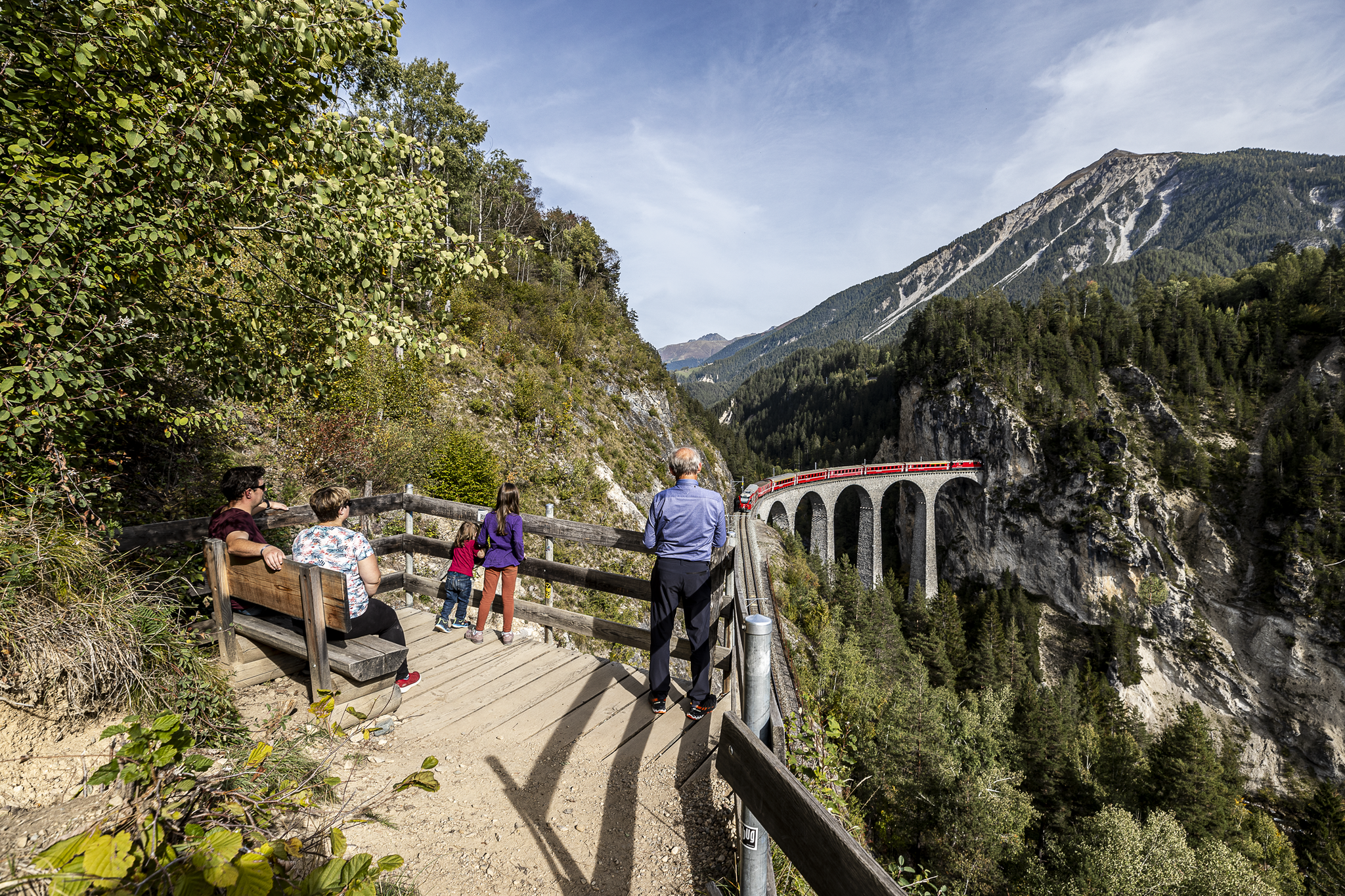
Historic railways and joyous hiking in the Landwasser World
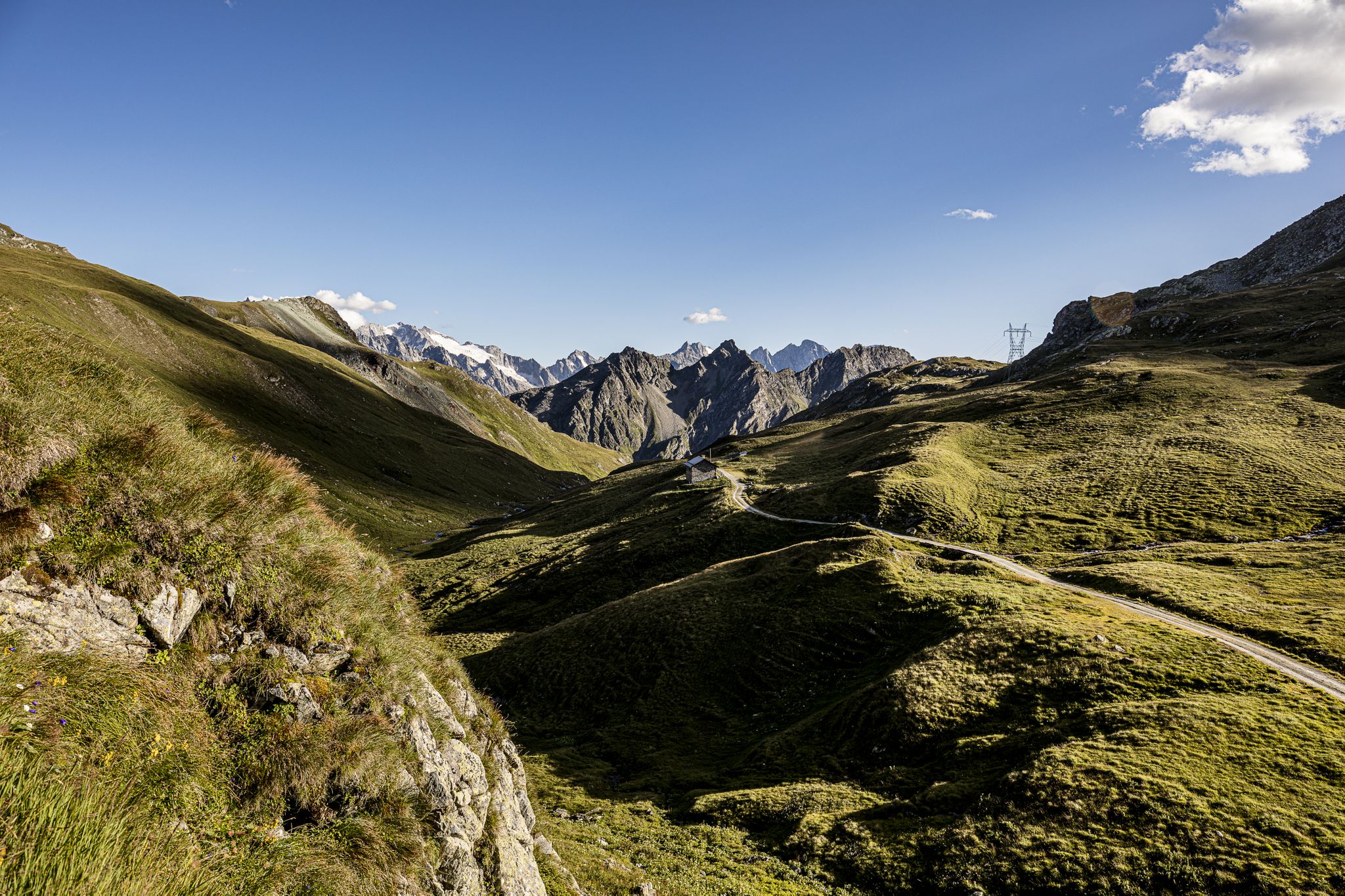
Parc Ela Trek – 17 days of trekking in the heart of Europe
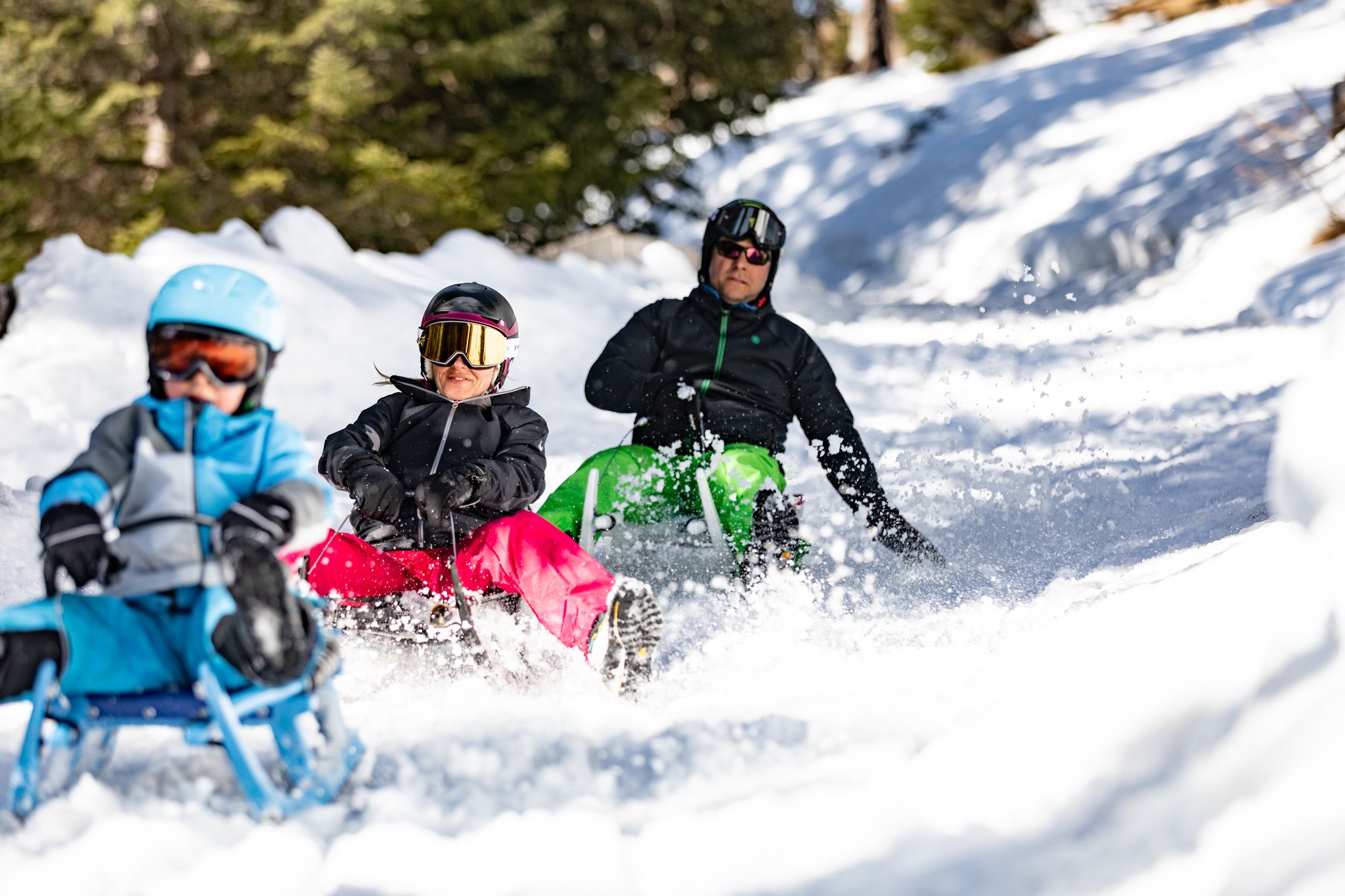
Fast-paced sledging, hiking and winter fun in Bergün Filisur
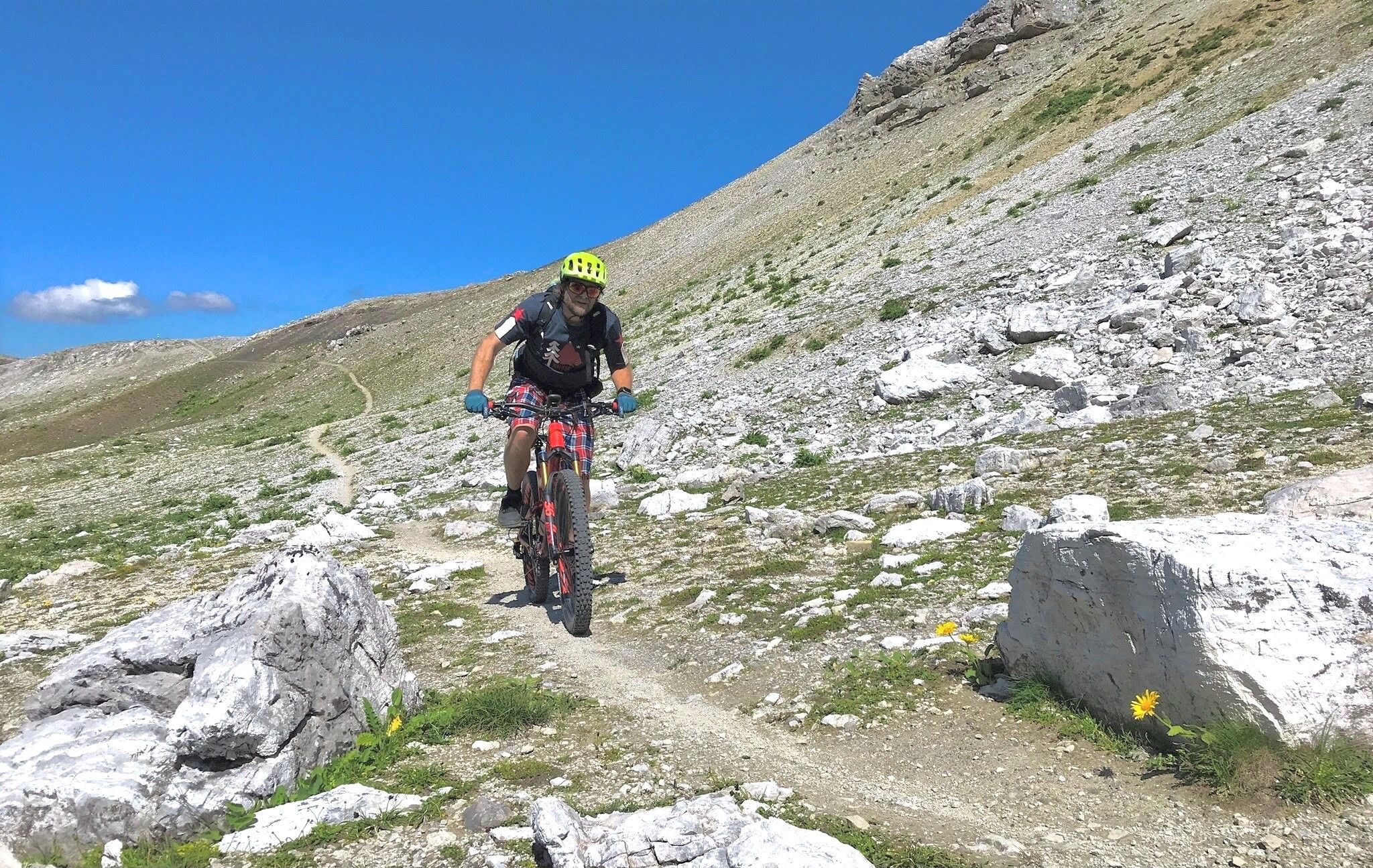
High-alpine single trail adventures – Davos in Switzerland
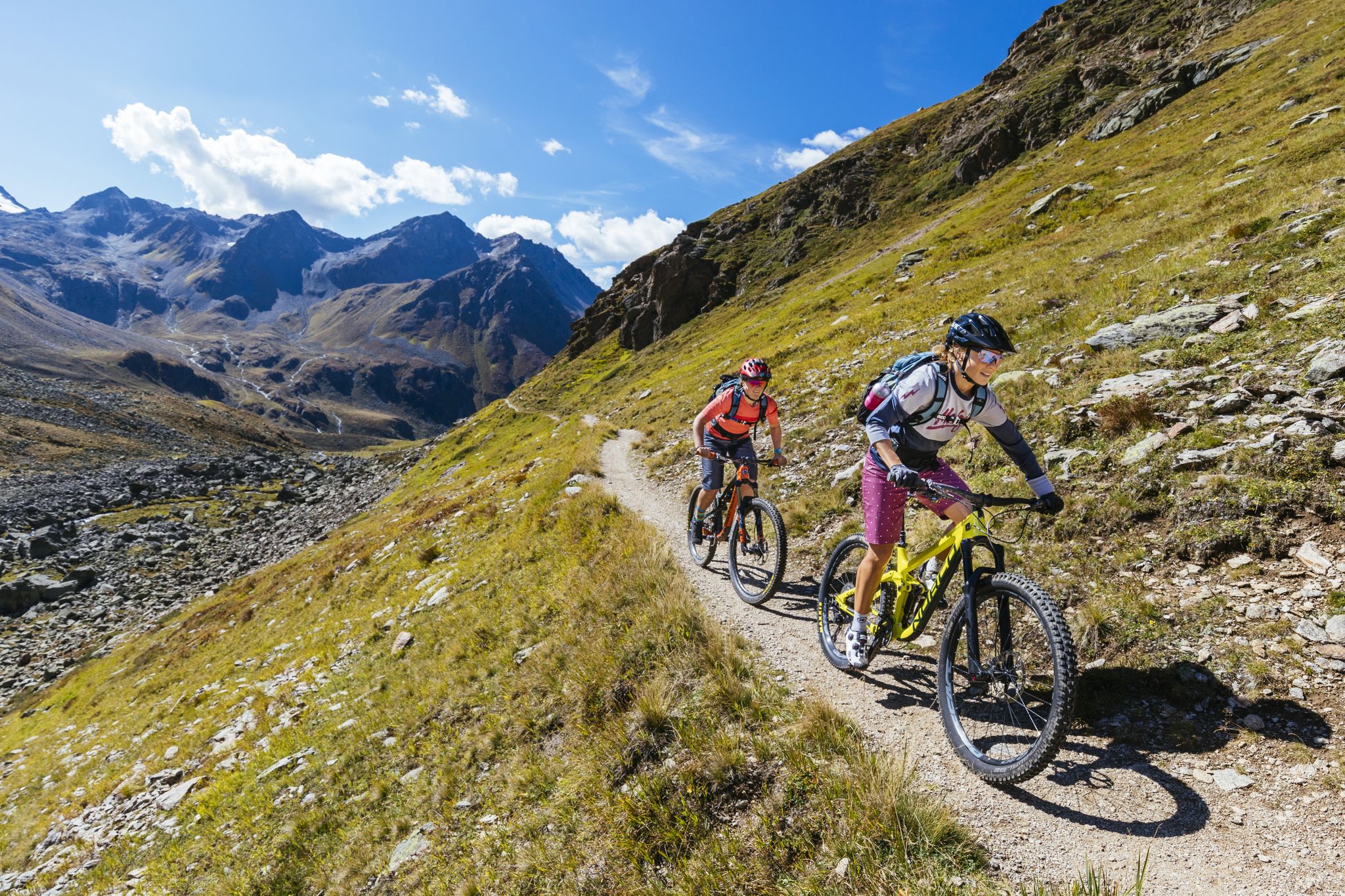
Riding the most beautiful single trails in Davos Klosters on your E-MTB
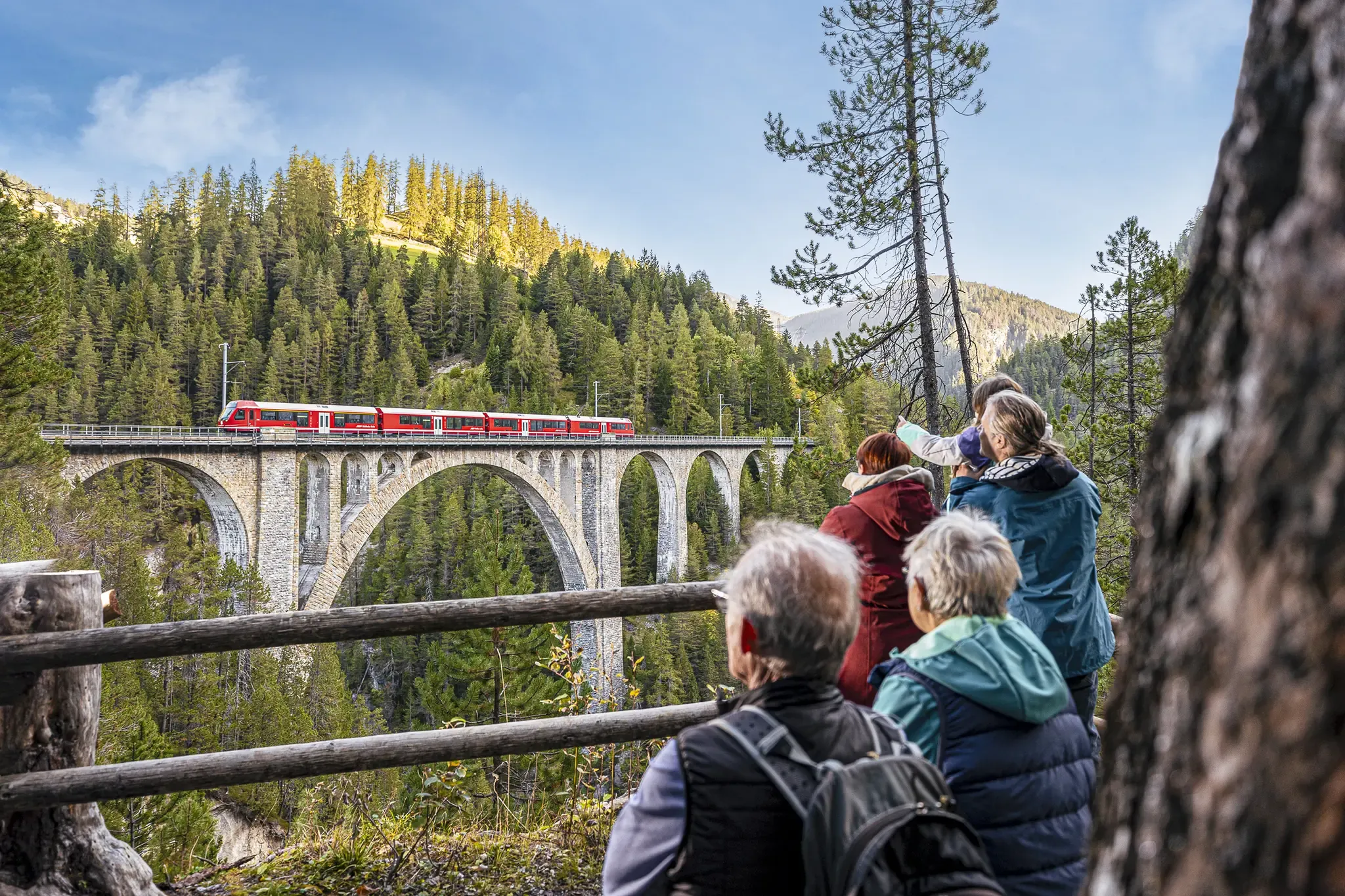
Auf Schnitzeljagd mit Clà Ferrovia
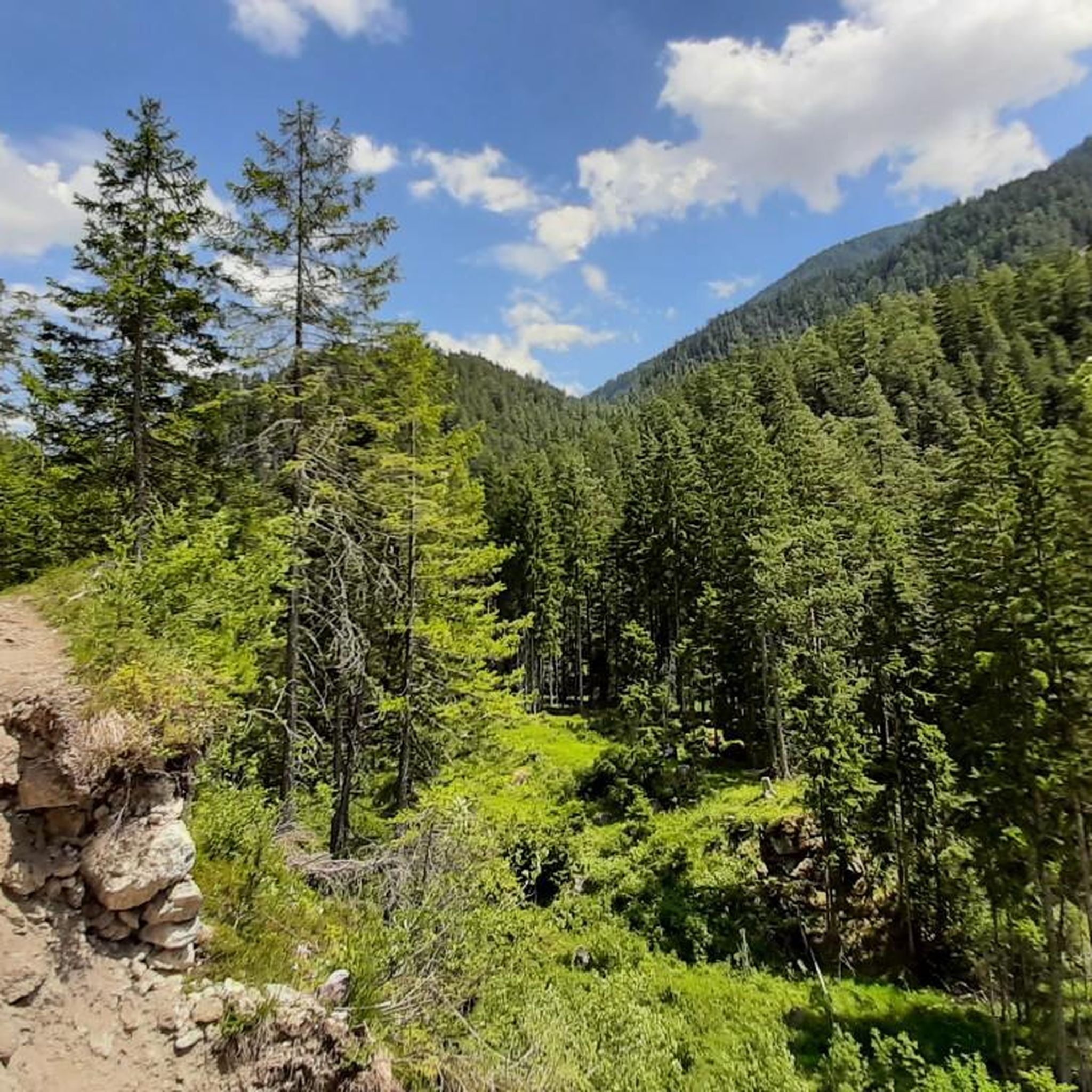
Hiking around Filisur
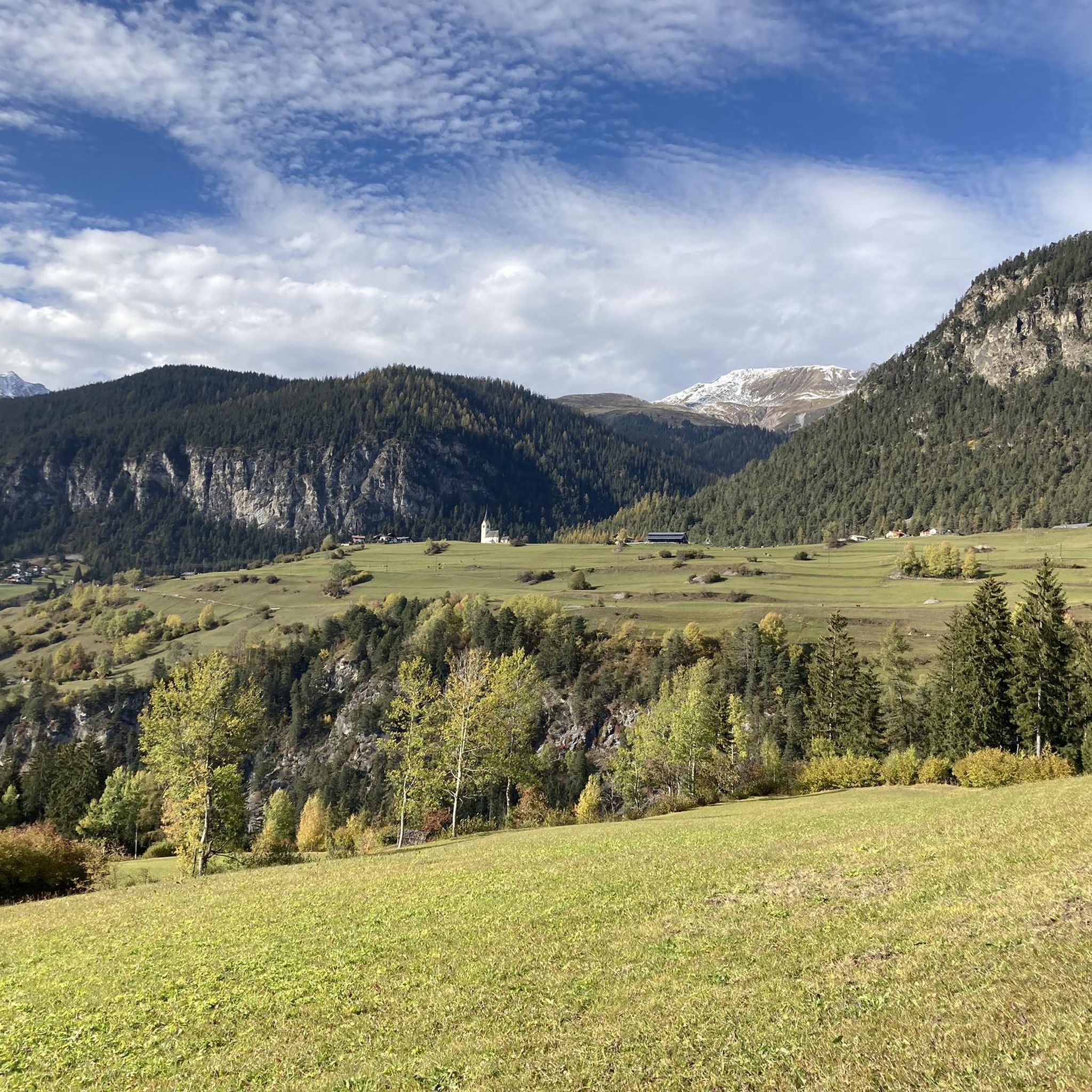
MTB Trails around Filisur
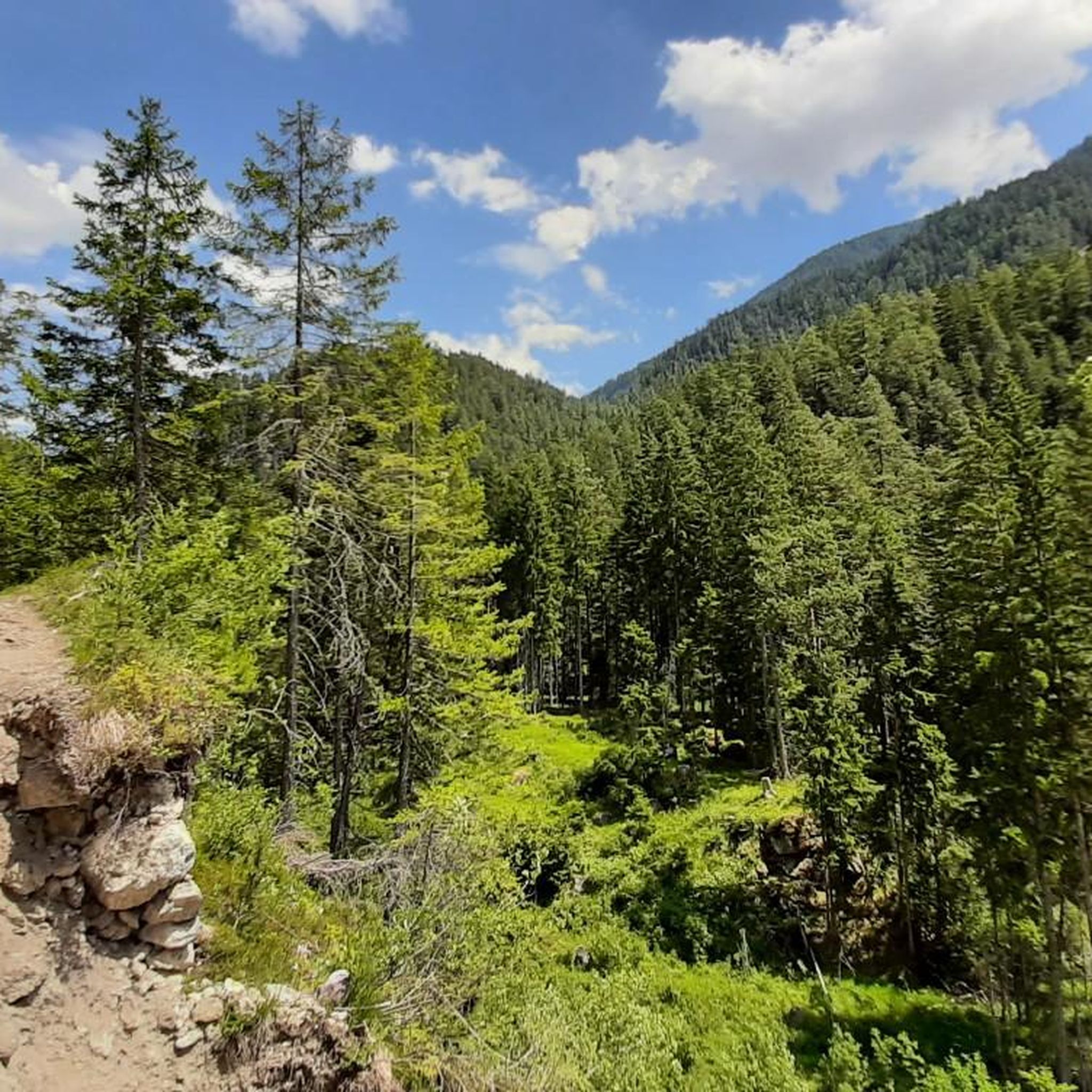
Road Cycling Routes around Filisur
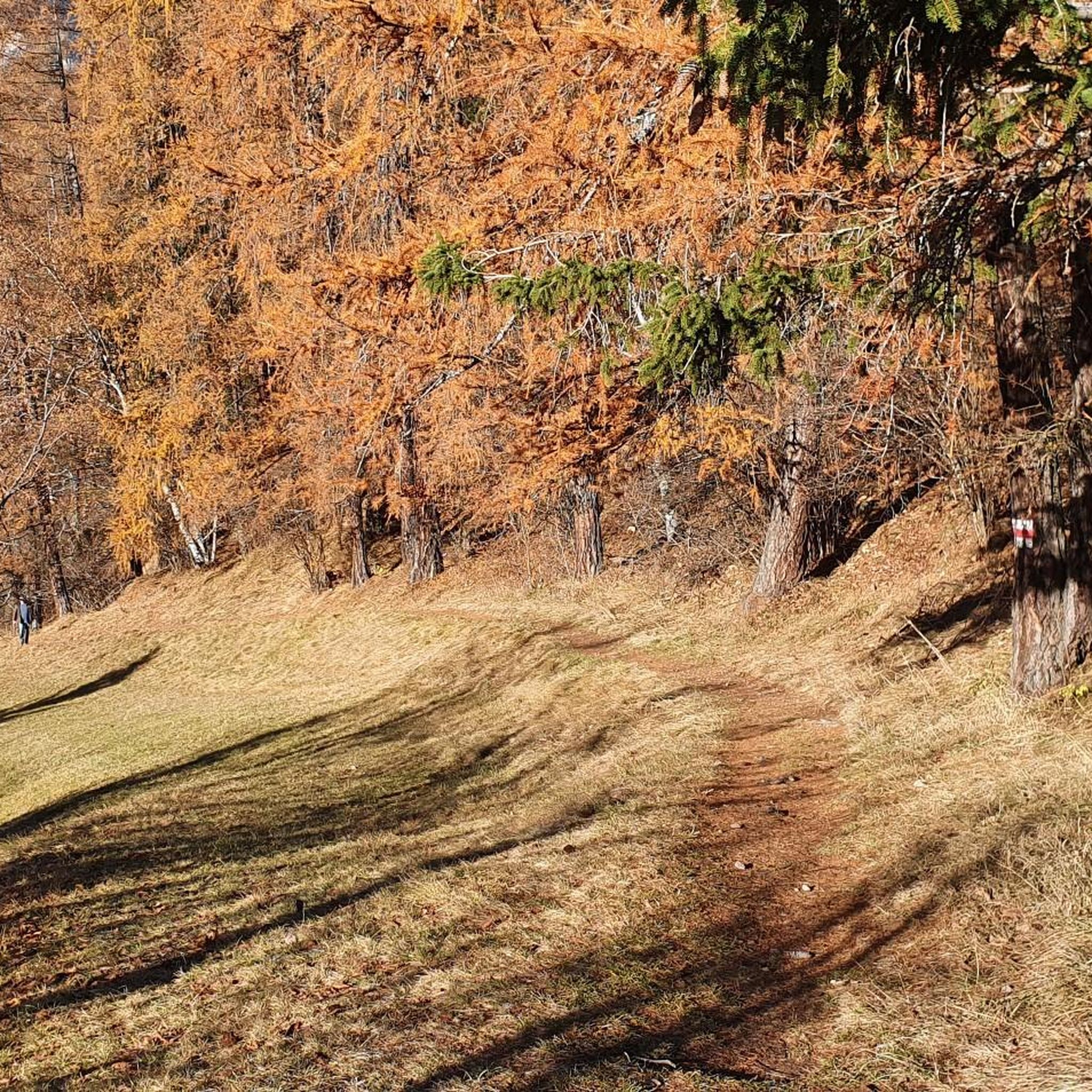
Running Trails around Filisur
Other adventures around Filisur


Tips from the Community

Landwasser Viaduct / Built 1901–02 The Landwasser Viaduct, built in 1901–02, is a masonry arch bridge, built in a curve, with a length of 136 m, a height of 65 m and spans of 20 m. It is one of the most elegant bridge constructions of the RhB. Text / Source: Bergün Filisur Tourismus AG Gästeinformation, Veja Stazion 11, Bergün/Bravuogn https://www.berguen-filisur.graubuenden.ch/de/landwasserviadukt
15
1
The Landwasser Viaduct of the Rhaetian Railway A must-see for all railway enthusiasts – beauty and boldness combined. With its 65m high, tapering pillars, the viaduct is one of the most elegant bridge constructions in Graubünden and the most photographed work of art of the Rhaetian Railway. The largest and at the same time most spectacular structure on the 63-kilometer-long Albula line between Thusis and St. Moritz. The Albula and Bernina lines of the Rhaetian Railway have been part of the Unesco World Heritage since mid-July 2008, and are only the third railway line worldwide to do so. The construction of the three main pillars of the viaduct in 1901/1902 was an architectural masterpiece, as they were built without scaffolding using two cranes. After 106 years, the masonry and the track trough were repaired for the first time. The natural stone viaduct made of calcdolomite is 142 meters long and leads in a sweeping curve over the wild Landwasser valley directly into a tunnel, the entrance of which is located on the vertically falling rock face. From the village of Filisur, a footpath leads in half an hour to a beautiful viewpoint from which the viaduct can be admired (and photographed). The path continues either down to the river, under the viaduct into the gorge, or at the fork in the path to the viewpoint, continuing for two hours to the Wiesenv iaduct. This can also be crossed on a footpath and thus becomes a special experience with a deep view. Text / Source: Bergün Filisur Tourismus AG, Veja Stazion 11, Bergün / Bravuogn https://www.myswitzerland.com/de-ch/erlebnisse/landwasserviadukt-der-rhb/
15
1
Landwasser Viaduct (near Filisur station) Landwasser Viaduct is a 65-meter-high and long railway bridge. Its pillars majestically rise 65 meters high: The Landwasser Viaduct on the Albula Line, which allows the Rhaetian Railway to cross the roaring Landwasser river over a length of 141.7 meters. In a large curve, the viaduct leads directly into a steep rock face. This breathtaking structure is today the most photographed subject on the Rhaetian Railway line. But the origin story of the viaduct is also amazing: The Greek-Swiss engineer Alexander Acatos (1873-1950) was entrusted with the construction of the viaduct. He was also the one who later planned the expansion of Zurich Main Station for the SBB. Under Acatos's guidance, the five limestone pillars with six semi-circular arches, each with a span of 20 meters, were built starting in March 1901. For cost reasons, a new construction technique was developed for the building: The pillars were built without external scaffolding. Instead, iron frameworks were embedded in the three longest pillars and adjusted in height with each construction progress. The three iron frameworks were connected with crossbeams, to which electric construction cranes could be mounted. These lifted the necessary building materials to the respective pillar height. To connect the stones of the pillars, a mixture of calcareous mortar and sand was used. The mortar came from a factory in Unterterzen on Lake Walen and was transported to the emerging Landwasser Viaduct via a construction railway laid on the future track with a 0.75-meter gauge. After only about one and a half years of construction, the Landwasser Viaduct was completed in October 1902. The building substance has since proven to be resilient: The Landwasser Viaduct only had to be slightly repaired in 2009. Today, the Landwasser Viaduct is still the landmark of the Rhaetian Railway and, as an imposing structure, invites passengers, tourists, and locals to take photos. Text / Source: Rhaetian Railway AG, Bahnhofstrasse 25, CH - 7001 Chur https://www.rhb.ch/de/blog/weltbekannt-der-landwasserviadukt
15
1
Landwasserviadukt „142 meters long and 65 meters high bridge piers“ The 142-meter-long Landwasserviadukt is the landmark of the Rhaetian Railway. The viaduct leads in a beautiful curve across the Landwasser Valley directly into the rugged rock face into the Landwasser Tunnel. The hallmark of the Landwasserviadukt are the six closely spaced, 65-meter-high bridge piers with a span of only 20 meters. „Built 1901–02“ Text / Source: Rhätische Bahn AG, Bahnhofstrasse 25, Chur https://tickets.rhb.ch/de/products/landwasserviadukt
15
0

Beautiful section. Best driven on a car-free day.
0
0

The church also fits perfectly into the rest of the village. The external staircase gives it a distinctive
6
0
The tower dominates the townscape, but blends beautifully with the old houses. Definitely worth a visit.
6
0
Interesting museum about the history of the RHB, with lots of information and interactive stations for all ages.
6
0
Frequently Asked Questions
How many touring cycling routes are available around Filisur?
Filisur offers a diverse selection of 13 touring cycling routes. These routes cater to various skill levels, with 5 moderate and 8 difficult options, ensuring there's a suitable challenge for most cyclists.
What unique natural features can I expect to see while cycling in Filisur?
Cycling around Filisur immerses you in a spectacular mountain valley within Graubünden, Switzerland. You'll encounter breathtaking alpine scenery, the rugged Zügenschlucht gorge, and the Landwasser River. The region is also part of Parc Ela, Switzerland's largest nature park, offering diverse landscapes.
Are there any iconic landmarks or engineering marvels along the cycling routes?
Absolutely. Many routes offer views of the UNESCO World Heritage Albula/Bernina Railway, a masterpiece of engineering. The most famous landmark is the Landwasser Viaduct, a stunning curved railway bridge. You can experience this on routes like the Landwasser Viaduct – View of the Landwasser Viaduct from below loop from Schmitten GR Landwasserviadukt.
What do other touring cyclists say about the routes in Filisur?
The touring cycling routes in Filisur are highly regarded by the komoot community, boasting an average rating of 4.9 stars from over 120 reviews. Cyclists frequently praise the stunning alpine scenery, the well-integrated historic railway lines, and the varied terrain that offers both challenging climbs and scenic descents.
Are there any challenging touring cycling routes for experienced riders?
Yes, Filisur is known for its challenging high-alpine tours. The Albula Pass itself is a major draw for experienced cyclists, offering demanding climbs and stunning vistas. Routes like the Albula Gorge – Bergün/Bravuogn, post office loop from Davos Wiesen also provide significant elevation gains through dramatic landscapes.
Can I find any touring cycling routes that are approximately 30km long?
While many routes are longer, you can find options that fit this range or can be adapted. For instance, the Albula River Near Surava – Church of St. Peter, Mistail loop from Alvaneu is approximately 39 km, offering a substantial ride that follows the Albula River through varied landscapes.
Is it possible to combine cycling with public transport, specifically the Rhaetian Railway?
Yes, the Rhaetian Railway's Albula line, a UNESCO World Heritage site, often runs alongside or crosses cycling routes. This allows for unique combinations where you can cycle sections and use the train to cover longer distances or bypass challenging parts. It's advisable to check the Rhaetian Railway's official website for specific bike transport rules and schedules.
Where can I find parking for my car when starting a touring cycling route in Filisur?
Parking is generally available in and around Filisur, including near the train station. For routes starting from Bergün, parking options are also available there. It's recommended to check local signage for specific parking regulations and fees.
What is the best time of year to go touring cycling in Filisur?
The best time for touring cycling in Graubünden, including Filisur, is typically from late spring to early autumn (May to October). During these months, the weather is generally more stable, and the high alpine passes are usually clear of snow, offering the most accessible and enjoyable conditions for exploring the diverse terrain.
Are there any family-friendly touring cycling routes in the Filisur area?
While many routes in Filisur are rated difficult due to the mountainous terrain, the region also offers valley paths that can be more suitable for families. These routes often follow rivers or traverse flatter sections of Parc Ela, providing a gentler cycling experience amidst beautiful scenery. Look for routes with less elevation gain for a family-friendly option.
What kind of accommodation and dining options are available in Filisur?
Filisur is a charming mountain resort with options for accommodation ranging from hotels to guesthouses. You'll also find local cafes and restaurants where you can refuel and enjoy regional specialties after your ride. These establishments cater to visitors and cyclists, offering a welcoming atmosphere.
Are there any touring cycling routes that are circular or loop back to the starting point?
Many of the touring cycling routes around Filisur are designed as loops, allowing you to start and finish in the same location. Examples include the Albula River Near Surava – Church of St. Peter, Mistail loop from Alvaneu and the Landwasser Viaduct – View of the Landwasser Viaduct from below loop from Schmitten GR Landwasserviadukt, providing convenient circular journeys.
Most popular attractions around Filisur

Get inspired with the komoot mobile app


Explore more
Browse the best Cycling routes in other regions.
