Attractions and Places To See around Leckhampstead - Top 20
Best attractions and places to see around Leckhampstead include a blend of historical landmarks, natural features, and cultural points of interest. Situated in West Berkshire within the North Wessex Downs, the area offers diverse landscapes. Visitors can explore ancient sites, significant monuments, and extensive trails. The region is characterized by its historical structures and scenic surroundings.
Best attractions and places to see around Leckhampstead
- The most popular attractions is The Ridgeway Trail, a cycle way that offers tracks for gravel riding and mountain biking. It is known for its varied terrain and can be approached from locations like Streatley.
- Another must-see spot is Lord Wantage Monument, a historical site and viewpoint. This memorial obelisk to Robert Loyd Lindsay, Lord Wantage, is situated high on the Ridgeway and stands on a Bronze Age round barrow.
- Visitors also love Segsbury Camp Iron Age Hill Fort, an Iron Age hill fort. You can explore extensive and well-preserved ramparts and gateways at this site, which historians believe was occupied between the sixth and second centuries BC.
- Leckhampstead is known for historical sites, natural features, and extensive trails. The area offers a variety of attractions to see and explore, from ancient monuments to scenic routes.
- The attractions around Leckhampstead are appreciated by the komoot community, with 3 highlights photos and 19 upvotes.
Last updated: June 23, 2026
Scutchamer Knob
Highlight • Viewpoint
Tip by

St Michael and All Angels Church, Lambourn
Highlight • Religious Site
The first written record of a church at Lambourn is from 1032, in a charter of Cnut, but it seems highly likely there was a Saxon church here several centuries earlier. Charters in 934 and 955 mention Lambourn, and Alfred the Great mentions a royal manor at Lambourn in his will. Though circumstantial, these documents suggest that an important Saxon church, perhaps a minster, stood here at least as early as the 9th century (a minster acted as a ‘mother’ church for a region, and may have had resident priests who traveled out from their base to preach and minister to their far-flung flocks). The circular shape of the churchyard suggests that the site may have been in use in Roman times, or even earlier.
The current church of St Michael and All Angels was begun in the 12th century, with major rebuilding in the 13t, 15th, and 19th centuries. The core of the building dates to about 1180, and is constructed on a cruciform plan. To the 12th century core was added a pair of transepts in the 13th century, several 14th century chantry chapels, and the chancel and upper portion of the tower were rebuilt in the 16th century."
Cit. lambourn.org/st-michael-and-all-angels
Tip by

Sign up now to discover places like this
Get recommendations on the best single tracks, peaks, & plenty of other exciting outdoor places.
Sign up for free
Lord Wantage Monument
Highlight • Historical Site
Tip by

Ridgeway White Roads Segment
Highlight (Segment) • Trail
I rode this one way; parked my car in Goring and caught the train with my bike from Goring to Swindon. Short road section through Swindon before climbing up to join the Ridgeway trail.
Tip by

The Ridgeway Trail
Highlight (Segment) • Cycleway
Tip by

Sign up for free to discover even more attractions around Leckhampstead.
Sign up for free
Already have an account?
Start today with a free account
Your next adventure awaits.
Login or Signup
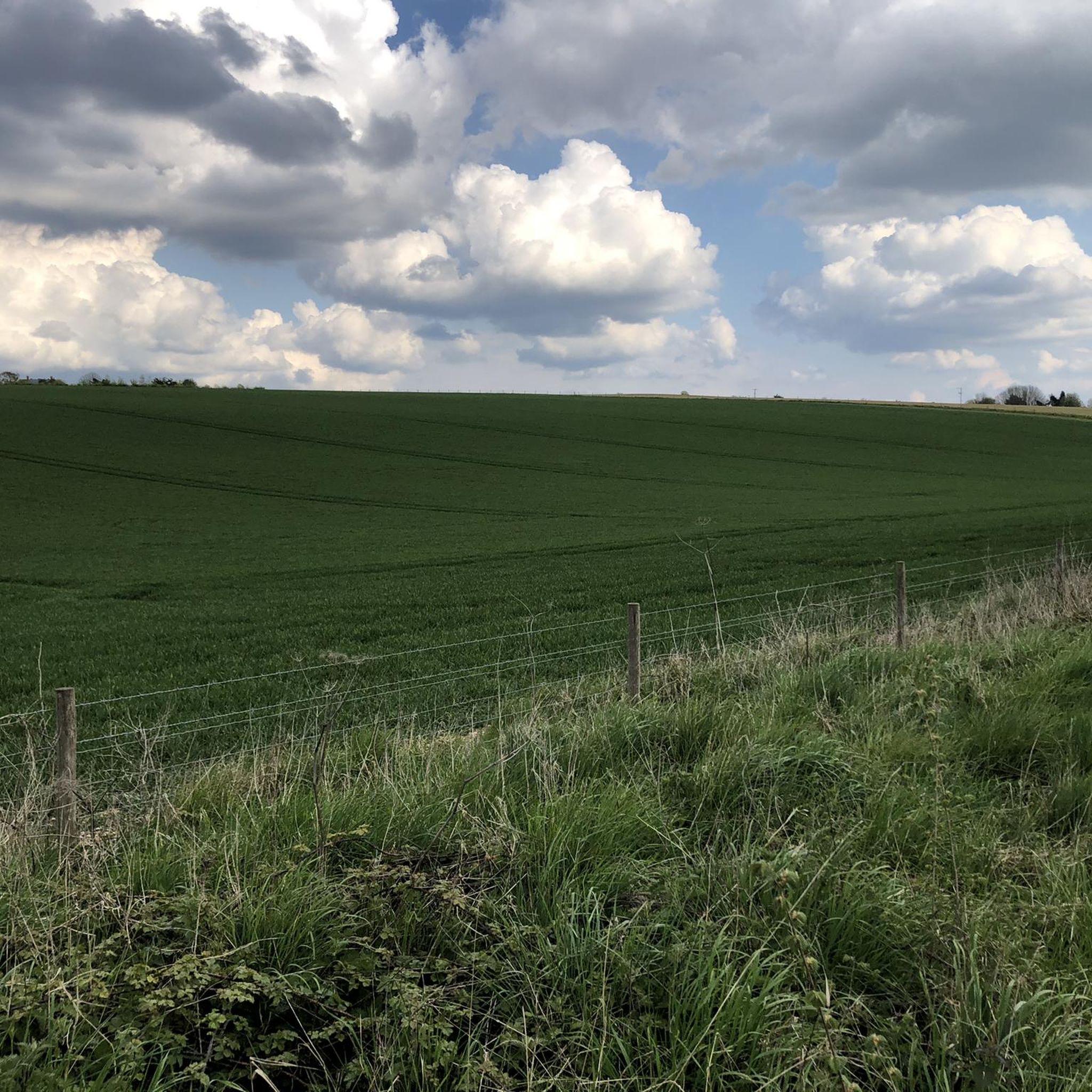
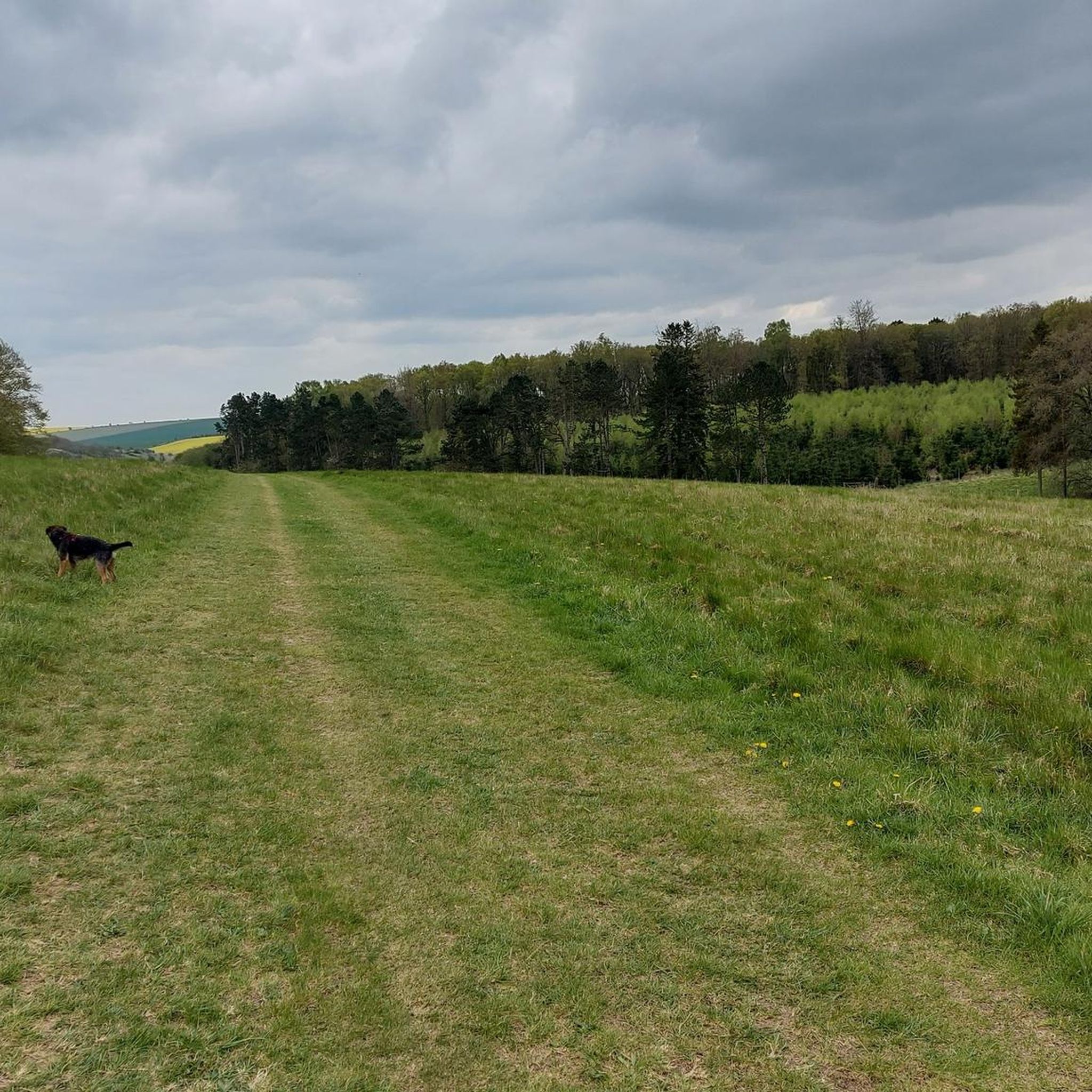
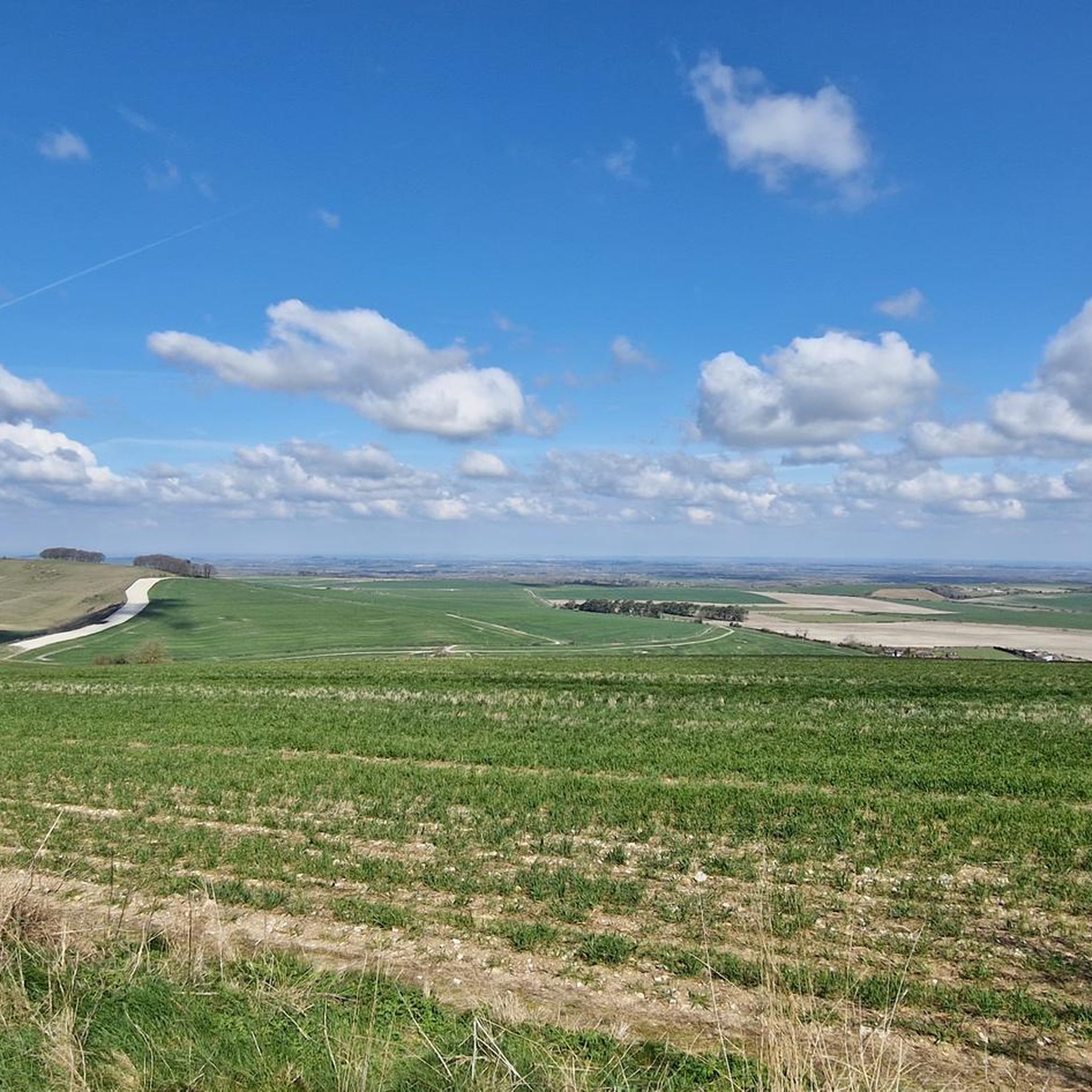
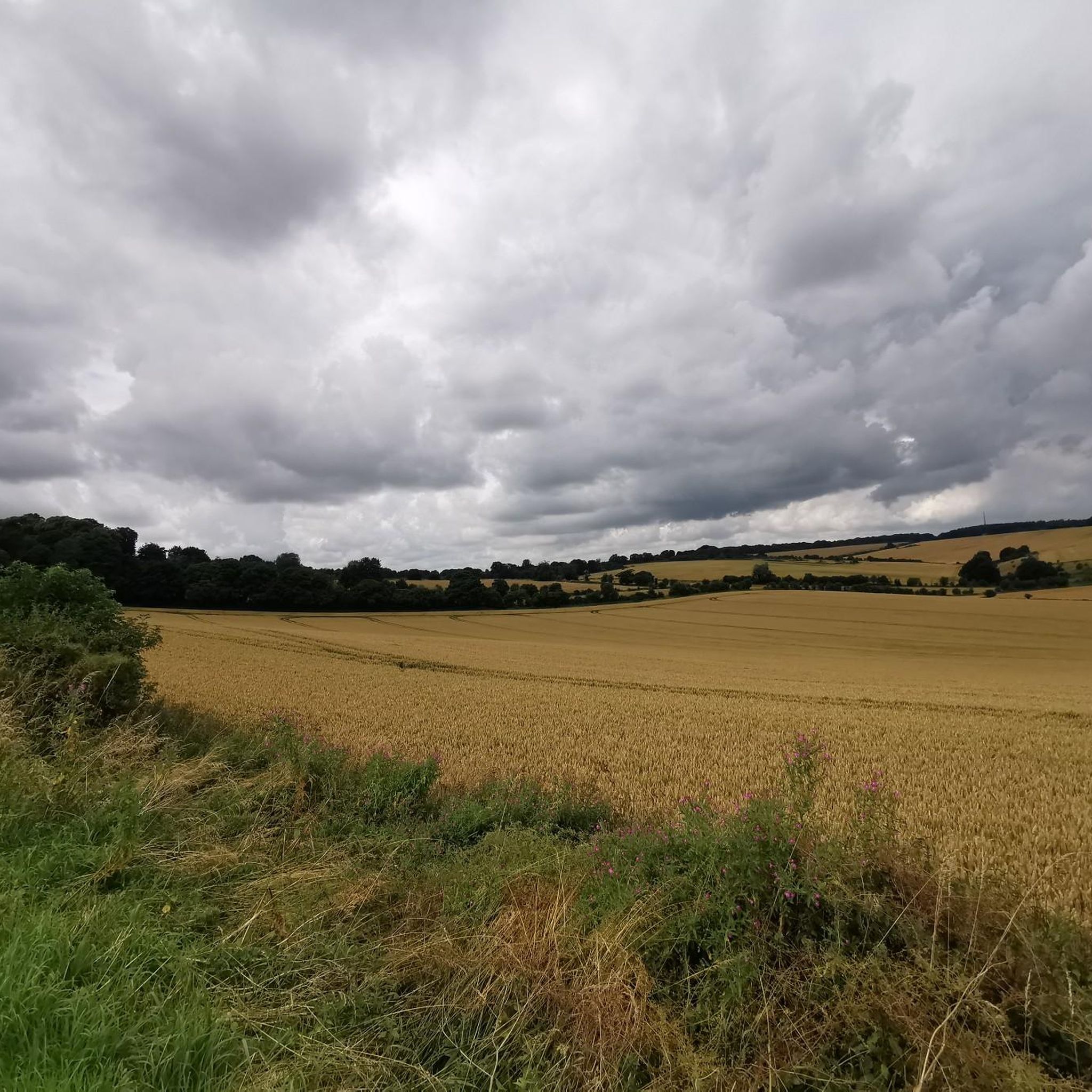
Tips from the Community

sharp flints on the downhill section which can puncture your tyres
0
0

Scutchamer Knob is an ancient Iron Age burial mound and historic landmark on the Ridgeway. Along my King Alfred’s Way bikepacking route, it was a memorable spot to pause before the final stretch to Reading. 📜 Once a Saxon meeting place, this hilltop offers panoramic views of the surrounding Berkshire downs—a perfect blend of history and landscape. 🚴♂️ A short climb rewards you with quiet reflection and wide-open skies.
0
0
Rode this section at dusk — the fading light and rising moon gave the white chalk trail a soft glow as it stretched ahead. In dry conditions, the surface is grippy and rolls fast, making it a smooth and enjoyable stretch of the Ridgeway. A peaceful, open ride across classic chalk downs. ✅ great in dry weather ✅ fast, flowy chalk downs hardpack 📸 luminous at sunset or under a rising moon
0
0

Exercise caution! Steep and extremely rutty with very slippy chalk when wet. take your time. There is an alternative path to the left !
0
0

A memorial obelisk to Robert Loyd-Lindsay, Lord Wantage. Robert Lloyd-Lindsay, 1st Baron Wantage, was a soldier, politician and philanthropist. He co-founded the British National Society for Aid to the Sick and Wounded in War, which later became the British Red Cross. He died in 1901. Lady Wantage erected a monument to Lord Wantage in 1903. The monument stands on a Bronze Age round barrow adjacent to the Ridgeway at Betterton Down near Lockinge, Oxfordshire. https://historicengland.org.uk/images-books/photos/item/BAR03/01/428
0
0

"St Michaels is located in the heart of the village at the intersection of the two main roads. It is the largest church in Lambourn and dates back to Saxon times. The first written record of a church at Lambourn is from 1032, in a charter of Cnut, but it seems highly likely there was a Saxon church here several centuries earlier. Charters in 934 and 955 mention Lambourn, and Alfred the Great mentions a royal manor at Lambourn in his will. Though circumstantial, these documents suggest that an important Saxon church, perhaps a minster, stood here at least as early as the 9th century (a minster acted as a ‘mother’ church for a region, and may have had resident priests who traveled out from their base to preach and minister to their far-flung flocks). The circular shape of the churchyard suggests that the site may have been in use in Roman times, or even earlier. The current church of St Michael and All Angels was begun in the 12th century, with major rebuilding in the 13t, 15th, and 19th centuries. The core of the building dates to about 1180, and is constructed on a cruciform plan. To the 12th century core was added a pair of transepts in the 13th century, several 14th century chantry chapels, and the chancel and upper portion of the tower were rebuilt in the 16th century." Cit. https://lambourn.org/st-michael-and-all-angels/
1
0

Great northern place to park up and start the King Alfred's Way
2
0
Frequently Asked Questions
What historical sites can I visit around Leckhampstead?
Leckhampstead and its surroundings are rich in history. You can explore the ancient Segsbury Camp Iron Age Hill Fort, known for its well-preserved ramparts. Another significant historical landmark is the Lord Wantage Monument, an obelisk on a Bronze Age round barrow. Additionally, the St Michael and All Angels Church, Lambourn, dates back to Saxon times with significant rebuilding over centuries.
What natural features are prominent in the Leckhampstead area?
Leckhampstead is nestled within the North Wessex Downs, an Area of Outstanding Natural Beauty. Visitors can explore the scenic Leckhampstead Thicket, known for its thatched cottages, and Hill Green, which offers lovely scenery and is rich in wildflowers and butterflies on sunny summer days. Keep an eye out for Salsify (Goat's beard) in June and July.
Are there good hiking or walking trails near Leckhampstead?
Yes, there are several walking opportunities. The area features extensive trails, including segments of The Ridgeway. For easy hikes, you can find routes like the 'Hiking loop from Shaw cum Donnington' or 'Hiking loop from Boxford'. More options are available in the Easy hikes around Leckhampstead guide.
What cycling opportunities are available around Leckhampstead?
The region is excellent for cycling, particularly along The Ridgeway Trail, which offers tracks suitable for gravel riding and mountain biking. You can find various routes, from easy road cycling to more challenging bike loops. Explore options in the Cycling around Leckhampstead guide and the Road Cycling Routes around Leckhampstead guide.
Are there any viewpoints offering scenic vistas?
Absolutely. The Lord Wantage Monument, situated high on the Ridgeway, provides stunning views of the vale. Additionally, the North Wessex Downs, where Leckhampstead is located, offers numerous scenic spots and elevated areas for panoramic views.
What is the best time of year to visit Leckhampstead for outdoor activities?
The warmer months, particularly June and July, are ideal for outdoor activities. During this time, the south-facing banks in areas like Hill Green are rich in wildflowers and butterflies. However, the chalk trails of The Ridgeway are best for gravel riding and mountain biking in dry conditions, as they can become slippery during heavy rain.
Are there family-friendly attractions or activities in Leckhampstead?
While specific 'family-friendly' attractions are not explicitly listed, the natural beauty of the North Wessex Downs and the historical sites like Segsbury Camp Iron Age Hill Fort offer engaging outdoor exploration for families. Easy walking trails are also available for all ages.
Can I find places to eat or stay in Leckhampstead?
While the former public house, The Stag, closed in 2017, the village retains its charm. For specific cafes, pubs, or accommodation, it's advisable to check nearby larger towns or villages, as Leckhampstead itself is a small village focusing on historical and natural attractions.
What unique historical landmarks are there besides the main attractions?
Leckhampstead boasts several unique historical landmarks. These include the distinctive Victorian blue brick St. Barnabas Church with its 1737 tower, the brick and flint St James Church built in 1859, and the Leckhampstead War Memorial on the village green, which incorporates elements from a battleship. The Grade II listed Leckhampstead House and Malt Cottage at Hill Green also add to the historical fabric.
Are there any ancient or archaeological sites to explore?
Beyond the Segsbury Camp Iron Age Hill Fort, the area around Leckhampstead has significant archaeological interest. You can find Sarsen stones and Bronze Age features at Hill Green, and Roman finds, including a 2nd-century earring and Samian ware, have been discovered in the vicinity.
What kind of terrain can I expect on trails around Leckhampstead?
The trails around Leckhampstead, particularly those on The Ridgeway, often feature chalk paths. These are generally good for gravel riding and mountain biking in dry conditions. However, be aware that chalk descends can become very slippery and challenging during wet weather.
Is Leckhampstead suitable for dog owners?
Many of the outdoor trails and natural areas within the North Wessex Downs are suitable for dog walking. Always ensure your dog is under control, especially near livestock, and follow local guidelines regarding leads and waste disposal to maintain the natural environment.
What cultural points of interest does Leckhampstead offer?
Leckhampstead's cultural points include the Leckhampstead Village Hall, which serves as a community hub, and the Leckhampstead Thicket Primitive Methodist Chapel, dating back to 1874. The hamlet of Leckhampstead Thicket is also notable for its high proportion of charming thatched cottages.
Most popular attractions around Leckhampstead

Get inspired with the komoot mobile app


Explore more
Still not found the Highlight you’re looking for? See guides of the top attractions in other regions:
