Top 6 Castles around Brockenhurst
Best castles around Brockenhurst are situated within the New Forest area, a region known for its diverse landscapes and historical significance. Brockenhurst itself is a village nestled in the heart of the New Forest National Park, characterized by its ancient woodlands, heathlands, and open moors. The surrounding area offers a range of historic sites, from medieval ruins to impressive coastal forts and stately homes. This makes it a central point for exploring the rich heritage of the New Forest.
Best castles around Brockenhurst
- The most popular castles is Hurst Castle, an artillery fort established by Henry VIII between 1541 and 1544. It commands the narrow entrance to the Solent, offering panoramic views.
- Another must-see spot is Highcliffe Castle, a Grade I listed cliff-top mansion. It incorporates medieval French masonry and Gothic revival elements, making it appear older than its actual age.
- Visitors also love Christchurch Castle and Norman House, the ruins of a Norman castle. The site includes the remains of the Keep and the Constable's House, a rare example of a Norman domestic house.
- Brockenhurst is known for its variety of historical sites, including medieval castle ruins, Tudor artillery forts, and 19th-century mansions. These sites offer insights into different periods of English history and architectural styles.
- The castles around Brockenhurst are appreciated by the komoot community, with more than 40 upvotes and 40 photos shared across the highlights.
Last updated: October 9, 2026
Highcliffe Castle
Highlight • Castle
There is an international importance, too. For a large amount of medieval French masonry, shipped across the Channel, was used in its construction. It is this Norman and Renaissance carved stone, along with the Castle’s Gothic revival features and ancient stained glass, that make it appear older than it is.
Built mainly between 1831 and 1836, the Castle is the realisation of one man’s fantasy. He was Lord Stuart de Rothesay, a distinguished diplomat who had known and loved the cliff-top site overlooking Christchurch Bay since he was a boy.
The magnificent building, once lavishly furnished in the 18th century French style remained a family home until the 1950s. In the late 1960s two fires rendered the building derelict and in 1977, to prevent further deterioration, Christchurch Borough Council purchased it.
Tip by

Constable's House (Norman House)
Highlight • Historical Site
The ground floor was probably used for storage. An external staircase led to the main rooms on the first floor, where a small lobby divided the two principal rooms, the hall and solar chamber. The hall was open to the roof with widely splayed windows to let in as much light as possible. The elaborately decorated window at the north end of the hall marks the dais end, where the high table stood. The private solar chamber had an adjoining latrine emptying into the mill stream.
The east wall of the house, nearest the river, is thicker as it served as the defensive curtain wall of the castle. All the doors and windows on this exposed side had drawbars in case of attack.
Tip by

Sign up now to discover places like this
Get recommendations on the best single tracks, peaks, & plenty of other exciting outdoor places.
Castle Street Bridge and the ruins of Christchurch Castle
Highlight • Historical Site
Tip by
Rhinefield House Hotel
Highlight • Castle
Tip by

Start today with a free account
Your next adventure awaits.
Popular around Brockenhurst
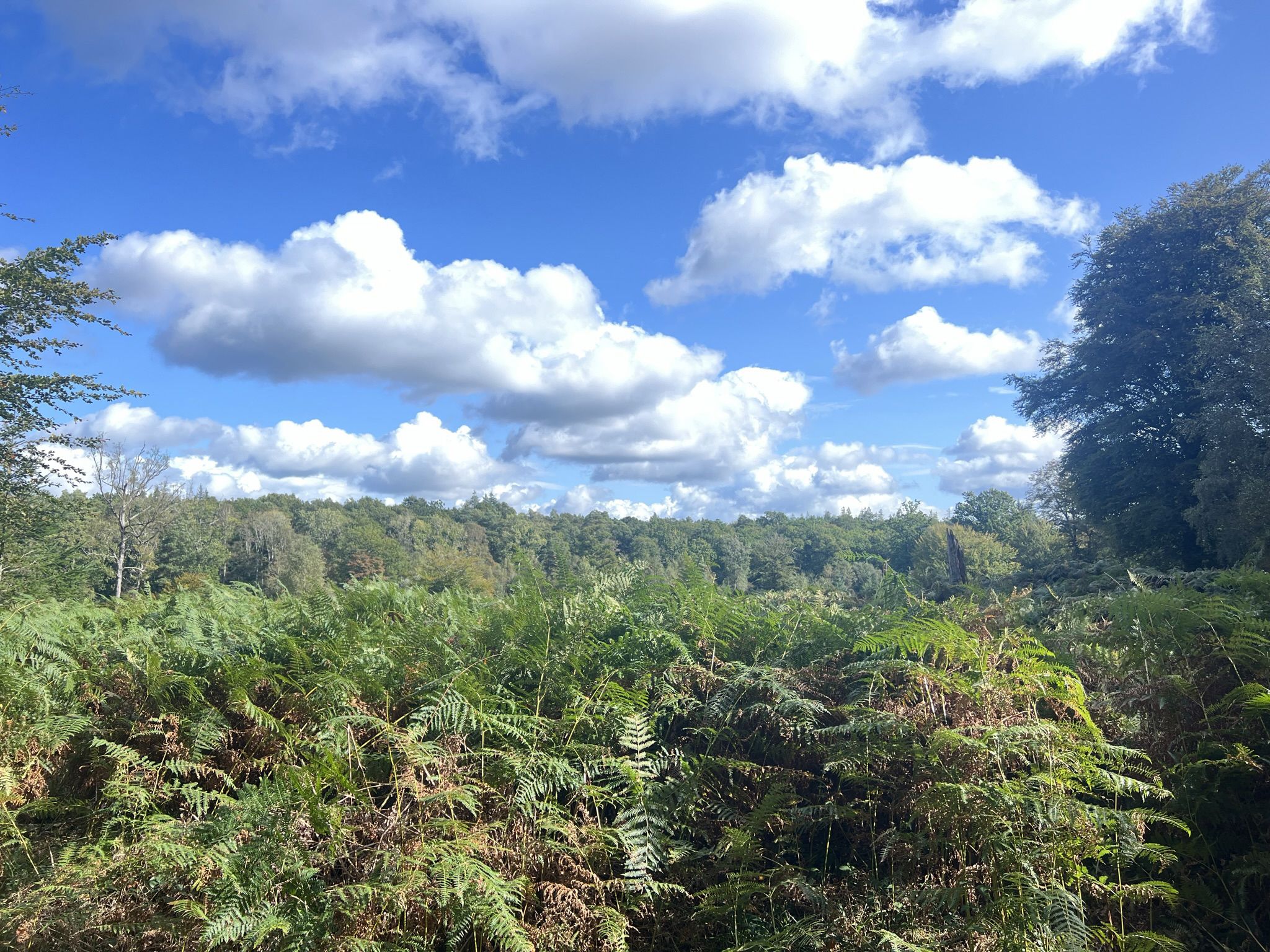
New Forest National Park – A Walk in the Parks
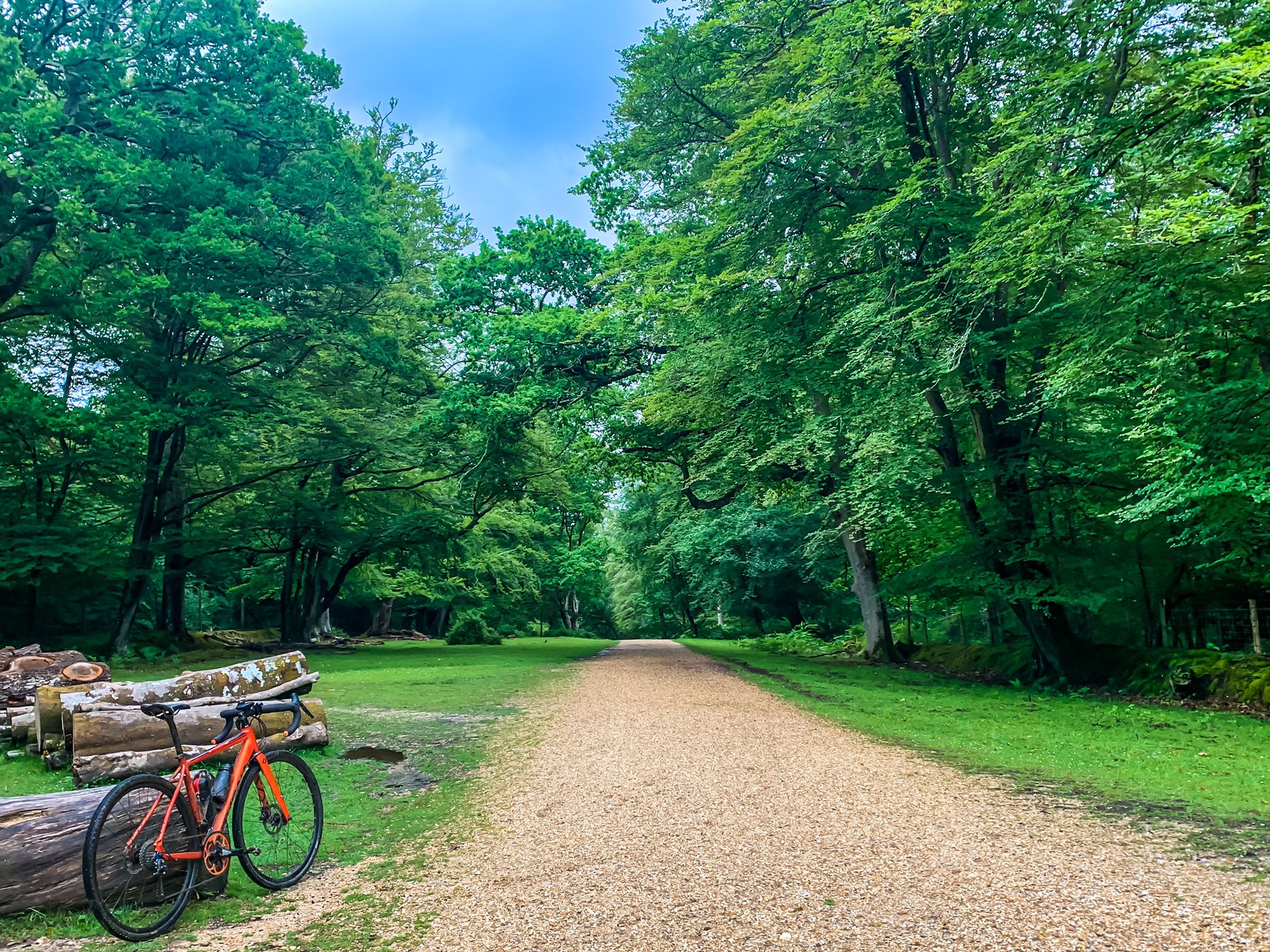
New Forest - The most Beautiful Cycling Routes
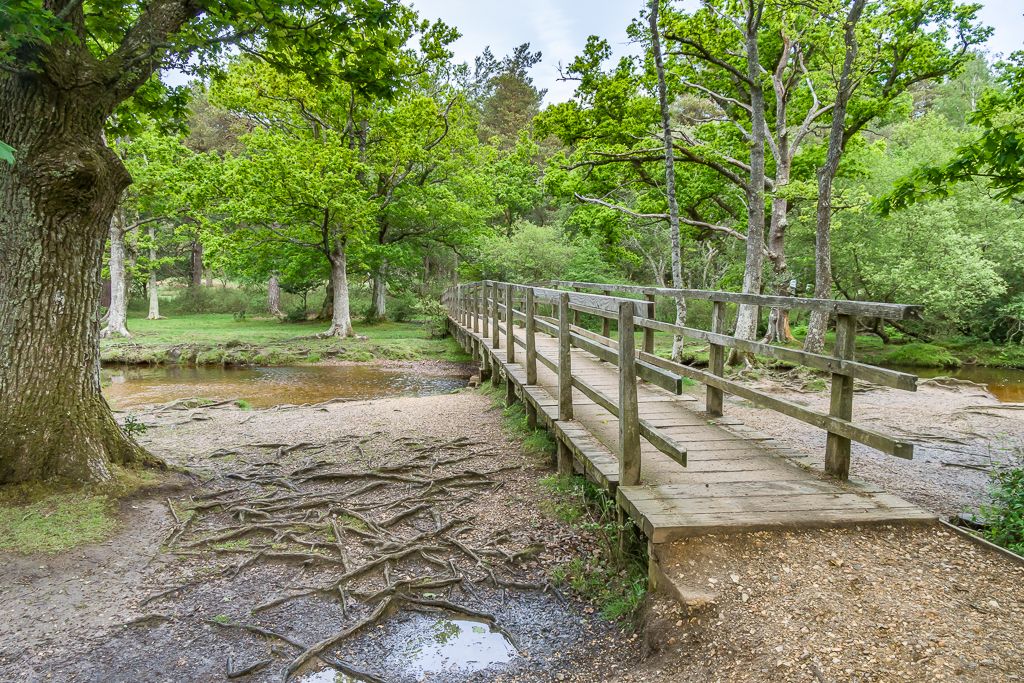
New Forest - All the Accessible Routes
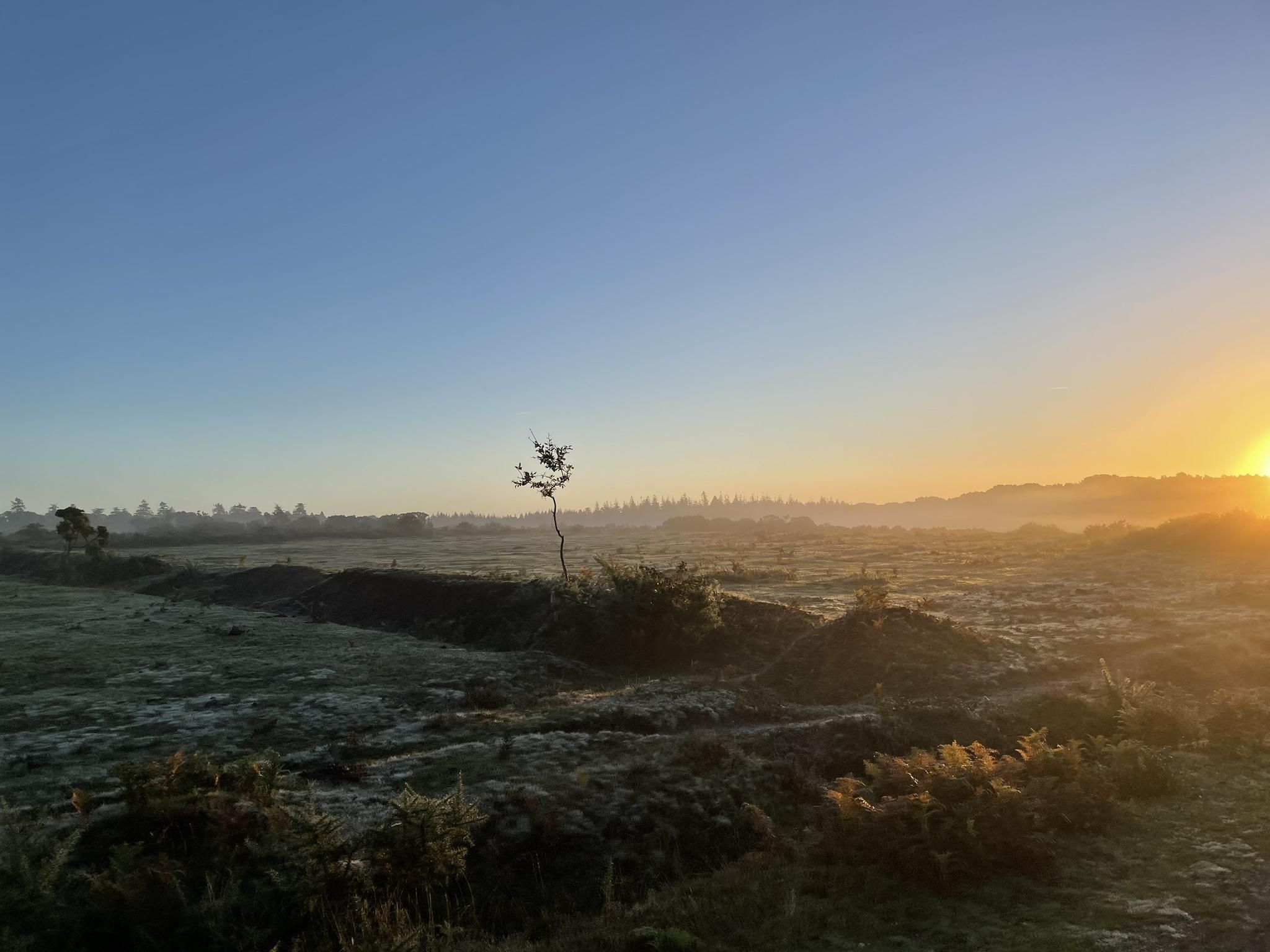
New Forest - Walking in the National Park
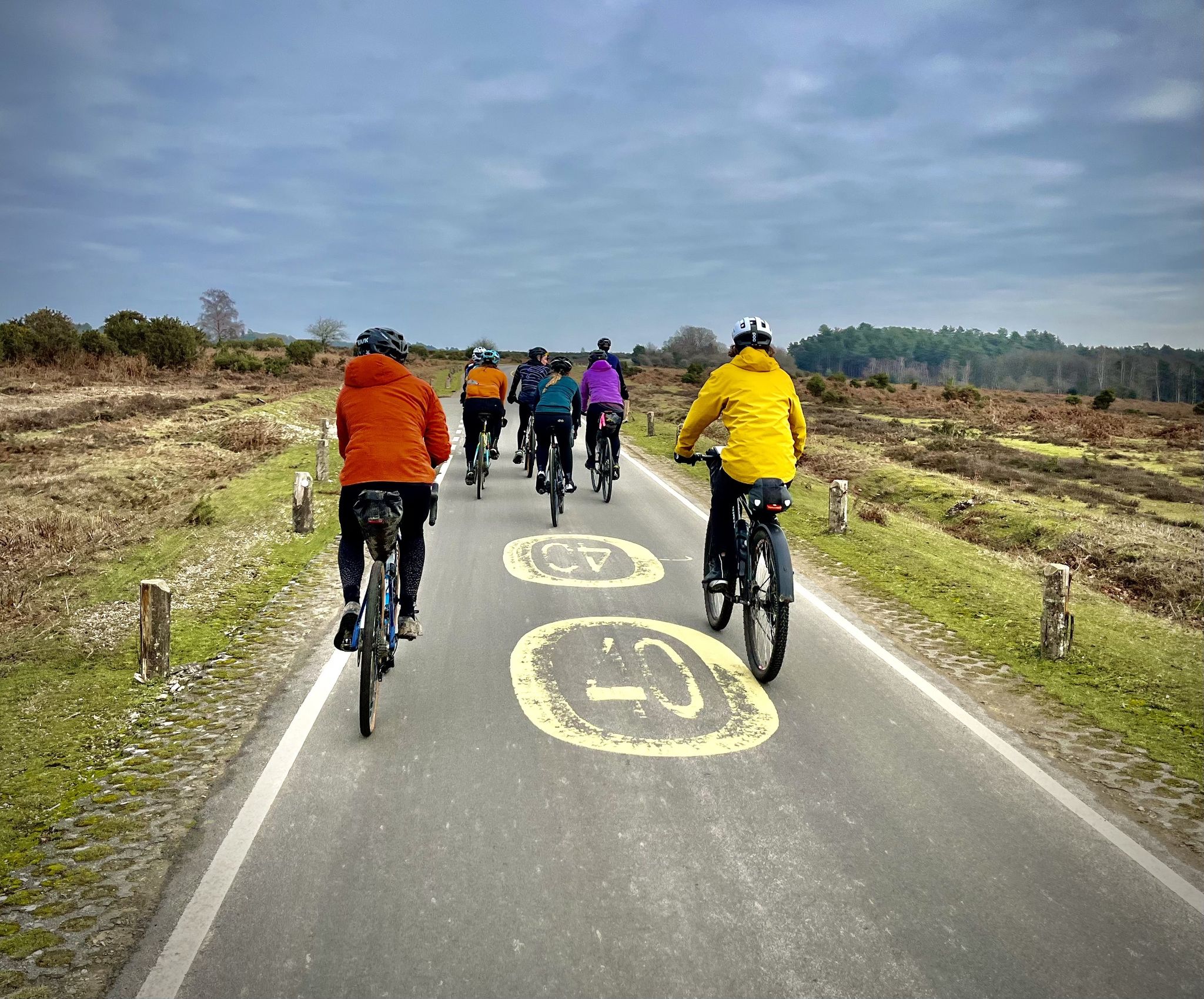
Smooth rolling in the New Forest — 7 scenic road rides
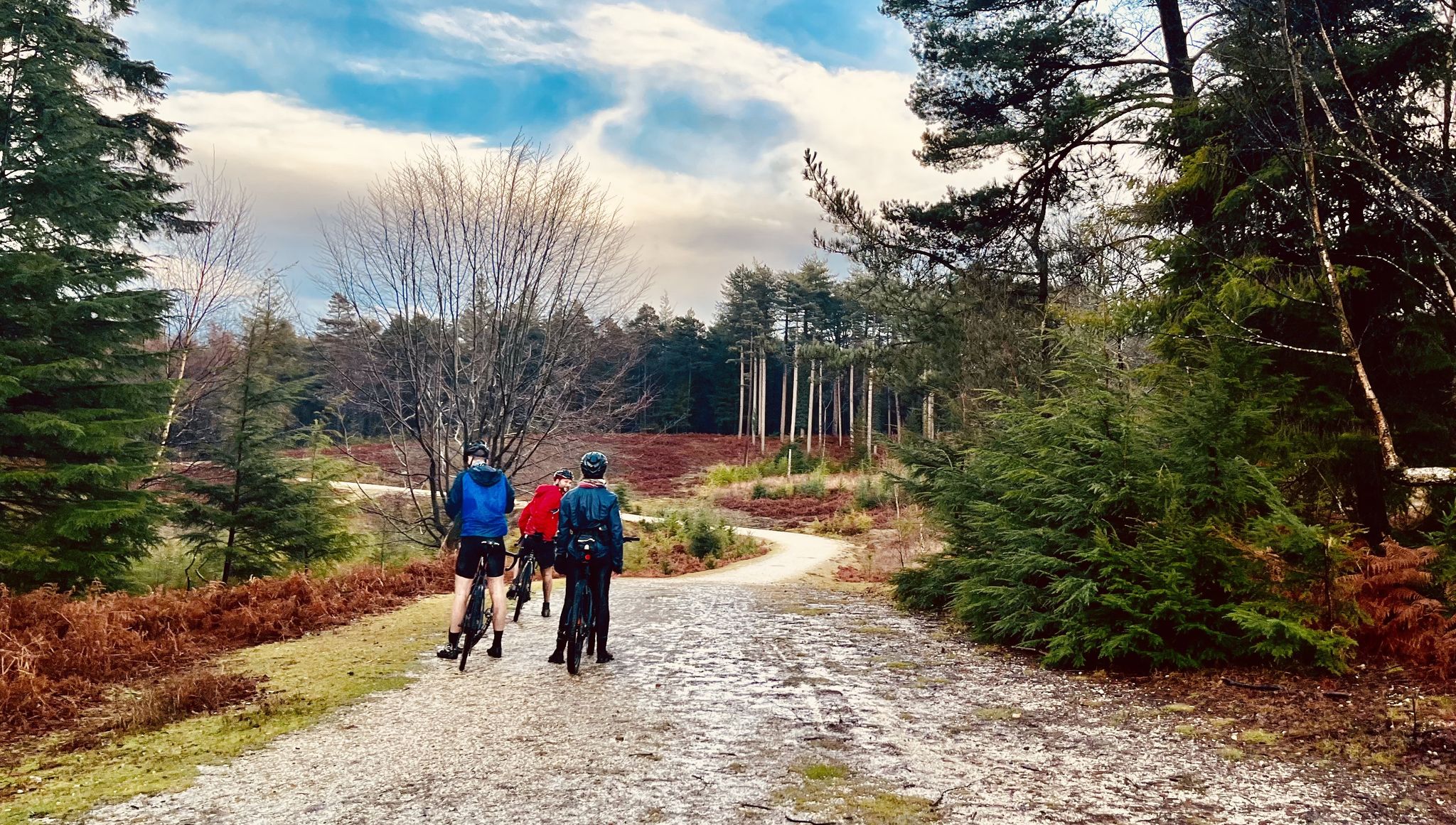
Discover the New Forest trails — 7 magical cycling safaris
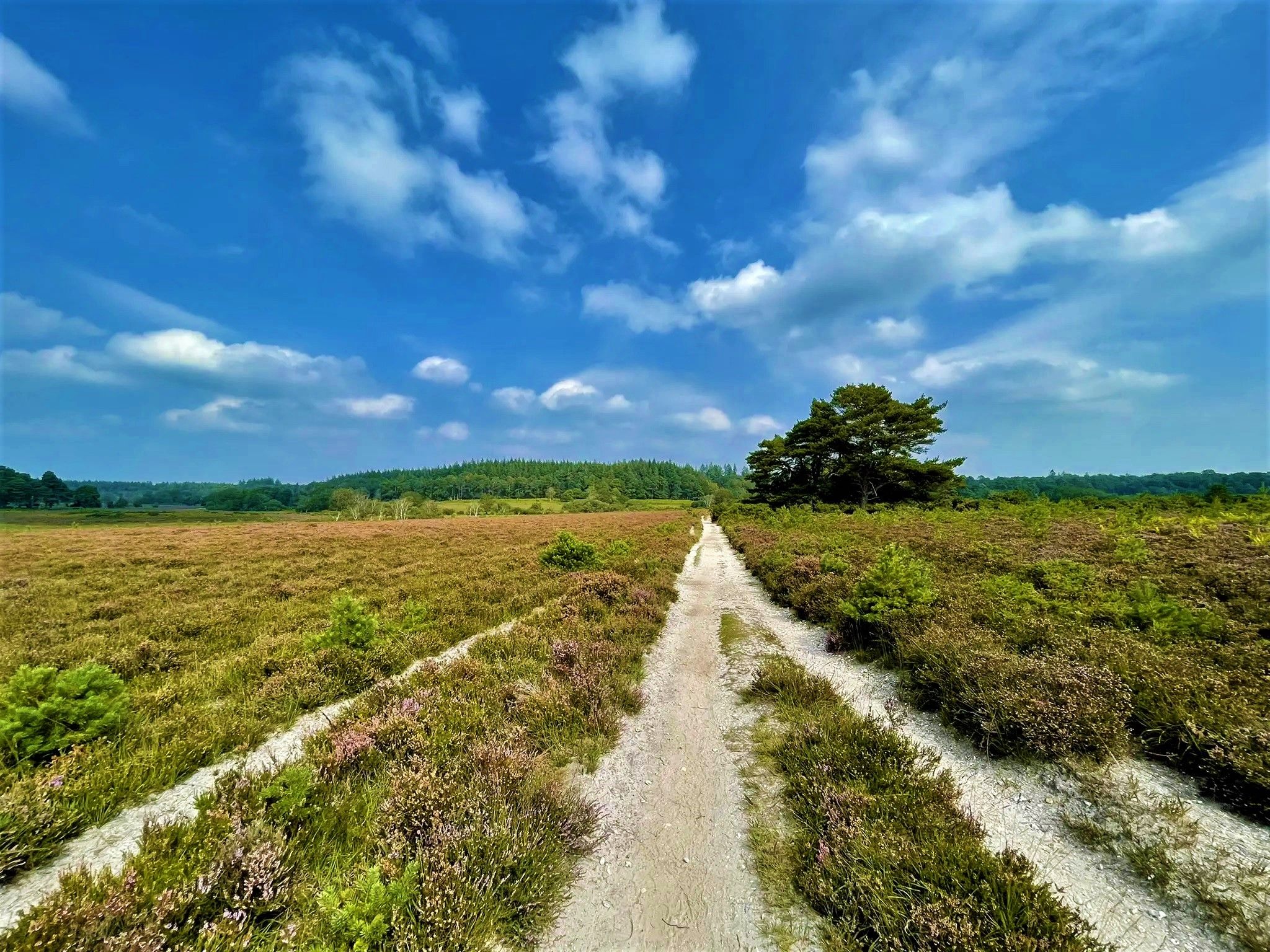
Heath, coast, woods and wildlife – hikes in the New Forest National Park
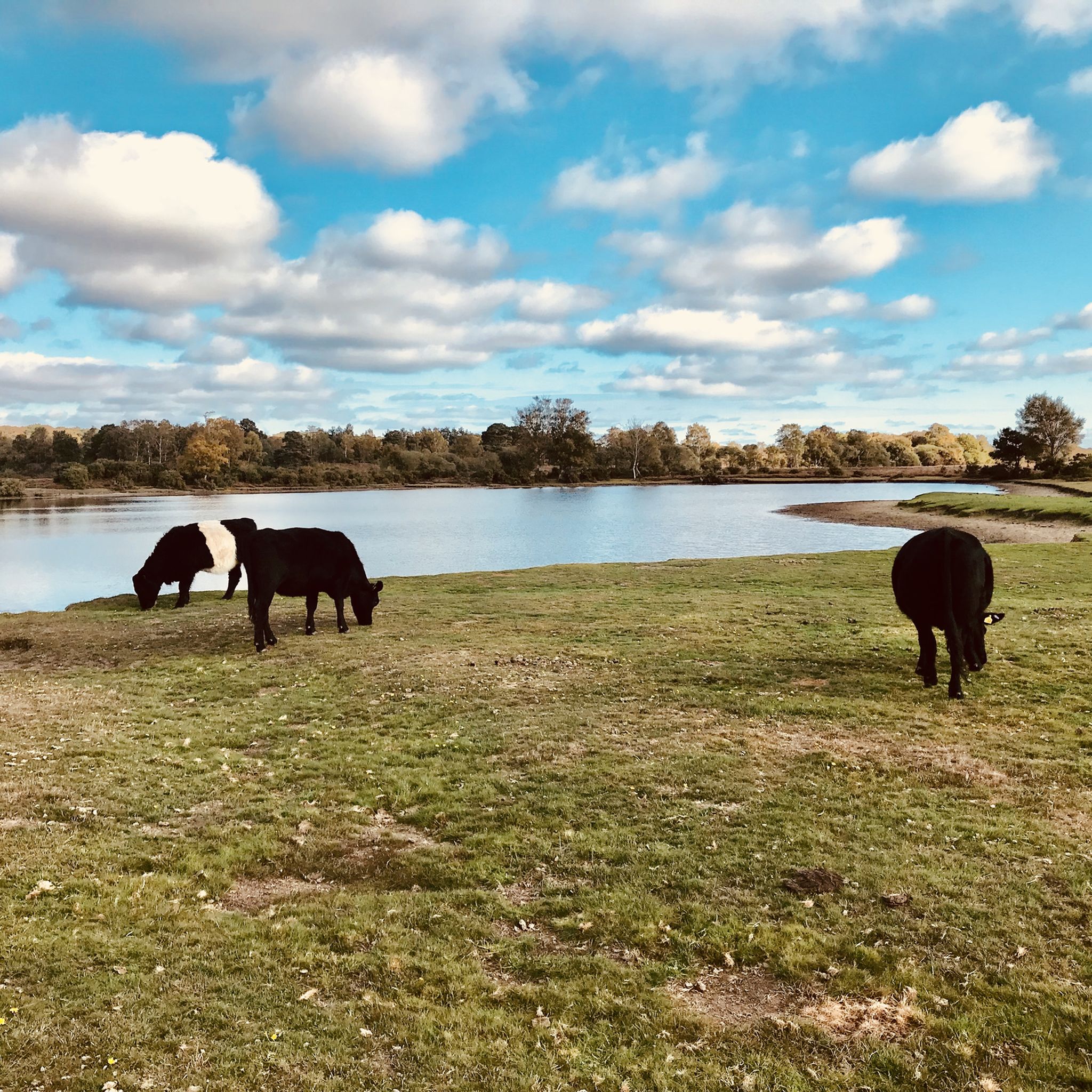
Hiking around Brockenhurst
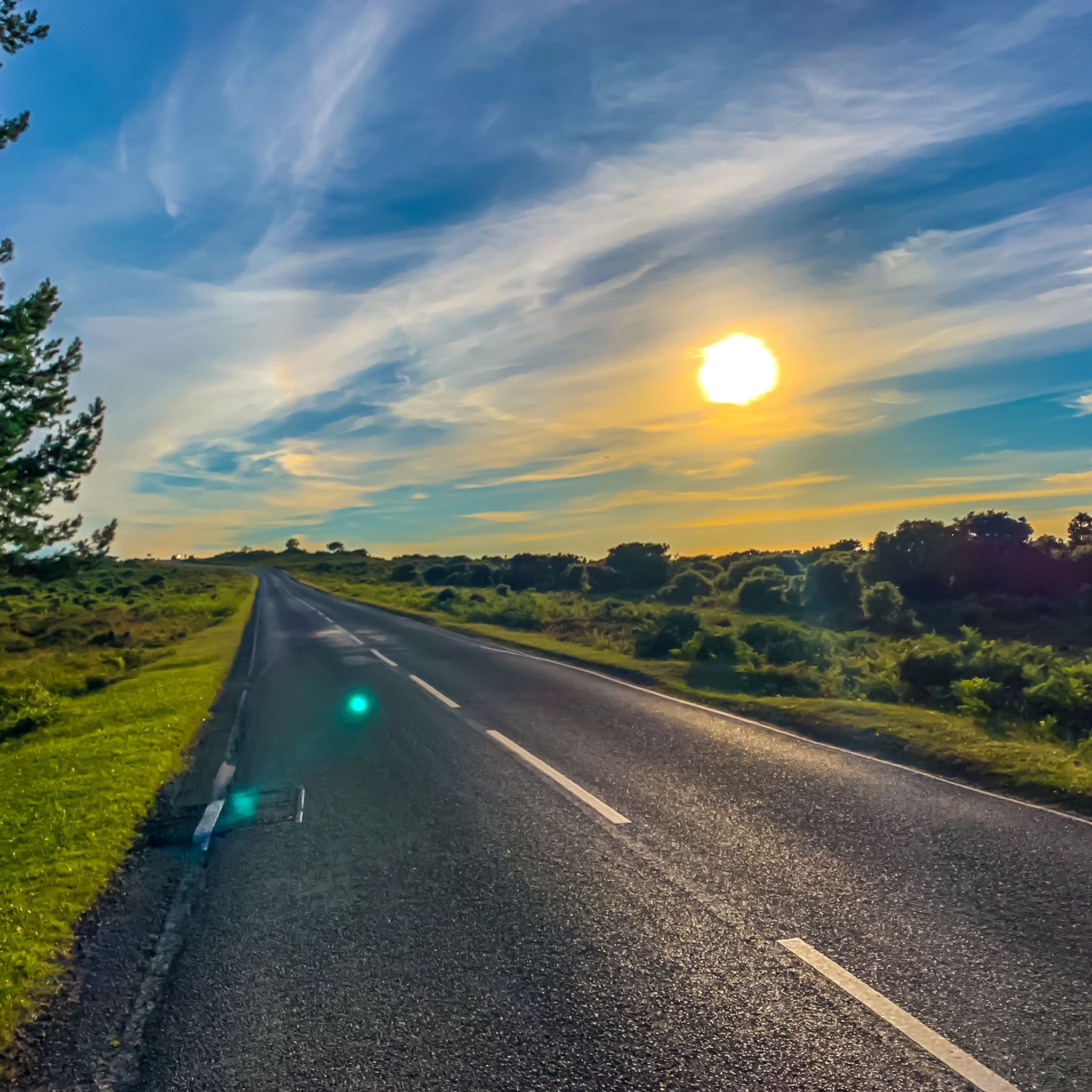
Road Cycling Routes around Brockenhurst
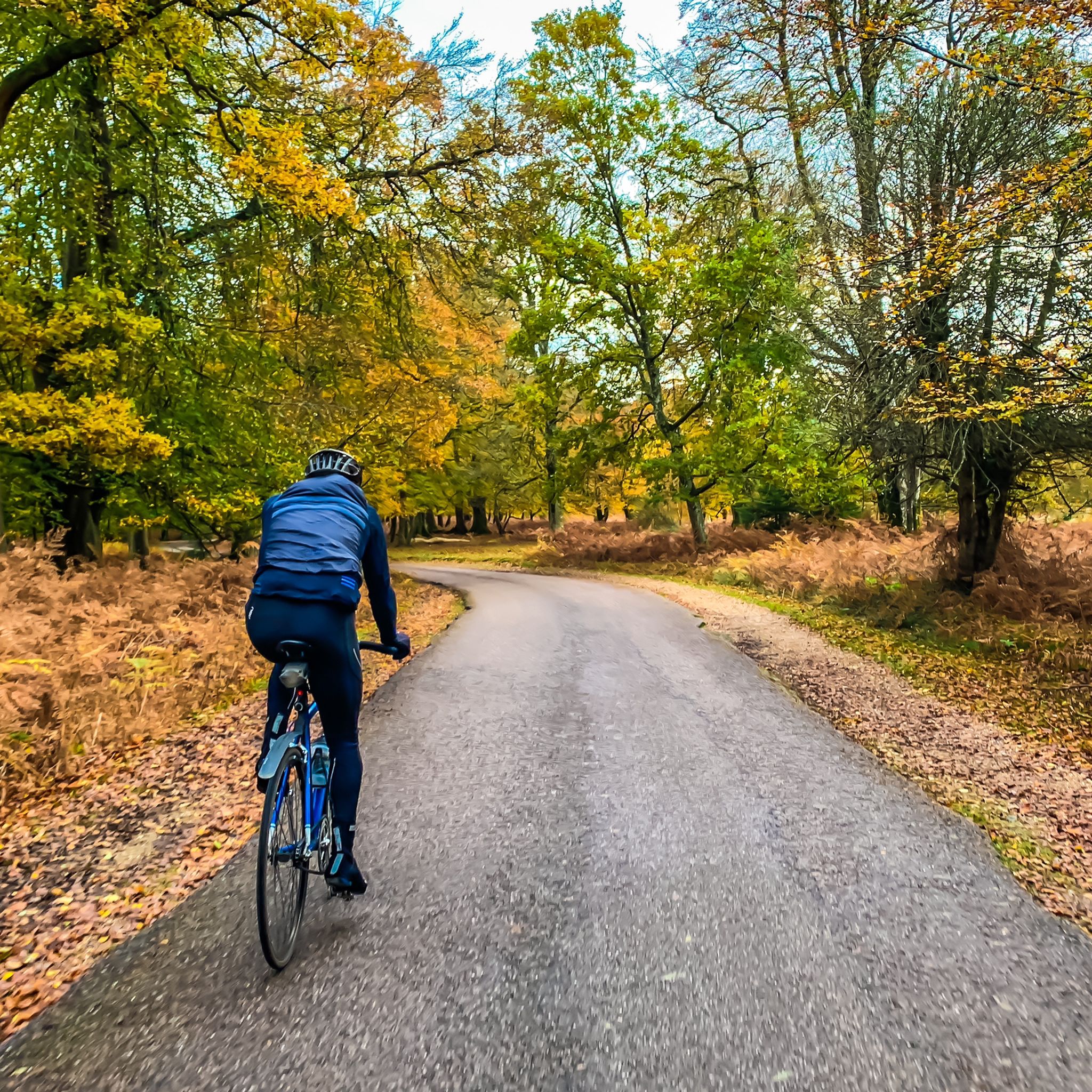
Cycling around Brockenhurst
Other adventures around Brockenhurst


Tips from the Community

The Norman House is a rare example of Norman domestic architecture in England. Whereas most ordinary domestic buildings of this date were built of timber, the house was built of stone, reflecting the high status of its builder. The tall, circular Norman chimney is a particularly unusual survival. The ground floor was probably used for storage. An external staircase led to the main rooms on the first floor, where a small lobby divided the two principal rooms, the hall and solar chamber. The hall was open to the roof with widely splayed windows to let in as much light as possible. The elaborately decorated window at the north end of the hall marks the dais end, where the high table stood. The private solar chamber had an adjoining latrine emptying into the mill stream. The east wall of the house, nearest the river, is thicker as it served as the defensive curtain wall of the castle. All the doors and windows on this exposed side had drawbars in case of attack.
0
0
Christchurch Castle is a Norman motte and bailey castle in Christchurch, Dorset, England. The earliest stonework has been dated to 1160. The castle's site is inside the old Saxon burh dominating the River Avon's lowest crossing.The castle is believed to stand on the site of an earlier wooden fort built in 924 following the capture of the town ramparts in 901 by King Æthelwold of Wessex, and subsequently fortified with a motte by King Edward the Elder.[2] After the Norman Conquest of 1066 the castle's defences were strengthened by the addition of a ditch and bailey surrounded by a wooden palisade. The wooden fort was eventually replaced with a stone keep. The Norman castle was a strategic defensive structure controlled by the King's constable until King Henry I granted it as the caput of a feudal barony to his cousin Richard de Redvers, feudal baron of Plympton, Devon. While the Saxon defences had been against outside threats such as Viking raiders, the Norman fortress was more concerned with subduing the local populace. It was also a useful base for enforcing the New Forest Laws. The castle controlled the harbour and inland access via the Rivers Avon and Stour. The earliest masonry has been dated to c. 1160, and there is documentary evidence of the castle existing in c. 1130. Richard de Redvers is often named as the castle's first builder, although there is little documentary evidence of this, and this castle may well have been on the site of the earlier Saxon castle. The castle was rebuilt by Baldwin de Redvers to resist King Stephen during the civil war with the Empress Matilda in 1147. A great tower was built probably around 1300. The castle again saw action during the Civil War of 1642–1651. The Parliamentarians were allowed to take control of the castle in 1644. The Royalists laid siege to it for 3 days, demolishing houses on the corner of Church Street and Castle Street in order to site their cannons. The Royalists were unable to take the castle and Oliver Cromwell, fearing such a powerful stronghold, ordered it to be slighted in 1652. The castle is now in ruins; a couple of the keep walls remain and the remains of a rectangular moat.
0
0
Road bridge over River Avon. Erected in the C15 or C16; repaired and strengthened over the centuries, including widening around 1900 and the erection of footbridge.
0
0
Highcliffe Castle has been described as arguably the most important surviving house of the Romantic and Picturesque style of architecture, which flourished at the end of the 18th century and the beginning of the 19th century. Its significance is recognised nationally by its Grade 1 status on the Statutory List of Buildings of Special Architectural and Historical Interest. The Castle was built between 1831 and 1836 and is the realisation of one man’s fantasy. That man was Lord Stuart de Rothesay. When he built it he was following in the footsteps of his grandfather the 3rd Earl of Bute, who had built an earlier mansion on the site during the 1770s. A keen botanist, Lord Bute created a scaled-down version of Kew. Perched on the edge of the cliff, on heathland with magnificent views out to sea, this house stood for only 38 years before land springs and sea erosion destabilised it. today the Castle is again a beautiful building – now for all to enjoy. Owned by the Council since 1977 and benefitting from English Heritage funding and two National Lottery grants (in the 1990s and 2010s), the Castle now hosts joyous weddings, stages a variety of productions, and hosts fairs, exhibitions and events throughout the year. It is a valued asset at the heart of the community and a popular tourist attraction. We welcomed BBC’s The Antiques Roadshow in 2012 and made an appearance more recently in Mr Selfridge on ITV.
0
0

This spot offers a sneak peek into Rhinefield House which is a beautiful hotel/hospitality venue in the New Forest
2
0

Highcliffe Castle has been described as arguably the most important surviving house of the Romantic and Picturesque style of architecture, which flourished at the end of the 18th century and the beginning of the 19th century. Its significance is recognised nationally by its Grade 1 status on the Statutory List of Buildings of Special Architectural and Historical Interest. There is an international importance, too. For a large amount of medieval French masonry, shipped across the Channel, was used in its construction. It is this Norman and Renaissance carved stone, along with the Castle’s Gothic revival features and ancient stained glass, that make it appear older than it is. Built mainly between 1831 and 1836, the Castle is the realisation of one man’s fantasy. He was Lord Stuart de Rothesay, a distinguished diplomat who had known and loved the cliff-top site overlooking Christchurch Bay since he was a boy. The magnificent building, once lavishly furnished in the 18th century French style remained a family home until the 1950s. In the late 1960s two fires rendered the building derelict and in 1977, to prevent further deterioration, Christchurch Borough Council purchased it.
7
0
Frequently Asked Questions
What are the most popular castles to visit near Brockenhurst?
Among the most popular castles near Brockenhurst are Hurst Castle, a Tudor artillery fort, and Highcliffe Castle, a magnificent cliff-top mansion. Visitors also frequently explore the ruins of Christchurch Castle and Norman House.
Are there any family-friendly castles around Brockenhurst?
Yes, several castles near Brockenhurst are great for families. Hurst Castle is popular, offering a chance to explore a historic fort and enjoy a ferry ride. Highcliffe Castle has beautiful grounds and a tearoom. Additionally, Breamore House, an Elizabethan Manor, features a Countryside Museum with full-size replicas of village life and farm machinery, which can be engaging for all ages.
What kind of historical sites can I explore near Brockenhurst, beyond just castles?
Beyond castles, the area offers rich historical sites. The ruins of Christchurch Castle and Norman House provide insight into Norman architecture. Brockenhurst itself is home to St. Nicholas' Church, the oldest recorded church in the New Forest, with Saxon herringbone wall work and a yew tree over 1000 years old. Breamore House, an Elizabethan manor, also offers a glimpse into 16th-century life.
What natural features or viewpoints can I find at these castles?
Hurst Castle commands the narrow entrance to the Solent, offering stunning panoramic views of the sea and the Isle of Wight. Highcliffe Castle is situated on a cliff-top with gardens and a lovely walk down to Highcliffe Beach. Breamore House is surrounded by beautiful parkland.
How long does it typically take to visit Hurst Castle from Brockenhurst?
Visiting Hurst Castle involves travel to Milford-on-Sea or Keyhaven, followed by a scenic walk or passenger ferry. The journey and exploration of the castle itself, including its lighthouse exhibition and cafe, can easily take half a day or more, depending on your pace and how long you spend enjoying the views.
Are there cafes or places to eat near the castles?
Yes, both Highcliffe Castle and Hurst Castle have on-site cafes or tearooms. For other sites like Christchurch Castle ruins, you'll find various cafes and pubs in the nearby town of Christchurch.
What outdoor activities can I do near these castles?
The New Forest area around Brockenhurst offers many outdoor activities. Near the castles, you can enjoy walking, cycling, and running. For example, there are numerous cycling routes like the 'Rhinefield Ornamental Woodland loop' or 'Lyndhurst, Bolderwood & Roydon Wood gravel loop' accessible from Brockenhurst. You can find more details on these activities in the Cycling around Brockenhurst or Running Trails around Brockenhurst guides.
What makes Highcliffe Castle unique?
Highcliffe Castle is a Grade I listed cliff-top mansion known for its unique Romantic and Picturesque architectural style. Built in the 19th century, it incorporates vast quantities of medieval French masonry, giving it an appearance much older than its actual age. Its Gothic revival elements and ancient stained glass are also notable features.
Can I visit Breamore House, and what does it offer?
Yes, Breamore House is a stunning red-brick Elizabethan Manor House completed in 1583. It remains a family home and is furnished with period oak furniture, family portraits, and tapestries. The property also includes a Countryside Museum with full-size replicas of village life and an impressive collection of steam-powered farm machinery, all set within beautiful parkland.
What is the historical significance of Hurst Castle?
Hurst Castle is a significant piece of Tudor military history, built by Henry VIII between 1541 and 1544. It was one of England's most advanced artillery fortresses, designed to protect against invasion. It famously held King Charles I prisoner before his trial and execution.
Are there any easy-to-access castles near Brockenhurst?
The ruins of Christchurch Castle and Norman House are located within the town of Christchurch and are easily accessible for a historical walk. Highcliffe Castle is also relatively straightforward to reach by car, with parking available.
What do visitors enjoy most about the castles around Brockenhurst?
Visitors frequently praise the rich history and architectural beauty of the castles. Many appreciate the stunning views from places like Hurst Castle and the unique design of Highcliffe Castle. The opportunity to combine historical exploration with walks in natural settings, such as the path to Highcliffe Beach or the ferry ride to Hurst Castle, is also a highlight.
Most popular routes around Brockenhurst
Most popular attractions around Brockenhurst

Get inspired with the komoot mobile app


Explore more
Looking for the best castles somewhere else? Discover other guides around Brockenhurst:
