Top 20 Natural Monuments around Sticklepath
Natural monuments around Sticklepath are concentrated on the northern edge of Dartmoor National Park. This area features a landscape dominated by granite tors, river valleys, and diverse habitats. Visitors can explore a range of natural features, from high moorland summits to scenic gorges, offering varied outdoor experiences.
Best natural monuments around Sticklepath
- The most popular natural monuments is Yes Tor summit, a summit that offers expansive vistas of North Devon and Cornwall. It is the second highest point in…
Last updated: June 26, 2026
Yes Tor summit
Highlight • Summit
Tip by

High Willhays summit
Highlight • Natural Monument
Tip by

Sign up now to discover places like this
Get recommendations on the best single tracks, peaks, & plenty of other exciting outdoor places.
Sign up for free
Hunter’s Tor
Highlight • Natural Monument
Tip by

Sharp Tor (Teign Gorge)
Highlight • Viewpoint
Tip by
Kes Tor and Rock Basin
Highlight • Viewpoint
Translated by Google •
Tip by

Sign up for free to discover even more natural monuments around Sticklepath.
Sign up for free
Already have an account?
Start today with a free account
Your next adventure awaits.
Login or Signup
Tips from the Community

Hunters Tor on Dartmoor – overview and practical guide Notes on the feature Name variants: Hunters Tor (also found in some guides as “Hunters’ Tor” or “Hunters Tor” with occasional apostrophe usage). It is one of the granite tors you’ll encounter on the eastern Dartmoor plateau. Location context: Situated on the eastern Dartmoor moor, in the general area between Widecombe-in-the-Moor and the higher moorland to the north and east. It’s often visited as part of longer routes from classic eastern Dartmoor starting points. What to expect Elevation and geology: A granite tor typical of Dartmoor—weathered outcrops with rough boulder features and exposed granite. Provides a vantage point to survey surrounding moorland. Scenery: Wide moorland views with horizon lines; potential for good visibility across East Dartmoor on clear days. Getting there Access points: Likely starting points include car parks and laybys near the eastern moor, with access from roads serving Widecombe-in-the-Moor, Ashburton, or Two Bridges. Public transport: Buses to nearby villages with a short walk onto the moor; check current timetables. Parking: Local parking areas around the eastern moorland; follow local signage and
0
0
Sharp Tor on Dartmoor – overview and tips Notes on the name Sharp Tor is a well-known tor on Dartmoor, sometimes spelled “Sharp Tor” or “Sharp’s Tor” in regional references. It is one of the classic granite tors that dot the eastern moor. Location context: Sharp Tor sits in the eastern part of Dartmoor National Park, behind or near the villages of Widecombe-in-the-Moor and intersecting with other moorland features such as Haytor and Hound Tor in the wider area. What to expect Elevation and geology: Granite tor forming a rocky outcrop that offers elevated views over the surrounding moor. Typical Dartmoor granite features, weathered by wind and rain into distinctive boulders and crags. Scenery: Expansive moorland around, open horizons, and, on clear days, distant views toward the coast. Getting there Access points: - Likely starting points include nearby car parks on the eastern Dartmoor plateau and routes from towns like Ashburton or Widecombe-in-the-Moor. Public transport: Bus routes to nearby villages with a short walk onto the moor. Parking: Depending on the exact access point, there are local parking areas; check current signage and National Trust/ Dartmoor NPA guidance. Popular routes and what to expect Short circulars: There are moorland circuits that incorporate Sharp Tor as a highlight, often around 2–4 miles (3–6 km) depending on the exact start point. Longer explorations: Combine Sharp Tor with adjacent tors such as Hound Tor, Widecombe area, or more northern tors for a full moorland day. Expect rolling moorland
0
0

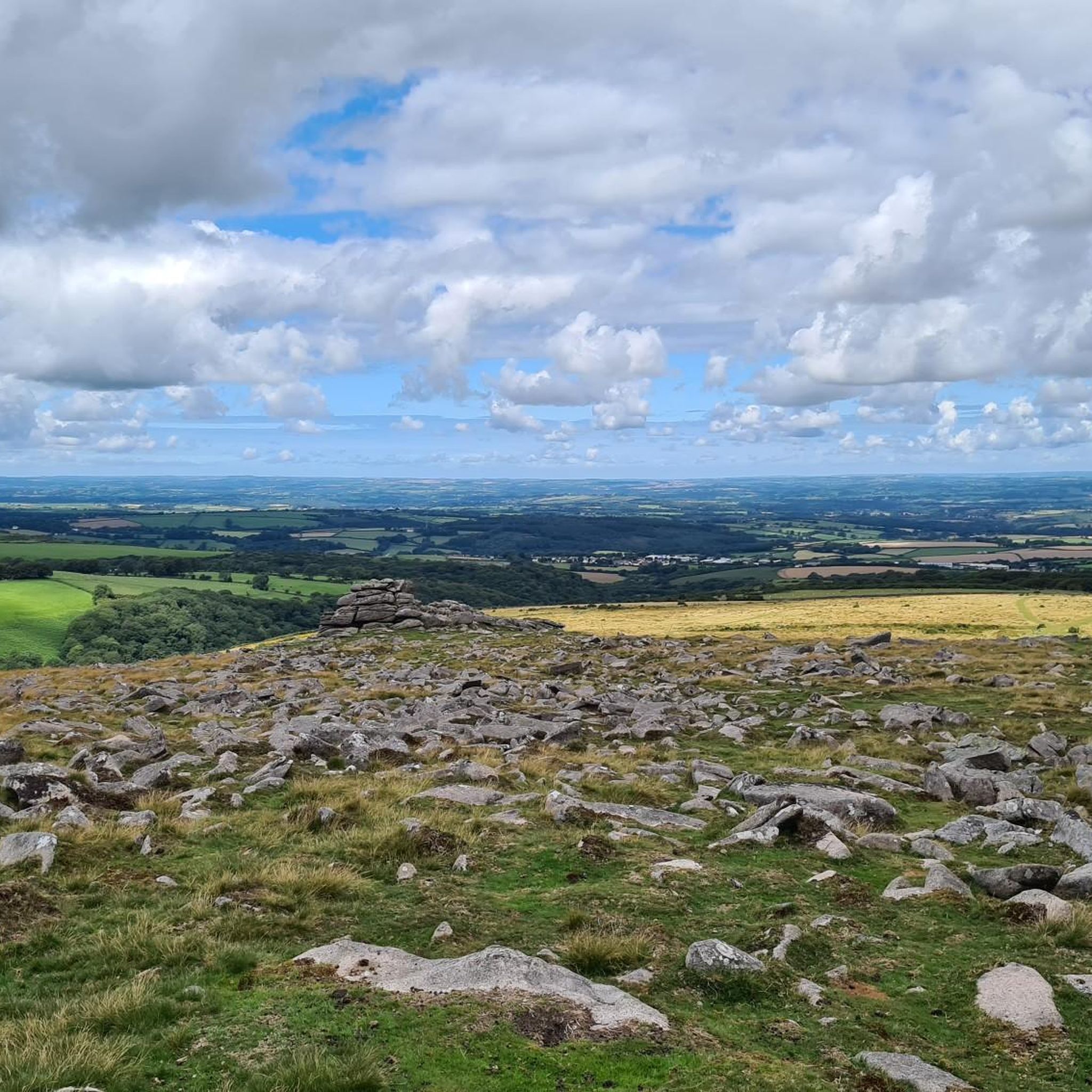
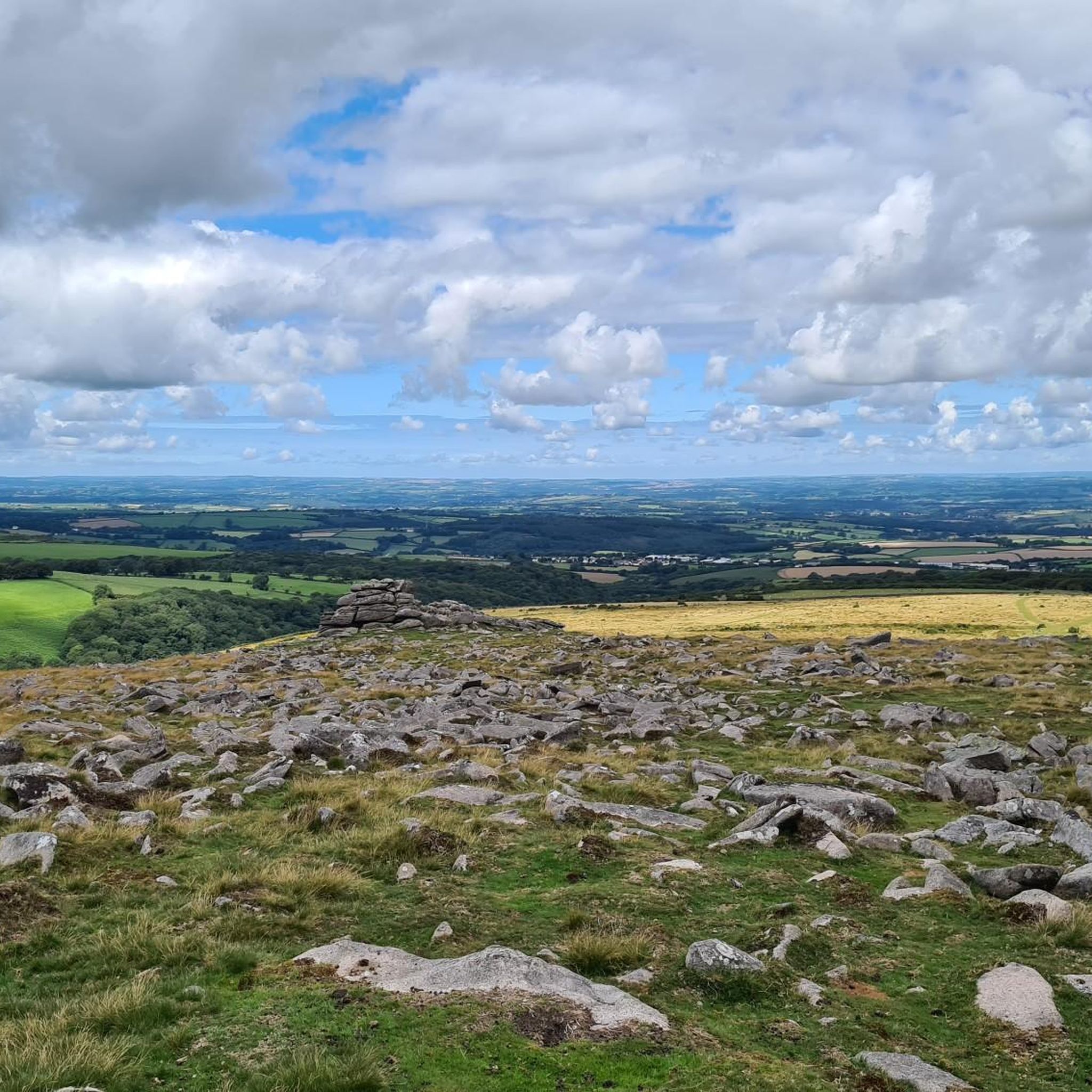
It is a distinctive rock, not only for its magnificent views, but also for its huge rock pool at the summit, formed by the weathering of weakened feldspar crystals. Before geological processes were fully understood, rock pools were described in folklore as the work of the Druids, who needed a camp as close to the sky as possible to "store sacred water and collect the blood of human sacrifices". More info here: https://visitdartmoor.co.uk/things-to-do/moors-tors/kes-tor/
6
0

The ever so slightly smaller summit of High Willhays, Yes Tor feels grander due to the large granite outcrop. Standing beside the triangulation point atop of Yes Tor offers beautiful views in all directions. A must climb if hiking with the Meldon area.
0
0
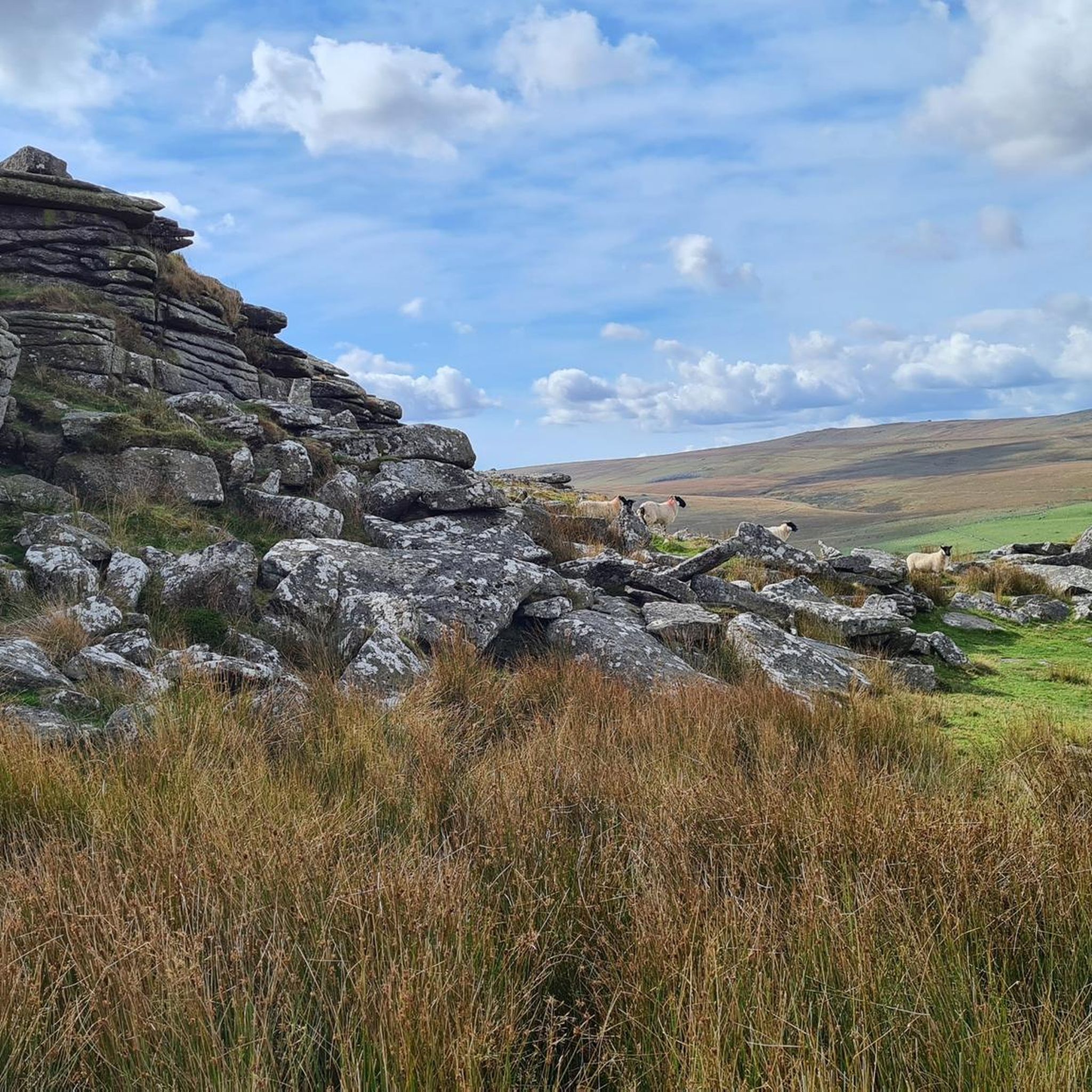
Highest point of Devon and Southern England at 621m, accesible form various routes within the area. Although not as grand or striking as other Tors in the area such as Yes, Great Links or West Mills it offers beautiful 360 degree views in all directions.
0
0

High Willhays is the highest point but it’s neighbour yes tor always feels somewhat grander, for a steep descent and climb head down past fordsland ledge into the okemont valley and back up to kitty tor
1
0
For those looking to clarify camping regulations following the high court ruling on wild camping, there is a link in this video's description https://youtu.be/kRD59PI9jZI
2
0

The highest point of both Dartmoor and southern England!
0
0
Frequently Asked Questions
What are the main types of natural monuments to explore near Sticklepath?
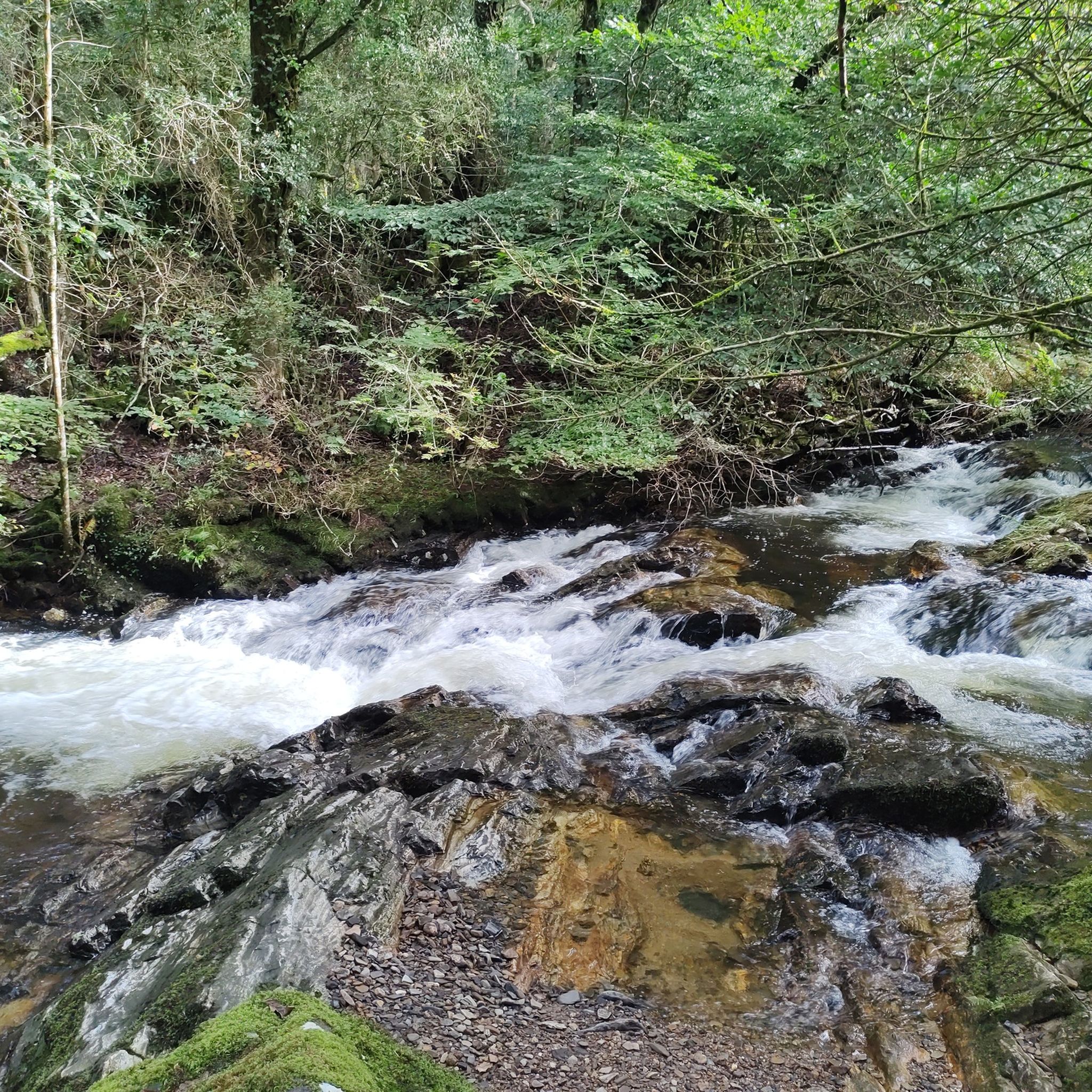
The area around Sticklepath, situated on the northern edge of Dartmoor National Park, is rich in natural monuments. You'll primarily find dramatic granite tors, such as Yes Tor summit and High Willhays summit, offering expansive views. Additionally, there are picturesque river valleys like the Teign Gorge and Belstone Cleave, characterized by impressive crags and flowing rivers.
Which natural monuments offer the best panoramic views?
For breathtaking panoramic views, consider visiting Yes Tor summit, which provides stunning vistas of North Devon and Cornwall. High Willhays summit, as the highest point on Dartmoor, also offers extensive views. Further afield, Sharp Tor (Teign Gorge) boasts exceptional views of the Teign Gorge, Castle Drogo, and Dartmoor's high north plateau.
Are there family-friendly natural monuments around Sticklepath?
Many of the natural monuments, particularly the tors, can be enjoyed by families, depending on the chosen route. For instance, Yes Tor summit is described as 'very accessible and an easy hike for most people to do' by visitors. Exploring the Teign Gorge also offers scenic walks suitable for families, though some sections may be more challenging. Always check specific route difficulties before heading out.
What kind of wildlife can I expect to see near Sticklepath's natural monuments?
The diverse habitats around Sticklepath, including farmland, woodlands, waterways, and moorland, support abundant wildlife. Visitors can spot a wide array of plants like red campion and bluebells, and at least 70 bird species. The area is also home to over 25 species of butterflies and various dragonflies, such as the fast-moving golden ring dragonfly.
Are there easy walking routes to natural monuments around Sticklepath?
Yes, there are several easy walking routes. For example, Yes Tor summit is considered an easy hike for most. The Teign Gorge also offers accessible paths along the riverbanks. For more options, you can explore the 'easy' rated routes in the Hiking around Sticklepath guide, such as the 'Tarka the Otter Bridge – Finch Foundry loop from Sticklepath'.
What outdoor activities can I do near these natural monuments?
The natural monuments around Sticklepath are ideal for various outdoor activities. Hiking is very popular, with numerous trails leading to tors and through valleys. You can find many options in the Hiking around Sticklepath guide. Mountain biking is also a great way to explore the wider Dartmoor area, with routes available in the MTB Trails around Sticklepath guide. Running trails are also plentiful, as detailed in the Running Trails around Sticklepath guide.
What is the best time of year to visit the natural monuments around Sticklepath?
The natural monuments around Sticklepath can be enjoyed year-round, but each season offers a different experience. Spring brings wildflowers and vibrant greenery, while autumn showcases beautiful foliage in the river valleys like the Teign Gorge. Summer offers longer daylight hours for extended hikes. Winter can be dramatic, but requires careful planning due to potentially challenging weather conditions on the high moorland.
Are there any unique geological features or historical natural monuments to see?
Absolutely. Kes Tor and Rock Basin is a distinctive rock formation known for its large rock pool at the summit, formed by natural weathering. Historically, such rock pools were linked to folklore. Additionally, the Sticklepath Stone, a scheduled monument and boundary stone near Lady Well, is intertwined with the natural landscape, bearing ancient inscriptions and reflecting a long history connected to a natural spring.
What do visitors enjoy most about the natural monuments in this area?
Visitors frequently praise the stunning panoramic views from the tors, especially from Yes Tor summit and High Willhays summit. The raw and rugged beauty of Dartmoor is a common highlight. Many appreciate the accessibility of some of the higher points and the opportunity for immersive hiking experiences through diverse landscapes, from high moorland to wooded cleaves.
Are there any less-known or 'hidden gem' natural monuments worth visiting?
While many visitors head to prominent tors like Sharp Tor, Hunter’s Tor in the Teign Gorge is often less crowded but offers equally stunning views and a peaceful spot to enjoy the scenery. Cosdon Beacon (Cosdon Hill), situated above Sticklepath, also provides expansive views of Dartmoor's north moor and beyond, making it a popular spot for walkers seeking a slightly different perspective.
Are the natural monuments around Sticklepath dog-friendly?
Many areas of Dartmoor National Park, including the natural monuments, are dog-friendly. However, it's crucial to keep dogs on a lead, especially during lambing season (March-July) or when livestock are present, and to protect ground-nesting birds. Always follow the Countryside Code and clean up after your dog. Specific rules may apply in certain protected areas, so check local signage.
How accessible are the natural monuments around Sticklepath for visitors with limited mobility?
Accessibility varies significantly between different natural monuments. While some tors like Yes Tor summit are described as 'very accessible' for many hikers, reaching the summits often involves uneven terrain and inclines. River valley paths may offer flatter sections, but can still be rough. It's best to research specific routes and conditions beforehand to determine suitability for individual mobility needs.
Most popular routes around Sticklepath
Most popular attractions around Sticklepath

Get inspired with the komoot mobile app


Explore more
Extend your search for the best caves by checking out these guides of the top ones around Sticklepath:
